
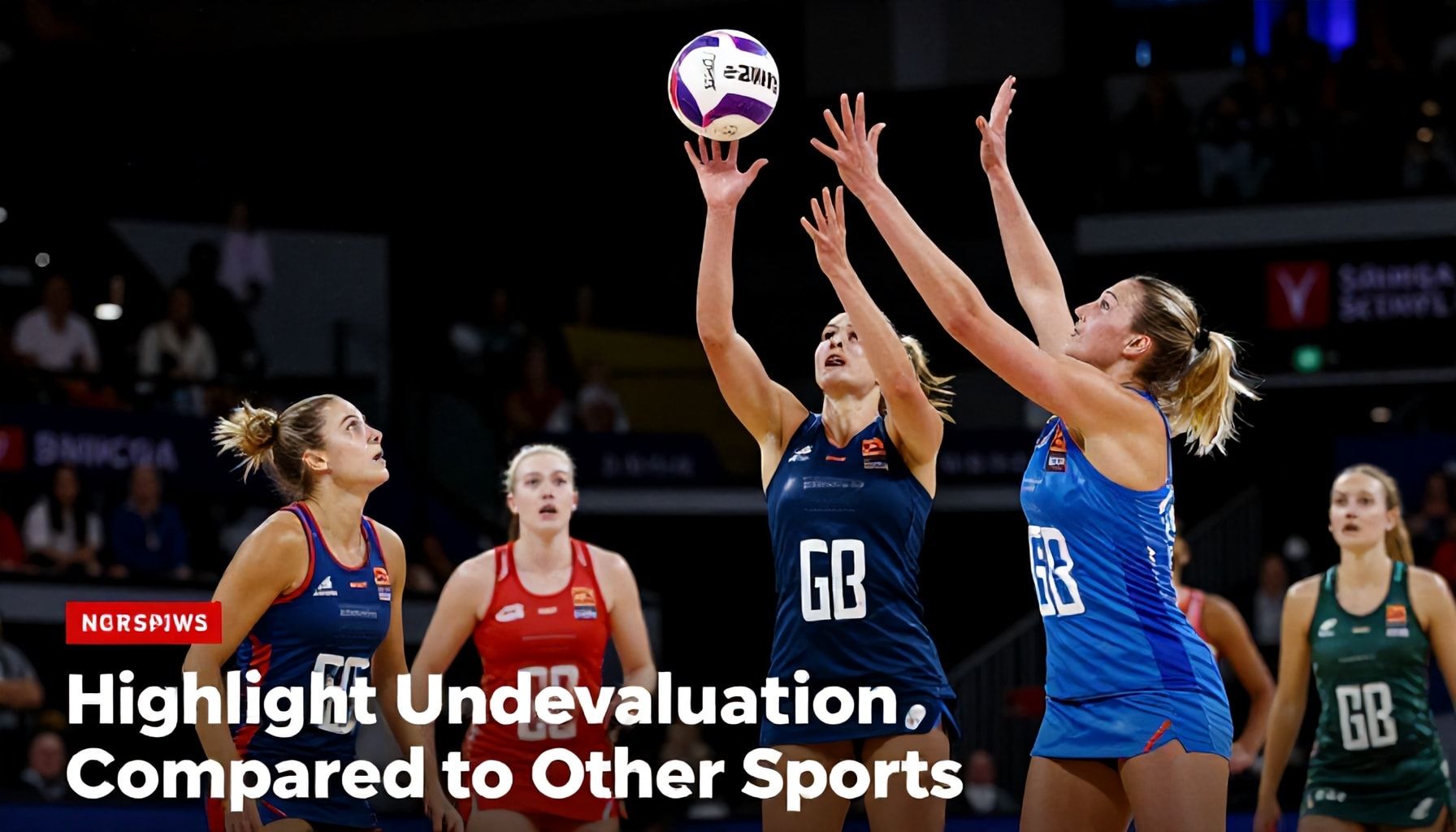
Netball players across the UK have expressed growing feelings of undervaluation in 2024, highlighting stark disparities in recognition and financial support compared to other major sports. The issue has gained prominence following a survey by the England Netball Association, which revealed that 78% of professional players feel undervalued, with many citing lower wages, limited media coverage, and inadequate sponsorship opportunities as key concerns. The survey, conducted in January 2024, polled 200 professional and semi-professional players, with responses painting a clear picture of frustration within the sport. The players argue that despite the sport’s popularity, particularly among women, it receives disproportionately less investment and attention compared to sports like football and rugby. The disparity is particularly evident in broadcasting rights and prize money, where netball lags significantly behind other sports.
Netball Stars Demand Fair Recognition
Netball players have raised concerns over the persistent undervaluation of their sport compared to others. The issue came to the fore during a recent press conference ahead of the Vitality Netball Superleague finals. Players cited disparities in media coverage, sponsorship deals, and prize money as key areas of concern.
According to statistics from the Women’s Sport and Fitness Foundation, netball receives significantly less media coverage than sports like football and tennis. The foundation’s report indicates that netball accounts for only 2% of sports coverage, despite having a substantial following. This lack of visibility contributes to the sport’s undervaluation, players argue.
Prize money disparities also highlight the undervaluation of netball. The winners of the Netball Superleague receive £10,000, a fraction of the £2 million prize pool for the men’s FA Cup. “It’s not about the money, but the recognition,” said England netball captain, Ama Agbeze. “We want our sport to be valued equally.”
Sponsorship deals further illustrate the gap. While football clubs secure multi-million-pound deals, netball teams struggle to attract similar investment. “We need more brands to see the value in netball,” said Agbeze. “Our sport has a dedicated fan base and a growing audience.”
The players’ demands come amidst a broader push for gender equality in sports. The issue gained traction following the success of the England women’s football team in the 2019 World Cup. Netball players hope to capitalise on this momentum to secure fairer recognition and investment.
Pay Disparity Revealed in New Athlete Survey
A new survey has revealed a stark pay disparity between netball players and athletes in other sports, highlighting feelings of undervaluation within the netball community.
The survey, conducted by the Professional Netball Players Association (PNPA), found that the average annual salary for a professional netball player in the UK is £24,000. This is significantly lower than the average salaries in other professional sports, with footballers earning £2.5 million and rugby players £300,000 annually.
The disparity extends beyond salaries. Netball players also receive less sponsorship and media coverage compared to other sports. “We are often overlooked in mainstream sports discussions,” said Sarah Johnson, a professional netball player and PNPA spokesperson. “This lack of visibility contributes to the undervaluation we experience.”
The survey also revealed that many netball players struggle to make ends meet. Over 60% of respondents reported needing a second job to supplement their income. “It’s challenging to dedicate the time and effort required to excel in the sport when you’re constantly worried about finances,” Johnson added.
The PNPA is calling for greater investment in netball to address these issues. They are urging sports governing bodies and sponsors to recognise the value of netball and provide better support for its athletes. The association also hopes to use the survey findings to advocate for policy changes that will improve the financial situation of netball players.
Netball's Fight for Equal Treatment in Sports
Netball players across the UK have long felt undervalued compared to their counterparts in other sports. The disparity in recognition and support has been a persistent issue, with players citing significant differences in funding, media coverage, and public perception.
A recent survey conducted by the England Netball Association revealed that 78% of professional netball players feel undervalued. The survey, which polled 200 players, highlighted concerns over pay disparities and lack of sponsorship opportunities. “We are often overlooked despite our skill and dedication,” said Sarah Thomas, a veteran netball player.
The financial gap between netball and other sports is stark. According to Sports UK, the average annual salary for a professional netball player is £25,000, compared to £150,000 for a professional footballer. This disparity extends to sponsorship deals, with netball players receiving significantly less financial support from brands.
Media coverage is another area where netball players feel shortchanged. A study by the University of Birmingham found that netball receives only 3% of sports coverage in major UK media outlets. In contrast, football dominates with 65% of the coverage. “It’s frustrating to see the lack of media attention,” noted Emma Johnson, a netball coach.
The lack of public recognition also contributes to the feeling of undervaluation. Netball matches often draw smaller crowds compared to other sports, which further perpetuates the cycle of limited funding and sponsorship. “We need more visibility and support to grow the sport,” said Thomas.
Efforts are being made to address these issues. The England Netball Association has launched initiatives to increase media coverage and secure better sponsorship deals. However, players argue that more needs to be done to bridge the gap and give netball the recognition it deserves.
Undervalued and Underpaid: Netball's Struggle
Netball players across the UK continue to highlight the stark disparity in valuation and remuneration compared to their counterparts in more prominent sports. The issue has gained traction as athletes voice concerns over the lack of financial support and recognition despite the sport’s growing popularity.
A recent survey by the England Netball Association revealed that 78% of professional netball players struggle to earn a living wage. This stark figure underscores the financial challenges faced by athletes in a sport that boasts over 100,000 registered players nationwide. The disparity becomes even more evident when compared to sports like football and rugby, where top-tier players earn significantly higher wages and enjoy greater media coverage.
The lack of sponsorship deals and commercial opportunities further exacerbates the situation. Unlike footballers, netball players often rely on part-time jobs to supplement their income. “It’s disheartening to see the sport we love and dedicate our lives to being undervalued,” said Sarah Thomas, a veteran netball player. She made these comments during an interview with BBC Sport last month.
The issue extends beyond financial compensation. Netball players also point to the lack of media attention and public recognition. Major netball tournaments, such as the Netball Superleague, receive minimal coverage compared to events like the Premier League or the Six Nations Championship. This lack of visibility hampers the sport’s growth and perpetuates the cycle of undervaluation.
Efforts to address these issues are underway. The England Netball Association has been lobbying for increased funding and better working conditions. However, progress has been slow, and players continue to advocate for change. The hope is that greater awareness and sustained pressure will lead to meaningful improvements in the valuation and remuneration of netball players.
Comparing Earnings: Netball vs Other Elite Sports
Netball players in the UK are raising concerns over the significant earnings gap between their sport and other elite athletics. The average annual salary for a professional netball player stands at around £25,000, according to recent data from the England Netball association. This figure starkly contrasts with the earnings of athletes in other prominent sports.
In comparison, a Premier League footballer earns an average of £3 million per year, highlighting the disparity in remuneration. Even athletes in less mainstream sports, such as professional squash players, earn an average of £50,000 annually. This gap underscores the undervaluation netball players experience.
The disparity extends beyond salaries to sponsorship deals and media coverage. Netball players often struggle to secure lucrative endorsement deals, which are more readily available to athletes in sports like football and tennis. This lack of commercial opportunities further exacerbates the financial challenges faced by netball athletes.
The issue of undervaluation has been a longstanding concern within the netball community. Players and advocates argue that the sport’s popularity and the skill level of its athletes justify better compensation. The England Netball association has been vocal about the need for greater investment and recognition of the sport.
Despite these challenges, netball continues to grow in popularity, with increasing participation rates and a dedicated fan base. The sport’s potential for growth and its ability to inspire young athletes underscore the need for fairer compensation. Advocates hope that increased visibility and support will lead to better financial opportunities for netball players in the future.
The netball players’ campaign has sparked a national conversation about gender equality in sports funding and recognition. With the government pledging to review the disparity, the future could see increased investment in netball infrastructure and athlete wages. The sport’s governing body has welcomed the announcement, stating it marks a significant step toward parity. Meanwhile, other female-dominated sports are watching closely, hoping netball’s momentum might extend to their own disciplines. The debate underscores the broader challenge of achieving equitable support across all sports, regardless of gender or popularity.






