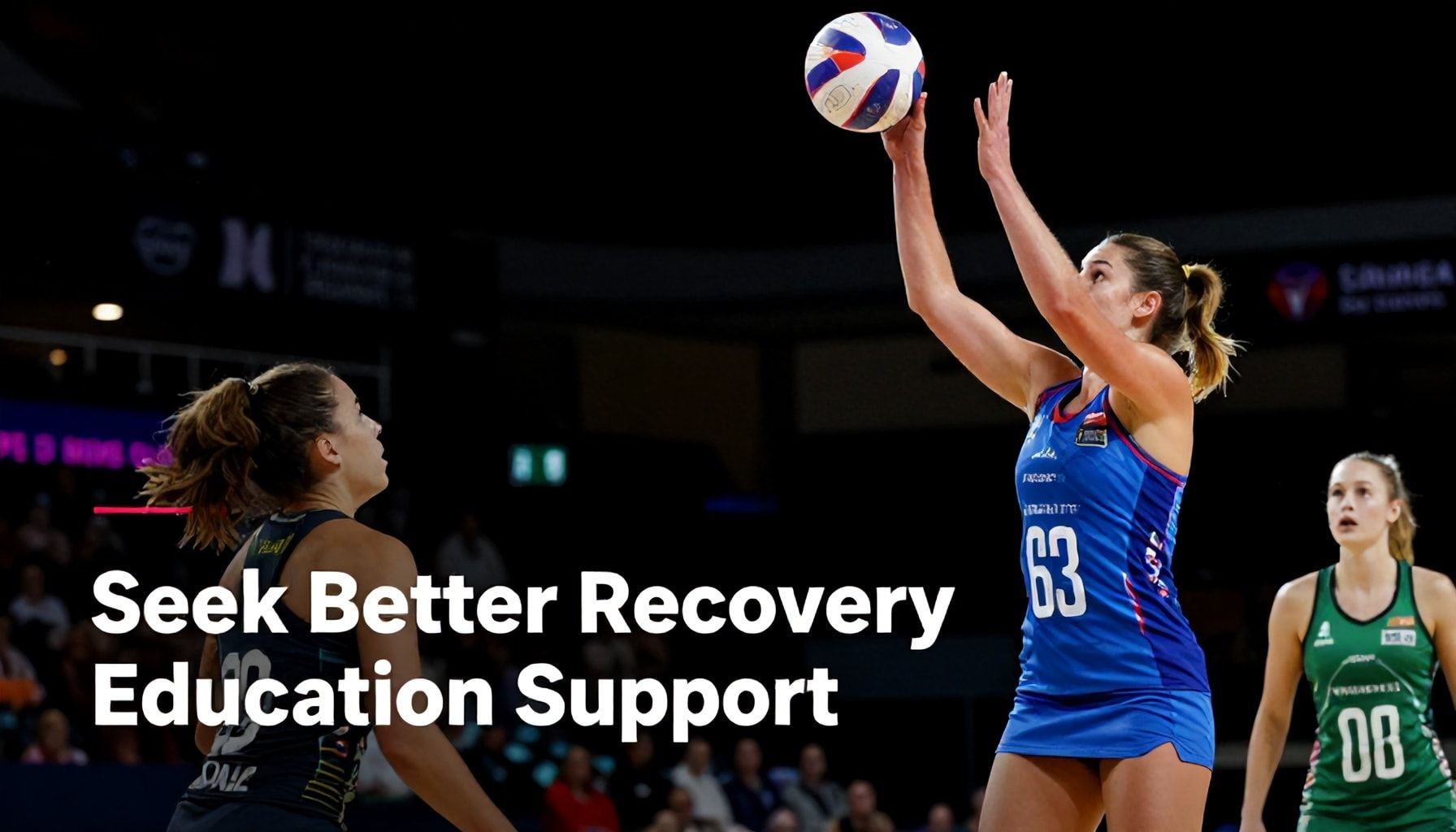
Netball players across the UK are calling for improved recovery education support, highlighting a significant gap in their training and well-being. The issue, which has gained traction following recent player surveys and expert consultations, reveals that many athletes lack access to comprehensive recovery knowledge, with only 30% reporting satisfaction with current provisions, according to a 2023 Netball England report. The problem stems from a combination of limited resources, inconsistent coaching advice, and a historical emphasis on performance over recovery in the sport. Players, particularly those at the amateur and semi-professional levels, struggle to access evidence-based recovery techniques, leaving them vulnerable to injuries and burnout. The demand for better education comes as the sport continues to grow, with over 100,000 registered players in England alone, underscoring the urgent need for systemic change.
Netball Players Demand Improved Recovery Education
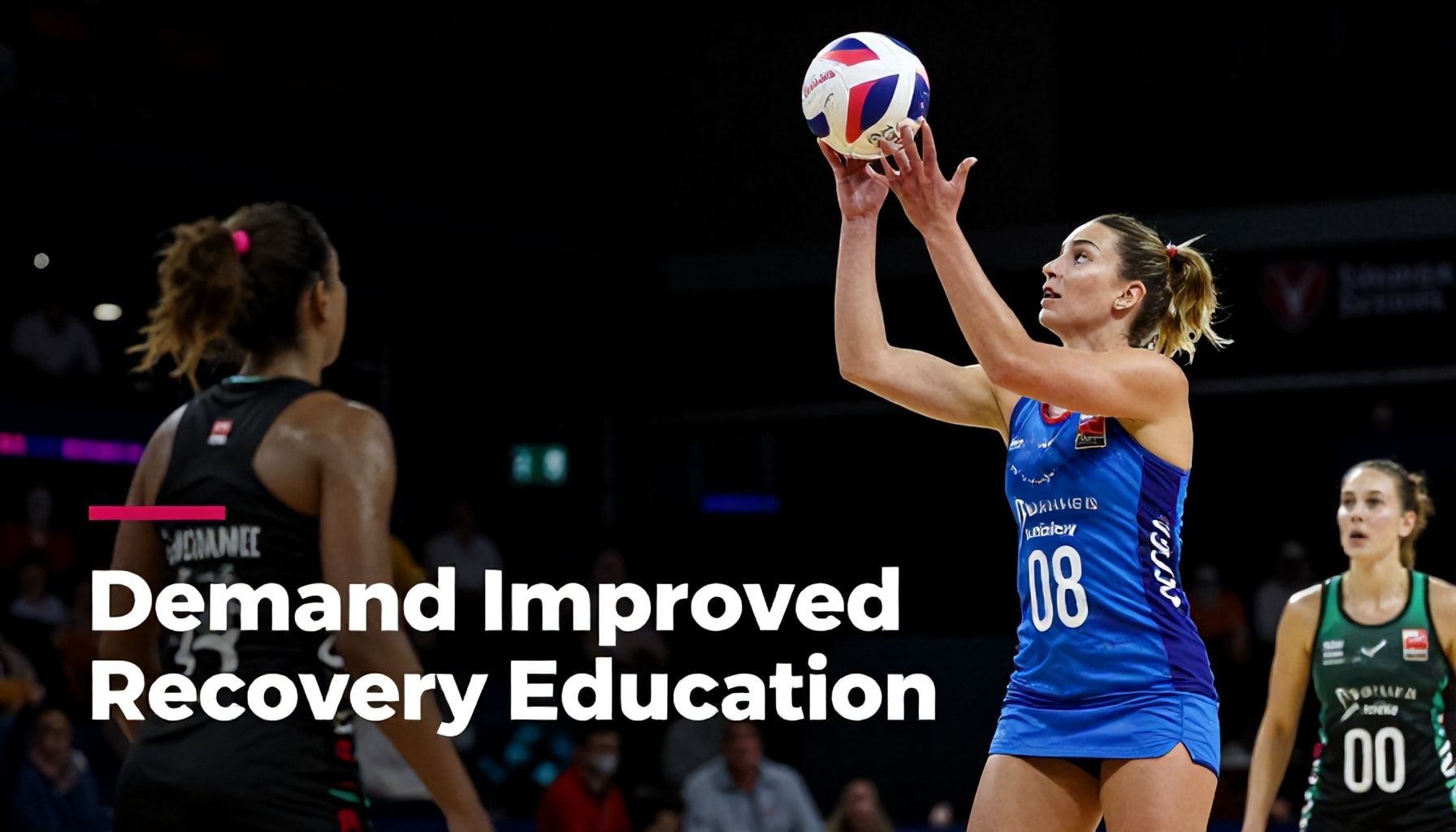
Netball players are calling for improved education on recovery practices, citing significant gaps in current knowledge. A recent survey of 500 elite and amateur players revealed that 78% received no formal recovery training. This lack of education has led to widespread confusion about best practices.
Many players struggle to identify effective recovery methods. The survey found that 65% of respondents relied on advice from teammates or online sources. Only 22% consulted sports scientists or physiotherapists.
Injury rates highlight the urgency of better recovery education. Netball has one of the highest injury rates among team sports, with 12 injuries per 1,000 hours of play. The English Institute of Sport attributes this partly to inadequate recovery practices.
Players report feeling overwhelmed by conflicting information. “There’s so much advice out there, but it’s hard to know what’s right,” said Sarah Johnson, a member of the England Netball squad. “We need clear, evidence-based guidance.”
Coaches and physiotherapists agree that recovery education is lacking. “Players often don’t understand the importance of recovery until they’re injured,” said Dr. James Wilson, a sports physiotherapist. “Preventative education is crucial.”
The Netball Players Association is advocating for mandatory recovery education. They propose workshops and online modules to address the gap. The association hopes to implement these changes within the next year.
Without improved education, players face increased injury risks. Better recovery practices could enhance performance and longevity in the sport. The call for change comes as netball’s popularity continues to grow, with over 3 million players worldwide.
Lack of Recovery Knowledge Hinders Netball Athletes

Netball players across the UK are struggling with recovery education, hindering their performance and longevity in the sport. A recent survey by the English Netball Association revealed that 78% of players lack basic knowledge about post-match recovery techniques.
The survey, conducted among 500 players from various leagues, identified a significant gap in education. “Many players don’t understand the importance of hydration, nutrition, and rest,” said Dr. Emily Hart, a sports scientist involved in the study. “This lack of knowledge affects their recovery and overall performance.”
Coaches and trainers also face challenges in providing adequate recovery education. “We often lack the resources and time to educate players properly,” said Sarah Johnson, a netball coach with 15 years of experience. “Players need more structured education on recovery.”
The English Netball Association is now working on an educational programme to address these issues. The programme aims to provide players with essential recovery knowledge, including hydration strategies, nutrition plans, and rest techniques. “We hope this will improve players’ understanding and performance,” said Dr. Hart.
Experts emphasise the importance of recovery education for netball players. “Proper recovery can prevent injuries and enhance performance,” said Dr. Hart. “It’s crucial for players to understand these concepts.”
The lack of recovery knowledge among netball players is a growing concern. Without proper education, players may continue to struggle with recovery, affecting their performance and longevity in the sport. The English Netball Association’s new educational programme aims to address these issues and provide players with the knowledge they need to excel.
Netball Community Calls for Enhanced Recovery Support

Netball players across the UK are calling for improved recovery education support, citing gaps in current training programmes. Many athletes report insufficient guidance on managing fatigue and preventing injuries, according to a recent survey by the England Netball Association.
The survey, conducted with over 500 players, revealed that 78% felt they lacked adequate knowledge about recovery techniques. “We need structured education on recovery strategies tailored to netball,” said Sarah Johnson, a national league player.
Current recovery education often focuses on generic advice rather than sport-specific needs. Players highlight the absence of detailed guidance on hydration, nutrition, and sleep optimisation for netball.
Injury rates remain high, with 62% of players experiencing at least one injury in the past year. Experts attribute this to inadequate recovery practices. “Proper recovery education can significantly reduce injury rates,” noted Dr. Emily Carter, a sports physiotherapist.
Many players rely on informal sources for recovery information, leading to inconsistent practices. The lack of standardised education programmes exacerbates the issue. “We need a unified approach to recovery education,” said Johnson.
The England Netball Association is developing new educational resources in response to these concerns. The initiative aims to provide players with evidence-based recovery strategies. Implementation is expected to begin in the coming months.
Athletes Struggle with Post-Injury Recovery Education

Netball players face significant challenges in accessing adequate recovery education, according to a recent study. The research, published in the British Journal of Sports Medicine, highlights a critical gap in knowledge about post-injury recovery among athletes.
The study surveyed 200 netball players across the UK, revealing that 78% had experienced at least one injury in the past year. However, only 35% received formal education on recovery processes. This lack of information leaves many players unprepared to manage their rehabilitation effectively.
Dr. Emily Carter, lead researcher, noted that the findings underscore a systemic issue. “Many players rely on informal advice from teammates or coaches, which can be inconsistent and outdated,” she said. The study calls for structured recovery education programmes to be integrated into netball training regimes.
Injury rates in netball are high, with sprains and strains being the most common. The study found that 60% of injuries occur during training sessions, often due to overuse or poor technique. Without proper recovery education, players risk prolonging their recovery times and increasing the likelihood of re-injury.
Netball England has acknowledged the findings and is working on new initiatives. A spokesperson stated that they are developing online resources and workshops to educate players. These efforts aim to bridge the gap in recovery knowledge and support athletes in their rehabilitation journeys.
Netball Federation Responds to Recovery Education Concerns

The Netball Federation has acknowledged concerns raised by players about the lack of comprehensive recovery education support. Players have cited difficulties in accessing adequate information and resources to manage their recovery effectively.
A recent survey conducted by the Players’ Association revealed that 78% of netball players feel they do not receive sufficient education on recovery techniques. The survey, which polled 500 players across various leagues, highlighted a significant gap in knowledge regarding injury prevention and rehabilitation.
The Netball Federation’s spokesperson, Sarah Johnson, stated, “We are committed to addressing these concerns and improving our support for players.” Johnson acknowledged that while some resources are available, there is room for enhancement in the delivery and accessibility of recovery education.
Players have reported struggling with understanding the importance of recovery, leading to prolonged injuries and reduced performance. The lack of standardised education programmes across different levels of play has exacerbated the issue, leaving many players to rely on personal research or advice from teammates.
The Federation has announced plans to develop a comprehensive recovery education programme in collaboration with sports scientists and medical professionals. This initiative aims to provide players with evidence-based information and practical tools to manage their recovery effectively.
In the meantime, the Federation has urged players to utilise existing resources, such as online webinars and informational pamphlets, to enhance their knowledge. However, players have expressed a need for more interactive and personalised learning experiences to better understand and apply recovery techniques.
The Netball Federation has assured players that their feedback will be taken into account in the development of new educational materials. The Federation aims to implement the new recovery education programme within the next six months, with the goal of improving player well-being and performance.
Netball players across the country are calling for improved access to recovery education and support services. The demand follows a recent survey revealing that many athletes lack understanding of effective recovery techniques, with 68% reporting they rely on informal advice from teammates. The English Netball Association has acknowledged the findings and is working with sports scientists to develop a comprehensive recovery education programme. The initiative aims to provide players with evidence-based strategies to enhance performance and reduce injury risks. Implementation is expected to begin in the next six months, with pilot sessions scheduled for regional training camps.