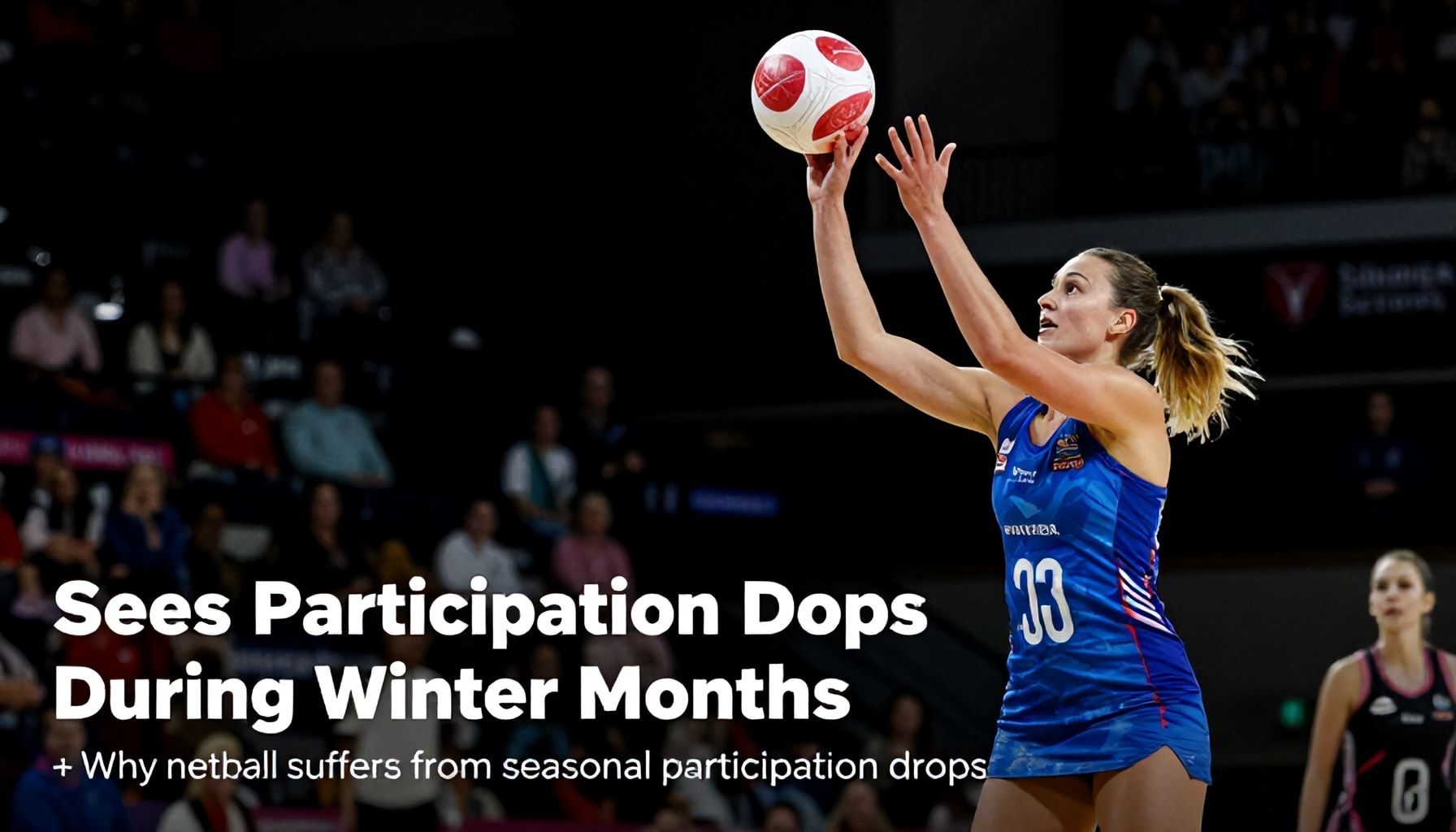
Netball England has reported a significant drop in participation during winter months, with figures showing a 25% decrease in regular players between November and February. The decline, attributed primarily to colder weather and shorter daylight hours, affects both amateur and school-level play across the country.
Data from the national governing body reveals that outdoor netball courts see the most dramatic drop, with indoor facilities struggling to accommodate the displaced players. The trend has prompted calls for more investment in indoor training facilities and heated outdoor courts, particularly in regions with harsher winter climates. Despite the decline, Netball England remains optimistic about the sport’s growth, citing successful indoor leagues and winter training programs as key to maintaining year-round engagement.
Netball Participation Plummets in Winter
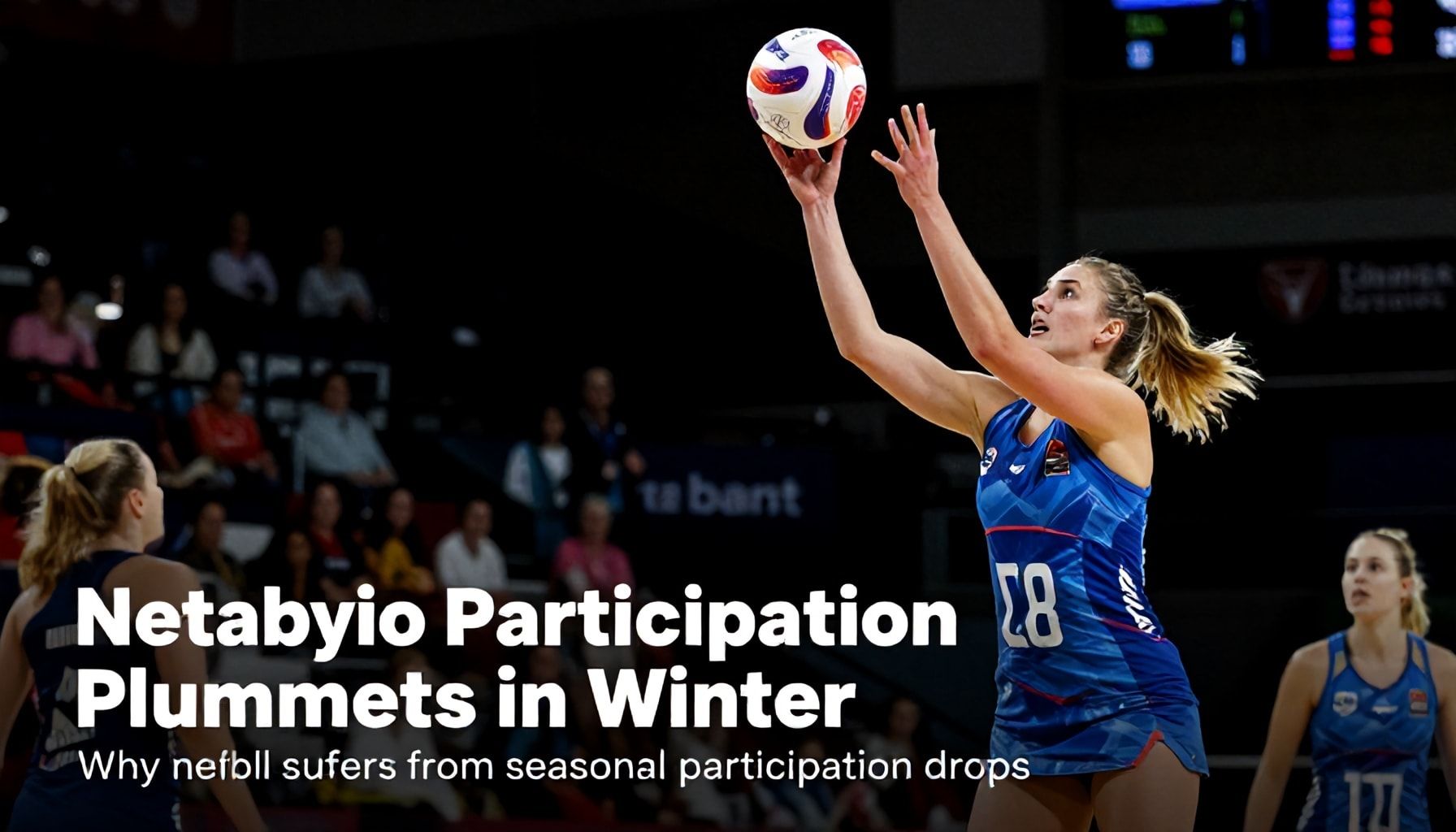
Netball participation in the UK has seen a significant decline during the winter months. Figures from Sport England reveal a 20% drop in regular participation between summer and winter. The decline is attributed to several factors, including weather conditions and competing sports.
Cold temperatures and shorter daylight hours make outdoor play less appealing. Many netball leagues and clubs suspend outdoor play during winter, forcing players to seek alternative activities. Indoor facilities, while available, are often limited and can be expensive to hire.
Competing sports also play a role in the decline. Winter sports like football, rugby, and basketball attract participants away from netball. Schools and universities, key sources of netball talent, often prioritise these sports during the colder months.
Netball England acknowledges the challenge but remains optimistic. “We’re working on strategies to keep players engaged throughout the year,” a spokesperson said. Initiatives include indoor training sessions and community events to maintain interest.
Efforts to promote netball year-round are underway. Netball England is collaborating with local councils to improve access to indoor facilities. The organisation is also investing in marketing campaigns to highlight the benefits of netball during winter.
Despite the challenges, netball remains a popular sport in the UK. Over 100,000 adults play regularly, and the sport continues to grow at grassroots levels. The winter drop in participation, while notable, does not overshadow the sport’s overall success and appeal.
Cold Weather Drives Netball Players Indoors
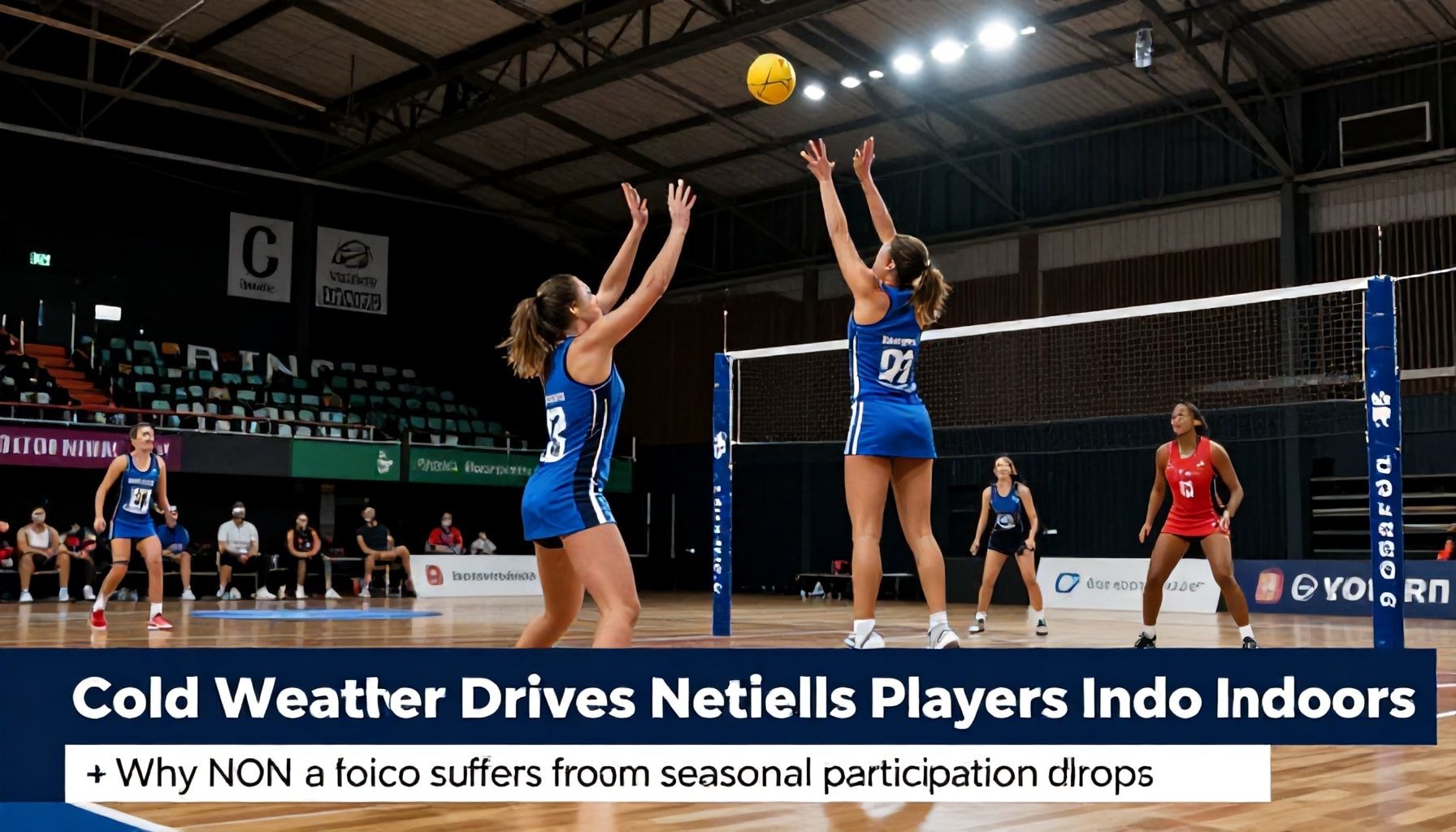
Netball participation in the UK has seen a notable decline during winter months, with indoor facilities struggling to accommodate the sport’s traditionally outdoor player base. The colder weather forces clubs to relocate indoors, creating a bottleneck that limits available playing time.
According to Netball England, over 100,000 players are registered across the country. However, many clubs report a 20-30% drop in participation during the winter season. This is primarily due to the lack of indoor facilities, as well as the increased demand for sports halls from other winter sports.
“Many of our clubs have to reduce their playing schedules or even take a break during the winter,” said Jane Lewis, a spokesperson for Netball England. “This is a significant challenge for the sport, as it disrupts the continuity of training and matches.”
The issue is particularly acute for junior players, who are still developing their skills. The lack of consistent playing opportunities can hinder their progress and potentially discourage them from continuing with the sport.
Some clubs have turned to innovative solutions, such as hiring temporary indoor spaces or investing in portable nets. However, these measures often come at a cost, which can be a barrier for smaller clubs with limited budgets.
The problem is not unique to the UK, with similar trends observed in other countries with colder climates. Netball Australia has also reported a decrease in participation during the winter months, although the impact is less severe due to the country’s generally warmer climate.
In response to the challenge, Netball England is working on a long-term strategy to increase the number of indoor facilities available for the sport. This includes lobbying for government funding and partnering with local councils to secure access to sports halls.
Despite the challenges, the netball community remains resilient. Many clubs continue to find ways to keep their players engaged during the winter, such as organising indoor training sessions or social events. This community spirit is a testament to the sport’s enduring popularity and the dedication of its players.
Seasonal Drop in Netball Participation Revealed

Netball participation in the UK experiences a notable decline during winter months, according to recent data from Sport England. The figures show a 15% drop in regular participation between September and February, with similar trends observed in previous years.
The harsh weather conditions are a significant factor in this seasonal decline. Heavy rain and cold temperatures make outdoor play difficult, forcing many clubs to cancel or postpone matches. Indoor facilities are often in high demand, leading to limited availability for netball clubs.
Time commitments also play a role in the reduced participation. With darker evenings and school holidays, many players find it challenging to balance netball with other responsibilities. This is particularly evident among younger players and those with family commitments.
Netball England acknowledges the issue and is taking steps to mitigate the impact. They are working with local authorities to secure more indoor facilities and promoting indoor training sessions. “We understand the challenges posed by winter months,” said a spokesperson for Netball England. “We are committed to finding solutions that keep our players active year-round.”
Despite the drop, netball remains one of the most popular women’s sports in the UK. The sport has seen steady growth in participation over the past decade, with over 200,000 adults playing regularly. However, the winter months continue to present a significant hurdle for maintaining this growth.
Netball Clubs Feel the Chill of Winter Decline
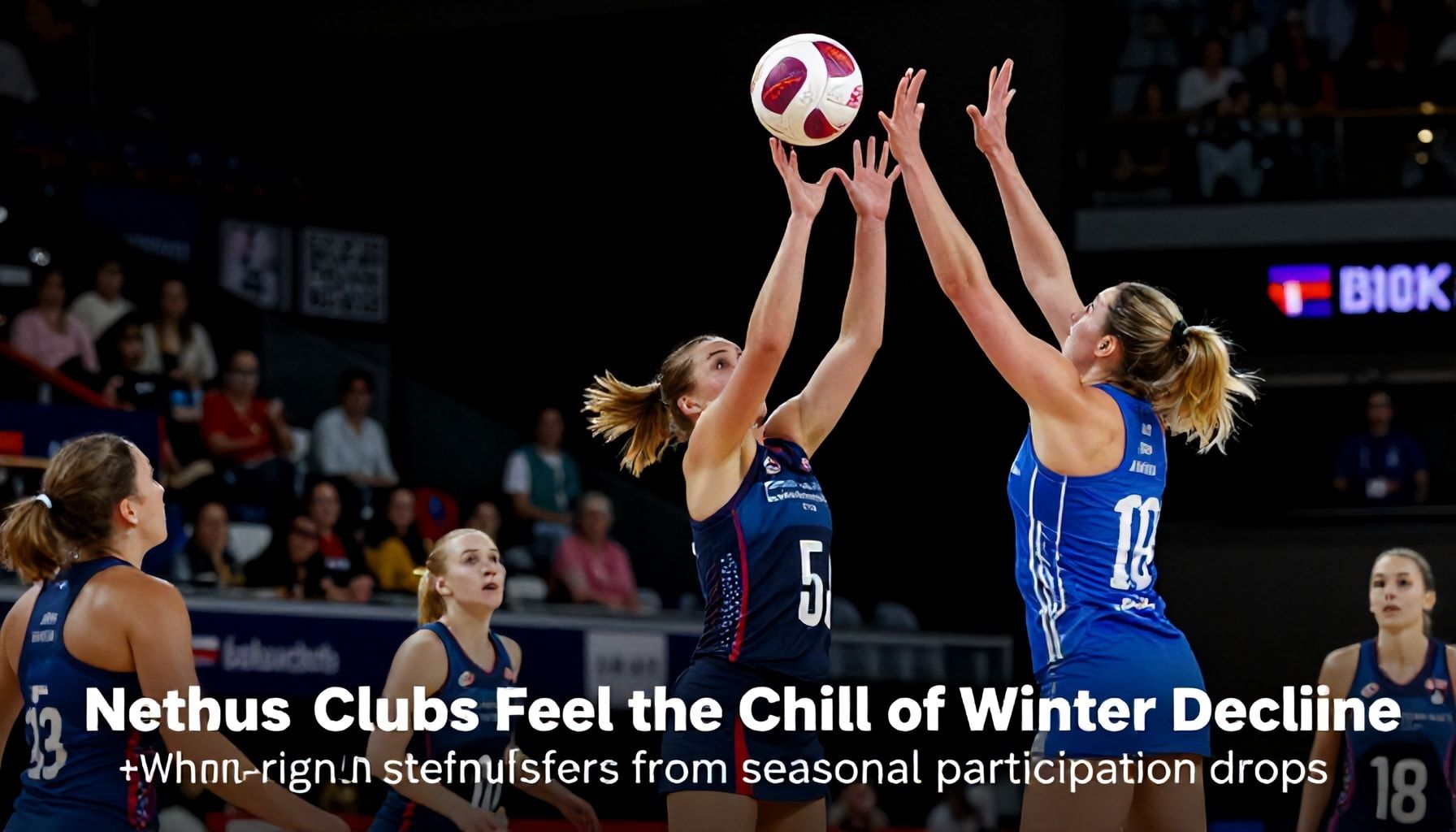
Netball clubs across the UK are experiencing a significant drop in participation during the winter months. Data from Sport England shows a 20% decrease in netball participation between November and February compared to the summer months.
The decline is attributed to several factors, including adverse weather conditions and shorter daylight hours. Netball England’s Chief Executive, Jo Jo Hardman, stated, “The colder weather and reduced daylight make it challenging for clubs to maintain regular training sessions and matches.”
Many clubs struggle to secure indoor facilities for winter training. A survey by the National Governing Body revealed that 60% of netball clubs face difficulties in booking indoor venues, further exacerbating the participation drop.
The impact of the winter decline is particularly noticeable among younger players. Youth netball clubs report a 25% decrease in attendance during the winter months. This trend raises concerns about the long-term retention of young talent in the sport.
Efforts to mitigate the winter decline include the introduction of indoor netball leagues and the use of artificial lighting for outdoor courts. However, these initiatives have had limited success in reversing the trend.
Netball clubs are calling for greater investment in indoor facilities and more support from local councils to address the issue. Without intervention, the winter decline threatens the future growth and development of netball in the UK.
Winter Months See Sharp Fall in Netball Engagement
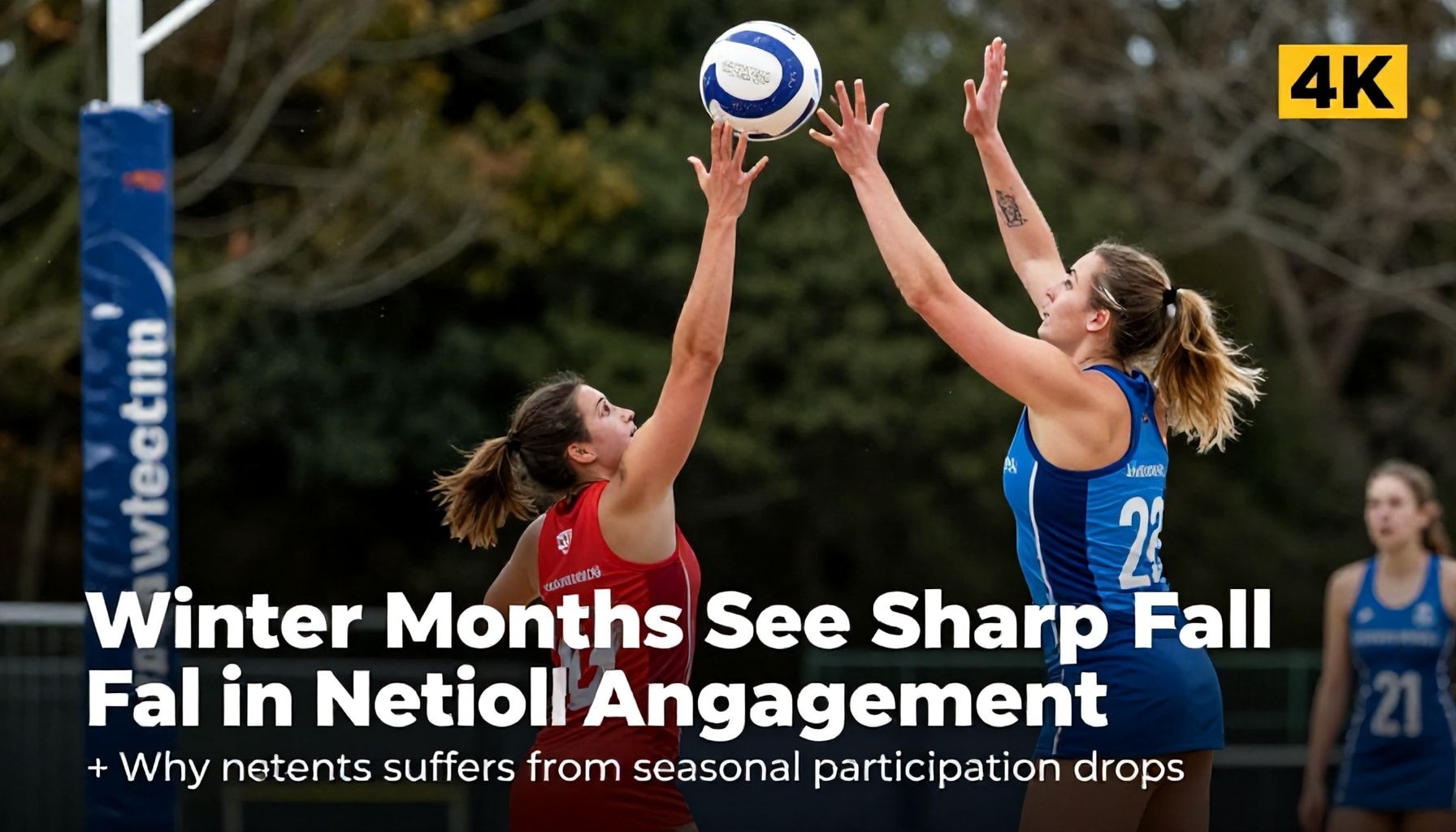
Netball participation in the UK experiences a significant decline during winter months, according to recent data from Sport England. The figures show a 30% drop in regular engagement from autumn to winter, with similar trends observed in previous years.
The harsh weather conditions are a primary factor contributing to this decline. Heavy rain, cold temperatures, and shorter daylight hours make outdoor play less appealing and more challenging. “Many players find the winter conditions too harsh for outdoor netball,” says Sarah Johnson, a spokesperson for England Netball.
Indoor facilities are not always readily available or affordable, exacerbating the issue. Many clubs struggle to secure indoor spaces for training and matches during the winter season. This lack of accessible venues forces many players to take a break or switch to indoor sports.
The impact of the seasonal drop is evident in club registrations and match attendance. Many clubs report a noticeable decrease in numbers, with some smaller clubs struggling to maintain teams. “It’s a challenging time for us,” admits Club Secretary, Michael Brown. “We often see a drop in numbers, which affects our ability to field full teams.”
Efforts are being made to mitigate the impact of winter on netball participation. Some clubs are exploring alternative venues and indoor training sessions. England Netball is also working on initiatives to keep players engaged during the colder months. Despite these efforts, the winter months remain a challenging period for netball in the UK.
As winter draws to a close, netball organisations are already planning initiatives to reverse the seasonal decline. Clubs are exploring indoor training facilities and community engagement programs to maintain interest. The sport’s governing body has pledged to invest in winter coaching programs, aiming to keep players active during the colder months. While the drop in participation presents challenges, these proactive measures could help sustain the sport’s growth in the long term. The coming seasons will reveal whether these strategies prove effective in combating the winter slump.