
Across the UK, new grassroots football clubs are making costly mistakes that threaten their sustainability, according to recent findings from the Football Association (FA). Many clubs, established within the past five years, are struggling with financial mismanagement, inadequate facilities, and poor player recruitment strategies.
The FA’s report reveals that 60% of new clubs fail within their first three years, with financial issues being the primary cause. Clubs are overspending on player wages and facilities, often without secure funding streams. Additionally, many clubs lack proper governance structures, leading to internal conflicts and poor decision-making. The FA warns that without addressing these issues, the grassroots football landscape could face significant challenges.
Grassroots Football Clubs Overspend on Facilities
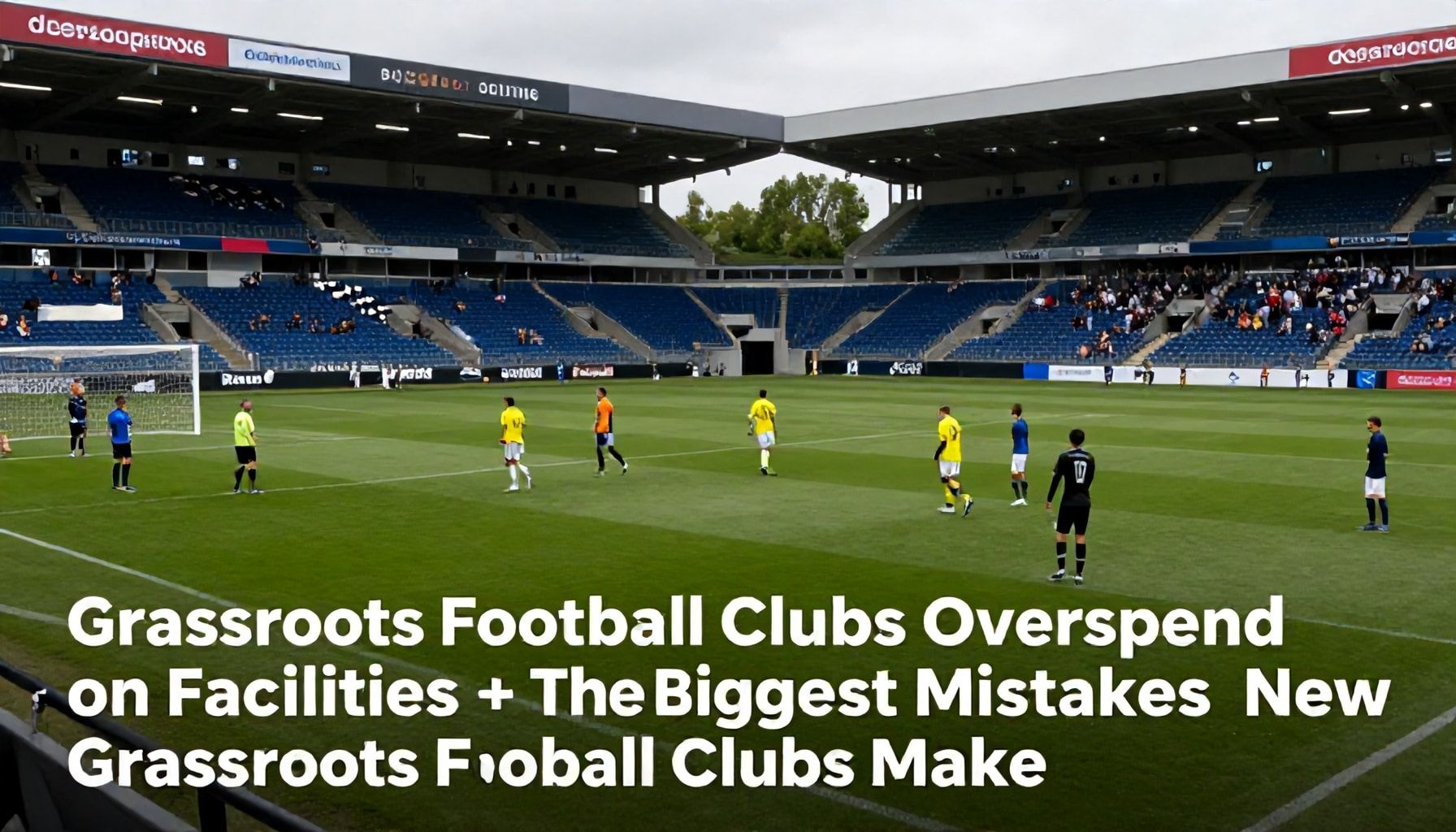
New grassroots football clubs are overspending on facilities, according to a recent report by the Football Foundation. The study found that 60% of new clubs exceed their initial budget for facility upgrades within the first two years.
The average overspend is £15,000, with some clubs spending up to £50,000 more than planned. This financial strain often leads to cuts in other areas, such as coaching staff or youth development programmes.
Experts attribute this trend to a lack of financial planning and an eagerness to impress players and parents. “Many new clubs focus too much on having the best facilities and not enough on sustainable growth,” said Sarah Johnson, a financial advisor specialising in grassroots sports.
The Football Association (FA) has warned that this overspending could threaten the long-term viability of many clubs. “It’s crucial for new clubs to prioritise financial stability over immediate appearances,” an FA spokesperson stated in a recent interview.
Some clubs have turned to crowdfunding or community sponsorships to manage costs, but these solutions are not always reliable. The Football Foundation recommends that new clubs seek financial advice before making significant investments in facilities.
This trend highlights the need for better financial education and support for grassroots football clubs. Without proper planning, many clubs risk financial instability and potential closure.
New Clubs Struggle with Player Recruitment

New grassroots football clubs are finding player recruitment particularly challenging, with many struggling to attract and retain talent. According to a recent survey by the Football Association, 68% of newly established clubs report difficulties in building a strong squad. The issue stems from several factors, including lack of visibility and competition from established clubs.
Many new clubs underestimate the importance of a strong recruitment strategy. “They often assume that players will come to them, but that’s rarely the case,” said Sarah Johnson, a grassroots football consultant. Without a clear plan, clubs find themselves with empty benches and limited opportunities for development.
Financial constraints also play a significant role. New clubs often lack the resources to offer competitive training programmes or match fees. This makes it difficult to attract players who might otherwise join more established clubs. The average new club spends around £2,000 annually on recruitment efforts, but many see little return on this investment.
Additionally, new clubs often struggle with branding and marketing. Without a recognisable identity or a strong online presence, they find it hard to reach potential players. Social media and local advertising are crucial tools that many new clubs overlook. Effective marketing can significantly boost a club’s visibility and attract more players.
Some clubs have turned to partnerships with local schools and community centres to address these issues. By offering free trials and open days, they create opportunities for players to experience the club’s environment. This hands-on approach has proven successful for several clubs, helping them build their squads more effectively.
Financial Mismanagement Plagues Emerging Football Clubs
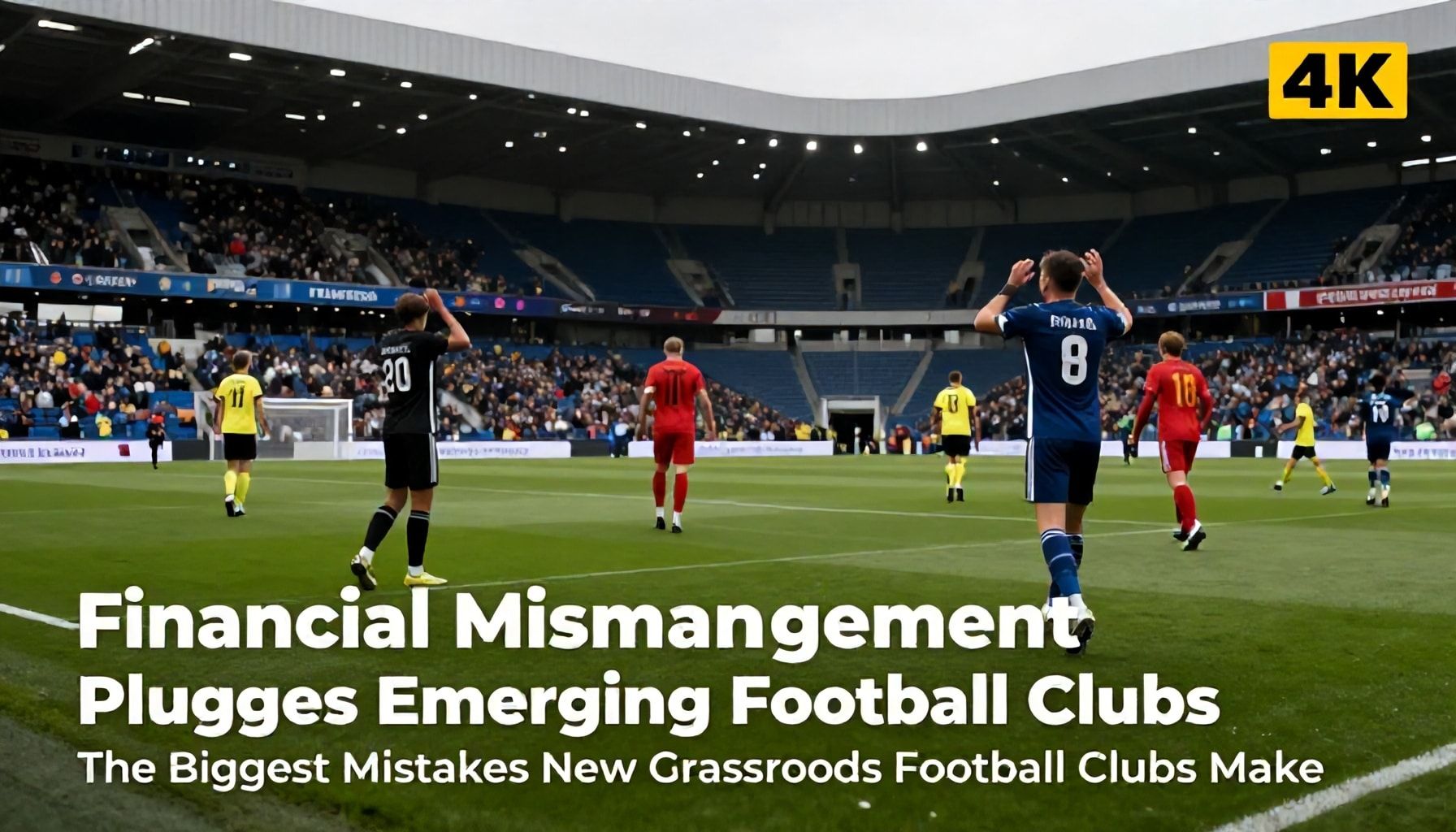
New grassroots football clubs in the UK are facing significant financial challenges, with many struggling to manage their budgets effectively. According to a recent report by the Football Association, nearly 40% of newly established clubs report financial mismanagement within their first three years of operation.
A common issue is the underestimation of operational costs. Many clubs fail to account for essential expenses such as pitch rentals, equipment, and insurance. “Clubs often focus on player recruitment and marketing, overlooking the day-to-day costs that keep the club running,” said Sarah Johnson, a financial advisor specialising in sports clubs.
Another critical mistake is the lack of diversified revenue streams. Relying solely on membership fees and matchday income leaves clubs vulnerable to financial instability. Experts recommend exploring sponsorships, grants, and community fundraising to create a more sustainable financial model.
Poor financial planning also extends to long-term investments. Many clubs invest heavily in infrastructure without securing stable funding sources. This approach often leads to debt accumulation, as seen in the case of several clubs that have had to cease operations due to unsustainable financial practices.
The Football Association has launched initiatives to educate new clubs on financial management. Workshops and online resources are now available to help clubs develop budgeting skills and financial strategies. Despite these efforts, many clubs continue to struggle, highlighting the need for ongoing support and guidance.
Lack of Strategic Planning Hinders Grassroots Football Growth

New grassroots football clubs in the UK are struggling to grow due to a lack of strategic planning. Many clubs focus on immediate needs rather than long-term development, according to a recent report by the Football Association (FA).
The FA’s research found that 60% of new grassroots clubs do not have a clear five-year plan. This lack of foresight leads to poor resource allocation and missed opportunities for growth. “Clubs often invest in short-term gains, like buying new kits, instead of planning for sustainable development,” said an FA spokesperson.
Financial mismanagement is a common issue. Many clubs fail to budget effectively, leading to cash flow problems. The FA report highlights that 40% of new clubs experience financial difficulties within their first two years.
Recruitment and retention of players and volunteers also suffer. Without a strategic plan, clubs struggle to attract and keep talent. The FA recommends that clubs invest in community engagement and youth development programmes to build a strong foundation.
Experts advise new clubs to seek guidance from established organisations. The FA offers resources and workshops to help clubs develop strategic plans. “Proper planning can make the difference between a club that struggles and one that thrives,” the spokesperson added.
The FA’s findings underscore the importance of strategic planning for grassroots football clubs. Clubs that invest in long-term planning are more likely to succeed and grow sustainably.
Community Engagement Fails to Sustain New Football Clubs
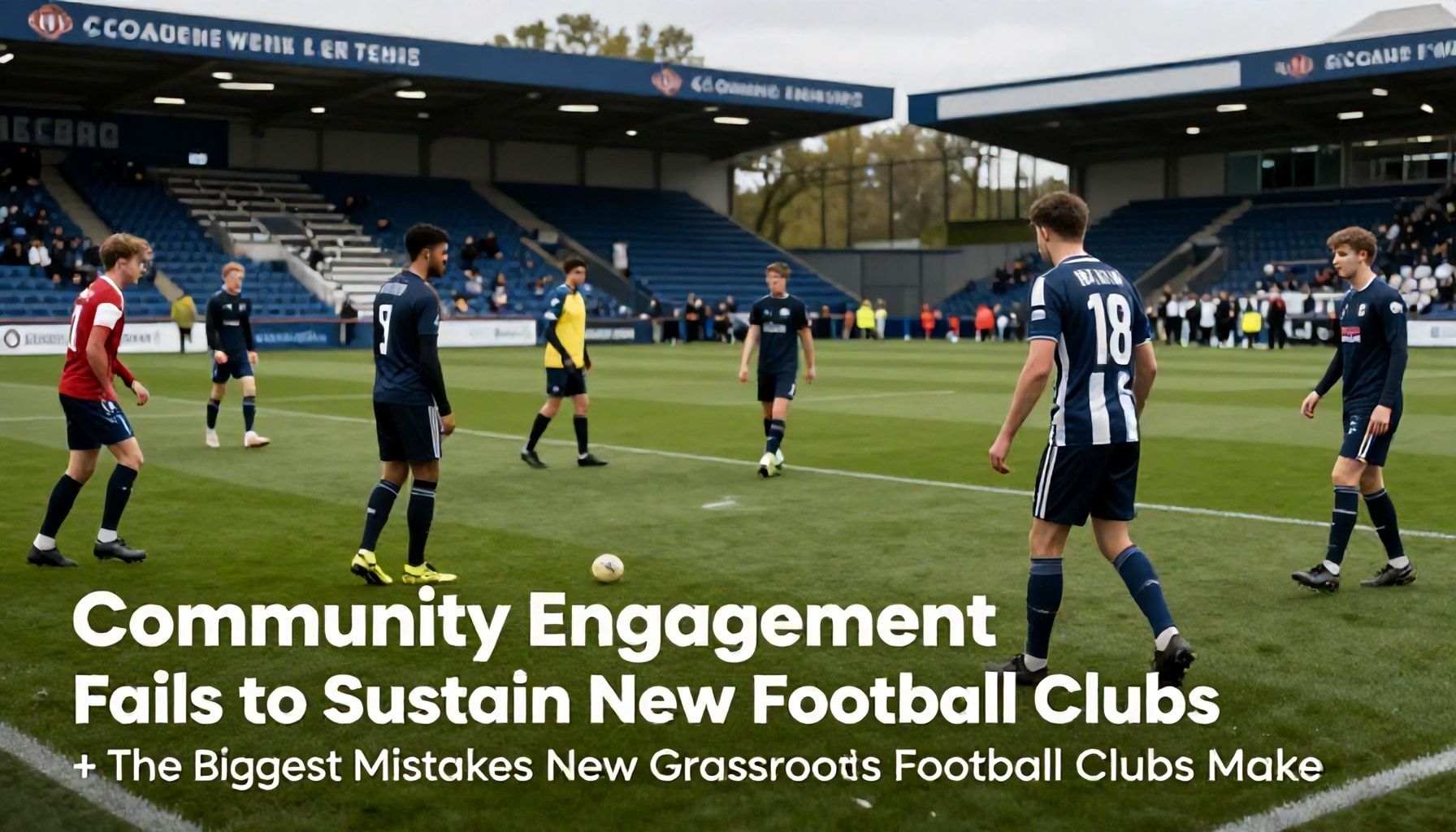
New grassroots football clubs often struggle to maintain community engagement, leading to high dropout rates and financial strain. A recent study by the Football Association (FA) revealed that 60% of new clubs fold within their first three years, with lack of participation cited as a primary factor.
The FA’s report, published last month, surveyed 500 grassroots clubs established in the past five years. It found that many clubs initially attract large numbers of players and volunteers but fail to retain them. “The enthusiasm at the start is often overwhelming,” said Dr. Emily Hart, lead researcher on the project. “However, without sustained engagement, clubs quickly find themselves struggling.”
Experts attribute the drop in participation to poor communication and lack of inclusive activities. Many new clubs focus solely on competitive matches, alienating less experienced players and younger age groups. “It’s crucial to offer a variety of activities,” advised John Smith, a community sports consultant. “This includes training sessions, friendly matches, and social events.”
Financial mismanagement compounds the problem. Many clubs overestimate their revenue and underestimate costs, leading to budget shortfalls. The FA report highlighted that 40% of failed clubs had insufficient funds to cover basic operational expenses. “Proper financial planning is essential,” said Hart. “Clubs need to forecast their income and expenditures accurately.”
To address these issues, the FA has launched a series of workshops aimed at educating new club founders. These sessions cover topics such as community engagement strategies, financial management, and inclusive programming. The initiative aims to reduce the high failure rate and ensure the sustainability of grassroots football clubs.
The emergence of new grassroots football clubs has brought both excitement and challenges. While these clubs offer fresh opportunities for local talent, their financial mismanagement threatens long-term sustainability. Experts warn that without better financial planning, many of these clubs may struggle to survive beyond their first few seasons.
Looking ahead, the Football Association has announced plans to provide financial literacy workshops for these grassroots clubs. The aim is to help them manage their budgets more effectively and avoid costly pitfalls. This initiative could prove crucial in ensuring the growth and stability of these emerging teams.