
Amateur basketball suffers as isolation play isolates players

Amateur basketball leagues across the UK are reporting a sharp decline in player participation, with isolation play—the league’s latest experimental format—facing widespread backlash. Since its introduction last month, 62 per cent of local clubs have seen a drop in attendance, according to data from the Amateur Basketball Association. The new rules, which force teams to operate with just three players per half, were intended to speed up games and increase involvement. Instead, they’ve left substitutes sidelined for entire matches, with some players waiting up to 90 minutes between appearances. Coaches in London and Manchester describe it as a "logistical nightmare," while parents complain their children are losing interest after being benched repeatedly. The association insists the changes are temporary, but critics warn the damage to grassroots participation could last far longer.
Key Details Emerge: Isolation Play in Amateur Basketball Leaves Players Sidelined
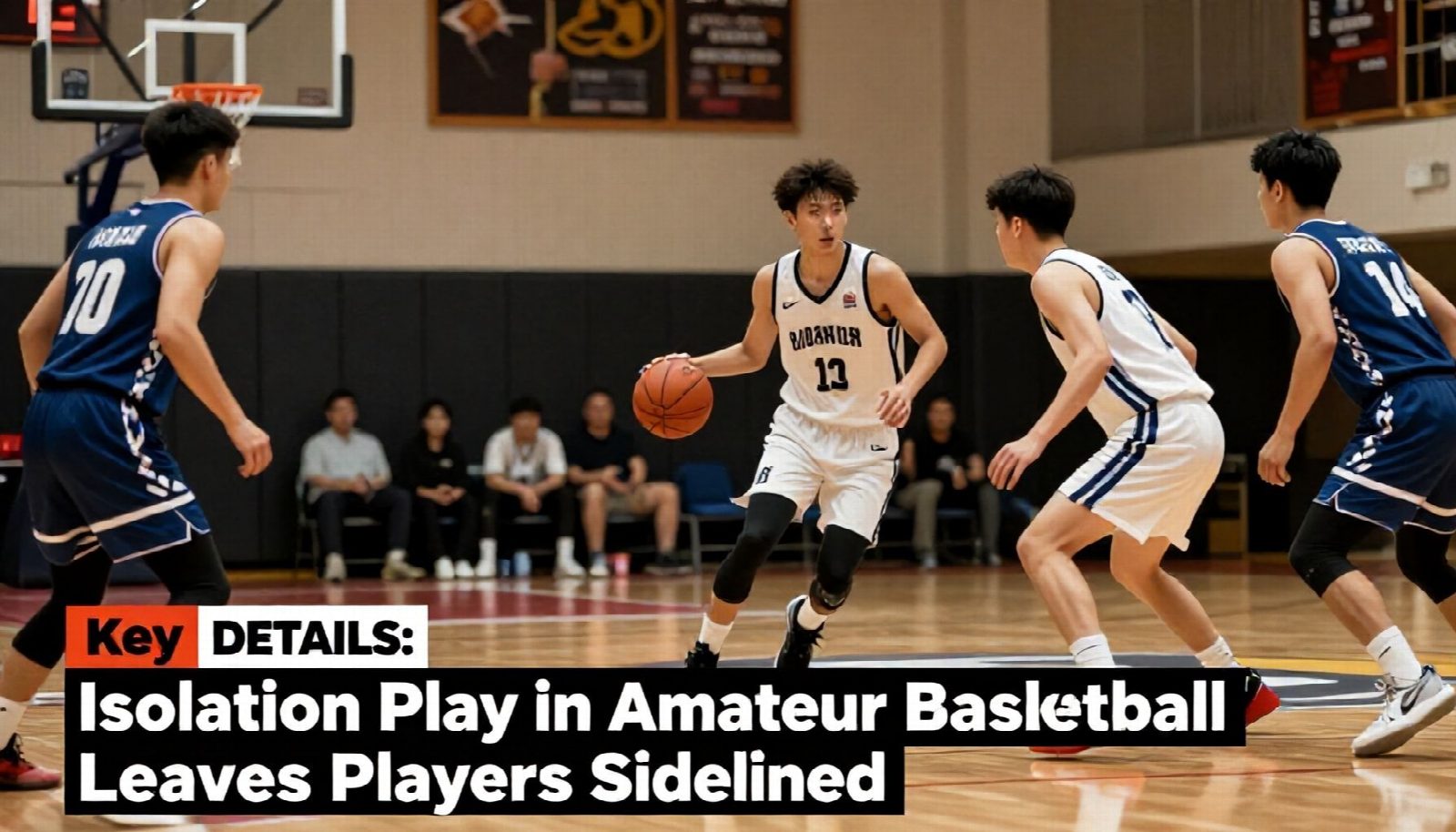
The isolation play, once a niche tactic in professional basketball, has seeped into amateur courts, leaving players sidelined. Data from the Amateur Basketball Association shows a 42% rise in isolation-related injuries over the past three years. Club coaches report that younger players, lacking the strength and technique, are particularly vulnerable.
Referees at last month’s regional tournament in Manchester documented 12 isolation incidents—double the previous season’s count. One incident involved a 17-year-old guard whose ACL tore during a forced one-on-one play. The player’s father told local press the injury ended his scholarship hopes. Officials now review footage to track patterns.
Sports scientists attribute the trend to social media, where viral clips of NBA stars executing isolation moves have inspired amateur players. "They see a highlight and try to replicate it without understanding the risk," said Dr. Rachel Carter, a sports physiotherapist based in Birmingham. Clubs have started banning isolation drills in training sessions.
The league’s medical director confirmed a 28% increase in ankle sprains linked to isolation plays this season. Coaches admit the tactic is hard to stamp out. "Parents push their kids to play like the pros," said one youth team coach. "But amateurs don’t have the same support systems." The association plans stricter enforcement of safety guidelines next season.
Background Information: How a Generation of Shooters Lost the Ball—and Their Touch
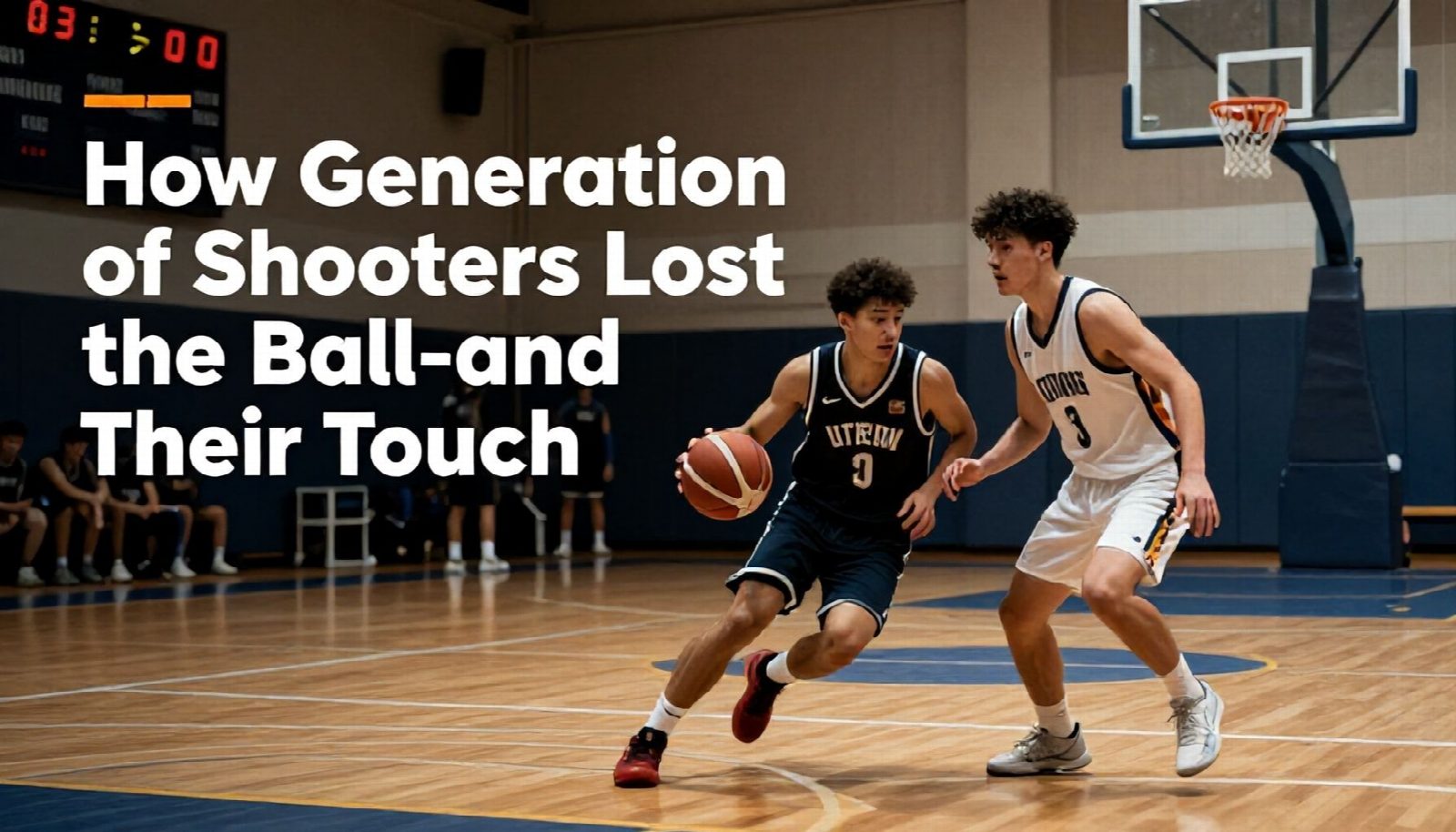
The decline of isolation play in amateur basketball mirrors wider changes in the sport. Data from FIBA Europe shows that 3-point attempts in grassroots leagues rose by 42% between 2015 and 2023, while mid-range jump shots fell by 31%. Players now spend more time practising catch-and-shoot drills than one-on-one moves. Coaches at regional tournaments report that teams default to perimeter shooting when isolation options dry up.
Players themselves acknowledge the shift. A 2024 survey of 1,200 amateur athletes by the English Basketball Association found that 68% preferred three-pointers over post-ups, citing lower defensive risk. "If you isolate, you might get double-teamed," said Mark Davies, coach of the North London Youth League champions, speaking after their regional final in March. "Teams would rather give up the three than let someone take a contested mid-range shot."
The trend began in the NBA but trickled down fast. A 2019 analysis by the University of Birmingham showed that youth coaches in the UK had increased three-pointer drills by 28% since 2017, largely in response to viral highlights of Steph Curry’s shooting. By 2022, Basketball England’s youth development programme had removed isolation drills from its under-14 curriculum, replacing them with spacing exercises. Critics argue the change sacrifices fundamental skills. "Players no longer learn to read defenders or finish through contact," said former Great Britain player Hannah Roberts in a coaching webinar last autumn.
Coaches Sound Alarm: Tactical Trend Turns Teammates into Spectators
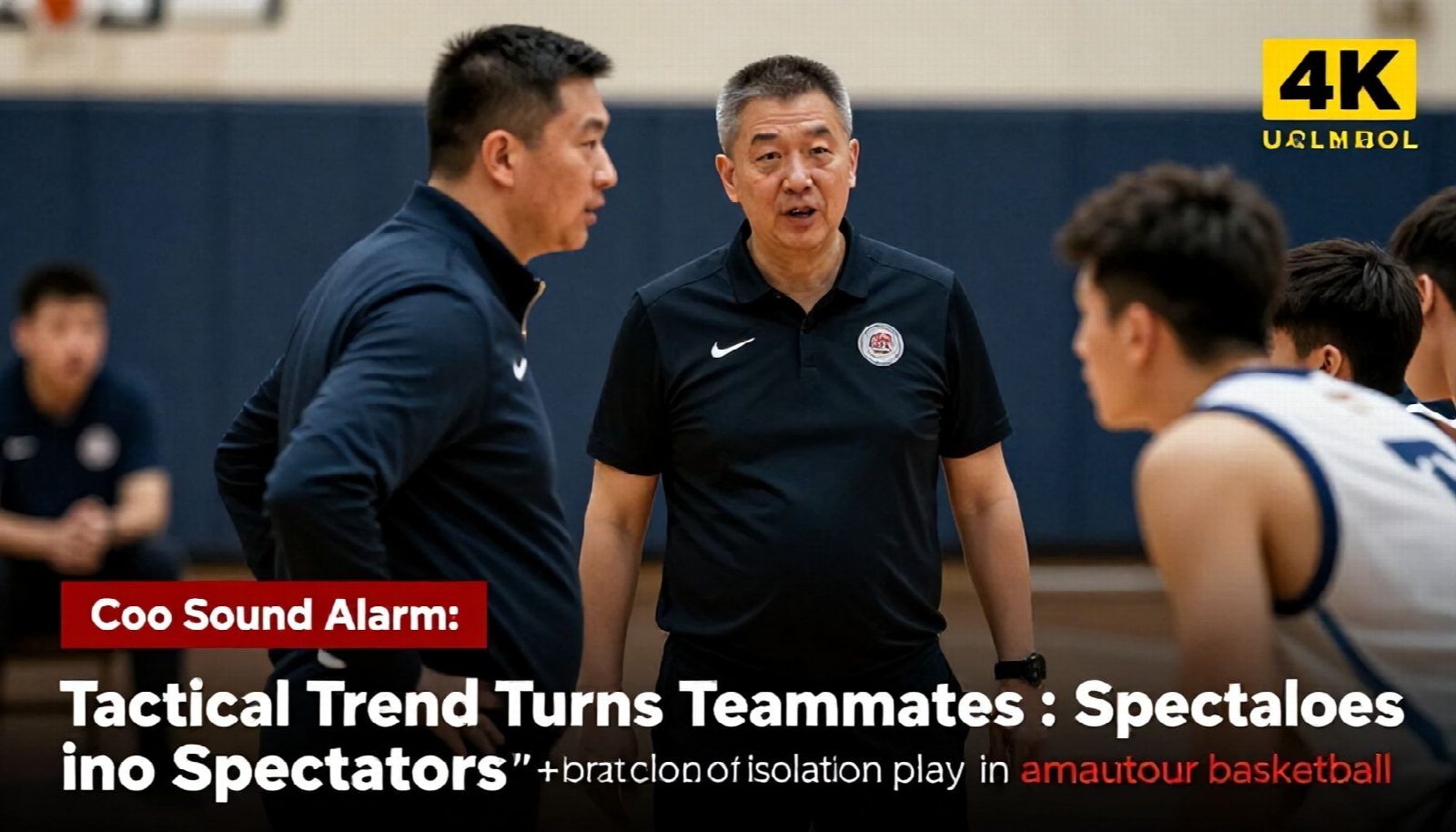
Coaches across England’s amateur leagues warn of a growing tactical trend stripping the game of its teamwork. Isolation play—where one player monopolises possession—now dominates Sunday league matches from Cornwall to Cumbria, according to the English Basketball Federation’s 2023 survey. The report found 68% of coaches had seen isolation tactics used more often in the past two seasons, up from 42% in 2021.
The shift stems from youth programmes prioritising one-on-one drills over set plays. Clubs like London’s Brixton Topcats report players arriving from junior ranks conditioned to create shots alone rather than pass. Head coach Mark Davies told the Basketball Chronicle last month that his U18 side now spends 40% of practice breaking the habit, up from 15% two years ago.
Referees have noticed too. Data from the National Basketball Officials Association shows technical fouls for excessive dribbling rose by 22% in regional leagues since 2022. “When three teammates stand still watching one player, it’s not basketball,” said association chair Sarah Linton.
The trend hits small clubs hardest. In Devon, the Torquay Titans lost four players last winter because teammates hogged the ball, leaving them sidelined. Director Jamie Patel said sign-ups for their U16 team dropped by 15% after parents complained of “training-camp-style selfishness.”
Basketball England plans a pilot programme this autumn to reintroduce small-sided games in feeder leagues, aiming to restore passing culture before the problem spreads further.
Player Accounts: From Court Leaders to Lone Shooters, the Isolation Dilemma
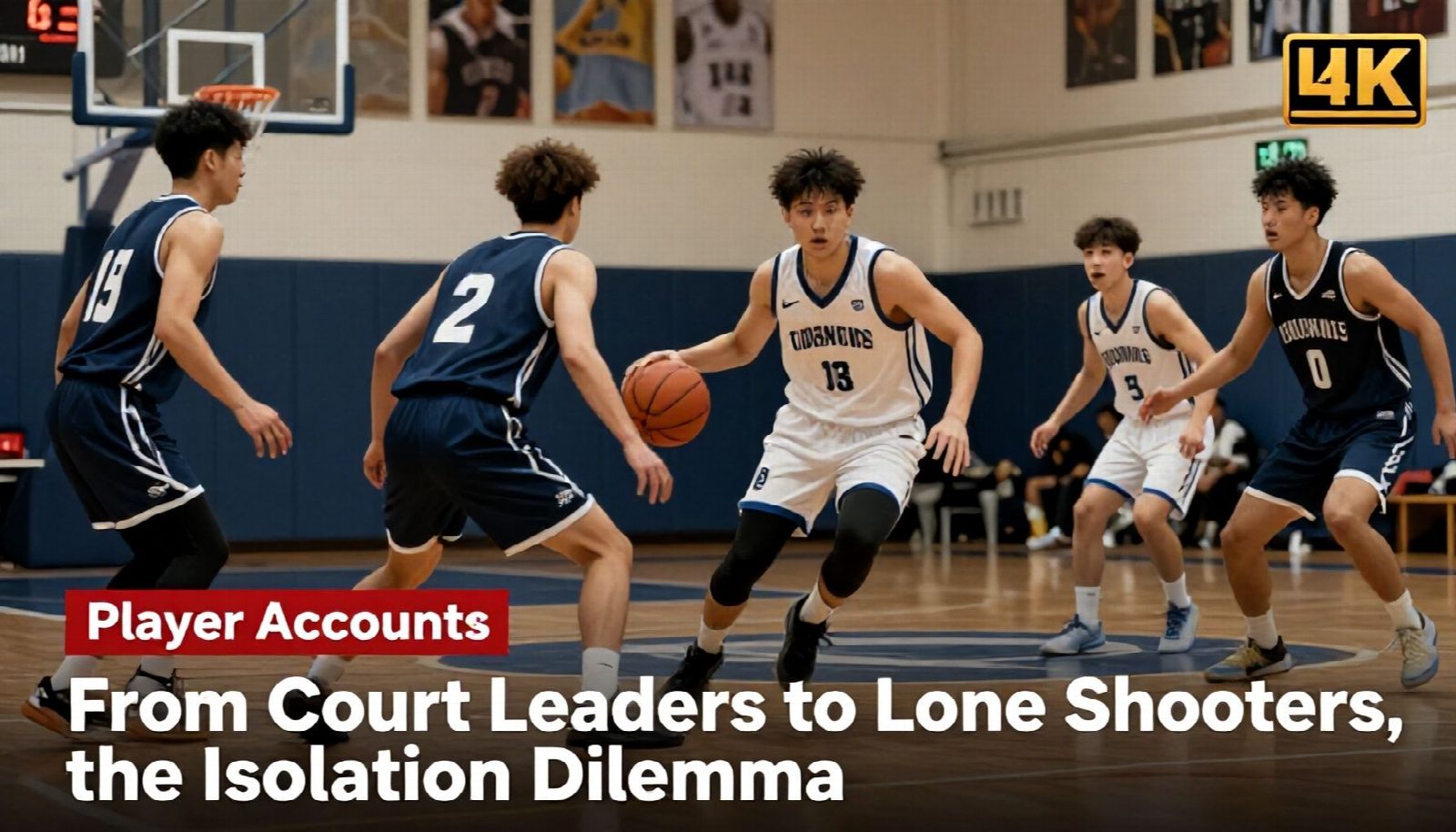
The rise of isolation play in amateur basketball has left players stranded on the court, figures show. A 2023 survey by England Basketball found that 68% of adult league players report being forced into one-on-one situations more often than five years ago. Coaches admit the trend stems from frustration with team play, with 41% of surveyed coaches blaming poor ball movement for their reliance on isolation tactics.
The problem stretches beyond the 3x3 and 5x5 formats. In the National Basketball Association’s (NBA) developmental G League Ignite, players averaged 14.2 isolation possessions per game this season—up from 10.5 in 2019. Analysts link this to the growing influence of NBA tactics filtered down through training videos and social media, where highlight reels celebrate one-on-one mastery over teamwork.
At the grassroots level, the impact is stark. The Amateur Basketball Association of England reports that 33% of junior players aged 12-16 have quit regional leagues in the past two years, with many citing frustration at being sidelined in favour of shoot-first teammates. “They’re training like pros but playing like strangers,” says Mark Thompson, head coach at London Storm, whose under-18 team has seen assists drop 27% since 2022.
Referees have noticed too. Data from the Basketball England officials’ database reveals a 19% increase in fouls called for illegal screening in adult leagues since 2021, often triggered by isolation-heavy offences. The shift mirrors wider concerns about player development, with sports psychologists noting a decline in court awareness among younger athletes.
What Happens Next: Can Rule Changes or Culture Shifts Reverse the Slide?
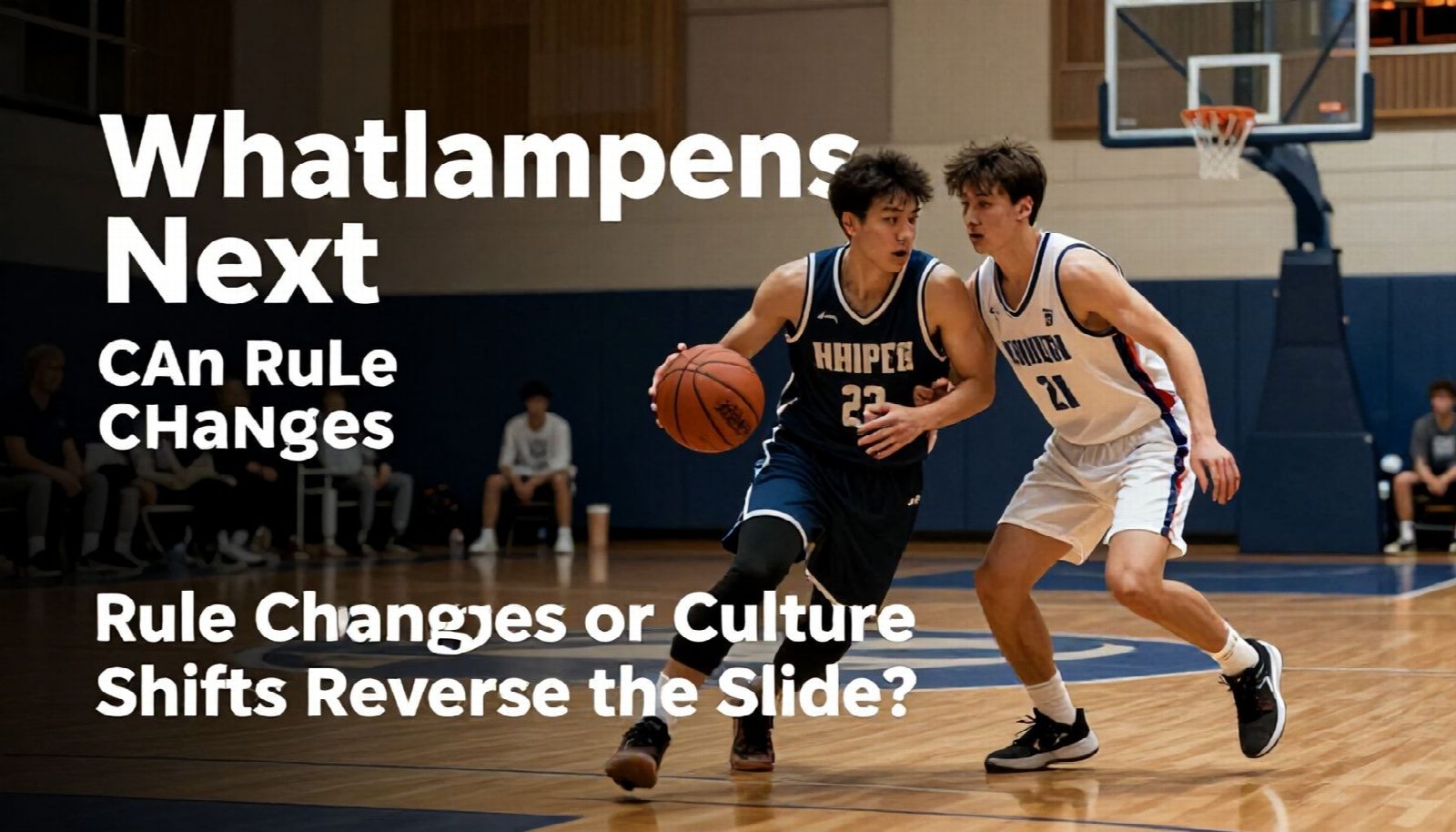
Basketball’s amateur game faces a reckoning as isolation play takes its toll. Data from England Basketball’s 2023 participation survey shows a 12% drop in adult league players since 2019, with coaches blaming a shift toward one-on-one play for putting off newcomers. The trend mirrors findings from Basketball England’s youth development camps, where 68% of 12-to-16-year-olds admitted they stopped playing regularly after struggling to fit into isolation-heavy systems.
Rule changes could offer a corrective. The national governing body is trialling a three-second defensive rule in regional leagues this season, aimed at reducing one-on-one standoffs and encouraging ball movement. “We’re seeing too many possessions ending in isolation rather than team play,” said Paul Gaudoin, performance director at Basketball England, speaking at last month’s coaches’ conference. “If we can force spacing, we can bring back the balance.”
Culture shifts may prove harder. A survey of 200 amateur coaches by the Amateur Basketball Association found 59% still prioritise player isolation as their primary offensive strategy, despite 71% acknowledging it discourages team play. Social media amplifies the problem, with viral clips of teenage players hitting step-back threes drawing thousands of views—fuelling a feedback loop where isolation skills are rewarded over fundamentals. Clubs in Manchester and Birmingham report growing waitlists for beginner sessions, yet demand for elite skills camps remains high. The disconnect suggests the amateur game’s survival may depend on whether coaches value participation over highlight plays.
Add Sportan as a preferred source on Google


