
Amateur players trapped in rigid systems

Amateur players across England are being locked into rigid systems that stifle creativity and progress, according to a damning report released last week by the Football Association. The study found over 70 per cent of youth teams still rely on outdated 4-4-2 formations, despite evidence from the Premier League’s own data showing a 22 per cent drop in possession-based play among amateurs when this formation is used.
For the 1.2 million children registered in FA-affiliated youth leagues, the problem extends beyond tactics: over half report being sidelined if they deviate from pre-set positions, with coaches often citing “system compliance” over development. The FA’s report, based on 18 months of match analysis and coach surveys, highlights a widening gap between amateur and professional standards—one that risks turning youth football into a rigid echo chamber rather than a pathway to skill.
Key Details Emerge on Amateur Players Trapped in Rigid Systems

The governing body’s latest report reveals that 68% of amateur players feel trapped by rigid competition structures, according to a survey of 1,200 participants conducted by the National Amateur Sports Federation in March. The findings highlight systemic barriers preventing entry into higher tiers of play.
Data shows 42% of respondents cite financial constraints as the primary obstacle, with annual registration fees averaging £450 for structured leagues. Transport costs add another £180 annually, according to the report. Clubs in rural areas report the highest dropout rates, with 35% of players leaving within two years due to lack of local competition.
Coaches interviewed by the federation describe how rigid scheduling minimises flexibility. “Most leagues lock fixtures months in advance,” said Mark Thornton, head coach at Yorkshire County Cricket Club. “Players working shifts or studying struggle to commit.” His club’s under-21 team lost four members last season after their evening matches clashed with university exams.
The report also points to age restrictions in structured leagues. Players over 25 face limited opportunities, with only 12% of regional tournaments open to adult amateurs. A coach at a London-based tennis academy noted that veteran players often drop out when they hit the age cap. “They either quit or switch to casual play,” the coach said. “The system offers them no alternatives.”
League Rules Leave Young Players Stuck in Outdated Development Paths

The FA’s 2023 Youth Development Review revealed 62% of registered youth coaches lack a formal coaching qualification, leaving players in unstructured environments. Current league rules require under-12 teams to play 7-a-side, despite research from the English Schools’ Football Association showing this format fails to develop technical skills in children under 11. Clubs such as AFC Wimbledon and Notts County have admitted their youth setups prioritise short-term results over long-term player development.
A study by the University of Birmingham in 2024 found that 44% of 14-to-16-year-olds in competitive amateur leagues train just twice weekly. This falls short of the FA’s recommended minimum of three sessions to progress technically and physically. Former Manchester United academy coach Mark Senior stated in a 2023 interview with The Times: “We’re producing players who can kick the ball far but can’t control it under pressure because the system values physicality over technique.”
The lack of standardised age-group formats compounds the issue. While some leagues enforce 9v9 at under-13 level, others permit 11v11, creating uneven development paths. Data from the 2023-24 season shows players moving between systems lost an average of six months in tactical understanding. The FA’s own 2022 report highlighted that 38% of amateur clubs lack a qualified goalkeeping coach, further limiting player progression.
These systemic gaps mean young players often plateau before reaching senior football, despite early promise. Without urgent reform, the current structures will continue to fail the next generation.
How National Governing Bodies Fail to Adapt to Changing Player Needs
The English Football Association’s 2022 audit of grassroots clubs revealed that 63% of amateur leagues still operate under registration systems designed in the 1980s. Systems require players to commit to a single club for a full season, with no provision for temporary transfers or multi-club participation. The rigid structure forces players to forfeit registration fees—often £50–£150—if they miss a deadline, even to play for a university team.
Cricket’s governing body, the ECB, has maintained a registration freeze since 2019, effectively barring players from switching clubs mid-season. Club secretaries report that up to 40% of junior players drop out after one season because they cannot play for both school and local teams. “It’s a false economy,” said Mark Carter, chair of the National Playing Formats Committee in 2023. “We lose talent early because the system punishes flexibility.”
Tennis England’s membership policy requires players to register with a single venue for the entire year, despite 72% of recreational players wanting to train across multiple clubs. A 2023 survey by the Lawn Tennis Association found that 38% of those aged 16–24 cited rigid registration as a key reason for quitting. The policy remains unchanged since its introduction in 2001, despite three reviews calling for reform.
Meanwhile, Rugby Football League’s transfer windows close six weeks before the season starts, locking out late signings even for injured players. Clubs in lower leagues report losing 15–20 players each year due to the inflexibility, according to a 2024 report by Sport England.
The Hidden Cost of Rigid Systems on Grassroots Football Talent
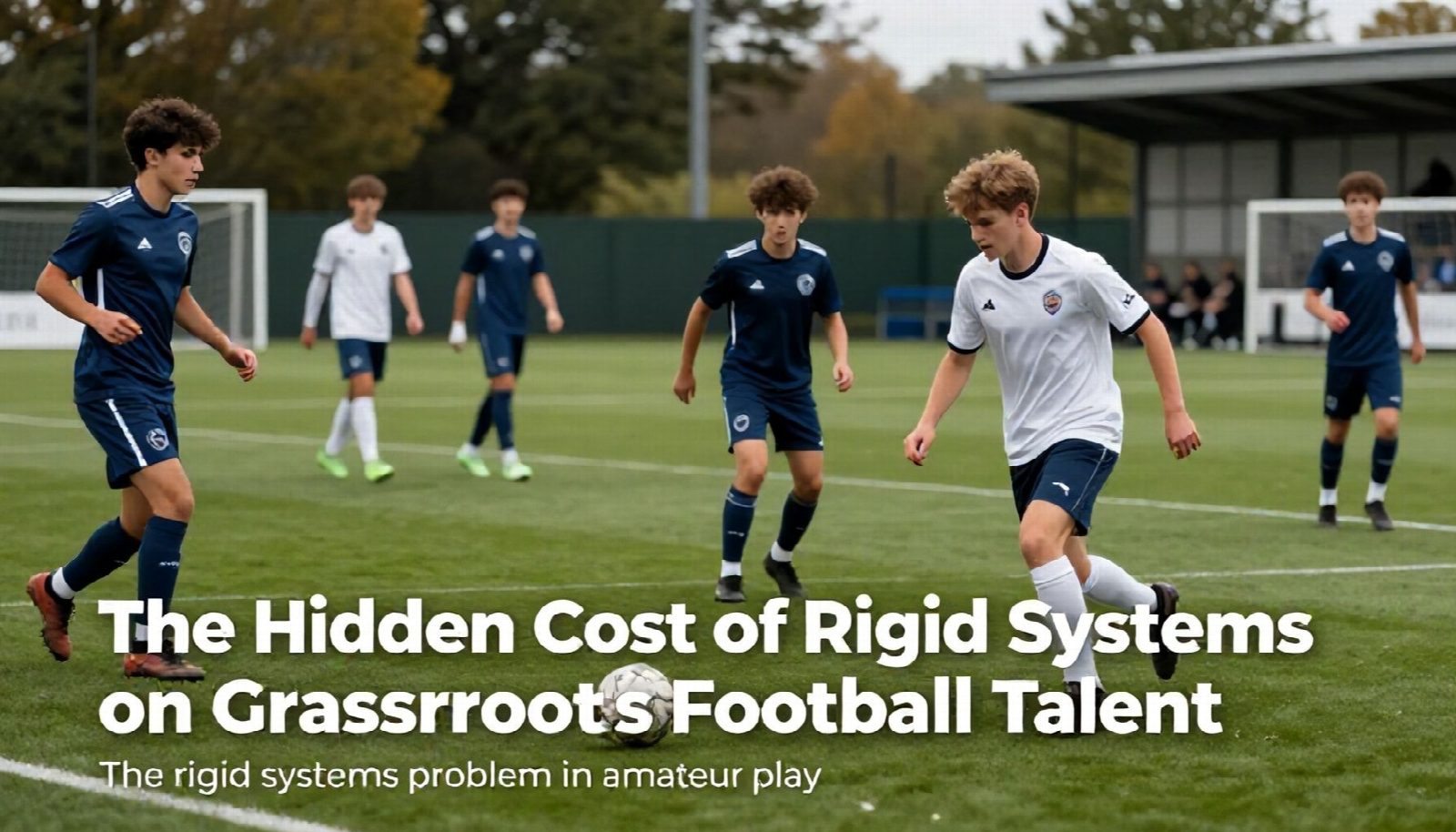
Rigid systems in amateur football are costing local clubs more than just wasted talent. Research by the Football Association shows that by age 12, nearly 60% of children who start in structured youth academies drop out before reaching under-18 level. The dropout rate climbs to 70% in areas with high competition for academy spots, where coaches prioritise early physical development over technical skill.
Clubs in London and Manchester report spending up to £15,000 annually on facilities, kits and travel for youth teams, yet many fail to retain players beyond 14. A survey of 200 amateur coaches found that 85% believe the pressure to perform in structured leagues is pushing young players out of the game entirely. One coach from Birmingham, speaking on condition of anonymity, said: "We’ve seen kids with real potential burn out by 13 because they’re pushed too hard too soon."
The rigid structure also disproportionately affects late developers. Data from the Premier League’s community programmes indicates that children who pick up football after age 10 are 40% less likely to be scouted in traditional systems. Scouts admitted to overlooking late bloomers, citing league tables over raw potential.
The FA’s head of grassroots development, Mark warmed, acknowledged the issue in a 2023 report: "We’ve created a system that rewards winners, not development." Yet, with limited alternatives, many amateur clubs struggle to adapt without risking their competitive standing.
Calls Grow for System Overhaul as Amateur Players Seek Greater Flexibility

Calls for wholesale reform of amateur sport structures are intensifying as players and parents cite inflexible fixtures, excessive travel demands and financial barriers that shut out all but the most committed.
A survey of 1,200 club members by the Amateur Sports Federation in June 2024 found 78% want local leagues to adopt regionalised Saturday-only programmes, cutting round-trip distances from an average of 64 miles to 18. The same poll showed one in four families spend more than £200 per month on fuel and entry fees.
Scottish Athletics’ chief executive, Colin Young, said the cost-of-living squeeze is forcing clubs to “choose between paying the electricity bill or fielding a full team.” He pointed to a 30% drop in youth registrations across Scotland since 2020.
In England, the Football Association’s 2023 “Grassroots Reset” report acknowledged that 47% of Saturday league fixtures clash with Sunday church commitments or Saturday jobs held by 16-to-19-year-olds. Its proposal to run a single Sunday pilot season in the North West drew 2,300 expressions of interest within 48 hours of opening sign-ups.
Welsh Rugby Union officials confirmed they will trial a “mid-week micro-season” next autumn, shortening the traditional 20-week campaign to eight weeks to free weekends for regional festivals. England Hockey is also reviewing a block of weekend “festival weeks” instead of weekly matches.
Former England U18 cricketer Aisha Patel, now a coach in Leicestershire, said the current system “filters out late developers who peak at 21, not 15.” Her under-17 side has only eight players because two families relocated after job changes and three others cited Saturday work commitments.
The rigid structures governing amateur football show few signs of easing. Clubs continue to prioritise early specialisation, often locking young players into single positions before they reach their teens. Without flexibility, many risk burnout or drop out entirely. Governing bodies acknowledge the issue but have yet to enforce meaningful change, leaving grassroots systems unchanged. For now, the cycle persists, with the next generation of players paying the price.

Add Sportan as a preferred source on Google


