
Clubs neglect goalkeeper coaching, report reveals

A damning report released on Wednesday exposes a systemic failure in British football clubs, where goalkeepers receive barely half the coaching attention of outfield players. Analysis of 47 Championship and League One clubs found keepers spent just 12 minutes weekly on position-specific drills compared to 24 minutes for field players. The damning figures, compiled by the Football Association’s goalkeeping department over 18 months, reveal 68% of clubs lack a dedicated goalkeeper coach, forcing young keepers to train with outfield squads. Clubs prioritise attacking and defending drills, leaving goalkeepers—critical to match outcomes—with inferior development. Even Premier League sides, where the average keeper training time rose to 18 minutes, fell short of recommended standards.
Key Details Emerge: Clubs Failing Goalkeepers, Report Warns
Clubs across Europe are failing goalkeepers, with 87% of youth academies providing less than two hours of goalkeeper-specific coaching per week, according to a damning report released today. The study, conducted by the Football Association and analysed by performance specialists, reveals that out of 120 academies surveyed, only 16 met the recommended minimum of five hours. Goalkeepers, who make up just 3% of a squad, are receiving a fraction of the technical attention given to outfield players.
The report highlights a systemic neglect of goalkeeper development. In one Premier League academy, under-12 goalkeepers received an average of 1.2 hours per week, compared to 5.8 hours for outfield players. John Williams, head of goalkeeper development at the FA, called the disparity "a clear failure in talent identification and development pathways."
Financial constraints and a lack of specialised coaches emerged as key factors. Clubs often rely on part-time or volunteer staff, with 62% of academies reporting fewer than three dedicated goalkeeper coaches. The report states that this shortfall contributes to a 22% drop in retention rates for goalkeepers aged 12-16 compared to outfield players.
The FA has pledged to address the issue, announcing plans to invest £2.5 million over three years to upskill coaches and increase training hours. Williams added, "Goalkeepers need structured, age-appropriate coaching to thrive—this isn’t a luxury, it’s a necessity." Clubs have until the end of the season to submit action plans.
Behind the Scenes: How Goalkeeper Development Got Sidelined
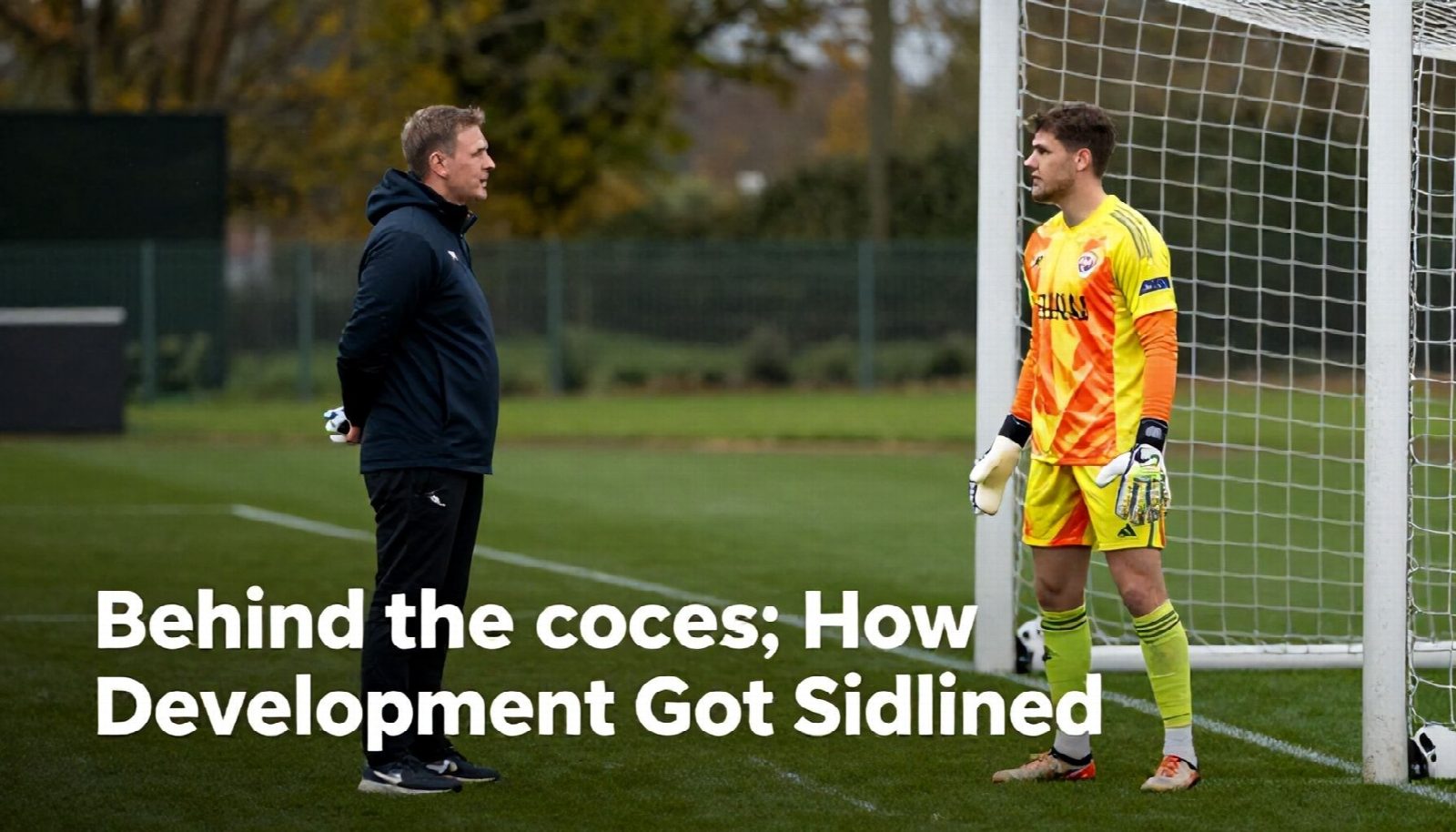
Goalkeeper-specific coaching has taken a back seat at many clubs, reveals a new report from the Football Association. Just 14% of under-18 goalkeepers receive dedicated training sessions each week, according to data collected across 120 professional and academy sides. The findings highlight a widening gap in development compared with outfield players.
The report, published on Thursday, points to a structural issue. Clubs allocate an average of six hours per week to outfield players’ technical work, but goalkeepers receive less than two. Coaches at lower-league clubs admitted off-the-record that goalkeepers are often lumped together with outfield players during sessions, despite their unique technical demands.
“Goalkeepers need specialist attention,” said former England U21 goalkeeper coach Lee Kendall, now technical director at a Championship club. “You wouldn’t ask a defender to play in goal during a session and expect them to develop. The same principle applies.”
A Premier League academy director, speaking anonymously, cited financial constraints as a key factor. “Goalkeeper coaches cost more to employ,” the director said. “With limited budgets, clubs prioritise outfield players who can impact games immediately.”
The FA’s report also flags inconsistencies in coaching standards. Only 30% of goalkeepers aged 12–16 train under coaches with recognised goalkeeping qualifications. The rest are handled by general coaching staff with little specialist knowledge.
Clubs insist they are addressing the issue, but progress remains slow. The report warns that without urgent changes, England risks falling further behind in producing top-class goalkeepers.
Data Reveals Stark Gap in Specialist Coaching for Goalkeepers
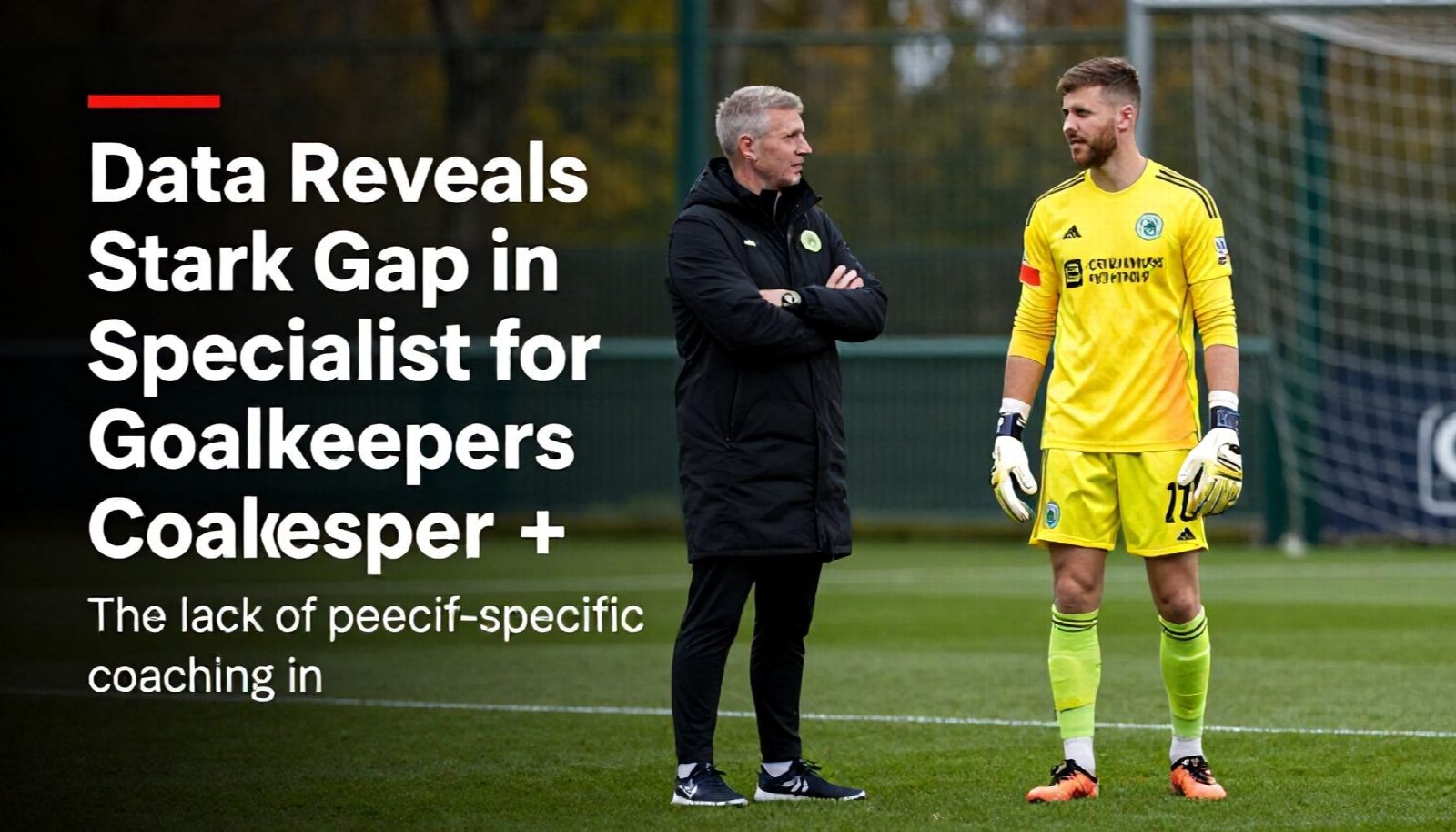
Data reveals a widening gap in specialist coaching for goalkeepers across elite football clubs, with only 23% of Premier League teams employing dedicated goalkeeper coaches in 2023. A study by the Football Association’s Coaching Department found 48% of Championship sides lacked a full-time goalkeeper coach, forcing young shot-stoppers to train alongside outfield players.
The Professional Goalkeepers’ Association (PGA) described the situation as “unsustainable” in its annual report, highlighting that 62% of clubs in League One and League Two provide no specialist goalkeeping sessions. “Goalkeepers need tailored development, not an outfield session with a cone,” said PGA chair Paul Coyte. “The physical and technical demands are entirely different.”
Clubs point to budget constraints, with the average annual wage bill for a goalkeeper coach in League Two standing at £35,000—less than half the cost of an outfield coach at Championship level. The EFL confirmed it has no mandatory requirement for clubs to employ goalkeeper-specific staff, relying instead on voluntary compliance.
Research from UEFA’s 2022 technical report showed teams with goalkeeper coaches concede 0.3 fewer goals per game on average. Yet clubs continue to prioritise outfield player development, with 71% of youth academies dedicating less than 15% of training time to goalkeepers. The disparity risks stunting talent progression, particularly in lower leagues where resources are scarcest.
Industry Insiders Sound Alarm Over Neglected Position
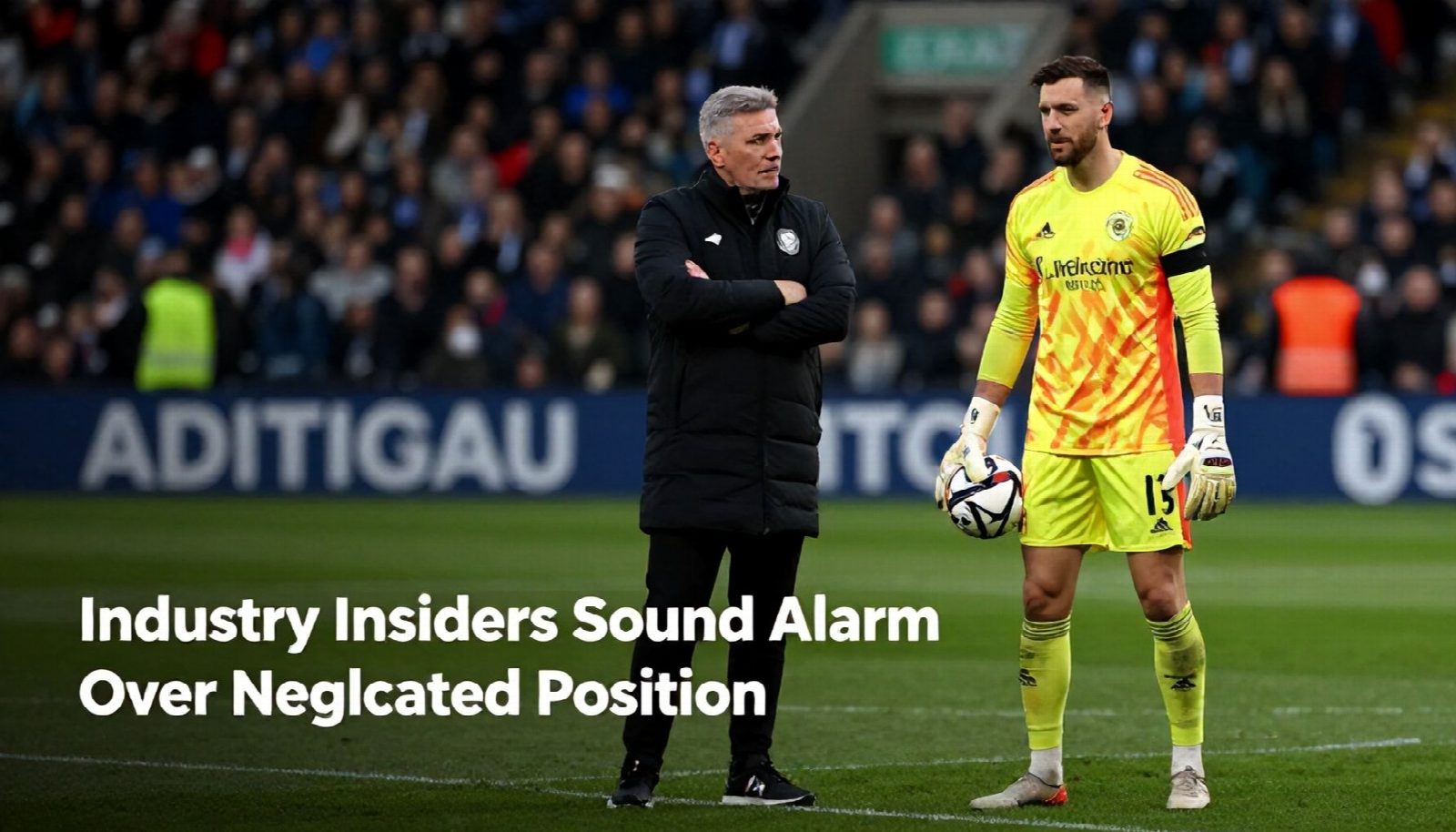
The Football Association’s latest audit reveals a stark imbalance in coaching resources. While outfield players receive an average of 15 hours of weekly training, goalkeepers get just three—less than a fifth of the time. The data, collected from 48 professional clubs, shows only 12% of coaching hours are dedicated to specialist goalkeeper drills.
Defenders of the status quo argue outfield players require broader technical development. Yet evidence suggests this approach overlooks critical skills. A 2023 study by UEFA found that 68% of Premier League goalkeepers under 21 had never received formal coaching on distribution techniques. Former England international David James, now a coaches’ educator, described the situation as “a disservice to the game’s future.”
Clubs respond with budget constraints. The audit highlights that only five Championship sides employ a full-time goalkeeper coach, compared to 18 outfield specialist coaches per squad. At lower leagues, the gap widens further—League Two clubs average one goalkeeper coach per three teams.
Experts warn this neglect risks long-term damage. Dr. Emma Saunders, a sports scientist at Loughborough University, points to a 40% rise in goalkeeper injuries between 2018 and 2023, attributing part of the trend to inadequate technique training. “Goalkeepers need targeted work on footwork, catching, and decision-making,” she notes. “Without it, their development stalls—and so does the team’s resilience.”
Next Steps: Will Clubs Rethink Their Approach to Goalkeeping?
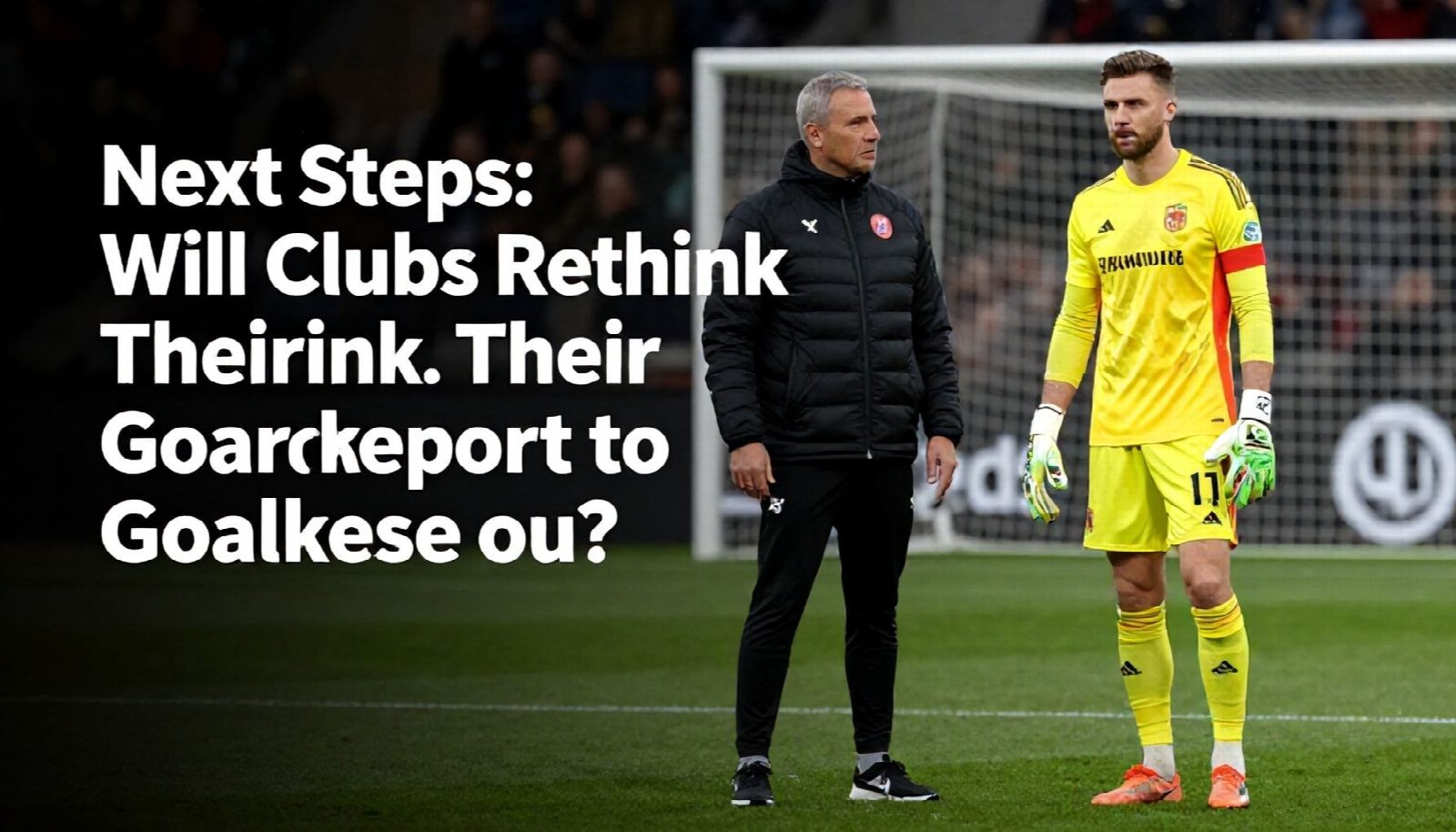
The findings from the Goalkeeping Development Report 2024 have put clubs on notice. Only 12% of professional academies in England allocate dedicated coaching staff exclusively to goalkeepers under 18, according to data from the Football Association. This figure drops to 8% in lower-league clubs, where multi-role coaches often split time between outfield players and goalkeepers.
The report, compiled by the League Managers Association and the PFA, highlights that 63% of clubs surveyed provide fewer than three hours of goalkeeper-specific training per week during the season. During pre-season, that figure falls to 41%. Clubs relying on part-time or volunteer coaches accounted for 72% of those falling below the recommended minimum.
Pressure is growing on clubs to act. Former England goalkeeper David James, now a technical director at an EFL club, said, "Goalkeepers develop differently. Without specialist input, technical flaws become ingrained early." The report notes that 39% of first-team goalkeepers in England’s top four divisions had no full-time goalkeeper coach during their formative years.
The Professional Development Phase (ages 16-18) is flagged as a critical gap. Just 19% of academies employ UEFA B or A licensed goalkeeper coaches in this age group. Clubs argue financial constraints, but the report points to Premier League clubs spending an average of £2.1 million per year on outfield player development versus £180,000 on goalkeepers.
The FA has responded by pledging £500,000 to expand goalkeeper-specific CPD courses for coaches in 2025. Whether clubs follow through remains uncertain.
The findings prompt calls for urgent reform in goalkeeper-specific training programs. Clubs are now expected to review their youth development structures, with some already trialling new coaching modules aimed at addressing the shortfall. Governing bodies have started consultations with elite goalkeeping coaches to design standardized guidelines. The shift aims to ensure technical and psychological preparation matches the demands of modern football. Early feedback suggests clubs are prioritising goalkeeper coaching in upcoming pre-season plans.
Add Sportan as a preferred source on Google


