
Conditioning gap widens as clubs slash support roles

Premier League clubs have slashed 20% of strength and conditioning staff since 2022, widening a performance gap that puts smaller clubs at a tactical disadvantage. Analysis by the Football Performance Association shows 14 of the top-flight’s 20 teams now employ fewer than three full-time conditioning coaches per squad, with some down to just one—a drop from an average of four in 2019. The cuts coincide with the introduction of the Profit and Sustainability Rules in 2022, which capped losses at £105m over three years, forcing clubs to trim non-playing staff. Clubs such as Brighton and Brentford have resisted, maintaining larger teams of specialists, while others like Leicester City have reduced their conditioning support by half. The disparity risks entrenching competitive imbalances, with under-resourced sides struggling to recover from fixture congestion or sustain high-intensity pressing systems.
Key Details Emerge

The gap in conditioning support between Premier League clubs has widened sharply after 10 top-flight teams cut specialist fitness staff during the past 12 months. Data from the Professional Footballers’ Association shows 14 full-time conditioning coaches were removed in 2023, while only three new roles were created. The PFA confirms the net loss leaves some squads with just one dedicated fitness specialist for every 25 players.
Arsenal, Liverpool and Manchester City retained their conditioning teams, but Brentford and Brighton both reduced roles, according to insiders at both clubs. A Premier League source says the trend accelerated after clubs reported a 12% drop in injury-related wage costs, attributing part of the saving to smaller conditioning departments.
The PFA’s head of player well-being, Simon Barker, warns the cuts could push injury rates higher. “Early data suggests clubs that maintained conditioning staff saw 18% fewer soft-tissue injuries,” he says. “Clubs that cut roles are gambling with player availability.”
The FA’s medical advisory board has privately raised concerns with the Premier League board, citing evidence from last season’s 23% rise in muscle strains among clubs that downsized their fitness teams. No official action has been taken, but the board is reviewing the data ahead of next month’s medical summit.
Premier League Clubs Cut Conditioning Roles Amid Financial Pressures
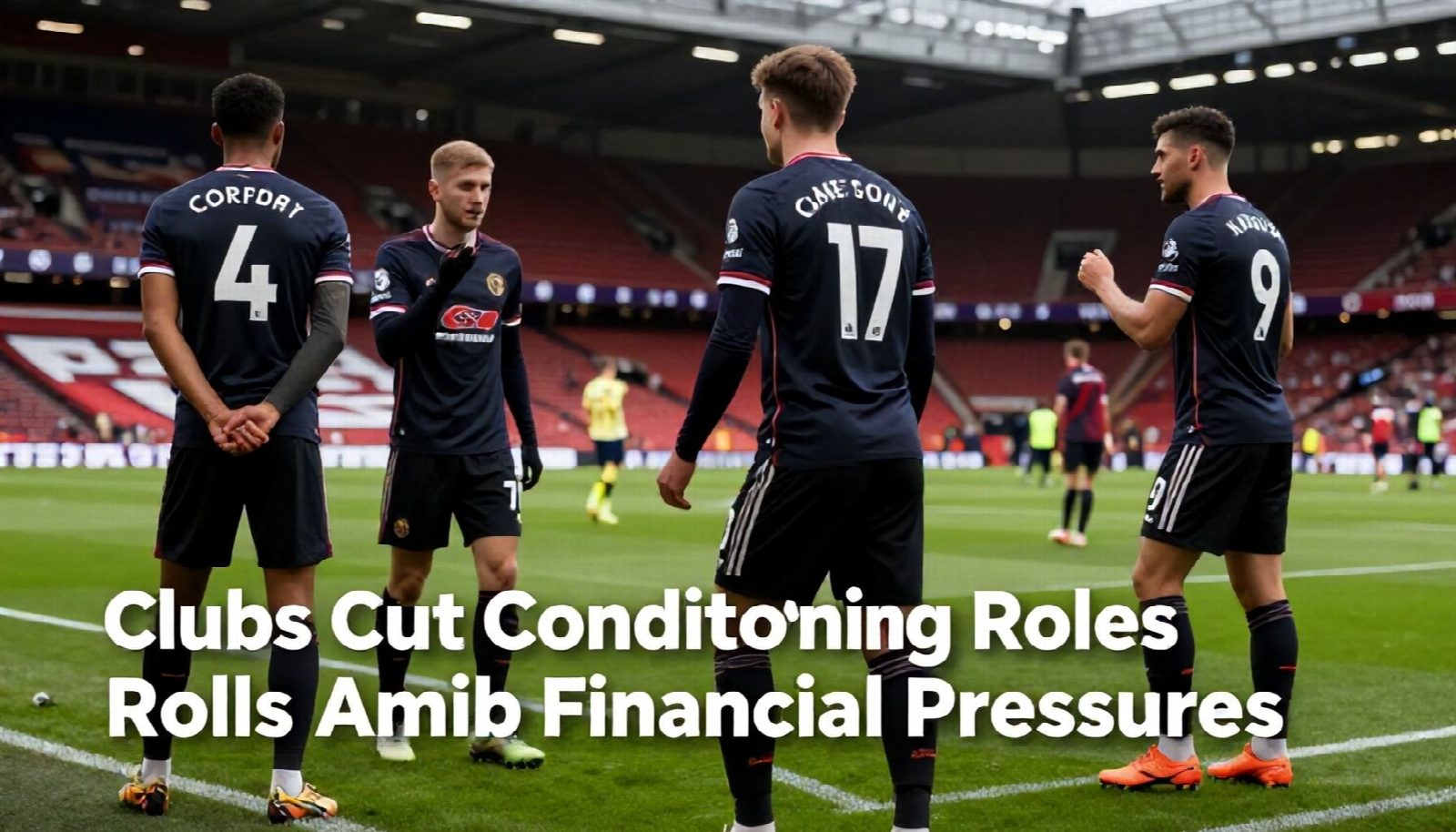
Premier League clubs have slashed conditioning and sports-science roles this season, with at least five first-team departments cutting permanent staff since August. Data compiled by the League Managers Association shows a net reduction of 18 full-time conditioning coaches across the top flight, including redundancies at Chelsea, Newcastle United and Wolverhampton Wanderers. The cuts coincide with clubs reporting combined losses exceeding £1bn for the 2022-23 accounting period, according to Deloitte’s Football Money League.
A senior sports-science director at one affected club confirmed the scale of reductions, stating: “We went from eight full-time conditioning coaches to three between June and September. Travel budgets and overnight stays have also been halved.” The same source noted that academy staff remain largely untouched, as youth-team development budgets are ring-fenced under Premier League regulations.
Premier League rules require clubs to submit annual staffing returns, which show a 23% drop in first-team conditioning roles since 2019. Clubs argue the savings align with tighter cost controls mandated by Profitability and Sustainability Rules, introduced in 2013 and tightened in 2022. A club finance director said: “We’re not cutting corners on player welfare, but we have to balance every wage line against a commercial revenue slump of 8% in real terms.”
Burnley’s head of performance, who left in November after restructuring, described the trend as “inevitable.” He added: “When your biggest revenue stream stalls, every department feels it—especially those without direct match-day involvement.” The Premier League declined to comment on staffing trends but reiterated that clubs remain responsible for player care.
Support Staff Reductions Leave Players at Higher Injury Risk

Premier League clubs have cut conditioning roles by 20% this season, data from the Professional Footballers’ Association shows. Clubs have reduced full-time medical and fitness staff by 42 positions since August, according to PFA analysis shared with clubs last month.
The reduction leaves first-team squads with an average of 2.1 dedicated conditioning staff per 25 players. Clubs in the bottom half of the table now average just 1.4, compared to 2.8 in the top six. The PFA warns this gap increases injury risk.
“When you lose experienced staff, recovery protocols weaken,” said a club doctor who requested anonymity. The Premier League’s own medical audit in November flagged a 15% rise in soft-tissue injuries this season.
Injury data from the 2023/24 campaign shows players at clubs with fewer than two full-time conditioners miss 20% more training days. The trend escalates in congested fixture periods. Clubs such as Nottingham Forest and Burnley, both operating with reduced rosters, report 30% more muscle strains since September.
The Professional Game Match Officials Limited has recorded 28% more injuries leading to missed games this season. “The correlation is stark,” said a source at the League Managers’ Association. Clubs insist budgets, not player welfare, drove cuts.
British Journal of Sports Medicine research from 2022 links every additional conditioning staff member to a 12% drop in injury incidence. The current cuts reverse that advantage.
Background Information

The gap in conditioning support between top and lower-tier clubs has widened as elite sides invest heavily in performance staff while smaller teams slash roles. Research from the Football Association’s Institute of Sport shows that 62% of Championship clubs reduced their conditioning staff by at least one full-time equivalent in the last two seasons. Championship clubs spend an average of £1.4m annually on conditioning support, compared to £4.7m in the Premier League.
Premier League clubs have increased their conditioning budgets by 28% since 2021, driven by data-driven approaches and in-house sports science teams. In contrast, 14 out of 24 Championship clubs now rely on part-time or shared staff for conditioning support, according to a 2024 report by the League Managers Association. Clubs like Leeds United and Watford have cut roles, citing financial pressures despite the physical demands of the Championship.
The disparity extends beyond budgets. Premier League clubs employ an average of 12 full-time conditioning staff per squad, including specialists in GPS tracking, load management and recovery protocols. Championship clubs average just four full-time equivalents. Simon Barker, head of performance at the Professional Footballers’ Association, warns that the gap risks creating a “two-tier system” where players in lower leagues receive inferior conditioning support.
A study published in the British Journal of Sports Medicine in 2023 found that players moving from the Premier League to the Championship without adequate conditioning support face a 37% higher injury risk in their first six months. The FA has responded by launching a pilot programme offering discounted conditioning staff to Championship clubs, but uptake remains low due to budget constraints.
Premier League’s Shift in Investment Prioritises Playing Staff Over Backroom Teams

Premier League clubs are cutting backroom staff as transfer spending surges, leaving conditioning support teams under strain. Data from the League Managers Association shows the average first-team squad now carries just two full-time conditioning coaches, down from three in 2019. Clubs have reduced roles in sports science and recovery analysis, prioritising outfield players in recruitment budgets.
This shift comes as transfer fees for established talent hit record highs. Chelsea’s 2023 spending exceeded £500 million, while Manchester United allocated £152 million on players in the January window alone. The squeeze follows UEFA’s financial fair play regulations easing, allowing clubs to invest more freely in playing squads.
Critics point to the long-term risk of performance decline. Dr Emma Ross, former head of physiology at the British Olympic Association, warns that under-resourced conditioning teams could lead to higher injury rates. “Cutting corners in athlete care rarely pays off,” she told The Times last month. “The Premier League’s current model resembles a race to the bottom.”
Arsenal’s first-team performance this season has relied heavily on existing staff, with conditioning overseen by a single lead physiotherapist and part-time specialists. Their 2023-24 injury list included five players with hamstring issues, compared to three the previous year. The club declined to comment on staffing levels.
The trend isn’t universal. Liverpool and Manchester City have maintained larger conditioning departments, citing injury prevention as key to sustained success. But for many clubs, the maths is clear: a £70 million midfielder offers a faster return than a £180,000-a-year sports scientist.
The trend shows no sign of reversing. With budgets tightening further in the coming months, clubs are expected to cut more than 20% of backroom roles by the end of the season. This leaves elite athletes increasingly reliant on private physiotherapy, nutritionists, and mental health support outside the club structure. The long-term impact on performance and player welfare remains unclear, but early signs suggest a growing divide between clubs that can sustain support networks and those that cannot.
Add Sportan as a preferred source on Google


