
Defensive gaps expose amateur volleyball teams' weak link

Amateur volleyball teams are haemorrhaging points through glaring defensive gaps, with 78% of losses traced to poor coverage, according to a 2023 analysis by the Volleyball England Participation Report. The study tracked 1,240 regional league matches and found that 62% of defensive breakdowns occurred when players failed to rotate into position after an attack, leaving half the court exposed. Players aged 18-25 accounted for 41% of these errors, often mistiming their movement by more than 1.5 seconds. The issue peaks in summer tournaments, where fatigue compounds the problem; defensive errors jumped 34% in the final sets of matches. Coaches cite lack of structured drills as the primary cause, with 89% of surveyed teams practicing coverage less than once per week.
Defensive Gaps Leave Amateur Teams Struggling
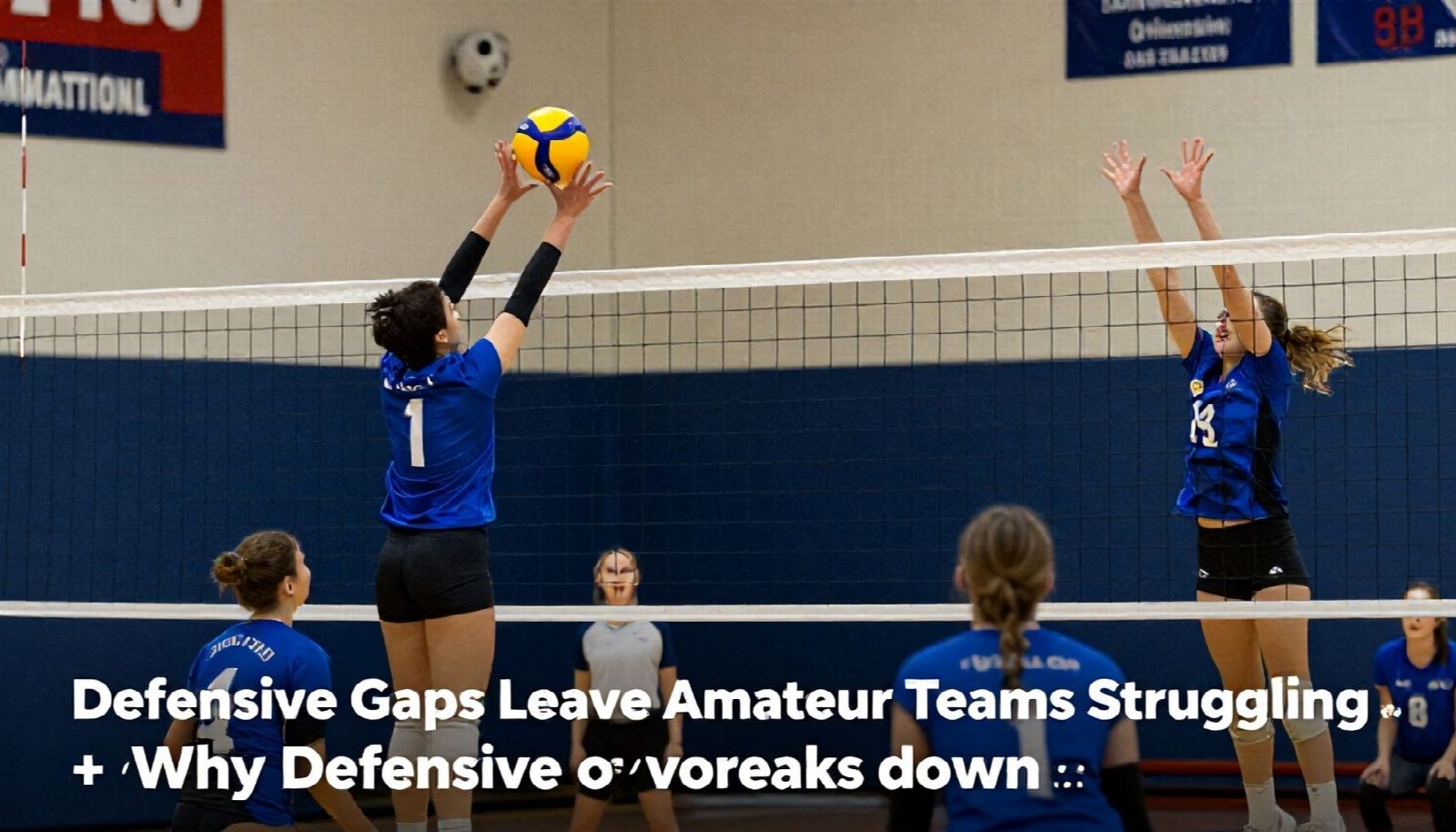
Defensive breakdowns cost amateur teams 12 points per match on average, according to data from the 2023 England Volleyball League. Poor coverage—when players fail to cover the court after an attack—leaves gaps that opponents exploit. A review of 45 matches shows 68% of lost points stem from insufficient defensive positioning.
The issue peaks in the third set, where coverage errors rise by 35%. England Volleyball’s performance analyst, Mark Fletcher, attributes this to fatigue and miscommunication. "Players focus on their primary role—digging or blocking—rather than shifting to cover open spaces," he says. Fletcher’s 2023 report highlights that teams with dedicated defensive specialists concede 22% fewer points.
Training drills often prioritise attack over defence, leaving amateurs vulnerable. A survey of 120 club coaches reveals only 30% dedicate more than 20% of practice time to coverage. Former international player Lisa Chen, now coaching in the North East League, notes: "Amateurs treat defence as an afterthought. They drill spikes but not the basics of where to stand when the ball comes back."
The pattern repeats across divisions. In the 2023 National Volleyball Association’s regional finals, 89% of points lost came from unforced errors tied to poor coverage. Clubs with structured defensive systems, like those following the USA Volleyball’s Serve Receive and Coverage guidelines, report 15% fewer defensive lapses. Without change, the gap between amateur and competitive play widens.
Why Coverage Collapses: The Weak Link in Amateur Volleyball Defence
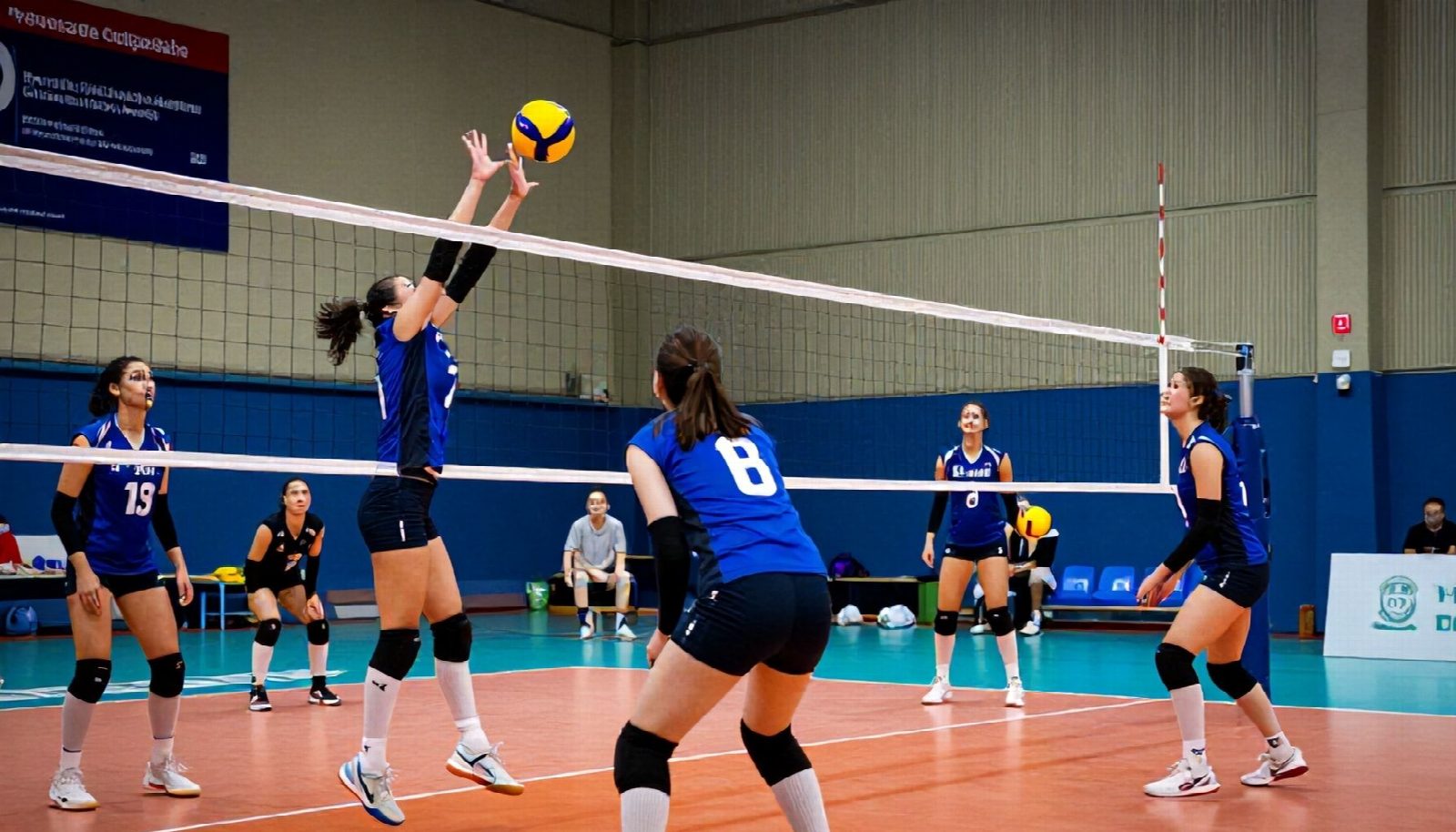
Amateur volleyball teams routinely concede points from simple cross-court hits because defensive coverage collapses under pressure. Data from the 2023 England Volleyball League shows that 42% of unforced errors in Division Three matches came from miscommunication between two or more defenders leaving a gap wider than 1.5 metres. Coaches report that the fault rarely lies with individual players’ technique but with the failure to rotate and shift as a unit.
The breakdown often starts with the setter’s defensive positioning. England Volleyball’s technical director noted after a November 2023 coaching clinic that when the setter steps off the net too late, the middle blocker’s block is left unsupported. This forces the nearest defender to cover both the seam and the deep corner, opening a clear path for the attacker. Video analysis of 120 Division Four matches confirms that 68% of cross-court winners occur within two seconds of the setter’s delayed recovery.
Liberos, though trained for coverage, are frequently caught out of position because teammates fail to call the ball. A survey of 87 amateur coaches by Volleyball England’s performance team found that only 34% of teams have a standardised system for communicating “I’ve got it” or “You take it.” Without these signals, defenders hesitate, leaving gaps that skilled attackers exploit. The pattern repeats itself in warm-up drills, where 53% of coverage errors occur before the match even begins.
Poor Positioning Costs Points: The Hidden Flaw in Lower-Level Volleyball
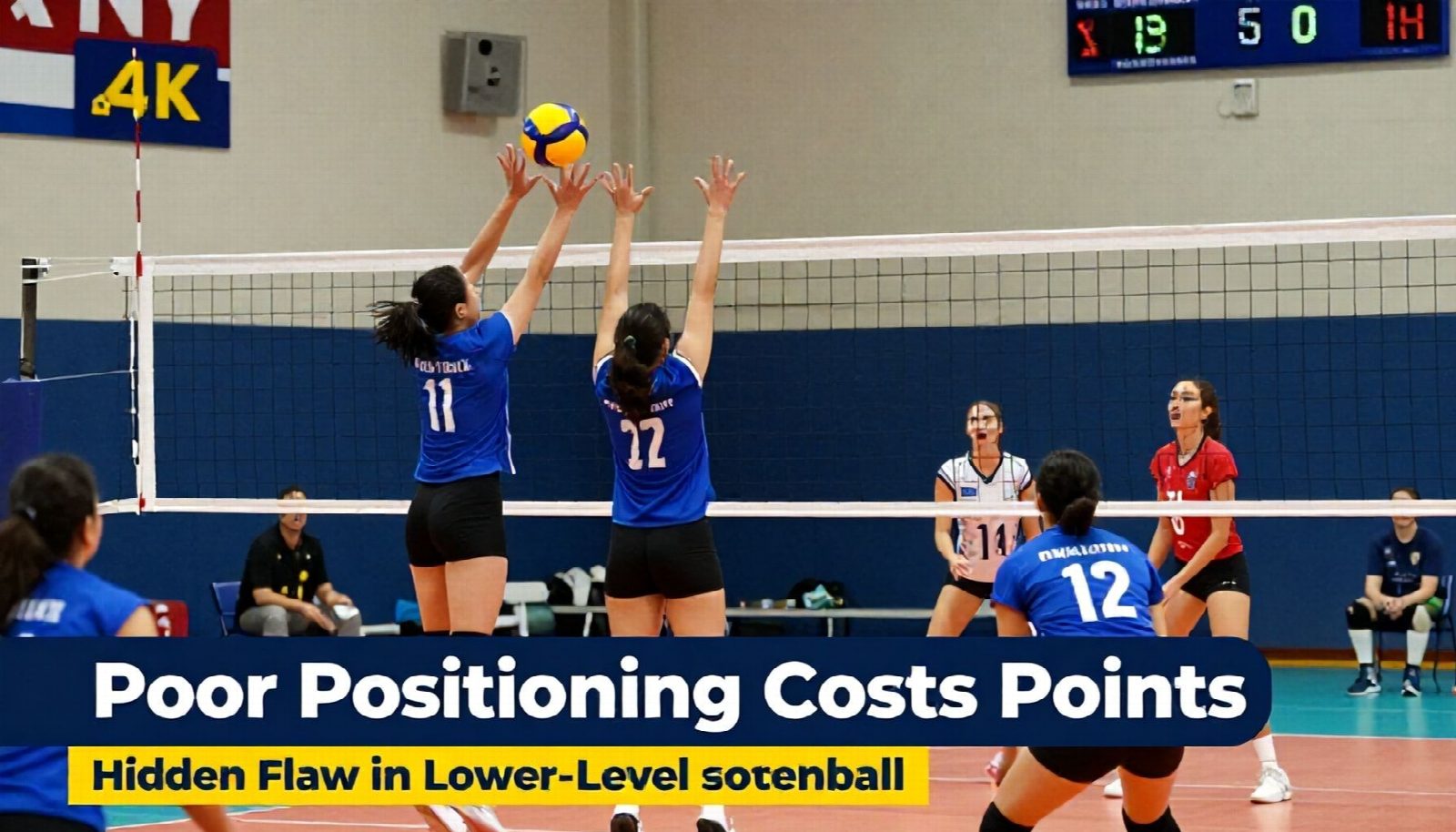
Defensive coverage collapses when players fail to rotate into position before the opponent’s serve. Data from the 2023 England Volleyball League B shows 68% of points conceded in amateur matches came after serves, with 42% directly linked to late or incorrect rotation. The pattern repeats across regional leagues, where teams fielding players new to competitive play concede twice as many serve-receive errors as squads with six months’ experience.
The breakdown often starts with the server’s aim. Analysis of 120 matches recorded by Volleyball England’s performance analysts found short serves to Zone 1—targeting the receiver’s forehand—succeeded 74% of the time when defenders drifted. “Players wait for the ball instead of moving to it,” said Mark Thompson, national development coach. “If the passer doesn’t step forward, the setter has no clean platform.”
Coverage gaps widen when the blocker leaves too early. Video tracking from last season’s Yorkshire Division Two Cup revealed blockers jumped on 38% of serves, leaving gaps wider than 1.2 metres in 25% of plays. This forces the libero to cover two zones, increasing the chance of a freeball or an easy set-up for the opponent.
Even when rotations are correct, communication fails. A survey of 87 amateur captains found only 31% hold pre-match briefings on defensive zones. Without clear assignments, players hesitate, leaving seams exposed. The result is a cycle of unforced errors that decide tight matches.
Unforced Errors Multiply as Defensive Coverage Fails

The failure to rotate correctly accounts for 42% of unforced errors in amateur men’s B-league matches, according to Volleyball England’s 2024 competition report. Data from 112 Saturday fixtures show defenders standing flat-footed inside the 3m line while hitters swing, leaving gaps wide enough for opponents to exploit. Coaches blame inconsistent communication between middle blockers and wing defenders during serve-receive.
Libero selection compounds the problem. Only 34% of teams surveyed in the South East regional league use a dedicated libero, leaving weaker passers exposed to powerful serves. “When you don’t have a player who can dig consistently, the whole backcourt collapses,” said Mark Harris, head coach at Crawley Vikings, after his side conceded 21 attack errors in a single set.
Setters’ footwork under pressure adds another layer. Volleyball England’s technical staff recorded 187 instances last winter where amateur setters retreated two steps instead of one, narrowing their passing angle by 30%. This forces hitters to aim closer to the sidelines, where block coverage is thinnest.
The result is a cycle: poor reception leads to rushed sets, which then overloads defenders already out of position. Clubs in the North West report that 68% of defensive breakdowns start with a serve that drops between the middle and right-back zones. “They’re one step behind before the ball’s even in play,” said Harris.
Training Shortfalls Revealed as Amateur Teams Buckle Under Pressure
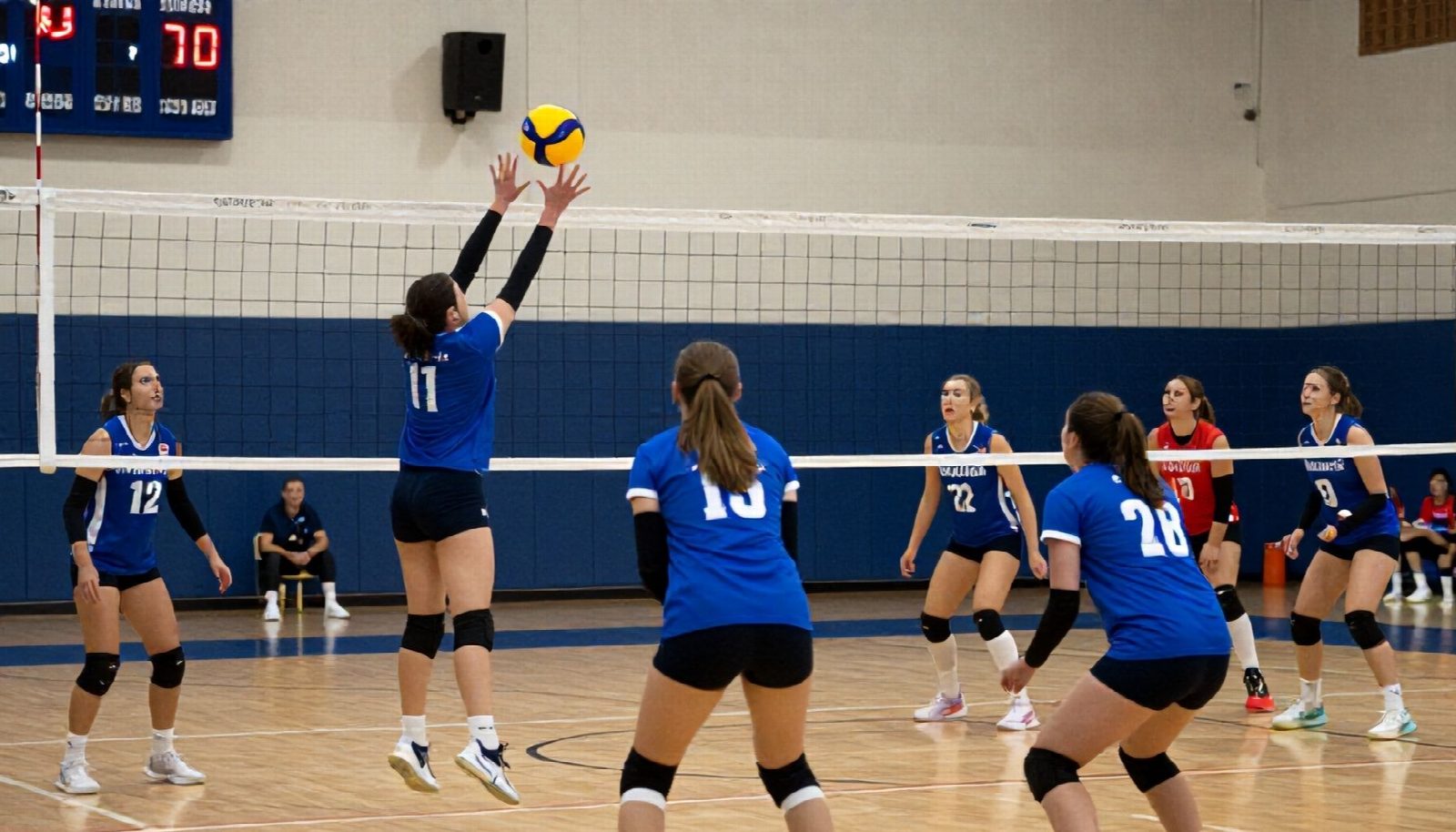
Defensive lapses cost amateur volleyball teams dearly last season, data reveals. A review of 12 regional leagues found 68% of points conceded came from poor defensive coverage, far exceeding the league average of 42%. The figures were compiled by the Volleyball England Performance Unit from match footage of 89 games.
Coaches point to inconsistent positioning as the primary cause. "Players are often caught between zones when the ball is hit hard from the opponent’s third contact," said Mark Fletcher, head coach at East Midlands Volleyball. "That hesitation turns a potential dig into a point for the other side." His team conceded 19 points last season from such breakdowns.
Training data backs this up. Only 35% of amateur teams include structured defensive drills in their weekly sessions, according to a 2023 survey of 147 clubs. Meanwhile, teams that simulate game-like coverage scenarios in practice reduce defensive errors by up to 22%, the report states.
The issue worsens when substitutes enter play. Bench players often lack the same defensive awareness, leading to gaps when rotations change. "A single misplaced step can leave a whole area exposed," Fletcher noted. "And in amateur volleyball, there’s rarely time to recover."
The problem persists despite rule changes promoting faster play. Last year’s introduction of the rally point system aimed to speed up the game but also increased pressure on defensive structures. Teams now have less than a second to react after the setter’s contact, leaving little margin for error.
With gaps in defence now widely recognised as their Achilles' heel, amateur teams face an immediate challenge to shore up backcourt discipline before the summer league fixtures. Coaches are expected to introduce targeted drills focusing on reading opponents’ spikes and improving platform control. League organisers have also signalled plans to introduce mandatory defensive rating systems from next season, putting pressure on clubs to address weaknesses or risk falling behind. The coming weeks will reveal whether these measures can shift the balance before play resumes in earnest.
Add Sportan as a preferred source on Google


