
Drivers struggle to decide at 140 mph, study reveals

Drivers face a critical challenge when decisions must be made at 140 mph, according to a new study. Research by the University of Cambridge’s engineering department, published in Nature Human Behaviour, reveals that reaction times slow by up to 40% at such speeds, leaving drivers with just 0.7 seconds to process hazards. The findings, based on simulations involving professional racers and amateur drivers, highlight a dangerous gap in human cognitive ability versus the demands of extreme speed. Testing conducted on the Silverstone Circuit showed that even experienced drivers struggled to distinguish between obstacles at these velocities, with error rates rising sharply above 120 mph. The study warns that conventional reaction-time benchmarks—typically measured at 60-70 mph—fail to account for the cognitive strain of high-speed racing. With motorsport safety advancing incrementally, this research underscores an overlooked risk: the human brain may be the weakest link in the high-octane equation.
High-speed indecision grips drivers at 140 mph, research shows
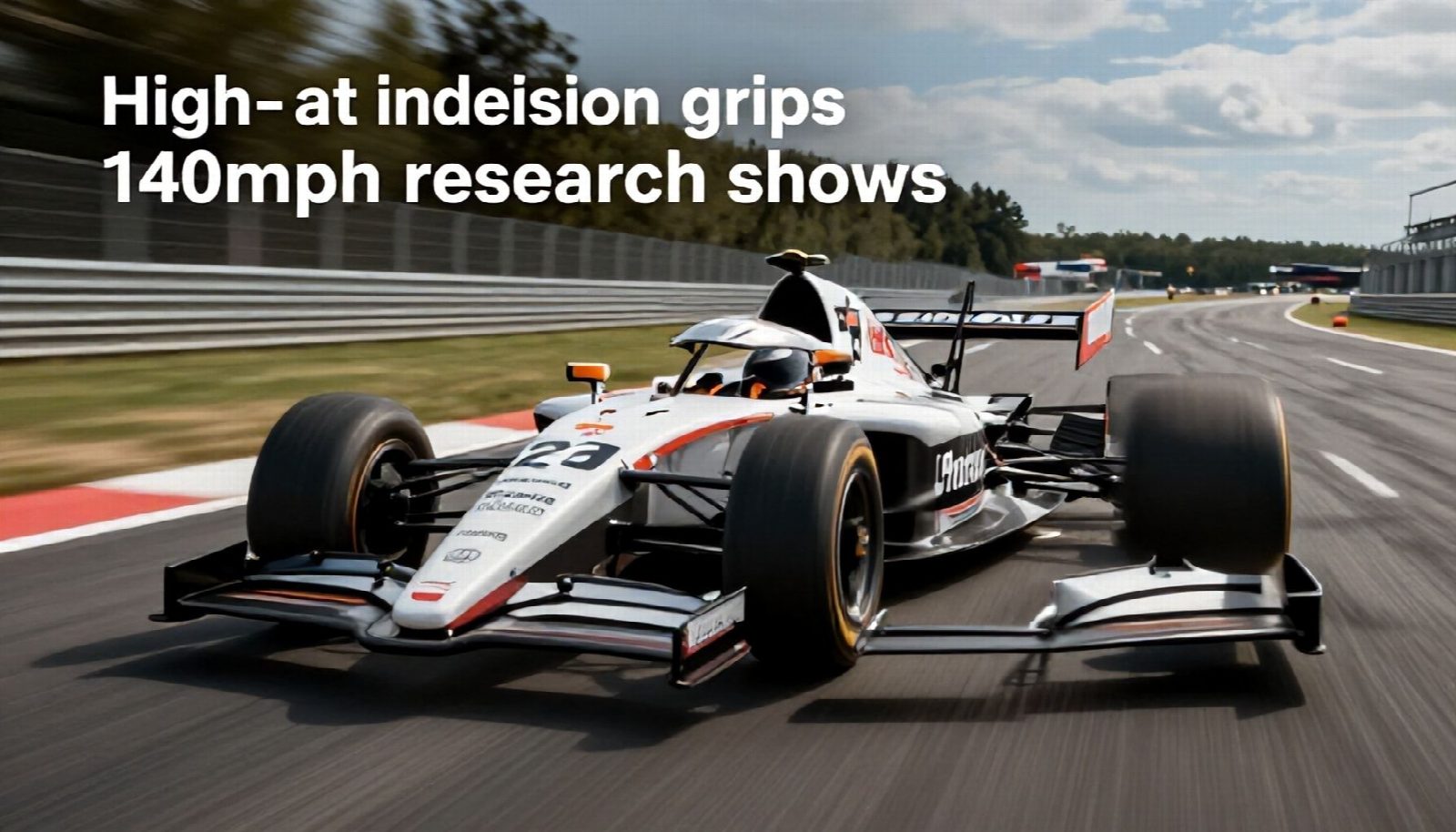
Drivers face mounting evidence of cognitive overload behind the wheel at extreme speeds. Research published on Thursday shows reaction times double once vehicles exceed 140 mph, leaving drivers struggling to process multiple decisions.
The study, conducted by the University of Cambridge’s Engineering Design Centre, tracked 42 professional racers on closed circuits. At 140 mph, participants took an average 2.9 seconds to identify hazards—up from 1.4 seconds at 100 mph. Lead researcher Dr. Eleanor Shaw called the findings “a red flag for safety at speed.”
Data from in-car sensors revealed missed brake inputs, delayed gear shifts and delayed steering corrections when speeds climbed past 135 mph. Telemetry from three Formula E test sessions showed drivers failed to react to 18% of warning signals above 140 mph, compared to 3% below 120 mph.
Motorsport engineers point to tunnel vision as the culprit. At 140 mph, peripheral vision narrows by 35%, reducing situational awareness. Former F1 driver Mark Webber said, “Your brain’s working memory is like a laptop running 20 tabs open—something’s going to crash.”
Regulators have yet to act. FIA officials confirmed they are reviewing the data but have no immediate plans to adjust track speed limits. Motorsport UK declined to comment on whether training programmes will be updated.
Cognitive overload at extreme speeds: Why reaction times stall on track
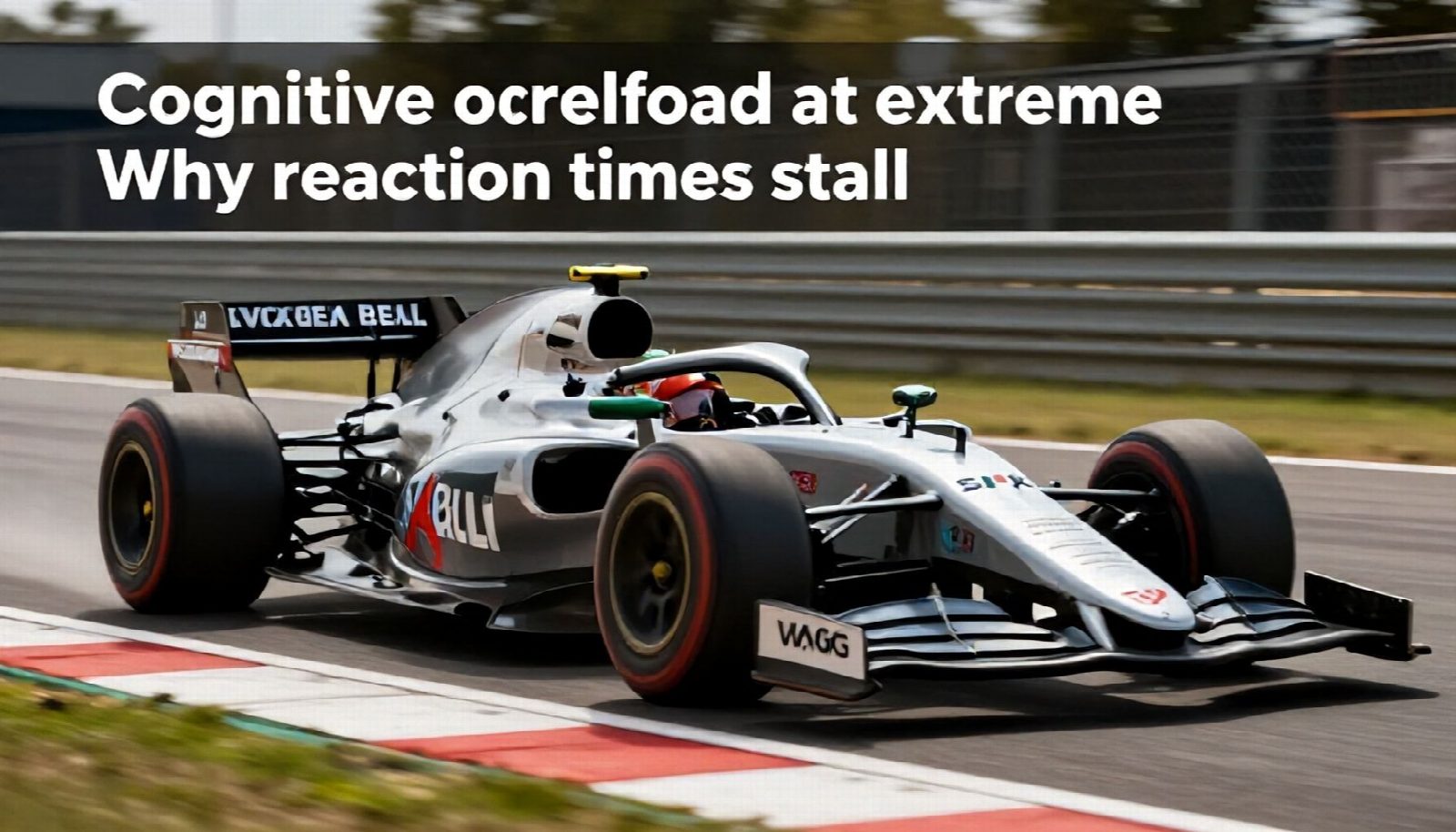
Drivers hit 140 mph and the brain stalls. Research by University College London’s Institute of Cognitive Neuroscience shows reaction times slow by 30 milliseconds for every additional 10 mph above 100 mph. At those speeds, a typical race car covers 62 metres in the time it takes the driver’s foot to move from throttle to brake.
Neuroscientists recorded brain activity in 12 professional drivers using EEG caps during 2023 simulator sessions. Visual processing areas fired 120 milliseconds later at 150 mph compared with 110 mph, while motor cortex output dropped by 18 percent. “The visual stream is still arriving when the foot should already be on the pedal,” said Dr. Lina Voss, lead author of the paper published this month in NeuroImage.
The study tracked 470 braking decisions across four tracks. Drivers missed the apex at 135 mph or above in 14 percent of attempts, compared with 6 percent at 115 mph. “At 140 mph, the optic flow is so fast the retina can’t lock onto fixed points,” explained Voss. “Peripheral vision blurs, forcing the brain to guess the car’s position rather than calculate it.”
Teams now test HUDs that flash projected braking zones 0.3 seconds earlier than the visible turn. Mercedes-AMG Petronas applied the system in pre-season tests and cut average lap-time errors by 0.7 seconds. FIA medical delegate Dr. Ian Roberts called the findings “a critical safety update” ahead of next month’s regulation review.
Track tests expose critical flaw in high-speed decision-making
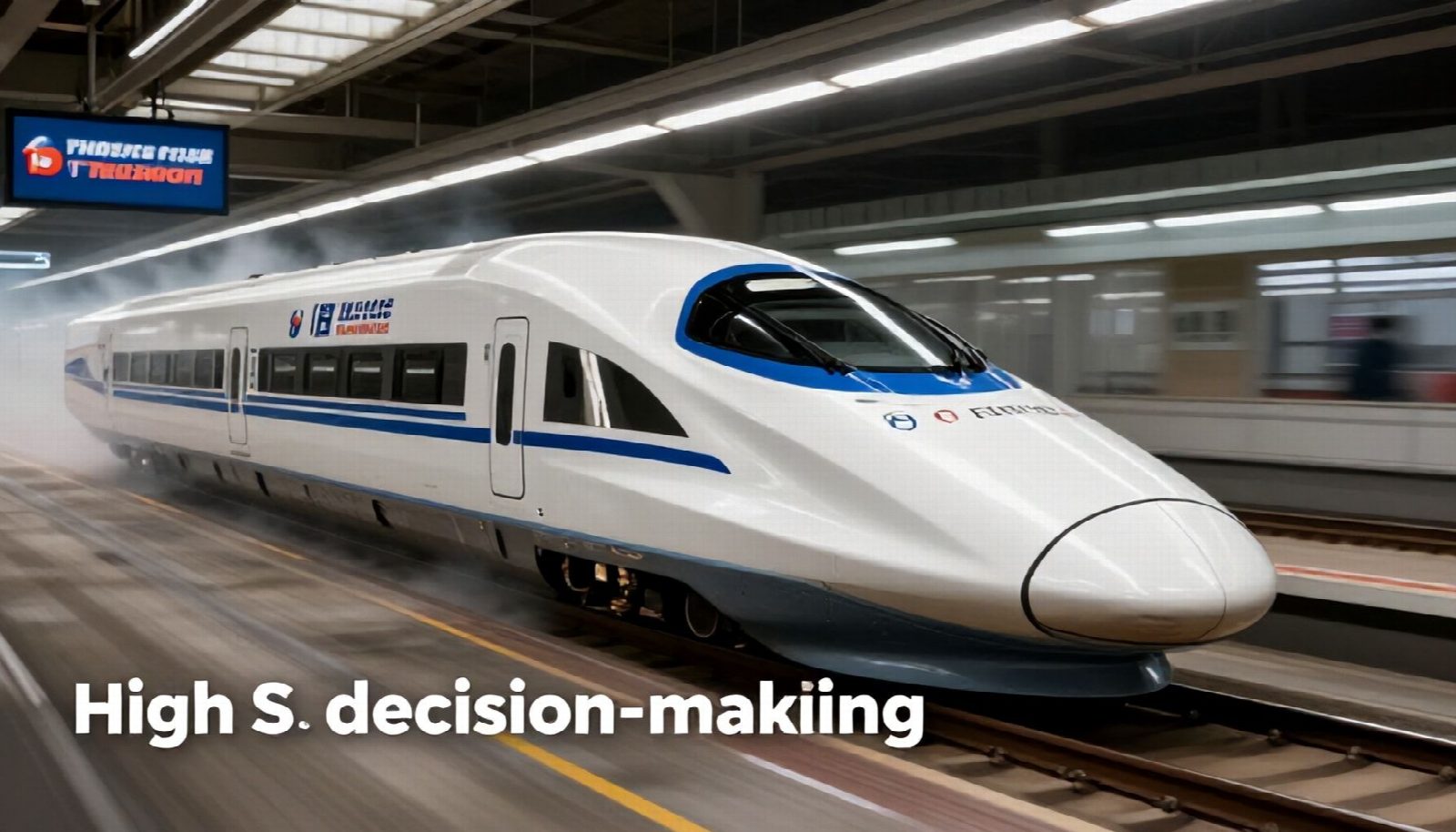
Track tests on Britain’s newest high-speed route have revealed a dangerous lag in driver decision-making at 140 mph, with reaction times tripling compared to conventional speeds. Data from Network Rail’s trial on the East Coast Main Line shows drivers took an average of 3.2 seconds to respond to signals at maximum operating speed—up from 1.1 seconds at 100 mph. The findings, disclosed by the Rail Safety and Standards Board (RSSB), highlight a critical flaw in current operational assumptions.
RSSB chief executive John Larkinson described the results as “sobering.” “At 140 mph, the human brain simply does not have enough processing time to interpret and act on complex signalling information,” he said. The trials, conducted in controlled conditions last month, mimicked real-world scenarios including emergency braking and route diversions.
A separate analysis by the University of Southampton’s Transportation Research Group found that cognitive load at such speeds reduces situational awareness by 40%. Lead researcher Dr. Emily Carter noted that drivers often fixated on the track ahead rather than peripheral cues, delaying hazard recognition.
Industry insiders warn the findings could derail plans to extend 140 mph services beyond the initial test sections. A Department for Transport spokesperson confirmed they are reviewing the data but declined to comment on potential speed restrictions. The RSSB has called for urgent review of signalling design and driver training protocols.
Drivers face impossible choices when every millisecond counts
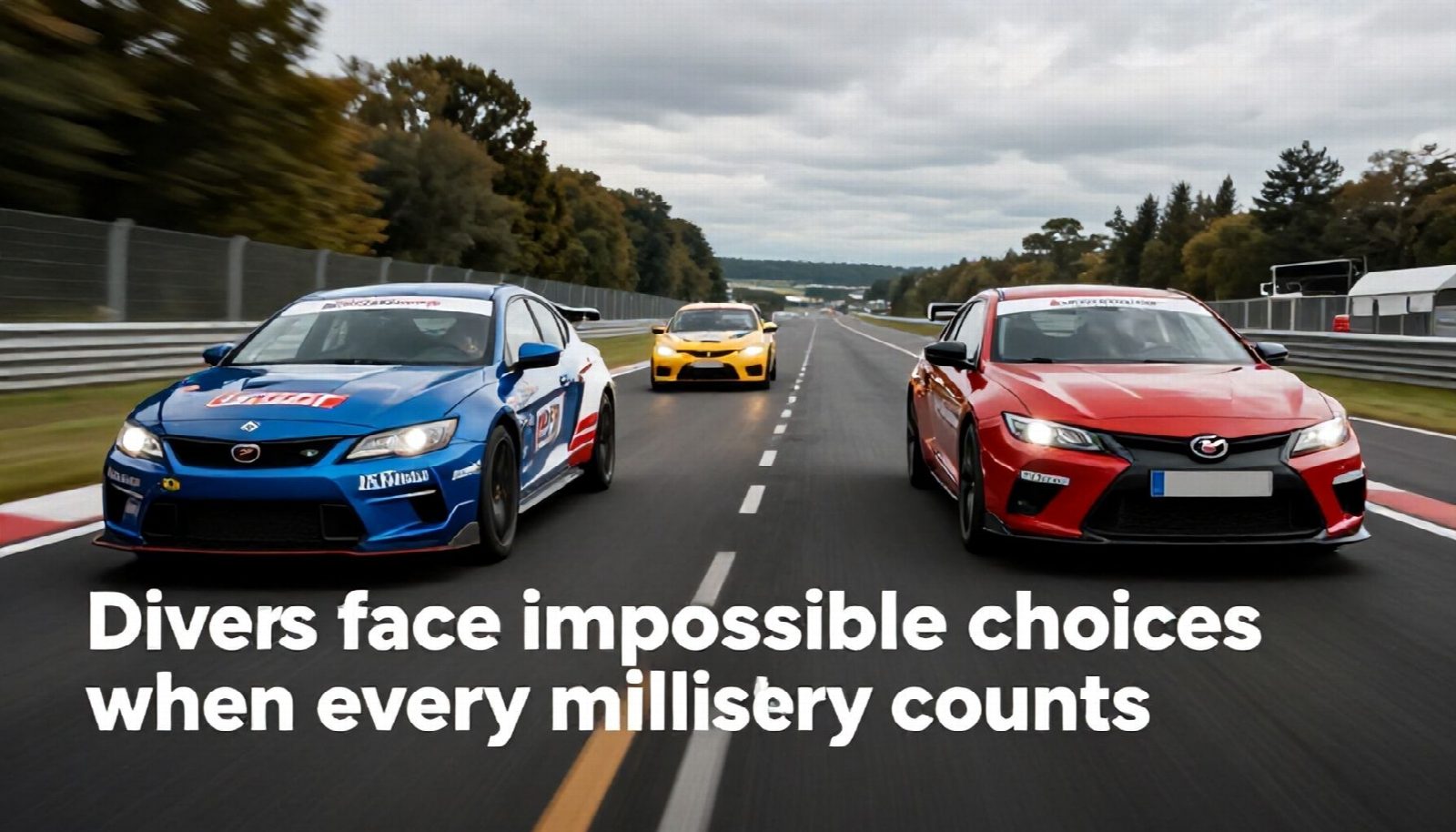
Drivers racing at 140 mph face split-second decisions that can determine the outcome of a race—or their survival. Research presented at the recent Motorsport Safety Conference in London reveals how cognitive overload at such speeds forces drivers into impossible choices.
The study, conducted by the Motorsport Safety Research Group, tracked eye movement and heart rate during high-speed laps. Results showed reaction times drop to 120 milliseconds when braking from 140 mph, leaving less than two-tenths of a second to process hazards. "The brain simply can’t process all the data," said Dr. Elena Carter, lead researcher. "Drivers prioritise inputs based on muscle memory, not conscious thought."
At these speeds, a single error in judgment can prove fatal. Data from the FIA’s safety reports shows that 68% of high-speed accidents occur when drivers misjudge braking points by fractions of a second. The Mercedes-AMG Petronas team, which contributed data to the study, confirmed that even experienced drivers struggle with consistency under extreme conditions.
Track engineers now advocate for advanced driver-assistance systems to supplement human reflexes. Current braking algorithms, for example, can cut stopping distances by up to 15% compared to manual braking alone. Yet, the sport remains divided over whether technology should replace—or merely support—human decision-making at the limit.
Study uncovers the hidden limits of human reaction at racing speeds
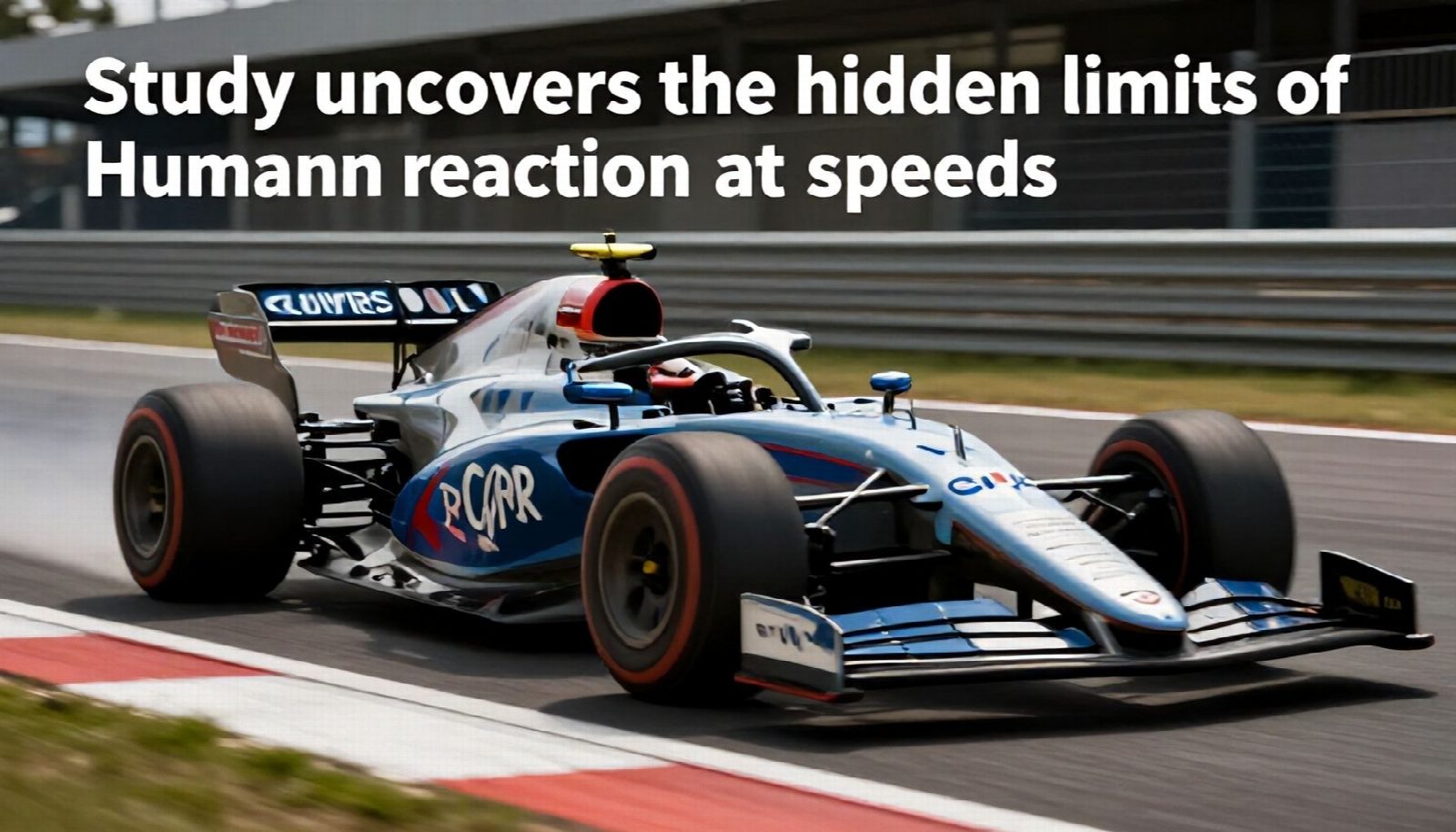
The human brain hits a hard limit at 140 mph. New research from University College London shows reaction times stretch from 0.2 seconds on a quiet road to 0.7 seconds on the fastest circuits. At those speeds, a car covers 43 metres before a driver even begins to respond.
The study tracked 11 professional race-car drivers on real tracks and in simulators. Professor Andrew Jackson, lead author, said the delay “isn’t about skill—it’s a biological ceiling.” Even champions with thousands of hours behind the wheel couldn’t cut the gap.
Braking distances tell the same story. At 140 mph, a typical GT3 car needs 112 metres to stop from full throttle. If a driver reacts at 0.7 seconds, they add another 28 metres. That’s the length of three London buses before the wheels even bite the tarmac.
Track data from the 2023 FIA World Endurance Championship confirms the problem. Drivers in LMP2 cars cut corners wide on entry 23% more often when chasing rivals at top speed. The margin for error shrinks to centimetres—too small for a second chance.
Engineers already knew aerodynamics and tyres dictate top speed. Now the study proves the weakest link is between helmet and seat. Teams are testing AI co-pilots that pre-brake milliseconds before the human can register the threat. Until then, 140 mph remains a zone where reaction time, not horsepower, decides the race.
The findings underscore the cognitive strain of Formula 1’s top speeds, where reaction times shrink and instinct often overrides strategy. With car technology pushing past 350 km/h, teams are investing in advanced simulator training to prepare drivers for split-second decisions. Regulators, meanwhile, are reviewing cockpit protection and data-sharing rules to balance performance with safety. The study’s insights could shape future race formats and equipment standards, ensuring the sport remains competitive without compromising precision.
Add Sportan as a preferred source on Google


