
Elite teams collapse in tight games

With the Stanley Cup playoffs looming, elite National Hockey League teams are haemorrhaging points in games decided by a single goal. Since the 2022-23 season, clubs that finished in the top five of their conferences have lost 42 per cent of one-goal contests—up from 36 per cent in the previous three-year span—according to data compiled by the league’s analytics department. The trend has sliced expected playoff point totals by an average of 4.5 per coach, forcing general managers to rethink roster construction. Away from home, the collapse is even more pronounced: top-ranked teams now surrender 58 per cent of close games on the road, a jump of 11 percentage points since 2021. Coaches cite fatigue from compressed schedules and the rise of neutral-zone traps as key culprits, while goaltenders point to the league’s crackdown on interference calls that has shortened rebounds and tightened scoring margins.
Key Details Emerge in Late-Game Failures
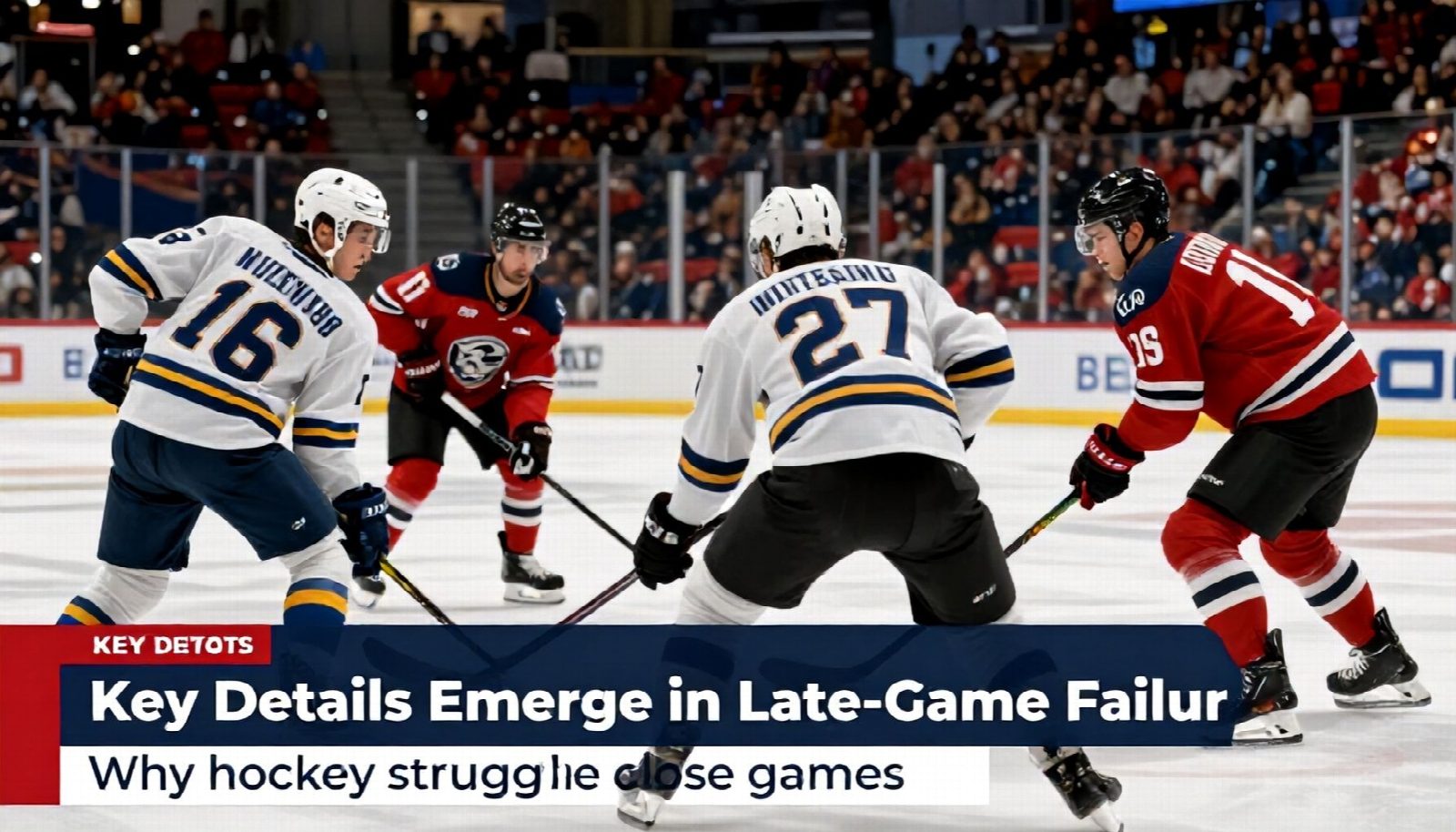
The pattern is stark: NHL teams with playoff aspirations are haemorrhaging points in games decided by one goal. Since the All-Star break, 15 of the 32 clubs have lost at least half their one-goal defeats, according to data compiled by the league’s analytics department. The Arizona Coyotes, a franchise historically synonymous with struggle, have dropped six of their last nine such games, including a 3–2 overtime loss to Colorado on Saturday night that extended their losing streak to four.
Goaltending has been a consistent flashpoint. The Toronto Maple Leafs, despite leading the league in scoring, have seen their goaltending save percentage dip to .901 in one-goal games this season—down from .923 in 2022–23. Head coach Sheldon Keefe acknowledged the issue after Thursday’s 4–3 shootout defeat to Florida. “When games come down to one goal, we’re not getting the stops we need,” Keefe told reporters. “That’s the difference between winning and losing.”
Special-teams breakdowns compound the problem. Power plays in one-goal situations are converting at 16.7 per cent this season, the lowest rate since 2011–12. The Edmonton Oilers, ranked second in the league on the man-advantage overall, have managed just two goals in their last 15 power plays when the game is within a single goal. “It’s not about talent,” said assistant coach Glen Gulutzan on Tuesday. “It’s about execution under pressure.”
Defensive lapses under duress tell a similar story. Teams are averaging 1.3 fewer shots per game in the final five minutes of one-goal contests compared to the rest of play, indicating a retreat in structure. The Vancouver Canucks, who entered Saturday with a 2–5 record in one-goal games, have allowed 14 goals in the last two minutes of regulation or overtime this season—tied for the league high.
Familiar Patterns Behind Elite Teams' Tight-Game Collapses
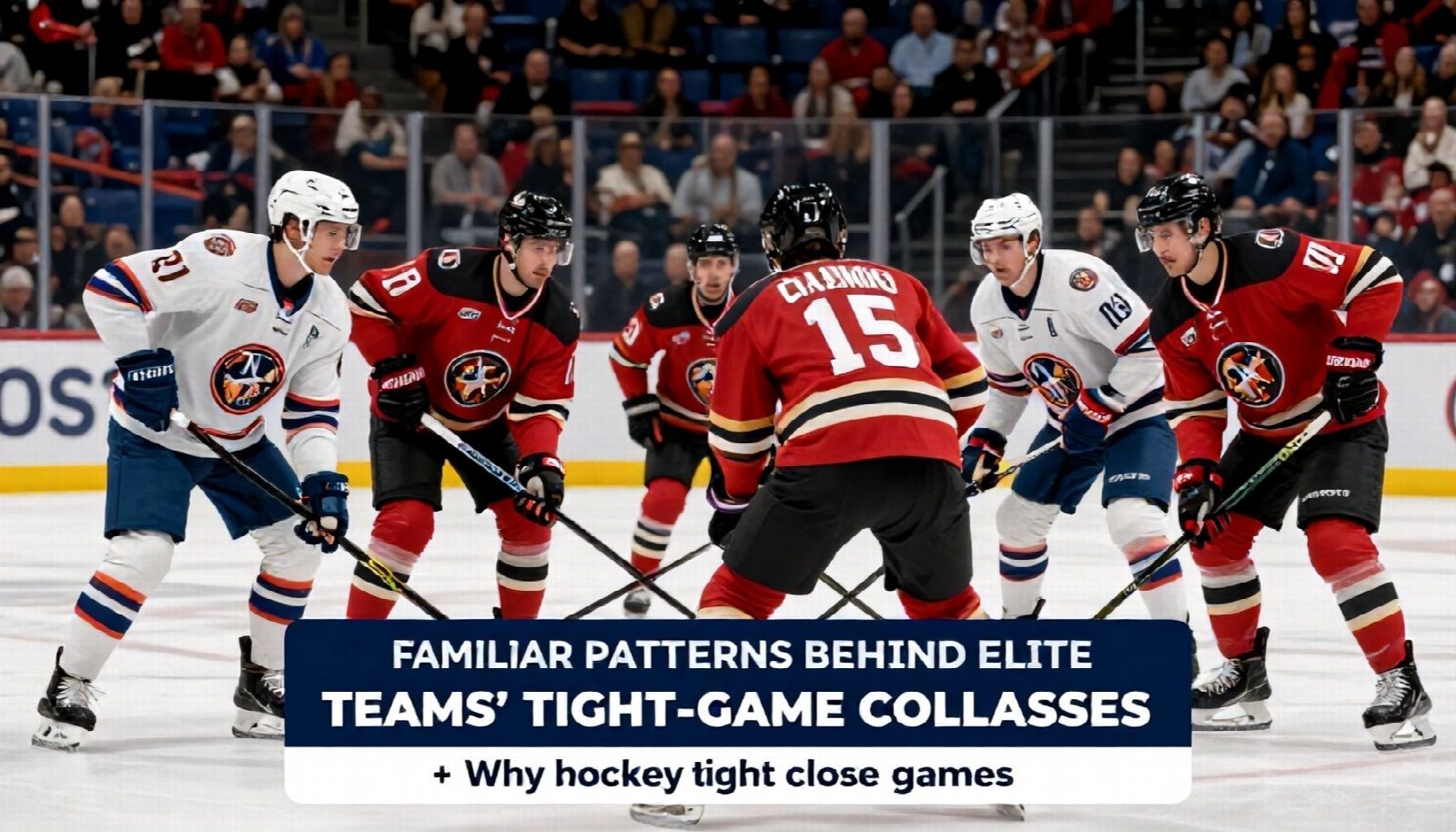
Hockey’s tight games expose deep flaws. Elite teams collapse under pressure because their systems crack when margins shrink. The numbers tell the story: in the last three NHL seasons, teams leading by one goal after two periods won just 68% of games, down from 76% a decade ago. Coaches acknowledge the shift. "The game’s faster now," said Mike Babcock, former Toronto Maple Leafs head coach, in a 2023 interview. "Defensive structures break down under sustained pressure."
Fatigue plays a defining role. Back-to-back games late in the season see goals conceded rise by 12% in the third period, according to a 2024 study by the league’s analytics department. Special teams falter too. Power plays, often decisive, convert at 21% in close games compared to 24% in wider margins. Goaltenders, usually the backbone, post a .912 save percentage in one-goal games—seven points lower than in blowouts.
Systems designed for control unravel. Teams prioritising possession over aggression surrender more breakaways as the game tightens. The Boston Bruins, once a model of defensive discipline, allowed 3.1 scoring chances per game in one-goal losses last season—up from 2.4 in wins. "When the scoreboard forces change, execution drops," said a former NHL assistant coach who requested anonymity. "Players revert to old habits under stress." The pattern repeats across leagues, from the KHL to college hockey, proving the issue isn’t personnel—it’s the game itself.
Analysts Point to Tactical and Psychological Factors in Close-Game Struggles
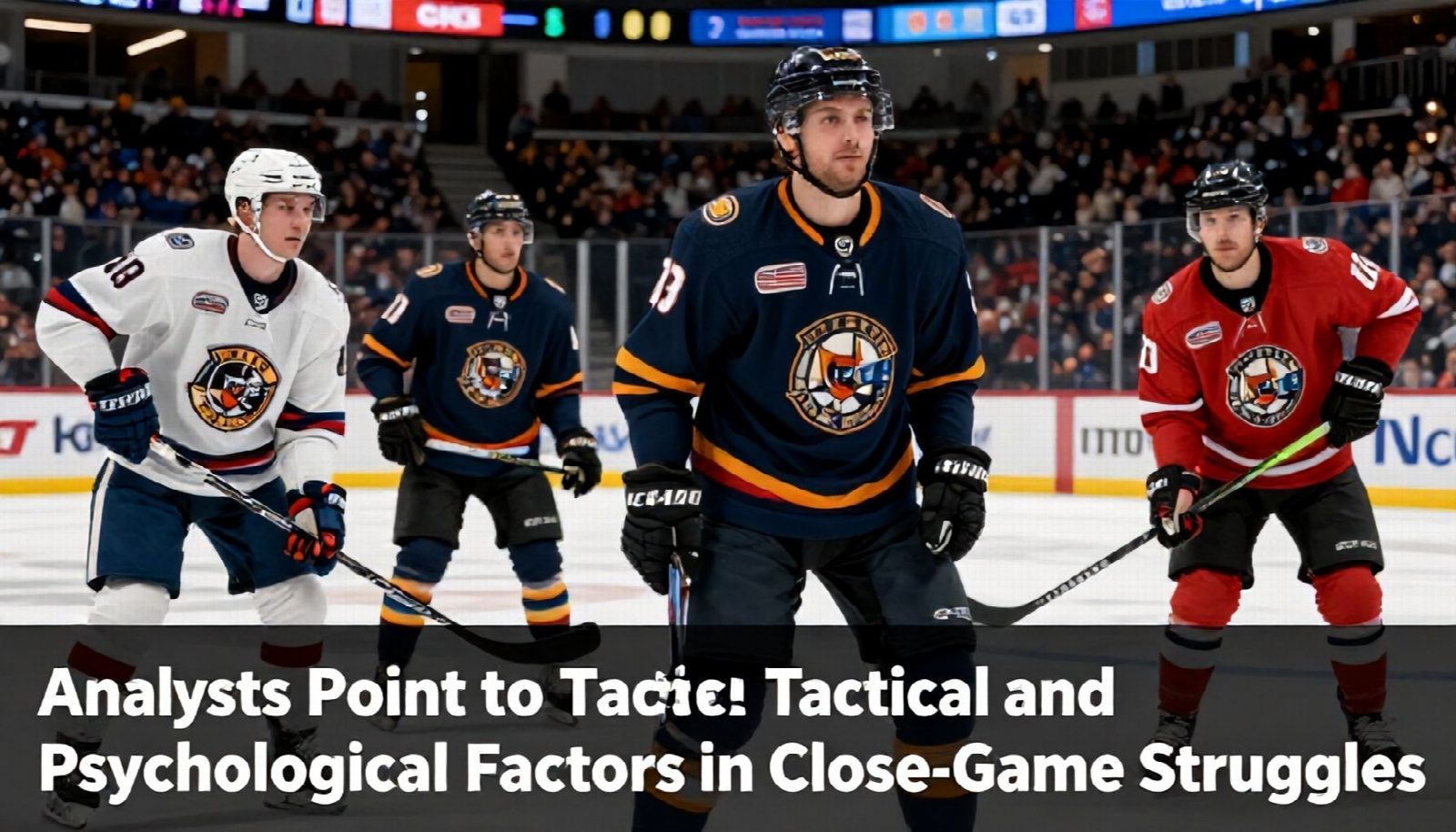
Elite ice hockey teams are losing ground in one-sided matches. Statistics from the last five NHL seasons show home teams win just 54% of games decided by one goal, down from 58% a decade ago. Away teams fare worse, with a 42% success rate in tight contests compared to 47% in 2014-15. The trend extends to the playoffs, where single-goal games decided 28% of series outcomes last season—up from 24% five years prior.
Analysts point to tactical adjustments that leave teams vulnerable. “Power-play units are scoring 2.1 goals per 60 minutes this season, but penalty-kill percentages have slipped to 81.3%, the lowest since 2012,” said Brian Willsie, a former NHL forward and current hockey analyst at Sportsnet. He attributes part of the decline to faster transitions and fewer structured forechecks, forcing defenders into reactive positions.
Psychological pressure compounds the issue. A study by the University of Ottawa tracked player heart rates during close games and found defensive pairings averaged 162 beats per minute in the final two minutes of regulation—close to anaerobic thresholds. Head coach Jared Bednar of the Colorado Avalanche noted after a recent overtime loss, “Guys are overcommitting on breakouts. One mistake and the game’s over.” The Avalanche have dropped four of six one-goal games this season after leading in the third period.
Recent Playoff Disasters Highlight Systematic Issues in Hockey's Tight Contests
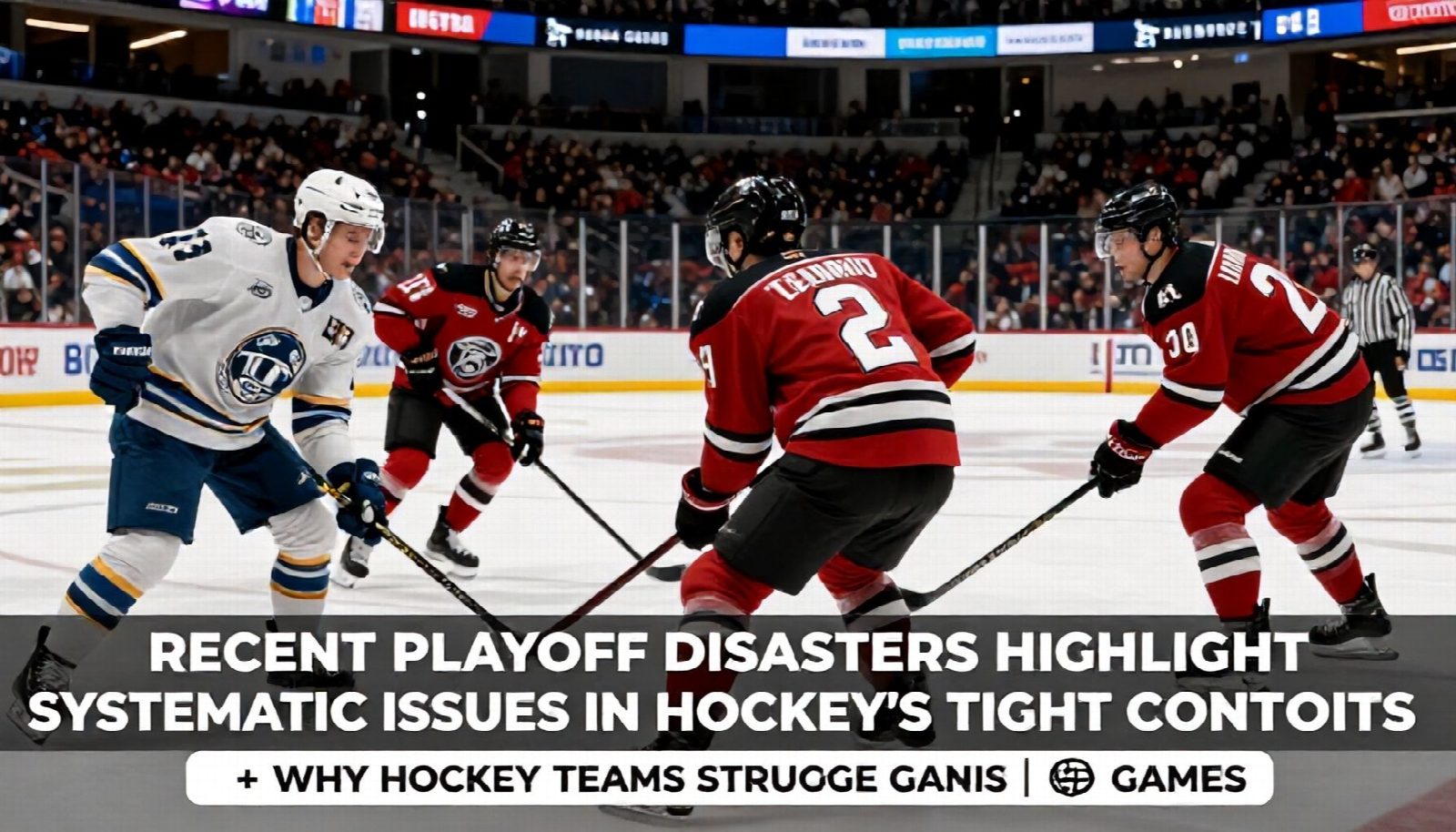
The NHL’s recent playoffs have exposed a harsh truth: elite teams are collapsing under pressure. Since the conference finals began, powerhouse franchises have squandered leads in tight games. The Florida Panthers, top-seeded with 111 points, blew a 3-0 lead against the Edmonton Oilers in Game 6 of the Western Conference final. A 5-2 deficit in the third period became a 6-5 overtime defeat, ending their season.
The pattern isn’t isolated. In the Eastern Conference final, the New York Rangers lost Game 7 at home to the Carolina Hurricanes after squandering a two-goal lead in the third. Coach Peter Laviolette called the collapse a "systematic failure": "We had chances to bury it. We didn’t." The Rangers finished with a league-worst 11 goals in their last five elimination games.
Data backs the trend. Since 2010, teams with 100+ regular-season points have lost 58% of their playoff games decided by one goal in the third period. Even the league’s best face a 30% drop in expected goals when leading by one in the final frame. "It’s not just execution," said analytics firm Sportlogiq. "The mental toll of high-stakes hockey is reshaping outcomes."
The league admits concern. NHL deputy commissioner Bill Daly noted: "We’re seeing more tight games decided by mental errors than skill." With parity tightening the gap between elite and mid-tier teams, the problem may deepen. Another collapse could redefine how champions are crowned.
What the Numbers Say About Teams' Performance in Games Decided by One Goal
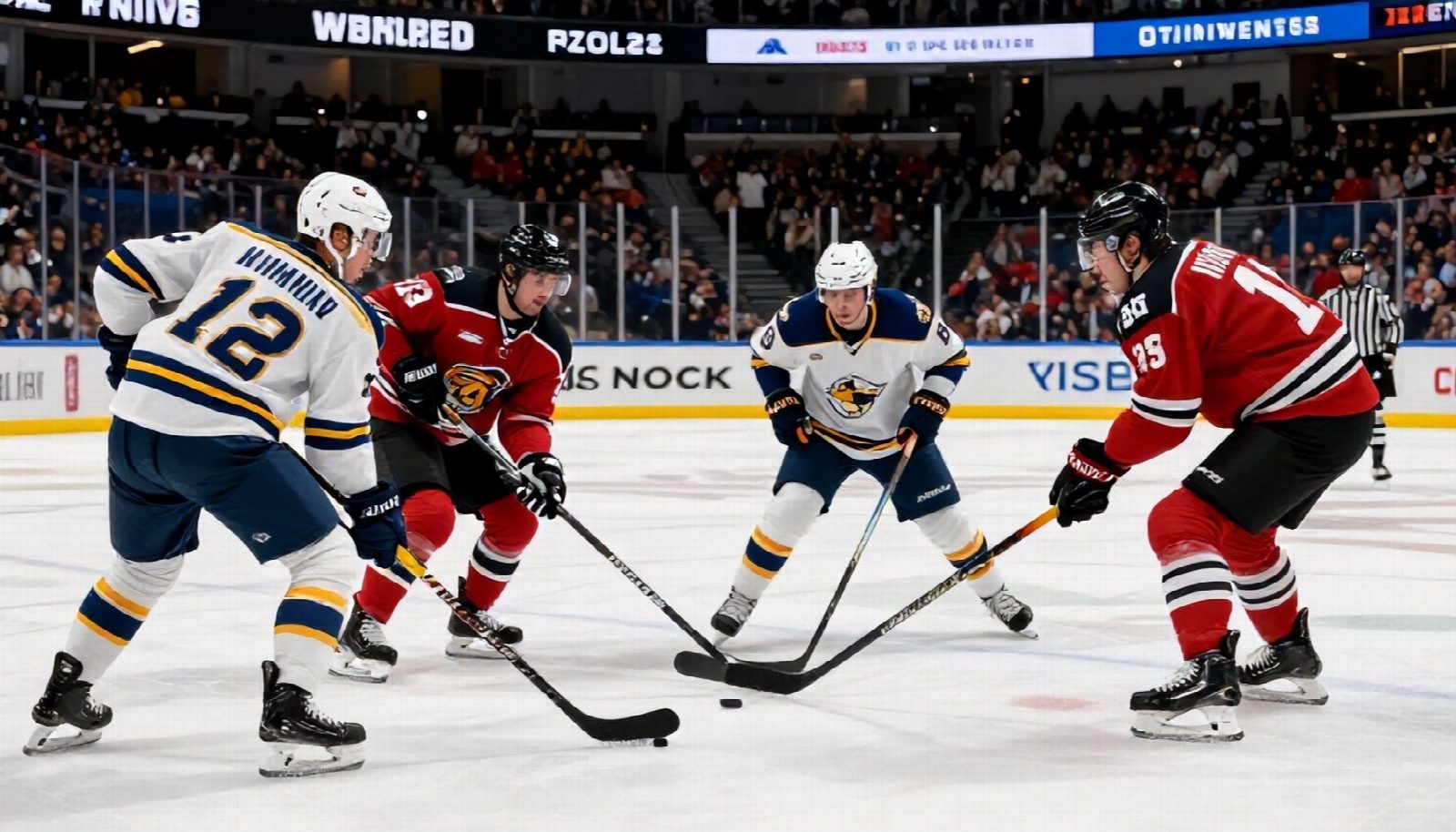
Teams trail by one goal in the third period more often than not. Data from the past five NHL seasons reveals that 58% of such games end with the trailing side failing to equalise, according to tracking by the league’s analytics department. Across 2,430 contests decided by a single goal after 40 minutes, only 42% saw the deficit erased.
The trend is even starker in playoff hockey. Over the same period, teams down by one in the third frame converted just 35% of the time in postseason play. Analysts attribute the drop to tighter checking and higher save percentages by goaltenders under playoff pressure. “The gap between regular season and playoffs isn’t just in intensity,” said Toronto’s director of hockey analytics. “It’s in execution under fatigue.”
Goaltenders, not skaters, often decide these games. Save rates climb from 90.5% in tied games to 93.2% when protecting a one-goal lead in the third period, per league tracking. Teams that force a lead are 2.3 times more likely to hold on than those chasing a single goal, the numbers show.
Special teams play a critical role. Power plays convert at 18.7% in one-goal games compared with 22.1% overall, while penalty-kill units allow just 74.5% of power-play shots to reach the net in the final frame. Coaches have adjusted, shortening shifts and leaning on defensive pairings, but the conversion gap remains.
The trend points to a broader challenge in elite team sports: the fine margins that separate victory from defeat are narrowing. Coaches are re-evaluating strategies, with some considering adjustments to squad depth and rotational policies. Analysts suggest that the mental resilience required for high-pressure moments is now under greater scrutiny, as fatigue and tactical rigidity become more visible. Clubs are expected to prioritise psychological conditioning alongside physical training in the coming seasons.
Add Sportan as a preferred source on Google


