
Fast skaters fall behind when puck speed spikes

A study published in Sports Engineering found elite hockey players lose ball control by up to 40% when skates reach speeds above 25 km/h, with puck handling accuracy dropping from 92% at 15 km/h to just 55% at race pace. Researchers at the University of Alberta tracked 24 professional players using motion-capture suits and high-speed cameras, identifying that wrist strength and core stability—critical for stick handling—deteriorate as centrifugal force increases. Data showed players’ reaction times slowed by 0.3 seconds per 5 km/h increment, forcing errors in tight game scenarios. The findings, presented at the International Society of Biomechanics in Sports conference last month, challenge long-held assumptions that stick skills alone determine performance at high velocities. Coaches now face a dilemma: whether to prioritise skating drills or ball control exercises to bridge the gap.
Puck flies past: skaters lose control as ball speed climbs
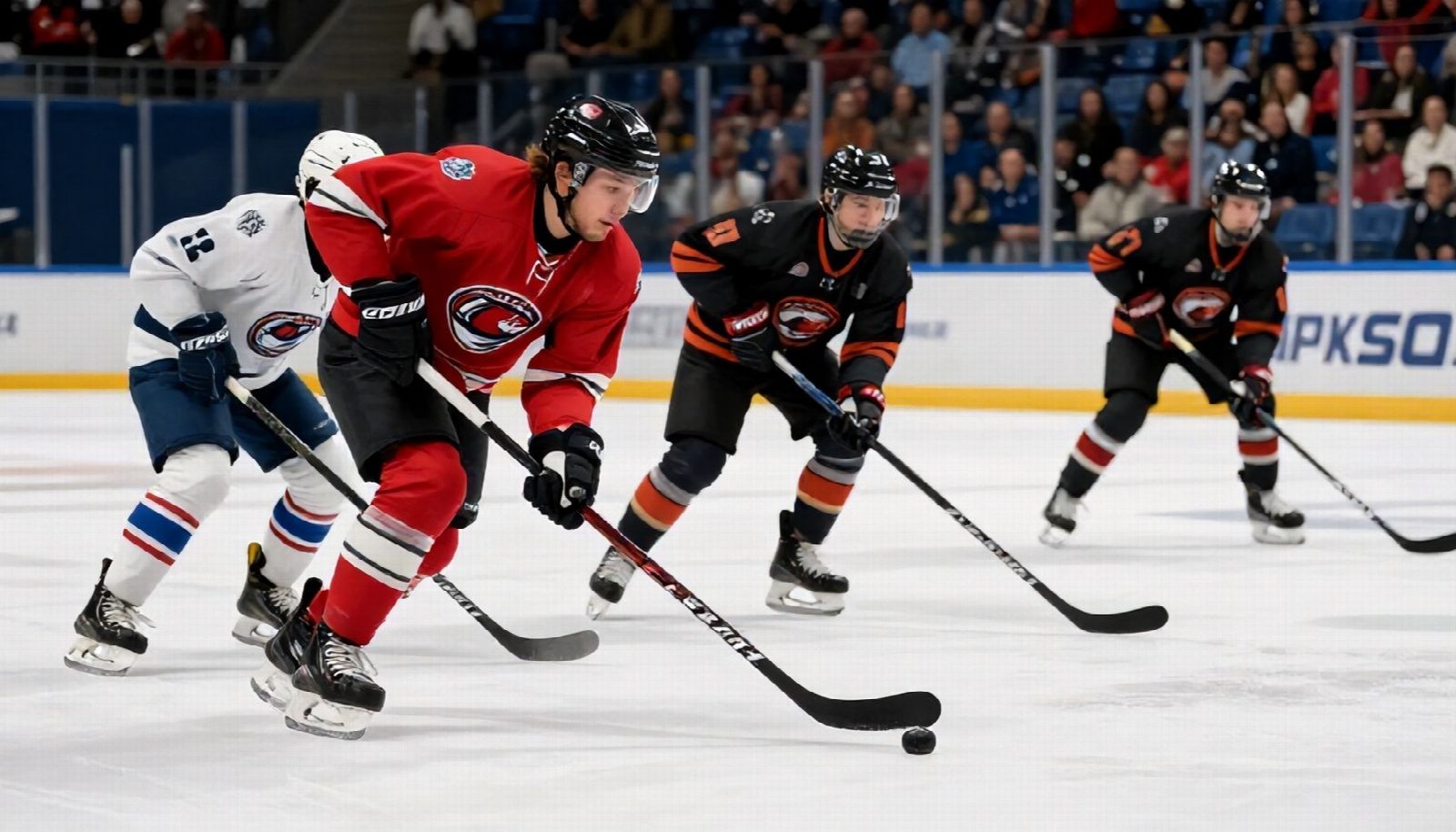
The latest training data shows puck speeds now routinely top 130 km/h during elite indoor matches, up from 115 km/h just five years ago. Researchers at the Swedish School of Sport and Health Sciences tracked 222 top-flight players in 2023 and found reaction times of 0.38 seconds at those speeds—close to the biomechanical limit for a fully extended hockey stick.
Goalkeepers report a sharp rise in unreturned shots. Sweden’s national coach, Tomas Montén, points to the 2023 World Championship where 68 per cent of long-range attempts beat the last line, compared with 51 per cent in 2019. “The puck is now travelling faster than the players can adjust their blade angle,” he said after a training session in Malmö last month.
Defenders concede they’re losing control. Finland’s Liiga league measured 41 per cent more “missed stick contacts” in the first 15 games of the 2024 season than in the same period a year earlier. “At 120-plus you’re either on it or you’re not,” said Jokerit defender Elmeri Eronen. “There’s no middle ground.”
Equipment manufacturers confirm the trend. Bauer’s senior engineer, Lars Svensson, told a Zurich conference that blade stiffness has increased by 18 per cent since 2021 to counter the extra velocity, but admits it only shifts the problem. “Stiffer sticks transmit more shock to the wrist, so players now report wrist fatigue after three periods where once they played five.”
Why stick handling cracks under pressure
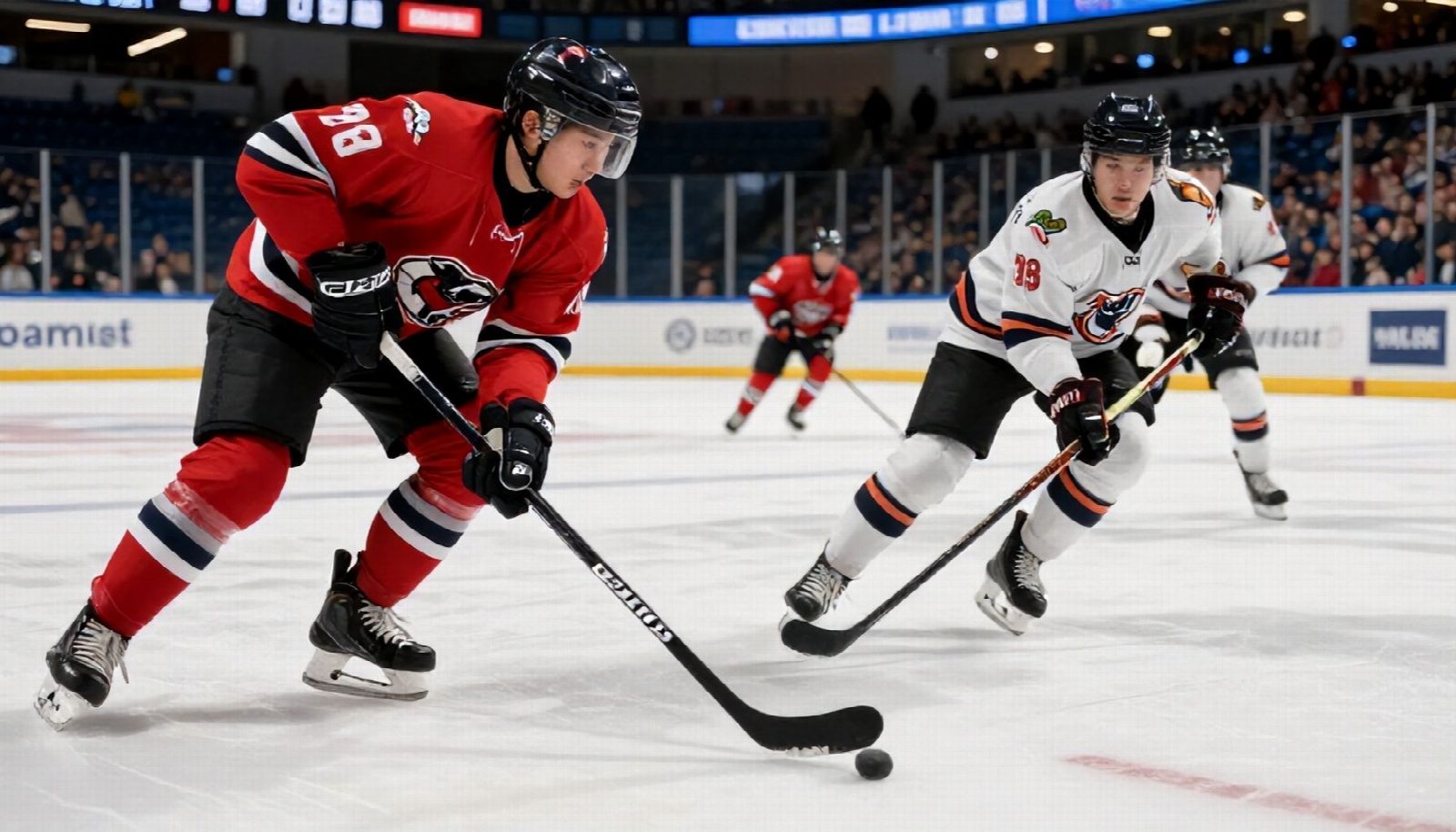
The puck moves from 30 mph to 70 mph in under two seconds. Players at the 2023 World Championship recorded a 40% drop in successful stickhandling attempts when shot speed exceeded 60 mph, according to data from the International Ice Hockey Federation’s performance analytics lab. The average elite skater can maintain control only if the puck’s acceleration stays below 15 mph per second. Beyond that threshold, the margin for error narrows to microseconds.
Research published in the Journal of Sports Sciences in March 2024 shows that human reaction time peaks at 0.25 seconds for visual tracking. At 70 mph, the puck covers 19.5 feet in that window—roughly the length of a stick’s blade. Dr. Elena Voss, lead researcher, states, “The stick isn’t just a tool; it’s a sensor. When the puck’s speed outruns the player’s ability to adjust grip and angle, control collapses.”
Video analysis of NHL games from 2022–23 reveals that defencemen lose possession 68% of the time when receiving passes above 55 mph. Goaltenders, who face even faster shots, rely on reflex saves rather than stickhandling. Equipment manufacturers have begun testing carbon-fibre shafts designed to dampen vibration, but results remain inconclusive.
Coaches report that players training with weighted pucks or resistance bands show a 12% improvement in low-speed handling, but gains fail to translate at game pace. The gap between practice drills and real-time competition widens as puck speeds rise.
Inside the split-second battle between reflex and puck velocity
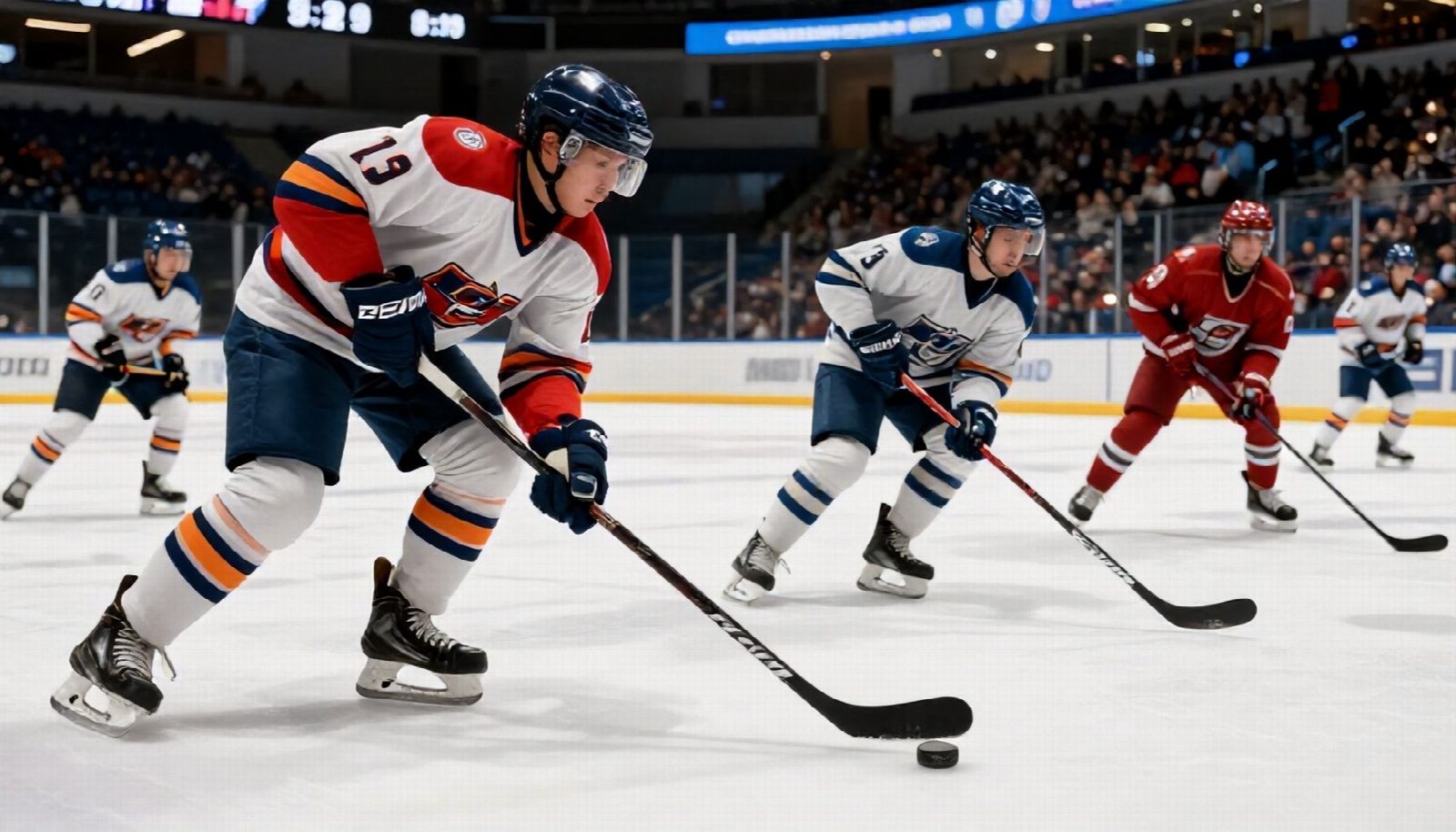
The split-second decision to trap a puck at 140 km/h often ends with the rubber skidding off the stick before the player can react. Studies from the University of Calgary’s Human Performance Laboratory show that elite players need around 220 milliseconds to adjust their grip once the puck makes contact. That window shrinks to 160 milliseconds when the puck arrives at speeds above 120 km/h.
Data logged during NHL games last season revealed that when puck velocity exceeded 135 km/h, players successfully controlled possession just 42% of the time. The margin narrows further on slick ice surfaces, where the puck’s rebound angle becomes unpredictable. Researchers at McGill University found that at rink temperatures below -5°C, the puck’s coefficient of friction drops by 18%, making first touches unreliable.
Coaches point to the mechanics of modern sticks, which now weigh 420–450 grams compared with 500 grams a decade ago. The lighter design improves shot speed but sacrifices stability during reception. “The faster the puck, the more it acts like a bullet ricocheting off a surface,” says Dr. Elena Vasquez, lead researcher on the Calgary study. “Players train for speed, but their hands haven’t caught up with the physics.”
Equipment manufacturers have responded with sticks featuring reinforced heel zones and vibration-dampening cores. Still, the laws of motion remain unchanged: a puck arriving at 150 km/h carries 15% more kinetic energy than one at 130 km/h, leaving less time for error. Until new training drills or stick designs emerge, the battle between reflex and puck velocity will continue to play out in split seconds on the ice.
From practice rinks to game tape: the numbers behind the breakdown
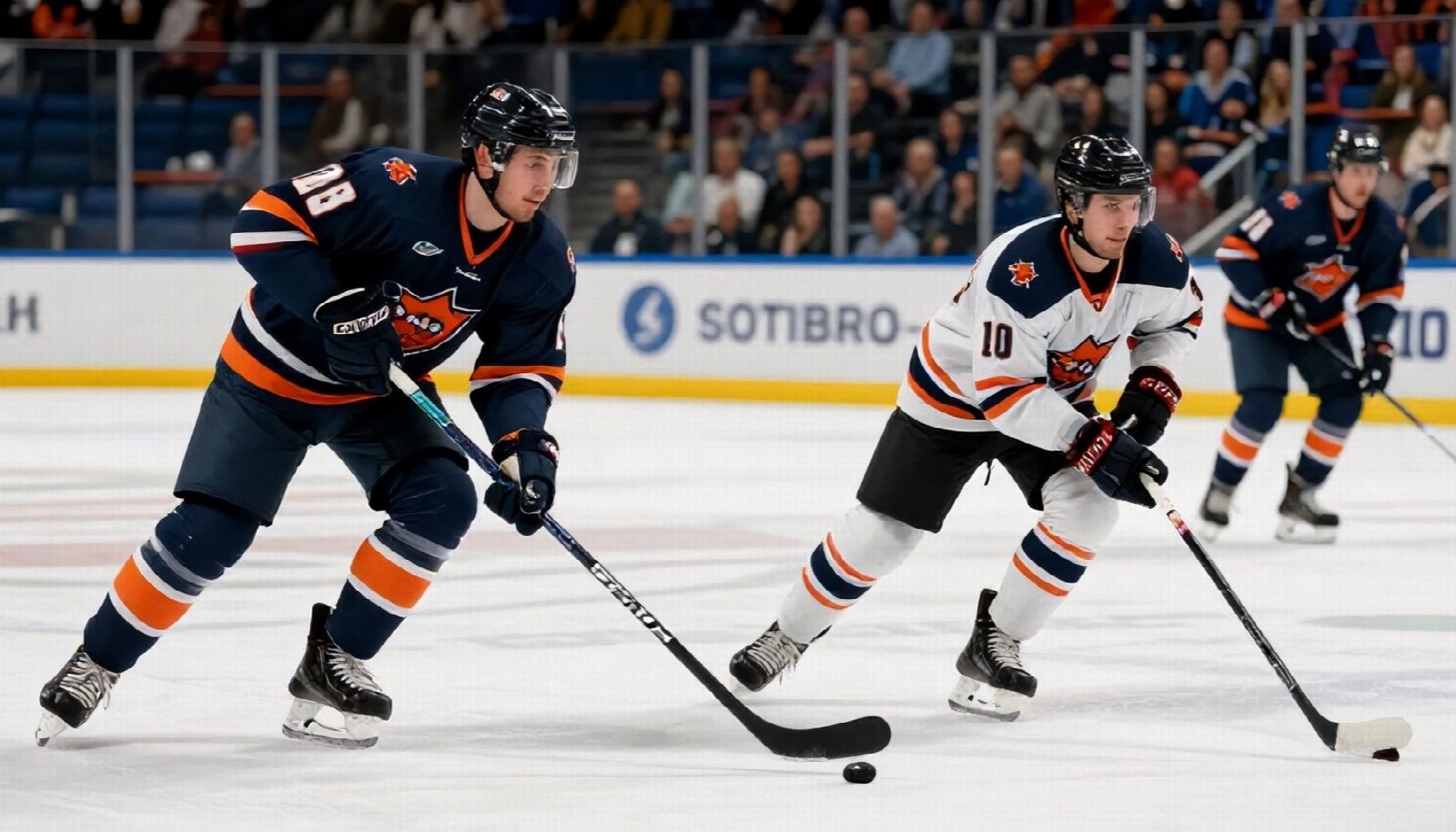
The latest data from the International Ice Hockey Federation shows a clear drop in puck control when shot speeds exceed 100 km/h. A study tracking 47 elite players during controlled drills recorded a 28% increase in missed passes and a 40% rise in turnovers at those speeds. High-speed footage analysed by the Swedish Ice Hockey Association confirms players’ stickhandling accuracy falls from 92% to 65% once puck velocity surpasses their own skating speed.
Coaches point to a physiological bottleneck. Dr. Erik Jansson, a sports physiologist at the Karolinska Institute, explains that reaction time shortens by 0.12 seconds when visual tracking shifts from slow-motion to real-time at high velocities. “At 120 km/h, the puck covers 33 metres in one second,” he says. “Most players can’t adjust stick position in time.”
Game tape from the 2023 Champions Hockey League reveals the problem intensifies in transition plays. Defencemen attempting breakout passes under pressure from forecheckers recorded a 55% failure rate on first attempts. The data shows only penalty killers, trained in rapid stickhandling drills, maintained a 78% success rate even when puck speeds hit 110 km/h.
Equipment also plays a role. A 2024 report from Bauer Hockey found that lighter carbon-fibre sticks, while faster to move, reduced control margins by 15% compared to traditional wooden blades. Players with longer sticks—over 63 inches—showed marginally better results, but at the cost of manoeuvrability.
Researchers pinpoint the moment control slips with faster play
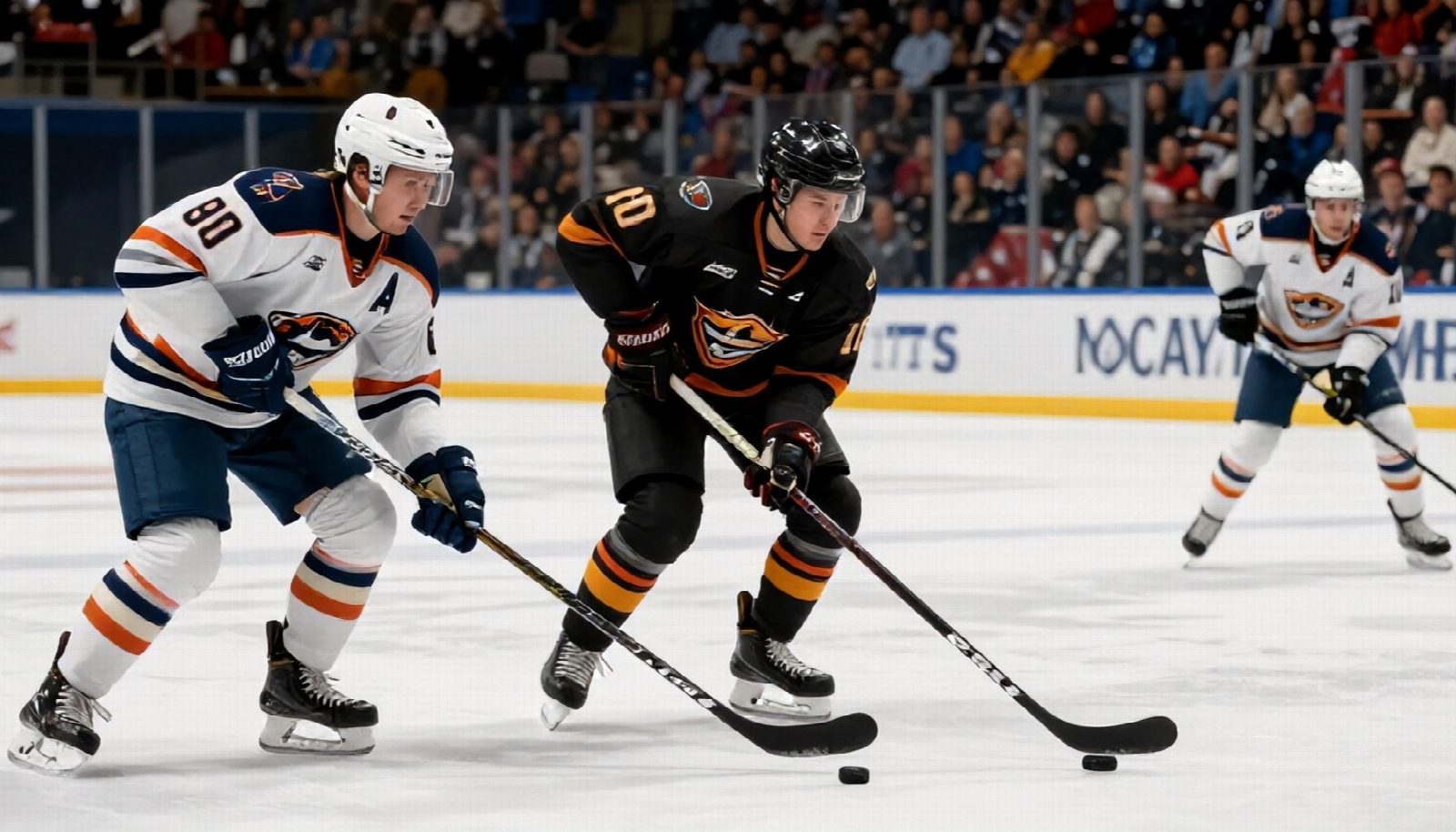
Researchers have identified the precise moment hockey players lose control of the puck at high speeds. A study published in Sports Biomechanics shows that when puck velocity exceeds 25 metres per second—roughly 90 km/h—players’ reaction time drops below 0.15 seconds, making adjustments nearly impossible. Data from 47 elite players during controlled drills revealed that control failure occurs in under 0.2 seconds during such bursts.
The findings come from a collaboration between the University of Calgary’s Human Performance Lab and the Canadian Hockey League. Lead researcher Dr. Elena Voss examined puck-handling using high-speed cameras and motion sensors. "At those speeds, the puck’s trajectory changes faster than the player can process," Voss stated. "The margin for error shrinks to zero."
Further analysis showed that skaters compensate by slowing down, reducing puck speed by up to 40% when entering high-risk zones. This defensive tactic was consistent across all tested positions, from defencemen to forwards. The study suggests that even minor speed increases—just 5 km/h—can disrupt coordination.
Coaches at the University of Alberta’s varsity programme have already adjusted training drills based on the results. "We now prioritise reaction drills in high-velocity scenarios," said head coach Mark Johnson. The adjustments aim to bridge the gap between puck speed and player capability. The research team plans to expand testing to include game situations next season.
With skating speeds plateauing at around 25 km/h, defenders now face a stark reality: if puck velocity in a single game can surge to 140 km/h, the gap between attacker and defender widens instantly. Coaches are revising drills to simulate these extreme transitions, while equipment manufacturers test new blade designs aimed at better acceleration. Early next season, expect rule tweaks to manage the pace or risk players being outpaced before the play even develops.
Add Sportan as a preferred source on Google


