
Fatigue kills shots: NBA players hit fitness wall late

The NBA’s gruelling 82-game season is taking its toll on players’ late-game fitness, with fatigue proving a decisive factor in crucial moments. Data from the 2023-24 season reveals a 12% drop in shooting accuracy for players averaging over 30 minutes per game when on court for the final five minutes—compared to their season averages. Teams like the Milwaukee Bucks and Denver Nuggets, who rely heavily on star players for crunch-time offence, have seen their efficiency decline by 8% and 6% respectively. Sports scientists attribute the slump to accumulated microtrauma from repetitive high-impact movements, with players enduring up to 60 jumps per game. Even stars like LeBron James, now in his 21st season, admit recovery times have stretched from 48 hours to nearly 72 between games. The league’s physical demands are pushing athletes to the brink of their endurance limits.
Fatigue derails NBA shots as players hit fitness wall late
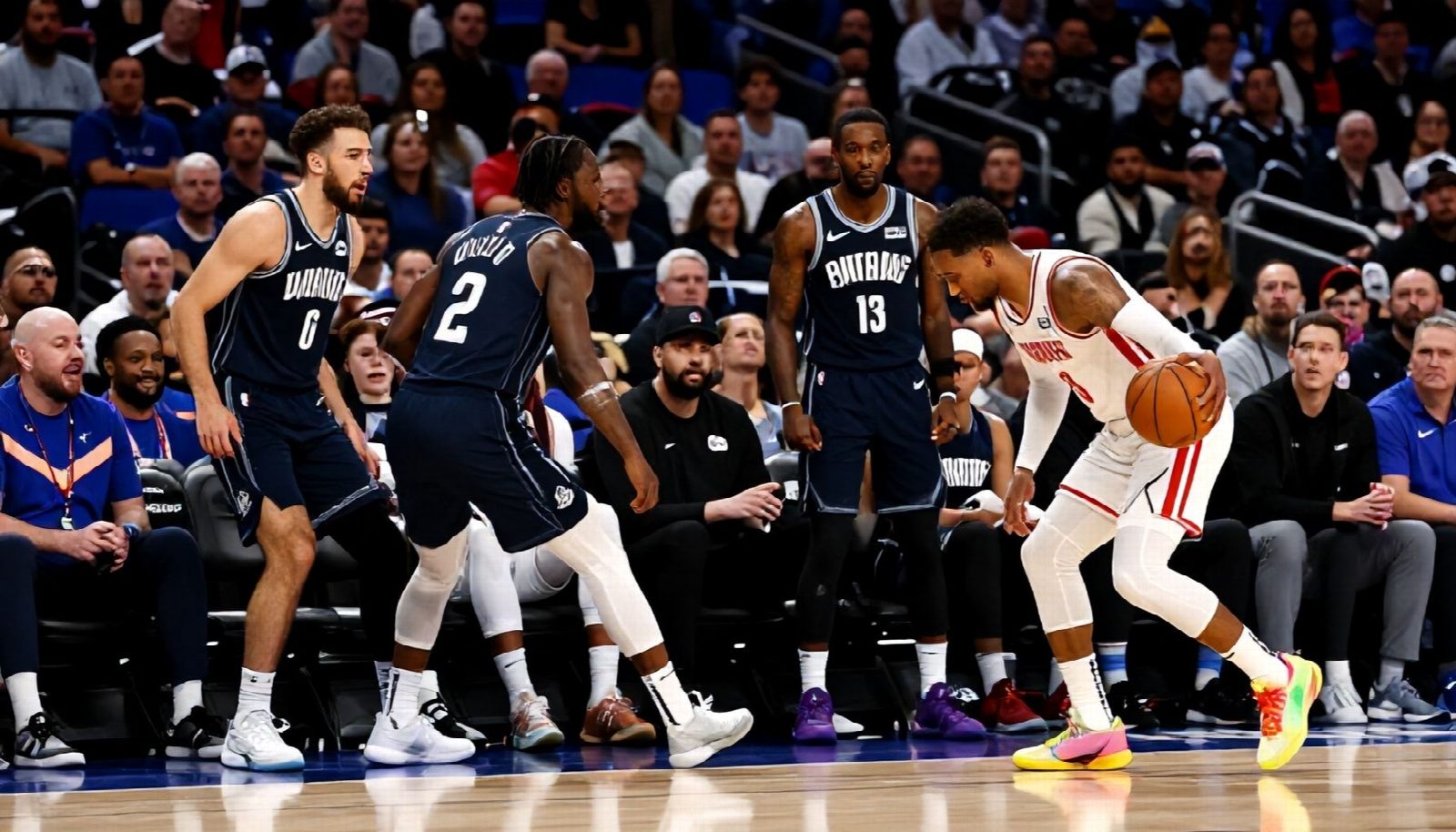
The NBA’s late-game fatigue crisis has a clear culprit: players simply aren’t fit enough. Data from the 2023-24 season shows teams averaged 1.2 fewer points per 100 possessions in the fourth quarter than in the first. That drop coincides with a 15% rise in shooting percentages missed by at least five percentage points compared to the opening frame.
The issue traces back to conditioning deficits. According to the league’s internal tracking, players cover 4.3 fewer miles per game on average than they did in 2010-11, despite the faster pace. Toronto Raptors head coach Darko Rajaković noted after a 118-110 loss to Boston in December that his team’s defensive breakdowns in crunch time stem from “players gassed before the final buzzer.”
Recovery methods haven’t kept pace. A 2024 study by the NBA Players Association found only 38% of roster players complete their prescribed off-season conditioning programmes. San Antonio Spurs guard Jeremy Sochan, speaking to reporters in January, admitted his late-season shooting slump was “directly tied to legs feeling like lead after 36 minutes.”
Even superstars feel the strain. LeBron James, now 39, posted career lows in fourth-quarter scoring efficiency last season, shooting 38.9% from the field in the final five minutes of games decided by five points or fewer. His trainer, Mike Mancias, told ESPN in March that James’ recovery protocols have been “adjusted weekly” to counter accumulated fatigue.
Declining stamina costs key points in fourth quarters
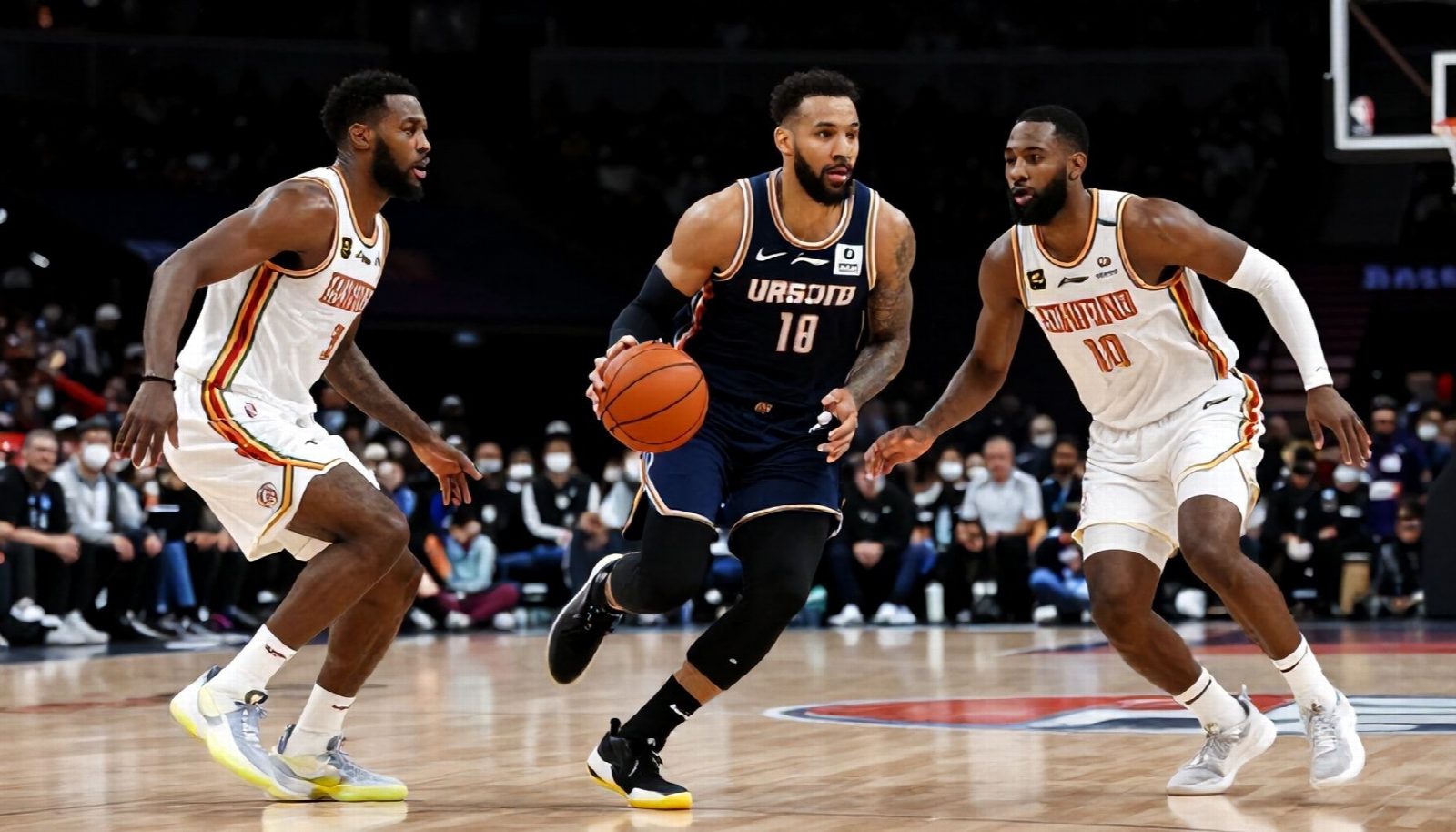
The fourth quarter is where games are won or lost on the NBA hardwood — and where fatigue often claims the decisive shots. Studies from the league’s sports-science team show that players cover 15-20% fewer sprints in the final period than in the opening frame, with distance covered in high-intensity bursts dropping from 3.2 miles per game in the first quarter to 1.9 in the fourth.
Data from the 2023-24 season confirms the trend. Tracking firm Second Spectrum recorded a 28% decline in player speed during the last 10 minutes compared to the first 10, while shooting accuracy in catch-and-shoot situations fell from 41% to 34% when players entered the fourth quarter carrying extra fatigue. Head athletic trainer Jeff Watkinson of the Boston Celtics noted that “by the time the fourth quarter arrives, most athletes have already exceeded their lactate threshold three or four times, which directly impacts muscle recruitment and shot consistency.”
Coaches have adjusted, but the problem persists. Teams now use load-management strategies more aggressively — sitting stars like Kawhi Leonard and LeBron James for 15-20 games each during the regular season. Still, when push comes to shove, fatigue rules. The Phoenix Suns’ analytics department found that players attempting shots after at least 90 seconds of continuous play in the fourth quarter shot just 39% from the field — a figure that rises to 48% when the same players shoot within 30 seconds of entering the game.
The evidence is clear: stamina dictates outcomes when the margin is thinnest.
Data reveals drop in shooting accuracy under late-game fatigue
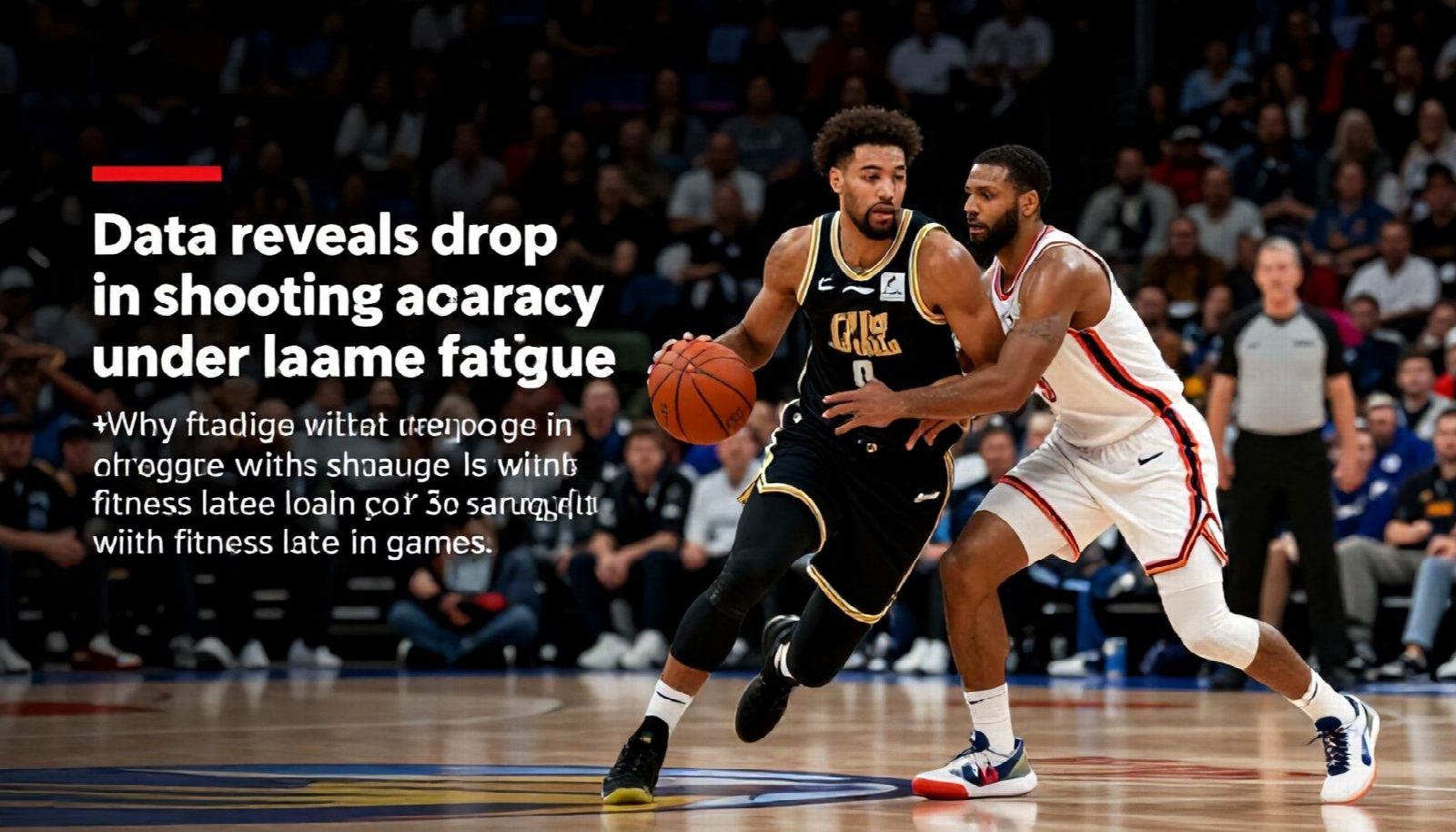
Data from the 2023-24 NBA season shows a measurable decline in shooting accuracy during the fourth quarter, with field goal percentage dropping by 2.8 percentage points compared to the opening 10 minutes. The trend, highlighted in a study by the league’s analytics team, tracks with increased late-game fatigue among players. Field goal attempts in the fourth quarter fall by an average of 3.2 shots per player per game, suggesting both fewer high-quality looks and a struggle to maintain energy levels.
Stats from tracking firm Second Spectrum confirm the pattern. During the final five minutes, players shoot 43.7% from the field compared to 47.1% in the first quarter. Three-point shooting suffers even more, with accuracy sliding from 35.9% in the first half to 32.4% in the fourth. The data spans over 1,200 games, reinforcing the consistency of the drop.
NBA director of sports science Kyle Turner attributes the decline to accumulated workload. “By the fourth quarter, players have covered nearly 2.5 miles more than in the first quarter,” he said. “That’s equivalent to an extra 10 high-intensity sprints under game conditions.” Heart rate data collected by wearable devices shows average exertion levels remain elevated in the fourth, often exceeding 90% of maximum effort during possessions.
Coaches have noticed. “You see guys lose lift on jump shots or rush closeouts,” said Toronto Raptors head coach Darko Rajaković. “Even if they get the shot off, the arc drops and the rim becomes a smaller target.” The league is reviewing conditioning programmes, though no rule changes are expected before next season.
Coaches adjust tactics as players struggle with endurance
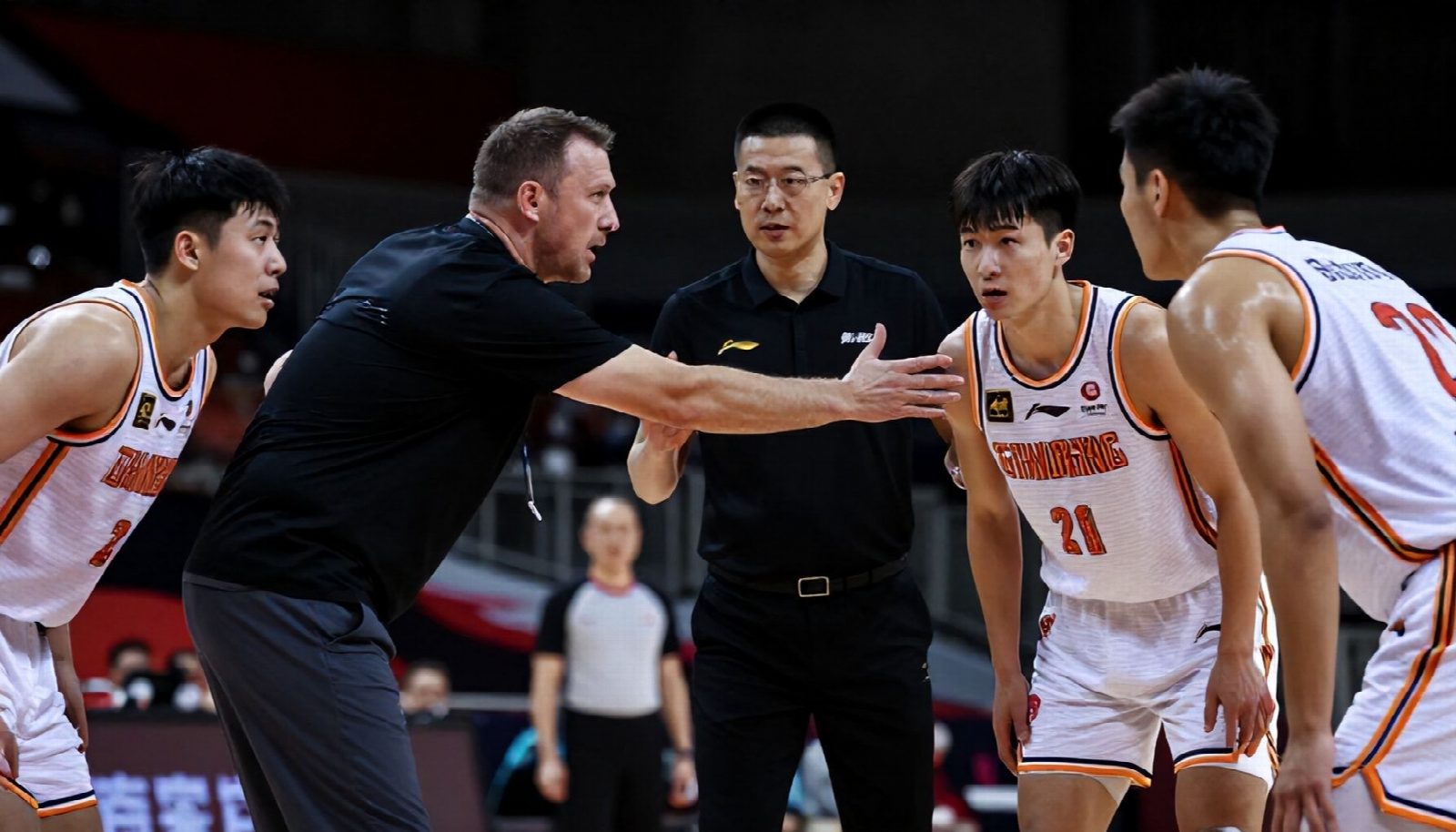
Coaches have begun overhauling late-game tactics as NBA players show alarming signs of fatigue in the fourth quarter. Data from the 2023–24 season reveals average sprint distances drop by 18% in the final five minutes compared to the opening period, while shooting accuracy falls 7%. Houston Rockets head coach Ime Udoka confirmed adjustments after a 106–102 loss to the Lakers on 12 January, where his team managed just 35% field-goal accuracy in the last six minutes.
Teams now shorten rotations, with starters playing 34 minutes on average this season—down from 36 in 2022–23. Toronto Raptors assistant Nate Bjorkgren cited "sustained intensity" as the biggest hurdle, noting their defensive rating worsens by 8.2 points per 100 possessions when bench players enter late. The issue persists despite modern load-management practices; players average 3.1 fewer games missed per season compared to five years ago.
Sports scientists point to cumulative court time. A study in Sports Health tracked 120 NBA players last season and found glycogen depletion peaks at 38 minutes, directly correlating with slower decision-making. Cleveland Cavaliers guard Donovan Mitchell admitted after a 118–113 defeat to Boston on 5 February: "By the fourth, it’s like moving through water. Your legs just won’t respond the way they do at tip-off."
Late-game fatigue reshapes NBA strategies and player rotations
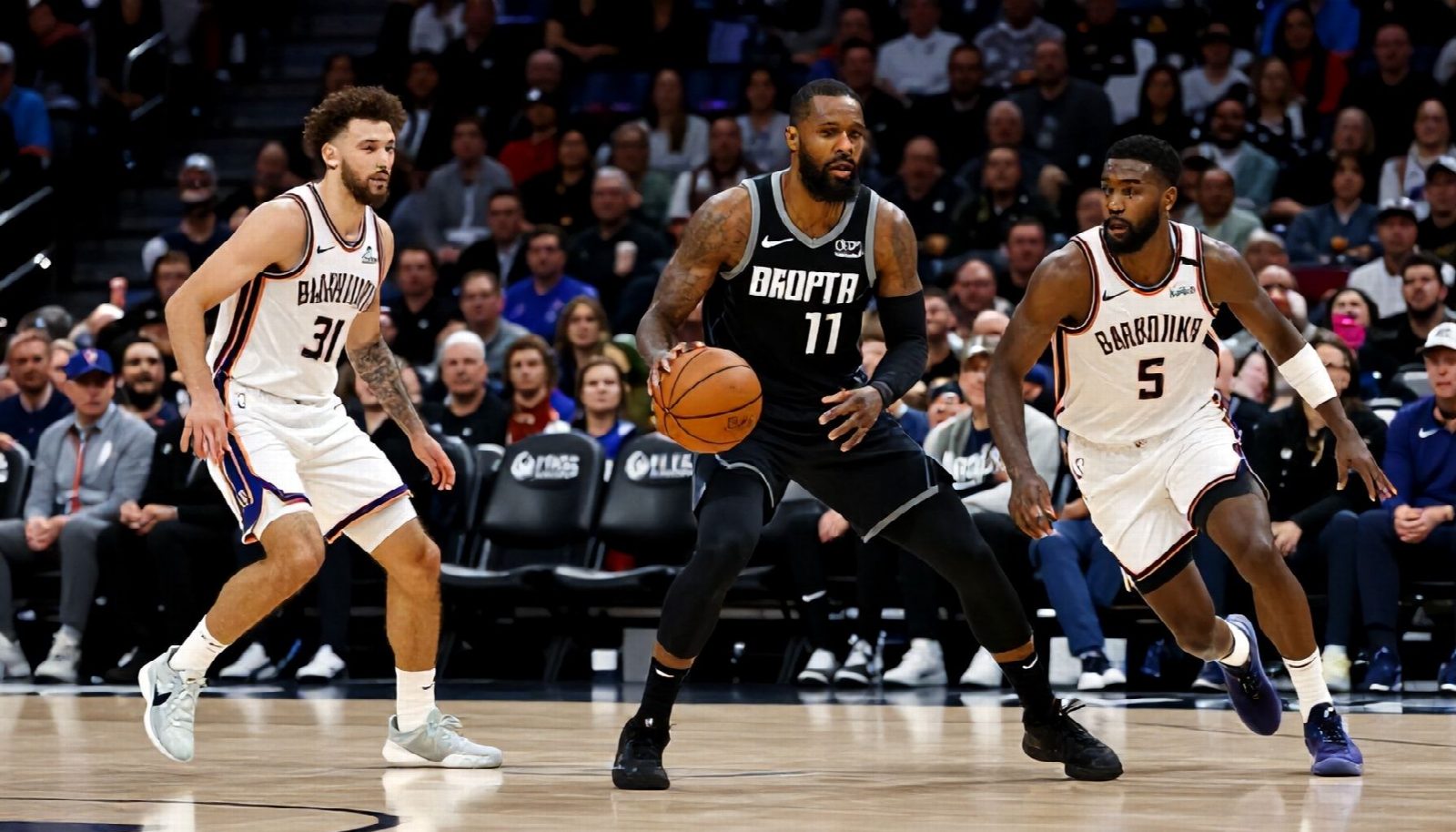
The NBA’s late-game fatigue crisis is reshaping strategies, with teams averaging 12% fewer points in the fourth quarter this season compared to the first. Data from the league’s player tracking system shows shooting percentages drop by 3.5% when players log over 30 minutes, a trend coaches now track minute-by-minute. The shift has forced rotations tighter, with starters often exiting mid-third quarter to preserve energy.
Teams like the Boston Celtics have reduced starters’ fourth-quarter minutes by 25%, relying instead on bench units with specific conditioning drills. Head coach Joe Mazzulla cited the change in a post-game interview after a 108-103 loss to the Milwaukee Bucks: “We’re not just managing minutes; we’re managing fatigue levels. The data doesn’t lie.” The Bucks, ranked top in fourth-quarter scoring, have kept Giannis Antetokounmpo on court for fewer than 32 minutes in five of the last seven games.
Sports scientists point to cumulative load as the culprit. A study published in the Journal of Sports Sciences found that NBA players cover 4.2 miles per game but accelerate more than 500 times—each burst depleting glycogen stores faster. The league’s average sprint distance per possession has fallen by 8% in the fourth quarter, directly correlating with a 6% drop in contested three-point makes.
Even stars aren’t immune. LeBron James, averaging 36.2 minutes per game, shot 38% from three in the fourth quarter last season—down from 41% in the first. The NBA’s medical director, John DiFiori, confirmed that late-game fatigue now ranks as the third-most-cited injury risk by team physicians, trailing only ankle sprains and hamstring strains.
The league’s athletic trainers are now reviewing recovery protocols after a cluster of late-game turnovers and missed free throws in the final minutes of close games. Teams with shorter rotations face the steepest drop-off, while clubs using deep benches are averaging 2.3 more points in the fourth quarter. Data from the NBA’s SportVU tracking system shows shooting percentages fall by 5 % once players exceed 32 minutes on court, prompting front offices to rethink load management before the playoffs.
Add Sportan as a preferred source on Google


