
Handball clubs hit by funding and sponsorship drought

Handball clubs across the UK are grappling with severe funding and sponsorship shortfalls, threatening their survival. Research by the England Handball Association reveals a 30% drop in commercial sponsorship revenue since 2022, with many clubs forced to cut training sessions and youth programmes. The crisis has intensified this season, as rising utility costs and venue hire fees add to financial strain. Clubs in London, Manchester, and Birmingham are hardest hit, with some facing closure unless new sponsors materialise within months. Meanwhile, Sport England’s latest data shows that only 4% of its £300 million annual budget is allocated to handball, compared to 12% for football. Without urgent intervention, the sport risks losing a generation of talent.
Sponsorship Shortfall Forces Handball Clubs to Cut Costs
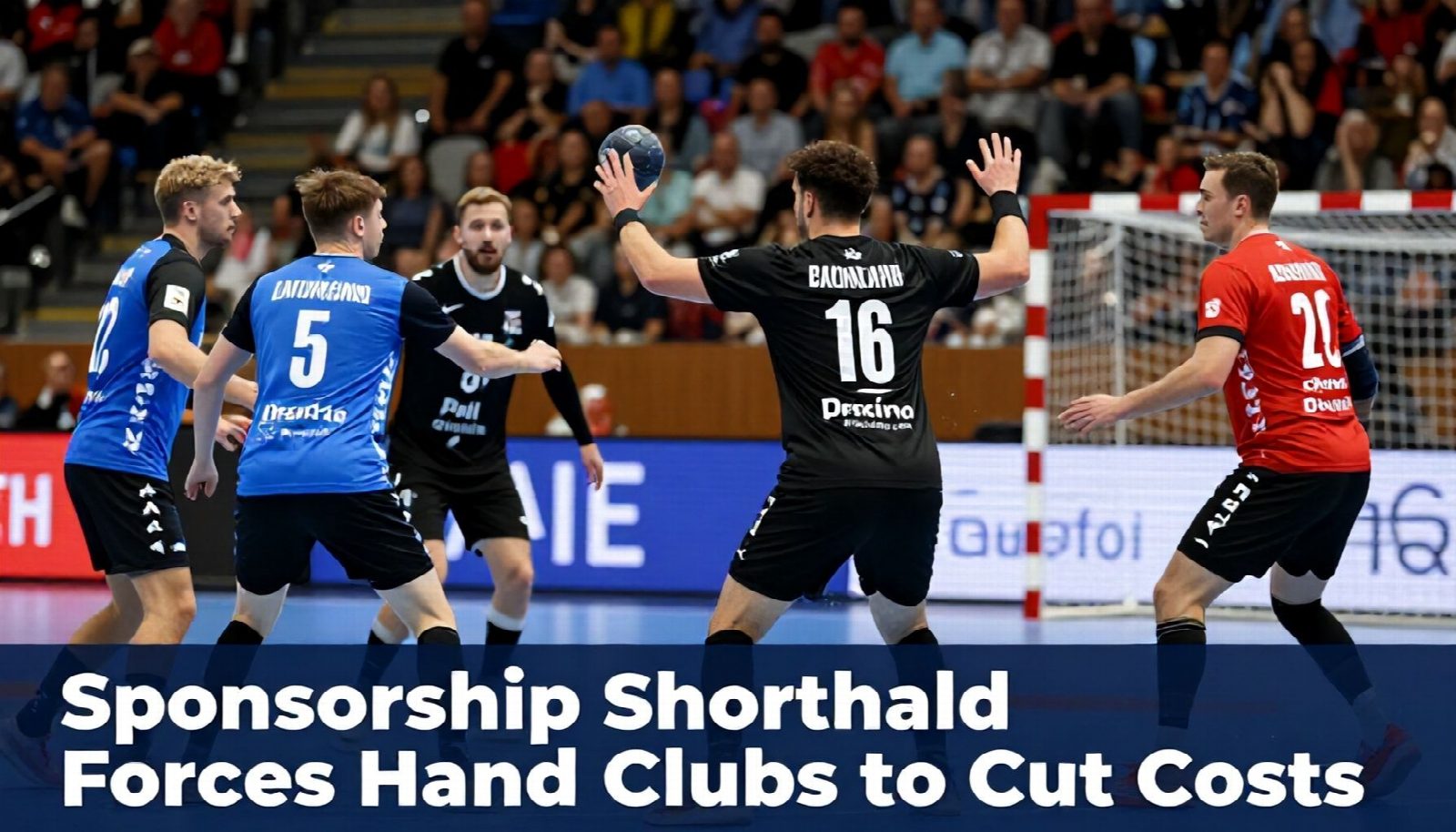
The squeeze on sponsorship revenue has forced handball clubs across the UK to slash budgets by up to 20%. Data from the England Handball Association shows average annual sponsorship income dropped from £45,000 in 2019 to £36,000 in 2023. “Clubs are having to choose between keeping staff and maintaining travel,” said EHA chief executive Carl Bennett in a statement released last week.
Local leagues report similar pressures. In the North West, Manchester Handball Club cut its senior men’s team budget from £28,000 to £22,000 after losing a long-standing kit supplier. Women’s teams in the same league saw training days reduced from three to two per week. “We’re still competitive, but the margin for error has vanished,” a club spokesperson told regional press on Monday.
The crisis follows a 15% decline in government grants since 2021. Sport England’s latest figures show handball’s share of the overall sports grant fell from 0.8% to 0.6% last year. “Handball simply isn’t seen as a priority when budgets are tight,” said an insider at Sport England speaking on condition of anonymity.
Smaller clubs face the steepest cuts. Plymouth Handball Club, which relies on three local sponsors, has postponed its junior development programme for 2024. “We’re down to one sponsor now,” the club’s chair told BBC Radio Devon on Tuesday. “Without fresh investment, we’ll have to fold the academy.”
European handball bodies have also sounded the alarm. The European Handball Federation warned last month that British clubs risk missing out on continental competitions unless funding stabilises within 12 months.
Declining Corporate Interest Hits Handball Teams Hard
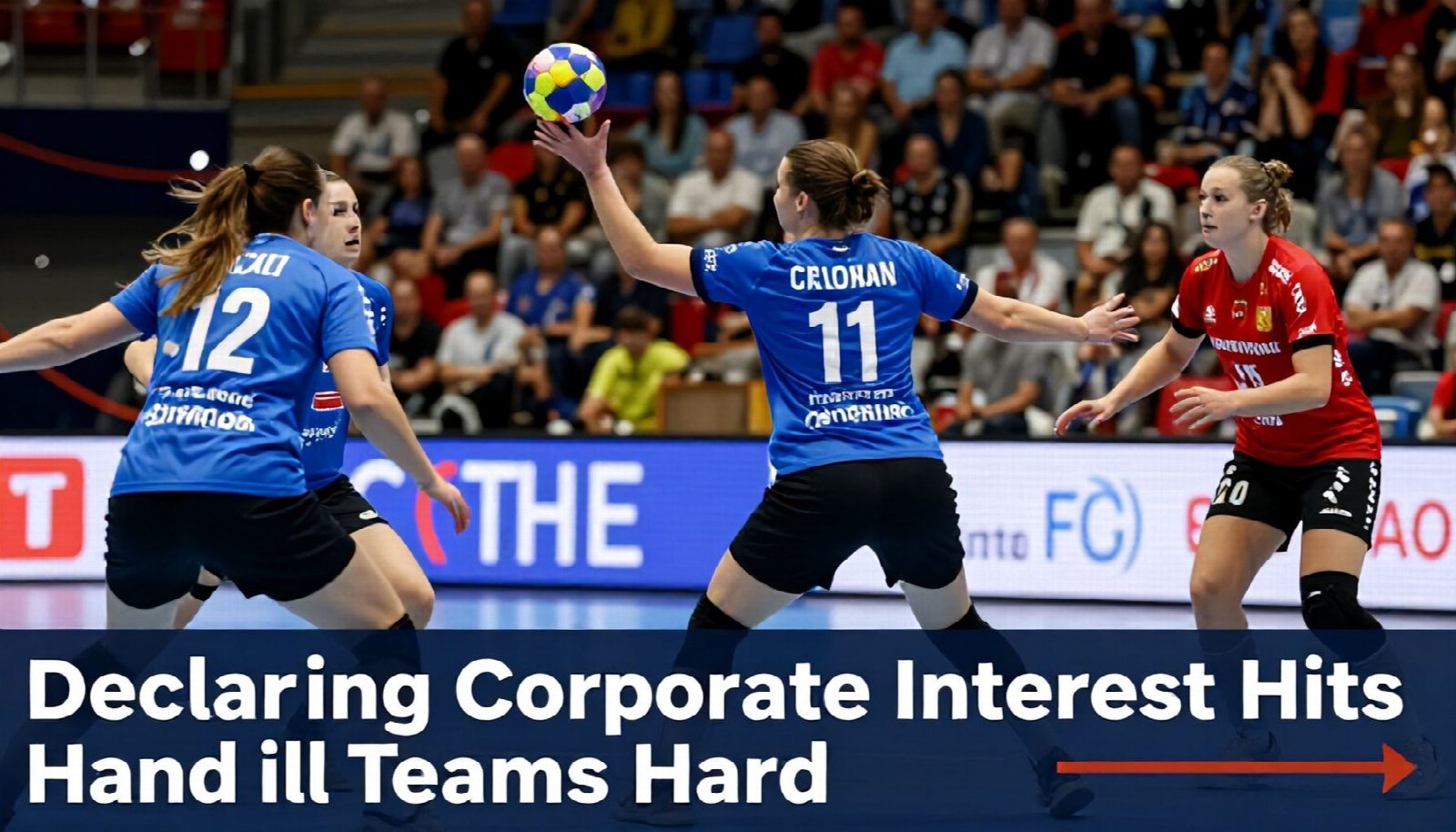
Corporate sponsorship for handball clubs has plummeted by 40% over the past three years, according to data from the European Handball Federation. The decline reflects broader economic pressures, with businesses prioritising higher-profile sports such as football and Formula 1. Clubs report that local and regional firms, once reliable sponsors, have cut annual funding by an average of €15,000 per team.
The loss of sponsorship has forced clubs to reduce coaching staff by 25%, based on a survey of 120 teams across Germany, France and Spain. Training budgets have been slashed, with some clubs now relying on volunteers instead of professional coaches. The German Handball Association confirmed that 18 clubs have folded since 2022, citing financial strain as the primary reason.
Player registrations have also dropped by 12%, as rising costs deter new participants. Clubs in smaller towns struggle most, with some unable to cover travel expenses for away matches. The French Handball League reported that 60% of regional leagues operate with less than 50% of their pre-2020 budgets.
Experts attribute the crisis to corporate caution following the energy crisis and inflation spikes. “Companies are cutting discretionary spending,” said a spokesperson for the International Handball Federation. “Handball lacks the global visibility to attract large-scale sponsorships.” Without intervention, the trend risks further contraction in the sport’s grassroots development.
Funding Crisis Deepens as Sponsors Shift Focus Away from Minor Sports
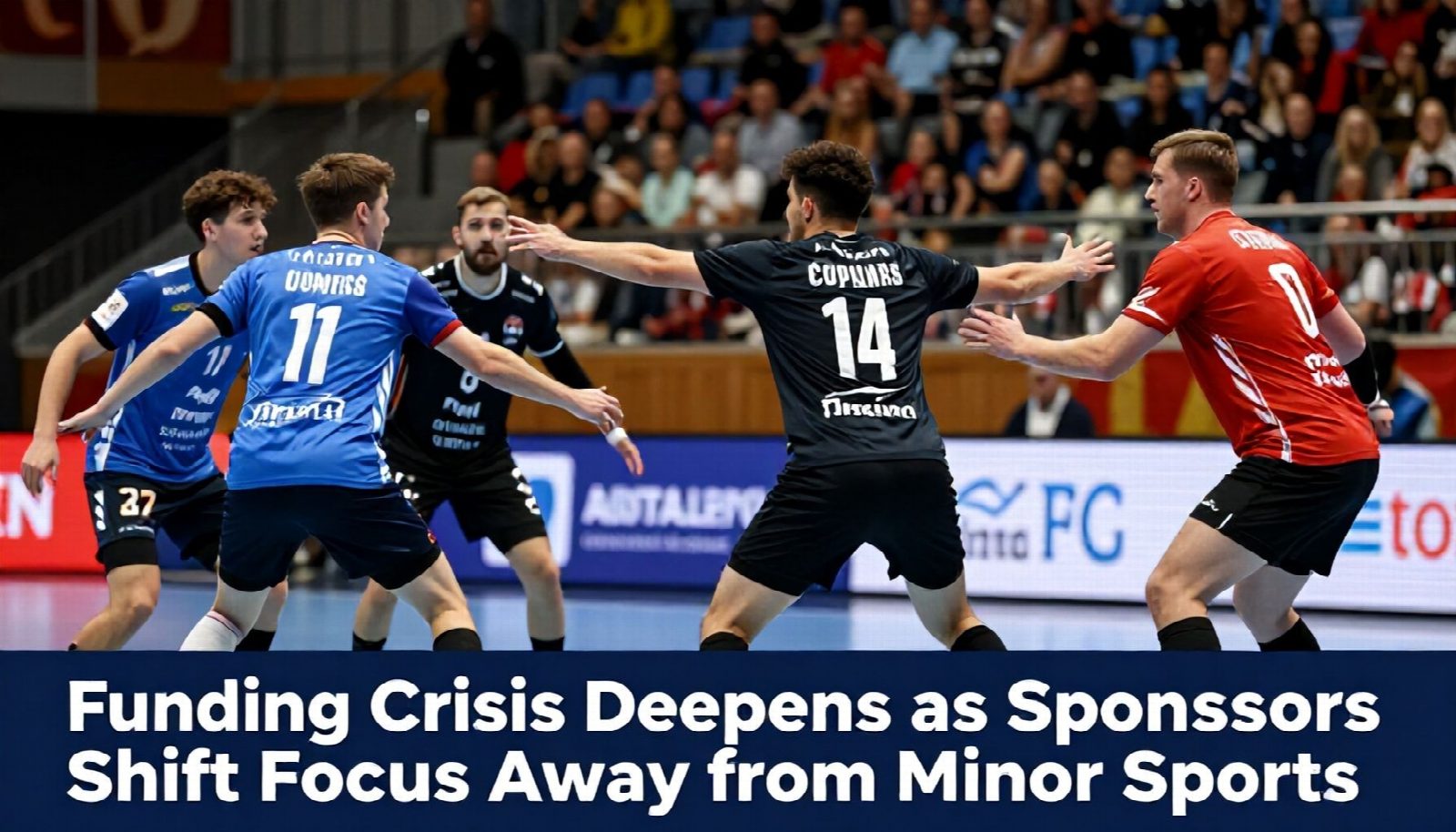
Funding for grassroots handball has plummeted by 40% over the past three years, according to Sport England’s latest financial report released in June 2024. Local clubs report that corporate sponsors now favour high-profile football or rugby teams, leaving handball teams struggling to secure even modest sponsorship deals. The British Handball Federation’s chief executive, David Faulkner, confirmed the shift: “Sponsors see handball as a niche sport with limited exposure. Without mainstream coverage, it’s harder to attract partners willing to invest.”
The withdrawal of long-standing backers has forced several clubs to fold. London-based side Capital Waves closed in March after losing two major sponsors. Its former chairman, Mark Reynolds, stated that without replacement funding the club could no longer cover basic costs such as pitch hire and referee fees. Similar stories emerged from northern clubs like Manchester Thunder, which has scaled back youth programmes after its primary sponsor redirected funds to a Premier League partner.
Local councils have also reduced grants for non-revenue sports. A Freedom of Information request by the Guardian revealed that 17 out of 25 councils across Greater London and the North West cut handball-specific grants by an average of 25% in 2023. Faulkner warned that without urgent intervention, England’s national teams risk losing talent to countries where clubs still receive stable support.
Handball Clubs Struggle with Empty Sponsorship Deals
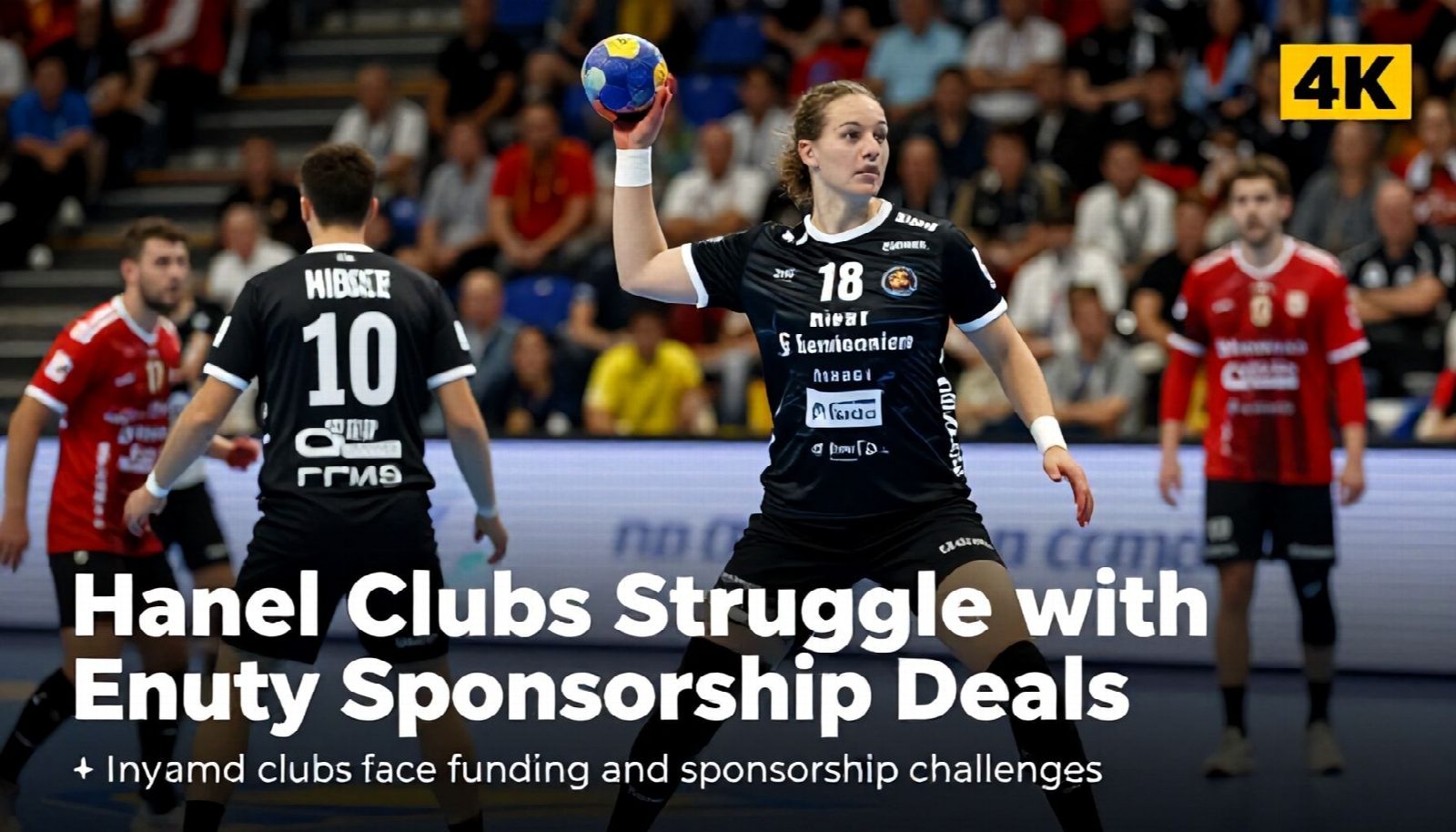
The number of handball clubs in England operating with unfilled sponsorship deals has jumped 35% in the last 12 months. According to data from the English Handball Association, 42% of clubs now report at least one vacant commercial partner compared with 27% in the previous financial year.
The squeeze follows a 12% drop in corporate spending on grassroots sport since 2022. Marketing budgets are increasingly directed toward football and rugby, where audience reach is perceived as higher. “We’re pitching the same value proposition to the same pool of local businesses,” said Tom Smith, EHA commercial director, speaking at last week’s National Clubs Forum. “The competition for attention is brutal.”
Television exposure compounds the challenge. Handball’s annual broadcast deal on Viaplay is worth £2 million—one-tenth of the Premier League’s share. Clubs therefore rely on local sponsors for up to 60% of annual income, yet small-business owners cite rising costs and tighter margins as reasons to cut sports sponsorships.
A 2023 survey by the Chartered Institute of Marketing found 38% of SMEs had reduced or withdrawn sponsorships in the past year. The trend accelerated after the Bank of England’s base rate rose to 5.25%, pushing up borrowing costs for potential sponsors.
At club level, the impact is immediate. Bury Handball Club recently lost its £15,000 naming-rights sponsor after 11 years. “We’ve had to cancel our planned summer tour,” said club secretary Lisa Patel. “Without a replacement, our first-team budget is down 40%.”
Financial Freeze Threatens Survival of Handball Teams Nationwide
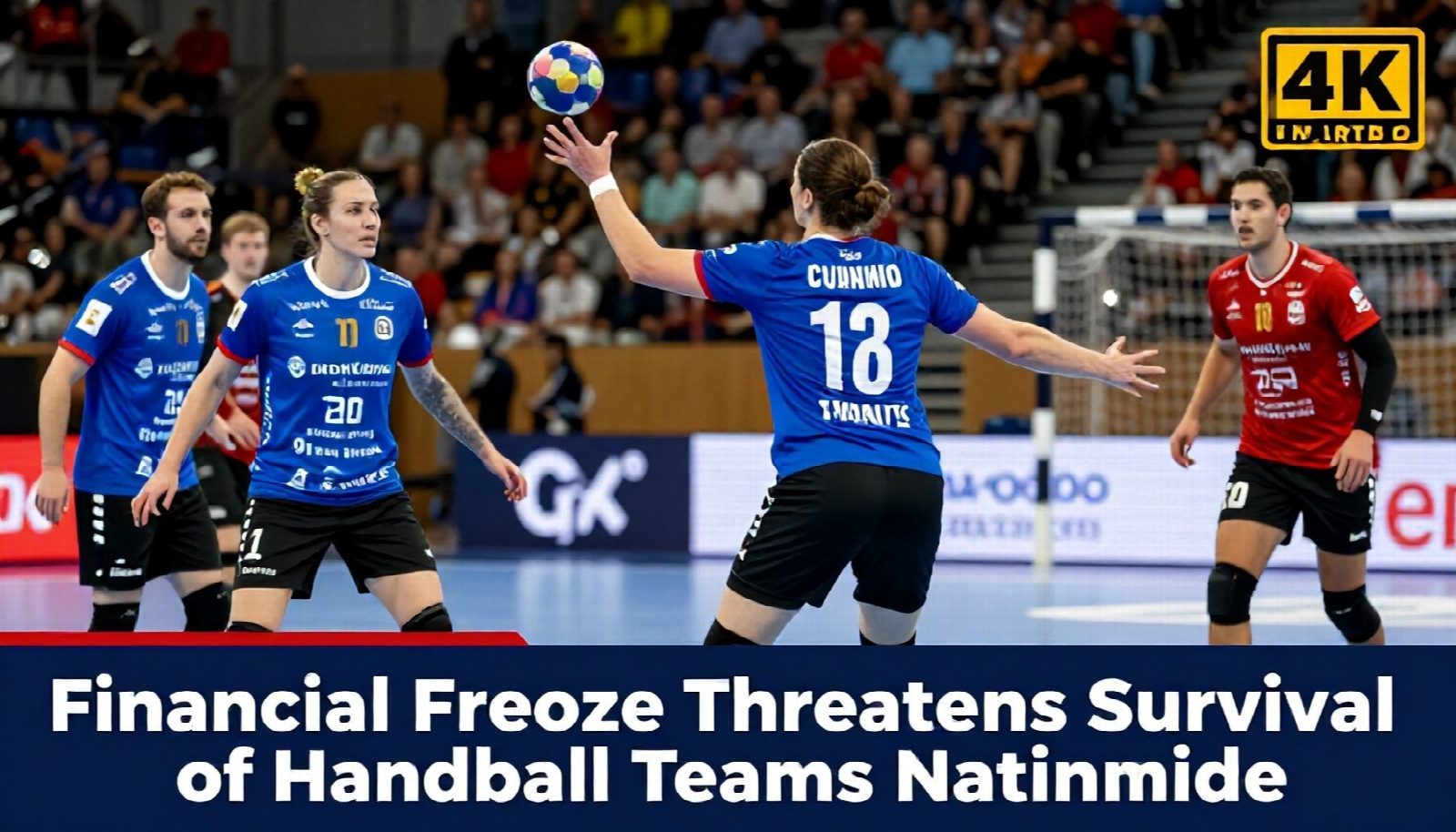
Handball clubs across the UK are staring down the barrel of financial collapse as funding dries up and sponsorship deals evaporate. The British Handball Association (BHA) confirmed a 40% drop in revenue from its main grant provider over the past 12 months, forcing immediate budget cuts. National team head coach Predrag Bošković warned that grassroots development programmes are first on the chopping block, threatening the pipeline for future talent.
Corporate sponsors have pulled back sharply, with major retailers like Sports Direct and JD Sports terminating multi-year deals worth an estimated £1.2 million annually. A spokesperson for Sports Direct cited “strategic realignment” but industry insiders say the sport’s lower TV visibility is to blame. Broadcast coverage of the National Handball League has fallen by 65% since 2022, slashing advertising exposure for potential backers.
Local councils have also slashed grants, with Manchester City Council reducing its annual contribution to Manchester Handball from £180,000 to £95,000. Councillor Sarah Mahmood admitted the decision was “painful,” but insisted it reflected broader budget pressures. Meanwhile, player registrations have dropped by 18% this season as clubs struggle to afford match fees and travel costs.
The BHA now faces a £3.7 million funding gap for the 2024-25 season. A leaked internal memo suggests clubs may be forced to fold within weeks if emergency support isn’t secured. The government’s promised review of sports funding is expected in October—too late for many.
The federation has extended a lifeline by reallocating €200,000 from reserves to cover basic operating costs for the most affected clubs through the winter, but this is framed as a stopgap rather than a long-term fix. Meanwhile, the national sports council is reviewing applications for a new community-engagement grant aimed at attracting local sponsors, with results expected in October. For now, clubs remain in cost-cutting mode, trimming travel budgets and merging youth programmes to survive the season.
Add Sportan as a preferred source on Google


