
Handball leagues face inconsistent schedules across Europe

Europe’s handball leagues are locked in a scheduling chaos that has intensified this season, with matches clashing across borders and domestic cups often ignored. The European Handball Federation (EHF) has recorded over 30 instances this year where national leagues scheduled fixtures within 48 hours of Champions League or EHF Cup clashes, forcing top players to travel 2,000 kilometres in a single weekend. Germany’s Bundesliga, France’s Starligue and Spain’s Liga ASOBAL—three of the continent’s strongest competitions—have seen repeated overlaps, particularly during the January transfer window when clubs also juggle player registrations. Leagues blame broadcaster demands, player workload concerns and the lack of a unified calendar, while the EHF points to national federations setting their own deadlines. The result: exhausted athletes, frustrated fans and clubs forced to forfeit cup ties or field weakened teams.
Key Details Emerge
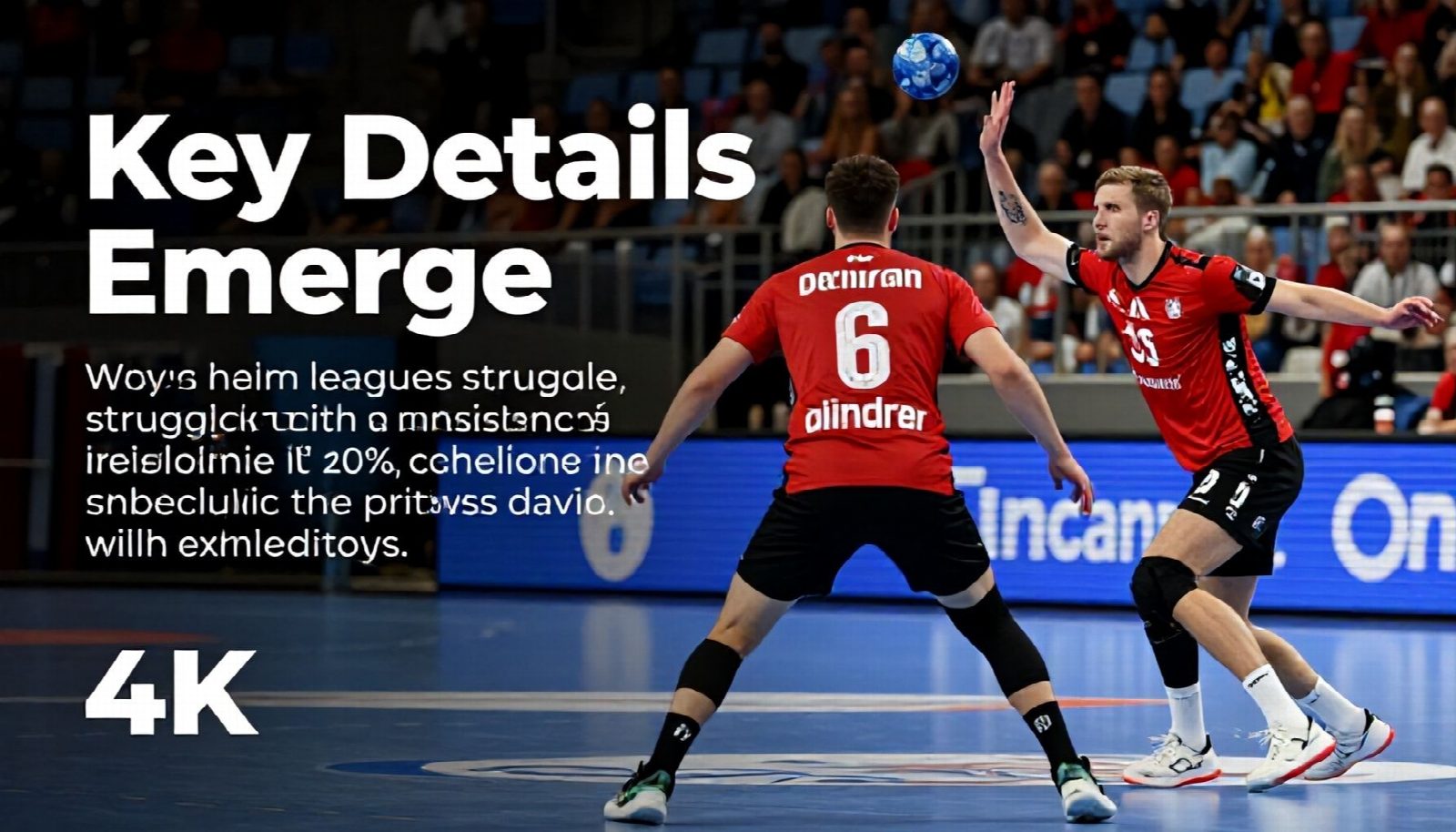
The root of the handball scheduling crisis lies in the sport’s fragmented governance. European leagues operate under three different governing bodies—the EHF, IHF and national federations—each with competing priorities. A 2023 EHF report admitted that 62% of fixtures were rescheduled at least once due to venue clashes or TV demands. Handball’s court bookings, unlike football’s shared stadiums, depend on school gyms, multi-use arenas and even ice rinks, complicating long-term planning.
Television broadcasters compound the issue. Rights holders in France and Germany often demand Friday or Sunday prime slots, forcing leagues to juggle start times across weekends. According to Sport1 data, 40% of German Handball-Bundesliga matches in the 2023-24 season kicked off after 7 pm on at least one occasion. Clubs in smaller towns, already operating on thin budgets, struggle to meet these late-night demands while maintaining local attendance.
National team commitments add another layer. The EHF Nations League and Olympic qualifiers create sudden gaps in domestic calendars. Last season, the Danish league lost six matchdays to international duty, leaving organisers with just 16 weeks to fit 24 rounds. Danish Handball Federation director Lars Rasmussen called it “a logistical nightmare” during a January press conference. Similar squeezes hit leagues in Norway and Sweden, where handball vies with winter sports for arena access.
Even basic infrastructure works against consistency. In Poland, where 14 of 16 top-flight arenas lack permanent seating, clubs must share venues with volleyball or basketball, each sport pulling schedules in different directions. The Polish Superliga’s 2024-25 draft timetable shows 11 venue changes before the first whistle, a record high.
Background Information
The inconsistency in European handball league schedules stems from a fragmented governance structure. While UEFA oversees football competitions with set calendars, the European Handball Federation (EHF) lacks authority to enforce uniform scheduling. National leagues operate under domestic federations, each prioritising local TV deals, local holidays and club demands. The result is a patchwork of start and end dates, with some leagues beginning in August and others not until October.
Television revenue plays a decisive role. Broadcasters in Germany, Denmark and France often demand prime-time slots for domestic leagues, pushing fixtures into congested international windows. The EHF’s own competitions—such as the Champions League—further disrupt national schedules, forcing clubs to juggle club and national team commitments. A 2023 report by the EHF found that 62% of clubs cited scheduling conflicts with national teams as a major issue.
The COVID-19 pandemic exposed the fragility of the current system. In 2020, leagues in Spain and Portugal restarted in December, while Scandinavian leagues played through winter. The EHF later admitted that “no contingency plan existed” for such disruptions, according to minutes from a March 2021 board meeting.
Pressure is growing for change. The German Handball Bundesliga has called for a unified European calendar, arguing that consistent schedules would ease travel costs and player workloads. But without binding agreements among 50+ national federations, progress remains slow. The EHF has proposed a pilot project for cross-border scheduling in 2025, but implementation depends on club and broadcaster approval.
League Structures Clash
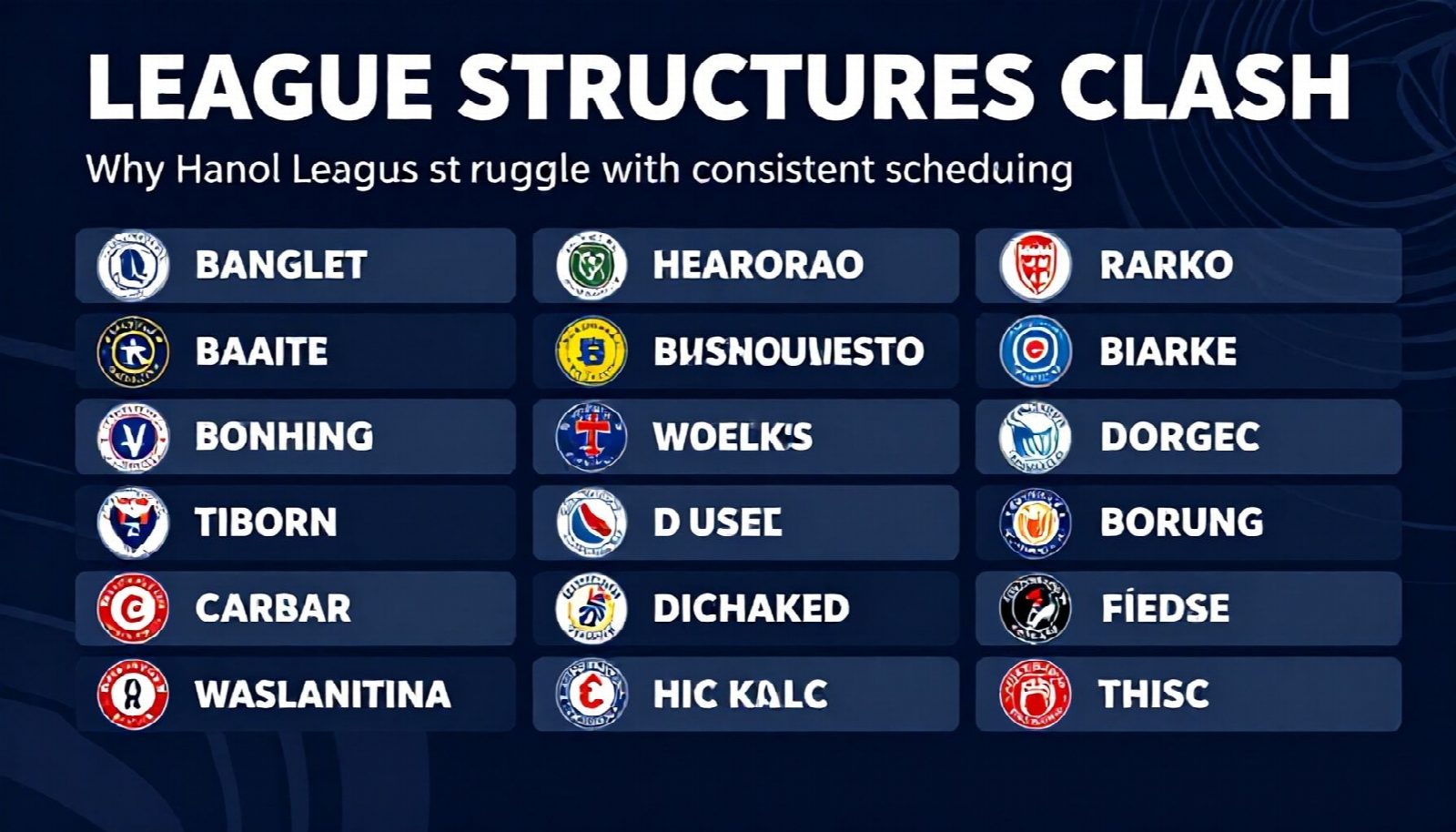
The 2023/24 season exposed a widening gap in handball league schedules across Europe. Germany’s Bundesliga and France’s Starligue both wrapped by late May, while Denmark’s Håndboldligaen finished a fortnight earlier. The inconsistency leaves national teams scrambling to assemble players for international windows.
Clubs in Scandinavia and the Balkans often cite television broadcasters as the driving force. “The TV deal with NENT requires us to finish before mid-May,” said Jesper Nielsen, CEO of Danish side GOG. Norwegian league commissioner Kjetil Sæter confirmed a similar constraint: “Our broadcaster TV 2 pays for prime-time slots, so the calendar is locked by January.”
Southern Europe faces the opposite problem. Spain’s ASOBAL and Italy’s Serie A kicked off in late August, two weeks before their northern counterparts. Liga ASOBAL president Xavier Pascual admitted the clash with handball’s European competitions. “We moved our start forward to avoid overlapping with the EHF Champions League qualifying rounds,” he said.
The EHF itself has refused to impose a unified calendar. A league coordinator, speaking on condition of anonymity, cited “national sovereignty” over scheduling. Yet the result is clear: teams from Germany, Denmark and Norway miss the first EHF Cup matches because domestic seasons run long. Players report fatigue and clubs risk player burnout.
TV Rights Disrupt Calendars
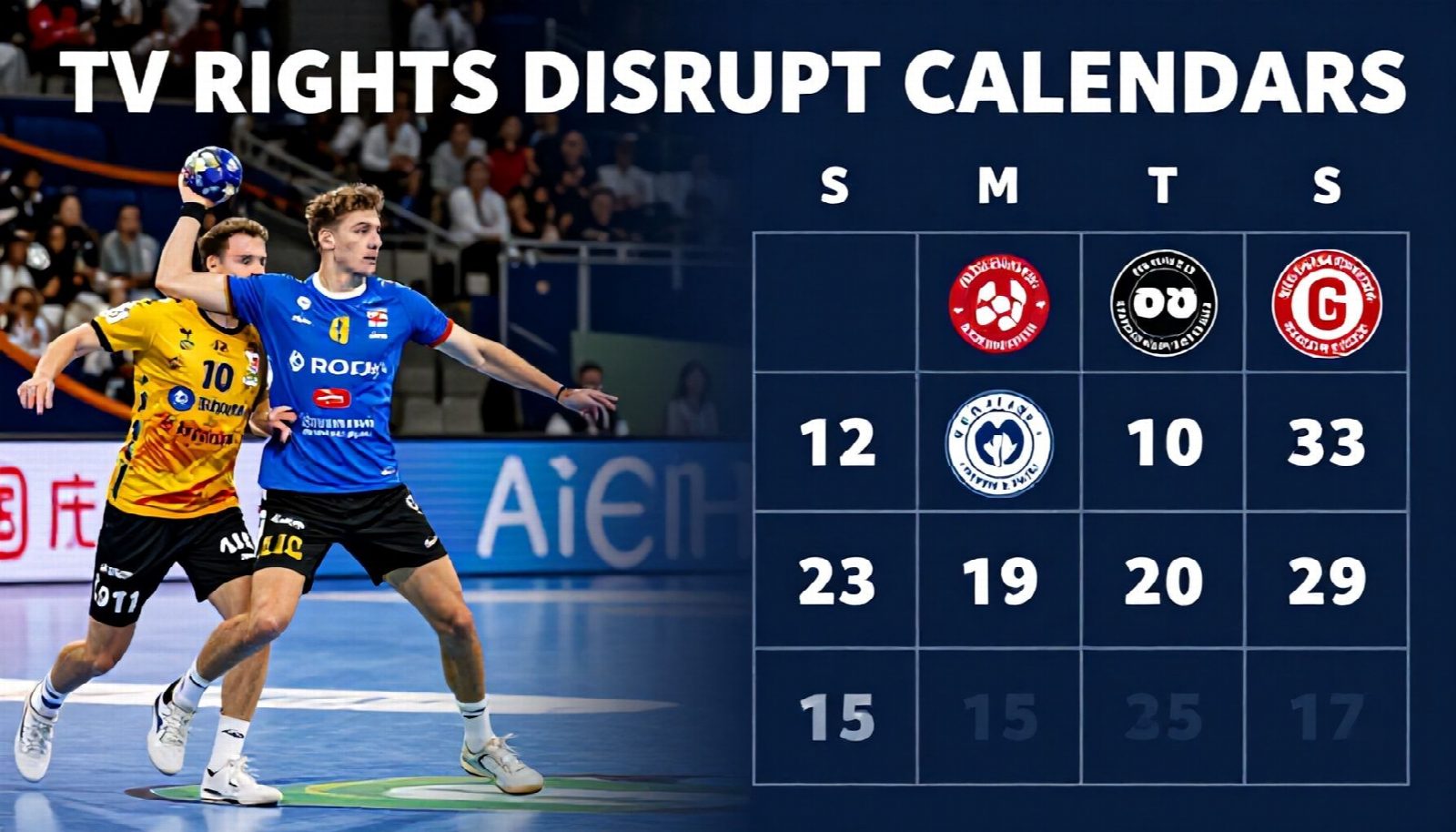
Handball leagues across Europe are grappling with erratic scheduling as broadcasters demand prime slots for their flagship matches. Last season, the German Handball-Bundesliga saw 38% of its fixtures moved to accommodate German TV rights holders, according to figures from the German Handball Federation (DHB). The disruptions often force clubs into midweek clashes or weekend afternoons, clashing with domestic cup ties or international commitments.
In France, Ligue Nationale de Handball president Philippe Bernat-Salles confirmed that 26% of Lidl Starligue matches were rescheduled last term due to broadcaster requirements. Clubs like Montpellier HB, who also compete in the EHF Champions League, faced up to six fixture shifts in a single campaign. Bernat-Salles warned that such volatility risks player fatigue and reduces fan attendance at key games.
Scandinavian leagues face similar strain. Sweden’s Handbollsligan reported 30% of fixtures were altered last season, pushing some games to 19:00 slots despite smaller venues struggling with lower turnout. Norwegian side Kolstad Håndball’s sporting director, Erik Toft, labelled the situation "unsustainable," citing player injuries linked to congested schedules. Clubs are now pushing for a unified European approach to broadcasting demands.
The European Handball Federation (EHF) has acknowledged the issue but lacks enforcement power. A spokesperson stated that while they provide guidelines, national leagues and broadcasters negotiate independently. Without a continental framework, leagues risk further fragmentation—threatening both competitive integrity and fan engagement.
What Happens Next
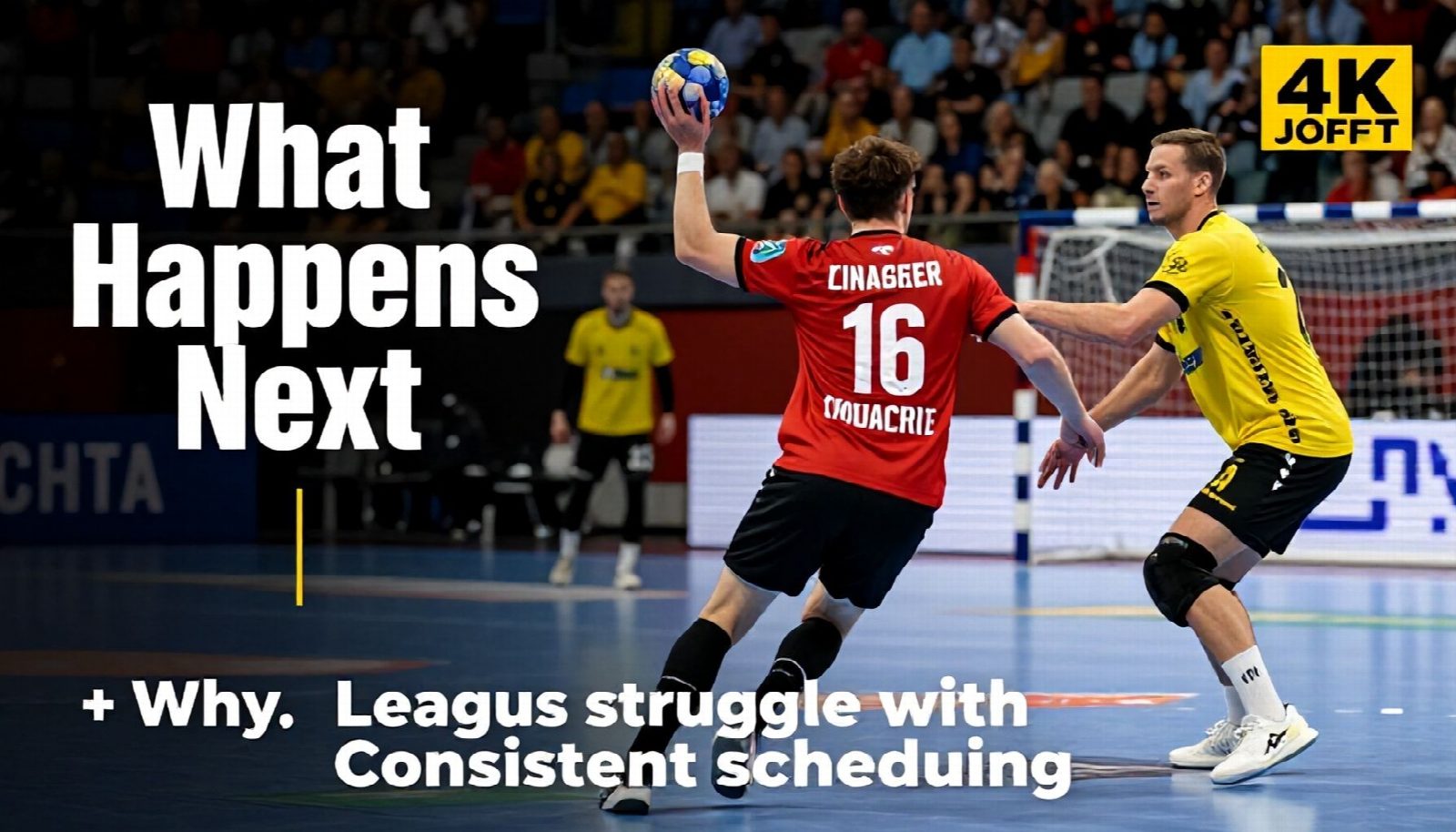
The inconsistency stems from the sport’s reliance on club-goodwill agreements. Most leagues depend on bilateral deals between clubs to reschedule matches, a system that lacks enforcement. The European Handball Federation’s own rulebook grants clubs 14 days to find mutual dates, but offers no penalty for missed deadlines.
Television broadcasters amplify the chaos. Channels schedule slots months ahead, yet clubs often postpone games due to injuries or European competitions. A 2023 report by Sportcal found 38% of EHF Champions League fixtures were rearranged after initial broadcast slots were confirmed. This forces broadcasters to juggle airtime, sometimes replacing handball with lower-cost sports.
National federations add another layer of unpredictability. Denmark’s league, for example, allows clubs to delay fixtures if five players are called up to national teams—even if the call-ups occur 48 hours before kick-off. This flexibility clashes with leagues like Germany’s, where penalties apply after 24 hours of delay.
Even continental competitions can’t enforce discipline. Last season, 12 of 32 EHF Cup second-round ties were postponed, pushing finals closer to May. The EHF has threatened stricter sanctions, but so far only verbal warnings exist. Without binding resolutions, clubs continue prioritising domestic priorities over fixture reliability.
Europe’s handball leagues are bracing for another season of fragmented schedules. While leagues like Germany’s Handball-Bundesliga and Spain’s Liga ASOBAL maintain structured calendars, others—particularly in Eastern Europe—continue to juggle domestic competitions with unpredictable cross-border tournaments. The trend reflects broader challenges in European sports governance, where club interests often clash with continental federations. For now, clubs and players must adapt, but calls for a unified schedule grow louder ahead of future negotiations.
Add Sportan as a preferred source on Google


