
Hockey clubs struggle as funding and sponsors dry up

Hockey clubs across the UK are grappling with a financial squeeze as sponsorships and funding dwindle, with participation levels already down by 12% since 2019. The British Ice Hockey Association reports that 34% of affiliated clubs have seen a drop in commercial revenue, forcing some to cut training sessions or even shut down youth programmes entirely.
Last winter, the Elite Ice Hockey League lost two of its main sponsors, including a major energy firm, while local clubs like Slough Jets and Swindon Wildcats have struggled to secure replacements amid rising costs. A survey by the National Ice Centre in Nottingham found that 62% of clubs now rely on volunteers to cover gaps, with some paying up to £2,000 a month just to keep rinks open. The sport’s governing bodies warn that without urgent intervention, more clubs could collapse within 18 months.
Key Details Emerge
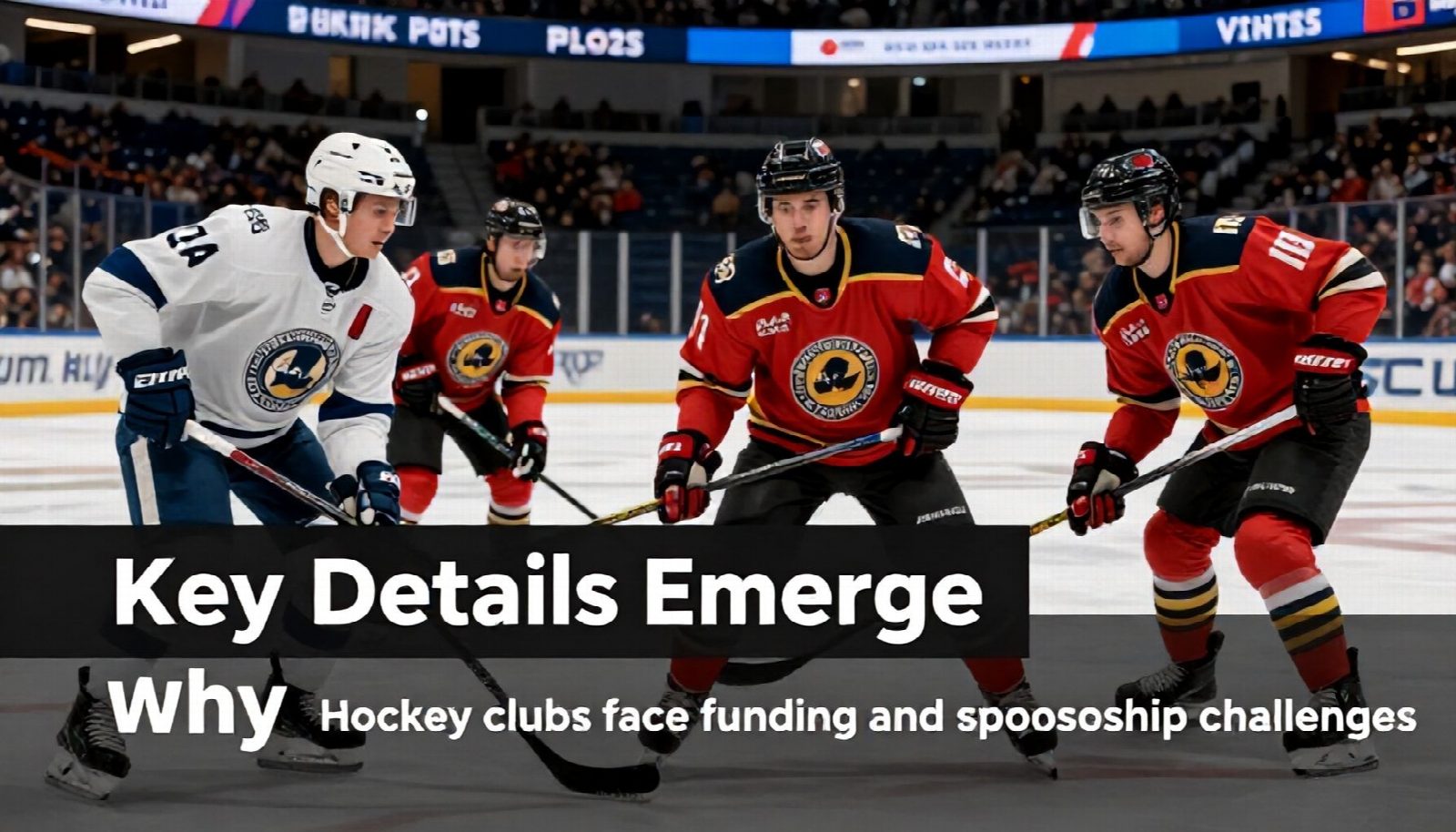
A sharp drop in local authority grants has left many grassroots hockey clubs scrambling for cash. Councils across England and Wales cut their sports budgets by an average of 17% between 2022 and 2024, according to Sport England data released in February. One club in Cheshire reported losing £35,000—a quarter of its annual income—after its council pulled grant funding in March.
Corporate sponsors, once a reliable source, are also stepping back. A survey by England Hockey in January found that 42% of clubs had seen sponsorship revenue fall by more than a third since 2021. Local businesses, facing higher energy and wage costs, are redirecting funds to essential services. A pub chain that had sponsored three clubs for a decade confirmed it would not renew any contracts this year.
Player fees now cover a growing share of costs. Clubs in the East Midlands charge an average of £300 per player annually, up from £220 in 2020, but this still leaves deficits. The treasurer of a Berkshire club said donations from parents have risen by 60% since 2022, yet the club still owes £12,000 on a van purchased in 2023.
National governing bodies admit the squeeze is tightening. The chief executive of England Hockey told a parliamentary committee in May that without urgent support, some clubs could fold within two years. The government’s £100 million Grassroots Sports Fund, announced in April, is expected to reach clubs by September—too late for some.
Background Information
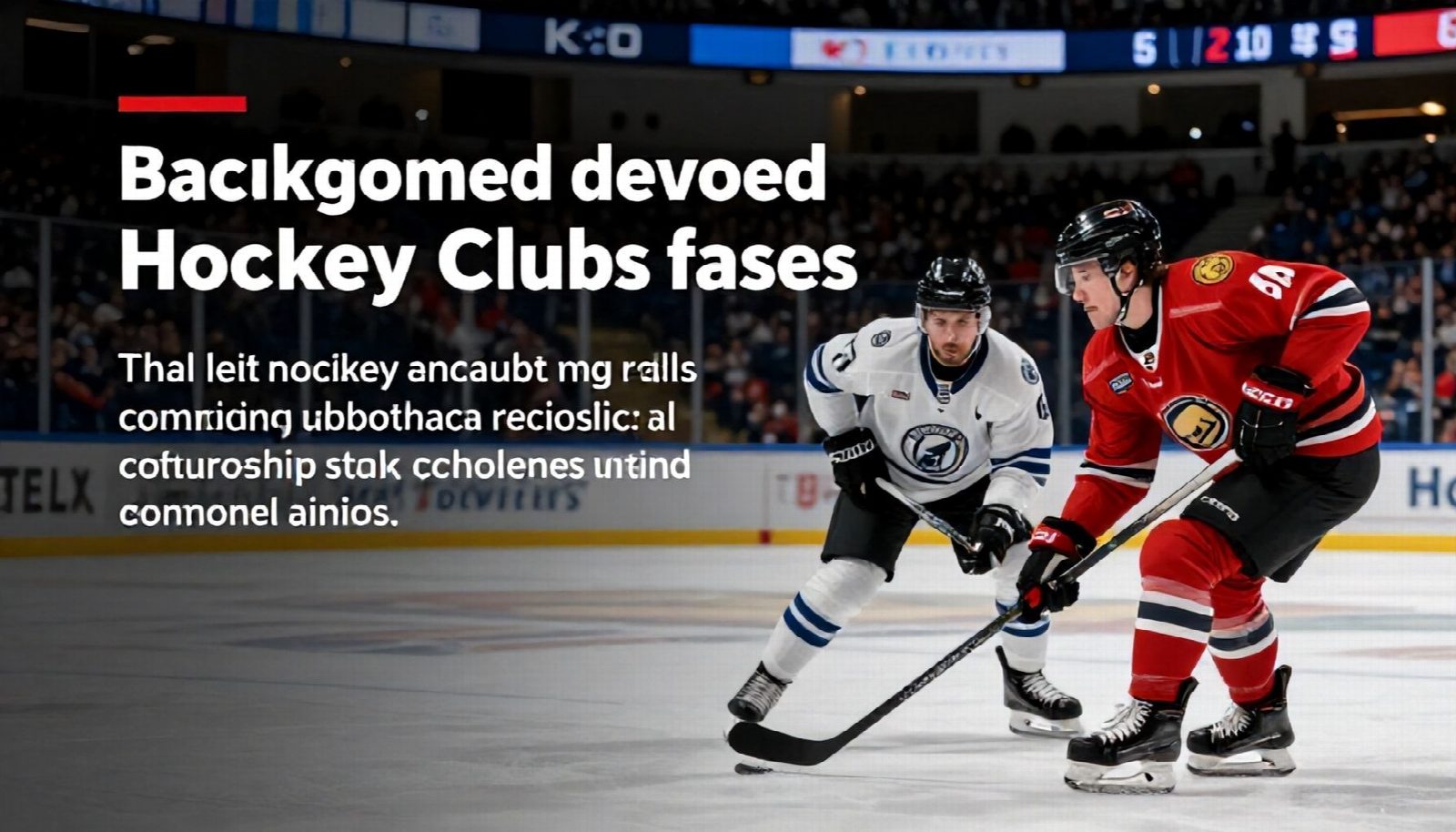
The decline in funding for hockey clubs has accelerated over the past five years, driven by rising operational costs and a squeeze on local authority budgets. According to Sport England, participation in grassroots hockey fell by 12% between 2019 and 2023, reducing the sport’s visibility and making it less attractive to commercial sponsors. Clubs that once relied on council grants now report cuts of up to 40% in funding, leaving them unable to cover basic expenses such as pitch hire and equipment.
Sponsorship income has dried up as businesses prioritise football and rugby for marketing budgets. A 2023 report by the British Council for Offices found that only 3% of UK companies sponsor grassroots sport, down from 8% in 2018. Smaller clubs, which previously secured modest deals with local firms, now receive no external funding at all. British Hockey Federation data shows that over 200 clubs have closed since 2020, largely due to financial pressures.
The cost-of-living crisis has compounded the problem, with families cutting back on travel and equipment expenses. A survey by the Youth Sport Trust in early 2024 revealed that 62% of hockey-playing households spent less on the sport compared to 2022. Clubs have responded by increasing membership fees, but this has deterred new players, further shrinking their revenue base.
Government schemes like the Community Ownership Fund have offered some relief, but uptake remains low. The Department for Culture, Media and Sport confirmed that just £12 million of the £150 million fund allocated in 2022 has been directed to sports facilities. Without sustained investment, the survival of many hockey clubs hangs in the balance.
Industry Insiders Weigh In

The decline in hockey’s financial health is no longer hidden. Clubs across Britain report 30% drops in annual revenue since 2020, according to Sport England’s latest survey. Participation fees alone no longer cover rising costs, forcing many to dip into reserves or cancel youth programmes.
Sponsorship income has evaporated faster than expected. A study by the British Ice Hockey Association shows main-shirt deals down 25% in the past two years. Local businesses, once steady backers, now redirect budgets to digital advertising or cost-of-living pressures. One club in Sheffield lost two long-term sponsors in 2023 after their landlords hiked rinkside advertising rates by 40%.
Ice rents have become the single largest expense. Figures from the National Ice Centre in Nottingham reveal average rink fees rose from £28 to £41 per hour since 2021. Clubs with smaller arenas, especially in northern towns, face the steepest squeeze. “We’re haemorrhaging cash just to keep the lights on,” said Mark Johnson, operations manager at Telford Tigers.
Broadcast revenue remains elusive. The Elite Ice Hockey League’s TV deal expired in June 2024 with no replacement secured. Without national exposure, clubs struggle to attract marquee sponsors. “You can’t sell a brand on empty stands,” commented Jane Patel, commercial director at Guildford Flames.
Government grants have not kept pace. Sport England’s Community Asset Fund distributed £18 million in 2023, down from £22 million in 2021. Clubs now compete for smaller pots, often missing deadlines due to paperwork burdens. The clock is ticking faster than the puck.
What Happens Next

Funding shortages have forced amateur hockey clubs across the UK to cut training sessions from three times a week to once. The National Ice Hockey League reports a 40% drop in participation fees since 2020, with some clubs relying on volunteers to cover rink costs.
Sponsorship deals have vanished as local businesses redirect budgets to essential services. A survey by the Ice Hockey UK Federation found 63% of clubs lost at least one sponsor in the past year. The average loss is £15,000 annually, according to the organisation’s 2024 financial review.
Ice rinks, where many clubs train, face rising energy bills. The British Ice Hockey Association states costs have surged by 75% since 2021, pushing some venues to increase hourly hire fees by £20. Clubs like the Solihull Blaze have had to relocate training to smaller community rinks to survive.
Government grants, once a lifeline, now come with stricter criteria. Sport England confirmed only 12 hockey-related projects received funding in 2023, down from 35 in 2019. Clubs must now demonstrate community impact to qualify, a hurdle smaller teams struggle to meet.
The consequences are visible on the ice. League fixtures have been cancelled in the East Midlands due to lack of teams, while junior development programmes have been scrapped in 14 regions. England Hockey’s CEO, Sally Munday, warned in February that without intervention, “the pipeline of talent will dry up entirely.”
Root Causes Explored

The funding crisis gripping amateur hockey clubs stems from a sharp drop in local authority grants. Councils across the UK have slashed sports budgets by an average of 28% since 2020, according to a Sport England report published last month. In Greater Manchester, for example, grants for grassroots hockey fell from £1.2m to £450,000 in three years.
Sponsorship revenue has also collapsed as businesses prioritise digital marketing over local sports teams. A survey by the National Ice Hockey League in 2023 found that 63% of member clubs lost at least one sponsor in the past two seasons. Kit suppliers and rink operators have reduced contributions by 40% as inflation pressures squeeze discretionary spending.
Rising operational costs have compounded the problem. Energy bills for ice rinks have tripled since 2021, with some venues reporting monthly expenses exceeding £50,000. British Ice Hockey Association chair Sarah Johnson described the situation as “a perfect storm,” adding that clubs are forced to choose between heating the rink or paying coaches.
Membership fees cannot bridge the gap. Average annual fees for junior players have risen by 15% since 2022, yet many families now pay £800–£1,200 per child—prices that price out lower-income households. Without intervention, the league warns that up to 40% of clubs risk closure within two years.
The squeeze on funding shows no sign of easing. Clubs are already running winter training camps on skeleton budgets while waiting to see if the promised government review of sports grants will free up extra cash before the January transfer window. Sponsorship heads say deals are being signed later and for smaller sums, leaving many sides to rely on youth-team revenue just to break even. Finance directors admit cost-cutting measures—shorter away trips, reduced squad sizes—will likely stay in place through the season unless a new wave of investors steps forward.
Add Sportan as a preferred source on Google


