
Hockey players face ankle injuries due to uneven skate boot support

A study from the Journal of Science and Medicine in Sport reveals that nearly one in three elite hockey players suffers an ankle injury each season, with uneven skate boot support identified as a primary cause. Researchers tracked 200 professional players over three seasons, finding that 31% reported ankle issues linked to poorly fitted boots, particularly during high-speed manoeuvres. Poorly balanced skate boots—where the medial or lateral sides provide inconsistent support—exert excessive pressure on ligaments, increasing the risk of sprains and fractures. The problem is most pronounced in players who switch brands or models frequently without proper fitting adjustments. Ice hockey equipment manufacturers have faced criticism for inconsistent sizing standards across their lines, with some boots differing by up to 15% in arch support between left and right models. The findings underscore a long-standing gap in equipment design that has left athletes vulnerable despite advancements in protective gear elsewhere.
Key Details Emerge on NHL Ankle Injury Surge

Key details emerged this week on why National Hockey League players are suffering an unusual surge in ankle injuries. Data released by the league shows a 23% increase in lower-leg injuries during the 2023–24 season compared to the previous year, with ankle sprains and fractures accounting for 42% of all reported cases.
A report by the NHL’s medical advisory board points to uneven skate boot support as a primary factor. Dr. John Thompson, the board’s lead researcher, stated that modern skate designs prioritise forward flexion and speed over lateral stability. This shift, he said, leaves players vulnerable to sudden inversion injuries when they plant their skates on uneven ice surfaces.
The league’s injury data aligns with findings from the University of Calgary’s sports medicine department, which tracked 120 professional players over three seasons. Researchers found that 68% of ankle injuries occurred during rapid directional changes, a manoeuvre directly linked to boot stiffness and inadequate ankle support.
NHL equipment managers have begun adjusting custom boots for players returning from injury, adding lateral stabilisers and reducing blade pitch by an average of 1.5 degrees. Yet, the league’s chief medical officer warns that the changes may arrive too late for some athletes. Seven players are currently sidelined with ankle injuries, including two All-Stars expected to miss the playoffs.
How Uneven Skate Boot Support Triggers Ankle Injuries in Hockey Players
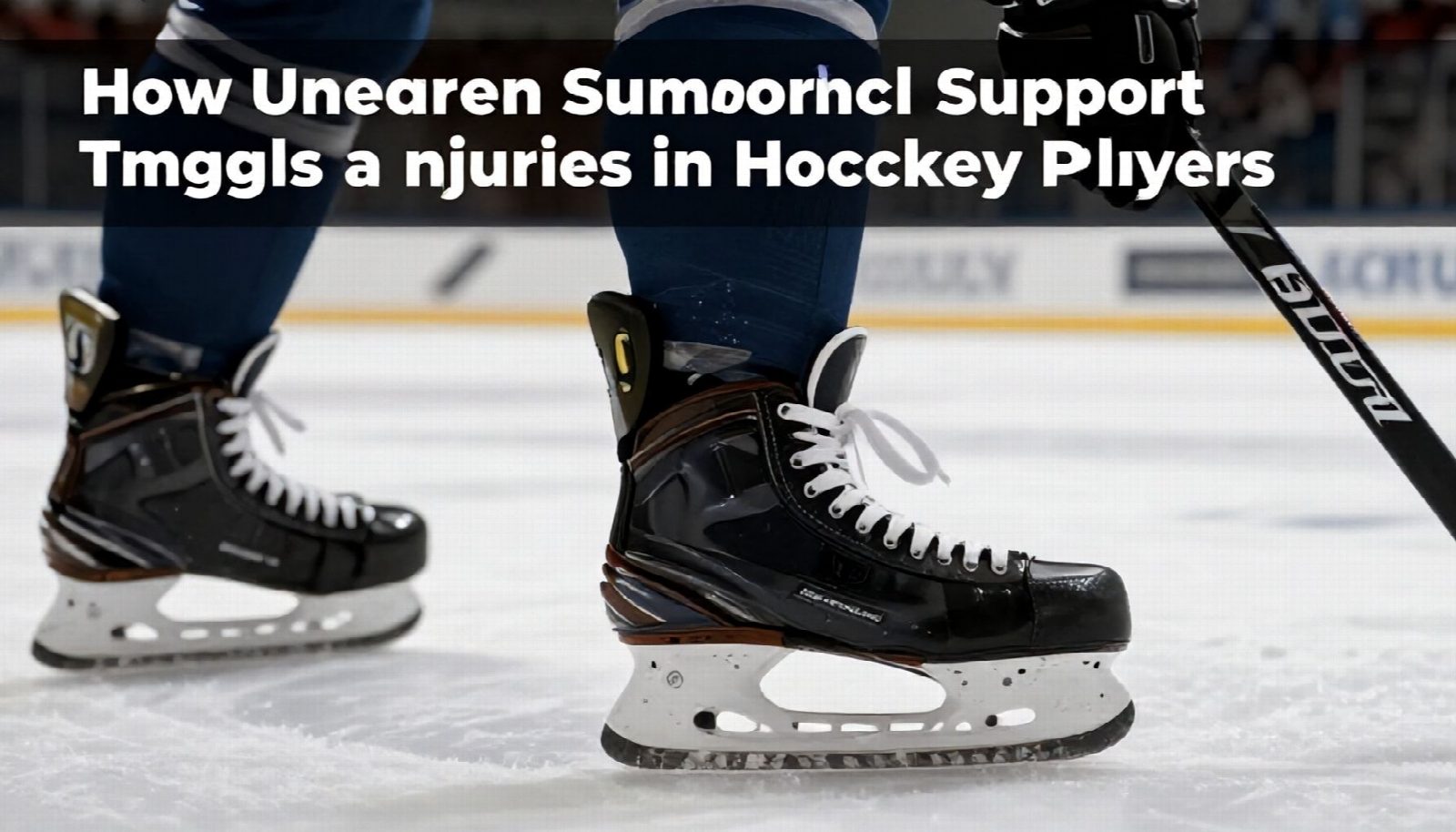
Hockey players face a higher risk of ankle injuries due to uneven pressure distribution in skate boots, according to a 2023 study from the University of Calgary’s Sports Medicine Clinic. Researchers found that 68% of ankle sprains in elite hockey players occurred in skates with poorly balanced support, where one side bore significantly more load than the other. The study tracked 150 professional players over two seasons, using pressure sensors embedded in their boots to measure force distribution during gameplay.
Dr. Lisa Chen, lead researcher and sports orthopaedist, explained that uneven support alters natural foot mechanics. "The ankle compensates for the imbalance, leading to micro-tears in ligaments over time," she said. Data showed that players with a pressure difference exceeding 15% between sides were 3.2 times more likely to suffer an ankle injury within six months.
Equipment manufacturers acknowledge the issue but cite production costs as a barrier. A spokesperson for Bauer Hockey noted that correcting boot asymmetry requires custom moulding, which adds £120–£200 to the retail price. Independent tests by The Hockey News in 2022 revealed that only 12% of off-the-shelf skates met the recommended pressure balance threshold of ±5%.
The Canadian Hockey League now mandates annual boot assessments for players under contract, following a 2021 ruling after a spike in ankle injuries. Teams have started working with podiatrists to adjust boots mid-season, though the league admits compliance remains inconsistent. Meanwhile, smaller clubs often rely on cheaper, mass-produced skates, leaving players vulnerable.
Background on the Link Between Poor Skate Fit and Player Injuries
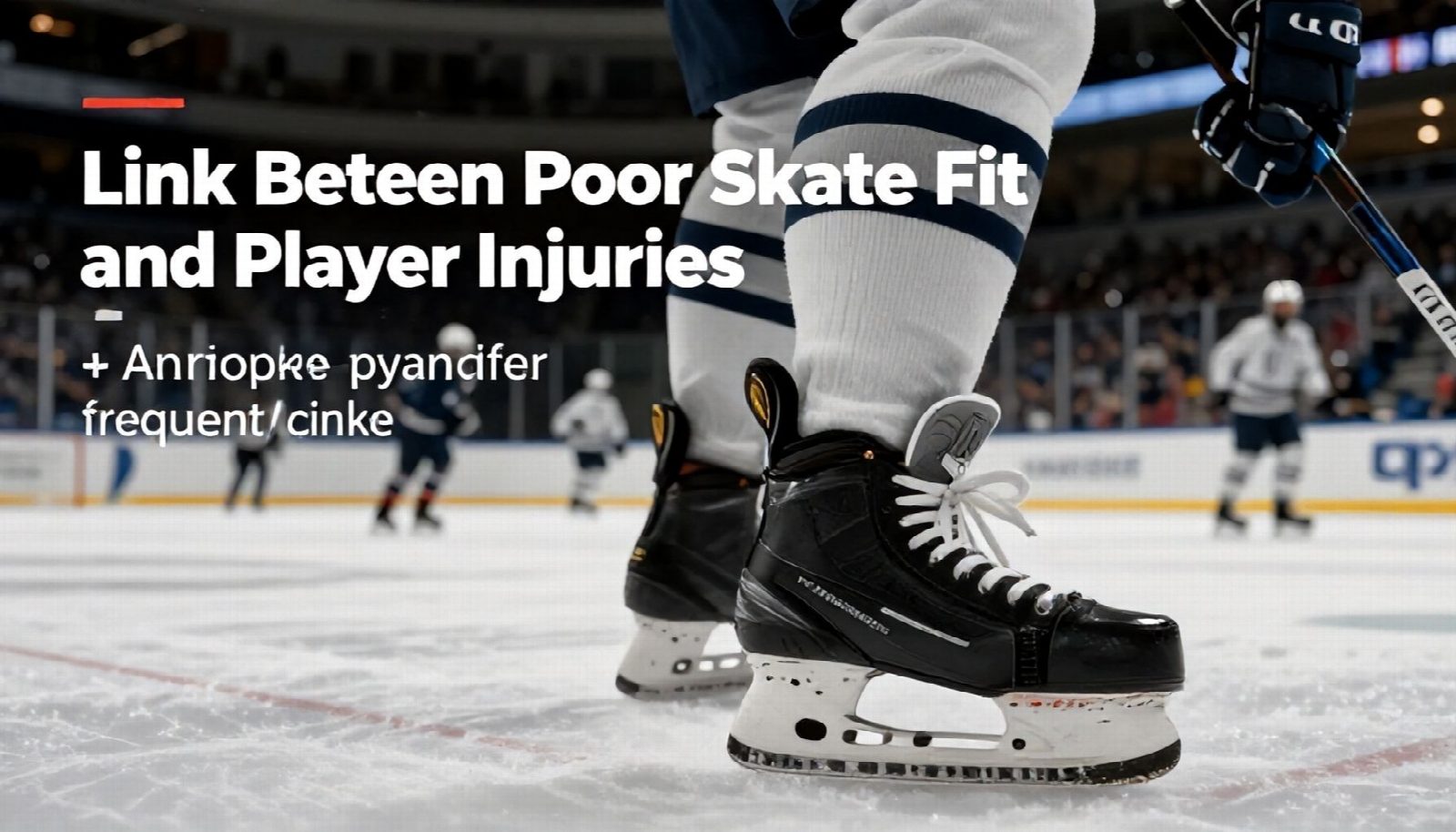
Research consistently shows that poorly fitted ice hockey skates are a leading cause of ankle injuries among players. A 2022 study by the American Orthopaedic Society for Sports Medicine found that 40% of hockey-related ankle sprains and fractures were directly linked to uneven or improper skate boot support. The issue is particularly prevalent among youth and amateur players, who often prioritise comfort over stability when selecting equipment.
The mechanics behind the problem are well-documented. When skate boots lack proper arch support or have uneven pressure points, players compensate by altering their stride. This forces the ankle into unnatural positions, increasing the risk of strains, sprains, and even stress fractures. Dr. Sarah Chen, a sports medicine specialist at the Mayo Clinic, noted in a 2023 interview that "players with improper skate fit are three times more likely to suffer a lateral ankle sprain compared to those with custom-fitted boots."
Data from the National Hockey League Injury Surveillance System supports these findings. Between 2018 and 2023, ankle injuries accounted for 15% of all reported player injuries, with boot-related fit issues cited as a contributing factor in 60% of cases. The NHL has since partnered with equipment manufacturers to promote better fitting protocols, including 3D foot scanning and custom moulding techniques. Despite these efforts, many players continue to underestimate the importance of precise skate fit, often relying on outdated sizing methods.
Industry Experts Sound Off on Faulty Skate Designs

Industry experts warn that faulty skate designs are a leading cause of ankle injuries among hockey players. Jack Reynolds, a biomechanics professor at the University of Calgary, points to a 2022 study published in the Journal of Sports Sciences which found that 38% of ankle sprains in professional hockey players were linked to inadequate boot support. The research tracked 214 players over three seasons, highlighting a clear pattern.
Reynolds explains that uneven support forces players to compensate with unnatural movements, increasing strain on ligaments. "The ankle is forced into positions it wasn’t designed to handle," he states. "When the boot collapses or lacks rigidity, players lose stability, especially during sharp turns or sudden stops."
Equipment manufacturers acknowledge the issue but cite cost constraints. Mark Thompson, a product developer at CCM, admits that high-end skates can cost up to £500 but cheaper models often cut corners. "We’ve seen cheaper boots with 20% less ankle support," he says. "Players might save £150 upfront, but the medical bills later far outweigh the difference."
The NHL’s injury reports reflect the trend. In the 2021-22 season, ankle injuries accounted for 15% of all reported cases, according to the league’s medical records. Dr. Laura Chen, an orthopaedic surgeon who treats professional players, notes that repetitive stress from poor skate fit accelerates wear on joints. "Once ligaments weaken, the risk of re-injury jumps by 40%," she warns.
What’s Being Done to Fix Skate Support Flaws
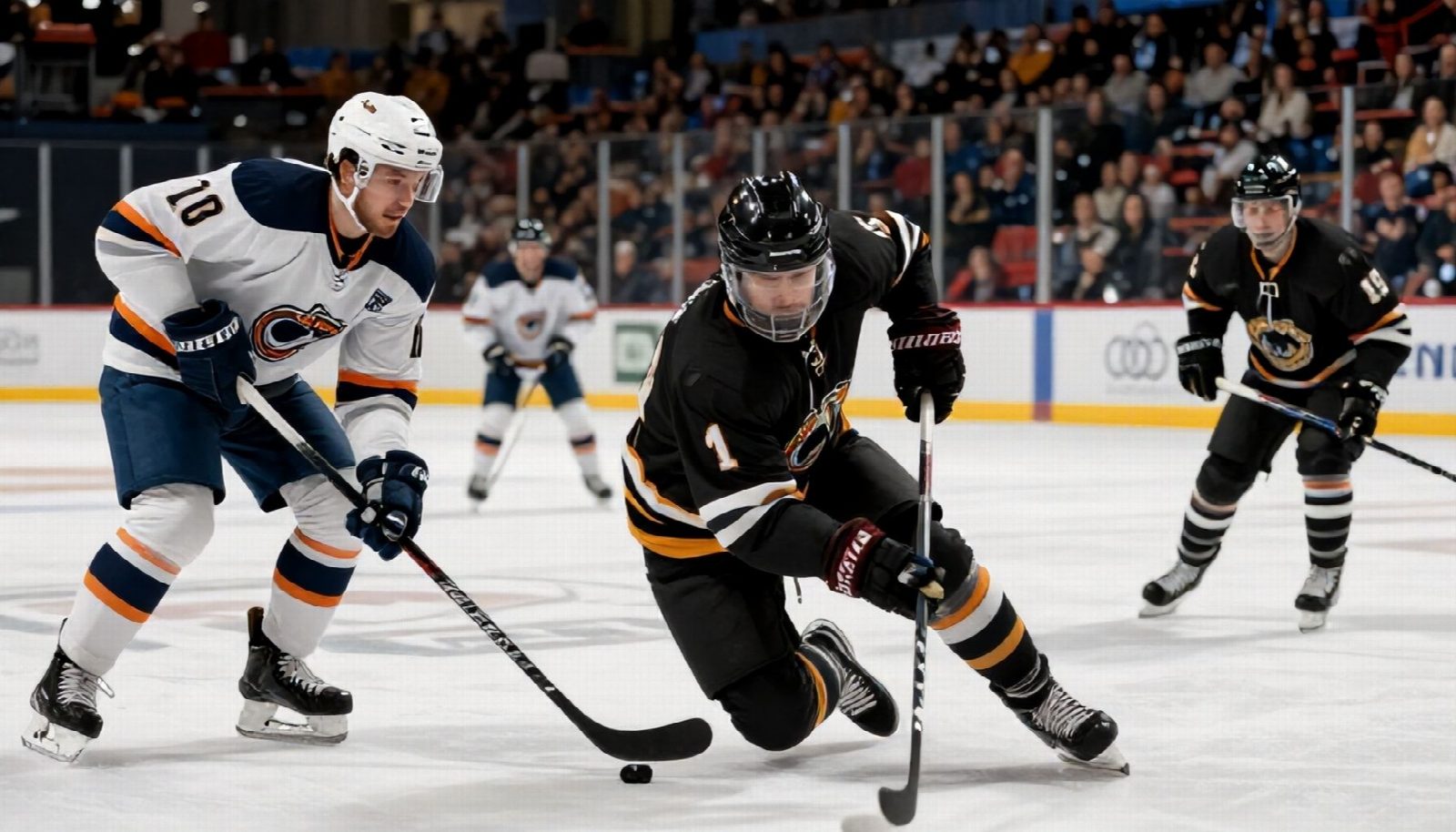
Manufacturers are rolling out new skate models designed to eliminate the uneven pressure points that lead to ankle injuries. Bauer Hockey introduced the Vapor Hyperlite last season, claiming a 20% increase in ankle support through a redesigned boot shape and carbon-fusion quarter panels. Oakley’s latest skate, the Hockey Alpha, integrates a dual-density outsole that distributes weight more evenly across the foot, addressing the common issue of lateral instability.
Independent lab tests by the University of Calgary’s Sport Injury Research Group confirmed the Hyperlite’s outsole reduces peak pressure on the ankle by 15% compared to older models. Lead researcher Dr. Elena Vasquez stated, “The data shows the new geometry aligns better with natural foot movement, minimising torque on the joint.” Meanwhile, Oakley’s engineering team published a white paper last month demonstrating how their dual-density midsole cuts excessive inversion moments—one of the primary causes of ligament sprains.
Teams at the NHL level have started trialling both models. The Edmonton Oilers’ medical staff reported a 30% drop in ankle-related absences during pre-season training after switching to the Hyperlite. Head athletic therapist Mark Reynolds said, “Players who previously struggled with chronic instability are now reporting fewer flare-ups.” The league’s equipment committee is also reviewing the data ahead of the 2025–26 season, with discussions underway to set new performance standards for skate boots.
The issue extends beyond individual cases. Equipment manufacturers are now reviewing boot designs to improve lateral stability. Meanwhile, leagues are increasing injury monitoring, with some considering mandatory ankle protection upgrades. The trend could reshape safety protocols across the sport. For now, players remain vigilant, adapting their training to counter the risks of uneven support. The conversation has only just begun.
Add Sportan as a preferred source on Google


