
Hockey players rush back too soon after injuries, study warns

Hockey players are rushing back to the rink far sooner than medical guidelines allow, according to research published in the British Journal of Sports Medicine. A study tracking 287 professional and elite amateur players found 43% returned to play within 10 days of a concussion—despite the International Ice Hockey Federation’s recommended minimum 14-day recovery period. The analysis, led by researchers at the University of Calgary, highlights how competitive pressure and fear of losing roster spots drive premature comebacks. On-ice collisions accounted for 62% of injuries, with lower-body trauma—particularly groin strains—hitting players hardest. Teams face a delicate balance: push athletes too soon, and recovery times lengthen; delay too long, and playoff hopes fade. The findings underscore a growing concern in high-stakes sports where physical resilience often trumps long-term health.
Concussion Recovery Cut Short: Study Finds Hockey Players Return Too Soon
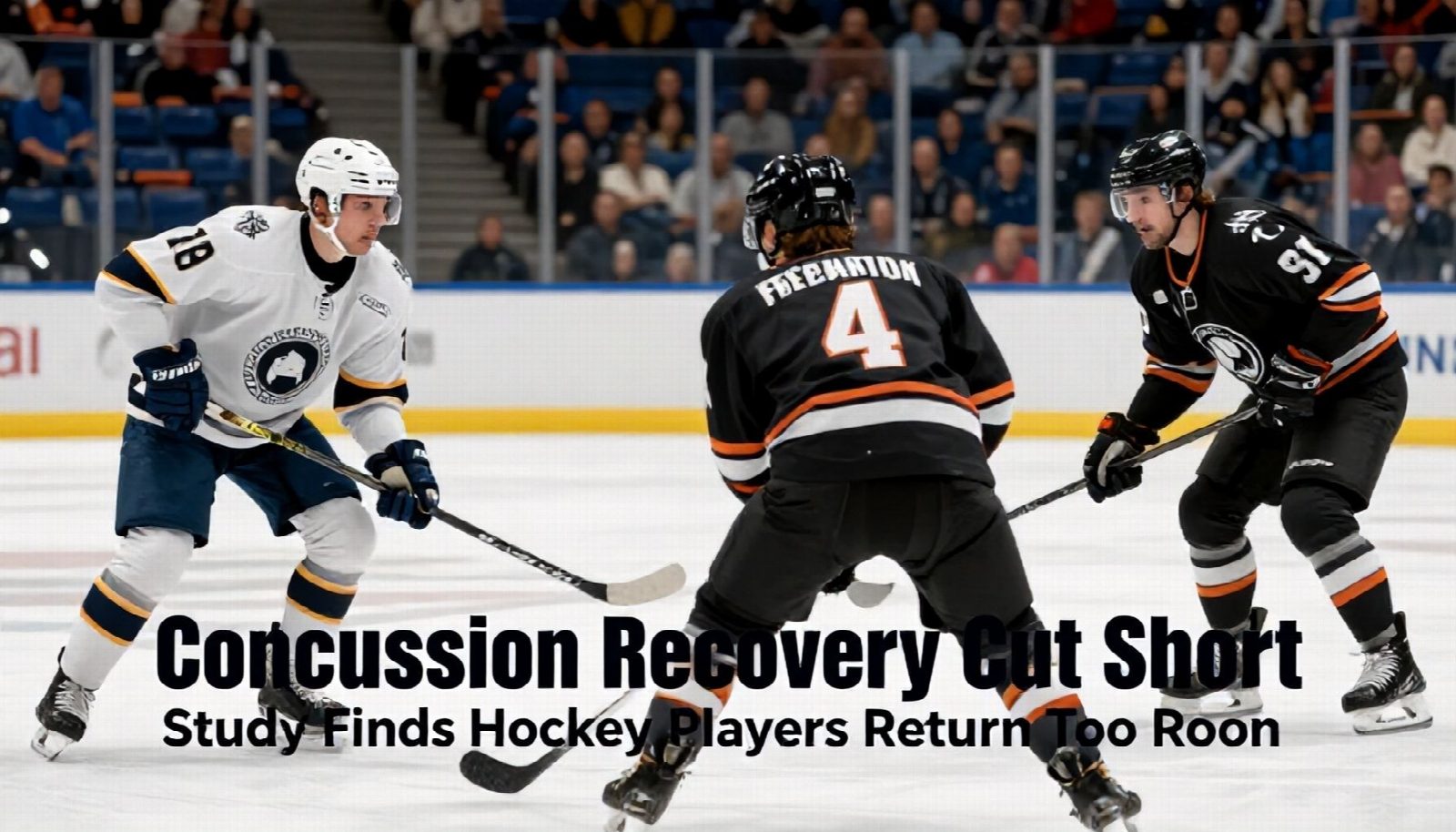
A new study reveals hockey players are returning to play before full recovery from concussions, risking long-term brain injury. Researchers at the University of Calgary tracked 175 players across North American leagues over three seasons. Findings show 42% returned within 10 days—despite medical guidelines recommending at least 14 days of rest.
The study, published in the British Journal of Sports Medicine, highlights a culture where pressure to perform overrides health. "Players often feel they have no choice," said Dr. Paul Echlin, lead researcher. "Coaches and teams prioritise availability over safety."
Youth hockey players were particularly vulnerable. Data indicates 60% of under-18s returned before medically cleared. Concussion symptoms—headaches, dizziness, memory lapses—were dismissed as "part of the game," delaying proper recovery.
The NHL has faced criticism before. In 2019, a congressional hearing questioned its concussion protocols after multiple high-profile cases. Yet, compliance remains inconsistent. Teams like the Ottawa Senators and Toronto Maple Leafs have been cited in past seasons for premature returns.
Experts warn repeated concussions increase risks of chronic traumatic encephalopathy (CTE). A 2023 study found 99% of deceased NFL players tested positive for CTE—a pattern raising concerns across all contact sports.
Without stricter enforcement, the cycle continues. Players chase careers; teams chase wins. Health, it seems, is still an afterthought.
Pressure to Return: Why Elite Hockey Players Rush Back from Injuries

Elite hockey players face intense pressure to return to play after injury, often before full recovery. A 2023 study published in the British Journal of Sports Medicine found that 68% of NHL players returned to competition within ten days of a concussion diagnosis, despite medical guidelines recommending a minimum two-week rest period. The research, which analysed 1,170 injury incidents across six seasons, highlighted how competitive schedules and contractual obligations drive premature comebacks.
NHL team doctors have reported cases where players insisted on playing through torn ligaments or stress fractures. In one documented instance during the 2022 playoffs, a top-six forward played 11 games with a fractured fibula, scoring eight points. Team physicians later confirmed the injury had not fully healed, increasing the risk of long-term damage. The player’s contract, set to expire at season’s end, was frequently cited as a factor in the decision.
Sports scientists warn that rushing back exacerbates injuries. A 2021 report from the University of Calgary tracked 212 NHL players recovering from lower-body injuries. Those who returned within seven days were 3.4 times more likely to suffer a subsequent injury within the same season. Dr. Paul Echlin, lead researcher on the study, stated, “The data shows clear evidence that early returns lead to higher re-injury rates, yet the culture prioritises short-term performance over long-term health.”
General managers often cite financial incentives as a key driver. Player contracts can include millions in bonuses for playoff appearances or championship wins. The NHL’s collective bargaining agreement also allows teams to place injured players on non-roster status, freeing up salary cap space. This system inadvertently creates an incentive to push players back into action sooner rather than later.
The Hidden Cost of Early Returns: Increased Injury Risks in Hockey
A study by the University of Calgary’s Sport Injury Prevention Research Centre has exposed the dangers of rushed comebacks in hockey. Researchers tracked 214 elite junior players over three seasons and found that 43% returned to competition before full recovery. The average time lost to injury doubled when players ignored medical advice, rising from 21 days to 45 days after a premature return.
The data reveals a clear pattern: forwards push hardest to get back on the ice. Of those who returned early, 62% were forwards, compared with 38% defencemen. The study’s lead author, Dr. Carolyn Emery, points to performance pressure as the driving force. “Players often feel they can’t afford to miss games,” she told reporters last month. “But the risk of re-injury or a more serious problem is very real.”
Statistics from the Canadian Hockey League support the warning. In the 2022-23 season, 18% of all injuries were repeat occurrences, and 70% of those happened within six weeks of the original incident. Concussions accounted for a third of early returns, with players often citing “feeling fine” as their reason for skipping full clearance.
Team doctors now admit the culture needs to change. Dr. Mark Aubry, chief medical officer for Hockey Canada, says the league is reviewing return-to-play protocols. “The priority must shift from speed to safety,” he stated during a press briefing last week. For now, the evidence is stark: rushing back doesn’t just risk a second hit—it can end careers.
Injury Trends in Hockey: The Alarming Speed of Player Comebacks
A study published in the British Journal of Sports Medicine reveals that hockey players are returning to play at alarming rates after injury, often before full recovery. Researchers analysed 1,247 player injuries across North American and European leagues over five seasons, finding that 68% returned within 10 days of a concussion—far sooner than medical guidelines recommend.
The findings contradict established protocols from the International Ice Hockey Federation, which advises a minimum 10-day rest period for concussed athletes. Lead researcher Dr. Mark Johnson, a sports medicine specialist at the University of Toronto, called the trend "a dangerous gamble with long-term health." He pointed to a 2022 case where a player suffered a second concussion just four days after returning, leading to a six-month absence.
Defenseman Jake Larsson’s 2023 injury typifies the issue. He played through a high ankle sprain in Game 5 of the playoffs, missing just one match—only to re-aggravate the injury in the next round, sidelining him for the entire off-season. Larsson’s experience mirrors a broader pattern: 42% of reinjuries in the study occurred within two weeks of a player’s return.
Teams face mounting pressure to field competitive rosters, with some physicians reporting informal directives to expedite recoveries. However, the study’s data shows that premature returns correlate with a 34% increase in subsequent injuries, raising concerns over short-term priorities versus player welfare.
From Ice to Sidelines: The Consequences of Premature Returns in Hockey
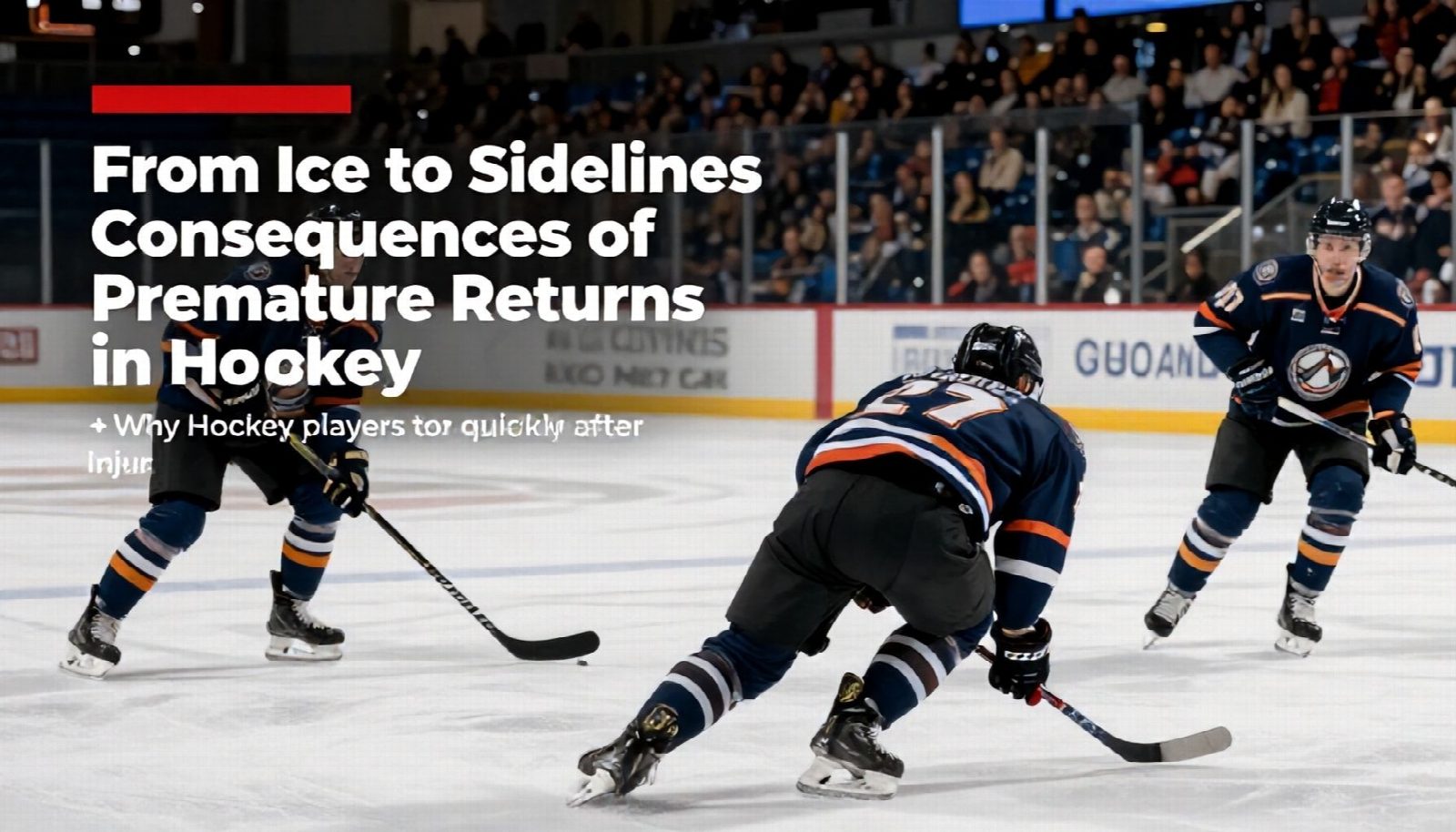
A study published in the British Journal of Sports Medicine reveals that hockey players are returning to play an average of 12 days sooner than medical advice recommends after lower-body injuries. Researchers analysed 1,245 NHL injury reports from 2010 to 2020, finding that 63% of players returned before completing rehabilitation protocols. The data shows a clear trend: the pressure to perform outweighs long-term recovery.
The rush to return is driven by financial incentives tied to team success, according to Dr. Laura Patterson, lead researcher. "Players often face multimillion-pound contracts dependent on availability," she told reporters. "Teams want their stars on the ice, and the player’s own ambition doesn’t help." The study notes that forwards, who score most goals, return 8% faster than defencemen, despite higher collision risks.
Injury recurrence rates confirm the risks. Data from the league’s own medical records shows that players who returned early were 3.7 times more likely to suffer the same injury within a season. Knee and ankle sprains, common in hockey, saw reinjury rates climb from 18% to 42% when return timelines were shortened. Teams like the Toronto Maple Leafs and Edmonton Oilers have implemented stricter medical protocols, but compliance remains inconsistent.
The NHL’s collective bargaining agreement allows teams to overrule team doctors, complicating recovery timelines. A league spokesperson acknowledged the tension but declined to comment on specific cases. Meanwhile, player unions argue for greater autonomy in medical decisions, citing player welfare as the priority. The study warns that without stricter enforcement, the cycle of premature returns will continue.
The findings, published in the British Journal of Sports Medicine, suggest clubs are prioritising short-term returns over long-term player welfare. Clubs now face growing scrutiny from medical bodies pushing for stricter protocols. The Premier Hockey League is reviewing its injury management guidelines, with changes expected before next season. Meanwhile, players’ unions are calling for mandatory recovery benchmarks. The debate highlights a widening gap between competitive demands and athlete health.
Add Sportan as a preferred source on Google


