
How to Train Like a Box-to-Box Midfielder

If you want to be the engine that never quits, the player who’s everywhere and nowhere all at once — welcome to the wild world of the box-to-box midfielder. This role ain’t for the faint-hearted. It demands relentless energy, razor-sharp tactical awareness, and a versatility that would make a Swiss Army knife jealous. But hey, if you’re ready to grind, here are some no-nonsense tips to help you become the heartbeat of your football team.
Understanding the Box-to-Box Role
First off, get this straight: a box-to-box midfielder isn’t just a fancy term for a ‘jack of all trades’. You’re the link between defense and attack, the player who covers every blade of grass from your penalty box to theirs. It’s about balancing grit and grace, knowing when to smash a tackle and when to thread a killer pass. You’re basically the team’s metronome — setting the rhythm, tempo, and mood.
| Key Responsibilities | What It Means |
|---|---|
| Defensive Duties | Breaking up opposition plays, intercepting passes, and shielding the backline. |
| Offensive Contributions | Driving the ball forward, creating chances, and occasionally popping up to score. |
| Transition Play | Quickly switching from defense to attack and vice versa, keeping the team balanced. |
Physical Conditioning Essentials
Let’s be honest, if your lungs give up halfway through the game, you’re toast. Stamina is king here. Interval training is your best mate — sprint for 30 seconds, jog for a minute, repeat until your legs scream mercy. Don’t forget strength training too, because winning those shoulder-to-shoulder battles is non-negotiable.
- Endurance drills: Long-distance runs mixed with high-intensity bursts.
- Strength workouts: Squats, lunges, and core exercises to stay solid on your feet.
- Agility training: Cone drills and ladder exercises to improve quick changes of direction.
Technical Skills to Sharpen
Passing precision? Check. Dribbling under pressure? Double check. Shooting from distance? You bet. The box-to-box midfielder needs to be a Swiss Army knife of skills. Practice one-touch passes and long balls to switch play, but don’t neglect your first touch — it can make or break your next move.
Tips for Technical Training:- Use both feet equally to confuse defenders.- Practice passing against a wall for quick reflexes.- Work on shooting while tired to simulate real match conditions.
Tactical Awareness and Positioning
Reading the game is an art. You need to anticipate where the ball will be, not just where it is. Positioning yourself smartly means you’re always available for a pass or ready to cut off an attack. Watch the pros, study their movement, and try to think two steps ahead.
Nutrition and Recovery Tips
Fueling your body right isn’t rocket science but it’s often overlooked. Carbs before the game, protein after, and plenty of hydration all day long. Recovery? Ice baths, stretching, and sleep like your life depends on it — because, well, your next game kinda does.
Mental Toughness and Focus
The pitch can be a battlefield, and mental resilience is what keeps you standing when the going gets tough. Meditation, visualization, or just having that stubborn “never say die” attitude can make all the difference.
Sample Weekly Training Schedule
| Day | Focus | Details |
|---|---|---|
| Monday | Endurance & Strength | Long runs + weight training |
| Tuesday | Technical Skills | Passing drills, shooting practice |
| Wednesday | Tactical Awareness | Game analysis + positioning drills |
| Thursday | Agility & Speed | Cone drills, sprints |
| Friday | Recovery | Stretching, light jogging, rest |
| Saturday | Match Simulation | Scrimmage or match day |
| Sunday | Rest | Full rest day |
Common Mistakes to Avoid
Don’t be that guy who burns out in the first half or tries to do everything solo. Also, ignoring recovery and nutrition is a fast track to injury and poor performance.
Inspirational Box-to-Box Midfielders to Watch
Look up to legends like Steven Gerrard, Yaya Touré, or N’Golo Kanté — players who defined the role with their blend of skill, stamina, and sheer willpower. Watch their games, learn from their mistakes, and steal their moves (legally, of course).
So, lace up, hit the training ground, and remember: being a box-to-box midfielder isn’t just about running everywhere. It’s about running smart, playing smart, and being the heartbeat your team can’t live without.
Understanding the Box-to-Box Role
Alright, let’s dive into the wild world of the box-to-box midfielder. This player isn’t just your average midfielder chilling in the center of the park; nope, they’re the engine, the heartbeat, the guy or gal who’s sprinting from their own penalty box right up to the opponent’s like it’s some kind of marathon. It’s a role that demands insane stamina, sharp tactical brains, and a bit of madness—because seriously, who else can juggle defense and attack without looking like they’re about to collapse? Spoiler: not many.
So, what exactly makes a box-to-box midfielder tick? First off, you’ve got to be a jack-of-all-trades. You’re expected to break up opposition plays one minute, then suddenly be the one creating chances or even scoring the next. It’s like being a Swiss Army knife, but on grass, and with a football at your feet. Your role is dynamic, constantly shifting depending on how the game flows. One second you’re a defensive shield, the next you’re a playmaker threading killer passes or bombing forward to finish a move.
- Energy and Endurance: If you don’t have the lungs of a marathon runner, this role will chew you up and spit you out. It’s about relentless running, often covering 10-13 kilometers per game. Yes, that’s a lot.
- Versatility: You gotta be comfortable tackling, dribbling, passing, and shooting. The box-to-box midfielder is basically a midfield multitasker on steroids.
- Tactical Intelligence: Knowing when to push forward and when to drop back is crucial. It’s about reading the game, anticipating moves, and being in the right place at the right time—no easy feat.
Now, don’t get me wrong, this role isn’t just about running around like a headless chicken. There’s a method to the madness. The box-to-box midfielder often acts as the link between defense and attack, smoothing out transitions and keeping the team balanced. They’re the ones who can calm the storm or ignite it, depending on what the team needs.
In a nutshell, being a box-to-box midfielder means being the Swiss Army knife of the football pitch. You have to be ready to defend like a warrior and attack like a maestro—all in the same game. It’s exhausting, frustrating, and sometimes downright thankless, but when you pull it off? Man, there’s no better feeling. So, if you’re up for the challenge, lace up those boots and start training like you’ve got no quit in you—because this role sure doesn’t.
Physical Conditioning Essentials
Alright, let’s cut to the chase — if you want to boss the midfield like a true box-to-box maestro, you gotta have stamina and strength that’d make a marathon runner jealous. Running up and down the pitch for 90 minutes isn’t a walk in the park, and if you’re gasping for air by the 60th minute, well... you’re in trouble. So, what’s the secret sauce? Let’s break it down.
Endurance Training: The Heart of the Game
First off, stamina isn’t just about jogging endlessly. You need high-intensity interval training (HIIT) — those bursts of all-out effort followed by short recovery periods. Think sprints mixed with jogging, repeated multiple times. It mimics the unpredictable pace of a football match where you’re sprinting to intercept a pass, then jogging to reposition.
- Sprint intervals: 30 seconds full throttle, 30 seconds rest, repeat 8-10 times.
- Long-distance runs: Twice a week, 5-8 kilometers at a steady pace to build aerobic base.
- Fartlek training: Swedish for “speed play,” it’s basically mixing up your pace randomly during runs — great for simulating match conditions.
Strength Workouts: More Than Just Muscle
Now, don’t go thinking strength is just about bulking up. It’s about functional power — exploding off the ground for headers, shielding the ball, and holding off opponents. Weight training with a focus on compound movements like squats, deadlifts, and lunges is your best friend here.
| Exercise | Reps | Sets | Focus Area |
|---|---|---|---|
| Squats | 8-12 | 3-4 | Legs, Core |
| Deadlifts | 6-10 | 3-4 | Back, Hamstrings |
| Lunges | 10 each leg | 3 | Glutes, Quads |
| Planks | Hold for 60 seconds | 3 | Core Stability |
Don’t Forget Agility and Flexibility
Running fast is great, but can you change direction without face-planting? Agility drills like ladder runs, cone drills, and shuttle runs sharpen your reflexes. Plus, stretching and yoga are often overlooked but crucial — they keep you limber and reduce injury risk.
- Agility ladder drills: Improves foot speed and coordination.
- Shuttle runs: Boosts acceleration and deceleration skills.
- Dynamic stretches: Leg swings, hip circles pre-training.
- Static stretches post-training: Hamstrings, quads, calves.
Recovery: The Unsung Hero
If you think crushing it in the gym every day without rest is the way, think again. Your muscles need time to repair, or you’ll end up sidelined with injuries. Ice baths, foam rolling, and good sleep habits aren’t just for pros — they’re for anyone serious about staying on the pitch.
So, to wrap it up — if you want to be that relentless box-to-box midfielder who never quits, mix up your endurance runs, pump some iron smartly, sharpen your agility, and respect your recovery days. Your lungs, legs, and coach will thank you.
Quick Conditioning Checklist:
- Incorporate HIIT at least twice a week
- Lift weights focusing on compound movements 3 times weekly
- Practice agility drills 2-3 times a week
- Stretch before and after sessions
- Prioritize rest and recovery
Keep grinding — the pitch waits for no one!
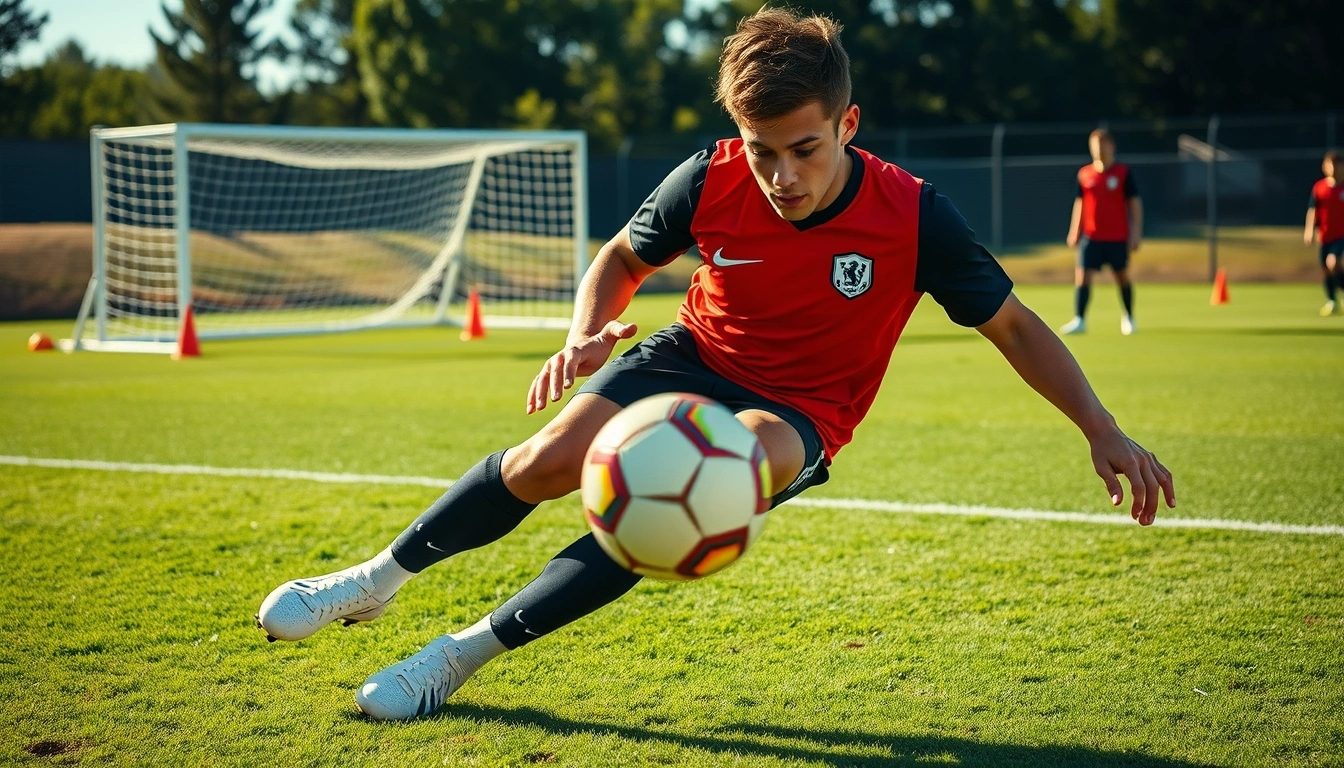
Technical Skills to Sharpen
Alright, so you want to be a box-to-box midfielder who doesn’t just run around like a headless chicken but actually controls the game? Well, buckle up, because mastering your technical skills is where the magic happens. It’s not just about having the lungs of a marathon runner; it’s about making every touch count, whether you’re threading a needle with a pass or unleashing a shot that leaves the keeper scratching his head.
First off, passing. This isn’t your casual backyard kick-around. We’re talking about precision, timing, and vision. A box-to-box midfielder needs to be the team’s connective tissue, linking defense to attack seamlessly. Practice different types of passes: short, quick one-twos to shake off markers, and long, sweeping balls that switch play faster than your opponent can blink. Don’t just hit the ball; think about where your teammate will be, not where they are now. It’s a bit like chess, but with sweat and mud.
- Short Passing Drill: Set up cones 5-10 yards apart and practice one-touch passes to improve speed and accuracy.
- Long Passing Drill: Work on lofted passes to teammates making runs behind the defense.
- Pressure Passing: Have a partner close you down quickly to simulate game pressure.
Now, onto dribbling. Let’s be honest, not everyone is a Messi, but that doesn’t mean you can’t be effective. The key is control and quick feet. You want to keep the ball glued to your boots, able to dart past opponents or create space to make that killer pass or shot. Dribbling drills that focus on tight turns, sudden stops, and changes of pace are your best friends here.
| Drill | Focus | Why It Matters |
|---|---|---|
| Cone Weaving | Close ball control | Improves agility and ability to maneuver in tight spaces |
| 1v1 Shadowing | Beating a defender | Builds confidence in taking on opponents |
| Stop-and-Go | Change of pace | Helps create separation from defenders |
Lastly, the shooting part. You might be the engine of the team, but goals win games, right? A box-to-box midfielder who can pop up with a thunderbolt or a cheeky chip is worth their weight in gold. Focus on shooting with both feet, from different angles and distances. Practice shooting on the run, after a quick dribble, and under pressure. Because let’s face it, in the heat of the moment, you won’t always have time to set yourself perfectly.
Shooting Tips:- Keep your head down and eye on the ball.- Use the instep (laces) for power shots.- Try the side-foot for accuracy.- Practice volleys and half-volleys.- Work on shooting with your weaker foot daily.
In the end, it’s about blending these skills into a fluid game style. Don’t just drill them in isolation; mix passing, dribbling, and shooting in your training sessions. That way, when the whistle blows, your instincts kick in, and you’re not fumbling around trying to remember what to do next.
So, get out there, mess up a few times, laugh it off, and keep sharpening those skills. The pitch is your workshop, and every touch is a chance to get better. Remember, being a box-to-box midfielder means being everywhere, doing everything, and making it look easy — well, almost easy.
Tactical Awareness and Positioning
Alright, let’s get real about one of the trickiest parts of being a box-to-box midfielder: reading the game. It’s not just about running around like a headless chicken—though sometimes it might feel like that! You’ve got to develop a sort of sixth sense, an ability to anticipate what’s coming next on the pitch before it actually happens. Imagine having a cheat sheet in your head that tells you where your teammates and opponents are likely to move. That’s the kind of tactical awareness that separates the good players from the great ones.
- Study the Play Patterns: Watch games, not just for the goals, but for how players position themselves during different phases. Notice how defenders shift when the opposition attacks, and how midfielders create space.
- Anticipate Opponent Moves: It’s like a chess game, folks. If you can predict where the ball’s gonna go or which player will make the next run, you’re already halfway there.
- Communicate Constantly: Your eyes aren’t the only tools here—use your voice. Calling out to teammates, directing play, or warning about incoming pressure makes you invaluable.
Now, positioning is the other side of this coin. You can’t just be everywhere at once (trust me, tried that—exhausting and ineffective). Instead, you need to position yourself smartly to be ready to support your teammates defensively and offensively. This means knowing when to drop back to help the defense, and when to surge forward to join attacks.
| Positioning Scenario | What to Do | Why It Matters |
|---|---|---|
| When the team is defending | Drop deep to close passing lanes and support center-backs | Prevents opposition from exploiting gaps and reduces pressure on defense |
| When transitioning to attack | Move into pockets of space between opposition lines | Creates passing options and helps maintain possession under pressure |
| During counter-attacks | Quickly push forward to join the attack or draw defenders away | Increases chances of creating scoring opportunities |
Let’s be honest—sometimes you’ll get caught out of position. It happens to the best of us. The key is learning from those moments and adjusting your positioning dynamically. It’s not a rigid formula but more of a constant flow, reacting to the rhythm of the game.
One practical tip? Keep your head on a swivel. Sounds cheesy, but seriously, always be scanning. Don’t just stare at the ball like it’s the last slice of pizza. Awareness means knowing what’s happening all around you, not just where the ball currently is.
Quick Tactical Awareness Drill:1. Watch a recorded match without sound.2. Pause every 10 seconds and predict the next 3 passes.3. Check your prediction against actual play.4. Repeat and note patterns.
By training your brain to think like this, you’ll start to see the game unfold in slow motion. And when you combine that with smart positioning, you become the glue that holds the team together—breaking down attacks and sparking forward moves almost effortlessly.
So, if you want to be that relentless box-to-box midfielder who’s always in the right place at the right time, start sharpening your tactical awareness and positioning today. It’s not glamorous work, but trust me, it’s what coaches and teammates notice most when the pressure’s on.
Nutrition and Recovery Tips
Alright, let’s get real about what keeps a box-to-box midfielder ticking. You can train till you drop, but if your nutrition and recovery game is weak, you’re just spinning your wheels. These midfield warriors are the engine room of the team—constantly running, tackling, and creating—so they need fuel that’s more than just pizza and energy drinks (as tempting as that sounds after a brutal session).
First up: Nutrition. You want to think of your body like a high-performance machine. That means carbs are your best friend for energy—think whole grains, sweet potatoes, and fruits. Don’t shy away from protein either; it’s the building block for muscle repair. Chicken, fish, beans, and nuts should be regulars on your plate. And fats? Yep, they’re essential too, especially the good ones like avocado, olive oil, and fatty fish. They help with brain function and keep inflammation down.
| Macronutrient | Role | Examples |
|---|---|---|
| Carbohydrates | Primary energy source during matches and training | Brown rice, oats, bananas, quinoa |
| Proteins | Muscle repair and recovery | Chicken breast, lentils, eggs, Greek yogurt |
| Fats | Supports brain health and reduces inflammation | Avocado, nuts, olive oil, salmon |
Now, don’t get me started on hydration—because it’s often overlooked and yet so darn critical. Dehydrated muscles cramp, your focus drops, and suddenly you’re that guy gasping like a fish out of water. Drink water consistently throughout the day, not just when you’re thirsty. And after training? Toss in some electrolytes to replace what you lost sweating buckets.
Recovery hacks? Oh, there’s a bunch, but here are the essentials:
- Sleep: No shortcuts here. Aim for 7-9 hours. This is when your body actually does the heavy lifting to repair muscles and reset your brain.
- Active recovery: Light jogging, stretching, or yoga on off days keeps blood flowing and reduces stiffness.
- Cold therapy: Ice baths or cold showers can help reduce inflammation, though some swear by it and others think it’s just a fancy trend.
- Foam rolling: Your best mate for loosening tight muscles and preventing injuries.
Sample Post-Training Recovery Routine:- 10 minutes light jog or walk- 15 minutes foam rolling (focus on quads, hamstrings, calves)- Hydrate with water + electrolytes- Protein-rich snack within 30 minutes- 8 hours of sleep (no excuses)
Look, nobody’s perfect, and sometimes you’ll binge on junk food or skip sleep because life happens. But if you consistently prioritize good nutrition and smart recovery, your body will thank you by bouncing back faster and keeping you dominant from box to box. Remember, it’s not just about how hard you train, but how well you recover that separates the pros from the weekend warriors.
So next time you’re tempted to grab that extra slice of pizza or pull an all-nighter, ask yourself: “Is this going to make me a better midfielder tomorrow?” If the answer’s no, maybe think twice. Your future self on the pitch will appreciate it.

Mental Toughness and Focus
In the high-stakes world of football, especially for a box-to-box midfielder, mental toughness isn’t just a nice-to-have — it’s the secret sauce that separates the legends from the also-rans. You can be the fittest, fastest player on the field, but if your mind cracks under pressure, well, you might as well be invisible. So how do you build that unshakable focus and resilience to keep your head cool when the game’s on the line? Let's dive in.
First off, resilience is about bouncing back. Imagine you just lost the ball in a crucial moment or missed a sitter — it happens to the best of us. The trick is not letting that slip-up snowball into a mental meltdown. Instead, train your brain to reset quickly. One practical way is through mindfulness exercises. Simple stuff like controlled breathing or brief meditation can anchor your thoughts, stopping the chaos from taking over. It’s like telling your brain, “Hey, chill. We’ve got this.”
- Try this quick drill: Before every match or intense training, spend 3-5 minutes focusing solely on your breath. Inhale deeply through your nose, hold for a second, then exhale slowly through your mouth. Repeat.
- This calms nerves and primes your focus.
Now, concentration isn’t just staring at the ball and hoping for the best. It’s about selective attention — tuning into what matters and tuning out distractions. Stadium noise? Opponents’ trash talk? Yeah, all white noise to a mentally tough midfielder. You want laser-like focus on the game’s flow, your positioning, and your teammates’ movements.
| Focus Technique | How to Practice | Benefit |
|---|---|---|
| Visualization | Picture yourself making key plays, intercepting passes, or scoring goals before the match. | Builds confidence and mental preparedness. |
| Chunking | Break the game into smaller segments, focusing on one task at a time. | Prevents overwhelm, improves decision-making. |
| Positive Self-Talk | Replace negative thoughts with encouraging phrases. | Boosts morale and reduces anxiety. |
But hey, don’t get me wrong — building mental toughness isn’t about becoming some robotic, emotionless machine. It’s messy. You’ll have bad days, moments of doubt, and times when your mind wanders off to that pizza waiting at home. The key is persistence. Keep practicing these mental habits daily, not just on game day.
Here’s a quick checklist to keep your mental game sharp:
- Stay present: Focus on the current play, not past mistakes or future outcomes.
- Control what you can: Your effort, attitude, and preparation.
- Embrace pressure: See it as an opportunity to shine, not a threat.
- Rest your mind: Just like muscles, your brain needs downtime to recharge.
In the end, mental toughness and focus are like the midfield engine’s oil — invisible but essential. Nail this, and you’re not just running up and down the pitch; you’re owning it. So next time the whistle blows and the crowd roars, remember: keep your head in the game, no matter how wild the ride gets.
Sample Weekly Training Schedule
Alright, if you’re serious about mastering that box-to-box midfielder role, you’ve got to treat your week like a well-oiled machine. It’s not just about grinding every day until you drop; it’s about smart work, smart rest, and knowing when to push hard or chill out. Here’s a breakdown that’ll keep you firing on all cylinders without turning into a walking zombie by midweek.
| Day | Focus | Details |
|---|---|---|
| Monday | High-Intensity Interval Training (HIIT) | Short bursts of sprinting mixed with jogging to boost cardiovascular endurance and simulate match conditions. Include ladder drills and cone sprints to sharpen agility. |
| Tuesday | Technical Drills & Passing | Focus on ball control, quick passing under pressure, and shooting drills. Add small-sided games to improve decision-making speed. |
| Wednesday | Strength & Conditioning | Weight training targeting legs, core, and upper body. Don’t skip deadlifts and squats—they build that explosive power you need for tackles and bursts forward. |
| Thursday | Tactical Awareness & Video Analysis | Spend time reviewing game footage, focusing on positioning and reading the opponent’s play. Follow up with light drills emphasizing spatial awareness. |
| Friday | Moderate Cardio & Recovery | Easy jogging or cycling combined with stretching and foam rolling. This helps flush out lactic acid and prepares muscles for the weekend’s intensity. |
| Saturday | Match Simulation & Team Practice | Full-pitch scrimmage or competitive match-like scenarios. Focus on implementing all skills and tactics learned during the week. |
| Sunday | Rest & Active Recovery | Probably the most underrated day. Take a complete break or do some yoga, swimming, or light stretching. Let those muscles breathe and your mind reset. |
- Why balance matters: Going full throttle every day? Rookie mistake. Overtraining leads to injuries and burnout faster than you can say “offside.”
- Listen to your body: Feeling wiped out midweek? Dial down the intensity or swap a session for extra recovery.
- Mix it up: Variety keeps training fresh and targets different muscle groups and skills. Plus, it’s less boring.
Sample Daily Session Breakdown (Monday - HIIT):- Warm-up: 10 minutes of dynamic stretches and light jogging- Sprint intervals: 10 x 30 seconds sprint with 1-minute jog recovery- Agility ladder drills: 4 sets focusing on foot speed- Cone drills: 5 sets of zig-zag sprints- Cool down: 10 minutes stretching focusing on hamstrings and calves
Remember, this schedule isn’t set in stone. Adapt it to your fitness level, match schedule, and how your body feels. The secret sauce to becoming a relentless box-to-box midfielder? Consistency paired with smart recovery. Push hard, but don’t be dumb about it. Your future self (and your coach) will thank you.
Keep grinding, but keep sane.
Common Mistakes to Avoid
So, you’re gunning to be a box-to-box midfielder, huh? That’s no walk in the park. This role demands a mix of stamina, smarts, and skills that can make even seasoned players sweat bullets. But hey, before you lace up those boots and storm the pitch, let’s talk about some classic blunders that rookies (and sometimes not-so-rookies) keep tripping over. Avoid these traps, and you’ll dodge a lot of headaches down the line.
1. Burning Out Too Fast
One of the biggest rookie mistakes is going all out from the first whistle and then gasping for air by the 30th minute. Box-to-box midfielders are the engine of the team, expected to cover insane ground. But if you don’t pace yourself, you’ll be useless in the crucial moments. Think of it like a marathon, not a sprint.
- Tip: Build endurance gradually. Interval training and steady-state cardio are your friends.
- Tip: Learn to read the game and conserve energy when you can.
2. Neglecting Defensive Duties
Many aspiring box-to-box players get dazzled by the attacking side – scoring goals, threading killer passes, and showing off fancy footwork. But forget your defensive responsibilities, and you’re just a liability. Coaches won’t hesitate to bench you if you’re caught ball-watching or slow to track back.
| Defensive Mistake | Impact | How to Fix |
|---|---|---|
| Ball-watching | Opponents exploit space behind you | Keep your head on a swivel; always know where the ball and opponents are |
| Slow to press | Opponents build attacks too easily | Improve reaction time with drills and stay mentally alert |
3. Overcomplicating Your Play
Trying to be the midfield magician every time can backfire. Fancy flicks, risky passes, or dribbling into a mess when a simple pass would do – yeah, we’ve all been there. Sometimes, simplicity is king. The best box-to-box midfielders pick the right moments to dazzle and know when to keep it straightforward.
- Pro Tip: Prioritize ball retention and smart distribution over flashy moves.
- Pro Tip: Practice situational awareness to decide when to take risks.
4. Ignoring Recovery and Nutrition
You might think training hard is all that matters, but if you’re skipping recovery protocols or munching on junk food, you’re setting yourself up for disaster. Fatigue, injuries, and sluggish performance are the inevitable results.
Good Recovery Habits:- Stretching and foam rolling post-training- Hydration before, during, and after games- Balanced meals with protein, carbs, and healthy fats- Quality sleep (aim for 7-9 hours)
5. Losing Mental Focus
Box-to-box midfielders need to be sharp as a tack. Losing concentration for even a second can lead to costly mistakes. Whether it’s zoning out during a lull or getting rattled by pressure, mental lapses can kill your game.
Quick Mental Drill: Practice mindfulness or visualization techniques to stay calm and focused during matches. It’s not just for yogis, trust me.
Summary Table: Pitfalls & Solutions
| Mistake | Why It Happens | How to Avoid |
|---|---|---|
| Burnout | Overexertion early in games | Build stamina, pace yourself |
| Ignoring Defense | Focusing too much on attack | Balance attacking and defensive duties |
| Overcomplicating Play | Wanting to impress too much | Keep it simple, smart decisions |
| Poor Recovery | Neglecting nutrition and rest | Proper diet, hydration, rest |
| Mental Lapses | Loss of focus under pressure | Mental training, mindfulness |
In the end, being a box-to-box midfielder is about balance—balancing energy, defense, attack, and mental toughness. Avoid these common pitfalls, and you’ll not only survive the role but thrive in it. Remember, even the greats had to stumble before they sprinted. So, get out there, learn from your mistakes, and keep hustling like a true midfield maestro!
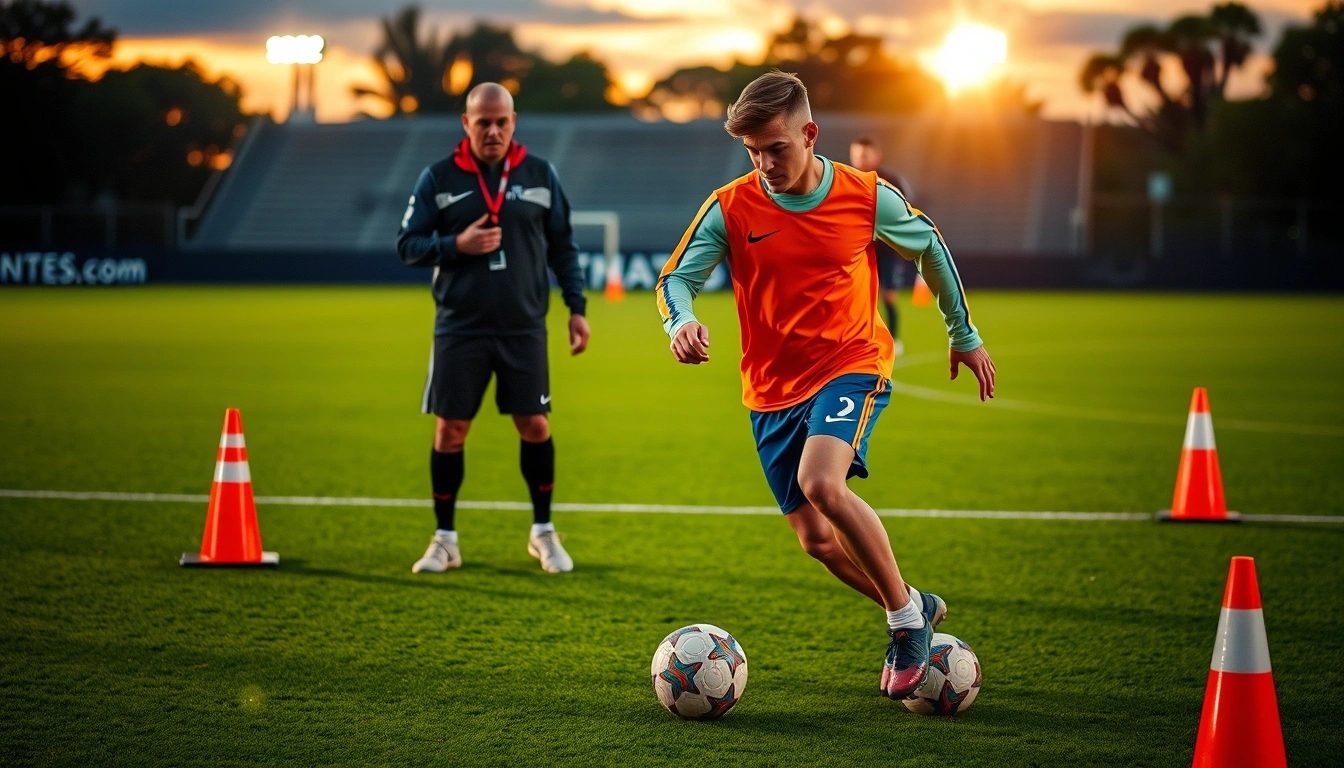
Inspirational Box-to-Box Midfielders to Watch
Alright, let's dive into the heart and soul of the midfield — the box-to-box maestros who make the game look like a breeze, even when it’s anything but. These players don’t just run up and down the pitch; they breathe, live, and bleed football with every touch, tackle, and sprint. If you’re aiming to train like a box-to-box midfielder, you’ll want to keep an eye on these legends and current stars who define the role with their unique blend of skill, grit, and passion.
First off, you can’t talk box-to-box without mentioning Steven Gerrard. The Liverpool legend was the epitome of relentless energy and leadership. He wasn’t just a midfielder; he was a one-man army, charging forward with thunderous shots and then hustling back to break up attacks. His ability to dictate the tempo and contribute both defensively and offensively is what every aspiring box-to-box player should study. You might not have Gerrard’s rocket shot, but hey, don’t let that stop you from trying!
Then there’s Yaya Touré, a beast in the midfield. Towering physically, yet surprisingly graceful, Yaya combined sheer power with technical finesse. His box-to-box runs were like a freight train — unstoppable and intimidating. What’s cool about Touré is how he balanced aggression with calmness, often popping up in the right place to score or assist. If you want to learn how to blend muscle with magic, Yaya's your guy.
| Player | Strengths | What to Learn |
|---|---|---|
| Steven Gerrard | Leadership, Long-range shooting, Stamina | Dictating play, Timing of runs, Defensive awareness |
| Yaya Touré | Physicality, Ball control, Vision | Combining power and technique, Positioning, Game intelligence |
| N’Golo Kanté | Work rate, Interceptions, Consistency | Relentless pressing, Reading the game, Defensive positioning |
| Frank Lampard | Goal scoring, Passing, Tactical awareness | Late runs into the box, Decision making, Shooting accuracy |
But don’t get it twisted — it’s not just about the legends. Current players like N’Golo Kanté are rewriting the box-to-box playbook. Kanté’s energy seems endless, and his knack for sniffing out danger is insane. Watching him chase down opponents and recover balls is like watching a dog with a bone — relentless and focused. What’s inspiring is how he’s not the tallest or flashiest, but his work ethic and mental toughness make him a midfield titan.
- Frank Lampard: The goal-scoring machine who showed that midfielders can be prolific scorers without losing defensive duties.
- Arturo Vidal: Known for his aggressive style and never-say-die attitude, Vidal embodies the gritty side of the box-to-box role.
- Jordan Henderson: The current Liverpool skipper who mixes leadership and tactical discipline with hard running.
So, what’s the takeaway here? The box-to-box midfielder isn’t just a position; it’s a mindset. These players combine skill, stamina, and smarts to dominate both ends of the field. If you want to channel your inner midfield dynamo, watch how these players move, how they think, and yes, how they sometimes get knocked down but keep bouncing back.
Tips to Emulate Your Box-to-Box Heroes:- Build your stamina: endless running is non-negotiable.- Practice tackling and interceptions: defense wins games.- Work on shooting & passing: be a threat going forward.- Study positioning: anticipate play before it happens.- Stay mentally tough: the game will test you, don’t crack.
At the end of the day, passion and grit separate the good from the great. So, lace up, hit the pitch, and maybe one day, someone will be writing about you as the next inspirational box-to-box midfielder.
Frequently Asked Questions (The title must be written in English.)
- What exactly does a box-to-box midfielder do on the field?
Think of a box-to-box midfielder as the engine of the team, tirelessly running from their own penalty box to the opponent’s. They’re involved in both defending and attacking, linking play, breaking up opposition moves, and creating chances. It’s like being a Swiss Army knife on the pitch—versatile and indispensable!
- How can I build the stamina needed to play box-to-box effectively?
Building stamina isn’t about just running endlessly; it’s about smart conditioning. Interval training, combining sprints with jogging, mimics the stop-and-go nature of football. Also, incorporating strength workouts ensures your muscles don’t give up halfway through the game. Remember, it’s about quality, not just quantity!
- Which technical skills should I focus on to excel in this role?
Passing precision, quick dribbling, and accurate shooting are your bread and butter. But don’t forget first touch and ball control—they’re the glue that holds your game together. Sharpening these skills means you can switch from defense to attack in a blink, catching opponents off guard.
- How important is tactical awareness for a box-to-box midfielder?
It’s absolutely crucial! Tactical awareness is like having a sixth sense on the pitch. Reading the game, anticipating opponents’ moves, and positioning yourself smartly can make the difference between a turnover and a goal. It’s not just about running; it’s about running smart.
- What should I eat to maintain energy and recover faster?
Fueling your body with a balanced diet rich in complex carbs, lean proteins, and healthy fats is key. Think of your body as a high-performance engine—it needs premium fuel. Also, hydration and post-training recovery meals packed with antioxidants help you bounce back quicker for the next session.
- How do I develop mental toughness to handle pressure during matches?
Mental toughness comes from practice and mindset. Visualize game scenarios, stay positive, and learn from mistakes instead of dwelling on them. Like a boxer in the ring, staying calm and focused under pressure lets you perform at your peak when it really counts.
- Can you suggest a simple weekly training schedule for beginners?
Absolutely! A balanced week might look like 3 days of cardio and stamina drills, 2 days focusing on technical skills and tactical drills, 1 day for strength training, and 1 full rest day. Mixing intensity and recovery helps avoid burnout and keeps progress steady.
- What are common mistakes to avoid as a box-to-box midfielder?
One big pitfall is burning out early by sprinting too much without pacing yourself. Another is neglecting defensive duties or overcommitting forward and leaving gaps. Also, poor positioning can kill your effectiveness, so always stay aware of your role on the pitch.
- Who are some inspirational box-to-box midfielders to watch and learn from?
Legends like Steven Gerrard and current stars like N’Golo Kanté showcase the perfect blend of endurance, skill, and tactical smarts. Watching their gameplay can teach you how to balance attack and defense seamlessly—true masters of the box-to-box craft.
Add Sportan as a preferred source on Google


