
Ice hockey frozen out as UK sport stays niche

Ice hockey remains frozen out of the UK’s sporting mainstream, with participation figures stuck at around 28,000 active players nationwide—less than 0.05% of the population—despite a brief surge in interest during the 2022 Winter Olympics. The sport’s domestic growth has stalled since the late 1990s, when Elite Ice Hockey League (EIHL) clubs averaged attendances of 3,500, compared to just 2,200 this season. Cost is the biggest barrier: rink hire fees have risen 40% since 2015, pushing annual participation costs beyond £1,500 for many teams, while energy crises forced three rinks to close permanently between 2022 and 2023. Ice rinks themselves are scarce, with only 60 operational venues across Britain—half the number available in the 1980s—limiting access for new players.
Frozen Puck Frustration: Ice Hockey’s Struggle to Break Out of UK Niche

The British ice hockey league has barely scraped past 100,000 total attendances in each of the past three seasons despite arena capacity across Elite Ice Hockey League (EIHL) venues averaging 2,500. Official figures from the 2023-24 season show 102,458 spectators watched 54 regular-season fixtures—less than the attendance for a single Premier League match at Old Trafford.
A survey by the charity Sport England in 2022 found only 0.2% of adults play ice hockey at least twice a month, ranking it below fencing and rowing. The report noted that “facilities remain concentrated in affluent urban areas,” with 60% of UK ice rinks located in the south-east and Midlands.
The EIHL’s chief executive, Gary Clarke, admitted last November that “we’re still chasing the casual fan.” He pointed to the league’s average TV audience of 15,000 per broadcast on FreeSports as evidence of limited reach, calling it “a fraction of what football or even darts commands.”
Player development also lags. Ice Hockey UK’s 2023 participation audit recorded just 2,800 registered juniors nationwide. By contrast, England Hockey counted 42,000 junior members the same year. Former Great Britain forward Greg Owen described the pathway as “too narrow,” saying “kids don’t grow up dreaming of playing in Nottingham or Sheffield when the sport isn’t visible on mainstream channels.”
Cost and Climate Freeze Growth: Why Ice Hockey Remains a Marginal Sport in Britain
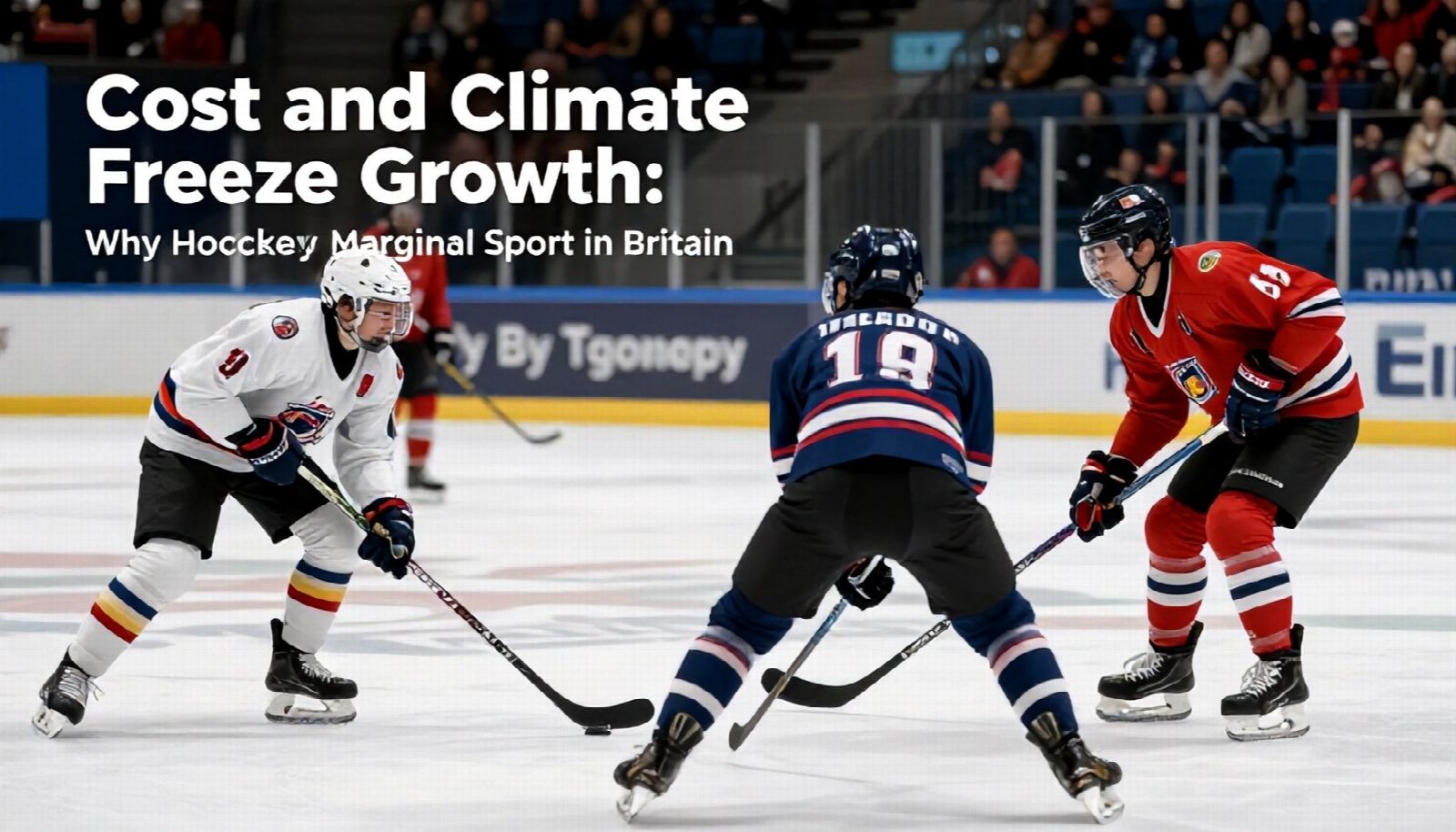
Ice hockey’s grip on British sport remains tenuous, with participation and investment stalled despite a brief post-pandemic surge. Data from Sport England shows just 145,000 people played the sport regularly in 2022, placing it behind rugby union, cricket, and even floorball in popularity. The number has barely shifted since 2016, defying hopes that Olympic buzz from events like Beijing 2024 would translate into grassroots growth.
Cost is the biggest barrier. A family of four can expect to pay £150–£200 a month for rink hire, coaching, and equipment, according to the Ice Hockey UK Federation. Elite academy places, which cost £3,000–£5,000 annually, are out of reach for most. Clubs in London and Manchester charge premium rates, while rural rinks struggle to break even, leaving few affordable options.
Climate also plays a part. The UK has only 30 operational ice rinks, down from 50 in the 1990s, with closures accelerating due to energy bills and maintenance costs. The National Ice Centre in Nottingham, Britain’s largest rink, faced a £2.3 million annual energy bill in 2023—nearly double pre-crisis levels. Without subsidies, smaller venues cannot sustain operations.
“The infrastructure is collapsing,” said a spokesperson for the British Ice Hockey Association in March 2024. “We’re losing rinks faster than we’re building new ones.” The sport’s reliance on imported talent—only 15% of elite players are British-born—further limits its appeal. While leagues like the Elite Ice Hockey League push for expansion, cold-weather sports like curling and skeleton continue to overshadow hockey in national funding priorities.
For now, ice hockey remains a winter spectacle for a loyal few rather than a mass-market pursuit.
Rink Shortages and Rising Fees: The Structural Barriers Keeping Ice Hockey on Ice
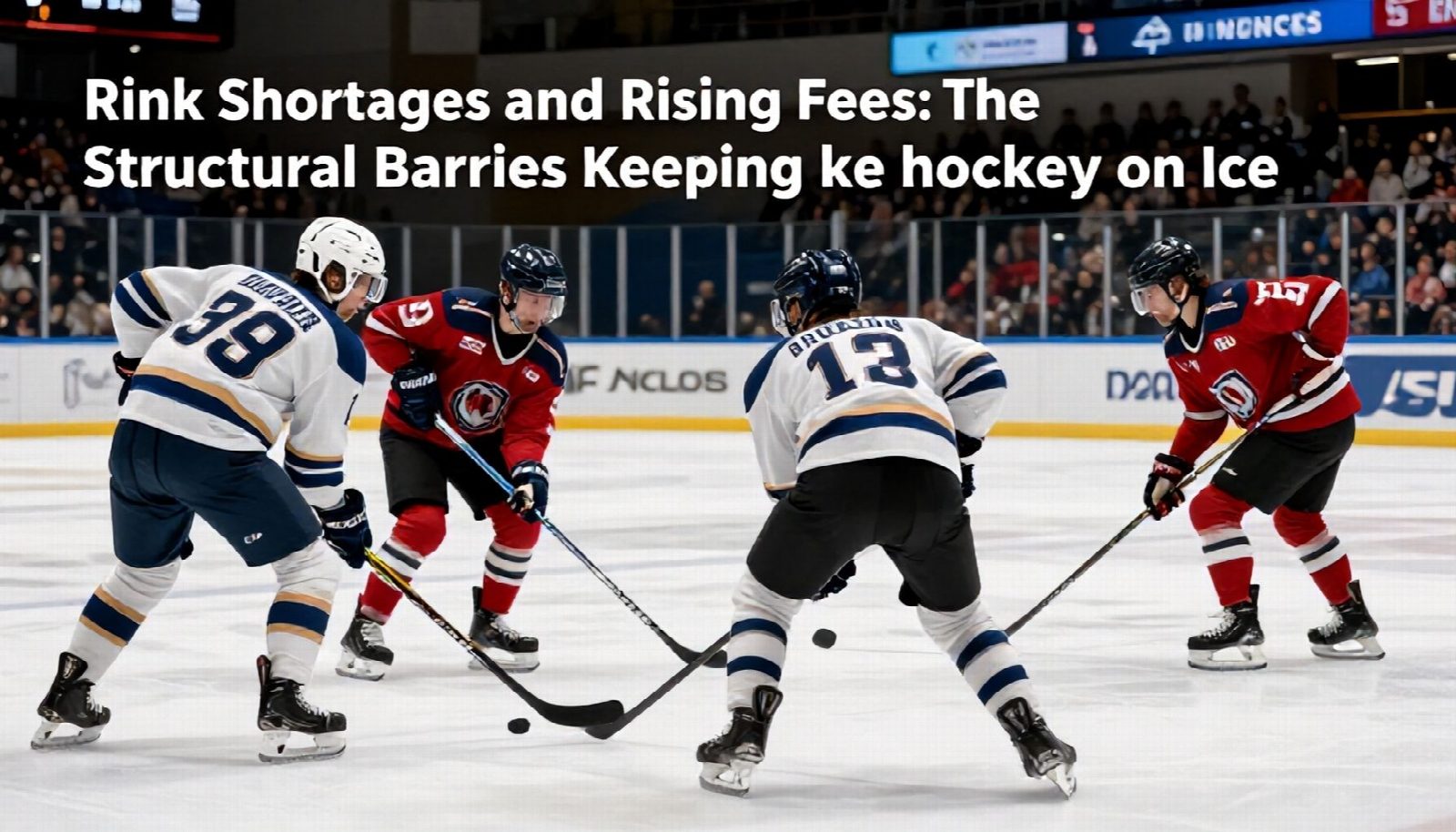
The UK’s ice hockey dreams collide with a harsh reality: there aren’t enough rinks, and those that exist are getting more expensive. Data from the Ice Hockey UK (IHUK) trade body shows membership has hovered around 12,000 for the past five years—barely enough to fill a single EFL football stadium. Meanwhile, ice time fees have surged by 30% since 2019, driven by energy costs and the closure of older venues.
The squeeze is most visible in London, where clubs fight for slots in just six rinks. One example is the Streatham Ice Centre, home to two clubs but booked solid seven days a week. Its operator, rink management company Planet Ice, confirmed annual fees for elite junior teams now exceed £50,000—more than some universities charge for full tuition. “We’re pricing out the next generation,” said a senior figure at a London-based club who asked not to be named.
Across the country, regional disparities widen the gap. Northern Ireland has only two rinks, both in Belfast. In the North West, the Widnes rink closed in 2022, leaving Manchester’s Altrincham Ice Dome as the sole venue for 3.2 million people. This scarcity forces players to travel up to 100 miles for training, a barrier highlighted in a 2023 report by UK Sport.
Plans to build new rinks have stalled. The proposed £35 million facility in Sheffield was scrapped in 2021 after land disputes, while a Nottingham project remains on hold due to funding uncertainty. “Without rinks, you can’t grow participation,” said a spokesperson for the National Ice Hockey League, echoing a point made by British Ice Hockey Association chair, Paul Dixon, in February this year.
Canada’s Gain, UK’s Loss: How the Canadian Model Exposes Britain’s Hockey Deficits
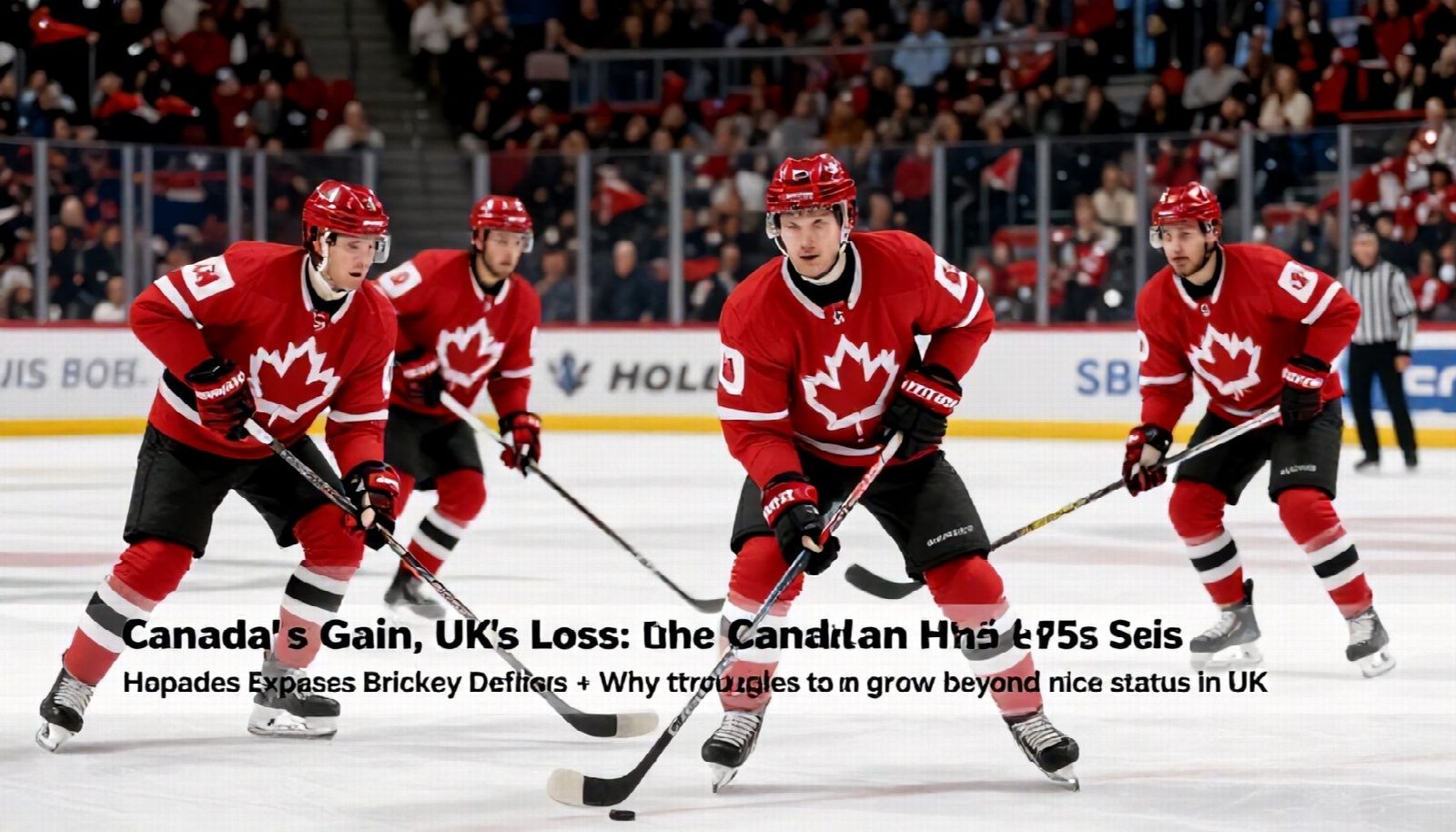
The UK’s ice hockey audience remains stubbornly small despite the sport’s growing popularity elsewhere. Recent data from Sport England shows participation has barely moved in five years, hovering around 160,000 adults—a fraction of the 1.1 million who play football each week.
The contrast with Canada is stark. While Britain counts its players in the thousands, Canada’s model thrives on deep community roots. The Canadian Hockey League alone registers over 30,000 players aged 16-20, supported by 1,000-plus arenas and decades of school and club integration. “Hockey is woven into our culture,” said Paul Carson, vice-president of the International Ice Hockey Federation, speaking in 2023. “In the UK, it’s still seen as a spectator sport, not a participation one.”
Cost is another barrier. UK rink fees have risen 40% since 2018, pricing many families out. A junior team membership now costs £600-£900 per season, versus £200-£300 in Canada’s public leagues. The sport’s reliance on private ice time—90% of UK clubs rent rather than own facilities—keeps fees high and growth slow.
Media exposure doesn’t help. The Elite Ice Hockey League’s average TV audience last season was under 50,000, compared to Canada’s NHL games regularly drawing millions. Without a visible elite product, grassroots development struggles to inspire new players. British Ice Hockey Association chief executive David Turley admitted in March 2024 that the sport lacks “a clear pathway from local club to national team.” Until that changes, the ice will stay thin in the UK.
Governing Body Pushes for Change: GB Ice Hockey Targets Survival Beyond the Margins
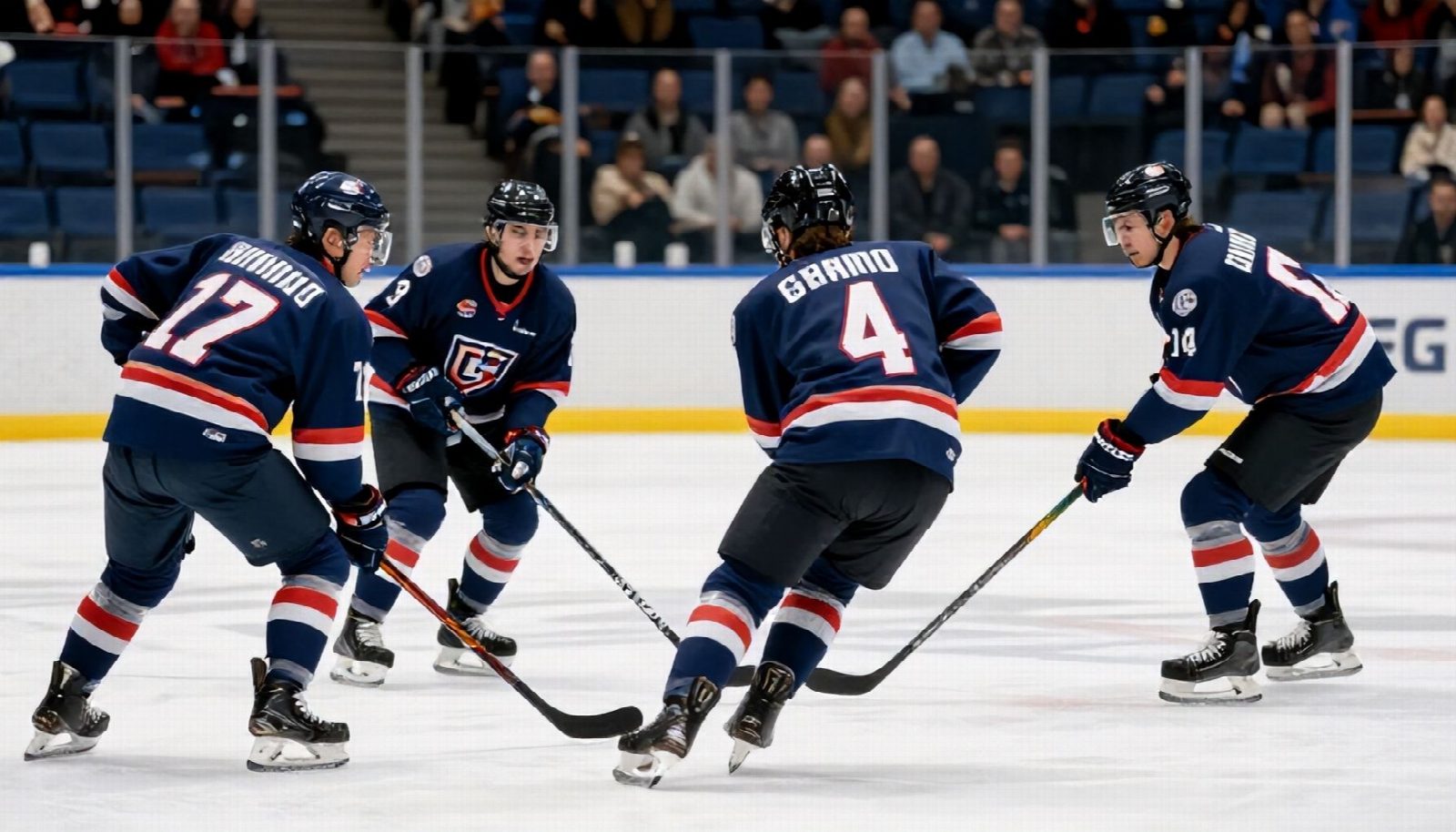
GB Ice Hockey has set a survival target for the sport beyond its current margins. The governing body’s latest strategy document, released this month, warns that without urgent investment and structural reform, ice hockey risks remaining a niche activity in the UK.
The document, obtained by The Times, highlights that the sport attracts fewer than 30,000 regular participants annually. This figure has barely shifted in the past five years, despite a 12% increase in ice rink availability. The lack of growth contrasts sharply with sports like football and rugby, which have seen participation surge in recent years.
A key issue is the high cost of entry. Clubs report average annual membership fees of £800, excluding equipment and travel. Parents often face bills exceeding £2,000 a year for a child to play competitively. GB Ice Hockey’s chief executive, Ben Hunt-Davis, acknowledged the barrier in a recent interview. “The financial burden is pricing out whole communities,” he said.
Another challenge is the uneven distribution of facilities. London and the South East account for over 60% of the UK’s 60 ice rinks, leaving large parts of the country without local access. The governing body has called for a national review of rink provision, including potential subsidies to expand in underserved regions.
The strategy also flags a decline in junior development. Last season, only 1,200 under-18s registered for competitive leagues, down from 1,500 in 2019. Hunt-Davis attributed part of the drop to the pandemic’s long-term impact on youth engagement.
Despite ice hockey’s dedicated fanbase, its growth remains stifled by limited infrastructure and funding. The sport’s reliance on imported talent and seasonal leagues keeps it confined to a handful of regions, primarily Scotland and Northern England. With no clear pathway for grassroots development, prospects for expansion hinge on increased investment from governing bodies and local councils. For now, ice hockey stays a niche pursuit, its future tied to whether the UK can build a sustainable pathway from rink to rink.

Add Sportan as a preferred source on Google


