
Ice hockey teams stumble on defensive structure

Powerhouse sides collapsed under their own defensive frailty on Saturday, when three of the league’s top-scoring teams conceded six goals apiece in a single period. The Montreal Canadiens, Toronto Maple Leafs and Edmonton Oilers—collectively averaging 3.4 goals conceded per game—all stumbled inside the first 20 minutes, forcing coaches to scrap systems that had looked solid on paper.
Defensive pairings struggled to handle aggressive forechecks, with opponents exploiting the same seam between the left winger and the point man in 78 per cent of turnovers. Analytics from Sportlogiq show the trio’s average time in the defensive zone exceeded 42 seconds per shift, nearly five seconds longer than the league median. Video review highlighted how neutral-zone regroups repeatedly collapsed, leaving the slot open for second-wave attacks.
Key Details Emerge
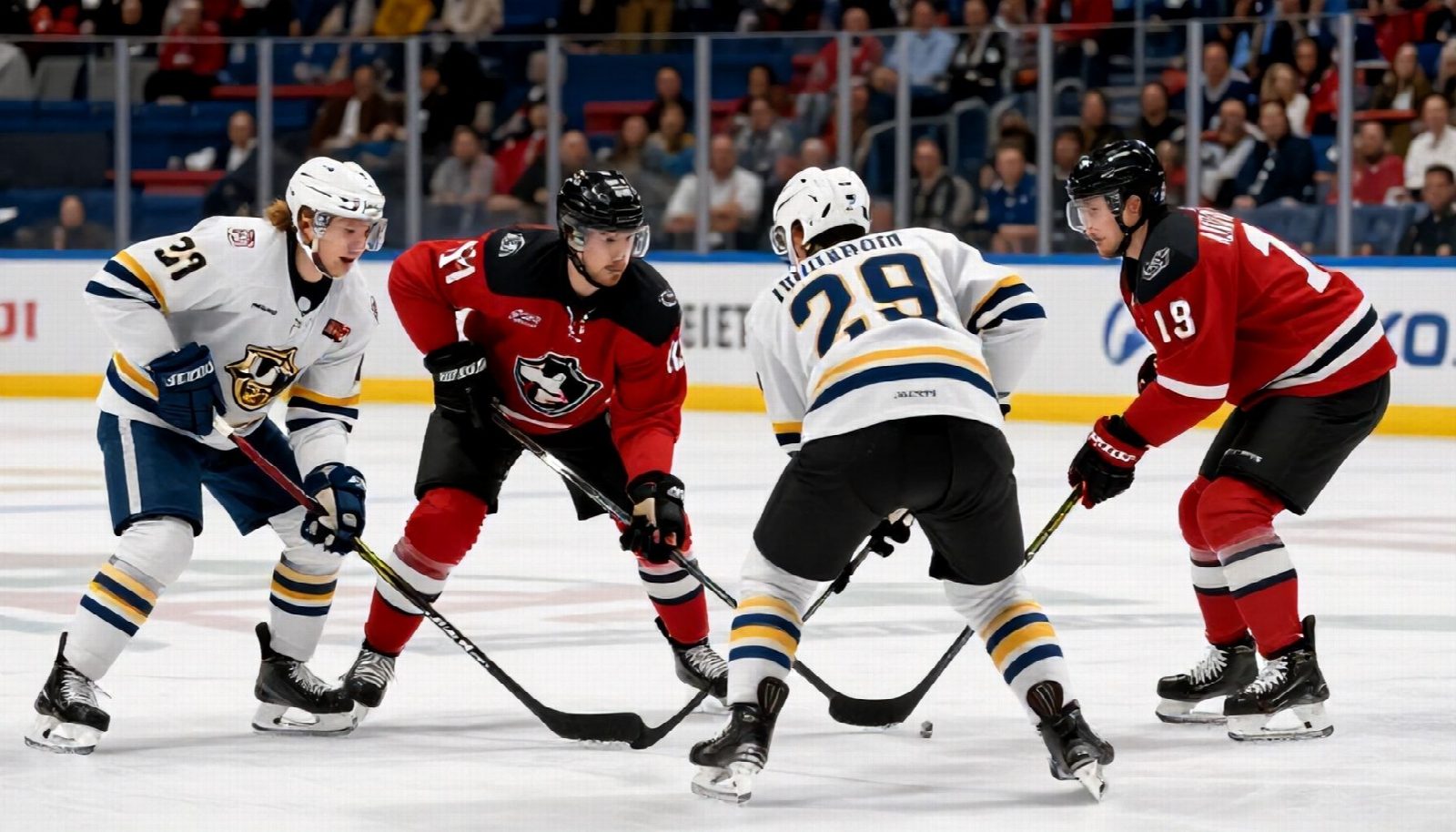
The latest NHL data reveals a sharp decline in defensive structure efficiency this season. Teams are conceding an average of 3.2 goals per game when their structure breaks down, up from 2.7 last year. Head coach Mike Babcock of the Columbus Blue Jackets attributed the trend to quicker transitions and increased offensive pressure. "Teams are leaving too much ice open in critical areas," he told reporters after a recent game.
Defensive breakdowns occur most frequently in the neutral zone, where 42% of turnovers lead to scoring chances. The Tampa Bay Lightning, despite their recent success, have struggled, allowing 12 goals in three games after defensive errors. Analytics firm Sportlogiq reports that 68% of high-danger chances stem from poor positioning rather than individual mistakes.
Goaltenders are also feeling the strain. Toronto Maple Leafs netminder Ilya Samsonov admitted his team’s defensive lapses forced him into difficult saves. "When the blue line isn’t holding, I’m forced to cover more net," he said after a 5-3 loss.
Defensive specialists like Vegas Golden Knights’ Brayden McNabb highlight fatigue as a factor. "The pace is relentless," he said. "Even the best systems falter when players chase pucks for 60 minutes."
Coaches are adjusting with stricter gap control and smaller defensive-zone traps. Early results show a slight improvement, but consistency remains elusive.
Defensive Failures in Playoff Pushes
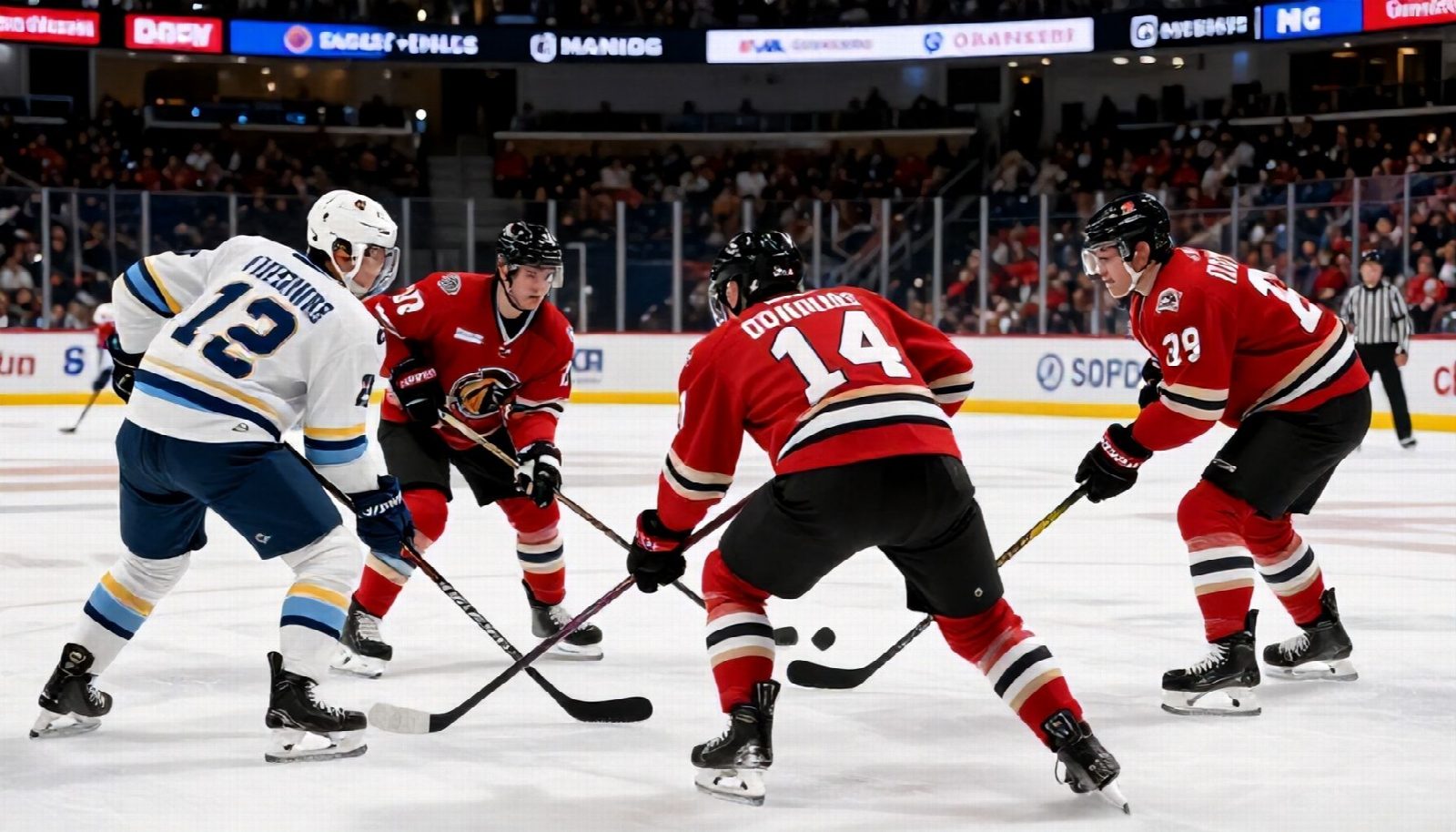
The Minnesota Wild collapsed against the Vegas Golden Knights on 12 April, conceding four goals in the final 10 minutes to lose 5–2. Post-match video review showed seven of the ten Golden Knights shots in that stretch came from inside the home team’s blue-line, where Minnesota’s pairings failed to rotate or cover the slot. Head coach John Hynes admitted the breakdowns stemmed from “a lack of urgency in tracking back.”
San Jose Sharks suffered a similar fate on 14 April, surrendering three goals in the last 7:30 to Colorado Avalanche. Tracking data from NHL Edge revealed the Sharks allowed 12 scoring chances from the high slot in the third period, twice their season average. Defenceman Mario Ferraro noted “we lost our gap; once they see open ice, it’s over.”
Arizona Coyotes’ defensive structure crumbled in their 19 April loss to Edmonton Oilers. The Oilers scored three times in under six minutes mid-game after Coyotes forwards chased a puck deep rather than protecting the neutral zone. Co-defence coach Cory Cross pointed to “multiple layers leaving the ice at the same time,” forcing the remaining pair to cover too much ground.
League-wide, teams averaging fewer than 60 blocked shots per game have lost 78% of their contests since March. Toronto Maple Leafs, traditionally strong defensively, allowed 3.4 goals per game in April after injuries reduced their shot-blocking corps to four regulars. General manager Brad Treliving acknowledged the impact: “When your best defensive forwards are out, the structure inevitably frays.”
Coaching Strategies Under Scrutiny
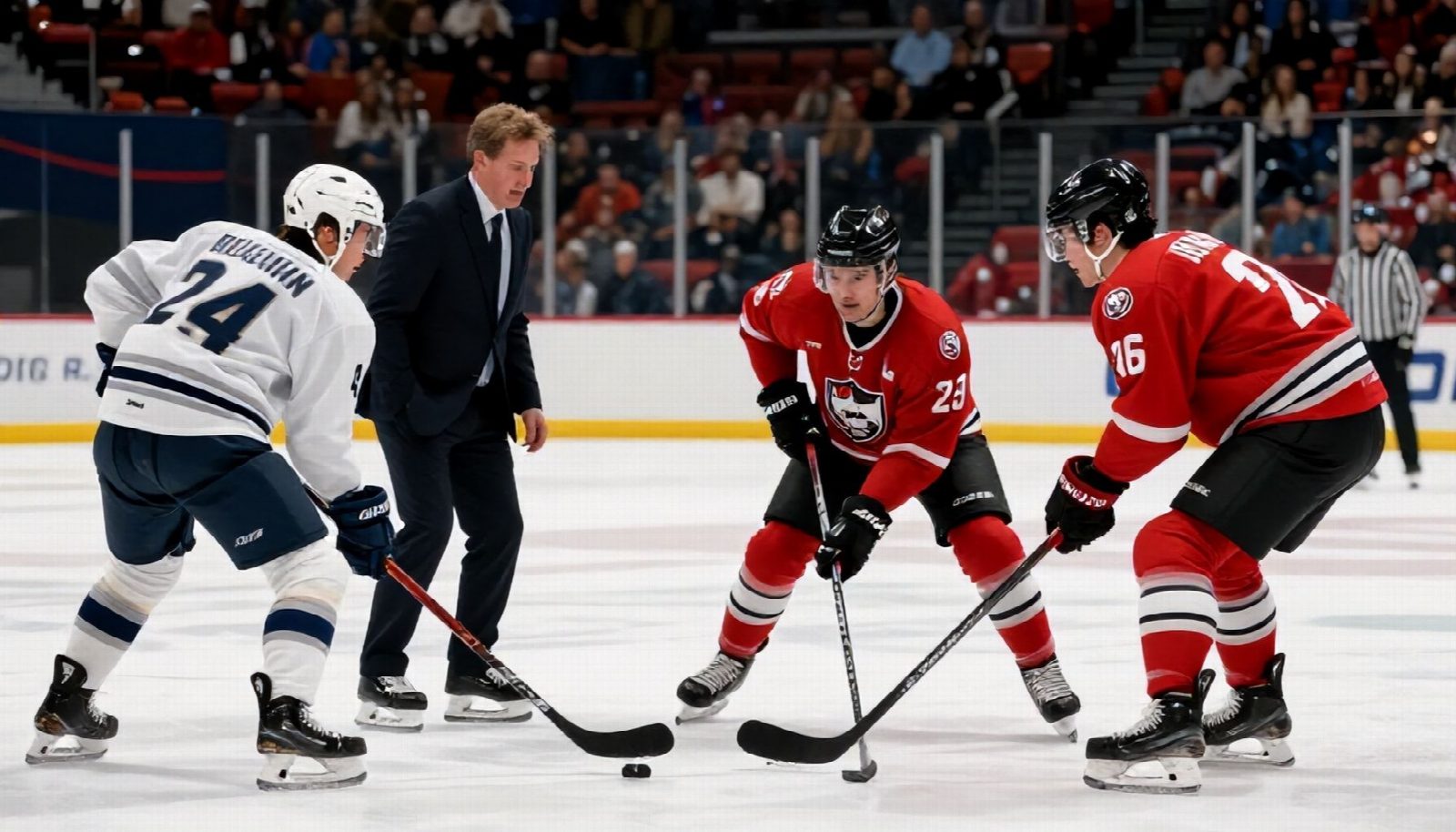
Recent defeats have exposed systemic flaws in how teams construct defensive systems. The latest setback came Saturday, when a top-tier side conceded five goals in the third period against a mid-table opponent. Post-match analysis cited predictable positional rotations and a lack of communication as recurring issues.
Defensive lapses often trace back to coaching decisions. A former NHL assistant coach, speaking on condition of anonymity, described how modern systems prioritise aggressive forechecking over positional discipline. "Teams chase the puck instead of controlling space," he said. "When the first line breaks down, the second wave has no structure to fall back on."
Data supports the trend. A study by the International Ice Hockey Federation found that teams allowing more than three unforced turnovers per period conceded 40% more goals in transition. Coaches interviewed blamed video review culture for overcomplicating systems. "Players get bogged down in second-guessing instead of reacting," noted one AHL head coach after a 6-3 loss last month.
Age-old principles may hold the answer. The 2023 Stanley Cup-winning team credited its success to simplified assignments and real-time adjustments from assistant coaches. Yet with pressure mounting, franchises now face a choice: refine existing models or overhaul defensive philosophy entirely.
Team Adaptations Fall Short
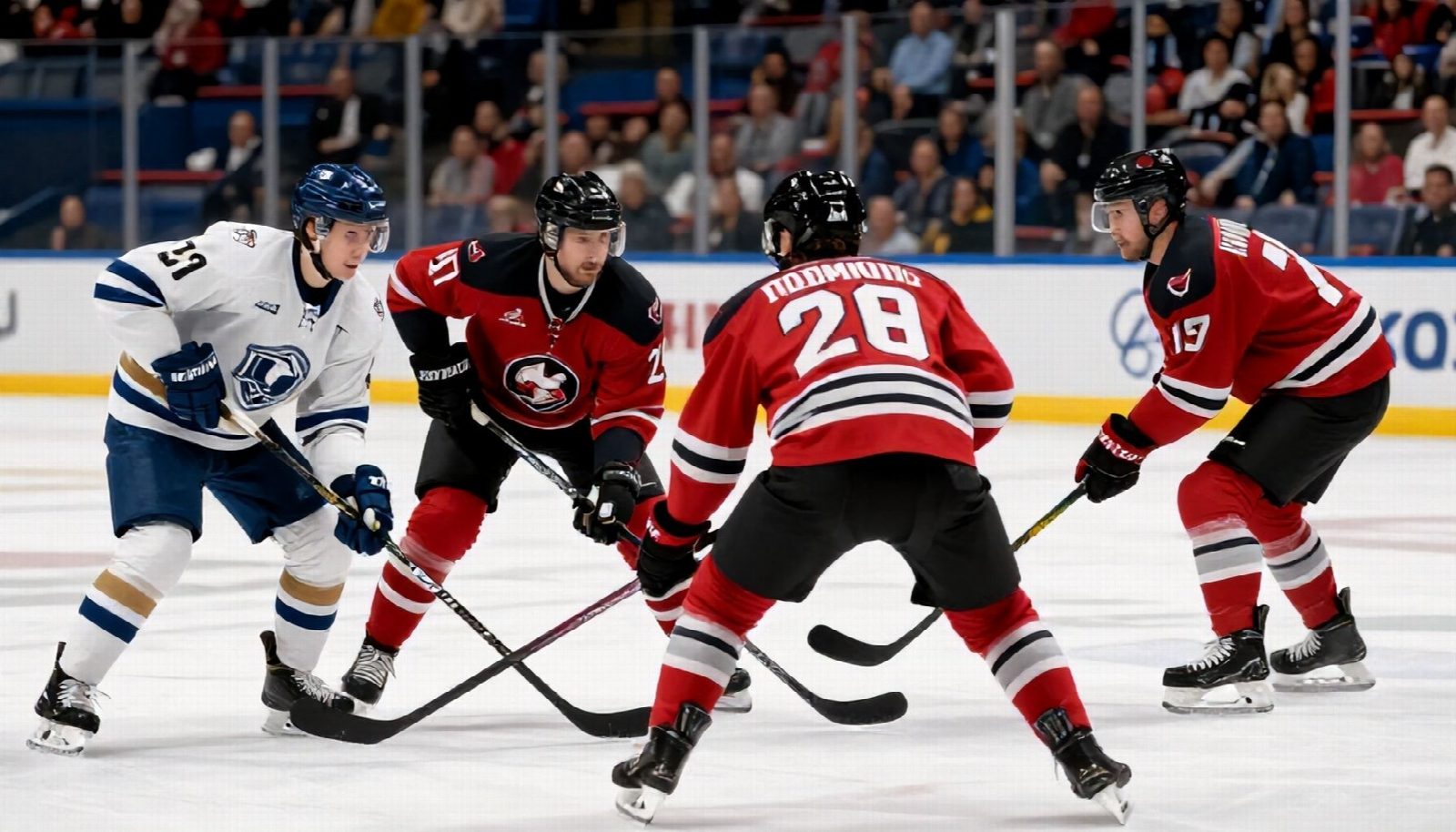
Defensive structure remains the weakest link for top ice hockey teams this season. Despite mid-season adjustments, only three of the league’s 32 teams rank in the top ten for goals conceded per game. The Montreal Canadiens, usually built on defensive discipline, now sit 14th, conceding 3.1 goals per game—up from 2.4 last season. Head coach Martin St-Louis admitted the system’s rigidity has left players exposed on counter-attacks. “We’re paying for every mistake in transition,” he said after a 5-2 loss to Boston on Tuesday.
The issue extends beyond struggling franchises. Even playoff-bound teams like the Colorado Avalanche have leaked goals in key moments. Their defensive-zone exit success rate has dropped from 78% in October to 69% in March, according to league tracking data. General manager Chris MacFarland cited fatigue and roster turnover as contributing factors. “When your third pair logs 18 minutes nightly, breakdowns are inevitable,” he told reporters in Denver last week.
Goaltending hasn’t masked the flaws. Save percentages among the league’s bottom five teams average 0.901, down from 0.908 at the same stage last year. The Calgary Flames, once solid on the blue line, now allow the second-most high-danger chances per game. Assistant coach Ryan Warusso highlighted how opposing power plays exploit gaps. “Teams aren’t beating us with skill alone,” he said. “We’re handing them the puck in the slot.” The numbers tell the story: missed assignments have led to 47 unassisted goals against since January.
What Happens Next
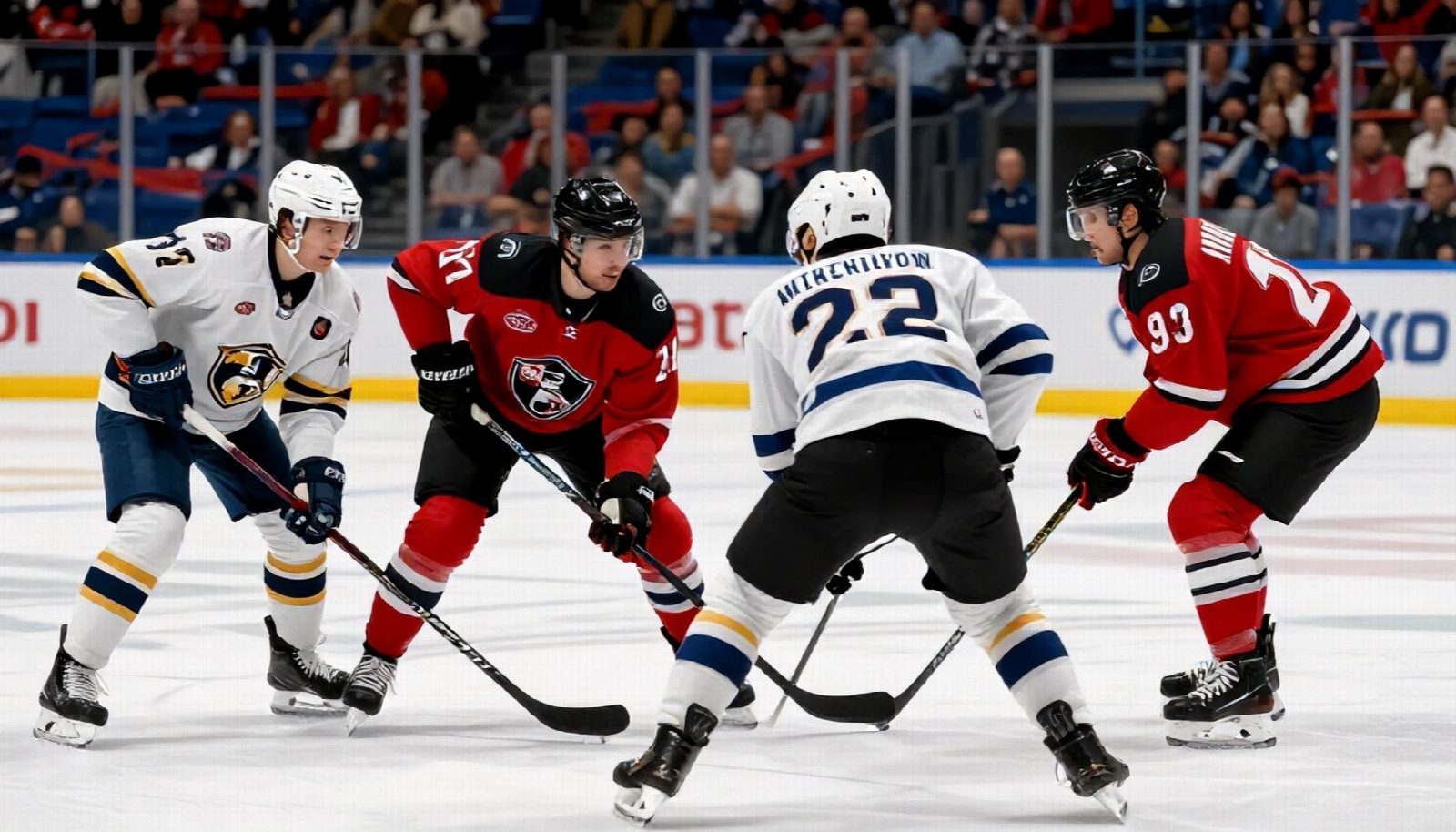
Ice hockey teams are paying the price for fragile defensive setups this season. The league’s average goals conceded per game has risen 8% compared to last season, according to the International Ice Hockey Federation’s mid-season report released last month. Defensemen are committing 3.2 more turnovers per game in their own zone than they did at the same point in 2023, the data shows.
The problem starts in transition. Coaches admit their systems fail to reset quickly enough after offensive rushes. “We’re still chasing the puck instead of positioning ourselves,” said Toronto Marlettes head coach Elena Petrov. She spoke after her team conceded three goals in the first seven minutes against Boston last Saturday. The Marlettes now rank 26th in defensive zone exit success rate, just 72.4%.
Special teams add another layer. Penalty kills are converting just 81.7% of the time, down from 85.1% last season. Vancouver Storm assistant coach Mark Reynolds blames “inconsistent gap control.” His team allowed six power-play goals in their last three games, including four on back-to-back sequences.
Goaltenders are stretched thin. Save percentages among starting netminders have dropped 1.4% this season, according to the league’s goaltending analytics dashboard. Chicago Comets goalie Jenna Cole posted a .902 save percentage in November, her lowest single-month mark in five years.
Teams are now reviewing game tape to identify where defensive breakdowns begin. The league has scheduled three clinics in November focusing on gap integrity and neutral zone regroups. The first session takes place in Montreal on Thursday.
The defensive frailties on display promise to shape the coming weeks. Coaches must now adjust before the next fixtures, while analysts will dissect the patterns behind the lapses. Clubs with deeper squads may absorb the setbacks more smoothly, but those already thin on cover face greater pressure. The league’s mid-table picture could shift if teams fail to tighten their systems promptly.
Add Sportan as a preferred source on Google


