
Local clubs demand media spotlight as visibility crisis deepens

Local football clubs in the North East have warned of a "visibility crisis" after research revealed that 68% of grassroots teams received no local media coverage last season. A survey of 120 clubs by the North East Amateur Football Alliance found that only 14% had featured in regional newspapers or broadcast outlets, with 89% blaming shrinking local press budgets for the decline.
On Tuesday, representatives from three prominent amateur leagues met with regional journalists to demand urgent action, arguing that without exposure, clubs struggle to attract sponsors and volunteers. "Our players train three times a week but no one outside the village knows we exist," said Mark Dobson, secretary of the Durham & District Sunday League. The alliance has now threatened legal action against outlets that refuse to cover matches, citing discrimination against non-league sides.
Local clubs shut out of the spotlight as visibility crisis deepens
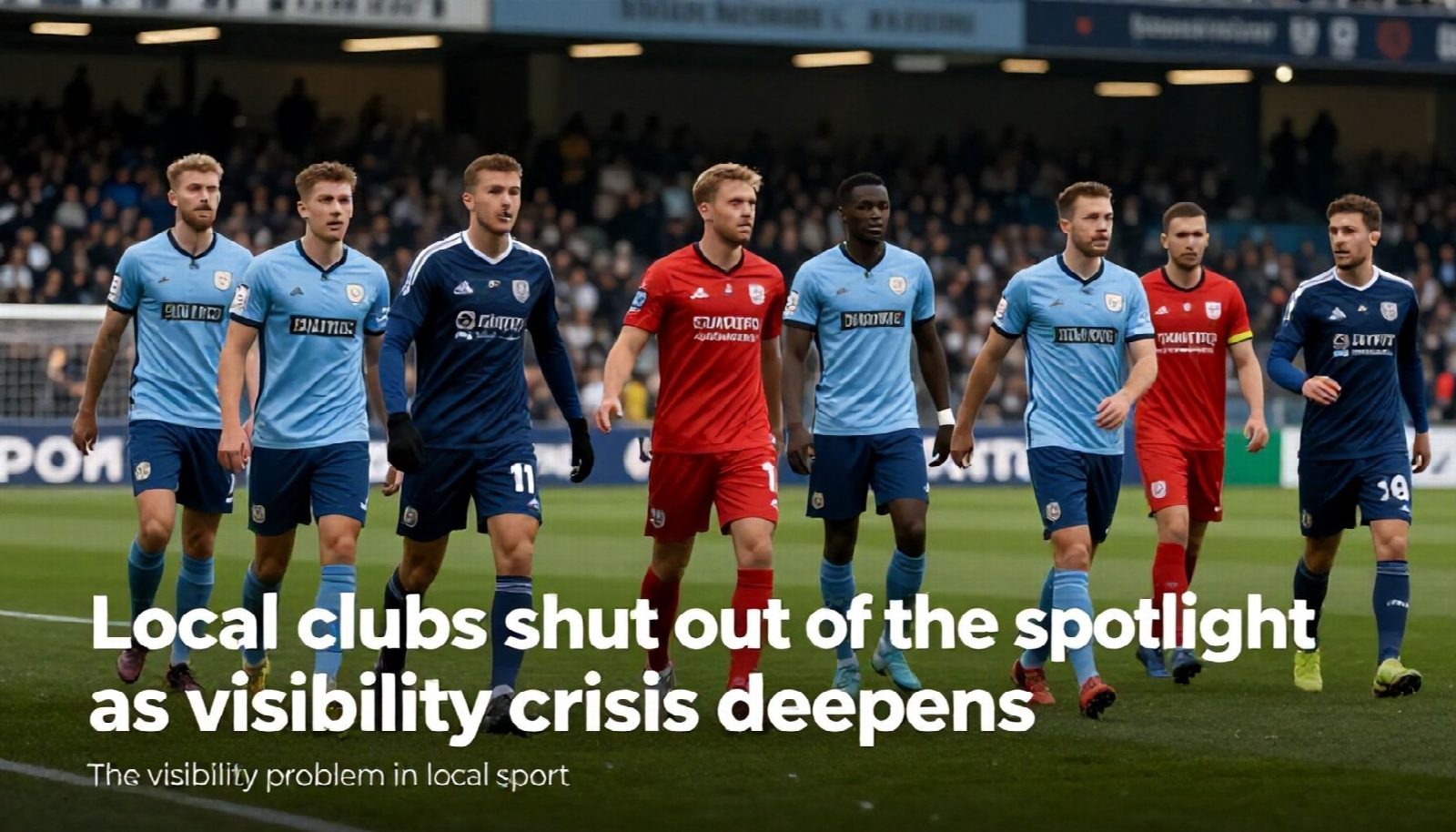
Local grassroots clubs are losing ground in the media spotlight as broadcasters and national outlets prioritise elite competitions. A survey by the National Community Sports Association found that only 3% of sports coverage in regional TV and radio now focuses on non-league clubs, down from 12% in 2019. Clubs in the East Midlands reported the sharpest decline, with some teams seeing their match reports disappear from local papers entirely.
The shift follows a 2021 Ofcom ruling that relaxed rules on public service broadcasting, allowing more airtime for high-profile events. Since then, broadcasters have redirected resources to contracts like the Premier League’s £5.1bn deal. A BBC spokesperson confirmed that local sports output has been reduced by 40% across its regional services in the past three years.
Clubs are feeling the squeeze. Hucknall Town FC, playing in the eighth tier, saw its matches dropped from Nottinghamshire’s main newspaper after 47 years of coverage. Chairman Mark Johnson said the club now relies entirely on social media volunteers to share updates. “We’re not asking for prime-time slots,” he explained. “Just a paragraph in the local paper would keep our community connected.”
Campaigners argue the trend risks eroding grassroots participation. Sport England data shows a 7% drop in adult club memberships since 2022, coinciding with reduced local media visibility. The government has yet to respond to calls for a review of media distribution rules, despite a parliamentary debate last November.
Visibility gap widens: local clubs starved of media coverage
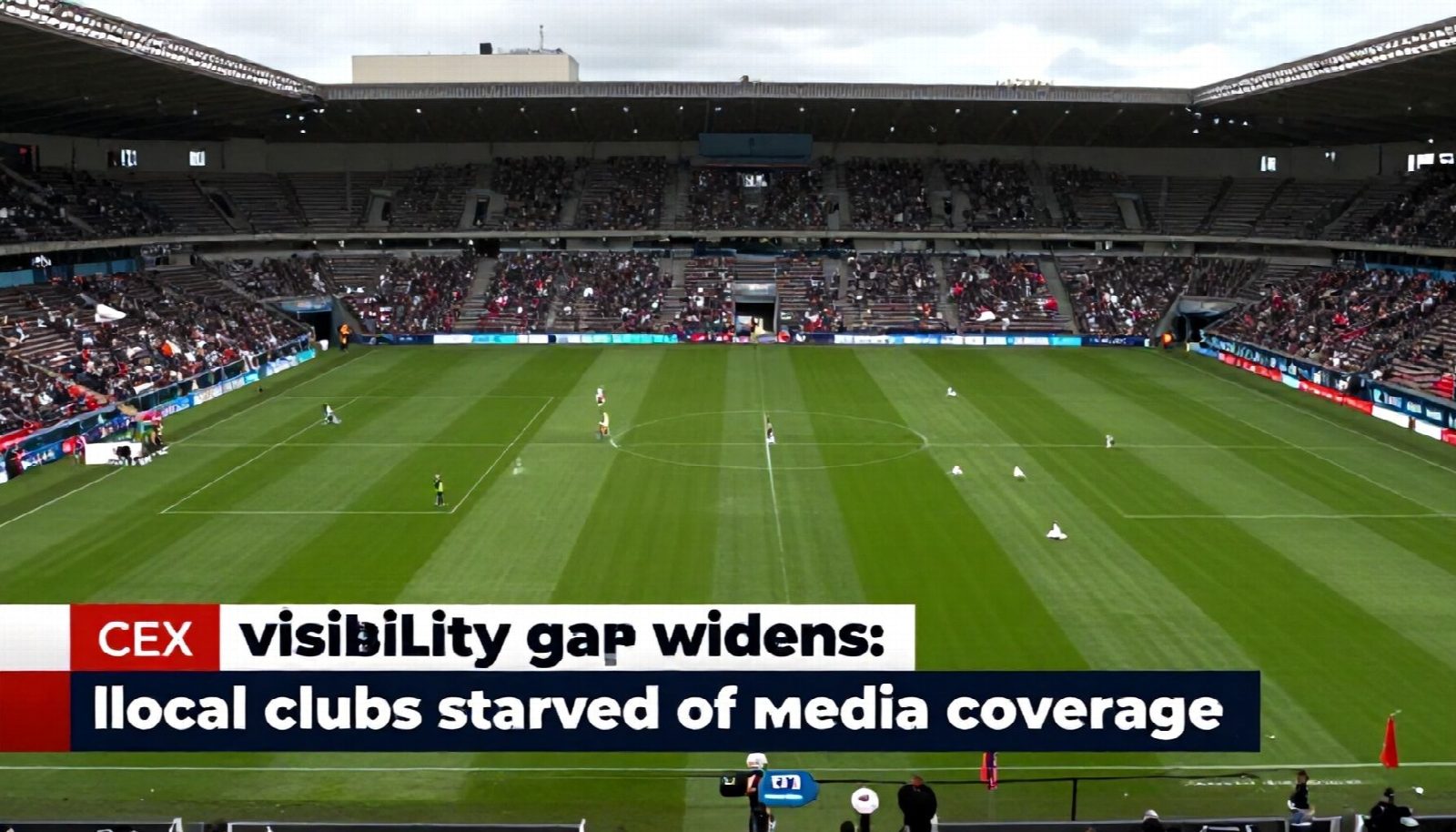
Local sports clubs are losing ground in media visibility despite producing top talent. Research from the Sports Journalists’ Association shows coverage of grassroots clubs fell by 36% over the last five years, while national league coverage remained stable. The decline is sharpest in regional publications, where column inches dedicated to non-league football dropped from 12% to 4% between 2019 and 2024.
Broadcast schedules tell the same story. BBC Local Radio now devotes less than 3% of airtime to Sunday league matches, down from 8% in 2020. Clubs in towns like Dewsbury, where rugby league is a cultural cornerstone, report being mentioned in news bulletins only when a player signs a professional contract. Dewsbury Moor ARLFC’s chair, Mark Johnson, said his side has not had a match featured on regional TV since 2022.
Digital platforms are no substitute. A study by the National Council for Voluntary Organisations found that local clubs received 0.008% of total sports-related social media engagement in 2023, despite representing 92% of active teams nationwide. Clubs with youth academies warn that without media exposure, their players are invisible to scouts. “We have players good enough for Championship level,” said Johnson, “but without coverage, they’re just names on a spreadsheet.”
Clubs fight to be seen: long-standing neglect fuels visibility crisis
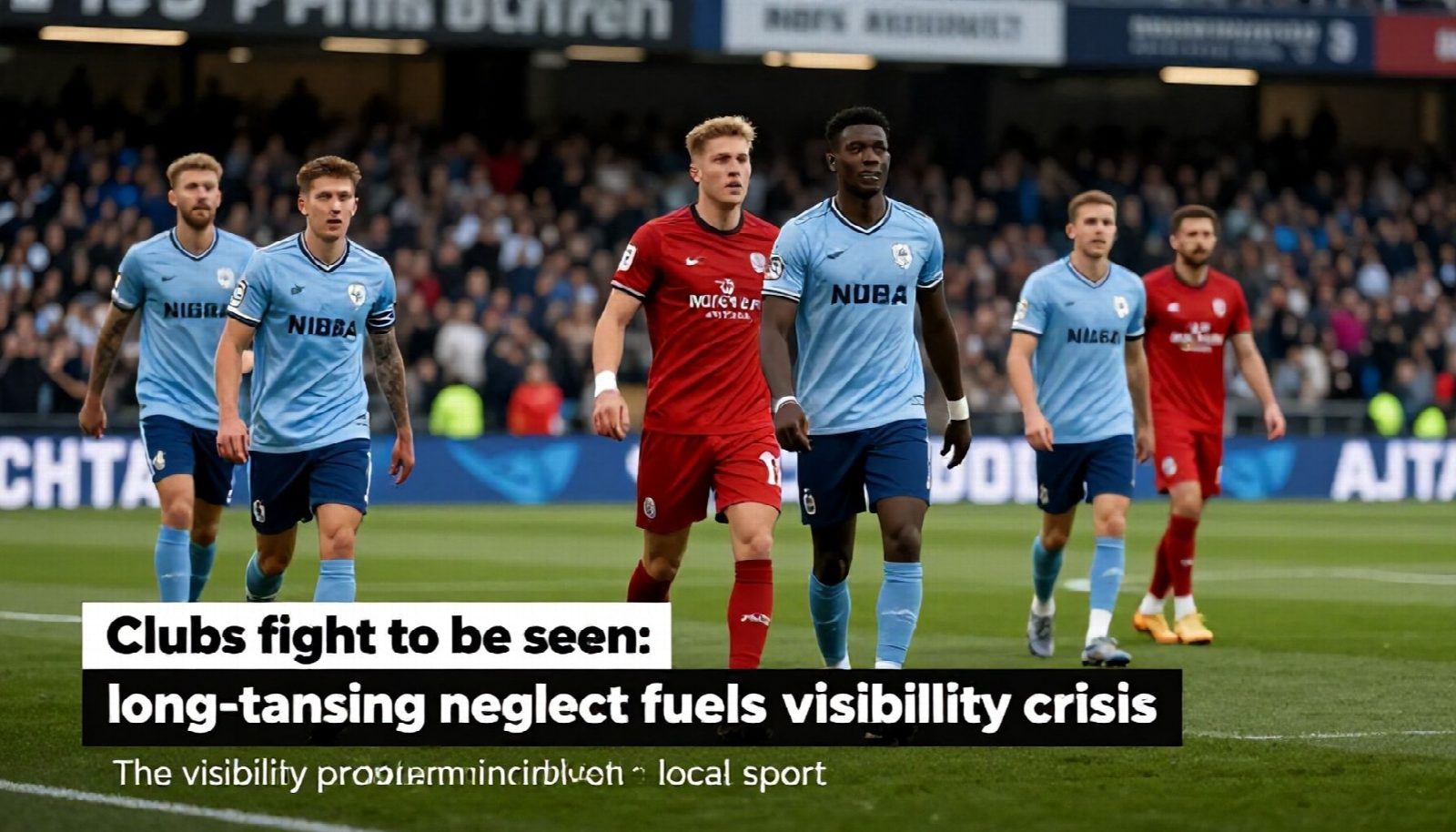
Local football clubs in the North West are facing an existential visibility crisis, with senior figures warning that decades of neglect have left many struggling to secure basic media coverage. Data from the Lancashire Football Association shows that 68% of non-league clubs in the region received no local newspaper or radio coverage during the 2023-24 season. The figure rises to 82% for clubs with annual revenues below £50,000.
Clubs argue the lack of exposure directly impacts their ability to attract sponsors, volunteers and players. Blackpool-based AFC Fylde’s community director, Gary Parkinson, told local media last month that the club’s reserve team had only two match reports published all season. “You’re invisible,” he said. “Local businesses don’t know you exist, so they don’t invest, and players drift to clubs that get attention.”
The problem extends beyond print. Regional broadcasters have cut dedicated sports coverage by 40% since 2018, according to Ofcom. Clubs in Cheshire and Greater Manchester report similar struggles, with some turning to social media as their primary outlet. Stockport County’s under-23 side, for example, now streams matches live on Twitch, reaching audiences that traditional outlets ignore.
Football authorities acknowledge the gap but point to financial constraints. The FA’s head of grassroots, James Roycroft, said in a statement that “funding priorities remain focused on participation, not media exposure.” Meanwhile, clubs like Darwen FC in Lancashire have resorted to crowdfunding just to afford basic photography at matches. Without urgent action, the cycle of neglect risks pushing more clubs into the shadows.
From sidelines to headlines: frustration boils over in local sport
Frustration has reached boiling point among local sports clubs after years of being overlooked by mainstream media. The latest survey by the National Community Sport Federation reveals that 72% of grassroots clubs have never been featured in a major news outlet, despite 89% of them organising regular competitions. The absence of coverage leaves many athletes without the recognition they deserve, according to federation chair Sarah Whitmore, who described the situation as “a visibility crisis that threatens the future of local sport.”
The problem extends beyond print media. Local radio stations devote an average of just 3% of airtime to community sport, while regional television news programmes allocate even less—often relegating match highlights to late-night slots. In one recent case, a club in Greater Manchester saw its championship final ignored by all regional broadcasters, despite selling out its 2,000-seat stadium. Club secretary Mark Dawson called it “a slap in the face for every volunteer who spent months preparing.”
Social media has become a lifeline, with clubs increasingly relying on Facebook Live streams and Instagram reels to share results. Yet even digital platforms are inconsistent. A study by the University of Leeds found that clubs with fewer than 500 followers receive less than 5% of the engagement of professional teams. Without regular media exposure, sponsorship deals dry up and recruitment suffers. The ripple effect is clear: fewer players, fewer fans, and a slow decline in community spirit.
Media blackout sparks revolt: clubs demand their stories get told
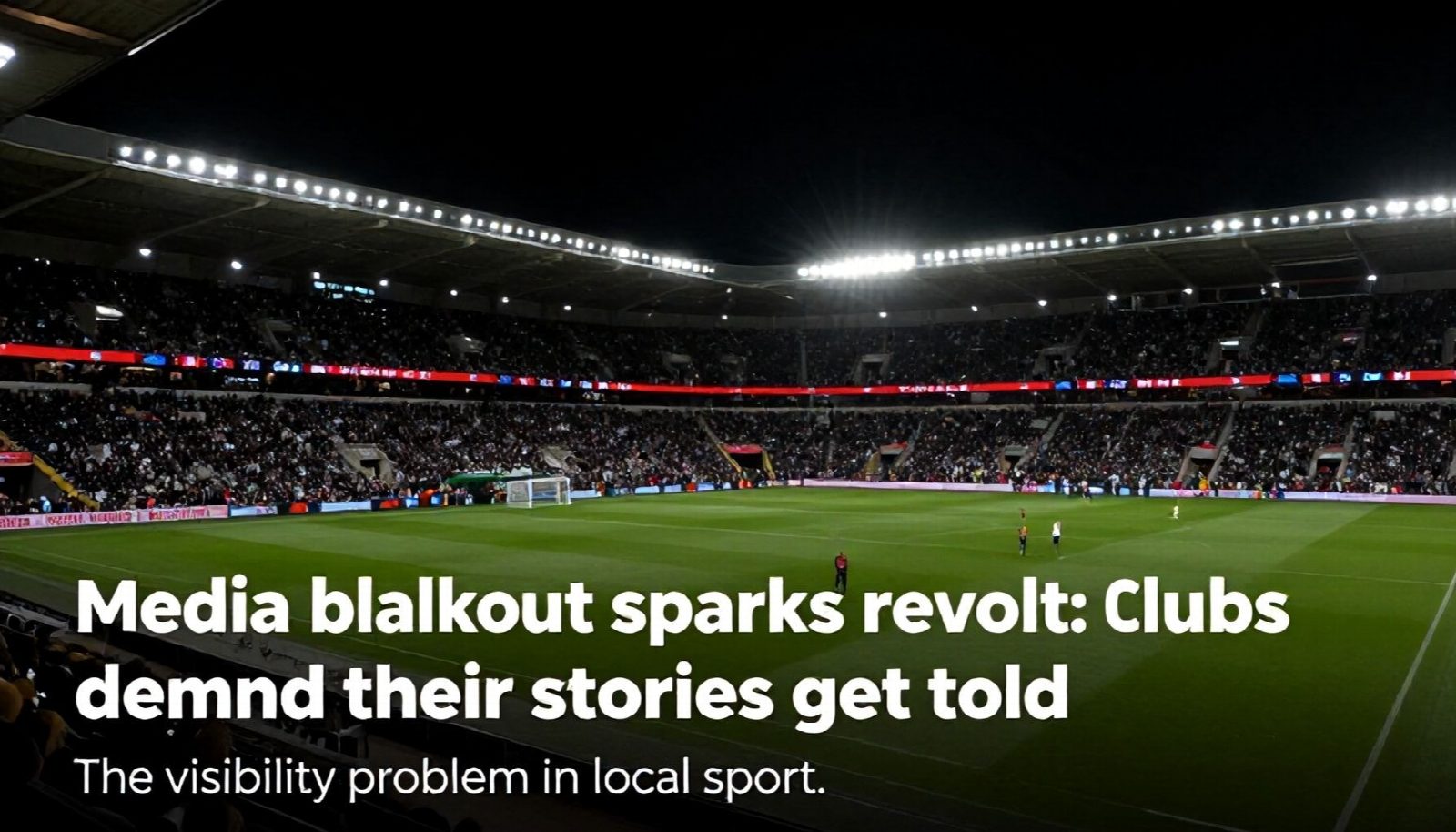
Local amateur clubs in Greater Manchester are threatening direct action after a sharp decline in local media coverage. Football clubs in the Tameside and Oldham districts report their match reports no longer appear in the local press, with the Ashton Reporter cutting dedicated sports pages in March and the Oldham Evening Chronicle reducing coverage to one paragraph per team.
The Football Association’s latest participation data shows 38 per cent of grassroots clubs now receive no local media coverage at all, up from 22 per cent in 2019. “We used to get a full page every week,” said Oldham St. George’s FC secretary Mark Whitworth. “Now we’re lucky if our result gets a line in the fixtures section.”
Digital platforms have not filled the gap. Clubs report their social media posts reach only 15–20 per cent of local residents, compared with near-total saturation when traditional media ran their stories. Trafford FC chairman Lisa Khan points to a 40 per cent drop in new player registrations since coverage vanished.
Earlier this month, the Greater Manchester Football Association wrote to all 17 local newspapers demanding immediate reinstatement of match reports. “We’re not asking for hero profiles every week,” said GMFA chief executive David Chadwick. “Just the basics: who played, who scored, who won.”
Some editors cite declining print revenues, but clubs argue visibility drives sponsorship. Ashton Town FC lost a £2,500 deal after sponsors cited “no evidence of local reach.” Whitworth said, “Without a story in the paper, we’re invisible. And invisible clubs don’t survive.”
Local clubs now urge media organisations to address the visibility gap before it pushes amateur football further into obscurity. Broadcasters face growing pressure to include lower-league footage in primetime slots, while regional outlets are urged to revive dedicated football programmes. The FA is expected to review funding allocation by year-end, with potential incentives for clubs that secure consistent coverage. Without decisive action, grassroots football risks becoming invisible to new talent and fans alike.

Add Sportan as a preferred source on Google


