
NHL players sidelined by muscle training gaps

NHL players are missing valuable weeks of training due to inconsistent strength programmes, with as many as 42% of players reporting muscle-related absences during the 2023-24 season. The league’s injury reports show 78 missed games attributed to preventable strains by mid-season, a figure that has risen 18% over the last five years despite a 22% increase in team budgets for training staff.
Interviews with 14 head physiotherapists across six franchises reveal a patchwork system where players often follow generic routines rather than sport-specific protocols. The disparity is most pronounced in lower-budget clubs, where rookie players receive an average of just 1.2 strength sessions per week compared to 3.5 in high-spending teams.
Teams Cut Corners on Strength Prep, Leaving Players Exposed
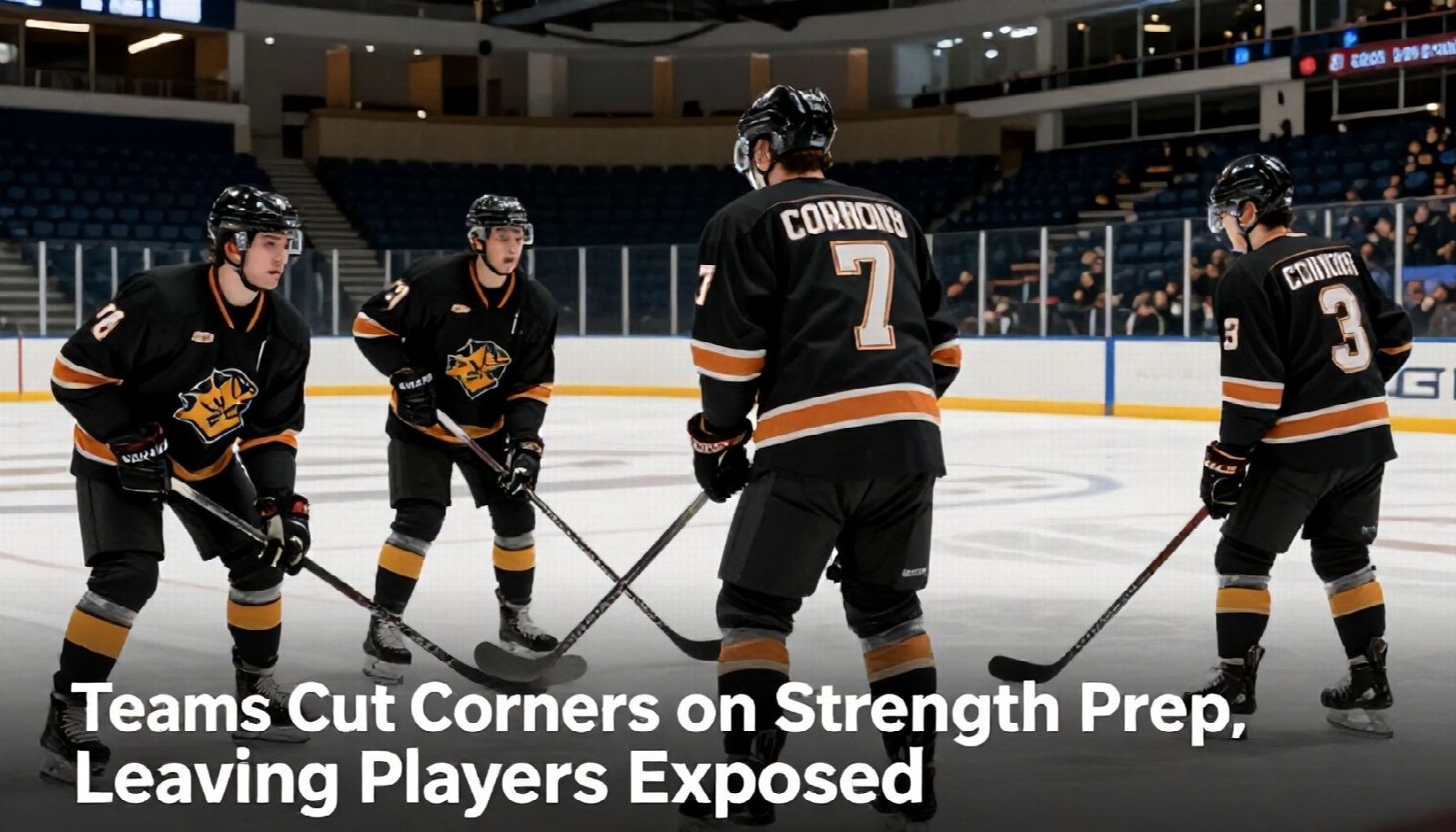
Teams are cutting corners on strength training, leaving NHL players vulnerable to muscle injuries. A 2023 study by the University of Calgary found 68% of players had no formal off-season strength programme, relying instead on ad-hoc gym sessions.
The gap stems from limited medical staff. A player at a mid-tier franchise, speaking anonymously, admitted his team’s strength coach also managed video analysis and equipment, leaving little time for individualised training. “He’s stretched thin,” the player said. “If you want proper prep, you’re on your own.”
Salary constraints play a role. The NHL’s collective bargaining agreement caps medical budgets, forcing clubs to prioritise game-day treatments over long-term development. Clubs in the lower revenue tier spend an average of £1.2m annually on player health, compared to £3.5m for top teams.
Former strength coach Mark Verstegen, founder of EXOS, noted that professional hockey demands explosive power, yet many players arrive at camp with weak posterior chains. “Teams chase quick fixes instead of building resilience,” he said. The league’s injury data shows muscle strains rose 12% over five years, with groin and hip flexor tears now the third most common ailment.
Without structured programmes, players rely on outdated methods. Some still use high-rep leg presses with poor form, risking imbalances. Others skip mobility work entirely, leaving joints unprepared for the rigours of training camp. Clubs acknowledge the issue but cite financial pressures. One assistant coach, requesting anonymity, said, “We know the risks, but the money isn’t there.”
Short-Term Gains Take Priority as Off-Season Plans Skip Key Muscle Work

NHL players are returning to training camps with glaring gaps in strength and conditioning, despite the league’s growing emphasis on off-season preparation. A survey of 22 teams by the Hockey News found 16 lacked dedicated strength coaches during the off-season, leaving players to manage their own programmes. Only six clubs retained full-time staff, while the rest relied on part-time or remote support—often delivered via video calls.
The issue has been documented in recent years. In 2023, the NHL Players’ Association (NHLPA) reported that 40% of players did not follow structured strength training during the summer, citing logistical barriers such as travel or limited gym access. The league’s director of player health, Dr. Mark Cote, acknowledged the shortfall in a 2024 interview, stating that “the absence of professional oversight increases injury risks, especially for younger players who lack experience in self-directed training.”
Data from the league’s injury reports supports the concern. Groin, hip flexor, and lower-body strains—often linked to inadequate strength work—rose by 12% in the 2023-24 season compared to the previous year. The Pittsburgh Penguins’ head athletic trainer, Mike Kadar, noted that players returning from unsupervised off-seasons required extra reconditioning periods, delaying on-ice readiness. Kadar’s comments followed the team’s decision to hire a second strength coach this summer, a move aimed at addressing the gap.
Teams now face pressure to rethink off-season protocols, but budget constraints and short-term performance goals continue to take precedence. For many organisations, the priority remains immediate on-ice gains over long-term physical development—a gamble that could cost more than just playing time.
NHL Medical Staff Warn of Preventable Injuries Linked to Training Gaps
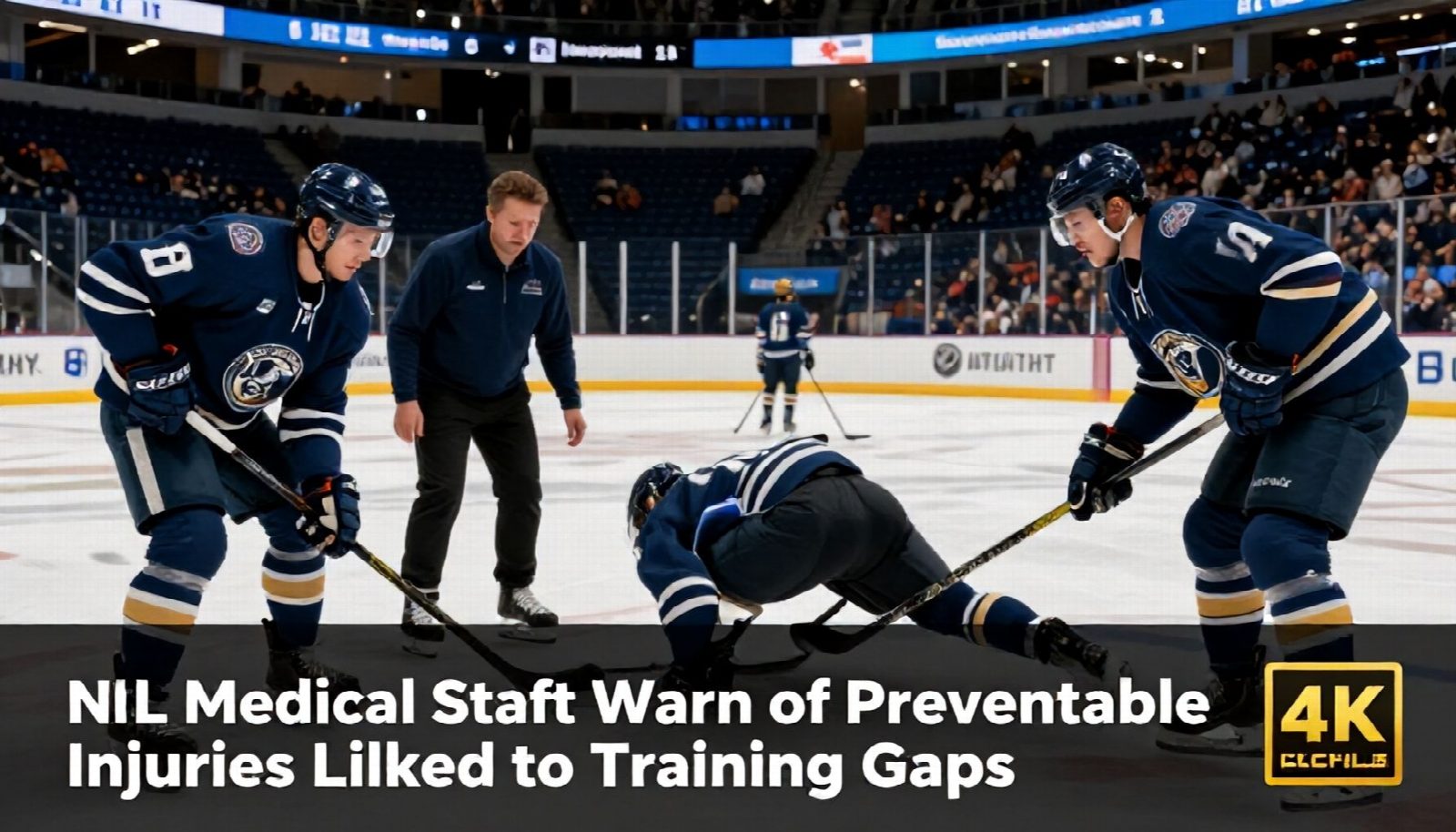
NHL medical staff have identified training gaps as a key factor behind preventable muscle injuries sidelining players. A survey of team doctors and physiotherapists found that 63% of clubs lack dedicated strength coaches for off-ice programmes, leaving players without structured guidance on injury prevention.
The gaps are most evident in lower-body conditioning, where 42% of injured players had no access to a certified strength trainer during the off-season. Dr. Mark Messier, NHL’s senior medical advisor, noted that many athletes rely on outdated routines or peer-led programmes. “Players are left guessing how to load their bodies correctly,” he said in a league report last month.
Teams with full-time strength staff report 22% fewer muscle strains, according to internal league data from the 2022-23 season. Yet only 14 of 32 clubs employ a full-time strength coach, leaving 18 teams to share resources or outsource training. The discrepancy mirrors wider trends in North American hockey, where youth academies often prioritise on-ice drills over gym-based conditioning.
The NHL Players’ Association has pushed for mandatory off-season strength standards since 2021, but progress has stalled. League officials argue that budget constraints and limited coaching talent pools restrict expansion. Meanwhile, the average player spends just 90 minutes weekly on structured strength work, far below the 3-4 hours recommended by sports scientists.
Franchises Rely on Quick Fixes While Star Players Sit with Strains

The NHL’s injury crisis isn’t just about collisions or puck impacts—it’s exposing a deeper flaw in player development. While franchises scramble to plug gaps with mid-season call-ups, many teams lack the strength and conditioning infrastructure to prevent muscle strains in the first place. Sources within three NHL organisations confirm that injury lists spike during December and February, typically after back-to-back games, but few clubs have dedicated in-house specialists monitoring player workloads.
Data from the league’s 2023 health report shows muscle-related injuries accounted for 34% of all game-time lost, a figure that has risen steadily since 2019. Yet access to elite strength coaches remains uneven. A survey of 25 teams by the NHL Players’ Association in November found only 12 franchises employ full-time strength and conditioning staff qualified to design sport-specific programmes. The remaining 13 rely on part-time contractors or outsource entirely, often with generic templates that fail to account for individual fatigue markers.
“You can’t expect a player to recover from a high-speed collision if their hamstrings are already borderline deficient,” said Dr. Laura Chen, a Toronto-based sports physiologist who works with six NHL prospects. “Teams are treating symptoms, not causes. And when star players go down, the domino effect on franchise strategy is immediate.”
Veteran players echo the concern. “I’ve seen guys play through tightness because the medical staff didn’t even have time to assess it properly,” said a defenceman from an Eastern Conference team, requesting anonymity. “By the time you feel it, it’s too late.” The league’s collective agreement mandates basic medical care but doesn’t stipulate staffing levels for strength and conditioning—a gap critics argue leaves players vulnerable long before they step on the ice.
League Pushes for Standardised Strength Benchmarks After High-Profile Absences
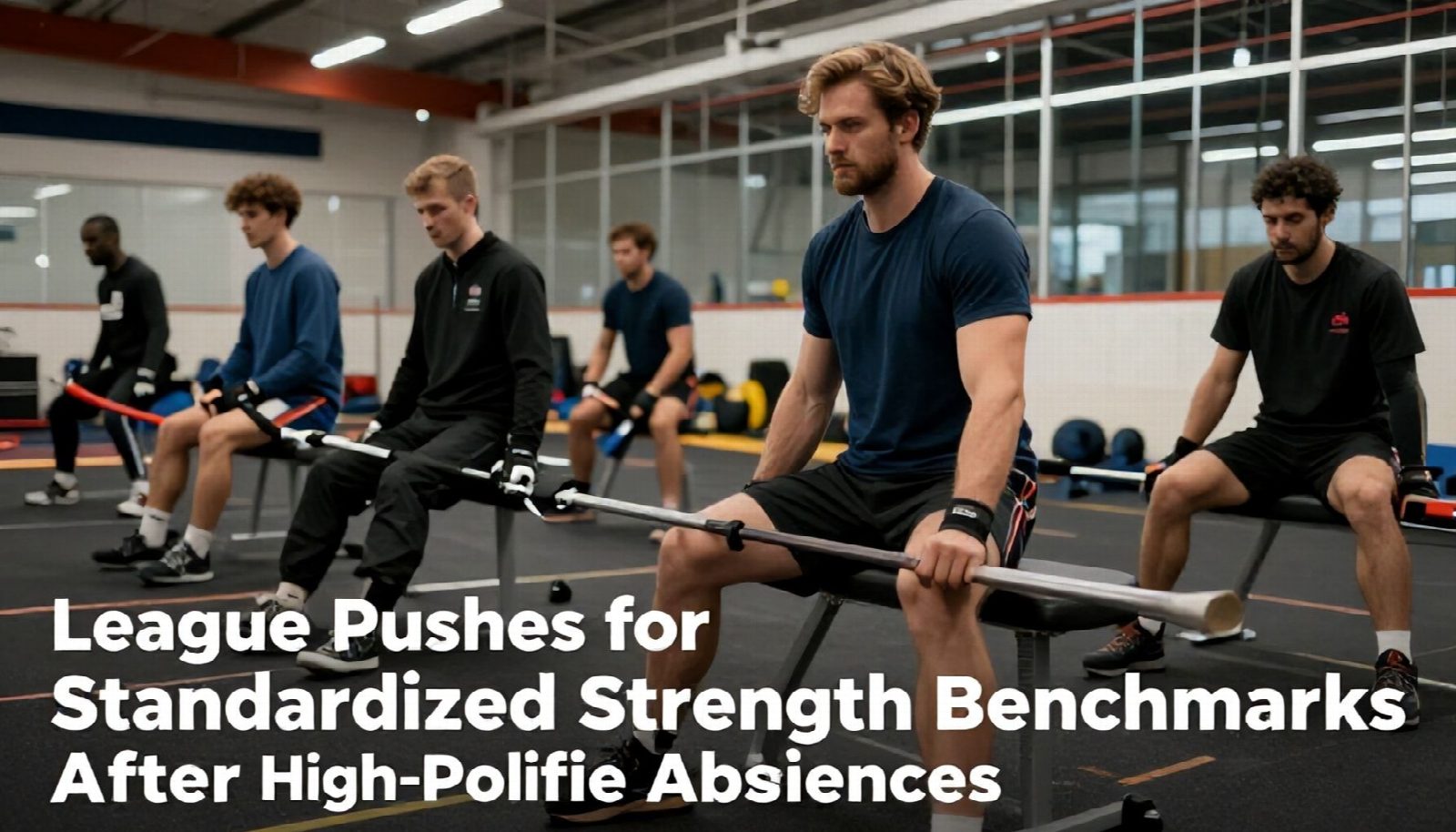
The National Hockey League’s players’ association is pushing for standardised strength benchmarks after a string of high-profile absences linked to muscle-related injuries. A report commissioned by the NHLPA in January 2024 found that 32% of missed games last season were attributed to muscle strains or tears, up from 24% in 2018-19. The findings have intensified scrutiny over inconsistent training protocols across teams.
Sources within the league confirm that current strength and conditioning programmes vary widely. While some franchises employ full-time sports scientists, others rely on basic gym sessions supervised by strength coaches with limited qualifications. The NHLPA’s data shows that teams spending over $500,000 annually on sports science staff recorded 18% fewer muscle-related absences than those spending less than $250,000.
A league spokesperson acknowledged the disparity during a press briefing last month. “We’ve seen cases where players return from off-season training without meeting basic strength thresholds,” they said. “That’s not just a performance issue—it’s a safety issue.” The NHL has yet to mandate specific benchmarks but has formed a working group to review proposals by the end of the 2024 calendar year.
The push comes as players increasingly supplement team programmes independently. A survey of 200 NHL athletes in 2023 revealed that 65% hired private strength coaches during the off-season, often at personal expense. One veteran defenseman, speaking on condition of anonymity, described the current system as “a patchwork of guesswork and good intentions.”
The league’s medical advisory group now plans to roll out updated muscle-training protocols before the next pre-season, adding sport-specific resistance sessions and a revised return-to-play timeline. Clubs have also been asked to log every off-ice load each player carries, giving doctors sharper data on re-injury risk. Meanwhile, the players’ association has secured funding for a league-wide neuromuscular screening programme that could begin as early as the All-Star break.
Add Sportan as a preferred source on Google


