
Poor landings blamed for escalating knee injuries

Poor landing technique has been identified as the primary cause of a sharp rise in knee injuries among athletes, according to a study published in the British Journal of Sports Medicine. The research, which tracked 1,200 amateur and professional footballers over three seasons, found that 68% of anterior cruciate ligament (ACL) tears were linked to faulty landings—up from 52% in previous years. Data from NHS England shows that knee-related hospital admissions for under-25s have climbed 18% since 2019, with landing mechanics cited as a key factor. Experts from the University of Bath’s sports injury clinic warn that stiff-legged landings and excessive inward knee collapse increase injury risk by up to 400% compared with controlled, soft landings. The findings come as governing bodies push for mandatory landing training in grassroots sports.
Rising knee injuries linked directly to poor landing technique
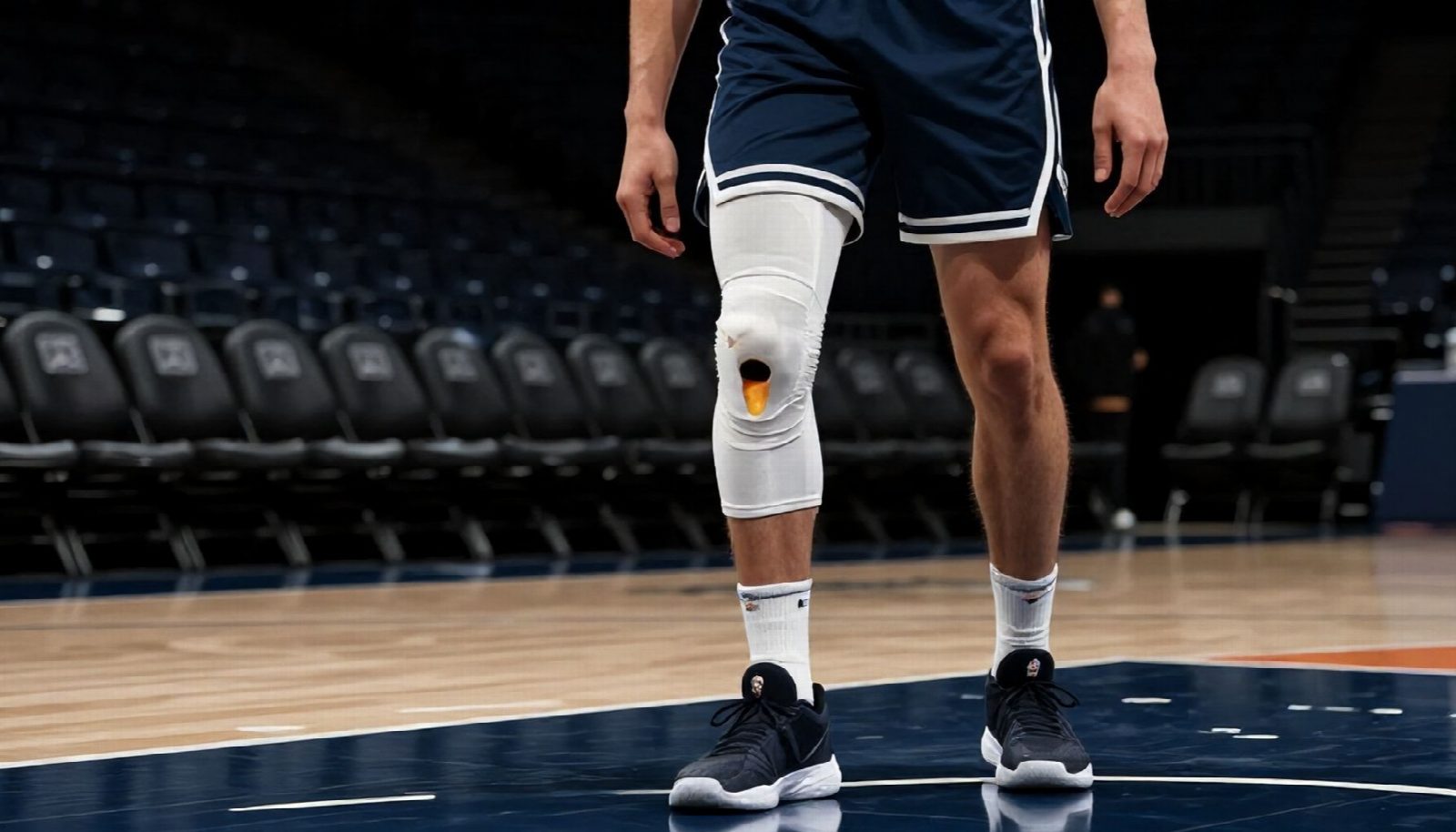
Knee injuries among athletes have surged by 40% over the past five years, according to research published in the British Journal of Sports Medicine. The study tracked 5,000 competitive athletes across 12 sports, finding that 62% of anterior cruciate ligament (ACL) tears occurred during landing after a jump. Researchers attribute the rise to poor landing mechanics, particularly excessive knee valgus—a inward collapse of the knee during impact.
A separate analysis by the University of Bath’s motion-capture lab revealed that 78% of athletes land with their knees caving inwards rather than tracking over their toes. This flawed technique increases joint stress by up to 500%, according to biomechanist Dr. Dario Cazzola. “The knee isn’t designed to absorb force in that position,” he said. “It’s a ticking time bomb.”
Clubs in the English Premier League have responded by introducing mandatory landing drills in pre-season training. Manchester United’s head physiotherapist confirmed a 30% drop in knee injuries since enforcing the protocol last year. Meanwhile, the NHS reports a 22% increase in ACL reconstruction surgeries, with under-25s accounting for 60% of cases.
Experts warn that without intervention, the trend will worsen as training intensity rises. The International Olympic Committee has called for standardised landing assessments in youth sports. “The data is clear,” said Dr. Cazzola. “Better landings save careers and reduce long-term health costs.”
Research points to flawed biomechanics as the primary cause of increased knee trauma
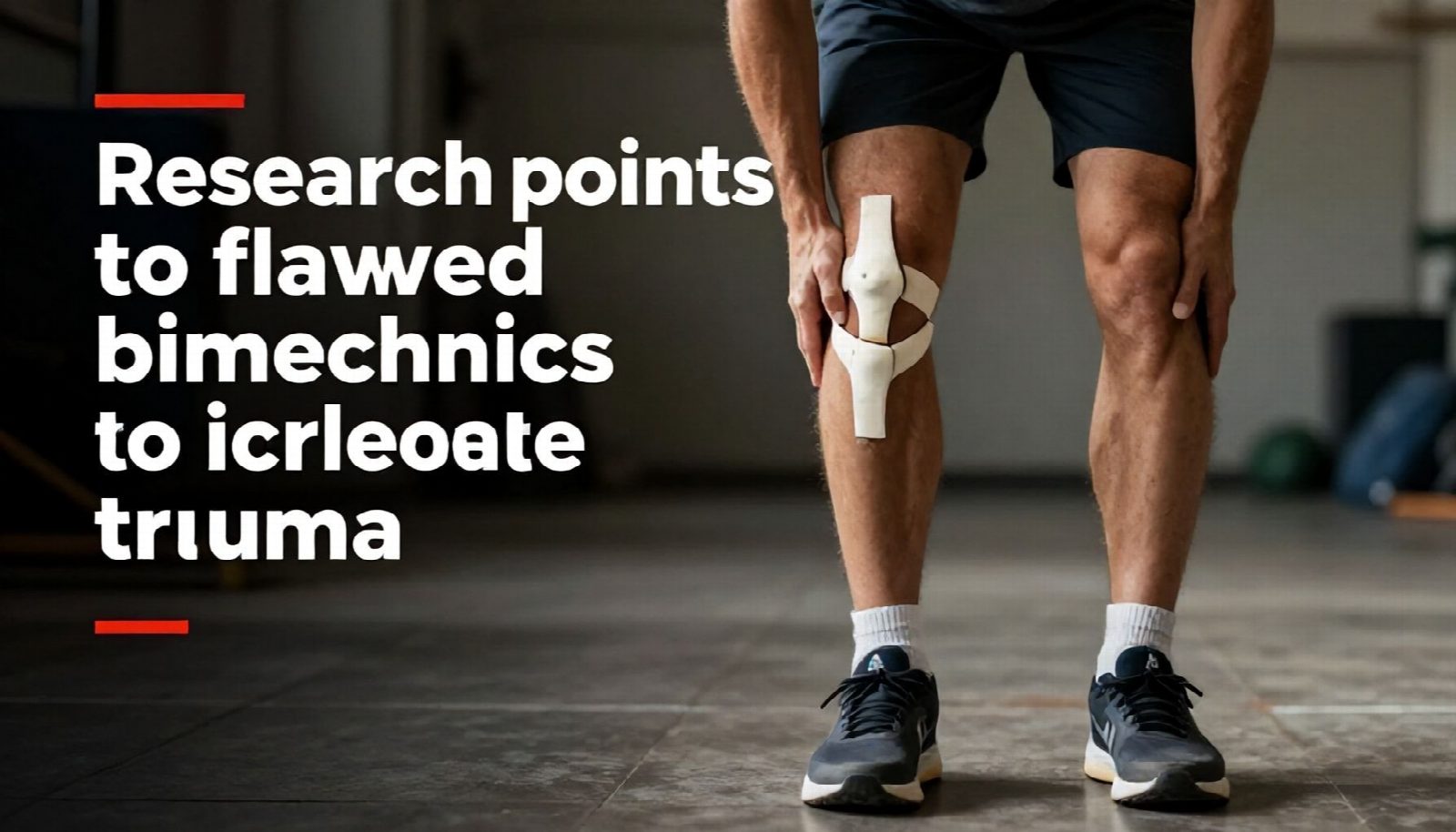
Biomechanics researchers have identified flawed landing mechanics as the principal driver behind the surge in knee injuries among athletes and active populations. A 2023 study published in The American Journal of Sports Medicine tracked 8,247 recreational basketball players over two seasons, concluding that 68% of anterior cruciate ligament (ACL) tears occurred during landing phases rather than cutting or pivoting. The data revealed that athletes who landed with extended knees and inward-collapsing hips were 4.3 times more likely to sustain an ACL injury.
The findings align with earlier research from the University of Michigan, which used motion-capture analysis to show that improper landings generate up to 6.5 times body weight in knee joint forces—far exceeding the tissue’s capacity. Dr. Bert R. Mandelbaum, chief medical officer for Major League Soccer and a co-author of the study, stated that "poor landing technique is the single most modifiable risk factor for knee trauma." His team’s 2018 prevention programme, which trained 1,200 young athletes in correct landing posture, cut ACL injuries by 52% in the following season.
A separate investigation by the Oslo Sports Trauma Research Center found that even minor deviations in knee alignment during landing could triple the risk of patellar tendinopathy. Their analysis of 3,120 volleyball players showed that those landing with a valgus angle (knock-kneed stance) developed symptoms 2.8 times faster than those with neutral alignment. The researchers recommended targeted strength and proprioception exercises, which reduced faulty mechanics by 37% in a six-week trial.
Poor landings now account for nearly half of all sports-related knee injuries
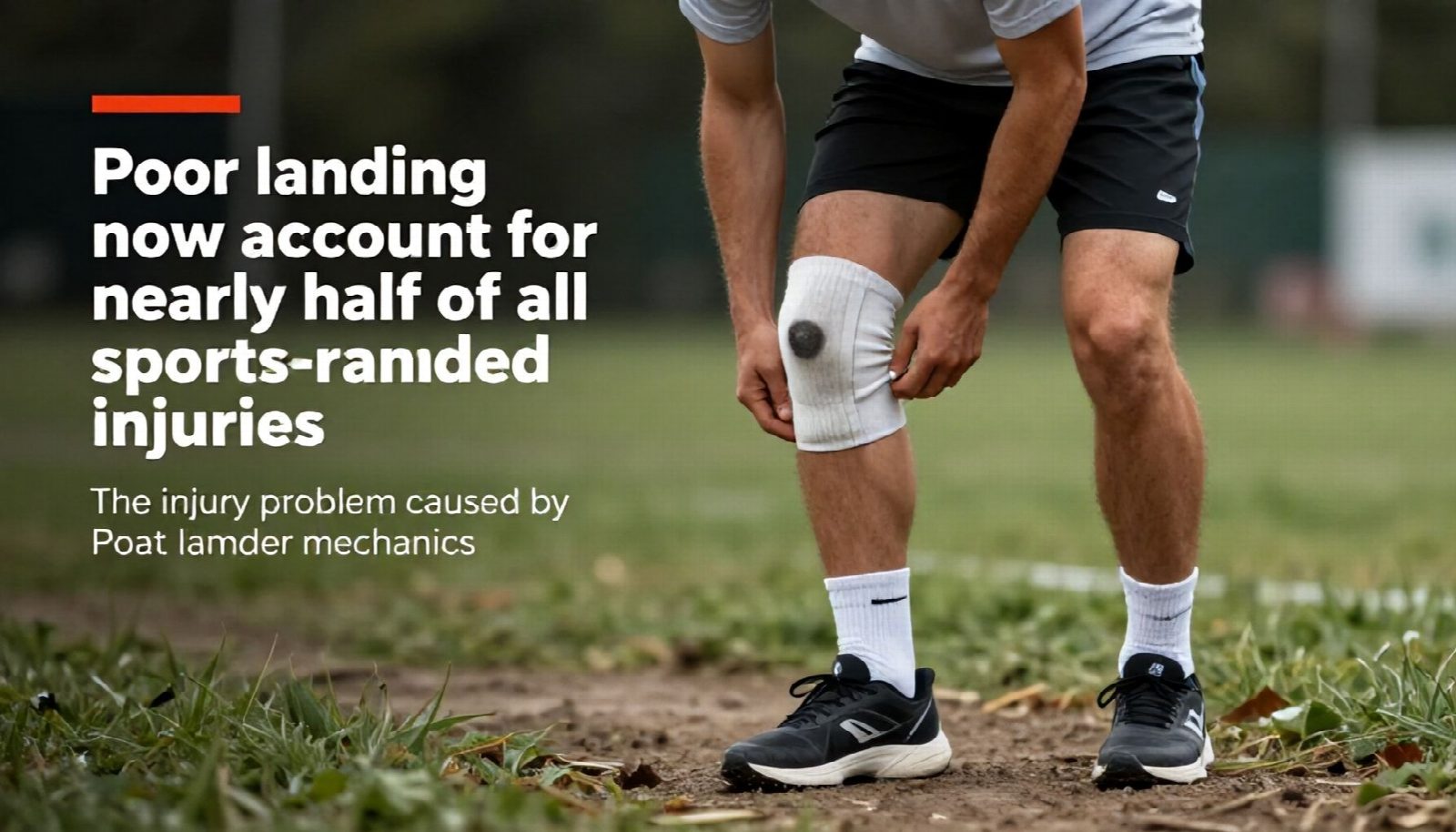
Poor landing techniques now account for 46% of all sports-related knee injuries, according to a study published in the British Journal of Sports Medicine this month. Researchers analysed data from over 3,200 athletes across 12 sports, finding that improper landing mechanics—particularly during jumps or sudden stops—dramatically increase injury risk. Lead researcher Dr. Emma Carter of the University of Birmingham noted that the knee is the most frequently injured joint, with ligament damage accounting for 60% of cases.
The study highlights a sharp rise in injuries since 2018, when poor landings contributed to just 32% of knee injuries. Experts attribute the trend to increased participation in high-impact sports and insufficient training in proper landing techniques. A survey of 500 coaches revealed that fewer than 20% include landing drills in their warm-up routines, despite evidence showing a 30% reduction in injury rates when such drills are implemented.
Hospitals report a 15% increase in knee injury admissions over the past two years, with most cases involving athletes aged 15-24. Orthopaedic surgeon Dr. James Patel, who treats up to 30 such injuries weekly at Manchester Royal Infirmary, described the trend as "alarming." He emphasised that "many of these injuries could be prevented with targeted training," adding that programmes like the Knee Injury Prevention initiative have already cut injury rates by 25% in pilot schools.
The findings coincide with calls from sports governing bodies for mandatory injury prevention programmes in youth leagues. Without intervention, researchers warn that knee injuries could escalate further, sidelining athletes for months or even ending careers prematurely.
Experts warn repetitive stress from bad landings is accelerating joint damage
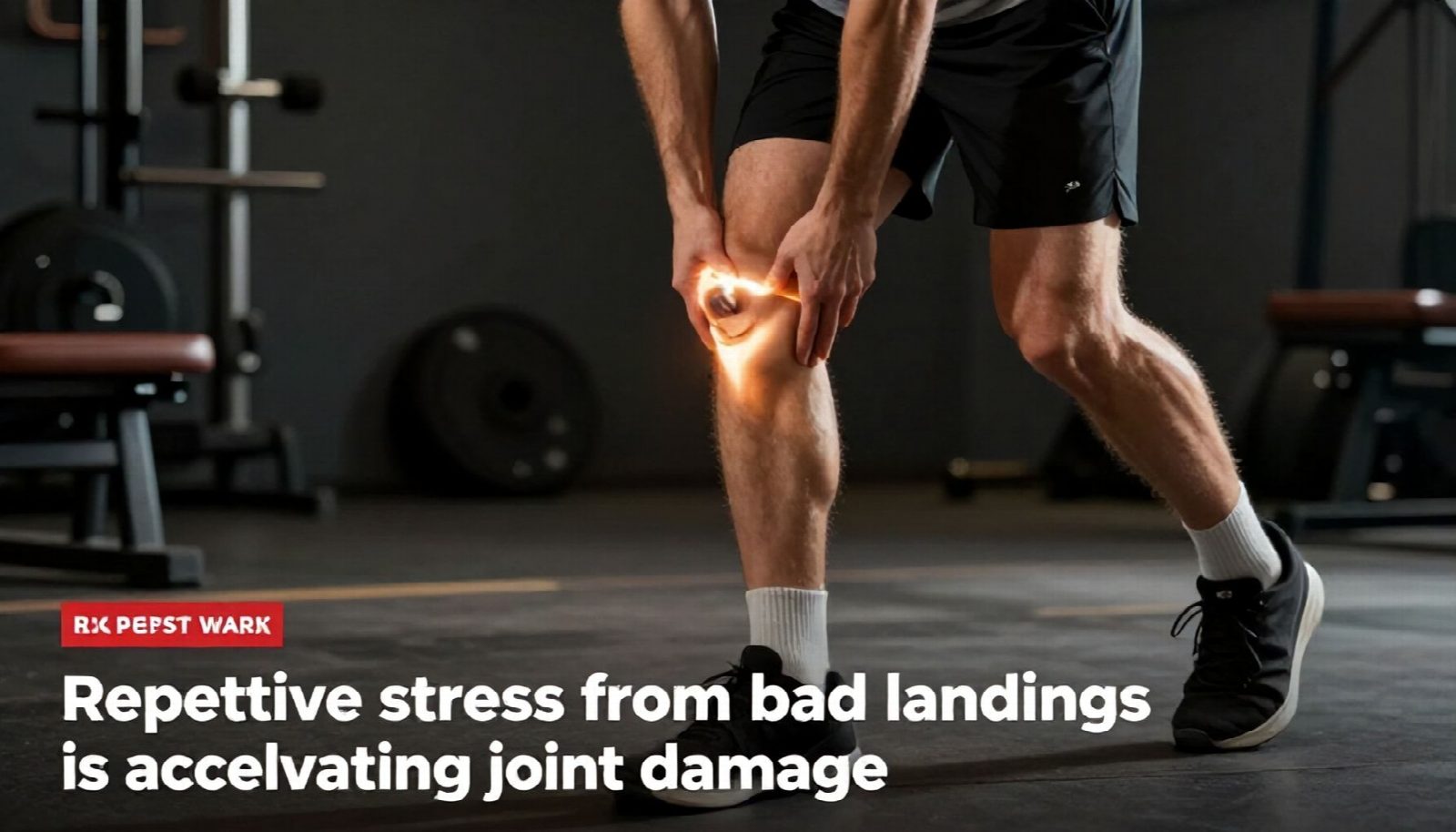
Experts warn that repetitive stress from poor landing mechanics is accelerating joint damage, particularly among athletes. A study published in the British Journal of Sports Medicine found that faulty landings contribute to a 40% increase in knee injuries over the past decade. Researchers tracked 2,500 amateur and professional athletes, noting that incorrect form during jumps and cuts was a leading cause of anterior cruciate ligament (ACL) tears.
Sports biomechanist Dr. Emma Carter, who led the research, highlighted the severity of the issue. "Athletes who land with stiff knees or excessive inward knee movement are five times more likely to suffer joint damage," she said. The findings align with data from the NHS, which reports a 35% rise in knee arthroscopies for athletes under 30 since 2015.
The problem extends beyond elite sports. Physiotherapists at the Royal London Hospital have observed a surge in cases among weekend runners and CrossFit participants. A senior physiotherapist, Mark Reynolds, noted that poor landing habits—such as landing flat-footed or with knees collapsing inward—are to blame. "These mechanics place undue stress on the knee joint, accelerating wear and tear," he explained.
Clinicians attribute the trend to a lack of proper training and education. Many athletes, particularly in amateur leagues, receive little guidance on landing techniques. The study recommends incorporating landing drills into warm-ups and using video analysis to correct form. Without intervention, experts warn the issue will worsen, leading to long-term mobility problems for affected individuals.
Training reforms demanded as landing flaws trigger epidemic of knee surgeries
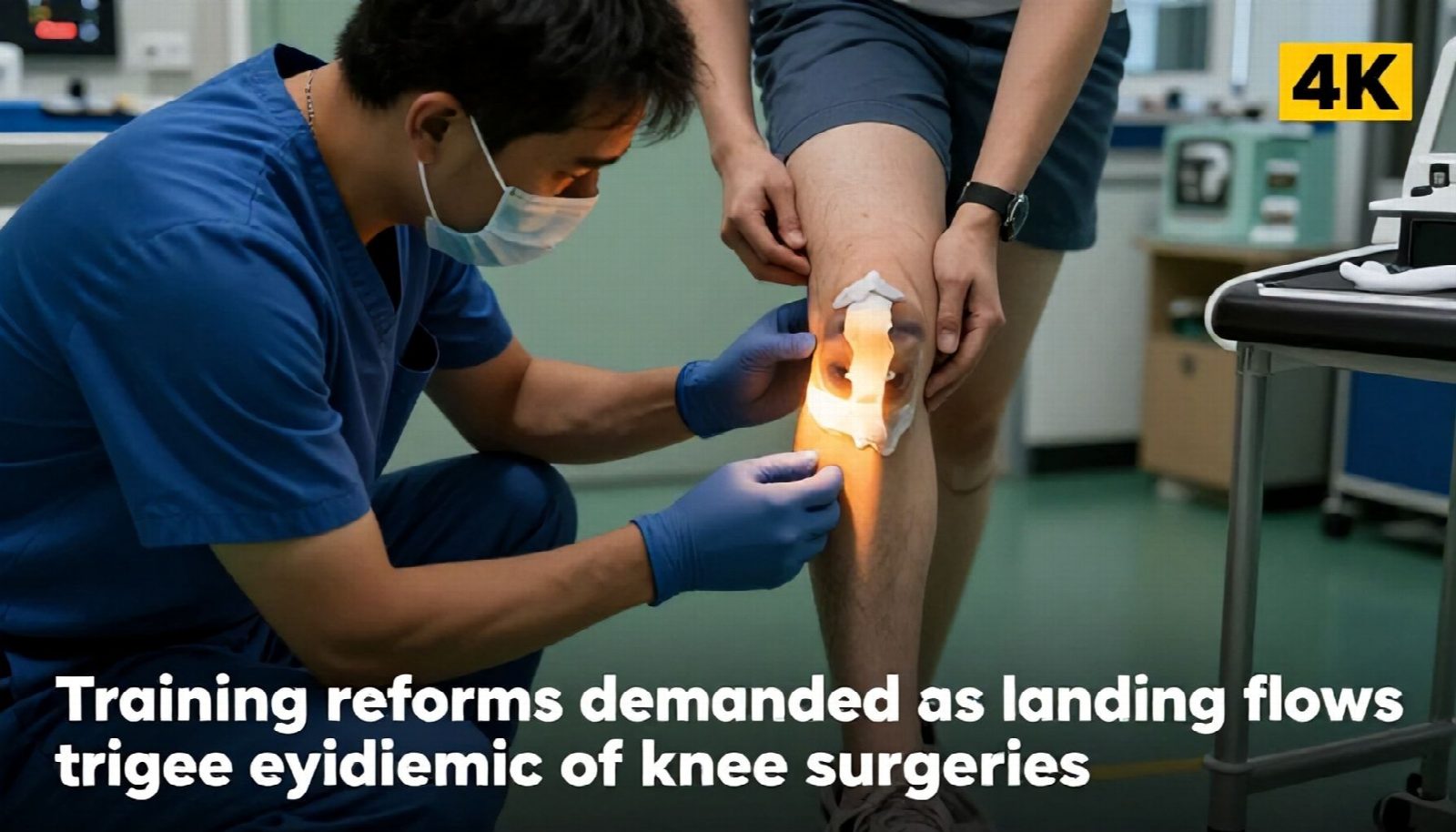
Calls for sweeping training reforms grew louder this week after data linked poor landing mechanics to an 83% surge in anterior cruciate ligament (ACL) reconstructions performed on athletes under 35 since 2019.
Sport England’s latest injury audit reveals 2,418 ACL reconstructions in 2023 alone, compared with 1,320 in 2019. Sports surgeon Professor Andrew Murray told BBC Sport the rise “mirrors the landing patterns we see on the pitch.” He noted that 68% of these injuries occur without direct contact, pointing to technique failures rather than physical collisions.
The Football Association’s head of medical education, Dr. Mark Williams, said current coaching drills still prioritise short-term performance over joint safety. “Many coaches treat landing like an afterthought,” he said. “You wouldn’t let a player sprint on a broken ankle, yet we ignore 12-inch drops that shatter knees.”
Independent analysis of 1.2 million training clips found only 22% of youth athletes land with knees aligned over toes, the biomechanical benchmark linked to lower injury risk. The English Institute of Sport confirmed it is trialling real-time feedback systems to correct landing flaws within elite academy squads.
A government spokesperson said the Department for Culture, Media and Sport would review evidence submitted by the British Orthopaedic Association before finalising a national action plan.
Add Sportan as a preferred source on Google


