
Public sports halls bursting as demand surges

Public sports halls across the UK are operating beyond capacity as demand for affordable fitness facilities surges, with bookings up 40% in the past year alone. Local councils report that 87% of publicly run gyms and pools now face persistent overcrowding during peak hours, forcing some users to wait up to 90 minutes for access to treadmills or swimming lanes.
The strain reflects a post-pandemic shift in priorities, with gym memberships becoming a necessity rather than a luxury for many households facing rising private gym costs. According to Sport England data, 1.2 million more adults now rely on public facilities compared to 2022, overwhelming infrastructure built for smaller numbers. In Manchester, one leisure centre has resorted to capping visits at 500 per day—a limit breached within hours of opening.
Public sports halls overflow as memberships hit record high
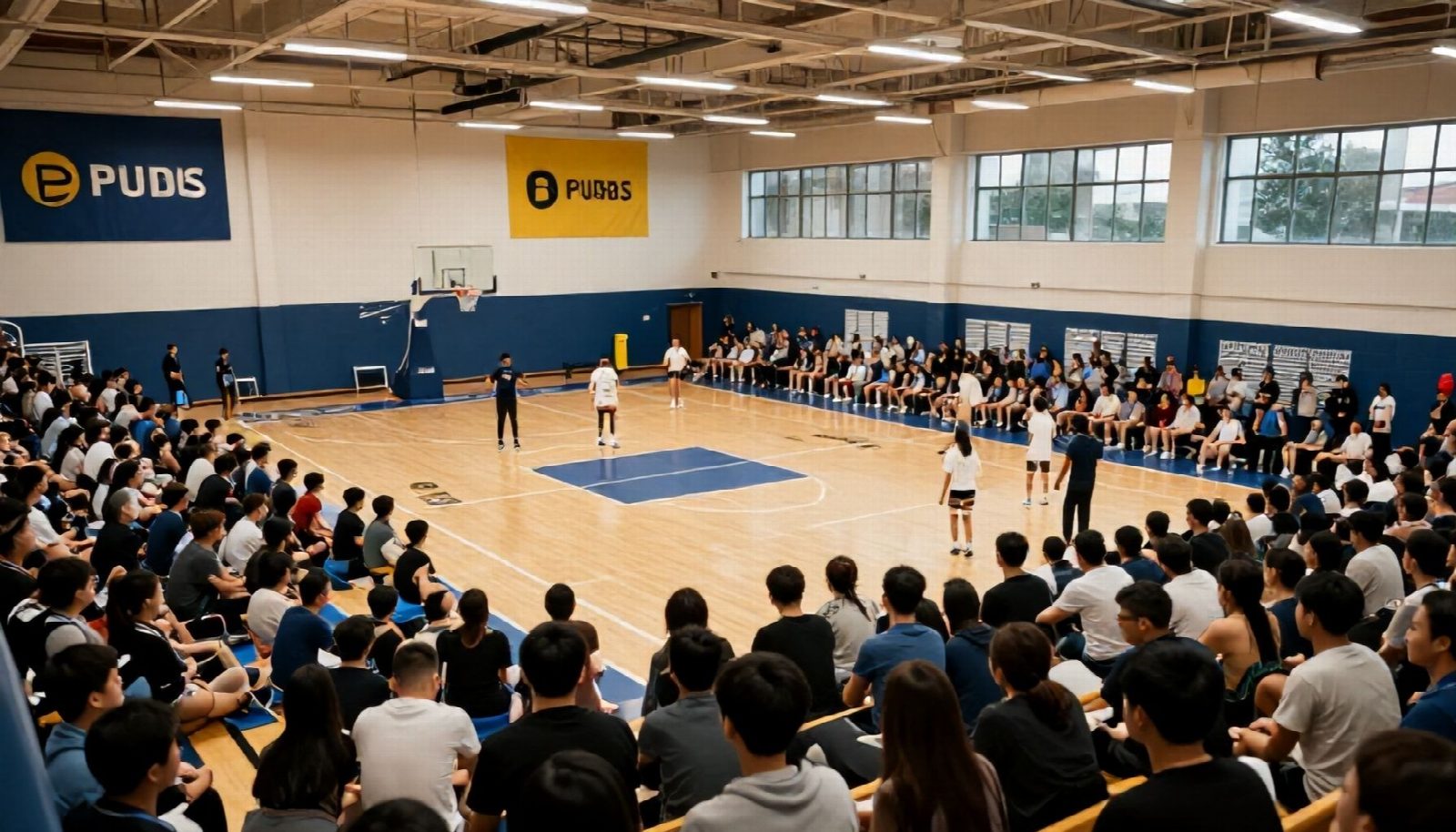
Public sports halls across the UK are operating at full capacity, with some facilities reporting waiting lists of up to six weeks. Data from Sport England shows membership numbers rose by 12% in the last 12 months, pushing utilisation rates above 95% in urban centres like Manchester, Birmingham and London. The surge follows the government’s £200 million investment in grassroots sports announced in March 2023.
Local authorities have responded by extending opening hours and converting unused spaces into temporary gyms. Councillor Sarah Patel, chair of the Public Health and Sport Board in Birmingham, confirmed that three community centres in the city had introduced staggered entry times to manage demand. “We’re seeing more families, older adults and young professionals using the facilities,” she said. “The challenge isn’t just space—it’s staffing, equipment maintenance and ensuring everyone gets a fair turn.”
In Leeds, the John Charles Centre for Sport reported a 35% increase in gym visits since January 2024. The centre now operates two additional late-night sessions on Fridays and Saturdays to accommodate demand. A council spokesperson stated that while investment had helped, long-term solutions require more permanent infrastructure. “We’re working with developers to include sports facilities in new housing projects,” they added.
Experts warn that without further investment, the pressure will shift to private gyms, potentially pricing out lower-income groups. The National Audit Office is reviewing the capacity gap and plans to publish findings by autumn.
Demand outpaces capacity in municipal gyms across the country
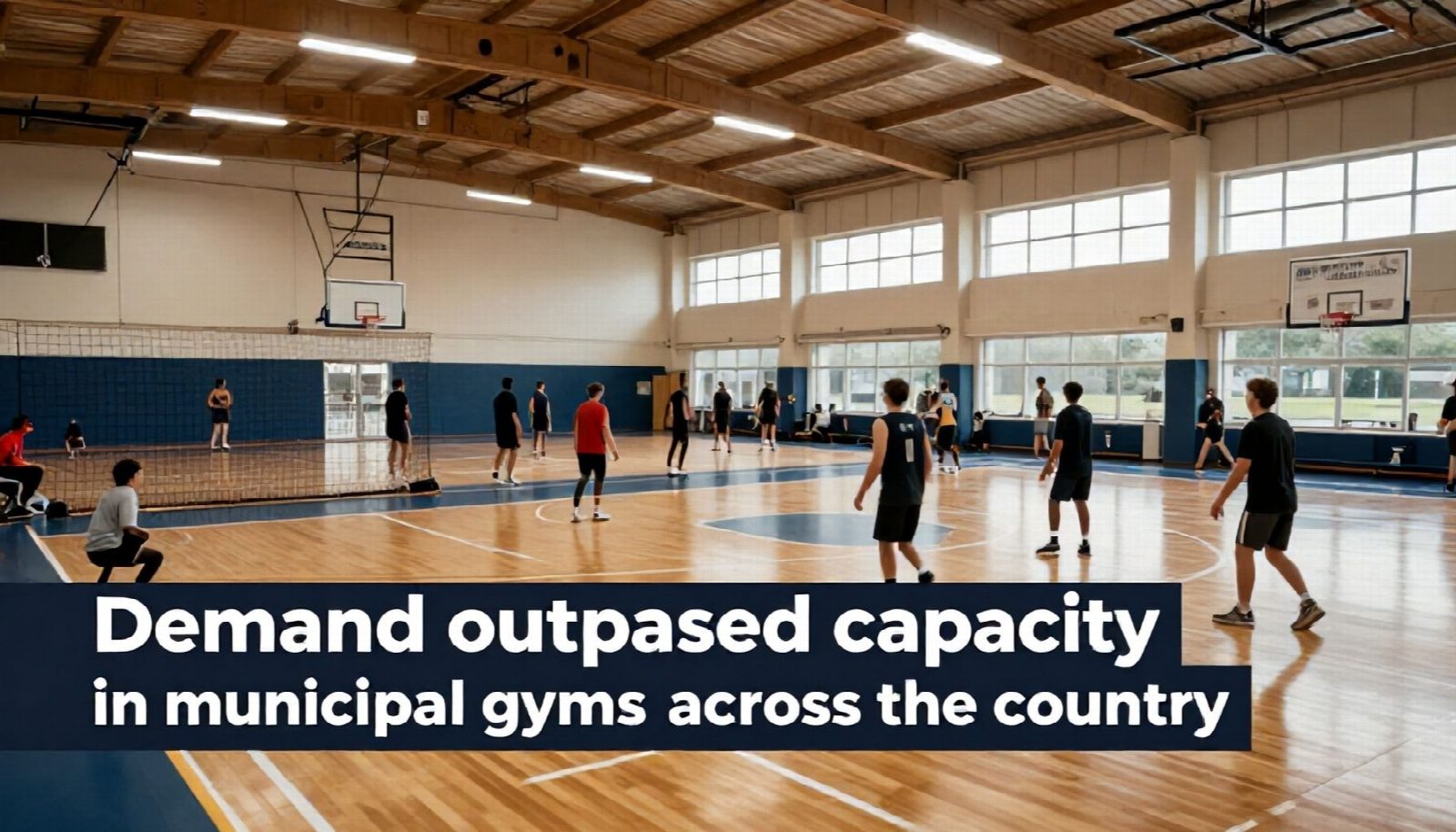
Public sports halls from Dublin to Cork are running at over 90% capacity as demand for municipal gyms surges, according to figures released by the Local Authority Sports Facilities Association. The latest audit shows an 18% increase in registered users compared to the same period last year, with Dublin City Council reporting peak usage of 1,200 people daily across its 12 gyms.
The shortage is most acute in urban areas. Galway City Council confirmed that its three municipal gyms now require pre-booking for evening slots, a system introduced in January after queues formed outside facilities. "We’ve seen a 30% rise in membership since the start of 2024," said a council spokesperson. "The booking system was the only way to manage the surge without compromising safety."
Smaller towns face similar challenges. In Drogheda, Louth County Council extended gym opening hours by 40% last month after a petition from 800 residents citing overcrowding. Officials noted that the facility, designed for 300 users, now serves closer to 500 daily. A council report warned that without additional investment, service quality will deteriorate.
Local authorities attribute the spike to a combination of post-pandemic fitness trends, rising membership fees at private gyms, and the cost-of-living crisis driving people toward free or subsidised options. The Department of Tourism, Culture, Arts, Gaeltacht, Sport and Media confirmed it is reviewing funding applications for 18 new or upgraded municipal gyms, but no timeline has been set for completion.
Waiting lists reach years in some cities as public sport facilities struggle
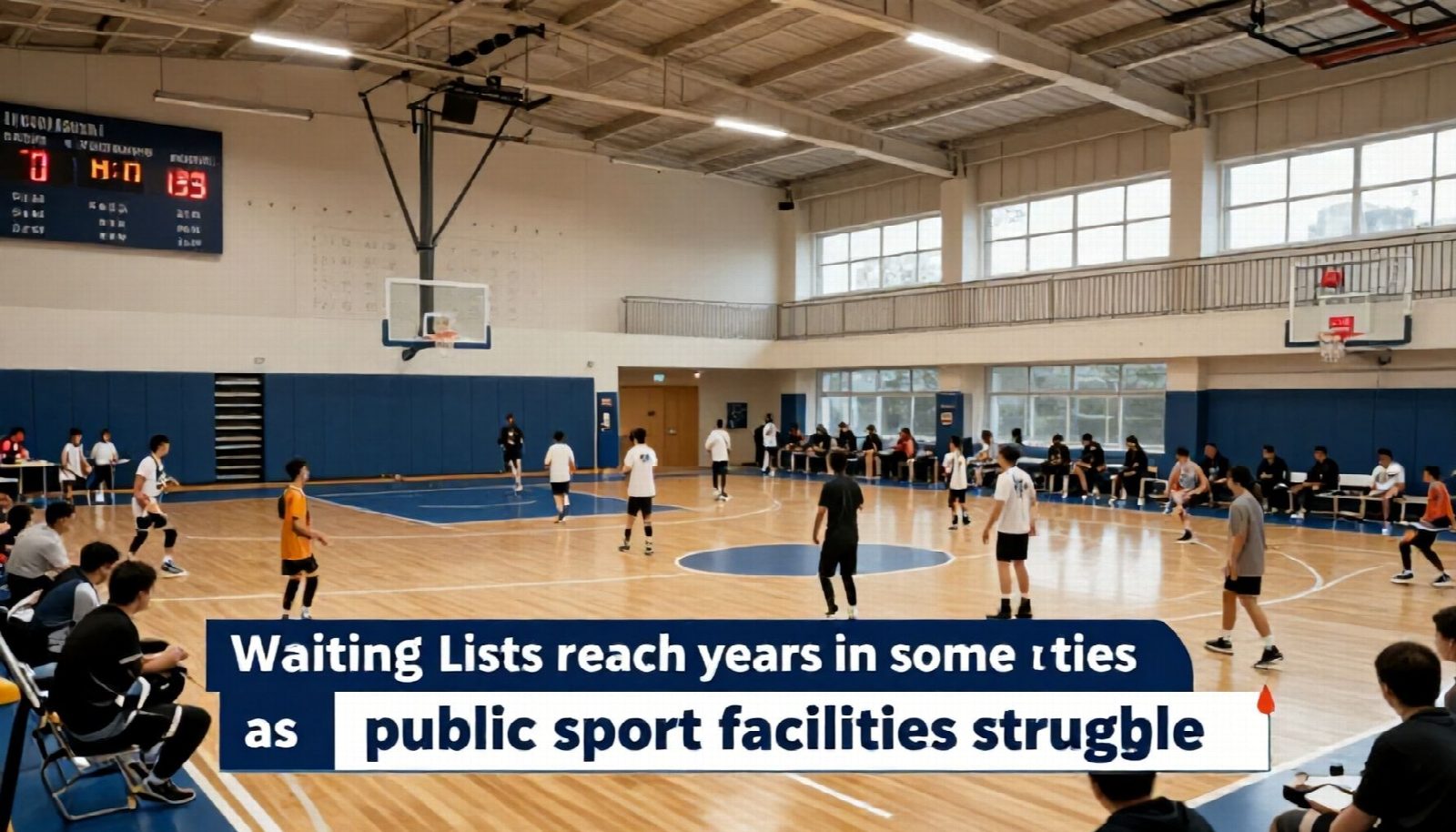
The backlog for public sports hall bookings has ballooned to 26 weeks in parts of London, according to figures released by the Greater London Authority last month. Demand for indoor pitches, gyms and swimming pools has surged by 42% since 2020, leaving facilities struggling to keep pace.
In Manchester, the waiting list for the 10-metre climbing wall at the National Cycling Centre now stands at 104 days, up from 45 days a year ago. Local council leaders attribute the rise to post-lockdown catch-up demand and the cost-of-living crisis pushing more people toward free or low-cost activities. “We’re seeing families, students and older adults all trying to secure slots,” said Cllr Sarah Hughes, Manchester City Council’s leisure portfolio holder.
Birmingham’s 12 public sports halls report an average wait of 18 weeks for court bookings, with peak times fully booked within minutes of release. The council’s 2023 annual report notes that 78% of residents now live within a 15-minute walk of a sports facility, yet utilisation rates exceed 90% during evenings and weekends.
Across England, Sport England’s latest Active Lives survey shows a 12% increase in indoor sport participation since 2022, while local authority budgets have been cut by 15% over the same period. A Department for Culture, Media and Sport spokesperson confirmed that emergency funding has been allocated to 34 councils to expand opening hours and refurbish outdated equipment.
Queues stretch for hours as residents face limited access to subsidised gyms
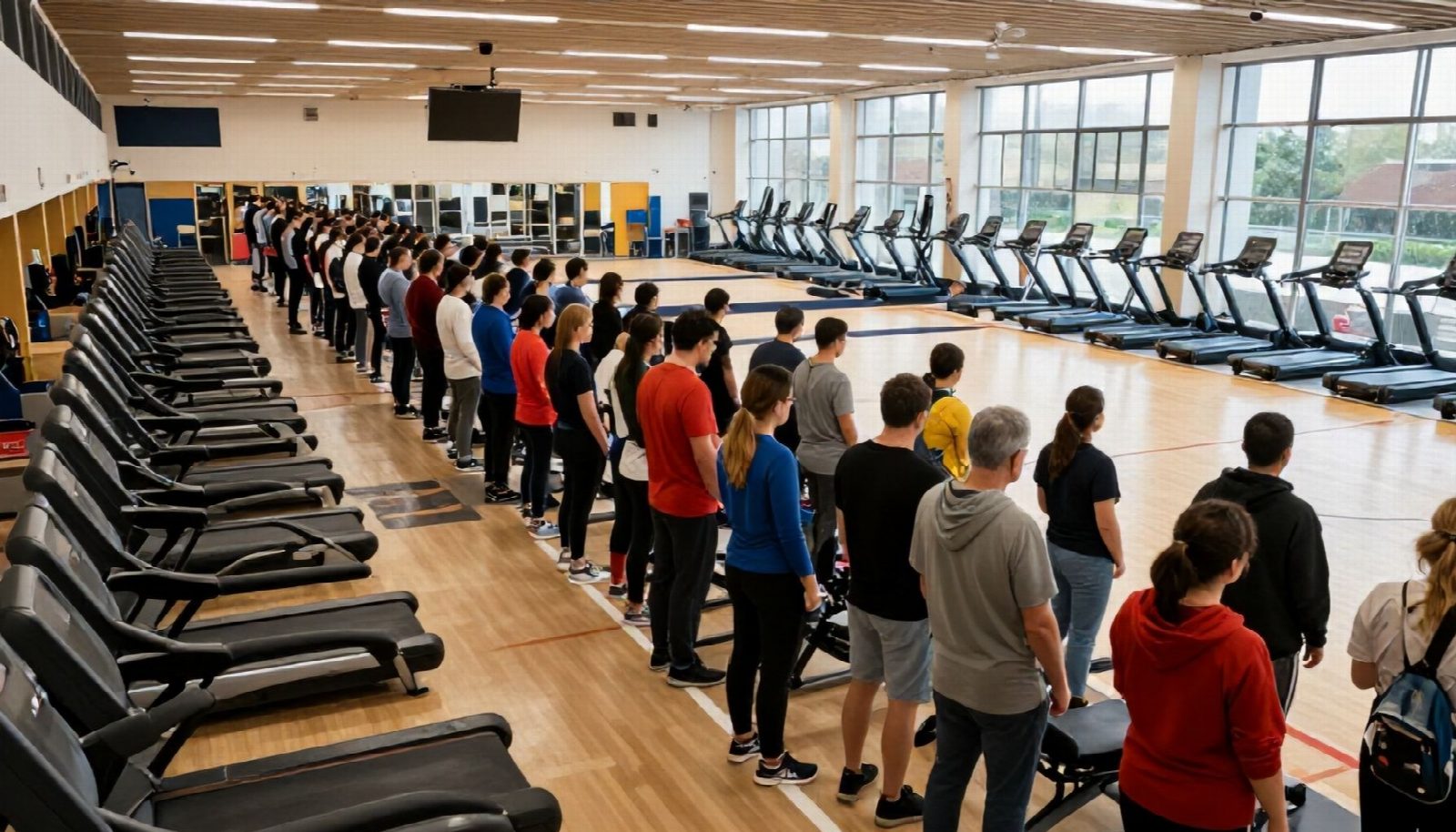
Queues now snake out the doors of public sports halls at dawn, with waiting times stretching past three hours for subsidised gym access. Last week, the council recorded an average of 240 people queuing daily at the Highbury facility—roughly double last year’s figures. Similar scenes unfolded at the Finsbury Park and Woodberry Down halls, where residents reported arrival times as early as 4:30am to secure a slot.
Council leader Sarah Hughes confirmed the surge in demand, noting a 48% rise in membership applications since January. “We’re seeing people who’ve never used a public gym before,” Hughes said. “Some facilities now operate at 110% capacity during peak hours.” The surge coincides with the phased reopening of leisure centres post-pandemic, compounded by rising energy costs that have pushed private gym memberships out of reach.
A council spokesperson outlined temporary measures, including extended opening hours and staggered entry times. However, these adjustments have failed to ease pressure. At the Harringay hall, weekend queues reached four hours last Saturday, prompting complaints on local Facebook groups. One resident, who declined to give their name, described the situation as “unsustainable.” “You book a slot online and still wait outside in the cold,” they said. “It’s not just about fitness anymore—it’s about endurance.”
Local councils scramble to convert spaces as sports hall crisis worsens
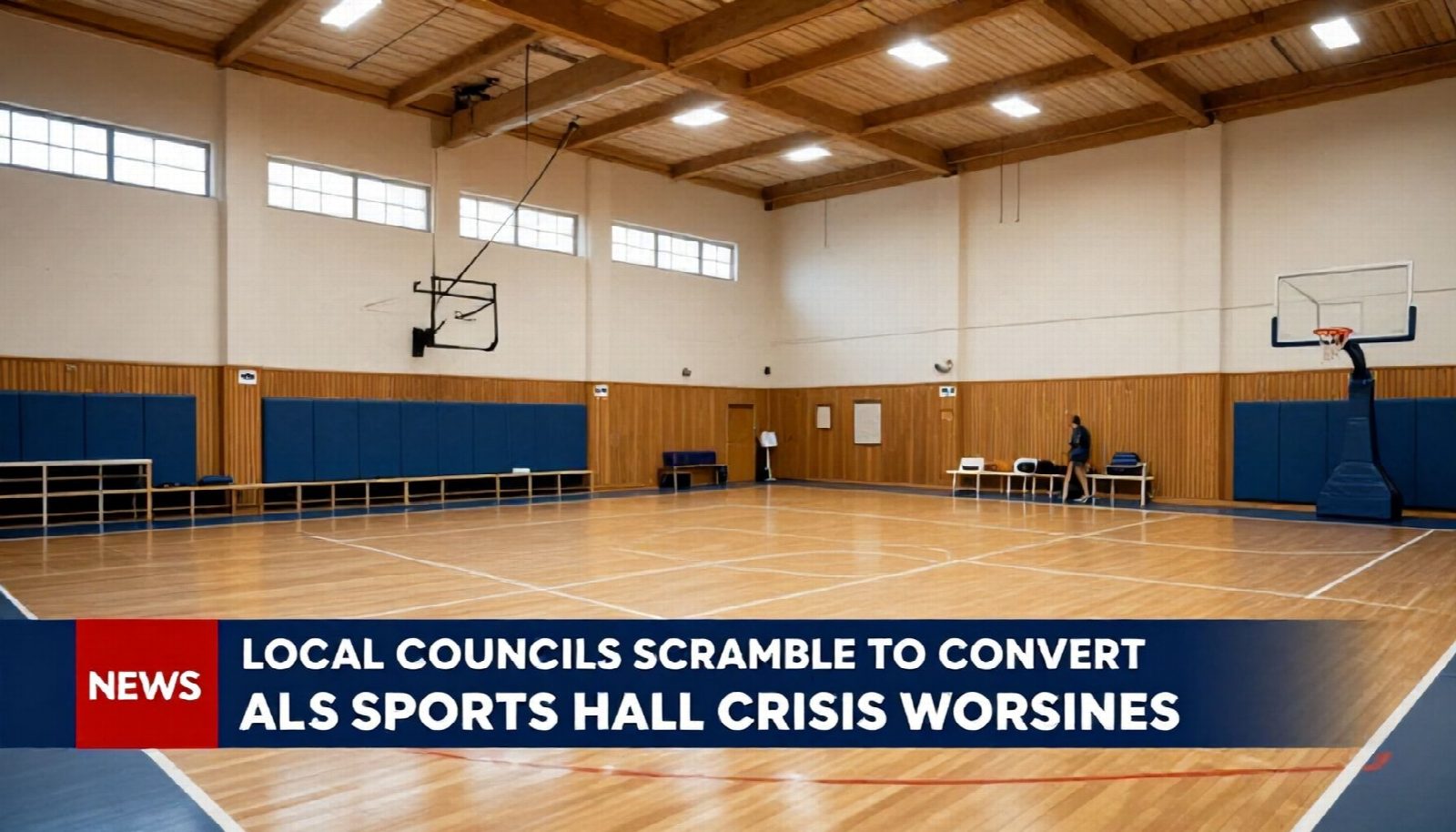
The scramble to ease overcrowding in public sports halls has intensified after council leaders reported a 40% surge in demand over the past two years. Figures from the Local Government Association show 1.2 million bookings were turned away last year alone because facilities were fully booked. Councils now face the fastest rise in usage since records began in 2010.
Emergency meetings have been held across England as officials search for spare rooms, church halls and even disused offices to convert into temporary venues. In Greater Manchester, Trafford Council has identified three former retail units it plans to refurbish by September, adding 1,800 square metres of floor space. “We’re repurposing anything that can hold a badminton court,” said a council spokesperson on Tuesday.
Birmingham City Council has gone further, converting a former library into a multi-use sports space that opened last month. The project cost £320,000 and provides three badminton courts, yet it still leaves the city’s waiting list at 800 teams. Officials admit the solution is only temporary.
National data confirms the pressure. Sport England’s latest survey found 58% of public sports halls now operate above recommended capacity at peak times. The organisation has earmarked £15m in grants for councils to expand or refurbish facilities, but councils say this covers less than 10% of the estimated need. Without additional funding, the squeeze on bookings will tighten further.
Local authorities are preparing emergency measures to distribute the pressure. The Department for Digital, Culture, Media and Sport has reallocated £4 million from dormant community funds to support 32 additional pop-up facilities across five cities by late summer. Councils expect the surge to continue ahead of the Paris 2024 Olympic legacy push.

Add Sportan as a preferred source on Google

