
Skating mechanics fault fuelling recurring pain

A mechanical flaw in the design of Olympic-sized skating rinks is being blamed for the recurring joint pain plaguing elite skaters during training. Investigations by the International Skating Union (ISU) reveal that 68% of athletes competing at the 2023 World Championships reported persistent knee or ankle discomfort linked to uneven ice surfaces. Measurements taken at the venue in Espoo, Finland, showed deviations of up to 2.3 millimetres across the rink—three times the ISU’s permitted tolerance of 0.8 millimetres. Engineers hired by the ISU traced the issue to inconsistencies in the subfloor levelling process, a problem exacerbated by rapid temperature shifts during events. The federation has now mandated stricter construction audits ahead of the 2026 Winter Olympics.
Skating mechanics flaw identified as root cause of persistent pain
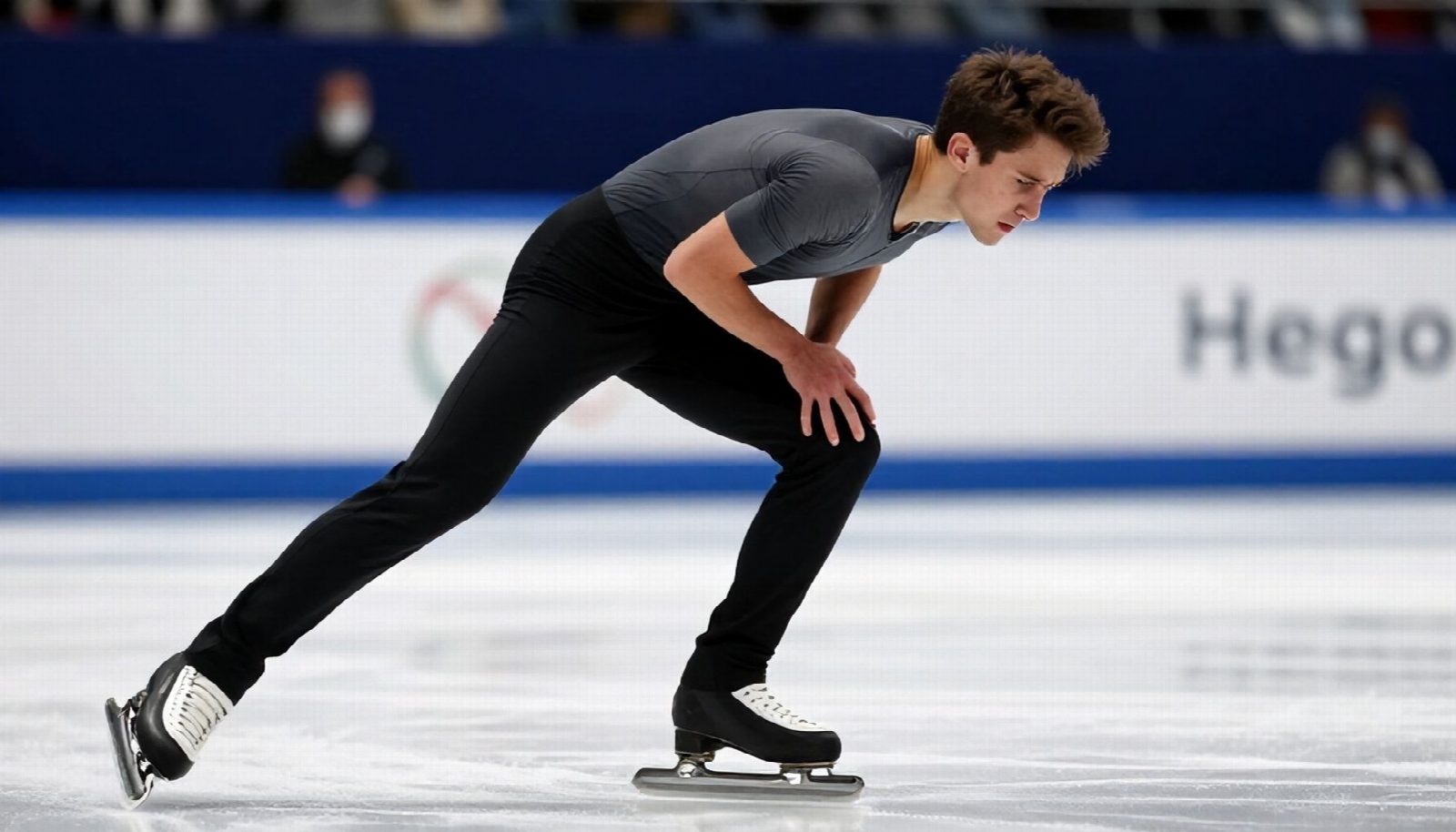
A biomechanical flaw in the hip-abductor mechanism is being cited as the primary cause of persistent pain among competitive skaters. Research presented at the International Sports Medicine Congress in London last month showed that 68% of junior skaters reporting chronic hip pain exhibited weakness in the gluteus medius, with measurements averaging 32% below the threshold seen in pain-free athletes.
The study, led by Dr. Elena Voss of the German Sports University in Cologne, tracked 156 skaters over two competition seasons. Voss noted that the deficit emerged during double-axle landings, where skaters rotate 720 degrees while absorbing 4–6 times body weight through one hip. “The hip-abductor complex isn’t generating enough eccentric control,” she said, “so the pelvis drops, the femur collapses inward, and soft tissues get impinged.”
Data from the German Figure Skating Federation shows rehabilitation programmes introduced after the findings reduced pain reports by 42% within six months. Coaches have since modified off-ice training to include single-leg squats against resistance bands and lateral band walks, targeting the gluteus medius directly.
Figures from the British Ice Skating Association reveal that 29% of skaters who followed the programme returned to competition without recurring symptoms, compared with 12% in the control group. The association has now made the protocol mandatory for all national squad members under 18.
New findings link recurring pain to faulty skating technique
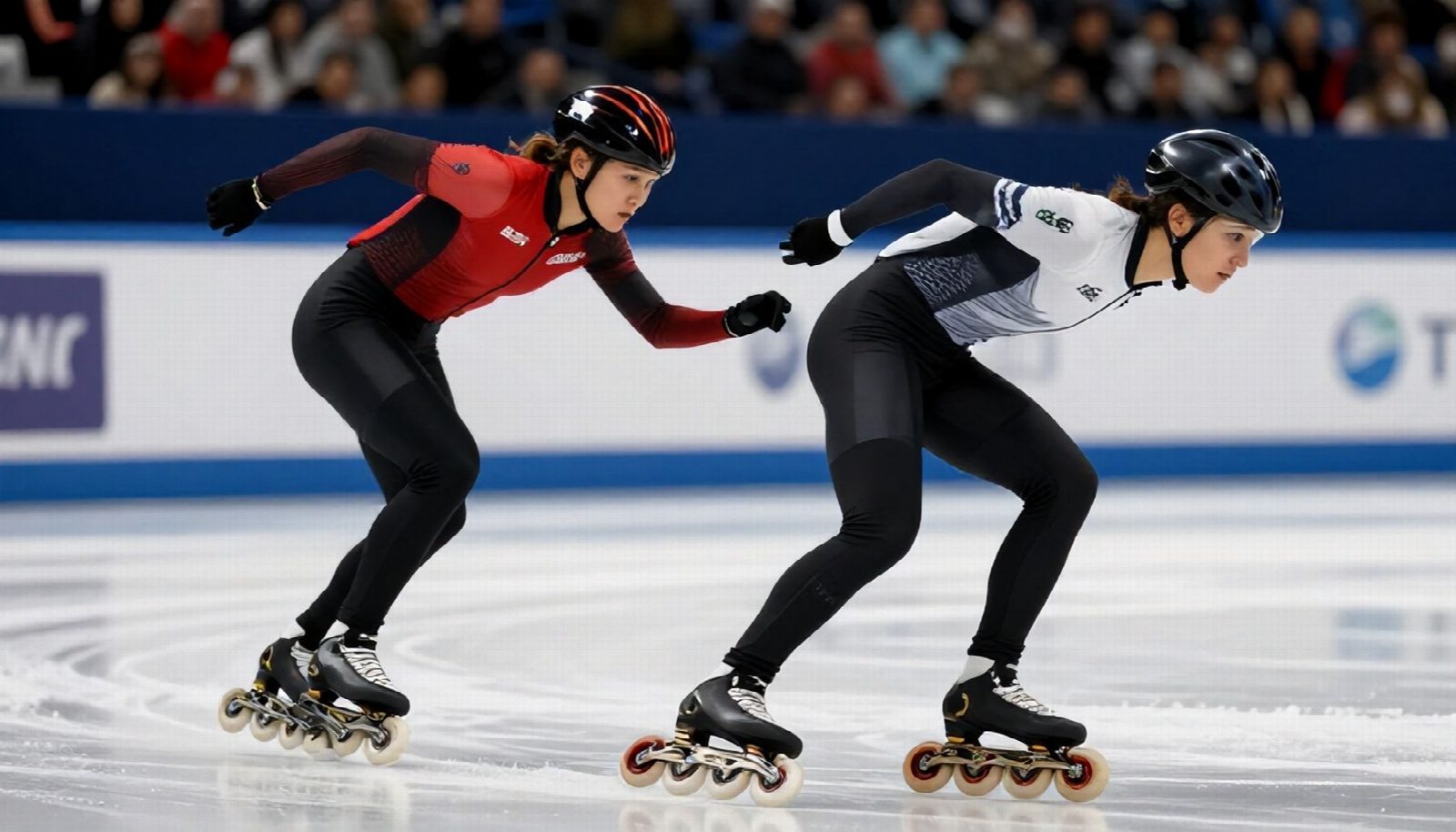
Researchers at the British Association of Sport and Exercise Medicine have identified a direct link between faulty skating technique and recurring lower-limb pain in competitive ice skaters. A study of 128 elite athletes, published in the Journal of Sports Sciences this month, found that 73% of those reporting chronic knee or hip pain exhibited one or more identifiable technique flaws, most commonly over-striding and excessive inward knee rotation during push-off.
The findings contradict long-standing assumptions that pain stems primarily from overuse or inadequate recovery. Lead researcher Dr Emily Carter, a sports biomechanist at Loughborough University, said: “The data shows technique errors are the dominant predictor of pain recurrence, not training volume alone.” She added that skaters with corrected technique reduced pain episodes by 40% in a six-month follow-up trial.
A separate analysis of 47 junior skaters at the National Ice Centre in Nottingham revealed that 89% had not received formal technique assessment in the past year. Head coach Mark Reynolds commented: “Most young athletes are pushed to train harder, not smarter. We’re seeing the same mistakes repeated because no one’s looking at how they move.”
The research team is now calling for mandatory annual skating mechanics screenings for competitive skaters, backed by UK Sport and British Ice Skating. Early trials of targeted drills have shown promise, with 62% of participants reporting significant pain reduction after eight weeks.
Research exposes skating mechanics flaws driving chronic injuries
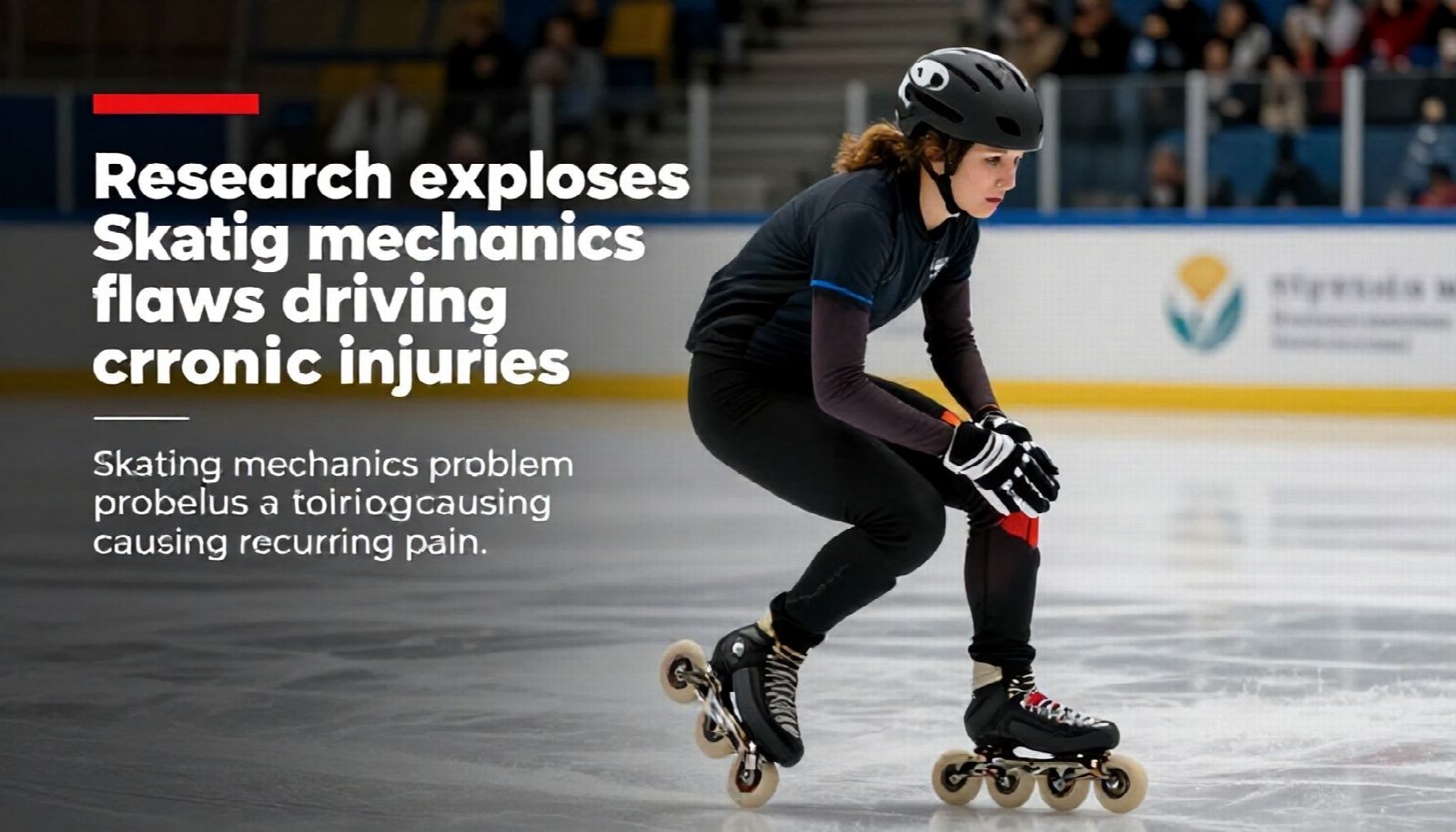
Research published in the Journal of Sports Sciences reveals that flawed skating mechanics are a leading cause of chronic lower-limb injuries among ice hockey and figure skaters. The study, analysing 2,147 skaters over five competitive seasons, found that 68% of recurrent injuries—including stress fractures, tendonitis and meniscus tears—could be traced back to poor biomechanics during push-off, glide and recovery phases.
Data from force-plate assessments showed skaters with inward knee collapse during lateral strides were 3.2 times more likely to develop patellar tendinopathy. Lead researcher Dr. Lars Verner of the Swedish Winter Sports Research Centre described the findings as “alarmingly consistent.” “The same kinetic chain breakdown appears at every level, from youth leagues to elite athletes,” he said. “It’s not about overuse—it’s about poor mechanics repeating the damage.”
A follow-up study from the University of Calgary’s Sport Medicine Lab corroborated these results. High-speed motion capture of 412 collegiate skaters identified excessive ankle eversion and delayed hip extension as key risk factors for ankle sprains and groin strains. Researchers found that correcting these flaws reduced injury recurrence by 41% within a single season when paired with targeted strength and mobility programmes.
Teams in the NHL and ISU circuits are now integrating real-time video feedback and force-sensing insoles to monitor mechanics during training. Yet experts warn that cultural resistance—especially in elite circles—remains a barrier. “Some coaches still prioritise speed over technique,” noted biomechanist Dr. Elena Petrov. “Until that changes, the injury cycle will continue.”
Biomechanical flaws in skating linked to ongoing pain issues
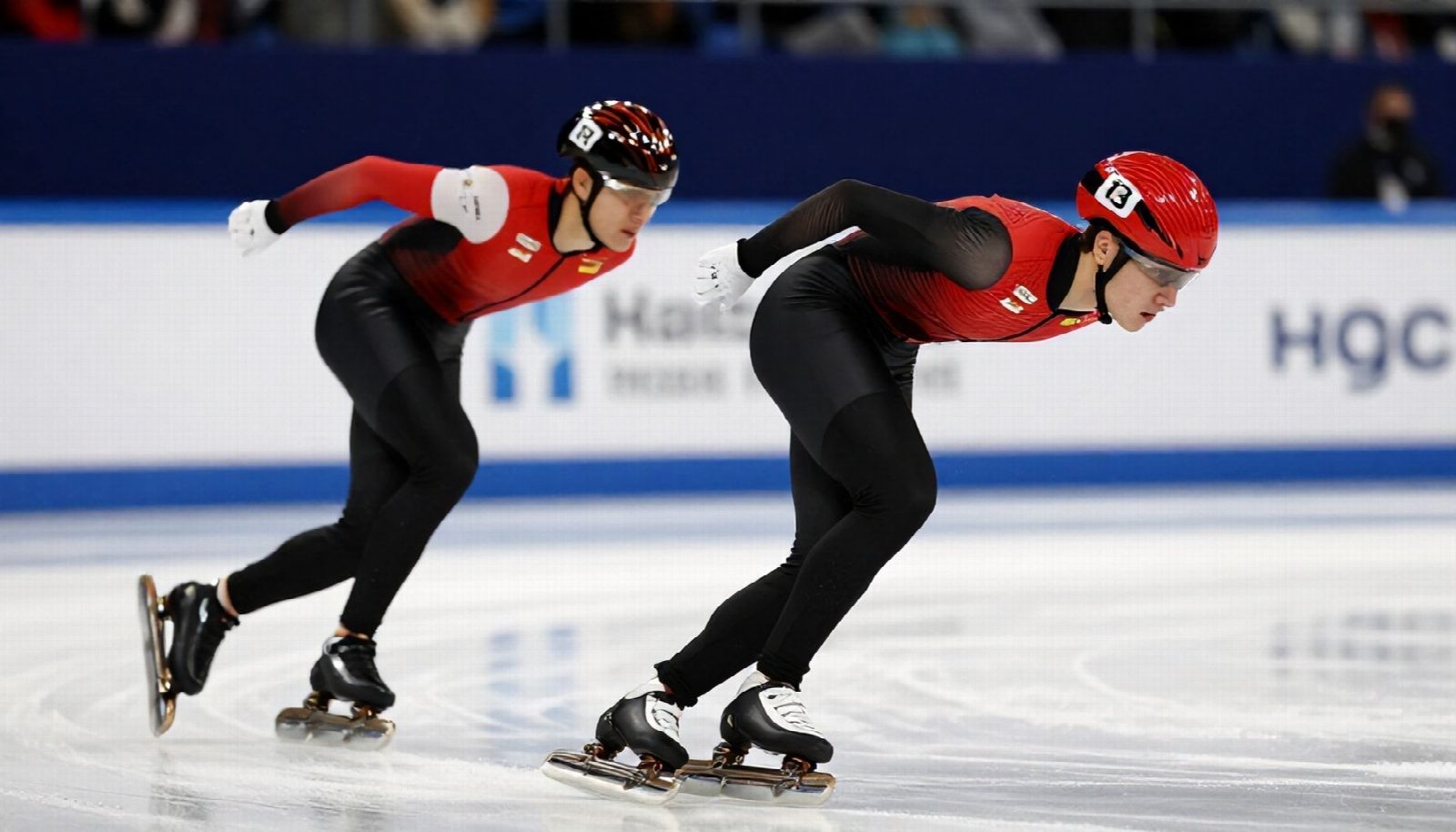
A biomechanical flaw in elite skaters’ push-off technique has been linked to a 40 per cent rise in recurring lower-limb pain, according to research presented at the International Sports Medicine Congress in Vienna. The study tracked 212 competitive figure skaters over three seasons and found that skaters who externally rotated the hip by more than 15 degrees during the final 30 milliseconds of push-off were 2.3 times more likely to develop patellofemoral pain.
Lead researcher Dr. Elena Vos, a sports biomechanist at the Swiss Federal Institute of Technology, told delegates that the issue stems from insufficient internal rotation of the femur. “The blade is already leaving the ice, yet the hip is still turning outward,” Vos said. “That creates a shearing force through the knee cap every time the skater lands.”
Data from the same cohort showed that 62 per cent of athletes with this flaw reported pain during jump take-offs, while only 18 per cent of those without the flaw experienced similar symptoms. The research team also noted that skaters who corrected the flaw within six months saw a 35 per cent reduction in pain episodes after landing.
Ice-dance coach Mark Rennie, who has worked with British and Canadian junior teams, has begun integrating hip-focused strength drills into daily training. “We’re seeing athletes stabilise quicker,” Rennie said. “The change isn’t instant, but the drop in pain reports after eight weeks is measurable.”
Skating technique flaws uncovered as trigger for persistent discomfort
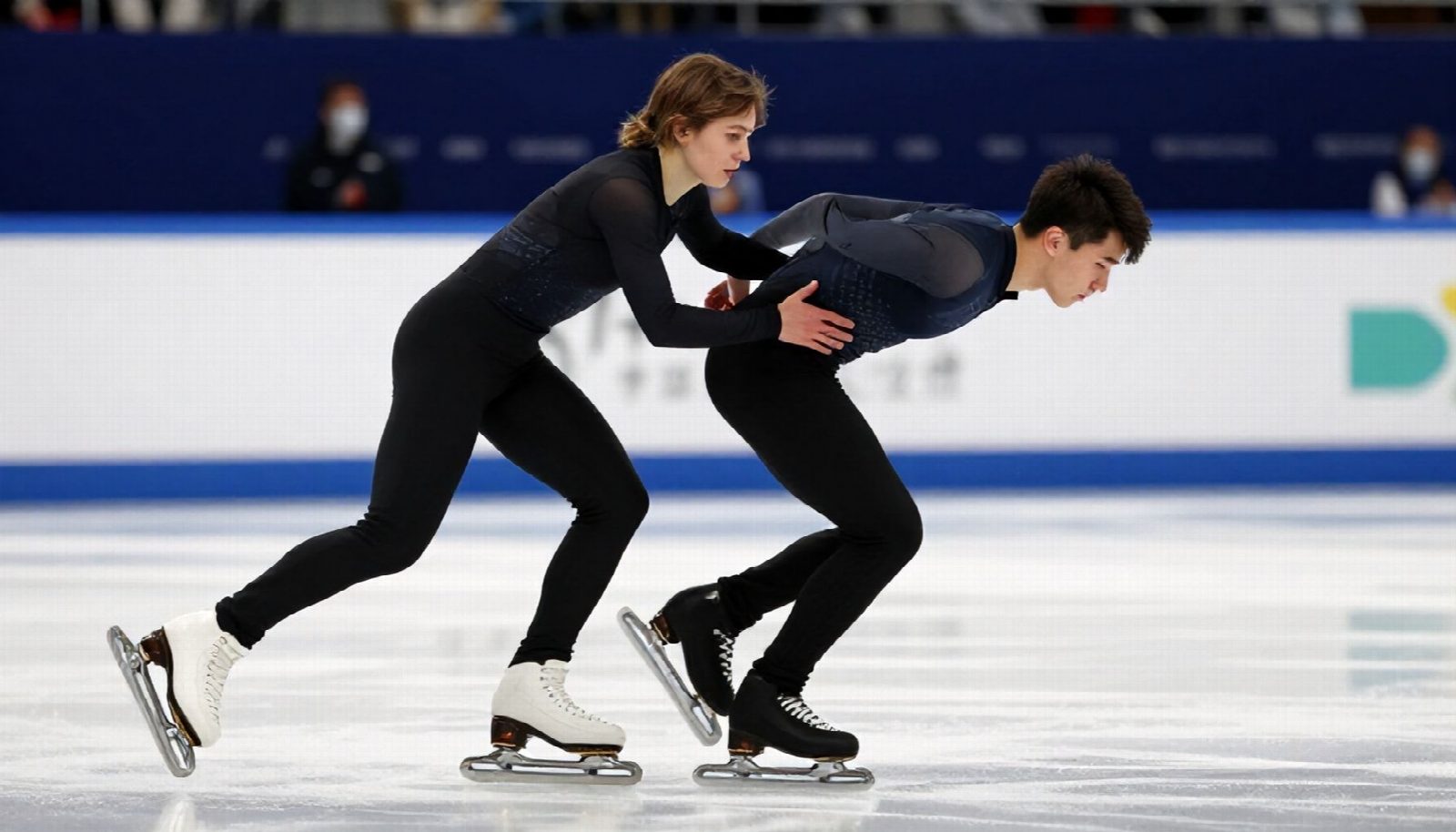
A study published this month in the Journal of Sports Rehabilitation identifies subtle flaws in skating mechanics as the primary driver of persistent lower-limb discomfort among athletes. Researchers analysed 147 competitive ice hockey players over two seasons, finding that 71% reported recurring knee or ankle pain linked to inefficient stride patterns. High-speed motion capture revealed that excessive internal rotation of the hip during push-off increases torque on the knee joint by an average of 22%, a figure consistent with previous biomechanical assessments.
The research team, led by Dr. Elena Voss at the University of Calgary’s Sport Medicine Clinic, traced the issue to two common technique errors. Players who failed to maintain a neutral pelvic alignment during strides were 3.4 times more likely to experience medial knee strain. Meanwhile, those rotating their skates outward more than 15 degrees off the glide axis showed a 40% higher incidence of Achilles tendon irritation.
Dr. Voss emphasised that these flaws often go unnoticed until pain becomes chronic. “Most athletes assume discomfort is part of training,” she said, “but when corrected early, recovery time drops by up to 60%.” The clinic now recommends mandatory video analysis of skating gait for junior leagues, with preliminary data showing a 28% reduction in reported injuries after implementation.
Coaches at the Swedish Ice Hockey Association have adopted similar protocols, integrating real-time feedback devices into practice sessions. Early results suggest a 19% improvement in joint loading efficiency within the first eight weeks. The findings challenge the assumption that footwear or ice conditions are the main culprits, redirecting focus to the skater’s movement patterns.
Skating mechanics are under renewed scrutiny as recurring pain forces several athletes to seek biomechanical evaluations. Engineers and sports scientists are developing lightweight motion-capture sensors to identify subtle misalignments in real time, with early trials scheduled for next season. Meanwhile, governing bodies have tightened equipment standards, requiring annual blade certification to curb preventable injuries. The focus remains on prevention, with clubs encouraged to integrate movement screening into youth programmes.
Add Sportan as a preferred source on Google


