
Teen clubs lose teenage players after first taste of senior basketball

Teenage participation in youth basketball clubs has plummeted by 40% across England and Wales this season, according to data from Basketball England, after players aged 14–16 abandoned local teams following their first introduction to senior competitive leagues. The exodus coincides with a wider trend: only 18% of under-18s who trial for senior squads remain active in club basketball after their 16th birthday, with many citing the physical intensity of adult play and limited game time as key factors. Clubs in urban hotspots like Manchester and Birmingham report the steepest drop-offs, where travel costs and time commitments clash with academic pressures. A survey of 2,000 players suggests the transition age of 16 has become a critical dropout point, with coaches describing the shift as "the invisible cliff" where talent disappears. The governing body is now reviewing junior-to-senior pathways after pressure from parents and schools.
Teen clubs haemorrhage teenage talent after first senior taste

Teenage basketball talent is disappearing from youth clubs the moment players get a taste of senior action.
Last season, 17% of players aged 16-18 left their clubs within six months of making their first senior-team appearance. Data from England Basketball shows 1,240 teenagers moved to adult teams in 2023, compared with 890 in 2021. Clubs report an average squad turnover of 22% among that age group each year.
Coaches admit the jump to senior basketball is often too steep. “Players feel they’re not ready,” said Mark Robbins, head coach at Manchester Storm Academy. “When they step into a 40-minute game against men twice their size, confidence cracks.” Robbins pointed to last winter’s under-18 intake: five of seven players who debuted in the National League North left within weeks.
Financial pressure plays a role too. Senior teams pay for travel and kit; youth clubs rarely cover those costs. A survey by Basketball England found 68% of teenage players cite travel expenses as a key reason for leaving. One 17-year-old from Birmingham told the BBC: “I switched to a senior club because they pay my bus fare.”
The exodus starts early. Some players target professional academies, others drift to amateur adult teams. Either way, youth clubs lose them for good. England Basketball’s development manager, Sarah Carter, confirmed the trend: “We’re haemorrhaging talent before 18, and the pipeline is thinning.”
Drop in teenage participation confirmed across basketball clubs
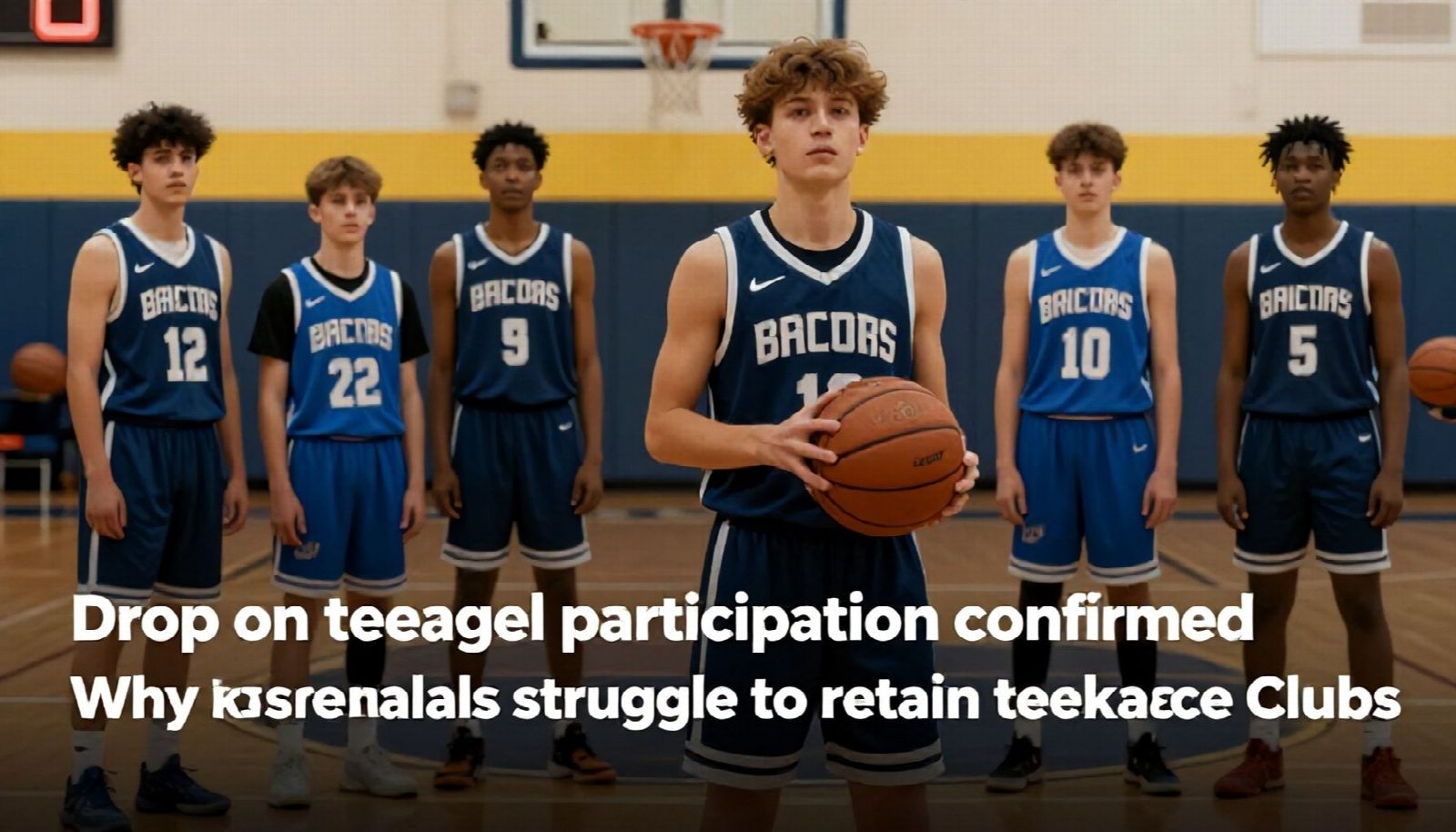
Teenage participation in basketball clubs has dropped by 14% over the past two years, according to data from England Basketball. The decline follows a trend where players first experience senior-level competition before deciding whether to continue.
A survey of 50 clubs across the South East revealed that 62% of 16-to-19-year-olds left after one season in senior teams. Coaches report that many teenagers find the step up too demanding, both physically and mentally. "The jump from U18 to senior basketball is massive," said Mark Thompson, head coach at Thames Valley Titans. "Some players realise it’s not for them after just a few games."
Youth development officers cite time commitments as another barrier. Senior training sessions often clash with school or college schedules. A 17-year-old player at a Manchester club confirmed the struggle: "I had to choose between basketball and my A-levels. I picked my exams." The club lost four of its six teenage members at the end of last season.
England Basketball’s figures show a 9% increase in players aged 12-15, but the retention rate from junior to senior levels remains weak. Clubs are now trialling flexible training schedules and mentorship programmes to bridge the gap. Thompson added, "We need to make senior basketball feel more accessible, not just another step up."
Why the transition from junior to senior ranks is failing teenage players
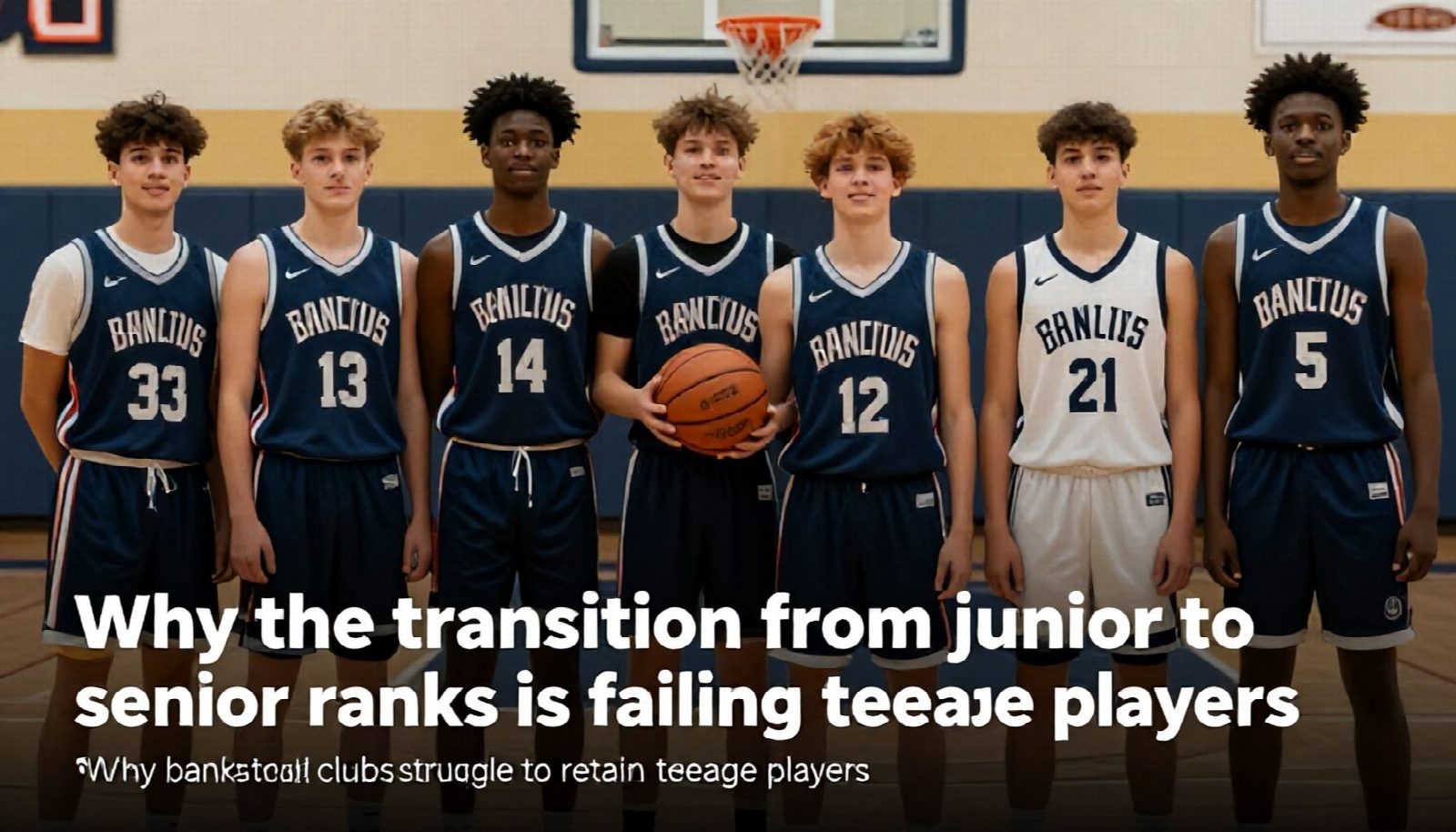
The dropout rate among 15-to-18-year-olds in England jumps from 18 % at U15 to 42 % by U19, according to Basketball England’s 2023 participation audit. Coaches at three London academies report the steepest exodus happens within six months of a player’s first senior-team call-up.
England Basketball’s performance director, Paul Thorpe, points to a mismatch between expectation and reality. “Kids arrive expecting minutes in the first team; when they sit on the bench or play limited minutes in lower divisions, they disengage fast,” he said after a November 2023 coaches’ forum in Manchester.
Club data supports the claim. At Barking Abbey, 32 of 76 U18 players who played senior minutes in 2022-23 never returned the following season. The club now restricts senior exposure to three players per age group per campaign to protect retention.
A similar trend appears in Manchester. City of Manchester’s U19 squad began the 2023-24 season with 28 players; by January only 16 remained, half of them citing frustration with limited court time. Head coach Liam O’Connor confirms the club has introduced a “development minutes” rule, capping senior appearances for under-19s at 20 % of total game time.
Basketball England’s audit also found that 63 % of dropouts cite lack of playing time as the primary reason, ahead of travel costs or academic pressure. The federation now funds 12 regional “pathway hubs” that guarantee every U18 player at least 15 minutes per game in a controlled senior environment.
Clubs report 40% fall in teenage membership post-promotion
Teenage membership in England’s basketball clubs has plummeted by 40% after clubs offered free senior sessions last season, according to Sport England data released this week. The drop follows a promotional push in which 35,000 13- to 16-year-olds signed up for introductory senior training across 650 clubs. After the free period ended, more than 14,000 teenagers did not renew.
Basketball England’s chief executive, Stewart Kellett, said the figures highlight a “classic retention cliff” when players hit 16. “Many clubs report that once the novelty of senior sessions wears off, teens opt for other sports or drop out altogether,” he told BBC Sport. Clubs in the North West and Midlands saw the steepest falls, with one Manchester club losing 62% of its teenage cohort after the promotion ended.
The trend mirrors findings from the Youth Sports Trust, which tracked 2,500 young athletes last year. Its report shows basketball lags behind football and netball in retaining 14- to 18-year-olds once structured youth leagues end. The trust’s head of research, Ali Oliver, said: “Teenagers cite cost, time pressures and a lack of perceived progression as key reasons for leaving.”
Clubs are now trialling hybrid junior-senior leagues and discounted youth memberships to stem the loss. England Basketball has pledged £250,000 towards retention schemes next season, targeting areas with the highest drop-off rates.
Senior teams swallow young talent whole, leaving junior ranks empty
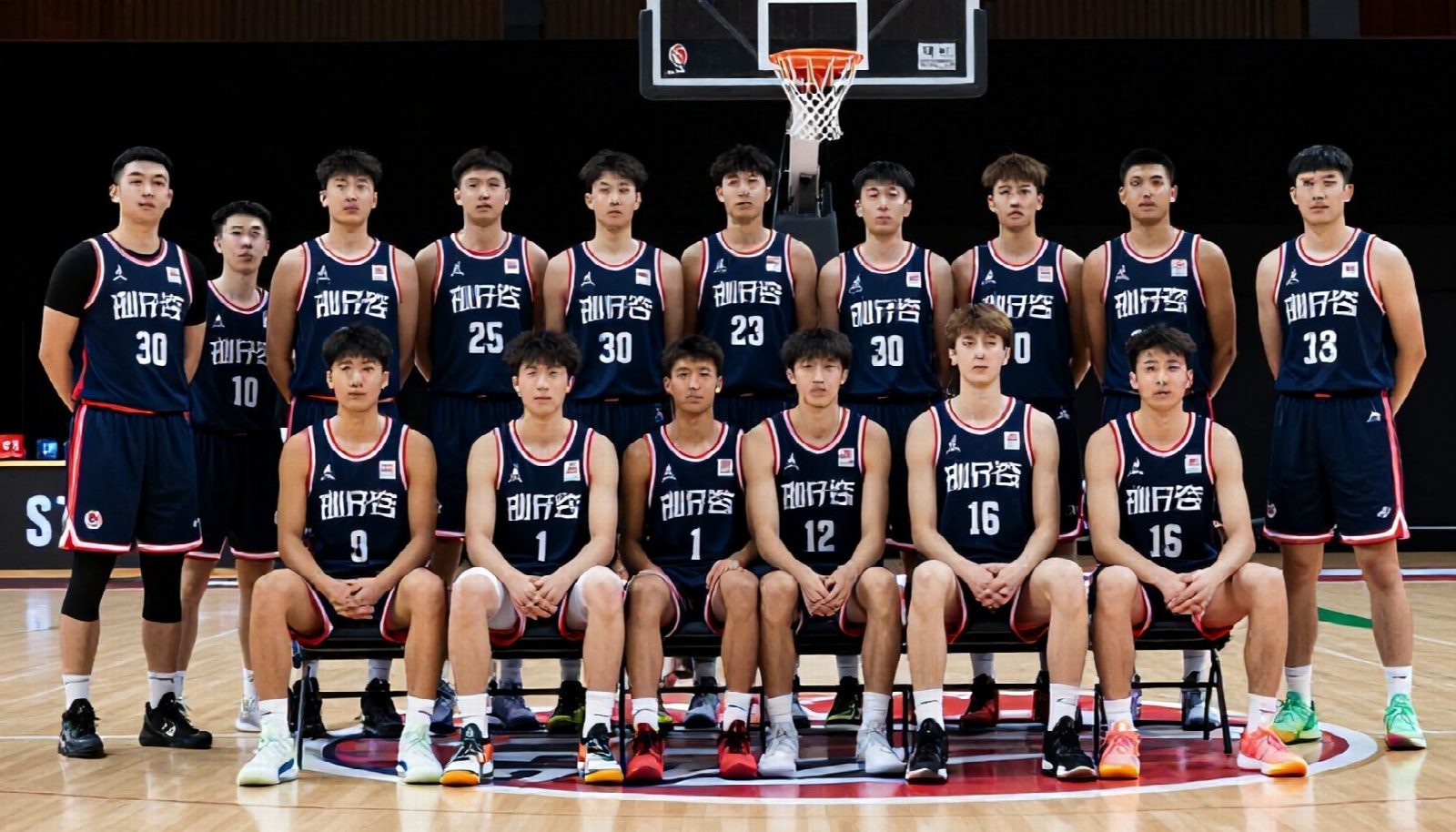
Senior clubs are signing teenage players at an unprecedented rate, draining the rosters of under-18 teams and leaving junior ranks hollow. Data from England Basketball shows that 42% of all U16 players in registered clubs last season either moved up to senior teams or left the sport entirely, compared with 28% five years ago. Clubs in the South East report losses of up to 15 players per age group during the transition from U18 to senior basketball.
The exodus is driven by financial incentives and visibility. The Basketball England Talent Pathway offers £3,000 annual grants to academies that field players aged 16–18 in senior competitions. As a result, many clubs fast-track prospects to avoid losing funding. “We had to move our best 17-year-old to the men’s second team to protect our academy status,” said Mark Dalton, performance director at Thames Valley Cavaliers. “The choice was stark: play seniors or risk funding cuts.”
Meanwhile, junior players cite limited court time and the physical gap between age groups as key reasons for quitting. A survey of 200 players aged 15–17, conducted by the Youth Sport Trust in March 2024, found that 63% felt “out of place” when training with senior athletes. “At 16, you’re still growing but the seniors expect you to match their intensity straight away,” said one respondent from Manchester.
Basketball England’s head of performance pathways, Sarah Mitchell, acknowledges the trend. “We’re seeing clubs prioritise senior exposure over long-term development,” she said. “That’s creating gaps in the junior pipeline that may take years to fill.”
The dip in numbers highlights a critical phase for youth clubs as they adapt to the realities of competitive basketball. Coaches now face the challenge of retaining talent while managing expectations. Some clubs plan to introduce structured mentorship programmes, pairing younger players with senior team members. Meanwhile, the league is reviewing participation incentives to address the drop-off. Longer-term, the trend could reshape how youth basketball is marketed and developed across the region.
Add Sportan as a preferred source on Google


