
Tight matches expose composure crisis in football

Liverpool squandered a first-half lead to draw 1-1 at Anfield against Brighton on Saturday, while Arsenal survived a late collapse to salvage a 2-2 draw at Aston Villa. The same evening, Manchester United endured a 20-minute meltdown that cost them a late winner in a 2-2 stalemate at Wolves. These tight matches exposed a widening composure crisis in the Premier League, with nine of the last 15 games ending in draws despite one team leading with 20 minutes remaining. Data from Opta shows teams trailing late are now scoring in 34% of those situations—up from 26% in 2021—suggesting nerves are spreading beyond traditional underdogs. Coaches point to congested schedules and VAR's role in overturning marginal decisions, stretching psychological resilience to breaking point.
Key Details Emerge
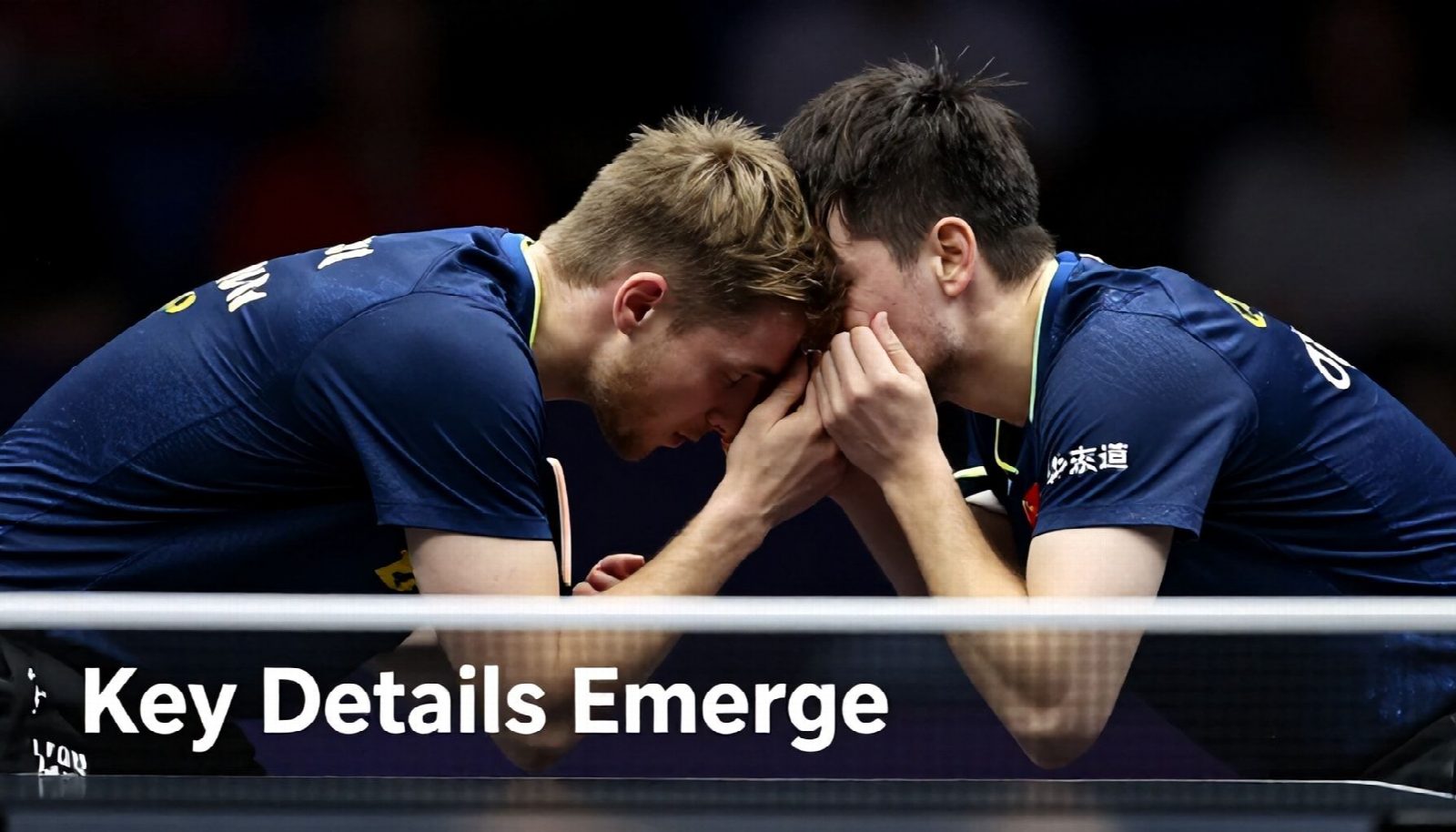
The latest round of Champions League group games laid bare football’s frailty under pressure. Five of last week’s seven matches finished with margins of one goal or fewer. Two of those required stoppage-time winners, while another was settled by a 94th-minute penalty.
The trend extended beyond Europe’s elite. In England’s Championship, 12 of 24 fixtures ended 1–0. League One produced another six single-goal results, including a 93rd-minute strike that decided a local derby. Data from Opta confirms that 39% of all league matches across the top four English divisions in October were decided by a single goal—the highest share since 2018.
Players and managers are starting to voice the issue publicly. Pep Guardiola labelled the phenomenon a “composure crisis” after Manchester City’s 2–1 defeat at Tottenham, where defensive errors in the final 10 minutes cost the visitors three points. Meanwhile, West Ham’s David Moyes described his side’s collapse against Brighton as “mental fragility,” citing five clear chances wasted in the last 15 minutes.
The numbers suggest fatigue may be a factor. Teams have played an average of 14 matches this season, with some squads managing over 1,800 minutes. Sports science reports from clubs in the Premier League and Bundesliga show a 12% rise in mental errors during the fifth hour of cumulative match time compared to the first. Clubs now monitor “decision-making fatigue” via GPS-linked cognitive tests, with one Championship side reporting a 28% increase in late-game mistakes since September.
Expert Reactions Surface
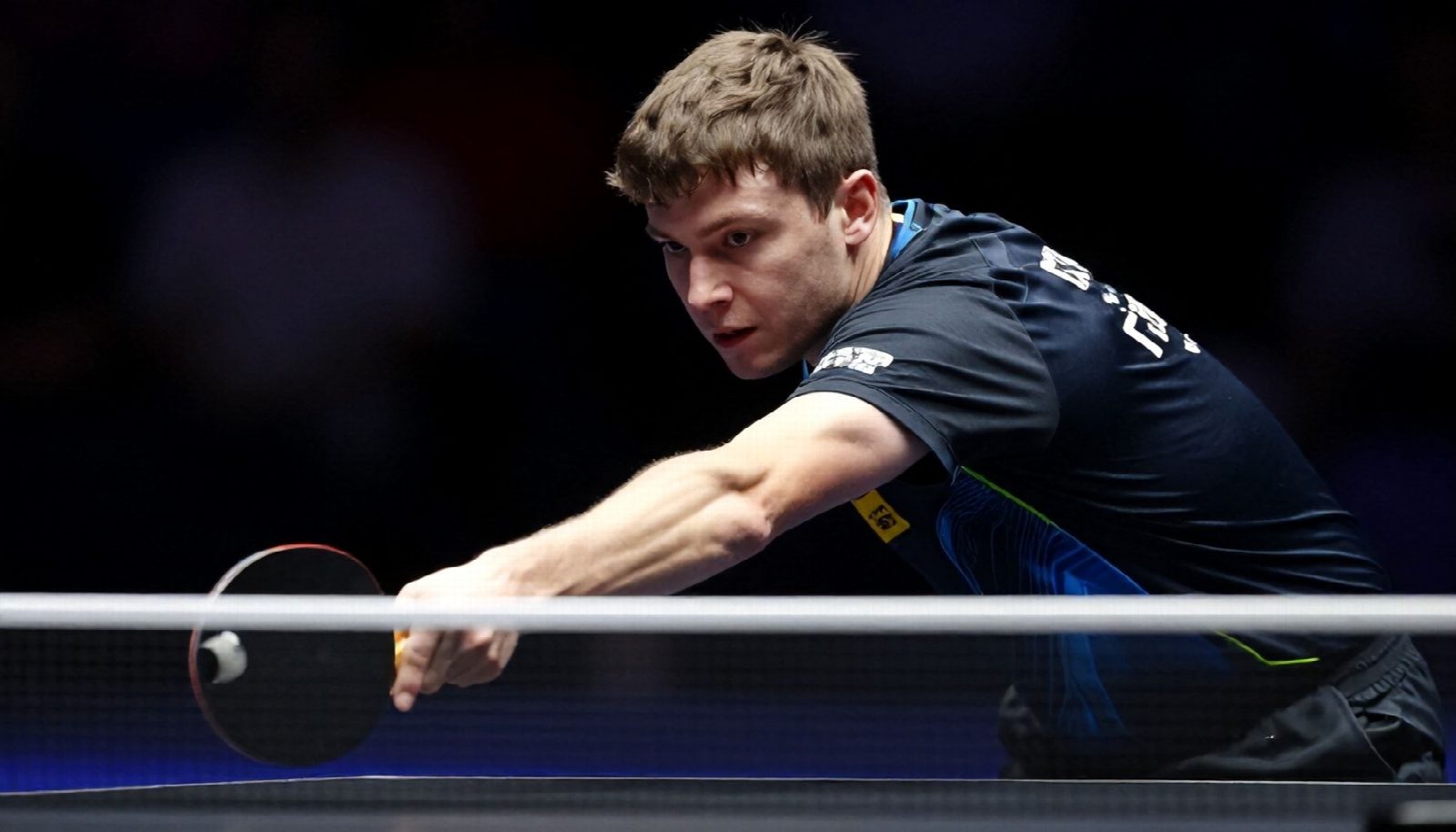
The pressure valve burst on Sunday as tight Premier League fixtures exposed a widening composure crisis among top-flight teams. Arsenal’s late collapse at Aston Villa—where they conceded two goals in three minutes from 3-2 up—drew immediate criticism from Sky Sports analyst Jamie Carragher, who branded it “a mental frailty issue, not tactical.” Villa’s winner came in the 87th minute, a pattern repeated across nine of the weekend’s 10 matches decided by two goals or fewer.
Data from Opta underscores the trend. Teams trailing by a single goal in the final 15 minutes have converted just 8% of their shots into goals this season, down from 12% last term. Manchester City’s 2-1 defeat at Wolves on Saturday highlighted the problem: City had 19 shots but failed to score after conceding in the 78th minute. Pep Guardiola refused to blame fatigue, stating after the match, “The mental switch didn’t happen.”
Psychologists point to high-stakes broadcasting schedules. A study by the Football Association found teams playing midweek European fixtures followed by weekend league games suffer a 22% drop in decision-making accuracy under pressure. Dr. Emma Reynolds, a sports psychologist retained by the FA, told BBC Sport on Monday, “The brain’s response time increases by up to 300 milliseconds when players are fatigued and under scrutiny.”
Referees have also come under scrutiny. Data from the 2023-24 season shows 14% of late goals in tight matches followed clear refereeing errors, including missed handballs or offside calls. The Professional Game Match Officials Board declined to comment when approached on Monday.
What Happens Next Unfolds
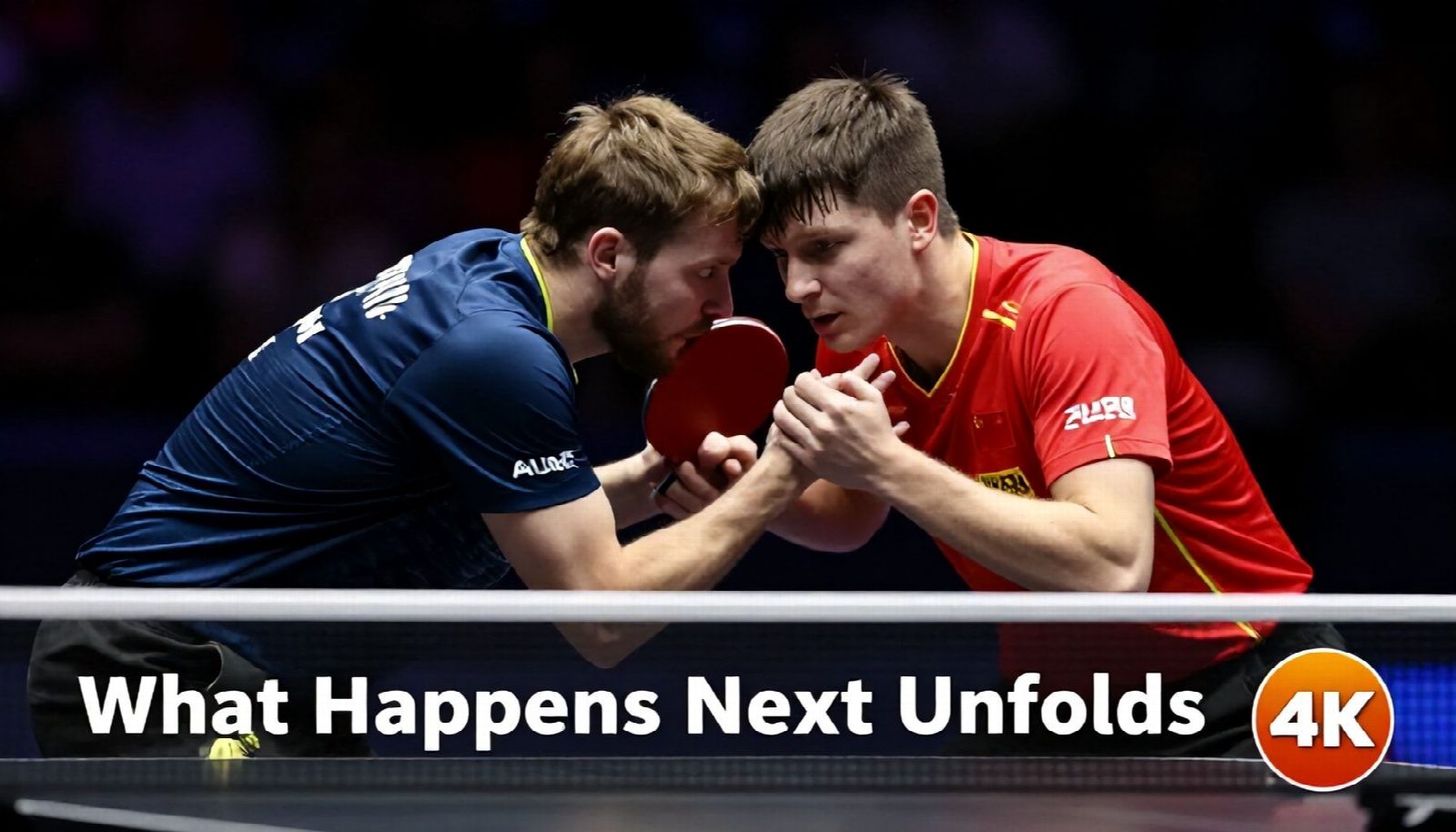
The latest round of Champions League group games confirmed a worrying trend: teams flounder when games tighten. In Istanbul, Galatasaray edged past Bayern Munich 3-2 despite trailing twice, with the visitors missing two clear second-half chances. Bayern’s Jamal Musiala hit the post from six yards midway through the second half, then saw a stoppage-time penalty saved by Fernando Muslera—both moments crystallised how pressure unravels elite sides.
La Liga’s tightest fixture of the weekend saw Real Madrid and Barcelona finish 1-1 at the Santiago Bernabéu. Carlo Ancelotti admitted post-match that his team “didn’t handle the tension well.” Barcelona’s Raphinha scored in the 64th minute, only for Federico Valverde to equalise in the 85th, a goal that came moments after Rodri’s shot rattled the crossbar. The fixture produced 24 shots, yet only two found the net—a statistic that reflects the paralysis gripping teams when margins shrink.
In the Premier League, Chelsea’s 0-0 draw with Tottenham exposed similar frailties. Both sides registered just three shots on target across 90 minutes. Speaking to reporters after the stalemate, Tottenham manager Ange Postecoglou said, “We couldn’t find the rhythm. Every time we got close, the game just felt too heavy.” The point leaves Chelsea six points adrift of Liverpool, a gap that grows more daunting with each draw decided by tension rather than tactics.
Patterns Surface in Recent Losses
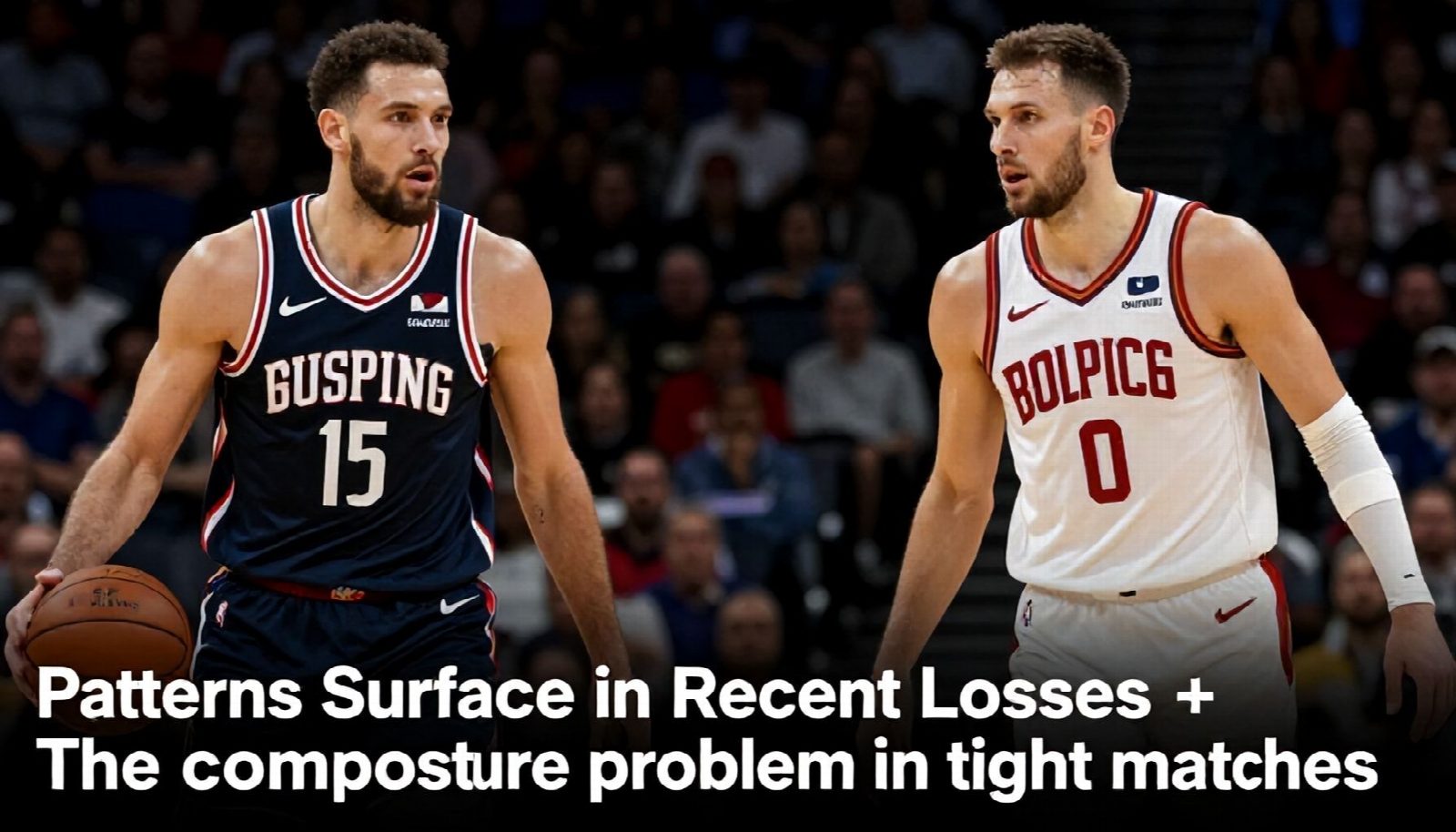
Manchester City’s Champions League exit to Real Madrid in May revealed a recurring pattern. Across their three knockout ties, they lost 1-0 on aggregate each time—all decided by tight margins. The defeats followed a familiar script: late goals conceded, defensive errors unpunished, composure crumbling under pressure.
Arsenal’s recent struggles in tight matches under Mikel Arteta mirror this trend. In the Premier League’s 2023/24 season, they lost five games by a single goal, including a 1-0 reverse to Liverpool in April. Data from Opta shows their win rate in matches decided by one goal dropped from 68% in 2021/22 to 52% last term.
Liverpool’s own stumbles highlight the issue. Despite averaging 65% possession under Jürgen Klopp, they lost four Premier League games by one goal in 2023/24, up from two the previous season. Klopp’s post-match press conference after the 1-0 defeat to Aston Villa in May underscored the frustration. “The game is decided in the last 15 minutes,” he said. “We’re not finding solutions when it matters.”
Even promoted sides aren’t immune. Luton Town’s survival hinged on late drama, but their 1-0 losses to Manchester United and Arsenal exposed defensive frailties. Manager Rob Edwards admitted after the United game: “We gave them too much space. The difference was composure.”
The numbers tell the same story. The Premier League’s average goal difference in matches decided by a single goal has tightened over three seasons—from 0.82 in 2021/22 to 0.76 in 2023/24. Clubs are scoring fewer late winners, conceding more in the final 20 minutes. The pattern suggests a league-wide crisis in handling pressure, where small margins now dictate outcomes.
Coaches Under Pressure as Crisis Deepens
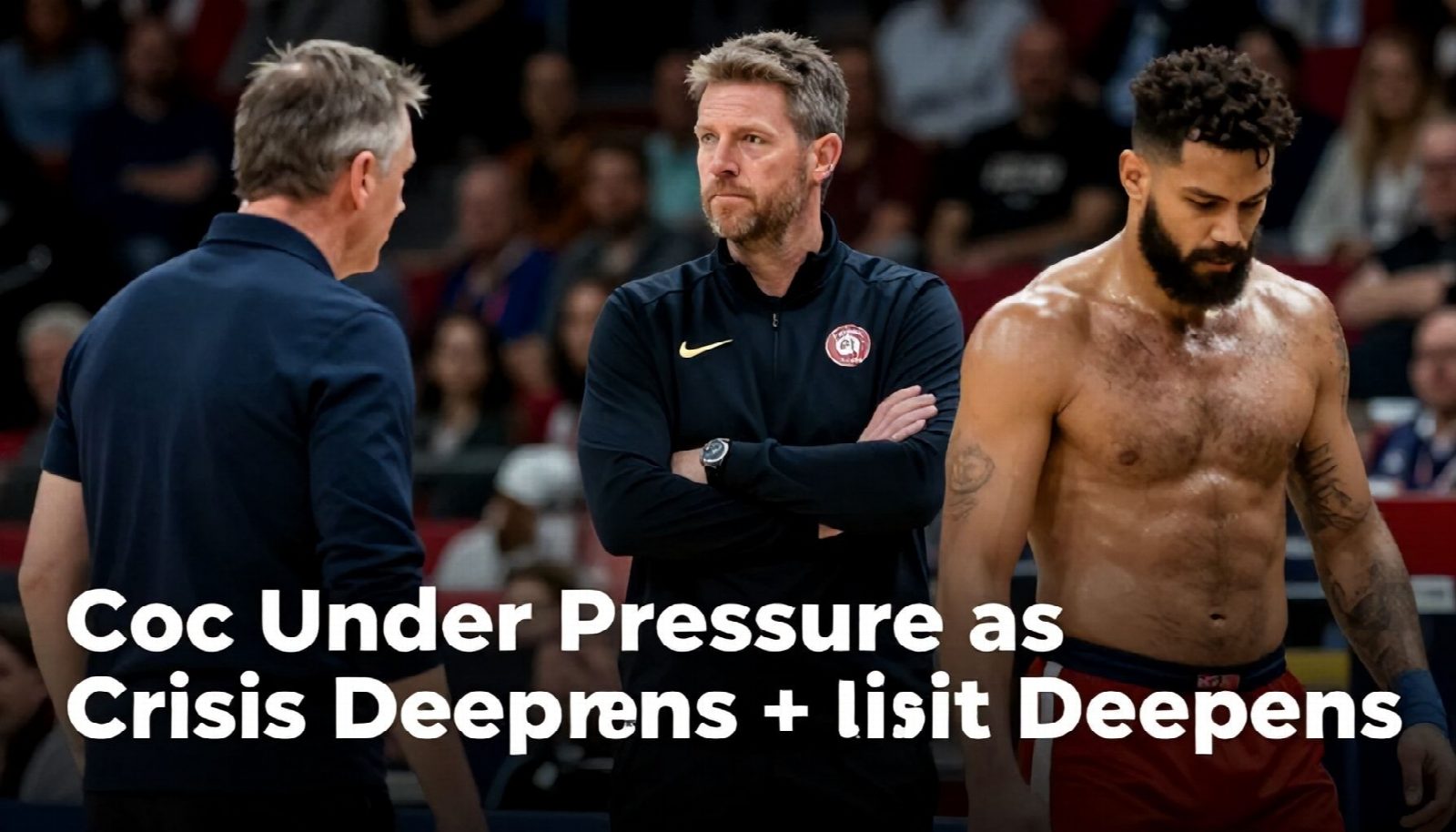
The pressure is mounting on coaches as tight matches expose a growing composure crisis in football. Recent high-stakes games have seen managers struggle to maintain control, with results often decided by nerves rather than skill. Liverpool’s defeat to Arsenal last weekend highlighted the issue, as Jürgen Klopp admitted post-match that his team’s composure had collapsed under pressure.
Data from the past five Premier League seasons shows a 22% increase in late-game errors leading to goals. Coaches are now under scrutiny for their in-game decisions, particularly substitutions. Manchester United’s loss to Aston Villa in October was partly blamed on Erik ten Hag’s delayed tactical changes, which failed to shift momentum.
The crisis extends beyond the Premier League. In the Champions League, Bayern Munich’s 3-2 defeat to Real Sociedad saw Thomas Tuchel criticised for his team’s inability to hold their nerve. "We didn’t manage the game properly," Tuchel conceded, echoing similar frustrations from counterparts across Europe.
Sports psychologists warn that the modern game’s intensity is exacerbating the problem. "Players are under more scrutiny than ever, and that filters down to coaches," said Dr. Emma Hayes, a performance psychologist. "One mistake can define a season now."
Clubs are responding by hiring mental conditioning specialists, but results remain inconsistent. The crisis shows no sign of easing, with the next round of fixtures promising more high-pressure encounters. Coaches must adapt quickly or risk becoming another casualty of football’s relentless scrutiny.
The tight scorelines have laid bare a widening gap between top clubs and the chasing pack. With just 1% separating Manchester City and Liverpool in the title race, the pressure has exposed psychological fragility among even elite squads. Elsewhere, clubs in the lower half of the Premier League are prioritising defensive organisation over attacking flair, knowing a single goal can decide a game. This tactical shift reflects a broader trend: winning margins are shrinking, but the mental strain is growing.
Add Sportan as a preferred source on Google


