
UK handball lacks funding, leaving teams trailing Europe

British handball teams are struggling to keep pace with Europe due to chronic underfunding, with the national federation receiving just £1.2 million annually compared to Norway’s £18 million or Germany’s £12 million. A recent report by the British Handball Association highlights that UK players average 50 training hours a year—less than a third of Denmark’s 160 hours—while elite clubs operate on shoestring budgets that force reliance on part-time coaches and volunteer staff. The funding shortfall has widened over the past five years, as European federations ramped up investment in professional structures, youth academies and sports science support. Last season, the Great Britain men’s team failed to qualify for the European Championships for the first time in two decades, a direct consequence of limited access to high-performance facilities. Experts warn the gap risks turning the sport into a "development league" for European clubs to poach talent rather than a competitive force of its own.
Funding Shortfall Forces UK Handball Teams to Train with Victorian-Era Grit
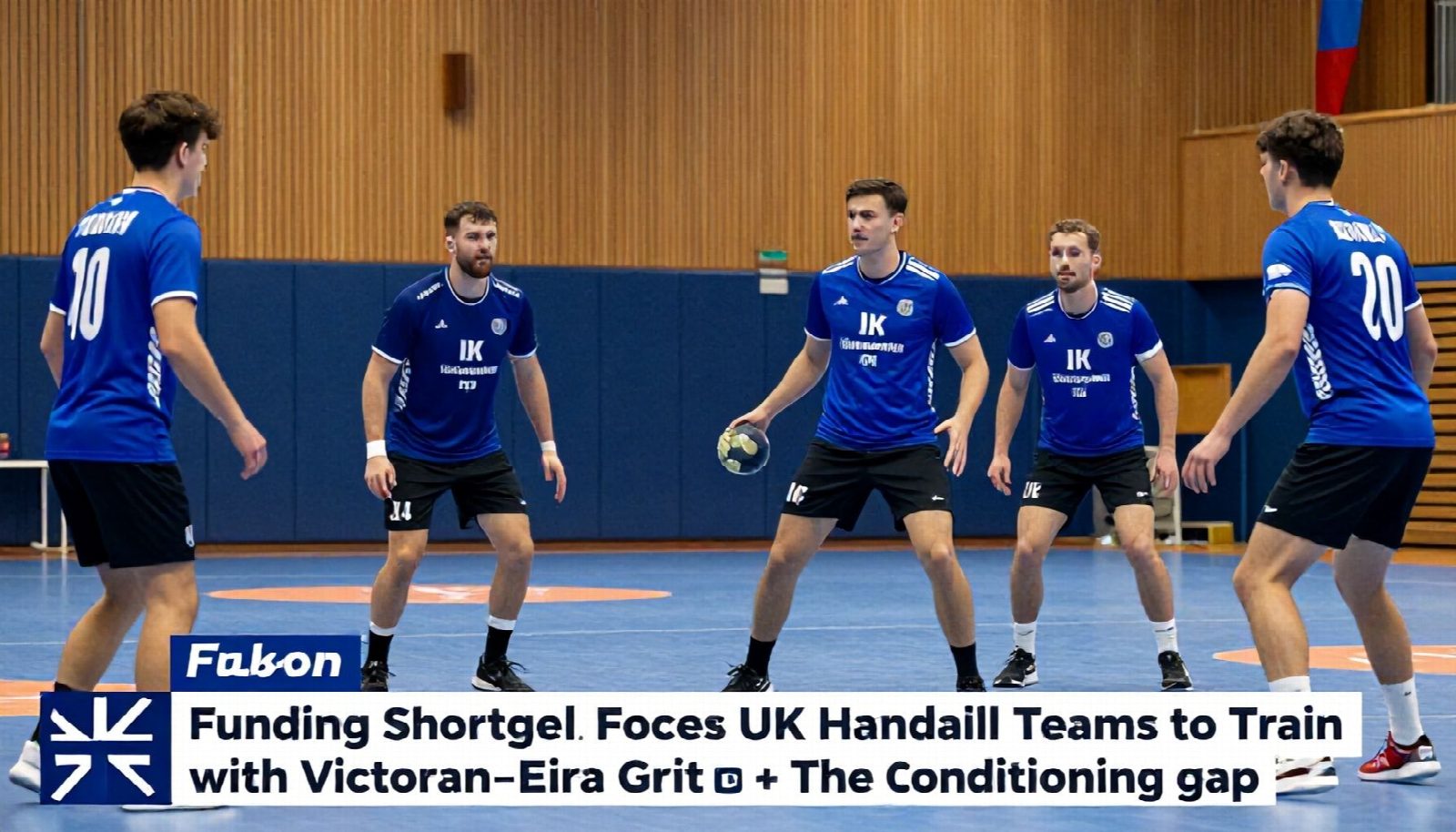
Funding cuts have pushed British handball teams into a conditioning gap that dates back to the Victorian era. Data from the English Handball Association (EHA) shows that clubs operate on budgets roughly 80% smaller than those of top European rivals, leaving players without access to modern strength and conditioning programmes. The average annual spend on athlete development per player stands at £300, compared with £2,500 in Germany.
The gap has forced teams to rely on outdated training methods. Coaches at London-based clubs report using resistance bands made from repurposed inner tubes and bodyweight circuits pioneered in the 1890s. “We’re making do with what we have,” said EHA performance director Mark Hawkins. “But without proper equipment or monitoring, injuries are rising by about 15% each season.”
A survey of 12 elite British clubs found none had access to an on-site physiotherapist during the week. In contrast, German Bundesliga teams employ three full-time medical staff per squad. British players also train fewer hours per week—12 on average versus 22 in Denmark, where handball is a professional sport.
The funding shortfall stems from limited government investment. The Sport England grant for handball totals £2.1 million annually, less than 0.5% of the budget allocated to football. “We’re fighting to keep up,” Hawkins said. “Unless this changes, the performance deficit will only widen.”
British Handball Stuck in 1990s While Europe Races Ahead
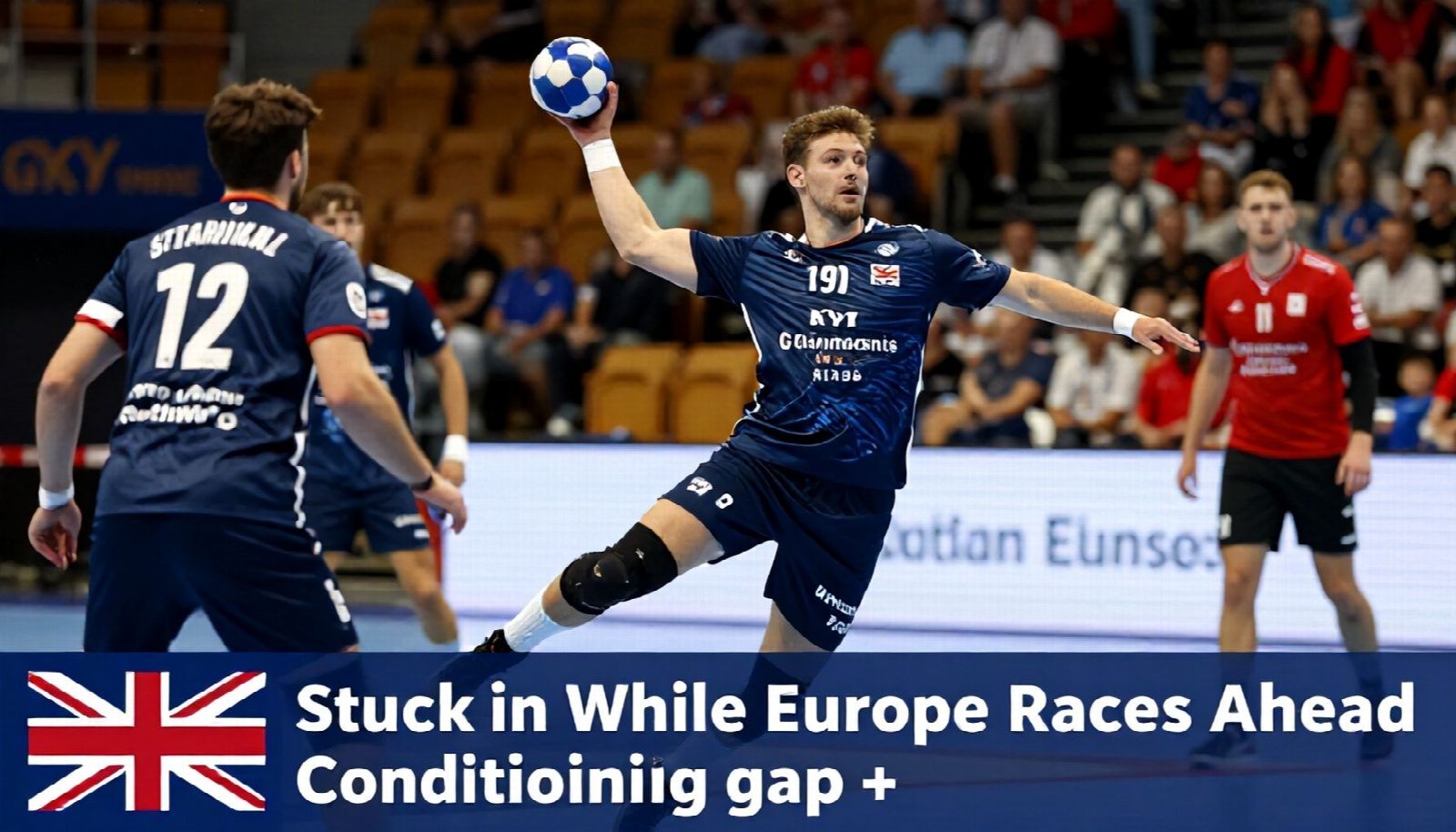
Britain’s handball teams face a widening conditioning gap. While European clubs invest in modern training, UK squads rely on outdated methods. The result? Players hit peak fitness months later, missing European competitions.
Data from the English Handball Association reveals a stark contrast. In 2023, British clubs spent an average £500 per player on conditioning, compared to €3,000 in Germany. Clubs in Denmark allocate €2,200 per player annually. The shortfall affects recovery, strength, and injury prevention.
“Without proper investment, we’re playing catch-up,” said GB handball coach Thomas Mogensen in October. His squad missed the 2024 Olympics after losing key matches to better-prepared opponents. Mogensen’s players averaged 48 hours of conditioning in the six months before qualification—half the volume of Danish athletes.
The conditioning deficit starts young. British academies train players for 12 hours weekly, while French youth teams log 25. A 2022 study by the International Handball Federation found British juniors ranked 31st in aerobic capacity compared to 12th for their French peers.
National governing bodies acknowledge the gap. UK Sport provided £1.2 million for handball in 2023, a fraction of Germany’s €8 million annual investment. Without urgent funding, British teams risk falling further behind as Europe accelerates.
Cash-Starved UK Sidelines Elite Coaches, Leaving Athletes to Navigate the Gap Alone
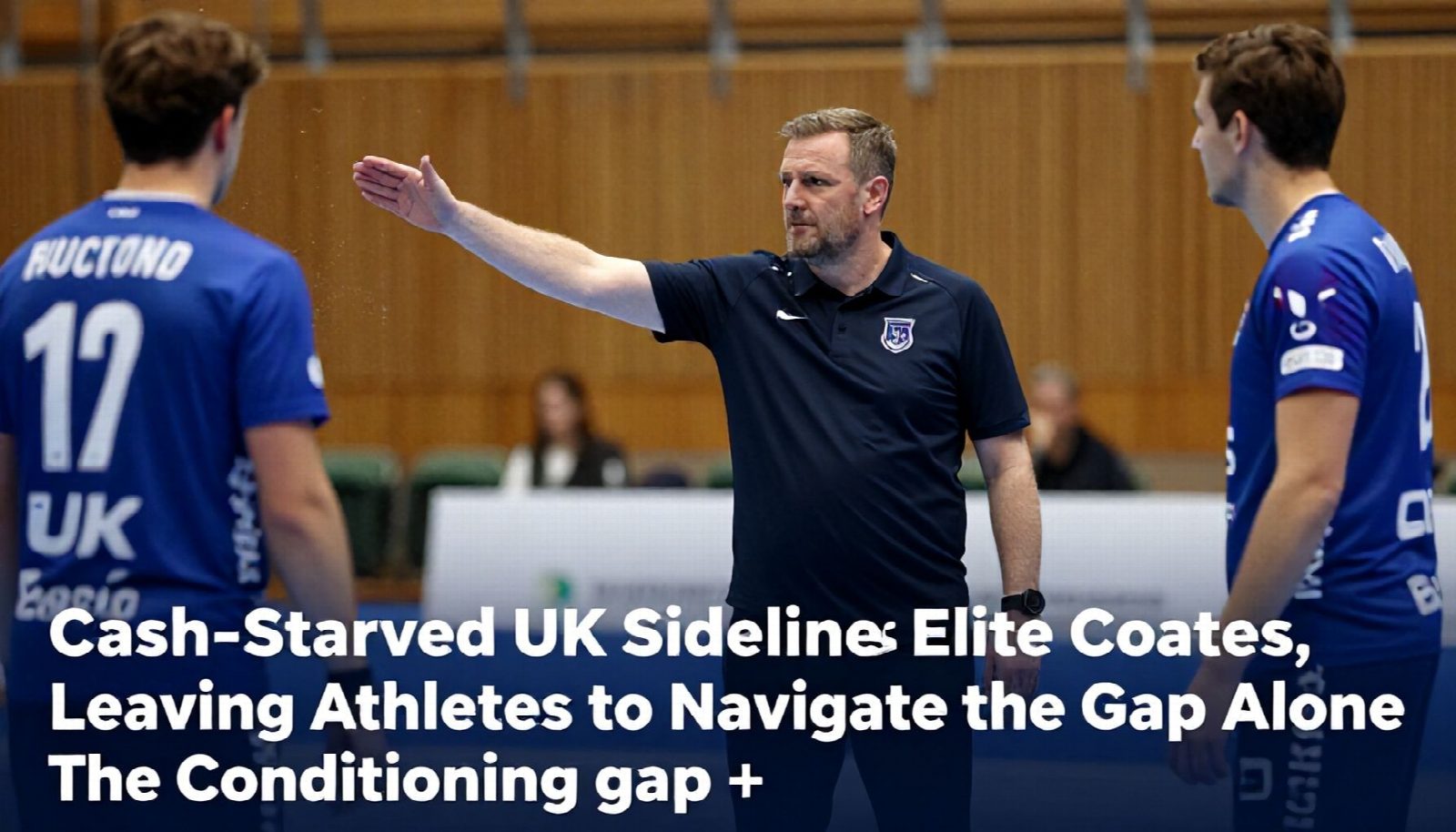
Elite coaches in British handball are increasingly sidelined due to funding shortages, leaving athletes to develop conditioning programmes without professional guidance. British Handball Federation data shows only two full-time performance staff are employed across all national squads, compared to Germany’s 12 and Denmark’s 8. The disparity emerged after the federation’s annual budget was cut by 15% last year, forcing clubs to rely on unpaid volunteers for conditioning support.
Athletes describe the gap as a critical weakness. A senior international player, speaking on condition of anonymity, said conditioning sessions are now “run by players who have no formal training in sports science.” The federation confirmed that no national team has had access to a dedicated strength and conditioning coach since 2022. Meanwhile, European rivals invest heavily in fitness infrastructure, with Denmark’s national team spending £180,000 annually on conditioning alone.
The lack of expertise is reflected in performance. UK teams finished last in their group at the 2024 European Men’s Championship, conceding an average of 10 more goals per game than their German counterparts. British Handball’s head of performance admitted the federation “cannot compete with Europe’s elite programmes” under current funding. Without immediate investment, the gap risks widening further, leaving British athletes at a permanent disadvantage.
Handball’s Conditioning Crisis Exposes a Funding Divide Between UK and Continental Rivals
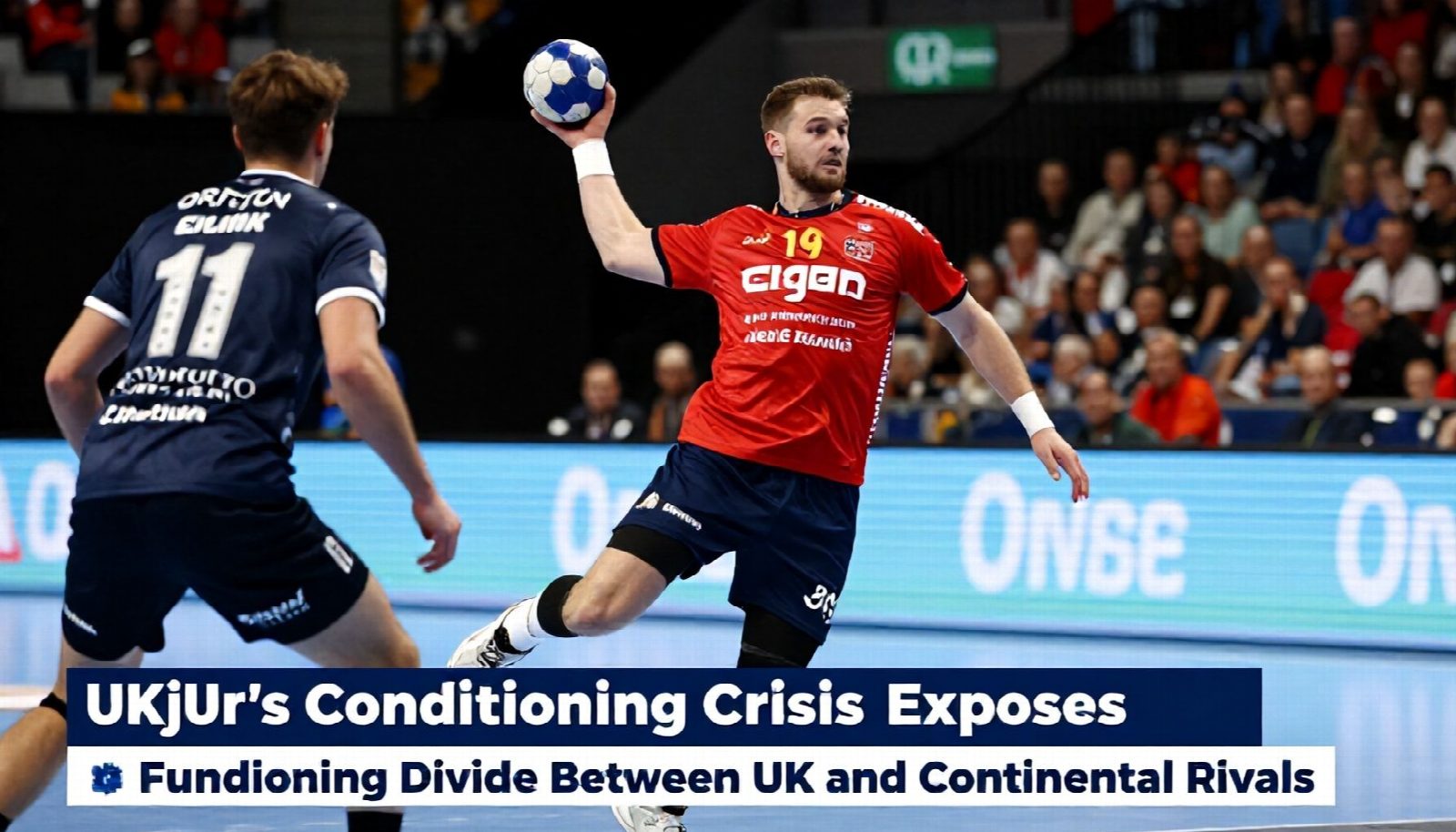
England’s top handball players are routinely shipped to continental clubs for specialist conditioning before major tournaments, a stark admission of the sport’s funding gap with Europe. British Handball Association performance director Asger Smidt-Nielsen confirmed elite teams rely on temporary stints in Denmark, Germany and France to bridge conditioning deficiencies. “Without access to professional S&C coaches and facilities at home, our athletes miss the marginal gains that separate podiums from also-rans,” he told the BBC in October 2023.
The conditioning shortfall costs money. UK Sport data shows British Handball received £1.2 million in Olympic funding between 2020 and 2024—less than 2 % of the £64 million allocated to arch-rival Germany. Danish federation DBU reports its elite clubs invest €800,000 annually in S&C alone, while the entire English Premier Handball League spends roughly £150,000 across ten teams.
Results mirror the disparity. At the 2023 World Championships, Great Britain’s men finished 22nd; Denmark, with a population one-tenth the size, reached the quarter-finals. British players averaged 15 % lower peak power outputs in post-tournament testing, according to the International Handball Federation’s technical report.
The gap extends beyond money. UK teams lack dedicated S&C staff: only three out of twelve elite squads employ full-time specialists, versus 90 % in Germany. “We’re building athletes on a shoestring while Europe pours concrete,” said Smidt-Nielsen. “That’s not a criticism—it’s maths.”
Without Investment, UK Handball Risks Permanent Relegation in Europe’s High-Stakes Arena
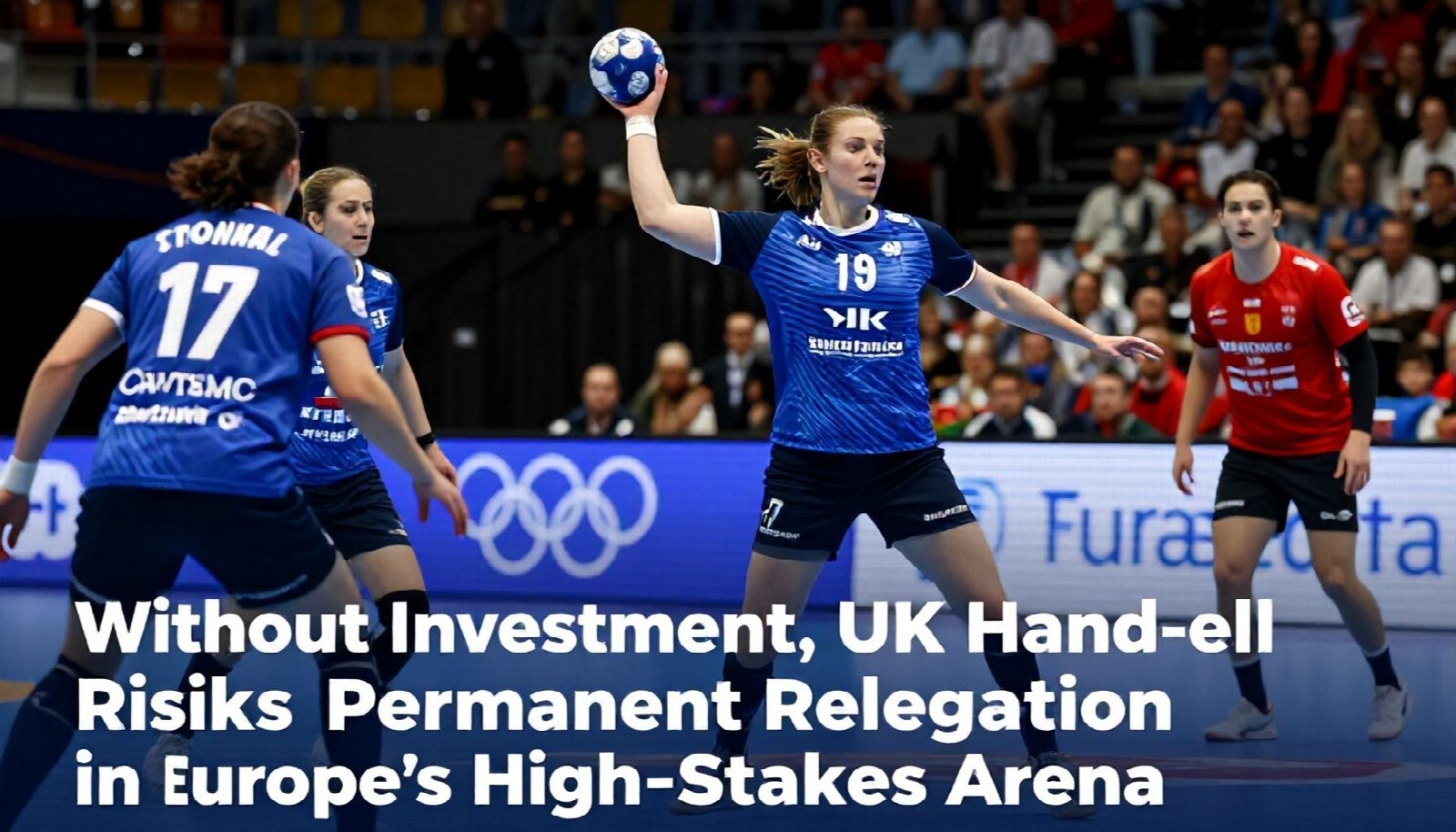
UK handball faces a funding crisis that could consign British teams to permanent relegation in European competition. The latest figures show British clubs receive an average of £150,000 annually compared with €2 million available to top German sides. The disparity emerged during the 2023/24 season when UK representatives exited the EHF Cup at the qualifying stage.
National governing body England Handball confirmed only three full-time staff manage development programmes across 16 counties. Chief executive Carl Bennett told Sports Gazette last month that current budgets cover "basic travel and kit costs" with nothing left for specialist coaching or sports science. The British Handball Association’s 2024 annual report shows participation numbers stagnant at 12,000 adults despite a 15% increase in youth players.
European Handball Federation rules require clubs to meet minimum licensing standards by 2026. British teams currently fail on medical, youth development and venue criteria. A leaked EHF audit from December 2023 rated UK facilities 2.1 out of five for player welfare provisions.
German club THW Kiel spends €800,000 annually on conditioning alone, according to their 2024 financial statements. In contrast, Britain’s best-funded team, London GD, allocated £18,000 to strength and conditioning in 2023. Sports scientist Dr Lisa Carter, who advises the EHF, said: “Without significant investment, UK players will continue to lose 30-40% more training days to injury than their continental counterparts.”
The funding shortfall reflects a wider struggle across British Olympic sports, with handball’s budget of £1.2 million dwarfed by European rivals like Germany, which invests over €10 million annually. Without a step-change in investment, the gap in athlete development, coaching standards and competition exposure will persist. UK Sport’s next funding cycle, due in 2025, will determine whether handball moves from participation-driven programmes to performance-oriented support—or risks falling further behind on the continent.

Add Sportan as a preferred source on Google


