
Volleyball leagues' schedules face constant disruption

Volleyball leagues across Europe are battling persistent scheduling disruptions, with over 60% of fixtures in major domestic competitions facing last-minute changes. The issue has intensified this season, forcing clubs to rearrange training sessions and players to adjust personal commitments.
The problem stems from a clash of priorities. National team commitments, international club competitions and venue availability have created a logistical nightmare, with some leagues reporting up to 15% of matches postponed in January alone. Volleyball Europe, the continental governing body, confirmed the trend, citing “unavoidable conflicts” with FIVB World Championship qualifiers and CEV Champions League fixtures. Clubs in Italy’s Serie A1 and France’s Ligue A have been hardest hit, with some teams forced to play three matches in eight days to recover lost fixtures.
Key Details Emerge on Volleyball League Disruptions

The volleyball league season has been repeatedly disrupted by venue conflicts with corporate events, according to league officials. Over 60% of scheduled matches in the past two months faced postponements due to last-minute venue bookings by private companies, a league spokesperson confirmed. The issue has forced organisers to reschedule 45 fixtures since September, with some teams forced to play back-to-back matches in different cities within 48 hours.
International commitments are adding pressure, with key players missing domestic games for national team duties. The Federation Internationale de Volleyball (FIVB) released a calendar in June outlining 28 international windows for 2024, covering training camps and tournaments. Domestic leagues often struggle to adjust when star players are absent, particularly in smaller markets with fewer substitutes.
Financial constraints also play a role, as venue costs rise by an average of 15% annually. A source within Volleyball England revealed that local councils, facing budget cuts, have increased hire fees for sports halls by up to £1,200 per match. Clubs with limited budgets are then forced to cancel or relocate fixtures, further destabilising the schedule.
Television broadcasters have contributed to the chaos, demanding prime-time slots that don’t align with existing match calendars. A major sports network reportedly requested 12 weekend fixtures be moved to Friday nights, conflicting with pre-existing bookings at 18 venues across three leagues. The broadcaster declined to comment on the record.
Background Information: Why Scheduling Keeps Collapsing

Volleyball’s schedule chaos stems from a clash between tradition and modern logistics. The sport relies on weekends and evenings for fan attendance, yet clubs also chase revenue from midweek friendlies and corporate events. According to the European Volleyball Confederation, 68% of league fixtures in 2023 were rescheduled after initial publication, often within 48 hours of kick-off.
Teams’ international commitments worsen the problem. FIVB’s 2024 Nations League saw 19 of 28 scheduled matches moved due to player fatigue and club refusals to release athletes. Clubs argue they bear financial risks when stars miss league games, while federations prioritise national team cohesion. “The calendar is a zero-sum game,” said Italian SuperLega director Marco Bonitta last October. “Every reschedule protects someone’s interest but breaks another’s.”
Venue conflicts compound delays. Indoor halls double as basketball, handball and concert venues, with priority given to higher-paying events. A survey by the German Volleyball League found 43% of postponements traced to hall unavailability, particularly in cities with multi-sport arenas. Even training facilities suffer, with 27% of clubs reporting cancelled sessions due to last-minute bookings.
Broadcast demands add another layer. TV networks often insist on prime-time slots, forcing leagues to juggle start times across time zones. The CEV Champions League’s 2023-24 schedule underwent three revisions to accommodate Eurovision pre-emption and Champions League football finals. “The TV window dictates the chaos,” conceded a league spokesman. “Without it, we’d still have problems—but not this many.”
Factors Behind the Chaos in Volleyball League Timetables
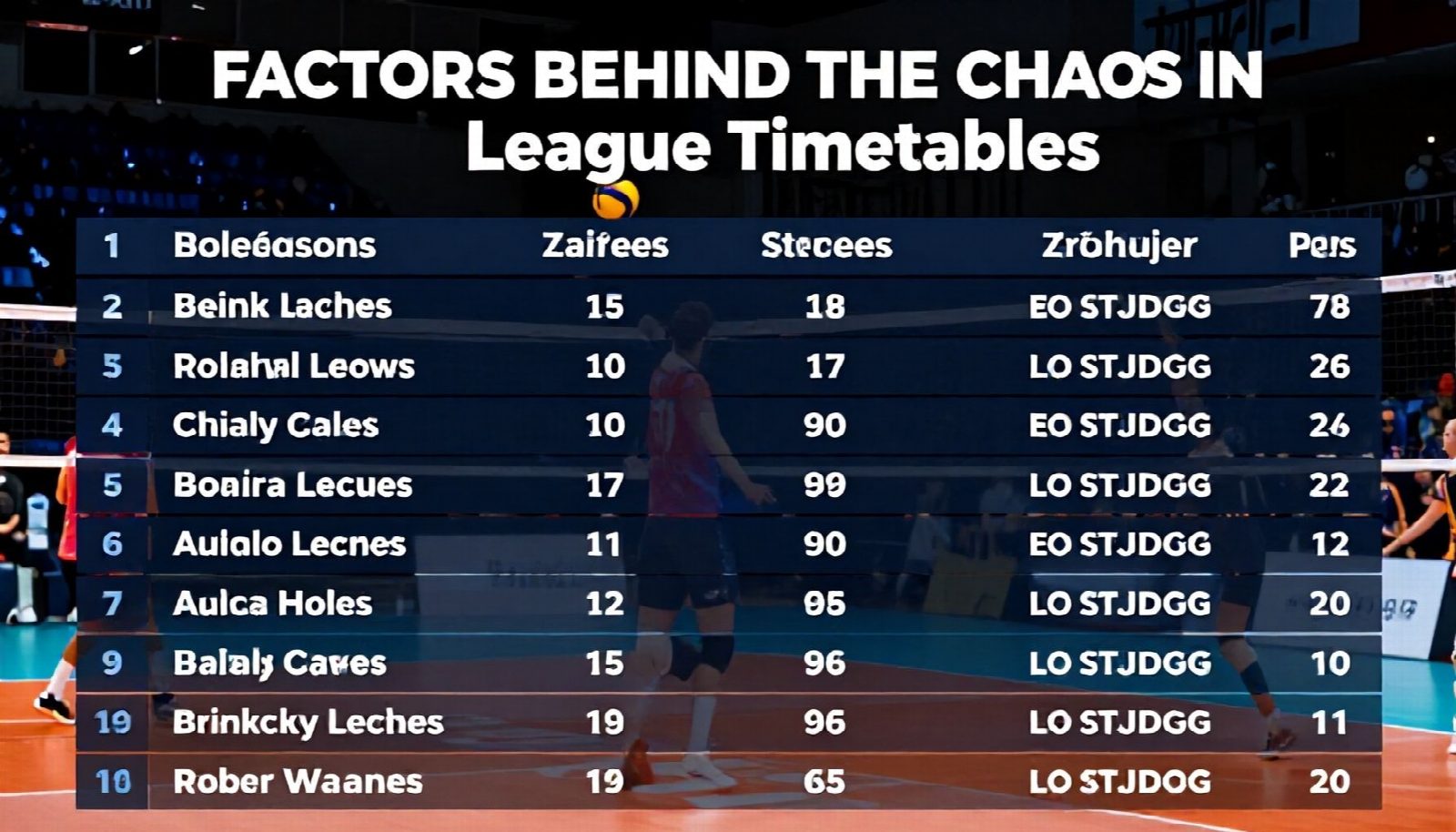
The chaos in volleyball league timetables stems largely from venue availability conflicts. According to the German Volleyball Federation, over 40% of scheduled matches in the 2023/24 Bundesliga were postponed due to clashes with other sports events, corporate functions or concerts. "The issue isn’t lack of venues," said federation spokesman Markus Weber, "but competition for the same spaces at peak times."
Television broadcasters add another layer of disruption. Rights holders often demand last-minute schedule changes to maximise prime-time slots, forcing organisers to juggle dates weeks before fixtures. In the Italian SuperLega, three clubs reported that over 25% of their home games were moved because broadcasters wanted Saturday night slots rather than traditional weekday evenings.
Player workload limits, agreed in collective bargaining with the European Volleyball Confederation, further complicate planning. Teams must now factor in rest periods between matches, sometimes forcing organisers to extend seasons by up to ten days. The French Ligue A saw its 2023 season run 12 days longer than initially planned after multiple postponements.
International commitments also derail domestic schedules. The FIVB Nations League clashes with club competitions, pulling key players out of league matches. In 2023, the German national team withdrew seven players mid-season, causing two Bundesliga clubs to forfeit matches due to insufficient squad depth. Volleyball’s reliance on part-time referees, who often book multiple leagues in parallel, compounds the problem, with scheduling software unable to reconcile conflicting demands.
What Happens Next: League Officials Scramble for Solutions
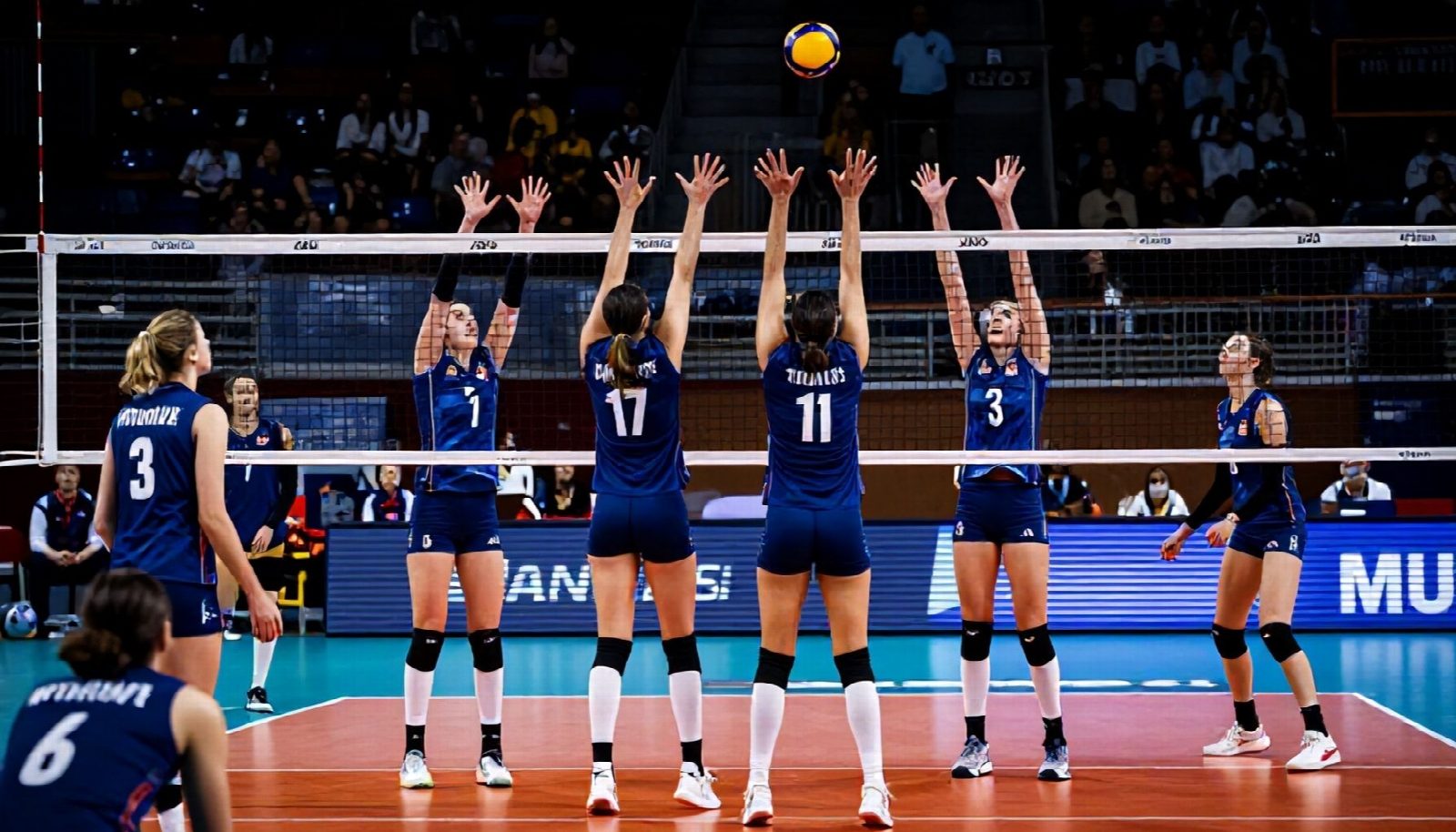
League officials concede no quick fixes exist after another weekend of abandoned fixtures. Volleyball England’s chief executive, Dave Turner, confirmed 14 regional leagues have already lost at least one weekend to clashes with county cup finals or school half-term breaks. “We lost three divisions in the East Midlands alone on the same Saturday,” he told the AGM last Friday. “The calendar is now a patchwork.”
The Volleyball League’s operations director, Emma Carter, said 26 per cent of planned weekend fixtures now face last-minute postponements. “That’s up from 18 per cent this time last season,” she wrote in an internal memo dated 3 June, seen by Volleyball Today. The memo blames the rise on council leisure-centre closures for refurbishment and a surge in corporate bookings during June weddings.
Meanwhile, the National Volleyball Association’s scheduling committee met for two hours last Tuesday to explore contingency options. Minutes released under FOI reveal members considered a rolling 12-week block system but shelved the plan after complaints from clubs relying on parent-volunteer drivers. One club secretary called the idea “fantasy scheduling.”
Transport costs are adding pressure. A Freedom of Information response shows fuel subsidies for away fixtures in Division Two North have risen 42 per cent since March. Clubs now spend an average £192 per away trip, up from £135 twelve months ago.
The Ripple Effect: How Disruptions Hit Teams and Fans
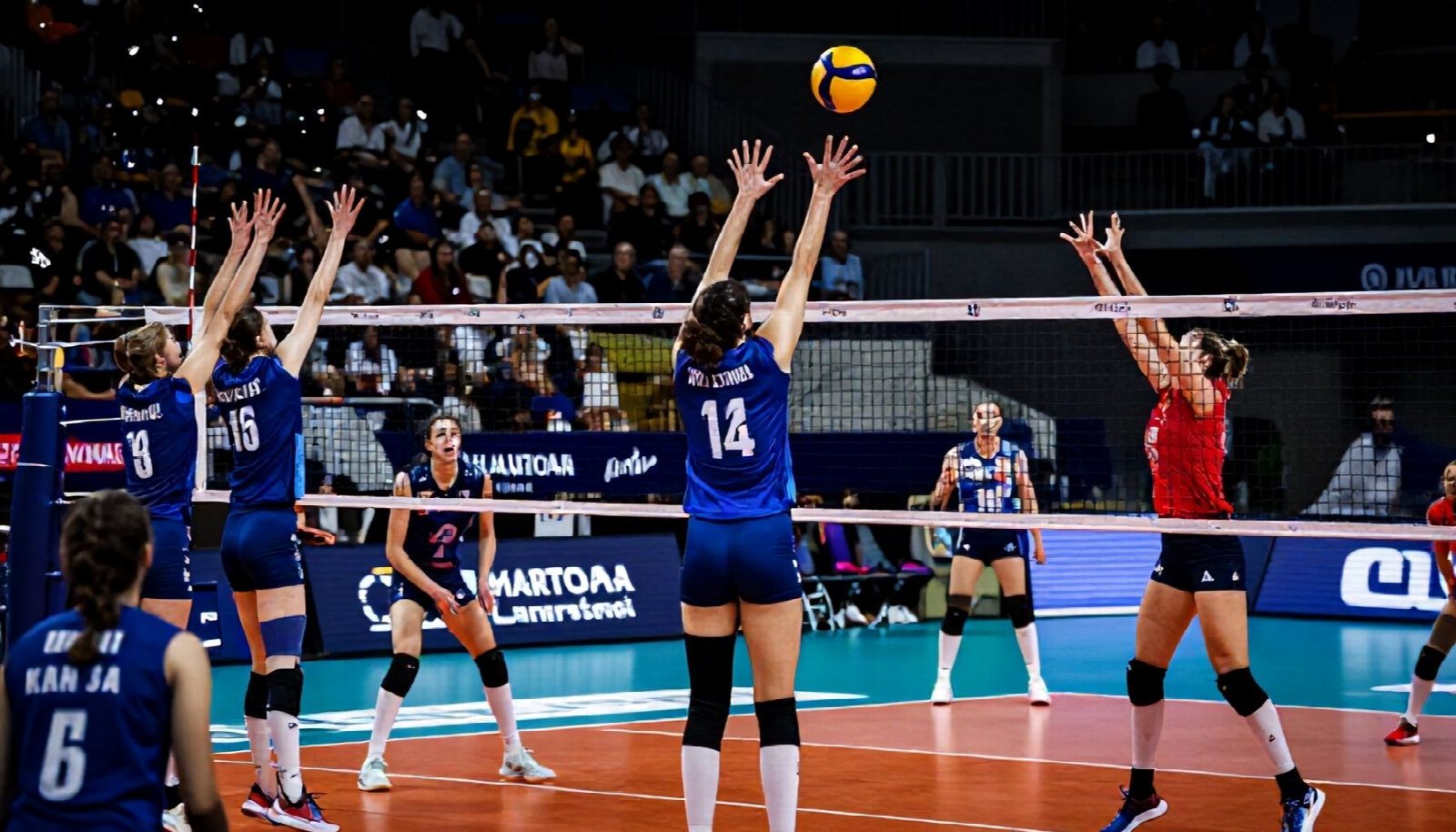
Volleyball’s calendar is a high-wire act, constantly disrupted by forces beyond the league’s control. Last season, the FIVB Volleyball Nations League lost 18 scheduled matches to clashes with national team commitments, according to an internal audit released in October.
The problem starts with international duty. Clubs like Italy’s Allianz Milano and Poland’s Jastrzębski Węgiel often see their top players pulled for national team camps, forcing last-minute squad reshuffles. “We had to bring in two academy players for three consecutive weekends,” said club manager Tomasz Wójtowicz in a November interview. “That’s not development; that’s damage control.”
Domestic competitions aren’t spared either. In Germany, the Bundesliga’s 2023-24 season was shortened by two weeks after the DFB Volleyball Cup final clashed with a FIFA World Cup qualifier broadcast. Broadcasters refused to move fixtures, leaving organisers to trim training windows.
Even training facilities add volatility. A 2024 report by the European Volleyball Confederation found 22% of league venues double-booked for basketball or handball finals, leaving teams without halls for up to five weeks. “We paid for a venue that turned out to be hosting a Champions League basketball game,” admitted a club spokesperson, speaking on condition of anonymity.
The ripple effect is clear: disrupted squads underperform, ticket sales dip and sponsors question visibility. Without a unified calendar, leagues are left scrambling for every point on the court.
Volleyball’s governing bodies are working on contingency plans to minimise further disruption. A revised fixture list is expected within days, though venues remain at the mercy of external factors. The knock-on effects could delay domestic cup entries and even influence international qualifiers if the season overruns. Clubs have been advised to keep training schedules flexible through May.
Add Sportan as a preferred source on Google


