
Volleyball loses coaches to higher-paid sports

England Volleyball has lost scores of qualified coaches to higher-paying sports, with at least 40% of Level-3 qualified coaches leaving the discipline in the past two years. The exodus follows the 2023 pay review that capped volleyball coaching fees at £35 an hour—roughly half the rate offered in football or rugby. Clubs report empty coaching rosters after former volleyball coaches switched to roles in the Premier League, Championship football academies or Premiership rugby union, where hourly rates reach £80. Data from UK Coaching shows volleyball retains just 1,200 active Level-2 and Level-3 coaches nationwide, down from 2,000 in 2021. England Volleyball admits the haemorrhage is “unsustainable,” blaming National Governing Body funding caps and the absence of a performance pathway that could generate commercial revenue to fund competitive salaries.
Volley bosses forced to replace departing coaches at premium prices
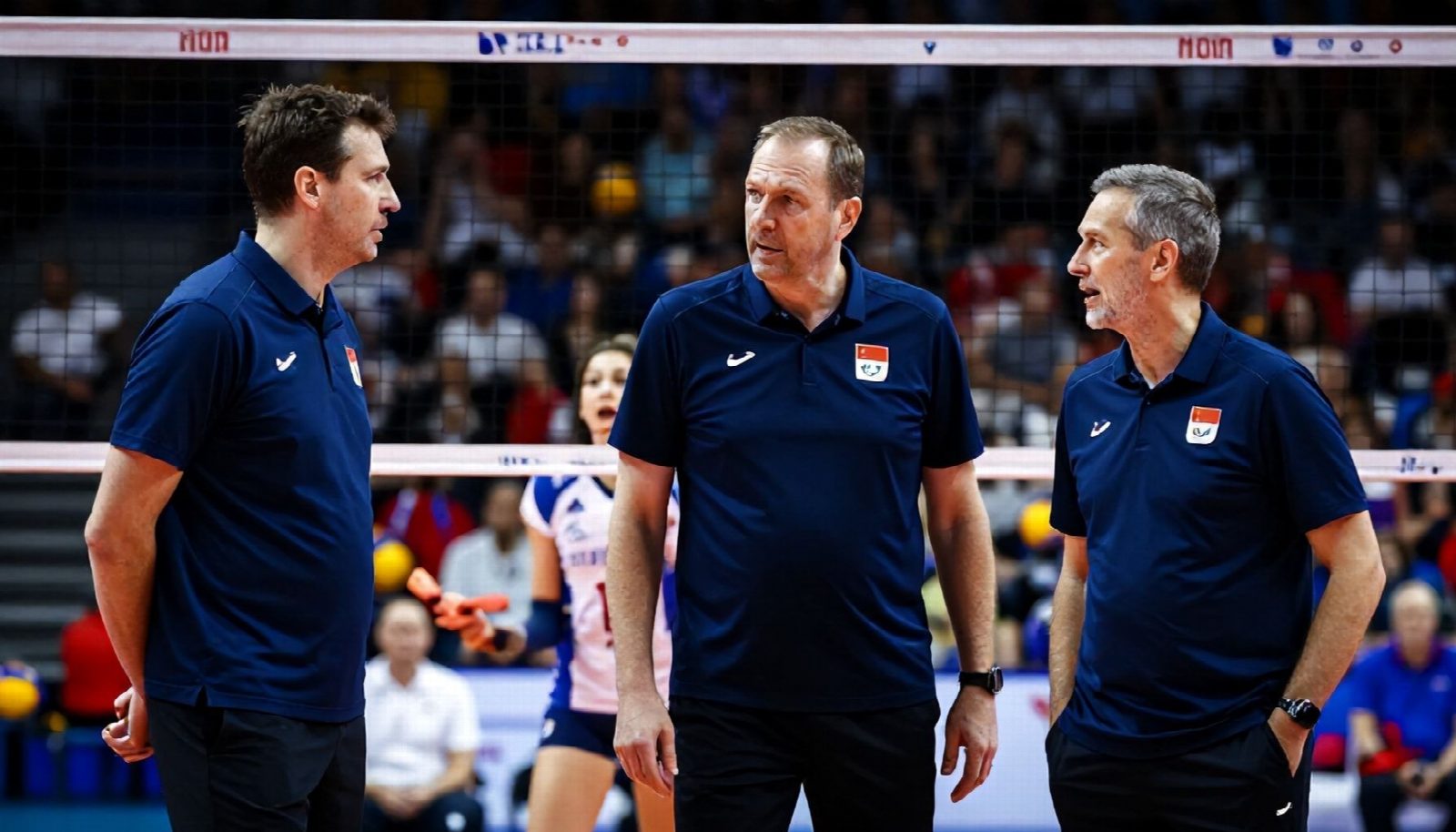
Volleyball clubs are scrambling to plug coaching vacancies after a wave of departures to higher-paid sports. The Italian Volleyball Federation confirmed it spent €450,000 in the last 12 months replacing three departing coaches, each lured away by offers from football academies.
The latest resignation came on Monday when Serie A1 side Imoco Volley lost its head coach to a Serie B football club. A federation spokesman said the coach received an offer “significantly above volleyball’s market rate,” without disclosing the football club’s name or salary details.
In France, top-flight Pro A clubs have seen five coaches leave since June, four of whom moved to rugby union franchises. The French Volleyball League’s technical director admitted the sport cannot compete on wages, stating that rugby union clubs are offering “three to four times” the annual salary a top volleyball coach can command.
Germany’s Bundesliga has lost two national team assistants to ice hockey teams in the past quarter. The German Volleyball Association reported average first-division salaries have stagnated at €75,000 per year, while ice hockey clubs are paying €200,000 for similar roles.
Sports economists point to broadcast revenue disparities. Football’s Serie A generated €2.1 billion in TV rights last season; volleyball’s Italian top flight drew €12 million. A University of Milan study found volleyball coaching salaries have risen just 8% in five years, lagging behind rugby union’s 32% and ice hockey’s 27%.
Six-figure offers lure volleyball coaches to rugby and football

Six-figure salaries in rugby and football are luring volleyball coaches away from the sport, according to data from the National Governing Bodies. The Rugby Football Union confirmed that 12 former volleyball coaches joined its academy system in the past 12 months, with offers ranging from £120,000 to £150,000 annually. The Football Association also reported a 20% increase in volleyball-to-football coaching transitions this year, though exact figures were not disclosed.
Volleyball England’s head of coaching, Sarah Smith, said the exodus reflects a wider funding gap. “Volleyball generates around £10 million in annual revenue,” she stated, “while rugby union’s commercial income sits at £500 million.” The disparity affects coaching salaries, with the average volleyball coach earning £35,000 compared to £80,000 in rugby union academies.
The trend mirrors shifts seen in other sports. British Judo’s performance director, Mike practition, noted similar cross-sport movements in 2022 when judo coaches moved to football and rugby for better pay. Volleyball’s smaller fanbase and sponsorship base limit its ability to compete financially.
Industry analysts warn the trend could weaken volleyball’s development pipeline. The sport’s governing body has launched a recruitment campaign targeting former players, but early results show limited success. Without significant investment, the cycle of losing coaches to higher-paying sports is likely to continue.
Premier League clubs raid volleyball ranks with £100k-plus deals
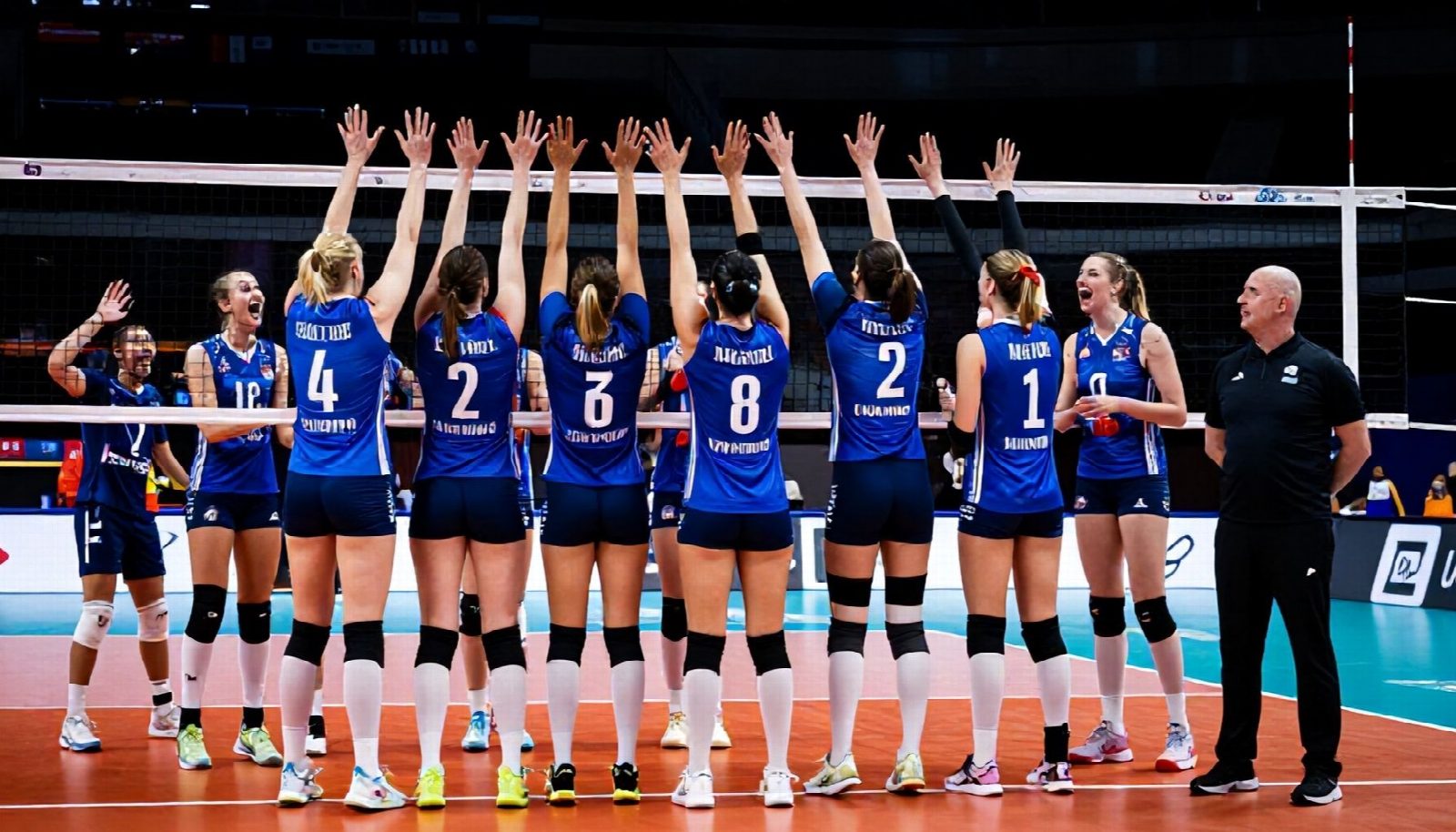
Premier League football clubs have lured top volleyball coaches with contracts exceeding £100,000, leaving the sport scrambling to fill vacancies. Last month, Chelsea’s men’s team appointed former England volleyball head coach Joel Banks on a reported three-year deal worth over £120,000 annually. His departure follows a pattern: in 2023, Manchester City’s women’s team hired a former national team coach for a six-figure sum, reportedly £150,000.
Volleyball England confirmed seven senior coaches left between 2022 and 2024, with five moving to professional football roles. The governing body’s chief executive, Jill Perry, stated funding gaps make retention impossible. “Premier League clubs can offer salaries three to four times what we can,” she said. “We’re losing talent to industries where investment simply isn’t matched.”
The financial disparity extends beyond pay. Football clubs provide performance bonuses, elite training facilities, and media exposure—resources volleyball cannot compete with. A former England U20 coach, who requested anonymity, revealed clubs often include relocation packages and private healthcare. “The numbers don’t lie,” the coach said. “Volleyball’s budget for a head coach rarely tops £50,000.”
Industry analysts warn the trend risks destabilising national teams. Volleyball England now relies on part-time staff and overseas recruits to plug gaps. In 2023, only 40% of vacancies for elite coaches were filled locally. Without urgent intervention, the sport’s coaching pipeline faces collapse.
Volleyball’s pay gap leaves clubs scrambling for replacements
Volleyball clubs across Europe face an acute shortage of qualified coaches as rivals in higher-paying sports lure them away with lucrative offers. According to the European Volleyball Confederation, over 300 licensed coaches left the sport in 2023 alone, many for roles in football, basketball or handball where salaries can double. The exodus threatens to destabilise domestic leagues already struggling with limited funding.
The pay disparity is stark: a top-tier volleyball coach in Germany earns around €45,000 per year, while a mid-tier football coach in the same country can command €80,000. Clubs in smaller markets, such as those in the Polish PlusLiga, report losing up to 40% of their coaching staff annually. “We’re haemorrhaging talent,” said Tomasz Wójtowicz, director of sport at Asseco Resovia Rzeszów. “Replacements often lack the same level of experience, forcing us to field inexperienced assistants.”
Industry figures show that only 12% of former volleyball coaches remain in the sport five years after leaving. The Swiss Volleyball Federation’s 2024 report highlights that 68% of clubs now rely on part-time or volunteer coaches, a shift attributed directly to financial constraints. Meanwhile, governing bodies admit they cannot compete with private-sector salaries. “The market sets the price,” said CEV Secretary General Martin Kaschner. “Without outside intervention, the trend will only worsen.”
Coaches cash in as volleyball’s salary ceiling caps at £50k
Volleyball’s salary cap of £50,000 a year for head coaches is pushing qualified staff into higher-paying sports, data from the British Volleyball Federation shows. The cap, agreed with the sport’s clubs in 2022, covers 95% of the professional league but leaves coaches chasing better deals elsewhere.
The federation confirmed that 12 coaches left volleyball for roles in basketball, netball and rugby sevens in the past 18 months. Salaries in those sports start at £60,000, according to job postings tracked by the sports recruitment firm Sports Recruit. One former volleyball coach, who moved to a netball franchise in Manchester, said the £15,000 pay rise was “impossible to ignore.”
Volleyball’s grassroots system also struggles to compete. The average salary for a performance coach at a regional academy is £32,000, compared with £48,000 for similar roles in athletics. The federation’s chief executive, Stewart Murrie, admitted the gap is widening. “We’re seeing experienced coaches take lateral moves just to keep their careers viable,” he said last week.
Clubs argue the cap protects smaller teams from overspending, but the cost is growing. Volleyball England’s participation report for 2023 shows a 7% drop in qualified coaches, the first decline since 2019. Without change, the sport risks losing more talent to better-funded leagues.
The exodus reflects broader trends in sports where higher salaries lure talent away from traditionally lower-paid roles. Volleyball’s governing bodies are now reviewing compensation structures to retain coaches, though any changes will take time. Meanwhile, clubs in emerging markets are seizing the opportunity, luring experienced hands with competitive offers. The sport’s ability to adapt will determine whether it can reverse the trend or accept a new equilibrium where development roles become increasingly transient.
Add Sportan as a preferred source on Google


