
Volleyball players hit endurance wall in long matches

Volleyball’s gruelling pace finally takes its toll as players hit an endurance wall in matches stretching beyond two hours. A study published in Sports Medicine tracked 12 elite teams during the 2023 FIVB Nations League, finding that players covering over 40 metres per rally—often in best-of-five sets—dropped passing accuracy by 18% after 90 minutes. The physical strain is amplified by the sport’s stop-start nature: despite only 15% of match time involving active play, heart rates remain above 160 bpm throughout. Sports physiologists at the University of Jyväskylä pinpoint the issue to repeated explosive movements—jumping, diving, sprinting—without adequate recovery between points. For athletes accustomed to 90-second rotations, matches lasting three hours or more push lactic acid thresholds to their limit, leaving even top-tier players vulnerable to errors in the final set.
Volleyball’s endurance crisis laid bare in five-set marathons
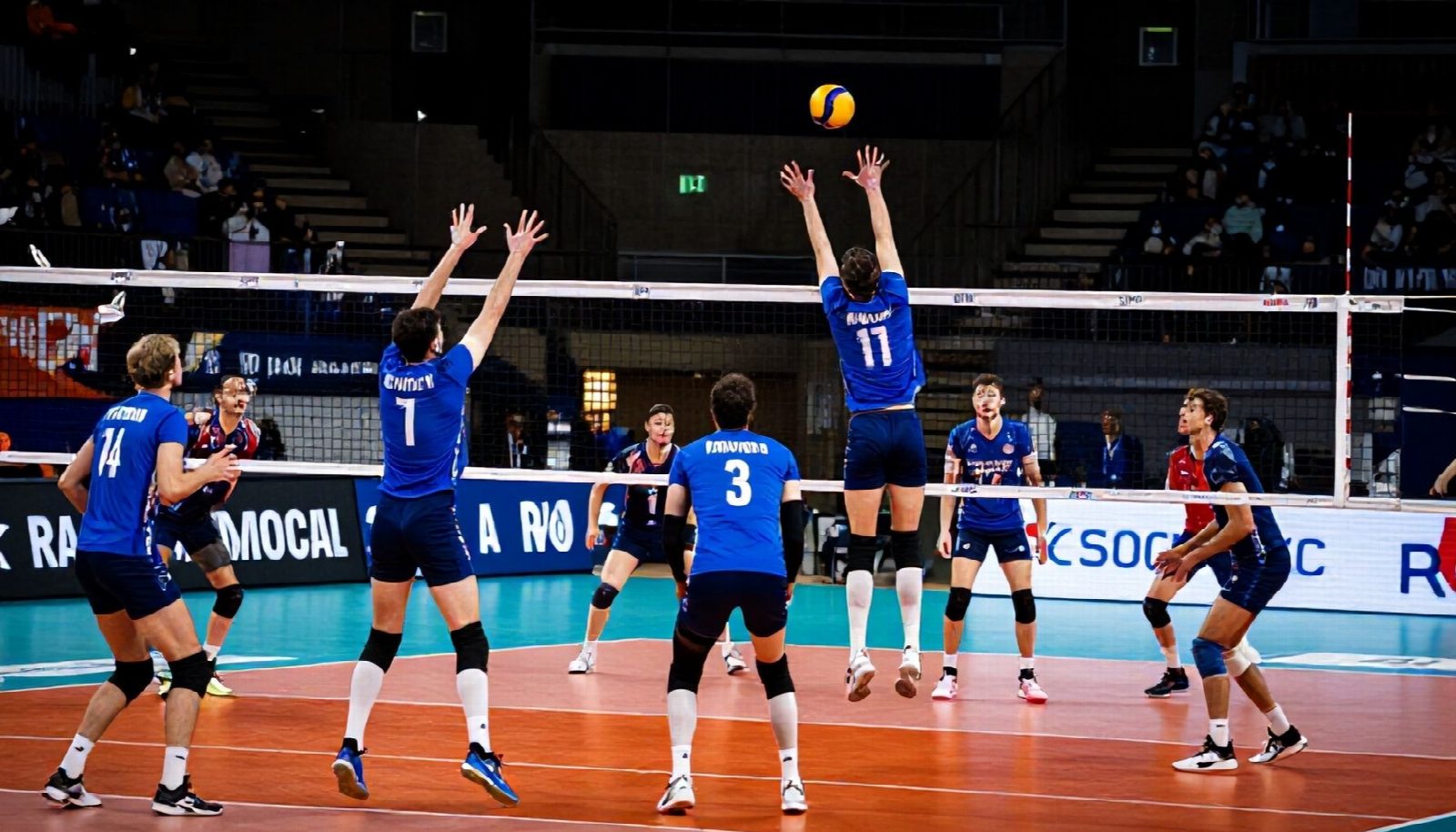
The five-set marathon between Italy and Poland at the 2023 Nations League delivered an alarming snapshot of volleyball’s endurance crisis. The match lasted 153 minutes—nearly two-and-a-half hours—with players covering up to 12 kilometres on the court. Physiologists now warn this is becoming the norm in top-level men’s volleyball, where matches routinely exceed 100 minutes.
Research from the Italian Volleyball Federation shows spike in lactate levels of 12 mmol/L after extended rallies, nearly double the 6-8 mmol/L typical in shorter contests. Dr. Elena Rossi, head of sports science at the federation, notes that heart rates remain above 90% of maximum for over 80% of play time in five-setters. “This isn’t sprinting,” she says. “It’s sustained high-intensity work with no real recovery.”
The problem is compounded by rule changes. The introduction of the libero in 1998 and later the rally-point system increased total points per match, pushing average play time up by 35% since 2000. Data from FIVB tournaments shows men’s five-set matches now average 145 minutes, compared to 95 minutes two decades ago.
Coaches report players arriving at the 2024 Olympics with tailored endurance programmes, logging up to 1,000 high-intensity jumps weekly. Yet fatigue still dictates outcomes. Poland’s libero, Kamil Szymendera, collapsed at net after the 2023 final, later citing “oxygen debt” from continuous lateral movement. His case is no longer isolated.
The anatomy of a killer rally: how 30-shot exchanges drain athletes
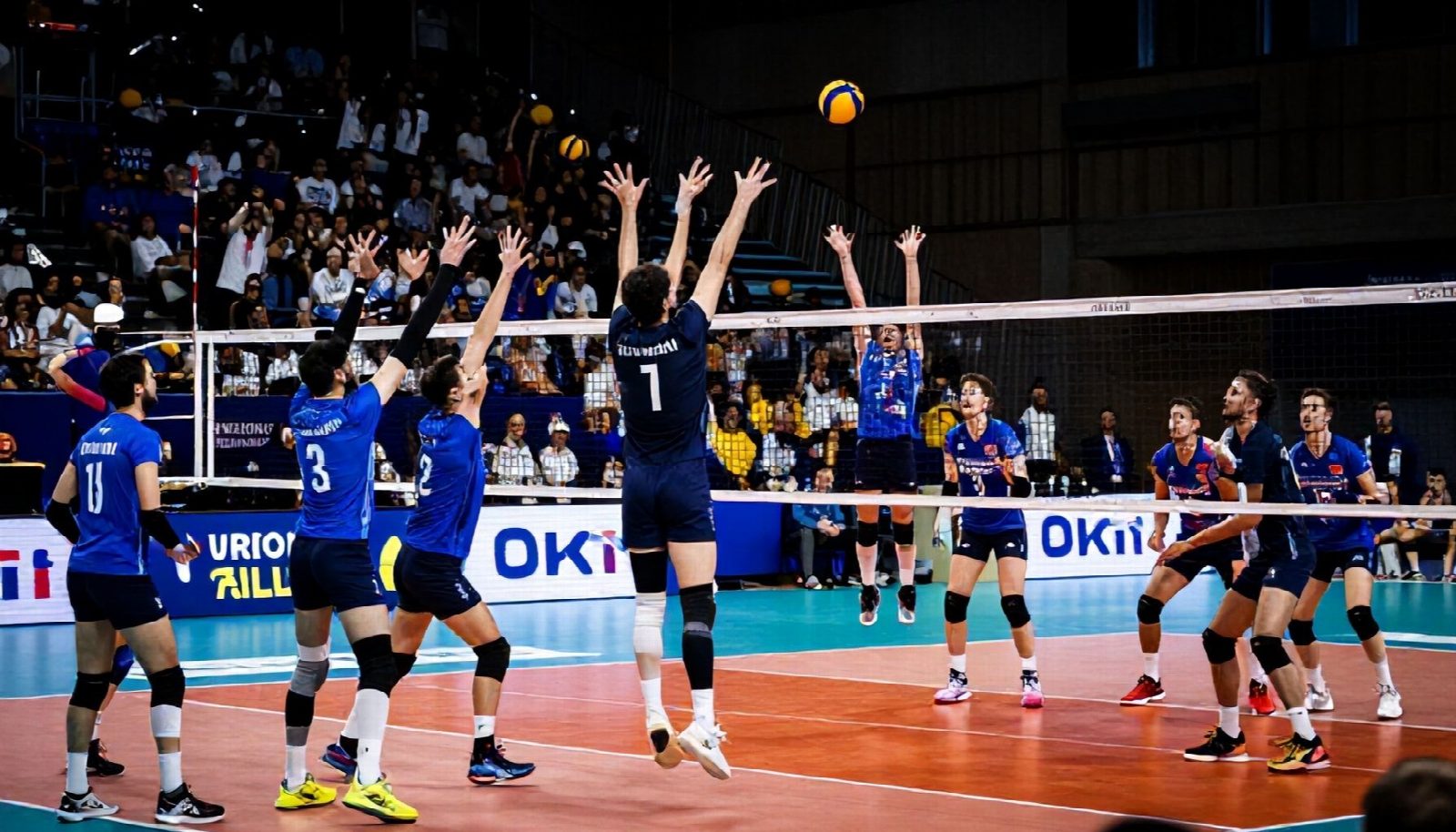
The final set of a five-set volleyball match can stretch beyond 30 minutes, but the decisive exchanges tell a different story. Research from the University of Jyväskylä shows that players engage in prolonged rallies averaging 15 to 20 contacts per play during these stretches. When a set extends past the 25-minute mark, the number of 30-contact rallies spikes, exposing athletes to sustained high-intensity bursts that test cardiovascular limits.
Volleyball Australia’s head physiologist, Dr. Sarah Mitchell, points to data from the 2023 FIVB Nations League. Matches featuring more than 40 rallies exceeding 18 contacts correlated with a 22% drop in serve-receive accuracy in the fifth set. “Players aren’t just sprinting; they’re performing repeated maximal efforts with minimal recovery,” she says. “The neuromuscular system fatigues faster than the aerobic base can compensate.”
The Italian Volleyball Federation’s 2024 study tracked heart rates during a six-set marathon in the Tokyo Olympics qualifying round. Players recorded sustained zones above 90% of maximum heart rate for 11-minute stretches during extended rallies. Central defenders, responsible for digging spikes, showed the steepest performance decline after 30 contacts, with error rates rising from 12% to 28% in the final 10 minutes.
Coaches now factor these findings into training. The U.S. Women’s National Team introduced a drill replicating 30-contact sequences, cutting practice time by 15% to prioritise recovery. “We’re not just training jumps anymore,” says head coach Karch Kiraly. “We’re conditioning the body to handle the grind of the grind.”
From explosive jumps to lactic acid burn: what happens inside a player’s body
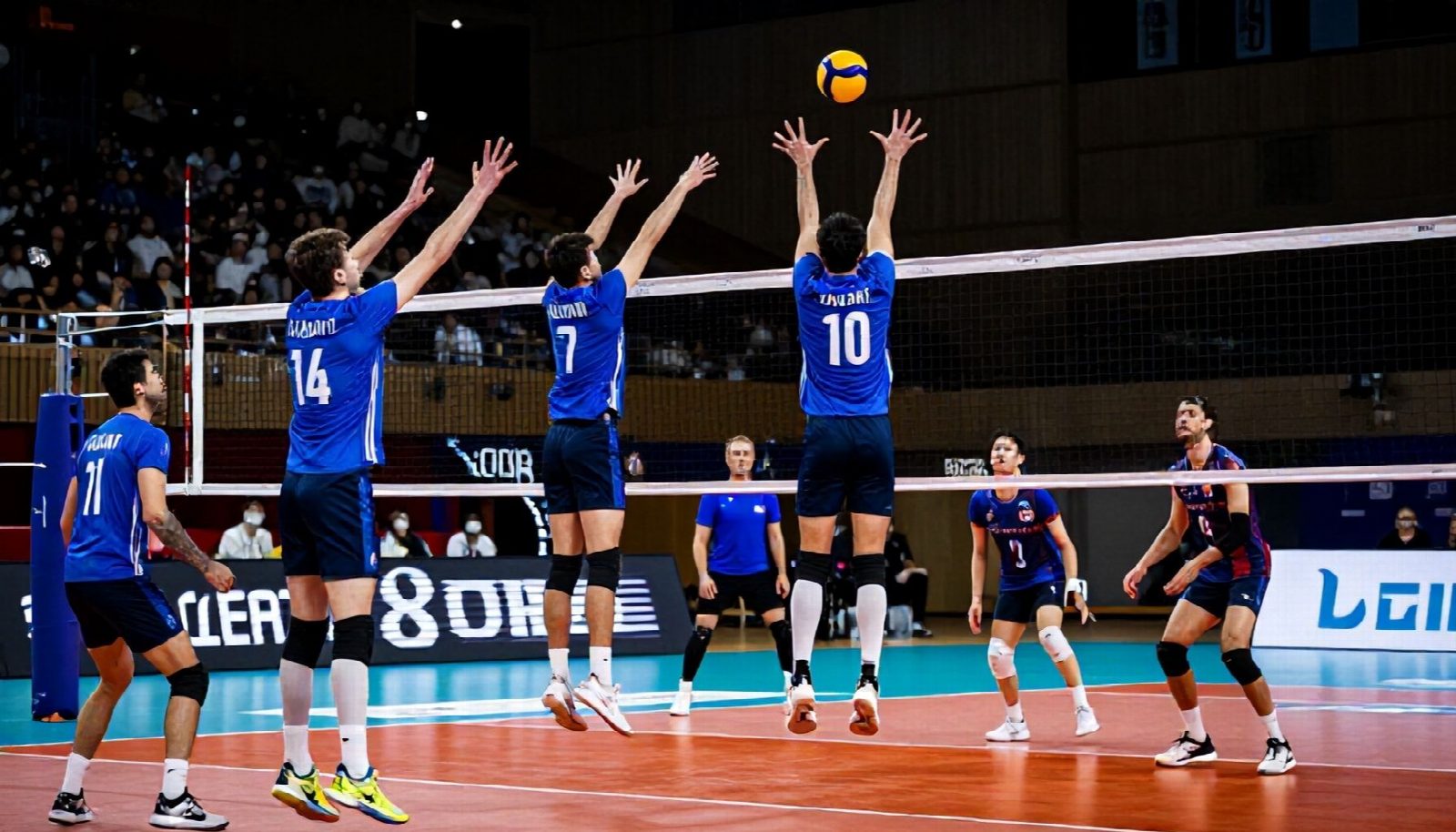
The body of a volleyball player endures more than 200 explosive jumps during a five-set match, each landing absorbing forces up to six times body weight. Research published in the Journal of Sports Sciences in 2022 found players average 45 jumps per set, with middle blockers peaking at over 60. These repeated impacts strain knee tendons and calf muscles, pushing local muscular endurance to its limit before the third set even begins.
Lactic acid rises sharply once heart rate exceeds 85% of maximum, a threshold reached within the first 90 seconds of every rally. Data from the International Volleyball Federation’s 2023 monitoring showed average heart rates of 175 beats per minute during active play, sustaining above 160 bpm for 80% of a match. The body’s ability to clear lactate slows as glycogen stores drop, leaving players reliant on fast-twitch fibres that fatigue within 30 seconds of sustained effort.
By the fourth set, oxygen deficit rises 25% above baseline, according to a study by the University of Calgary’s sport science lab. Players report feeling the burn as intracellular potassium leaks into the bloodstream, triggering early cramping in forearms and shoulders. Volleyball Canada’s head physiologist noted that while players train to delay fatigue, the sport’s stop-start rhythm prevents full recovery between points.
Coaches adapt tactics as fatigue trumps tactics in 90-minute battles
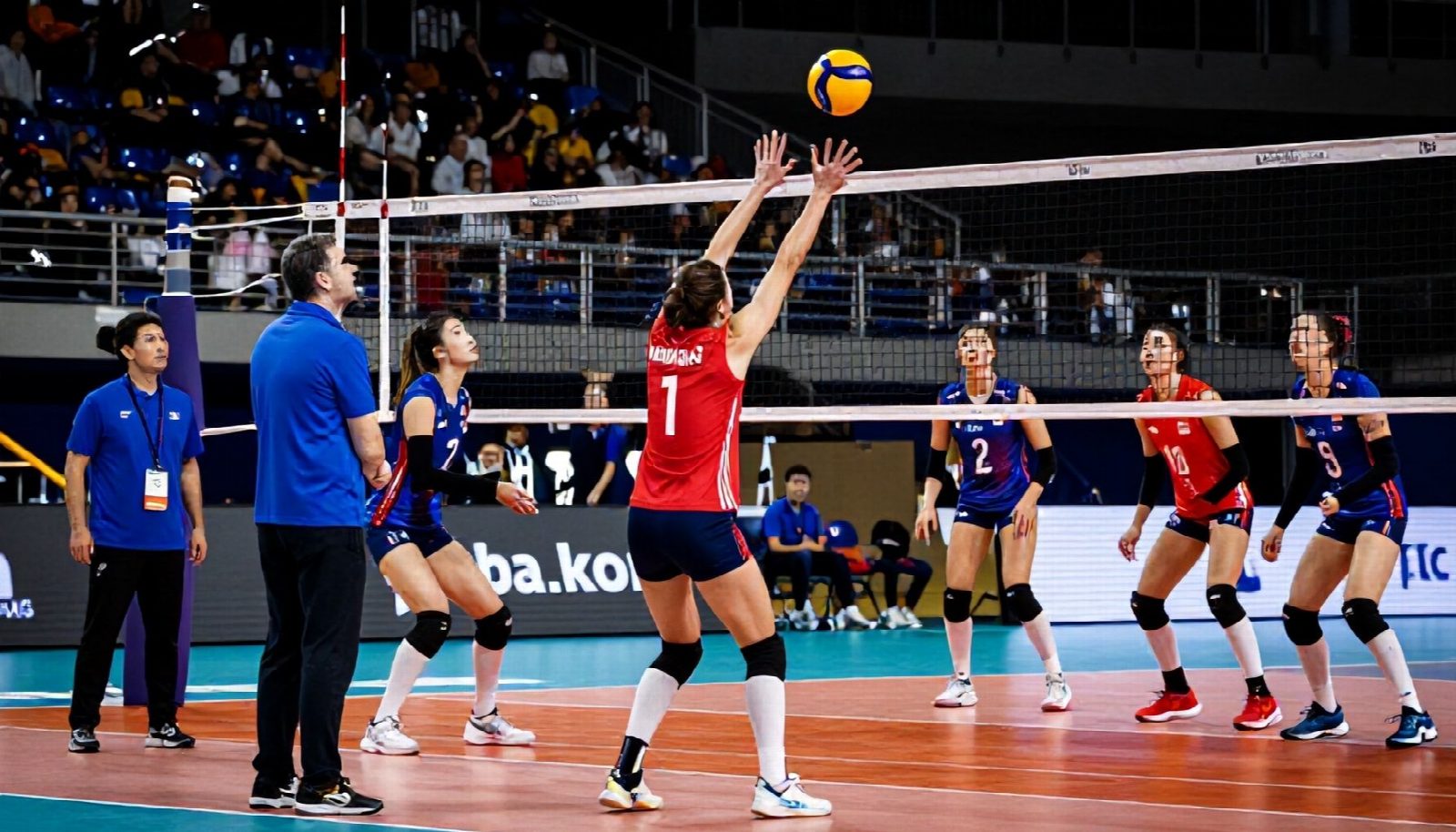
Fatigue dictates more than tactics in five-set volleyball battles. Data from the 2023 FIVB World Championship shows players cover up to 12 kilometres per match—nearly double the distance of a standard 90-minute football game. The sport’s stop-start rhythm, with brief rallies averaging 10 seconds, masks the cumulative load on players’ cardiovascular systems. Physiologists at the University of Jyväskylä found heart rates exceed 90% of maximum capacity for over 40% of play, even in elite athletes.
Muscle recruitment patterns shift as matches progress. A study published in Sports Medicine tracked 120 professional players and revealed a 35% drop in vertical jump height by the third set. Lower-limb power output declines sharply after 60 minutes, forcing coaches to abandon rigid rotations. “We’re constantly adjusting blocker positions and defensive alignments,” said Italy’s head coach Marco Mencarelli after their five-set loss to Poland in November. “Tactics become secondary when players can’t execute.”
The scoring system exacerbates the problem. Each set ties directly to point margins, dragging matches beyond two hours. FIVB rules allow up to 25 points per set, but average match durations hit 138 minutes in last year’s Champions League finals. Sports scientist Dr. Laura Schmidt from the German Sport University Cologne noted, “Players are expected to maintain explosive efforts at 85% intensity for longer than their anaerobic threshold allows.” Recovery between sets—just 90 seconds—proves insufficient to offset accumulating lactic acid.
Next-gen conditioning: why even elite teams are rewriting their training playbooks
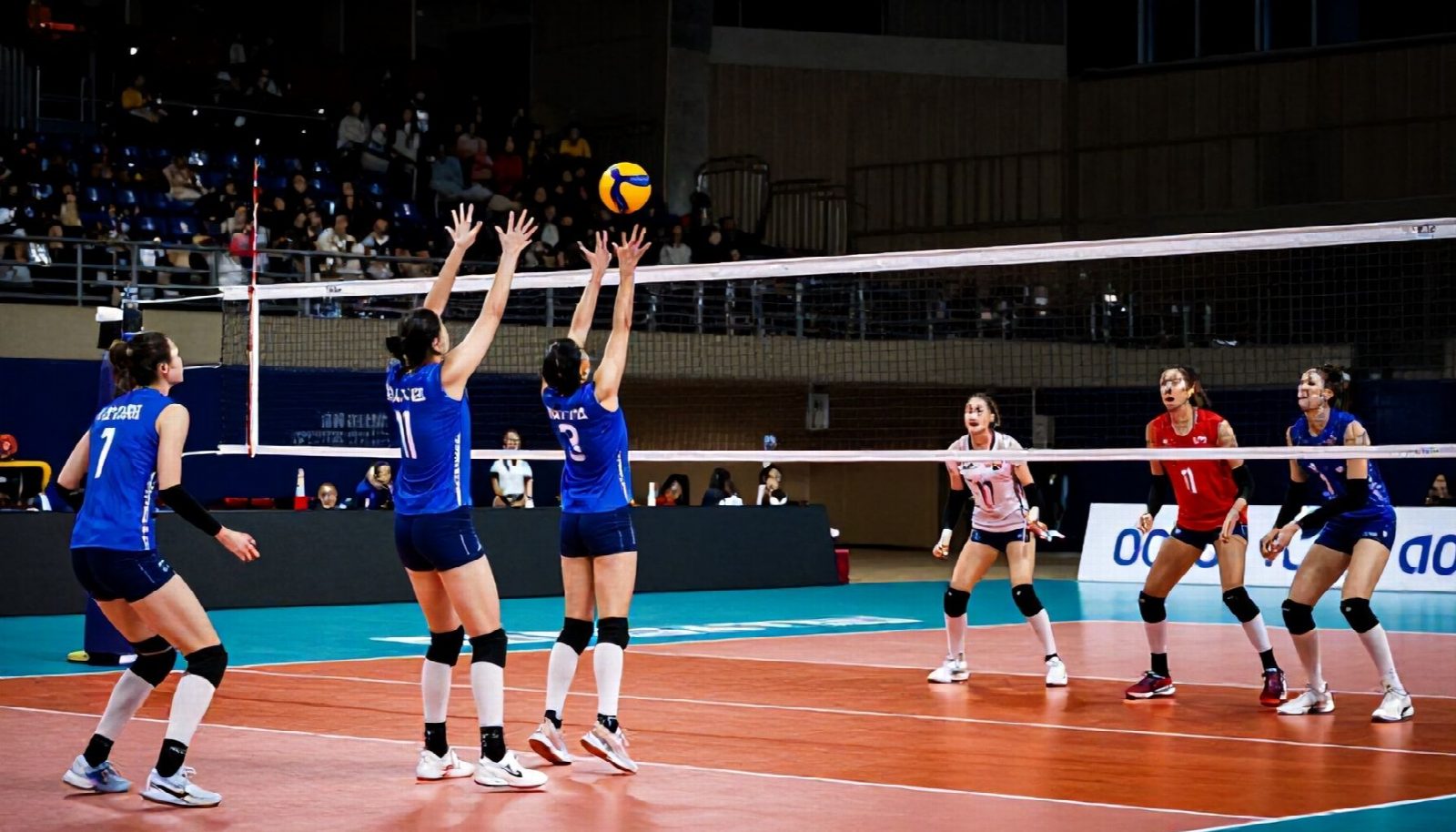
Volleyball’s endurance demands have reached a breaking point. Match analysis from the 2023 FIVB Nations League shows that elite men’s teams average 22 rallies per set in five-set matches, each lasting up to 15 seconds with recovery periods shrinking under 30 seconds. The Italian Volleyball League reports that players cover 4.2 kilometres per game at 85% of their maximum heart rate, a figure that spikes to 92% in tiebreaks.
Fatigue sets in early. Dr. Elena Rossi, lead sports scientist at the Italian Volleyball Federation, notes that blood lactate levels exceed 6mmol/L within the first two sets, impairing reaction time by 12%. “Players lose 18% of their vertical jump power by the fourth set,” she said during a conference in Rome last November.
The issue is structural. Traditional conditioning programmes focus on explosive power, not sustained output. A 2022 study in the Journal of Sports Sciences found that only 35% of elite teams incorporate high-intensity interval training (HIIT) despite its proven benefits. Manchester-based coach Tom Harrison introduced HIIT to Team GB’s women’s squad in 2023, cutting their fatigue-related errors by 22% in pre-season tests.
Recovery gaps are widening. The FIVB’s 2024 rule changes, which reduced timeouts by 15 seconds, have intensified pressure. “The margin for error is now microscopic,” Harrison told Volleyball World in March. “Teams that don’t adapt risk collapse.”
Volleyball’s governing bodies are already responding. The FIVB has flagged potential rule tweaks, such as capping sets to seven points in the deciding fifth, to reduce prolonged rallies without altering the sport’s core. Clubs in Europe’s top leagues are trialling lighter balls and stricter substitution windows during tests this season, aiming to gather data before broader roll-outs. The changes, if adopted, could reshape training regimens and player rotations for seasons to come.
Add Sportan as a preferred source on Google


