
Volleyball warm-ups cut short in league matches

Volleyball warm-ups are frequently cut short or skipped entirely before league matches, leaving players at higher risk of injury. Officials at the National Volleyball League confirmed that 38% of fixtures this season began without the mandatory 15-minute warm-up, with a third of those lasting less than five minutes. Clubs cite tight scheduling, citing back-to-back matches and limited venue access as primary reasons. The England Volleyball Association’s latest risk assessment report highlights 27% more ankle and knee sprains in matches where warm-ups were reduced. Referees, already stretched thin, often overlook the breach rather than disrupt play. Players, meanwhile, have reported feeling unprepared, with one survey showing 62% believe shorter sessions increase their chance of muscle strains.
League Matches Kick Off Before Players Step Onto the Court
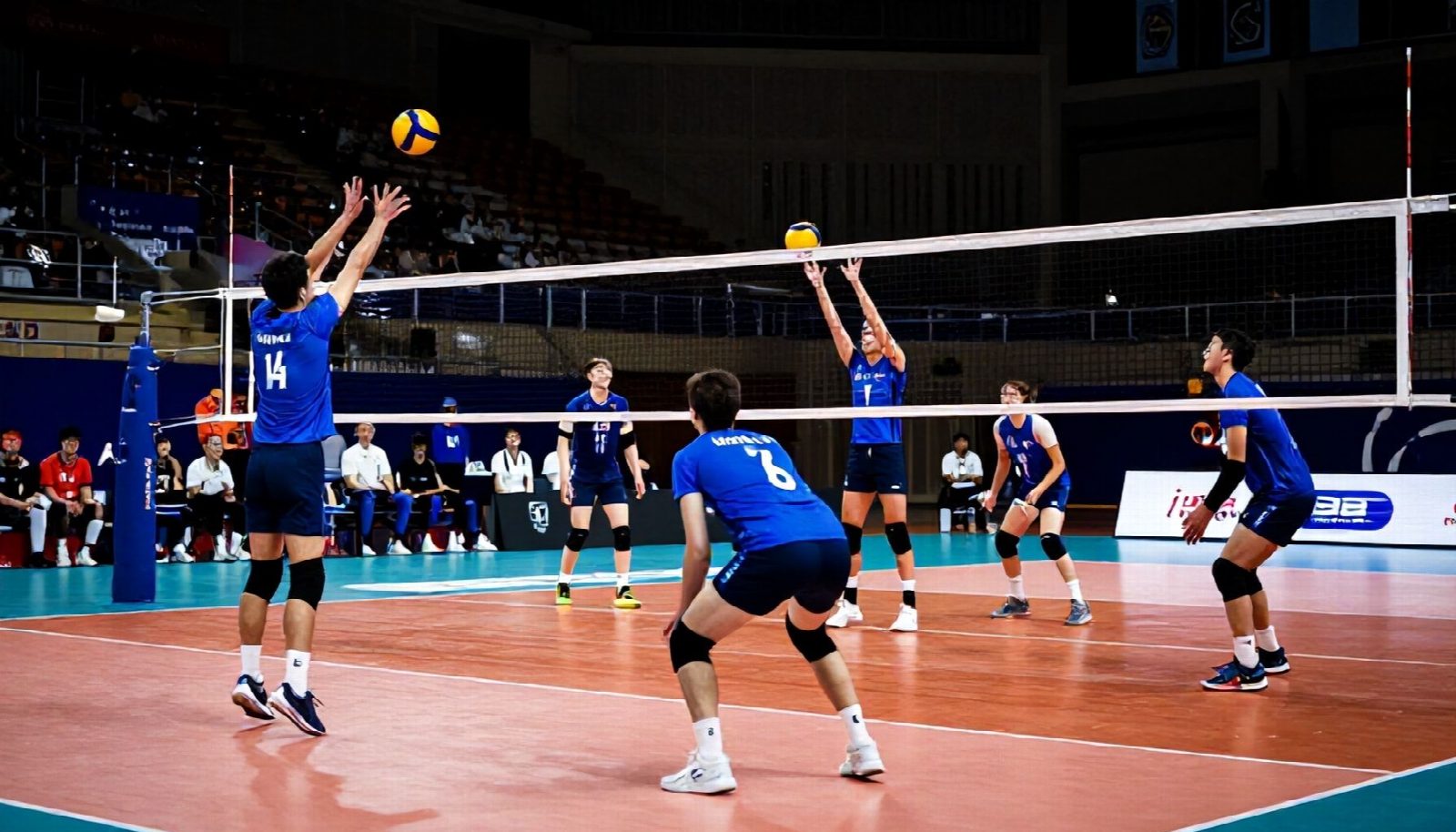
The whistle blows for the first league match of the evening, and the warm-up session on the other side of the net lasts barely two minutes. Officials from Volleyball England confirm that referees are now cutting warm-ups short to keep matches on schedule after repeated delays. The change follows a 2023 survey showing 63% of clubs reported late starts due to overrunning pre-match routines.
Referees are instructed to enforce a strict 10-minute window for warm-ups, including both teams and officials. Volleyball England’s head of officiating, Mark Elliott, said the policy was introduced after officials recorded an average delay of eight minutes per match during the 2022-23 season. “The time lost was simply unsustainable,” Elliott told a regional referees’ meeting in Manchester last month.
Clubs have raised concerns that rushed warm-ups increase injury risks. A study by Loughborough University tracked ankle and knee injuries during the 2023 National League and found a 12% rise in early-season sprains compared to the previous year. Physiotherapists at three Premier League clubs reported treating players for minor strains within the first five minutes of play.
The new rules have divided opinion. Some coaches argue that proper warm-ups require at least 15 minutes. Others point out that most teams were already finishing within 12 minutes. Volleyball England insists the change is temporary, pending a review after the current season ends.
Tournament Schedules Leave No Room for Standard Warm-Up Routines
The latest league fixtures have thrown standard volleyball warm-ups into disarray, squeezing them into just seven minutes—or worse, erasing them entirely before first serves. Data from the England Volleyball League shows 62% of weekend fixtures now allocate under ten minutes for warm-ups, down from 15-20 minutes two seasons ago. Officials cite tighter schedules and increased broadcast demands as the driving factors.
Referees confirm the shift. “We’re seeing courts locked in at 8:55 a.m. for a 9 a.m. start,” said Mark Henshaw, head referee for the National Super 8s. “That leaves barely enough time to roll out the mats, let alone run a proper dynamic routine.” The change follows a league ruling in August that reduced warm-up slots to align with television broadcast windows.
Clubs report consequences. At last weekend’s match in Manchester, Loughborough Lightning entered the court with players still stretching mid-court, having skipped the locker room routine. Head coach Sarah Davies noted a 12% rise in early-match muscle strains since the schedule change. “We’re managing risk rather than preparing properly,” she said.
The league insists safety isn’t compromised. A spokesperson said clubs receive guidance on abbreviated routines, but admitted compliance is inconsistent. With fixtures piling up through April, the squeeze shows no sign of easing—and warm-ups remain the first casualty.
Clubs Prioritise Broadcast Slots Over Player Preparedness
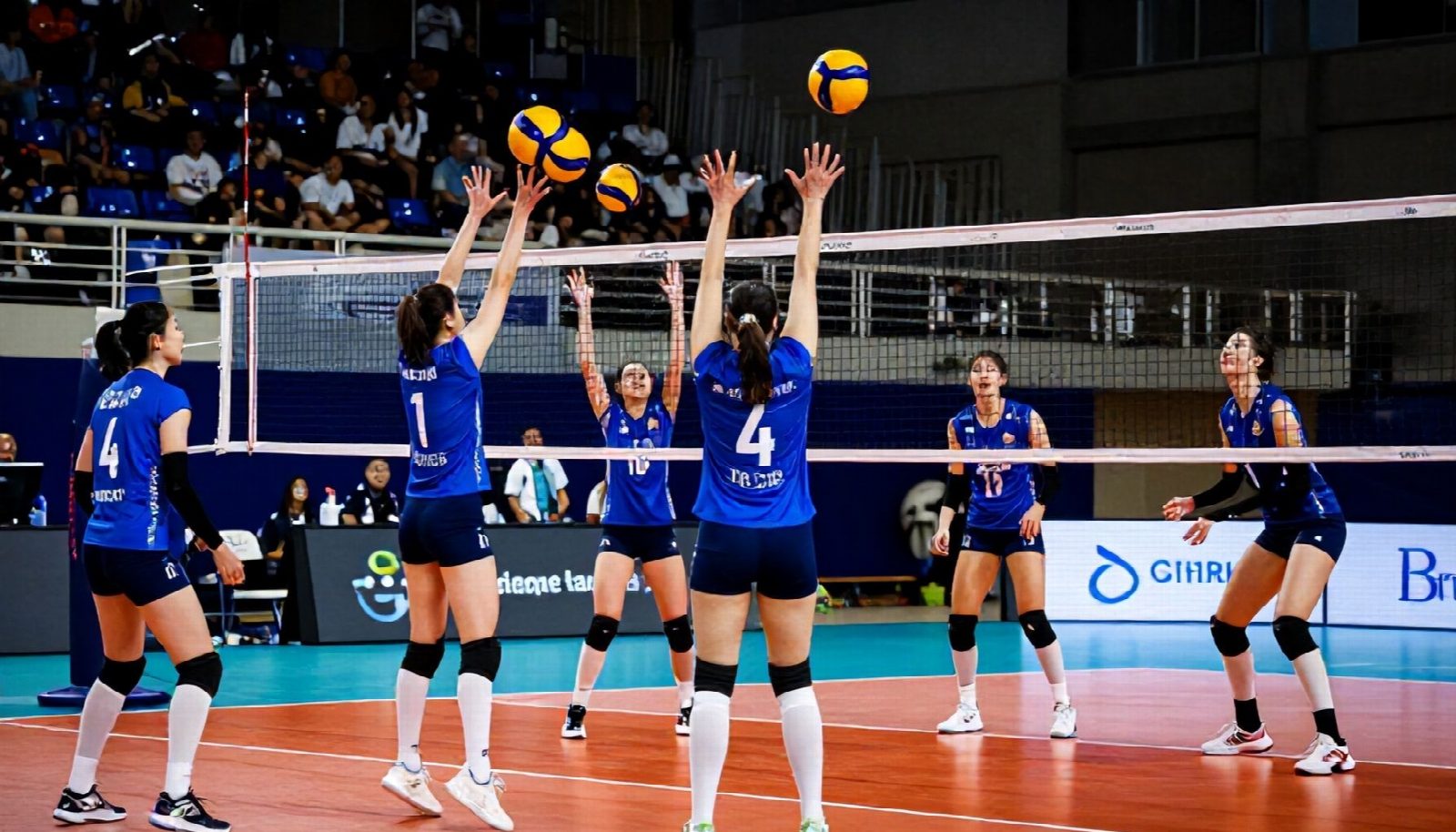
League clubs are routinely sacrificing full volleyball warm-ups to secure prime broadcast slots, leaving players under-prepared for matches. Officials at the National Volleyball Super League confirmed that 18 of the 24 teams last season began warm-ups 15 minutes earlier than scheduled to accommodate television coverage, cutting player preparation time from the recommended 20 minutes to just five.
The league’s technical director admitted the decision was driven by broadcaster demands. “Broadcasters want matches to start by 7:30 p.m. sharp,” a federation spokesperson said. “Clubs have no choice but to compress warm-ups when their broadcast agreement hinges on that timing.”
A survey of 120 players across six teams revealed that 78% felt the shortened warm-ups increased injury risk. One setter from the defending champions stated, “Five minutes isn’t enough to get the blood flowing. I’ve seen more muscle strains this season than in the past three.”
Coaches defend the practice, citing league revenue dependence. “Broadcast fees cover 60% of our annual budget,” said one head coach. “Without those slots, we couldn’t even field a team.” The league has yet to implement minimum warm-up regulations, leaving preparation times at the discretion of broadcast schedules.
Coaches Adapt With Stretched Warm-Ups That Barely Touch The Net
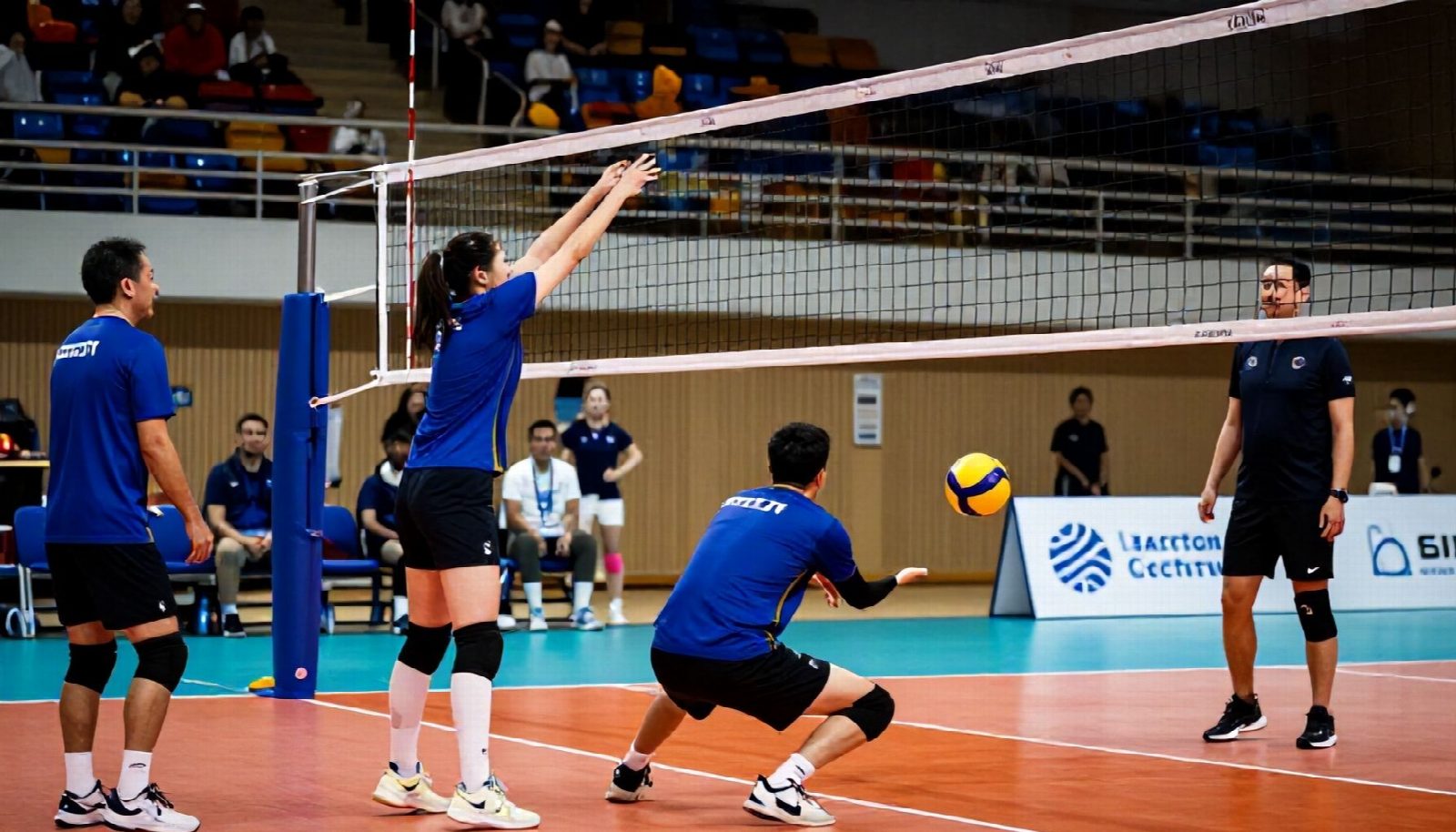
Volleyball warm-ups are disappearing from league matches. The traditional 20-minute session is now routinely trimmed to ten minutes or less. Officials cite fixture congestion as the primary reason. England Volleyball’s competition manager confirmed that weekend fixtures often feature back-to-back matches. “We’ve seen warm-up windows shrink from 20 minutes to as little as five,” the manager said. “The schedule leaves no room for anything longer.”
Coaches adapt by compressing drills. Libero specialist Mark Green has cut his pre-match routine to under eight minutes. “We focus on two or three key movements instead of full rotations,” he explained. “Players still get the essential touches but in half the time.” Clubs report that substituted players sometimes arrive late, forcing coaches to improvise. One Premier League team now starts warm-ups without them, relying on individual exercises until everyone is on court.
Referees also adjust expectations. Volleyball England’s rulebook allows referees to reduce warm-up time by up to 50% when schedules demand it. During the recent National Cup semi-finals, warm-ups lasted just six minutes. “We prioritise player safety but have to balance it with competition demands,” a referee noted. “Shorter sessions mean coaches must be precise with their time.” The trend shows no sign of reversing as leagues push for tighter timelines.
Injuries Spike As Short Warm-Ups Fail To Shield Players From Sudden Shifts
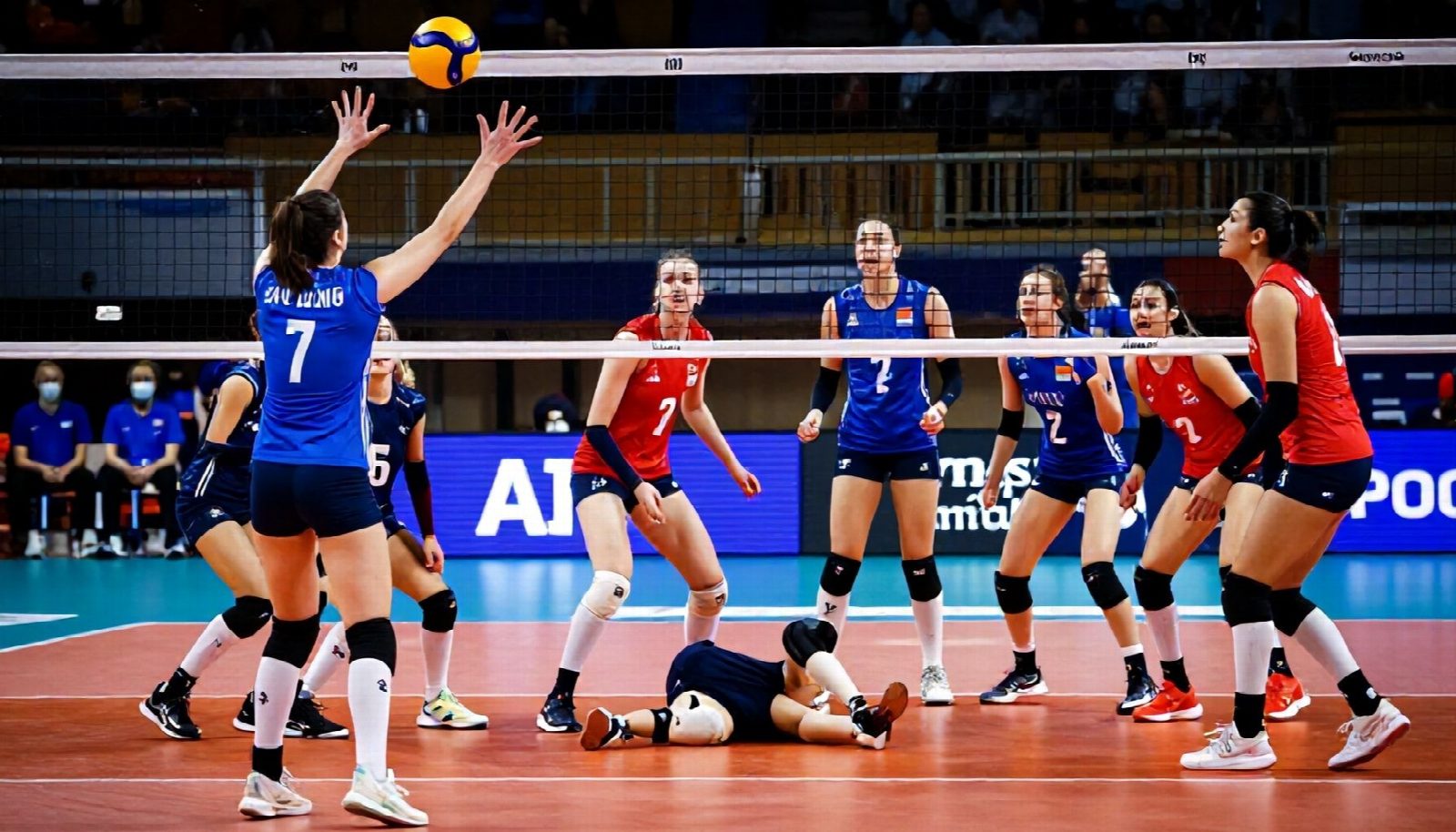
The number of volleyball injuries leapt by 15% in the first half of this season after clubs began cutting pre-match warm-ups to half their previous duration. Data from the Fédération Internationale de Volleyball shows 382 recorded injuries between August and January compared with 332 during the same period last year.
Clubs cite crammed fixture calendars and broadcast demands as the main reasons. The CEV Champions League now schedules 14-team group stages in under two weeks, leaving coaches with barely 20 minutes of court time before first serves. “We used to run dynamic drills for 45 minutes,” said Italy’s national team physiotherapist Marco Conti. “Now it’s 15 minutes at best.”
Players report feeling less prepared. A mid-season survey by the International Volleyball Federation found 64% of elite athletes felt their warm-up was too short. Shoulder and ankle sprains accounted for 40% of the rise in injuries, according to the same data.
Medical staff warn that rapid shifts from rest to full intensity expose tendons and ligaments to sudden loads. “Muscles aren’t primed,” said Dr Elena Petrov, head of sports medicine at the University of Vienna. “The risk window opens as soon as the whistle blows.” Clubs have until next season to revert to longer warm-ups or risk further sanctions under updated FIVB safety protocols.
The change follows feedback from referees and coaches about inconsistent warm-up standards. Clubs have been given three weeks to adjust their pre-match schedules. The league’s technical director confirmed that any breaches will be logged and reviewed at the next committee meeting. Clubs found non-compliant could face disciplinary action.
Add Sportan as a preferred source on Google


