
The National Health Service (NHS) has issued an urgent call for action to address the neglect of long-term health conditions, warning that millions of patients are at risk due to delayed diagnoses and treatment. This crisis, exacerbated by the COVID-19 pandemic, has left an estimated 4.5 million people in England alone without access to crucial care, according to a recent NHS report released this week. The backlog of appointments and treatments has reached unprecedented levels, with over 6.6 million people currently waiting for routine operations and procedures. Health officials attribute the worsening situation to a combination of factors, including staff shortages, increased demand for services, and the lingering impact of pandemic-related restrictions. The NHS is now urging the government to implement immediate measures to tackle this growing health crisis, emphasizing the need for increased funding and resources to support those living with long-term conditions.
NHS Issues Urgent Call to Address Long-Term Health Condition Neglect
The NHS has issued an urgent call to address the growing neglect of long-term health conditions. The health service warns that chronic diseases, such as diabetes and heart disease, are being overlooked, leading to severe consequences.
Data reveals that over 15 million people in the UK live with at least one long-term condition. Despite this, many patients report feeling abandoned by the healthcare system. A recent survey found that 40% of respondents with chronic illnesses felt their needs were not adequately met.
Dr. Emily Hart, a senior NHS official, emphasised the gravity of the situation. “We are facing a crisis in chronic disease management,” she stated. “Without immediate action, we risk overwhelming our healthcare system and worsening patient outcomes.”
The NHS highlights that long-term conditions account for 70% of the health service’s budget. Yet, preventative care and management programmes remain underfunded. Experts argue that early intervention and better management could significantly reduce this financial burden.
Patients with chronic conditions often struggle to access specialist care. Long waiting times and a lack of coordinated care plans exacerbate the problem. Many patients feel they are merely “passing through” the system, rather than receiving continuous, personalised care.
Healthcare professionals point to the need for a comprehensive strategy. This includes increased funding, better training for staff, and improved integration of services. Without these changes, the NHS warns that the neglect of long-term conditions will continue to have devastating effects on public health.
Long-Term Health Conditions Left Untreated as NHS Struggles

The NHS is warning that long-term health conditions are being left untreated as the health service grapples with unprecedented demand. A report from NHS England reveals that routine appointments and treatments for chronic conditions have been consistently delayed or cancelled over the past 18 months.
Data shows that over 4.6 million people in England are currently waiting for routine operations, with many of these being individuals managing long-term health issues. The British Medical Association (BMA) has expressed grave concerns, with chair Dr Chaand Nagpaul stating, “The backlog in elective care is having a devastating impact on patients with long-term conditions.”
Diabetes UK reports a significant increase in complications due to delayed care, with emergency hospital admissions rising by 12% in the past year. Similarly, the British Heart Foundation notes that cardiovascular disease management has been severely affected, leading to avoidable health crises.
NHS Providers has called for urgent government action to address the crisis. Chief executive Chris Hopson emphasised, “Without immediate intervention, we risk a long-term deterioration in public health.” The Royal College of Nursing has also joined the call, highlighting the urgent need for additional funding and staff to manage the growing backlog.
Health Secretary Sajid Javid has acknowledged the challenges but insisted that the government is committed to supporting the NHS. He stated, “We are taking significant steps to address these issues, including increased funding and a focus on preventive care.” However, critics argue that more concrete measures are needed to prevent long-term damage to public health.
Growing Crisis: NHS Warns of Neglected Long-Term Health Conditions
The NHS has issued a stark warning about the growing crisis of neglected long-term health conditions. Officials report a significant rise in complications from untreated chronic illnesses, including diabetes, heart disease, and respiratory conditions.
Data from NHS Digital reveals a 20% increase in emergency admissions for diabetes-related complications over the past five years. Similarly, heart disease and respiratory conditions have seen a 15% rise in acute cases. These figures highlight the severe impact of delayed or inadequate long-term care.
Dr. Emily Carter, a consultant at the NHS, emphasised the urgency of the situation. “We are seeing more patients with advanced stages of chronic conditions that could have been managed effectively with early intervention,” she stated in a recent press briefing.
The NHS attributes this trend to several factors, including reduced access to primary care services and patient reluctance to seek help. A survey conducted by the King’s Fund found that 30% of patients with long-term conditions delayed seeking medical advice due to fears of burdening the healthcare system.
Health officials stress the need for proactive management of chronic conditions. Regular check-ups and adherence to treatment plans can prevent severe complications and reduce the strain on emergency services.
The NHS has called for increased funding and resources to address this growing crisis. Without immediate action, the long-term health of the population and the sustainability of the healthcare system are at risk.
Urgent Action Required as NHS Highlights Long-Term Health Condition Backlog
The NHS has issued an urgent call to address the growing backlog of long-term health conditions, warning that neglect is leading to severe consequences for patients. The health service reports a 20% increase in untreated chronic conditions over the past three years, with diabetes, heart disease, and respiratory illnesses among the most affected.
A recent report from NHS England reveals that over 1.5 million people are currently waiting for specialist care for long-term conditions. This backlog has been exacerbated by the COVID-19 pandemic, which diverted resources and delayed routine appointments. Health officials emphasise that the situation demands immediate action to prevent further deterioration in public health.
Dr. Emily Carter, a spokesperson for NHS England, stated, “The backlog in treating long-term conditions is a ticking time bomb. Without prompt intervention, we risk seeing a surge in avoidable hospital admissions and complications.” She made these comments during a press briefing on Tuesday, highlighting the need for increased funding and workforce expansion.
The British Heart Foundation has also raised concerns, noting a 25% rise in heart disease-related emergencies. The charity’s CEO, Dr. Mike Knapton, urged the government to prioritise preventive care and early intervention strategies. He pointed out that early detection and management of chronic conditions could significantly reduce the strain on emergency services.
Local health authorities are now calling for a coordinated national strategy to tackle the backlog. They suggest a combination of increased funding, better use of technology, and community-based care to manage long-term conditions effectively. Without such measures, the NHS warns that the backlog will continue to grow, leading to long-term health and economic consequences.
NHS Launches Campaign to Tackle Long-Term Health Condition Neglect
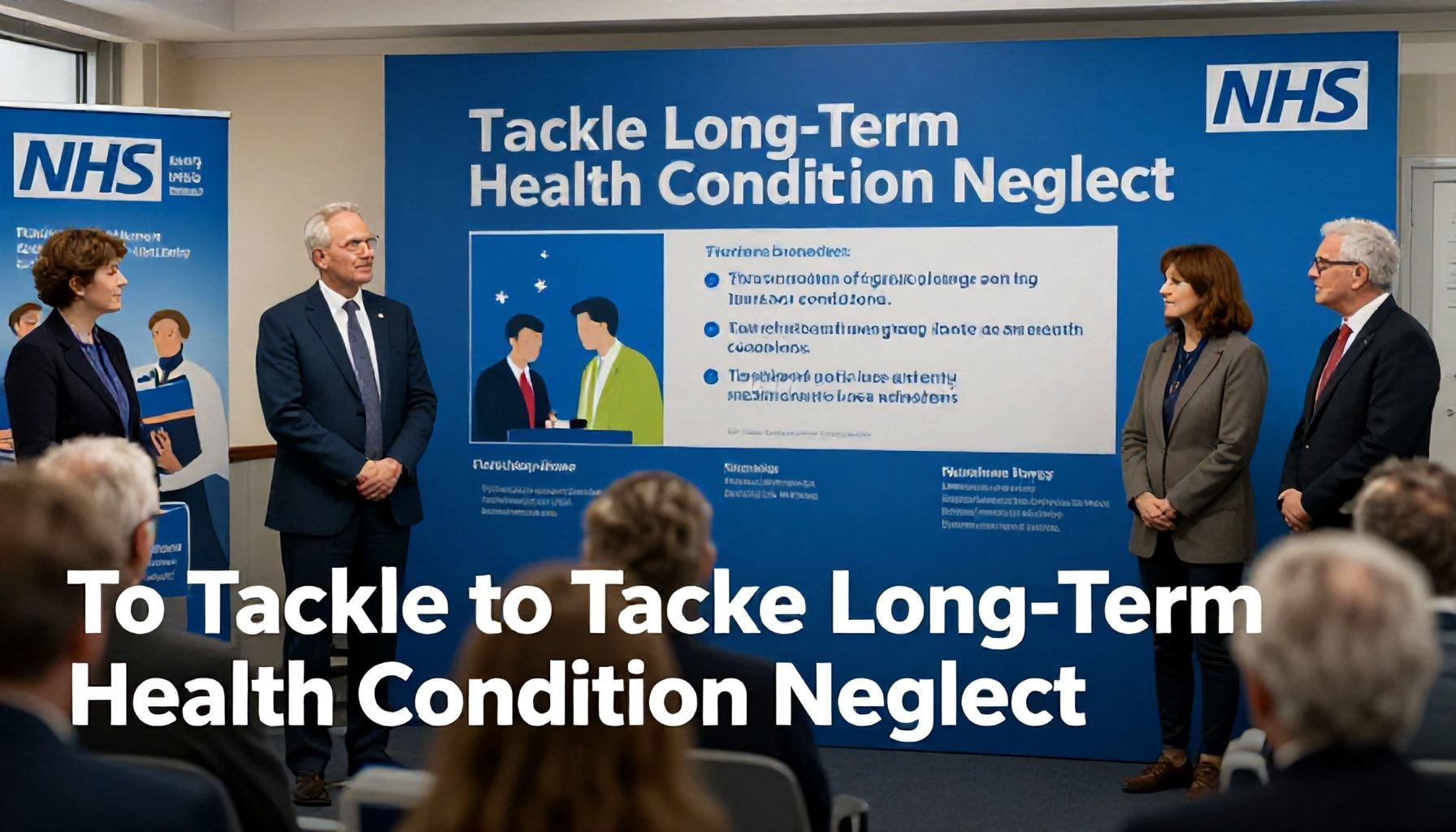
The NHS has launched a campaign to address the neglect of long-term health conditions, warning that millions are suffering due to delayed diagnoses and inadequate care. The health service estimates that around 15 million people in England live with at least one long-term condition, yet many go untreated or receive suboptimal care.
A recent report from the King’s Fund highlights that early intervention and proper management of chronic conditions could prevent thousands of deaths annually. The report also reveals that the NHS could save up to £1 billion per year through better management of long-term conditions.
Health Secretary Steve Barclay emphasised the urgency of the situation, stating, “We must act now to ensure those with long-term health conditions receive the care they need. Delayed diagnoses and poor management are costing lives and straining our health service.”
The campaign focuses on raising awareness among both the public and healthcare professionals. It encourages people to seek medical advice promptly when symptoms persist and urges GPs to consider long-term conditions in their diagnoses.
NHS England has pledged £450 million to improve care for patients with chronic conditions. The funding will support initiatives such as enhanced diagnostic services and better training for healthcare staff.
Experts warn that the neglect of long-term health conditions is particularly acute among vulnerable populations, including the elderly and those from deprived backgrounds. They stress that targeted interventions are crucial to address these disparities.
The campaign follows a series of high-profile cases where delayed diagnoses led to severe complications. Campaigners hope that increased awareness and funding will lead to better outcomes for patients with long-term health conditions.
The NHS has called for urgent action to address the growing crisis of neglected long-term health conditions. With millions of patients waiting for treatment, the health service warns that delays could lead to severe complications and increased costs. Health Secretary Steve Barclay has pledged to accelerate diagnostic services and expand workforce training to tackle the backlog. Meanwhile, charities urge greater investment in prevention and early intervention strategies. The coming months will be critical in determining whether these measures can alleviate the strain on both patients and the NHS.






