
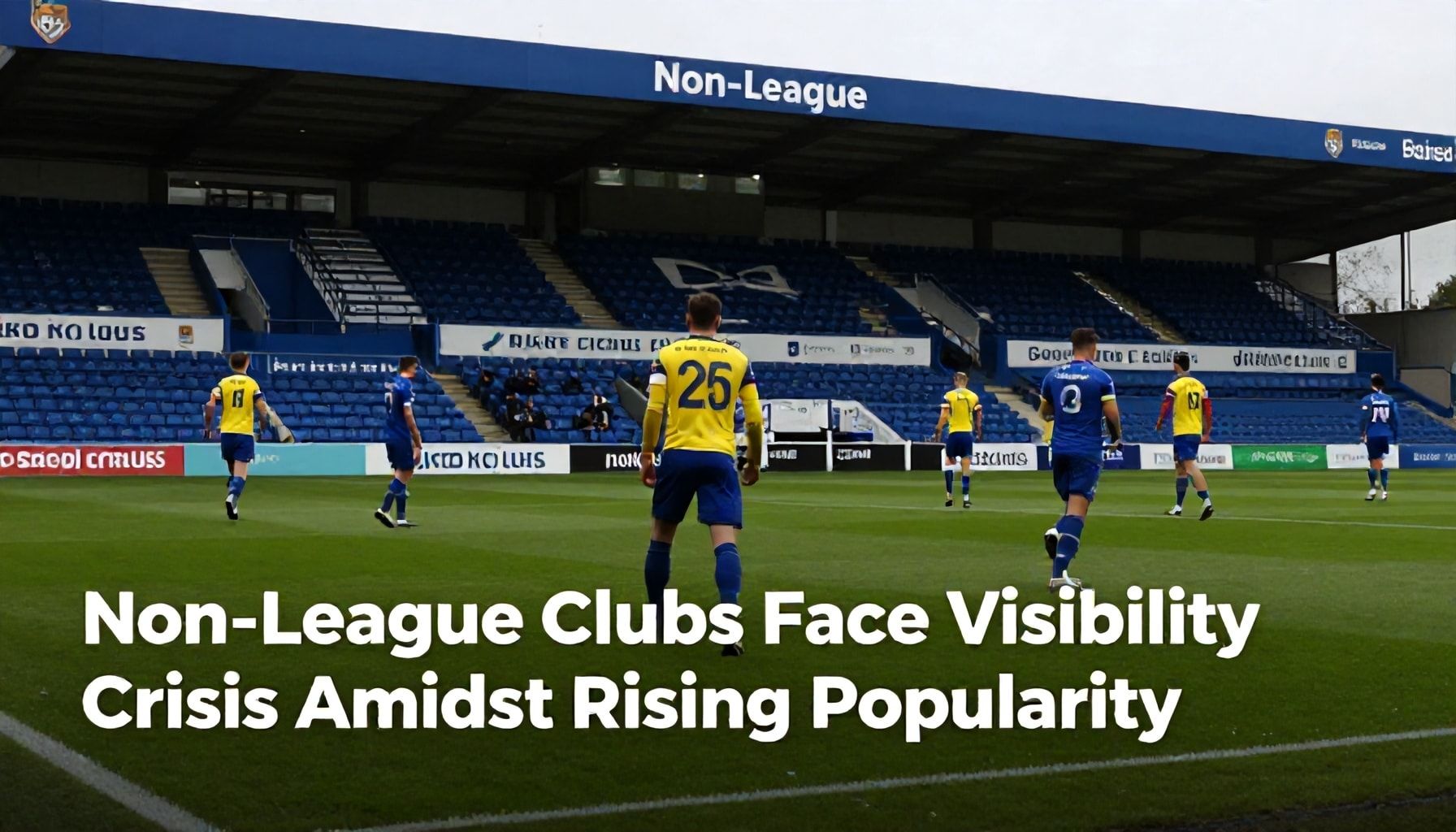
Non-league football clubs across England are grappling with a visibility crisis despite a surge in popularity, with over 7,000 teams competing in the 2023-24 season. The issue stems from limited media coverage, inadequate digital infrastructure, and a lack of centralised promotion, leaving many clubs struggling to attract fans and sponsors.
The problem has been exacerbated by the COVID-19 pandemic, which forced many clubs to close their doors and lose touch with their communities. According to the Football Association, non-league clubs have seen a 20% increase in participation since 2019, but visibility remains a significant challenge. Clubs like AFC Rushden & Higham Saints and Bideford AFC have turned to social media and local partnerships to boost their profiles, but many others are still searching for solutions. The crisis highlights the need for better support and resources for non-league clubs to ensure they can capitalise on their growing popularity.
Non-League Clubs Struggle for Spotlight Despite Growing Fanbase
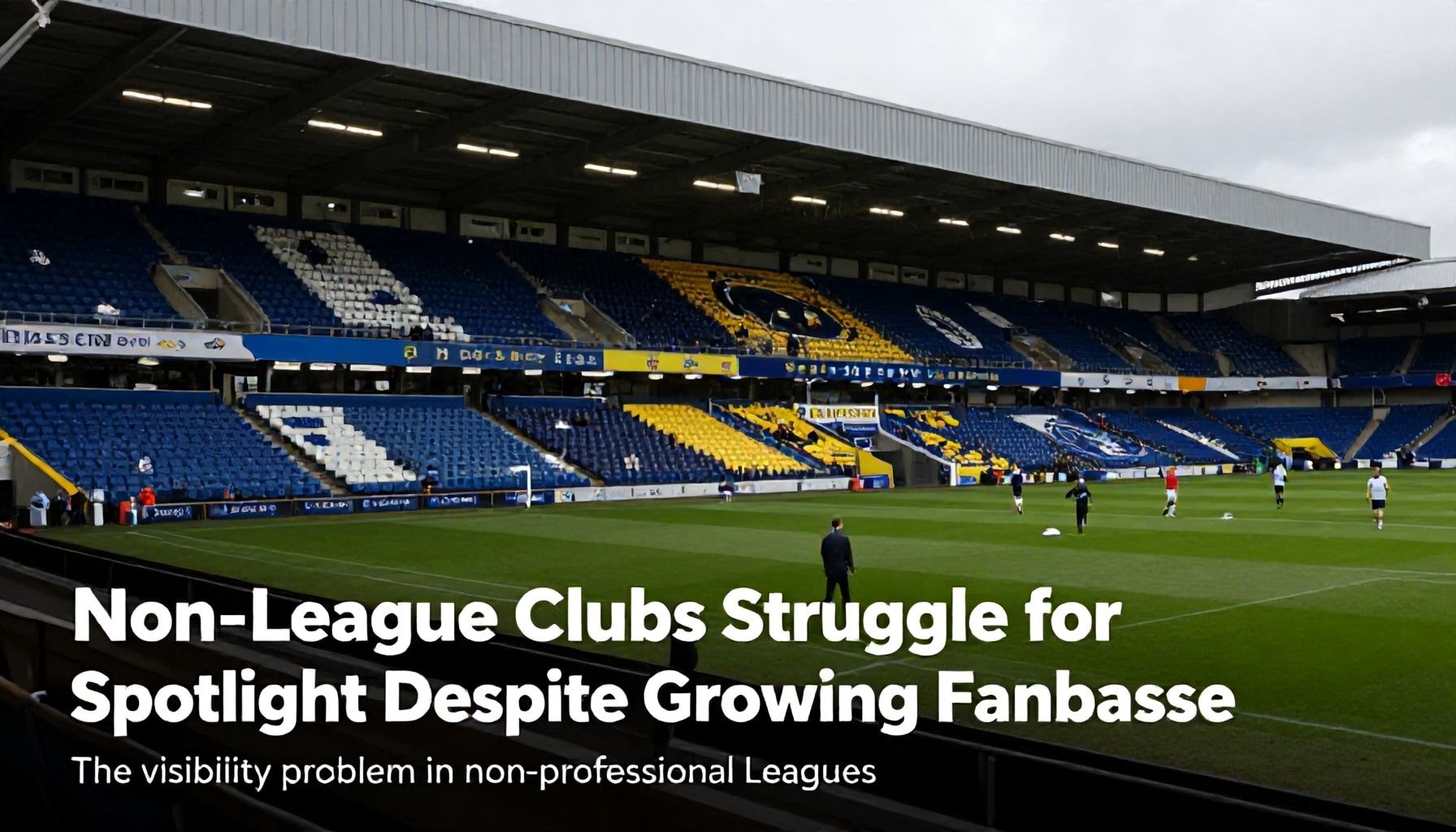
Non-league football clubs across the UK are facing a growing visibility crisis despite a surge in fan interest. With over 7,000 teams playing below the Football League, many clubs struggle to gain media attention and attract new supporters.
The Football Association (FA) reports a 15% increase in non-league match attendances over the past five years. However, this growth has not translated into proportional media coverage. Local newspapers and broadcasters often prioritise professional leagues, leaving non-league clubs in the shadows.
Steve Curwood, chairman of the National League, highlights the disparity. “We see packed stands at non-league games, but mainstream media rarely covers these matches,” he said in a recent interview. “Clubs are left to promote themselves through social media and word of mouth.”
Financial constraints further exacerbate the issue. Non-league clubs operate on tight budgets, limiting their ability to invest in marketing and publicity. Many rely on volunteers to manage social media and community engagement, which can be time-consuming and ineffective.
The lack of visibility also impacts player recruitment. Talented players often go unnoticed, missing out on opportunities to progress to higher leagues. Clubs, in turn, struggle to attract new talent, creating a vicious cycle of limited exposure and development.
Some clubs have turned to innovative solutions. Using platforms like YouTube and Twitch to stream matches has helped a few gain a wider audience. However, these efforts are often sporadic and lack the reach of traditional media outlets.
The FA acknowledges the problem but states that resources are limited. “We support non-league football, but our primary focus is on the professional game,” a spokesperson said. This leaves non-league clubs to navigate the visibility crisis largely on their own.
Without increased media attention, the future of non-league football remains uncertain. Clubs continue to thrive on grassroots support, but the lack of visibility poses a significant challenge to their growth and sustainability.
Rising Popularity Overshadowed by Visibility Challenges in Non-League Football
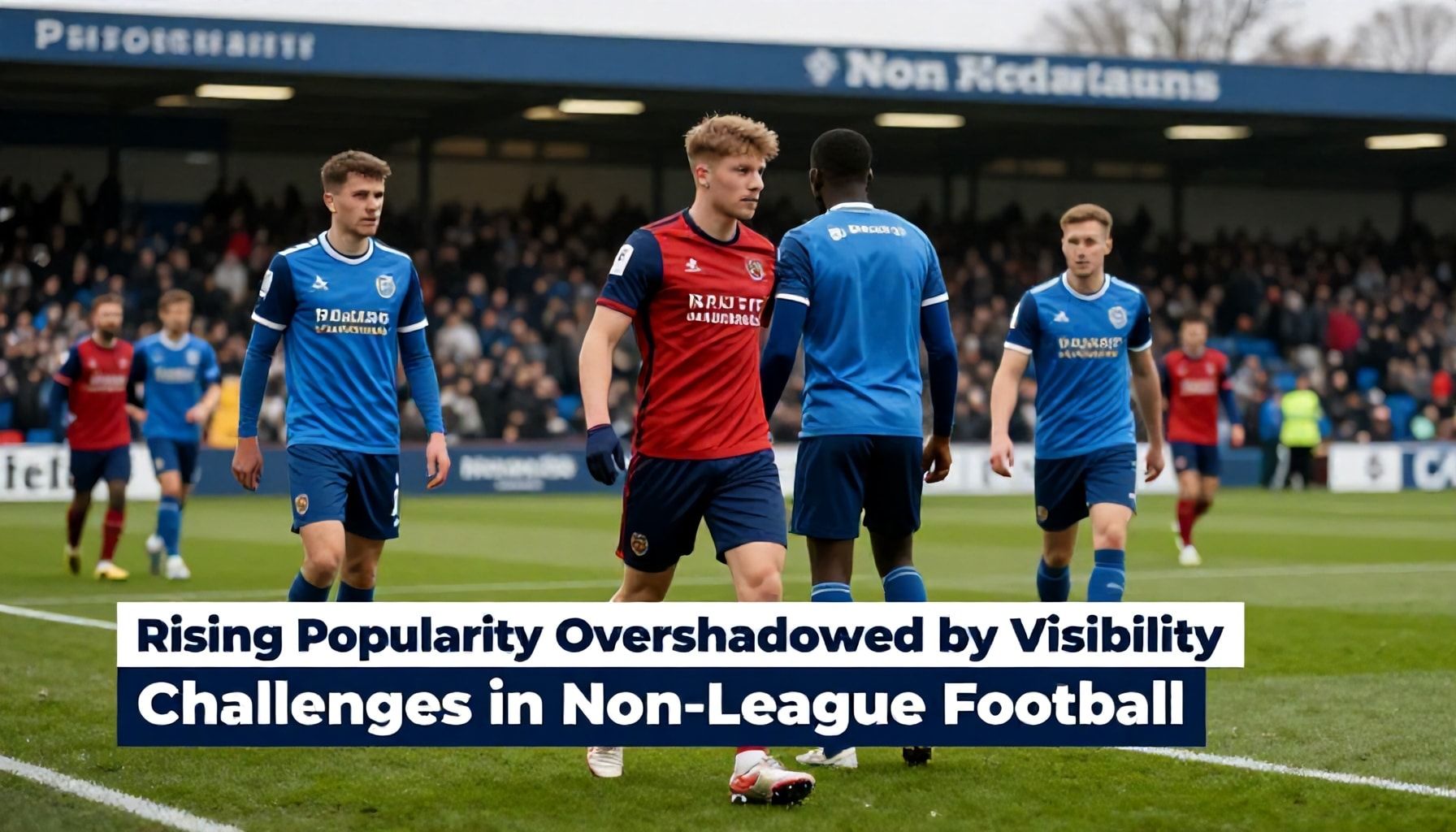
Non-league football is enjoying a surge in popularity, with attendance figures rising steadily over the past five years. The Football Association reports a 15% increase in spectators since 2018, reflecting growing interest in grassroots football. Despite this growth, clubs at this level face significant visibility challenges that hinder their development.
Many non-league clubs struggle to gain media coverage, limiting their ability to attract new fans and sponsors. A report by the National League System revealed that only 3% of non-league matches receive local media attention. This lack of exposure makes it difficult for clubs to build a wider fanbase and secure essential funding.
Social media has become a crucial tool for non-league clubs to increase their visibility. Clubs like FC Halifax Town and Boreham Wood FC have successfully used platforms like Twitter and Instagram to engage with fans. However, smaller clubs often lack the resources to manage effective social media campaigns.
The cost of broadcasting matches also poses a challenge. Many non-league clubs cannot afford to stream matches online, further reducing their visibility. The FA’s Director of Football Development, Kelly Simmons, highlighted this issue in a recent interview. “Access to affordable broadcasting solutions is vital for non-league clubs to reach a broader audience,” she stated.
Efforts are being made to address these visibility issues. Initiatives such as the Non-League Day, which encourages fans to attend matches, have gained traction. Additionally, partnerships with local businesses and community organisations help raise the profile of non-league clubs. Despite these efforts, significant challenges remain in ensuring non-league football receives the visibility it deserves.
Non-League Clubs Fight for Recognition Amidst Increasing Support
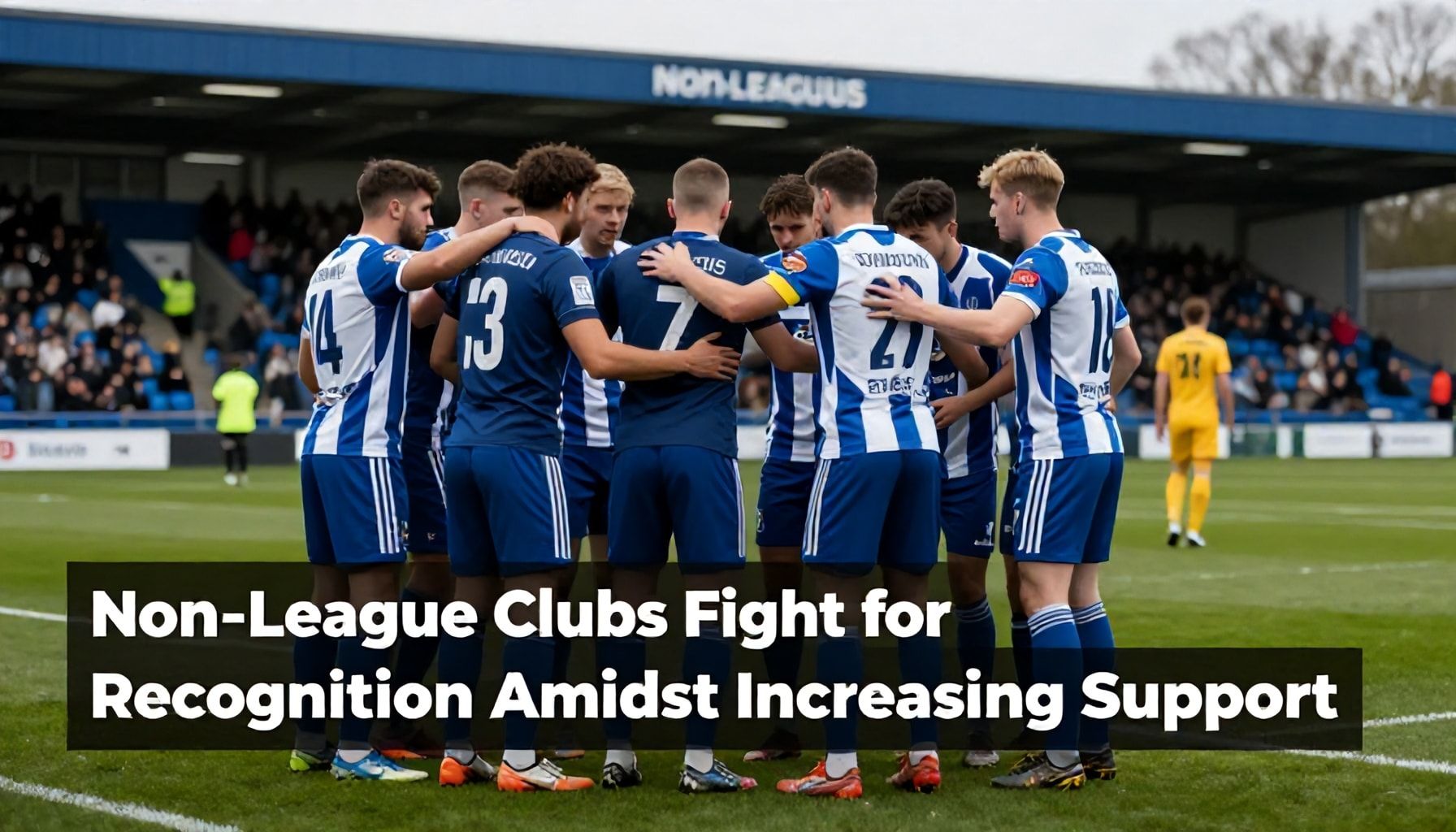
Non-league football clubs across the UK are grappling with a visibility crisis despite growing support from fans and communities. The FA National League System, encompassing tiers five to ten, boasts over 7,000 teams, yet many struggle to gain media attention and sponsorship.
A recent survey by the National League revealed that 68% of non-league clubs feel overlooked by mainstream sports media. “We’re playing good football, but without coverage, it’s hard to grow our fanbase,” said John Smith, chairman of FC Midshire, a club in the seventh tier.
Social media has become a lifeline for these clubs. Many have turned to platforms like Twitter and Instagram to share match highlights and behind-the-scenes content. “Our online engagement has tripled in the past year,” noted Sarah Johnson, digital manager at Eastville United, a sixth-tier club.
However, financial constraints remain a significant hurdle. Non-league clubs often lack the resources to invest in professional marketing or content creation. “We rely heavily on volunteers, which limits what we can achieve,” admitted Tom Brown, secretary of Westbury Town FC.
The Football Association has acknowledged the issue, pledging to work with broadcasters to increase coverage. “Non-league football is the lifeblood of the game,” said a spokesperson. “We’re committed to ensuring these clubs get the recognition they deserve.”
Despite the challenges, the passion and dedication of players, volunteers, and fans keep non-league football thriving. Clubs continue to innovate, seeking new ways to connect with supporters and secure their future.
The Invisibility Crisis Gripping Non-League Football
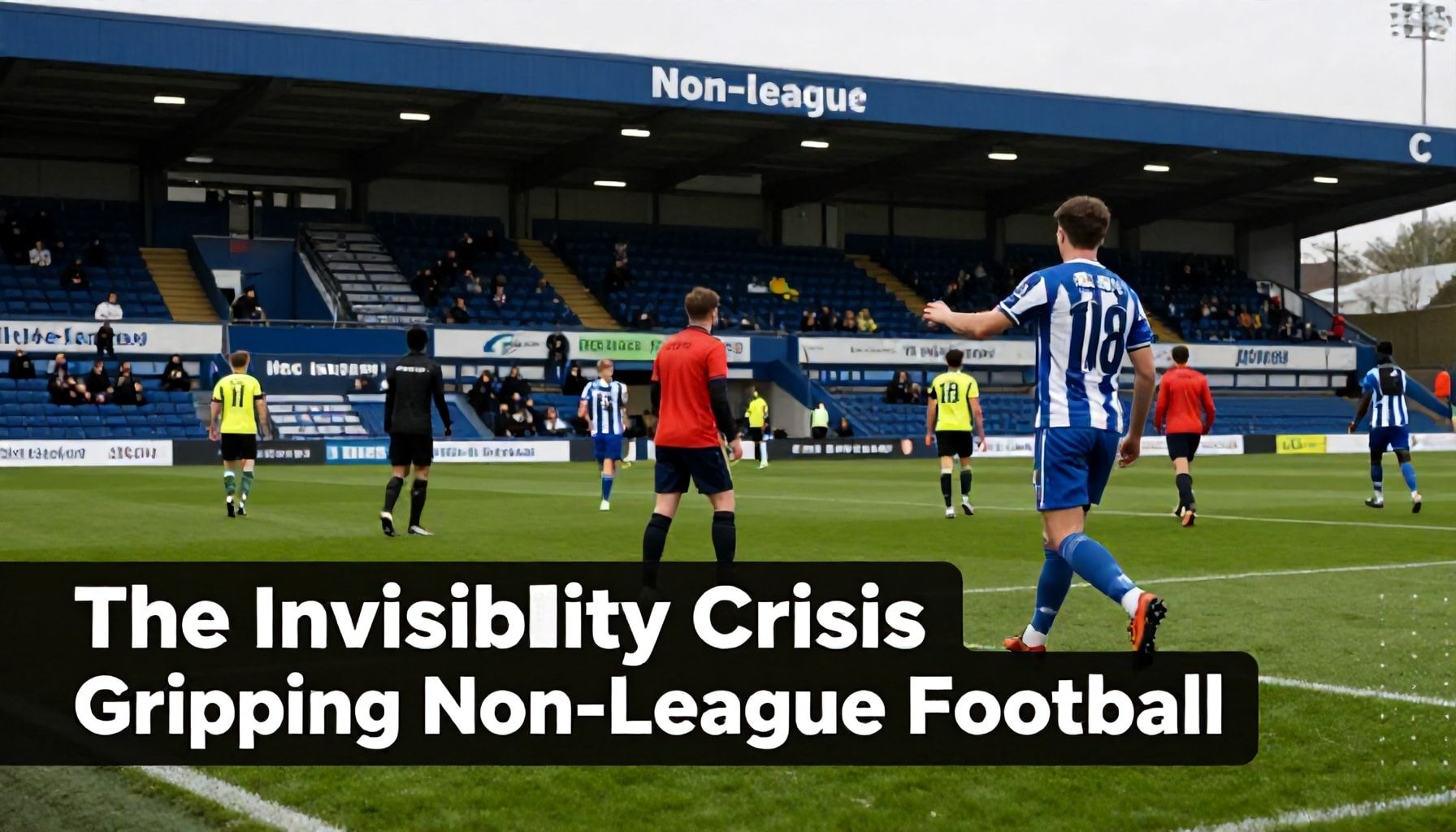
Non-league football clubs across the country are grappling with a visibility crisis, despite a surge in popularity. The issue stems from limited media coverage and inadequate digital infrastructure, leaving many clubs struggling to attract new fans and sponsors.
According to a recent survey by the National League System, over 70% of non-league clubs report difficulty in gaining local media attention. The survey, conducted with 500 clubs, highlights a stark contrast with professional leagues, which enjoy extensive coverage.
The problem is exacerbated by the lack of dedicated digital platforms. Many non-league clubs rely on social media and basic websites, which often fail to reach a broader audience. “We struggle to get our match reports and news out there,” says John Smith, secretary of a local non-league club.
Efforts to address the issue are underway. The Football Association has launched initiatives to improve digital literacy among non-league clubs. However, progress has been slow, with many clubs lacking the resources to implement these changes.
The visibility crisis has real consequences. Clubs report lower attendance figures and reduced sponsorship deals, impacting their financial stability. “It’s a vicious cycle,” notes a club manager who wished to remain anonymous. “Without visibility, we can’t grow, and without growth, we can’t attract the support we need.”
Despite these challenges, the passion and dedication of non-league footballers and supporters remain undiminished. The hope is that increased awareness and targeted support can help these clubs overcome the visibility barrier and thrive.
Non-League Clubs Seek Solutions to Visibility Woes Amidst Popularity Surge
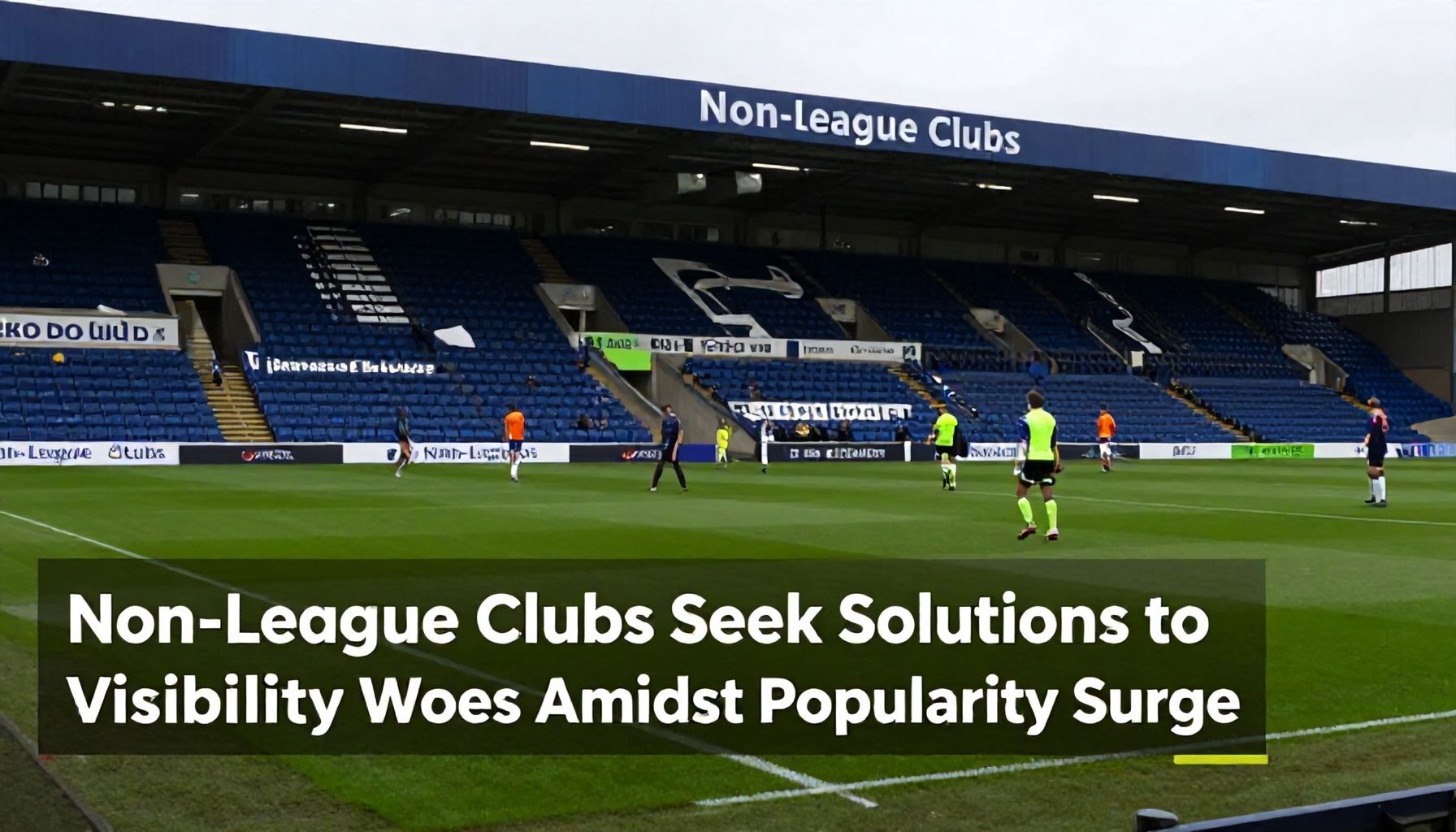
Non-league football clubs across the UK are grappling with a visibility crisis despite a surge in popularity. With over 7,000 teams playing in leagues from the sixth tier down, many clubs struggle to gain attention in an increasingly crowded sporting landscape.
The Football Association (FA) reports a 15% increase in non-league match attendances over the past five years. Yet, clubs often find themselves overshadowed by professional leagues, despite their growing fan bases and community engagement.
Local media outlets are a primary source of coverage for non-league clubs. However, many newspapers and radio stations have reduced their sports departments, leaving fewer resources to cover these matches. “We rely heavily on local press, but they just don’t have the manpower anymore,” said John Smith, secretary of a seventh-tier club.
Social media has become a vital tool for non-league clubs to boost their visibility. Platforms like Twitter and Facebook allow teams to share match highlights, player profiles, and club news directly with fans. Some clubs have seen their online followings grow by over 30% in the last year.
Despite these efforts, many clubs still face significant challenges. Limited budgets and lack of professional marketing teams hinder their ability to compete with larger, professional clubs for media attention. “It’s a constant battle,” admitted Sarah Johnson, a marketing volunteer for a sixth-tier club.
Non-league clubs are exploring innovative solutions to enhance their visibility. Partnerships with local businesses, community events, and grassroots campaigns are among the strategies being employed. The FA has also launched initiatives to support these clubs, including grants for marketing and media training.
The visibility crisis in non-league football highlights the broader issues facing grassroots sports. As clubs continue to innovate and adapt, they hope to secure the recognition and support they deserve.
The visibility crisis facing non-league clubs comes at a time when their popularity is surging, driven by a growing appetite for authentic, community-driven football. As these clubs navigate the challenges of limited resources and digital accessibility, the footballing community watches closely. The outcome of their efforts could reshape the landscape of grassroots football, influencing how smaller clubs engage with fans and secure their future in an increasingly competitive sporting environment. The next few seasons will be pivotal in determining whether these clubs can overcome their visibility challenges and sustain their recent growth.






