Non-League football clubs in the UK, facing persistent financial challenges, have revealed their diverse revenue streams to stay afloat. These clubs, operating outside the Football League and Premier League, rely heavily on matchday income, with ticket sales generating up to £5,000 per game for some clubs, according to a recent survey by the National League System.
Many clubs supplement this with sponsorship deals, averaging £10,000 annually, and community initiatives that bring in additional funds. The data, collected from over 200 clubs, highlights the precarious financial situation of non-League football, with many clubs operating on tight margins. Despite these challenges, clubs continue to innovate, with some exploring crowdfunding and merchandise sales to boost their income.
Non-League Clubs Diversify Revenue Streams Amid Financial Pressures
Non-league football clubs in the UK are diversifying their revenue streams to combat financial pressures. With limited broadcasting and sponsorship income, these clubs rely on creative strategies to stay afloat.
Matchday revenue remains a cornerstone for many non-league clubs. According to a recent survey by the National League, 65% of clubs generate over 40% of their annual income from matchday activities. This includes ticket sales, programme sales, and refreshments.
Community engagement has become a vital revenue stream. Clubs like FC Halifax Town have established community trusts that offer sports programmes, youth development, and health initiatives. These trusts not only generate income but also strengthen ties with local supporters.
Sponsorship deals, though smaller in scale compared to league clubs, are crucial. Local businesses often sponsor non-league clubs, providing essential funds. For instance, Brackley Town FC secured a three-year sponsorship deal with a local construction firm, bringing in £30,000 annually.
Merchandise sales have seen a surge in popularity. Clubs like Aldershot Town have expanded their online stores, selling jerseys, scarves, and other memorabilia. This has become a significant revenue stream, especially during the off-season.
Some clubs have ventured into unique fundraising initiatives. Altrincham FC, for example, organised a charity football match featuring former Manchester United players, raising over £20,000. Such events not only bring in funds but also boost community spirit.
Non-league clubs are also exploring digital platforms to reach a wider audience. Live streaming matches on platforms like YouTube has become common. This not only generates revenue through advertising but also increases fan engagement.
Despite these efforts, financial challenges persist. Many clubs still struggle with rising costs and limited resources. However, the resilience and creativity of non-league clubs continue to inspire.
UK Non-League Football Clubs Unveil Creative Income Sources

Non-league football clubs across the UK are getting creative to boost their income amid financial challenges. With limited resources, these clubs are exploring alternative revenue streams to stay afloat.
Many clubs are leveraging their community ties to generate extra income. Alvechurch FC, for instance, has seen success with their “Adopt a Player” scheme. Fans pay a monthly fee to support a player, fostering a closer connection between the team and its supporters.
Some clubs are diversifying their revenue by hosting events beyond football matches. FC Halifax Town has rented out their stadium for concerts and other events. This strategy has proven lucrative, bringing in additional income during the off-season.
Others are tapping into the digital market. Lowestoft Town FC launched an online merchandise store, selling everything from replica shirts to scarves. The club reports a steady increase in online sales, which has become a vital revenue stream.
Crowdfunding has also become a popular method for non-league clubs to raise funds. Boreham Wood FC recently launched a crowdfunding campaign to finance stadium improvements. The campaign exceeded its target, showcasing the power of community support.
Despite these efforts, financial challenges persist. Many clubs still struggle with rising costs and limited funding. However, the innovative approaches adopted by these clubs highlight their resilience and determination to survive.
Financial Challenges Drive Innovation in Non-League Football
Non-league football clubs in the UK are finding innovative ways to generate revenue as they face ongoing financial challenges. With limited broadcasting deals and gate receipts, these clubs are exploring alternative income streams to stay afloat.
Many clubs have turned to community engagement as a key revenue driver. “We’ve seen a significant increase in revenue from community programmes,” said a spokesperson for one club. These initiatives include youth academies, coaching clinics, and social events, which not only bring in money but also strengthen ties with local supporters.
Sponsorship deals remain a crucial part of non-league football’s financial model. Clubs are increasingly seeking partnerships with local businesses, offering advertising space on pitches, programmes, and digital platforms. Some clubs have even secured sponsorships from national brands looking to connect with grassroots football.
Merchandising has also become an important revenue stream. Clubs are selling branded merchandise, from replica shirts to scarves and other memorabilia, both online and at matches. “Merchandise sales have become a lifeline for us,” noted a club official.
Some clubs have ventured into hosting non-football events to generate additional income. This includes concerts, car boot sales, and even hosting other sports events. These events attract larger crowds and provide a boost to the club’s finances.
Despite these efforts, many non-league clubs continue to struggle financially. The lack of significant financial backing means that innovation and community support are vital for their survival. Clubs are constantly looking for new ways to diversify their revenue streams and ensure long-term sustainability.
Non-League Clubs Adapt to Secure Revenue Amid Economic Strains
Non-league football clubs across the UK are finding innovative ways to generate revenue as they face mounting financial pressures. With traditional income streams like matchday revenues and sponsorships under strain, clubs are diversifying their approaches to secure funds.
Many clubs have turned to community initiatives to bolster their finances. AFC Wimbledon, for example, has launched a “Members’ Fund” where supporters can invest in the club. “This has provided a crucial financial lifeline,” said a club spokesperson. The fund has raised over £1 million since its inception in 2016.
Rental income from facilities is another significant revenue stream. Clubs like Blyth Spartans lease their stadium to local businesses and event organisers. “We’ve seen a 20% increase in rental income over the past year,” revealed the club’s finance director. This strategy has helped offset losses from reduced matchday attendance.
Some clubs have embraced technology to enhance their revenue streams. FC United of Manchester has developed a mobile app offering exclusive content and merchandise. “The app has not only increased engagement but also boosted sales,” noted the club’s digital marketing manager. The app has generated over £50,000 in additional revenue since its launch.
Grants and funding from local councils and charities have also played a vital role. Altrincham FC received a £100,000 grant from Trafford Council to upgrade their facilities. “This funding has been instrumental in improving our infrastructure,” stated the club’s chairman. Such grants often come with conditions, but clubs find them invaluable for long-term sustainability.
Non-league clubs are also exploring partnerships with local businesses. Salford City has secured sponsorship deals with several local enterprises, providing both financial support and increased visibility for the sponsors. “These partnerships are mutually beneficial,” said the club’s commercial manager. Such collaborations have become a cornerstone of the club’s financial strategy.
Despite these efforts, challenges remain. Many clubs still struggle with cash flow and operational costs. However, the adaptability and resourcefulness of non-league clubs continue to shine through. Their ability to innovate and diversify revenue streams is a testament to their resilience in the face of economic adversity.
Community Support Bolsters Non-League Clubs' Financial Resilience
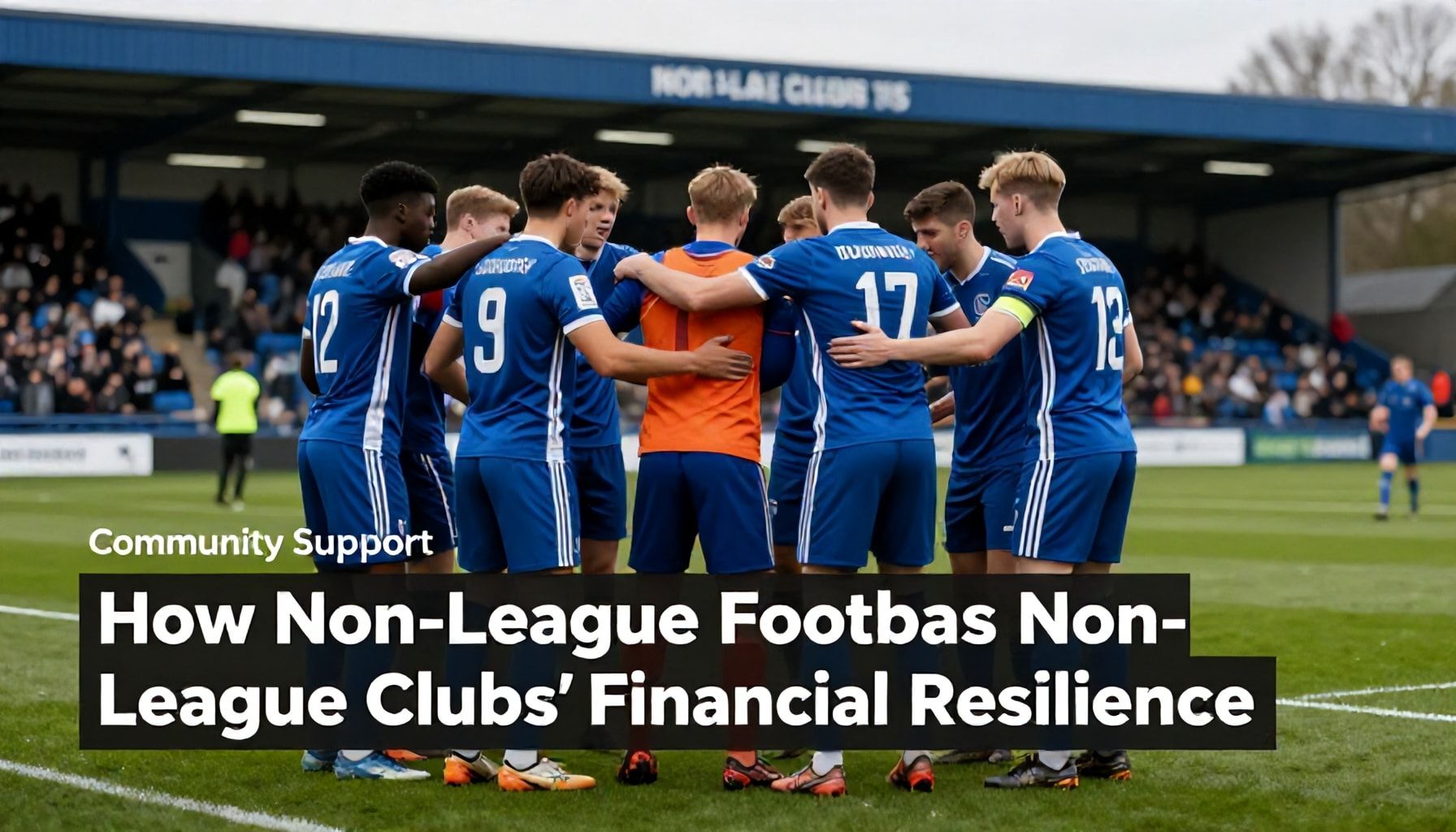
Non-league football clubs in the UK are finding innovative ways to bolster their financial resilience, with community support playing a pivotal role. Clubs like FC United of Manchester have seen a surge in membership fees, with over 4,000 members contributing £50 annually. This steady income stream has become crucial amid the financial challenges posed by the COVID-19 pandemic.
Local sponsorships have also become a lifeline for many non-league clubs. The chairman of Blyth Spartans, Mike Flynn, revealed that local businesses have stepped up, with sponsorship deals increasing by 25% in the past year. “Local businesses understand the importance of supporting their community, and we’ve seen a real surge in sponsorship deals,” Flynn stated in a recent interview.
Fundraising events and community initiatives have provided additional revenue streams. AFC Wimbledon, for instance, has raised over £200,000 through various community projects and events. The club’s community manager, James Stewart, highlighted the importance of these initiatives, noting that they not only generate funds but also strengthen the bond between the club and its supporters.
Merchandise sales have seen a significant boost, with clubs reporting a 30% increase in revenue from kit and merchandise. The manager of Weymouth FC, Derek Warner, attributed this rise to the increased engagement of fans during the pandemic. “Fans have shown their support by purchasing club merchandise, which has been a vital source of income for us,” Warner said.
Grants and donations have also played a crucial role in sustaining non-league clubs. The Football Foundation has provided grants totalling £1.5 million to non-league clubs across the UK. These grants have been used for various purposes, including facility improvements and operational costs. The CEO of the Football Foundation, Kevin Miles, emphasised the importance of these grants in ensuring the survival of non-league clubs.
As non-league clubs continue to navigate financial challenges, the diversity of their revenue streams has become increasingly apparent. From sponsorship deals to community initiatives, these clubs are finding innovative ways to sustain their operations. The financial resilience of these grassroots organisations remains a critical issue, with many hoping for increased support from both local authorities and football governing bodies.
Looking ahead, the financial stability of non-league clubs will likely remain a pressing concern. The ability to adapt and diversify revenue streams will be crucial in ensuring their long-term survival. As the football pyramid faces ongoing scrutiny, the role of these smaller clubs in nurturing talent and fostering community spirit cannot be overlooked. Their financial health will be a key indicator of the overall well-being of the sport at the grassroots level.