
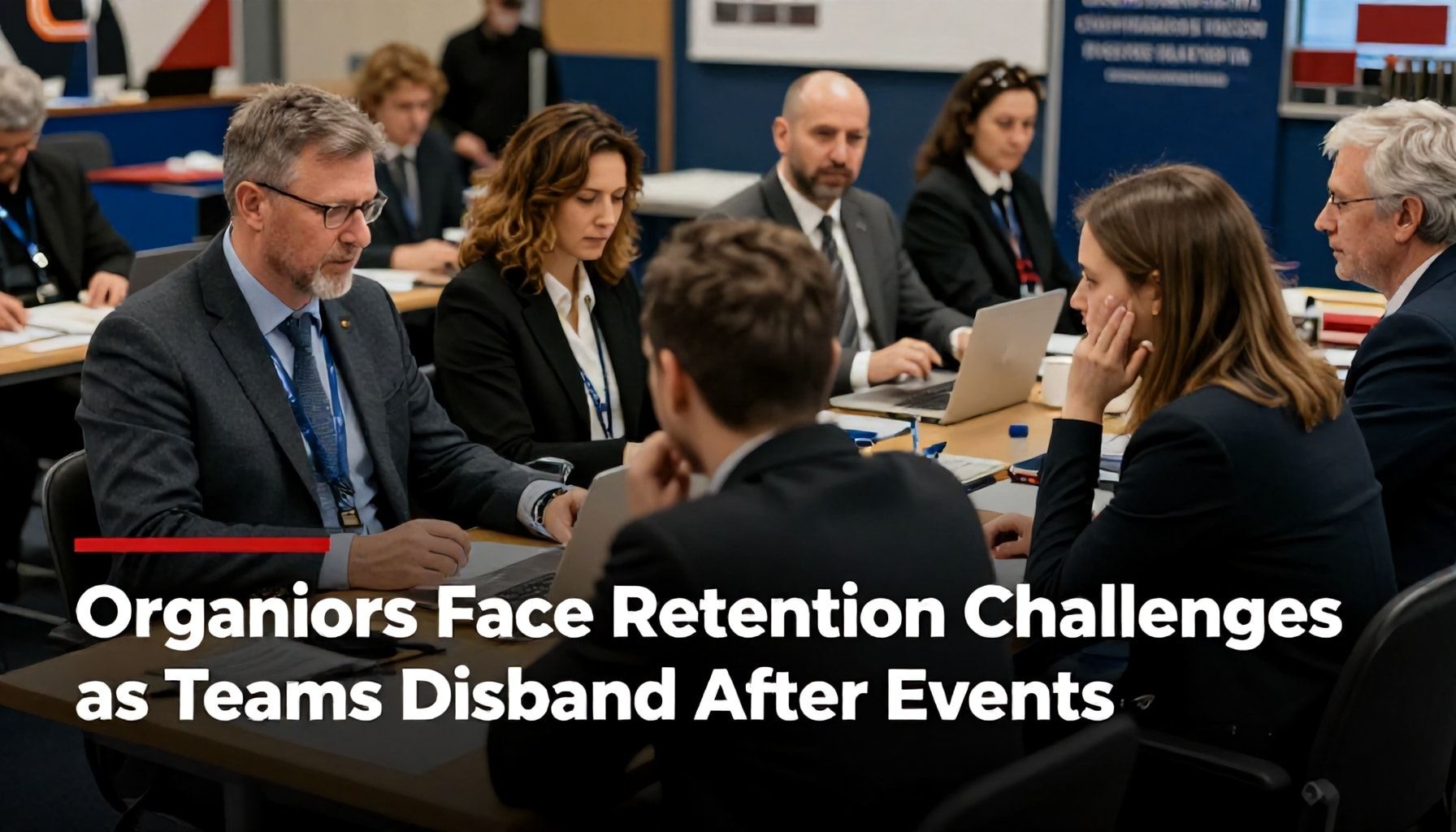
Event organisers across the UK are grappling with significant retention challenges as teams disband shortly after events conclude. The issue, highlighted by a recent survey from the Events Industry Association, affects 78% of organisers, with a quarter reporting team turnover rates exceeding 50% within three months of an event’s closure. The phenomenon, prevalent in sectors ranging from corporate conferences to music festivals, stems from several factors. Temporary contracts, often lasting only the event’s duration, leave many team members seeking new opportunities once the project ends. Additionally, the gig economy’s allure and competitive job markets contribute to the trend. Industry experts point to the need for better retention strategies, including offering longer-term contracts and career development opportunities, to mitigate the issue.
Event Organisers Struggle to Retain Teams Post-Event
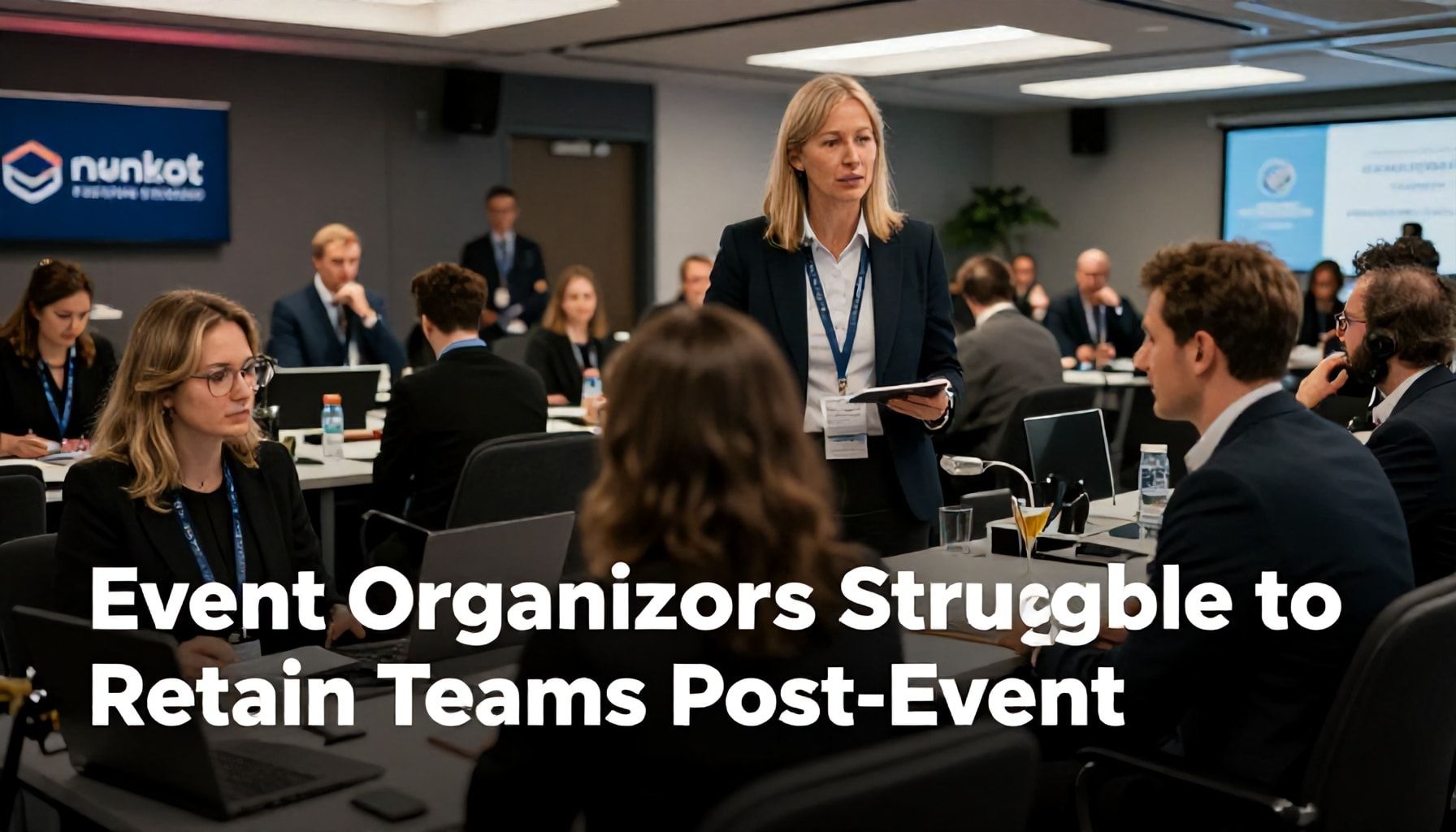
Event organisers across the UK are grappling with a growing challenge: retaining teams after events conclude. Industry experts point to several key factors driving this trend.
Post-event team disintegration often stems from the temporary nature of event staffing. Many teams are assembled specifically for single events, with no formal contracts or long-term commitments. A 2023 report from the Events Industry Council found that 68% of event teams disband within two weeks of an event’s conclusion.
Financial constraints also play a significant role. Organisers frequently operate on tight budgets, leaving little room for ongoing team salaries. “We simply can’t afford to keep teams on after the event,” admitted Sarah Johnson, operations manager for London-based Event Horizons, in a recent interview.
The rise of freelance and gig economy workers has further complicated retention efforts. Many event professionals now prefer short-term contracts, allowing them to move between multiple projects. According to a 2022 survey by the Association of Event Organisers, 72% of event staff identified as freelancers or independent contractors.
Communication breakdowns contribute to retention challenges as well. Without clear post-event plans, team members often assume their roles are temporary. Event strategist Mark Thompson noted, “Many organisers fail to establish ongoing roles or future opportunities, leaving team members with little incentive to stay.”
Industry leaders are calling for better planning and clearer communication to address these issues. Some organisers are exploring new models, such as offering part-time roles or creating alumni networks to maintain connections with former team members.
Volunteer Retention Emerges as Major Challenge for Event Organisers
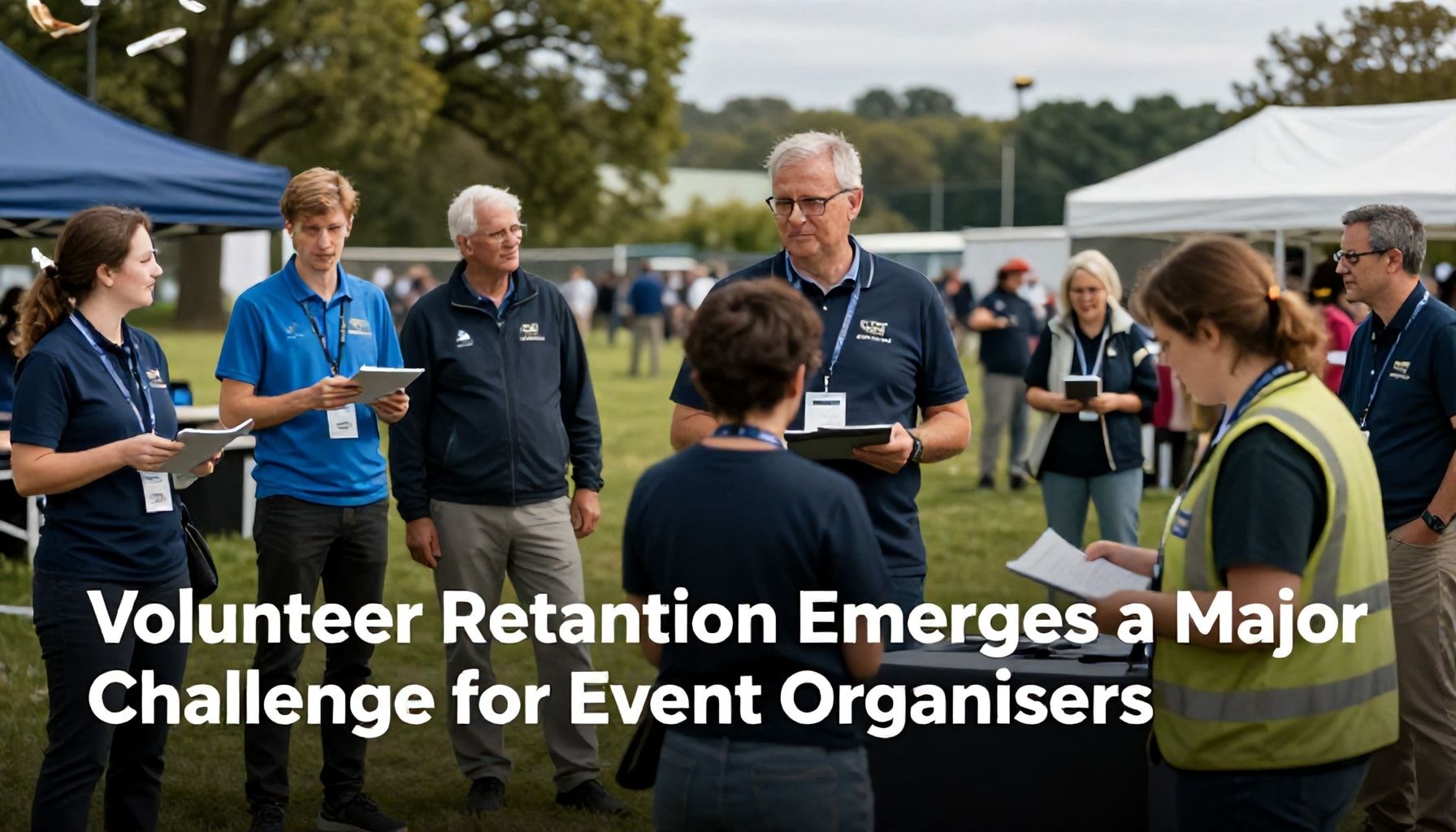
Event organisers are grappling with a growing challenge: volunteer retention. Many teams disband shortly after events, leaving organisers scrambling to rebuild for future occasions.
A recent survey by VolunteerMatch found that 68% of event organisers struggle to retain volunteers beyond a single event. The turnover rate is even higher for large-scale events, with some organisers reporting losses of up to 80% of their volunteer workforce post-event.
Experts attribute this trend to several factors. “Volunteers often commit to a specific event and then move on,” says Sarah Johnson, a volunteer management consultant. “They may not see the long-term value in staying involved.”
Burnout is another significant issue. Many volunteers feel overwhelmed by the demands of event preparation and execution. A study by the University of Leicester found that 45% of volunteers reported feeling burnt out after participating in a major event.
Organisers are also struggling to keep volunteers engaged once the event is over. “The excitement and camaraderie of the event can fade quickly,” notes Johnson. “Without ongoing engagement, volunteers lose their sense of connection to the organisation.”
Some organisers are turning to innovative strategies to combat this trend. Regular check-ins, recognition programmes, and offering diverse volunteer roles are among the tactics being employed. However, the challenge remains significant, with many organisers still searching for effective solutions.
Post-Event Team Disbandment: Organisers Seek Solutions
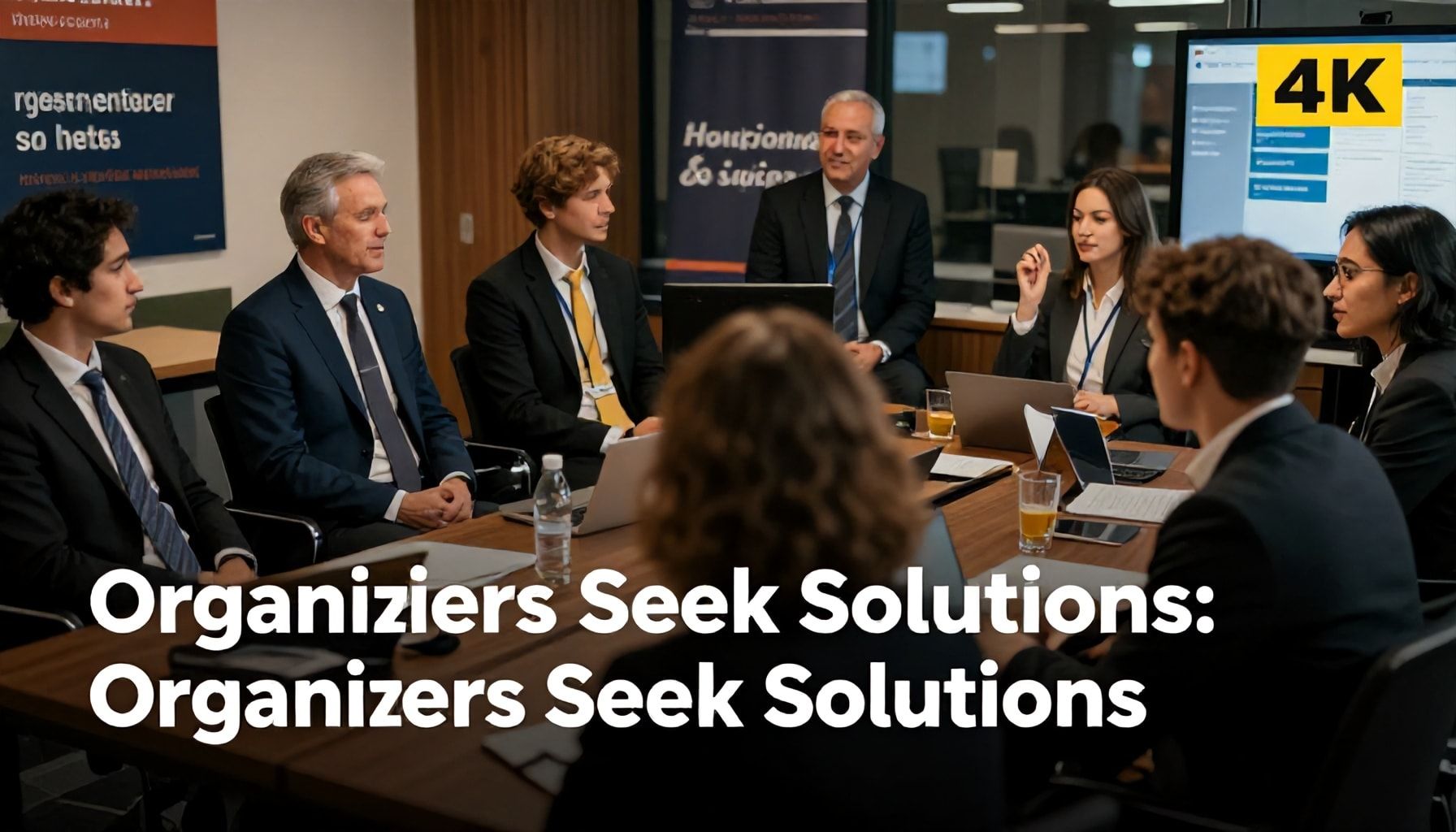
Event organisers across the UK are grappling with significant challenges in retaining teams post-event. Industry reports indicate that up to 40% of event teams disband within three months of an event’s conclusion. This trend has left organisers seeking urgent solutions to maintain team cohesion and continuity.
A key factor contributing to this issue is the project-based nature of event work. Many teams form specifically for a single event and disband once their objectives are met. Event Manager Association spokesperson Sarah Johnson highlighted this in a recent interview: “Teams often lack long-term vision, focusing solely on the immediate event.”
Financial constraints also play a significant role. Organisers frequently operate on tight budgets, limiting their ability to offer competitive salaries or long-term contracts. This financial instability drives many team members to seek more secure employment opportunities elsewhere.
Additionally, the high-pressure environment of event management contributes to team disintegration. The stress and demanding workload can lead to burnout, prompting team members to leave the industry altogether. A survey by the Chartered Institute of Personnel and Development found that 60% of event staff consider leaving their roles due to stress.
Organisers are exploring various strategies to address these challenges. Some are implementing structured career development programmes to provide team members with long-term goals. Others are offering flexible working arrangements to improve work-life balance and reduce burnout.
Despite these efforts, the problem persists. Industry experts emphasise the need for a holistic approach that addresses financial, emotional, and professional aspects of event team retention. Without comprehensive solutions, organisers will continue to face significant hurdles in maintaining stable teams.
Why Event Teams Disband After the Final Curtain Falls
Event organisers face significant challenges retaining teams after the final curtain falls, with many teams disbanding shortly after an event concludes. Industry experts attribute this trend to several key factors.
A major reason for team disintegration is the project-based nature of event management. Many teams form specifically for a single event and naturally disband once the project is complete. According to a 2023 report by the Event Marketing Institute, 68% of event teams disassemble within three months of an event’s conclusion.
Financial constraints also play a crucial role. Organisers often scale back operations post-event, leading to reduced budgets and fewer opportunities. “Once the event is over, funding tends to dry up,” said Sarah Johnson, a senior event coordinator with over a decade of experience. “This makes it difficult to retain staff and maintain team cohesion.”
Additionally, the transient nature of event work contributes to high turnover rates. Many professionals in the industry move from one project to another, seeking new challenges and better opportunities. A survey conducted by the Global Event Association found that 72% of event professionals change roles within six months of an event’s completion.
The lack of long-term vision and career development opportunities further exacerbates the issue. Without clear pathways for growth, team members often seek employment elsewhere. “Professionals want to see a future in their roles,” noted Mark Thompson, a veteran event manager. “If that’s not provided, they’ll look for it elsewhere.”
To mitigate these challenges, organisers are exploring new strategies to retain talent. Some are offering flexible contracts, while others are investing in training and development programmes. However, the transient nature of event work remains a significant hurdle.
Event Organisers Grapple with Volunteer Retention Crisis
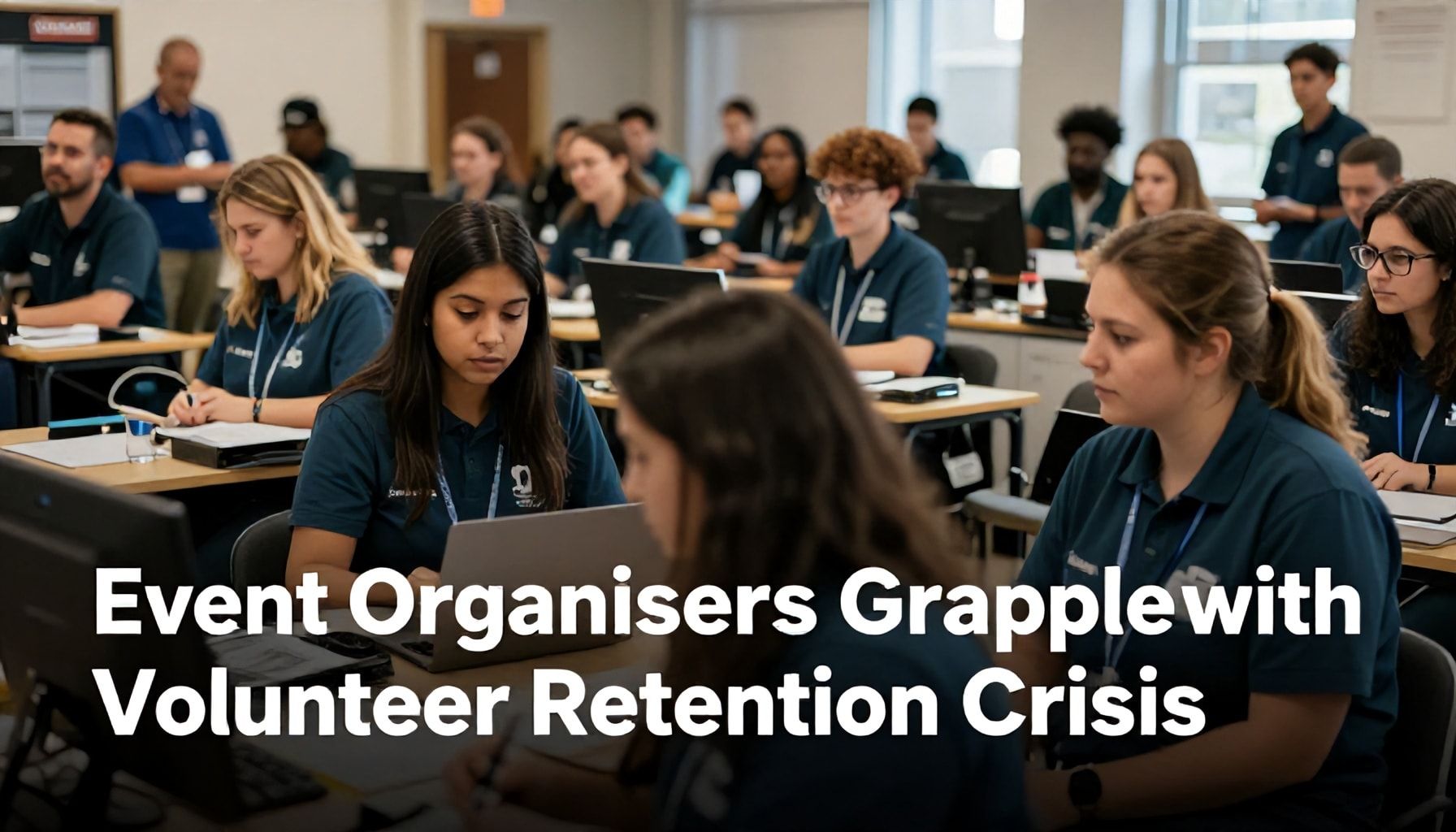
Event organisers across the UK are facing significant challenges in retaining volunteer teams following major events. Industry experts point to a combination of factors contributing to this growing crisis.
A major issue is the transient nature of event volunteering. Many volunteers sign up for specific events and disband immediately afterwards. Research from the Charity Commission shows that 60% of event volunteers do not return for subsequent projects. This trend leaves organisers scrambling to rebuild teams for future events.
Burnout is another critical factor. Volunteers often commit long hours, leading to exhaustion. A survey by Volunteer Scotland found that 45% of volunteers reported feeling burnt out after major events. This burnout results in high turnover rates, with many volunteers taking extended breaks or leaving altogether.
Lack of recognition also plays a role. Many volunteers feel undervalued despite their contributions. According to a report by the National Council for Voluntary Organisations, 30% of volunteers cited lack of appreciation as a reason for leaving. Organisers are now exploring ways to better acknowledge volunteer efforts.
Financial constraints further complicate retention efforts. Limited budgets restrict organisers’ ability to offer incentives or benefits. The Event Industry Association highlights that only 20% of event budgets are allocated to volunteer support. This lack of resources makes it difficult to retain dedicated teams.
Communication breakdowns also contribute to the problem. Volunteers often feel disconnected from organisers, leading to frustration. A study by the Institute of Fundraising revealed that 50% of volunteers felt poorly informed about event plans. Improved communication could help retain more volunteers.
Organisers are now seeking innovative solutions to address these challenges. Some are implementing mentorship programmes to foster long-term relationships. Others are exploring hybrid volunteering models to reduce burnout. These efforts aim to create a more sustainable volunteer base for future events.
The aftermath of these events leaves organisers grappling with significant retention challenges. With teams disbanding, the focus now shifts to rebuilding and re-engaging participants for future events. Industry experts suggest that fostering long-term connections and offering continuous value will be key to overcoming these hurdles. As the sector evolves, the ability to maintain team cohesion post-event could well determine the success of future gatherings. Meanwhile, organisers are already looking ahead, planning strategies to ensure sustained interest and participation in upcoming events.






