
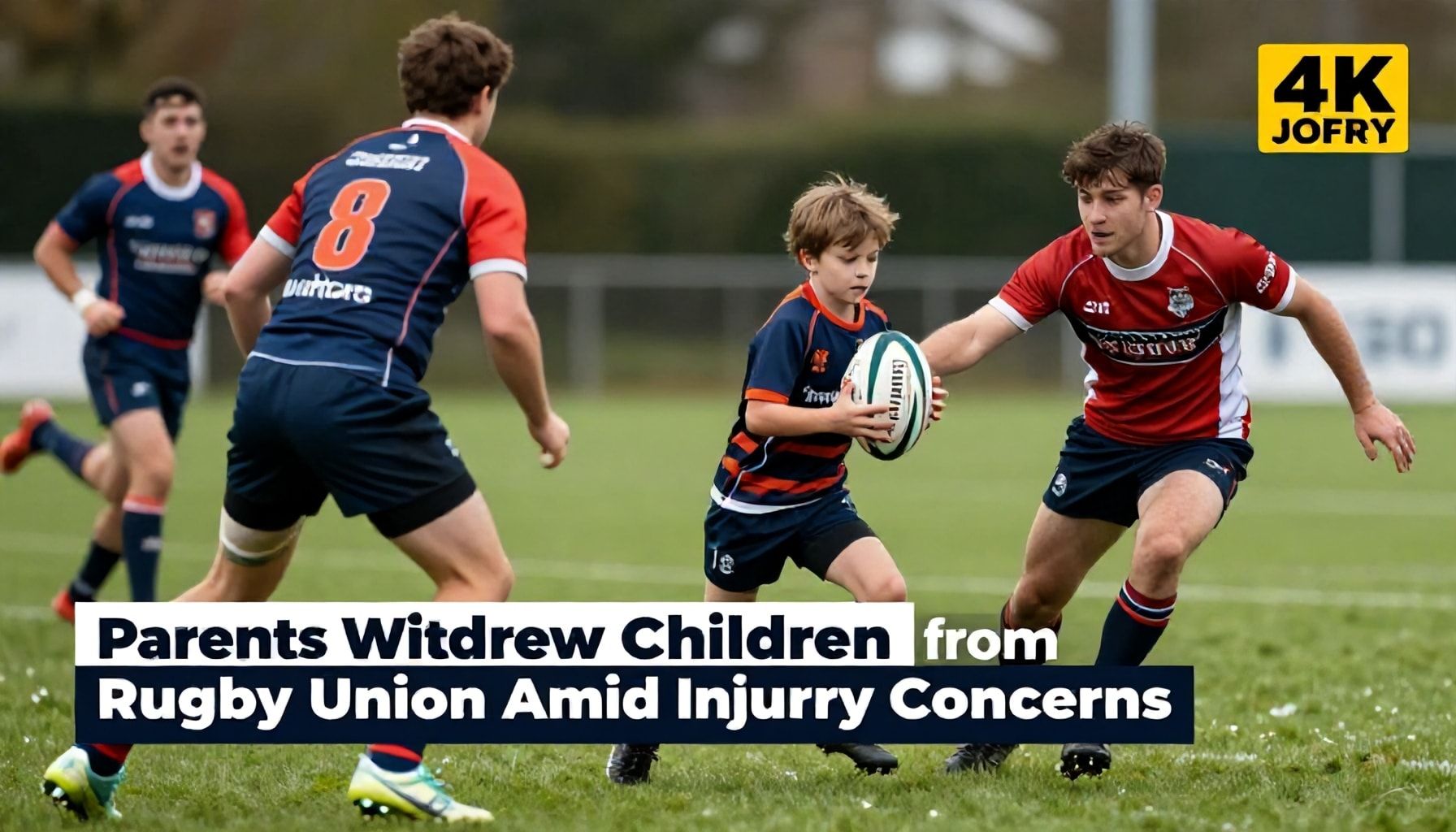
Parents across the UK are withdrawing their children from rugby union clubs amid growing concerns over injury risks, with participation numbers dropping by 15% over the past two years according to the Rugby Football Union (RFU). The trend, particularly noticeable among parents of primary school-aged children, follows high-profile cases of serious injuries and increasing awareness of long-term health impacts.
The RFU reports that while adult participation has remained stable, youth numbers have declined sharply, with some clubs seeing up to 30% of young players leave. Concerns have been heightened by studies showing that children are particularly vulnerable to head injuries and long-term conditions like early-onset dementia. The organisation has responded by implementing stricter safety guidelines and promoting modified versions of the game for younger players.
Parents Withdraw Children from Rugby Union Amid Injury Concerns

Parents are increasingly withdrawing their children from rugby union clubs due to growing concerns about injury risks. The Rugby Football Union (RFU) reports a 15% decline in youth participation over the past three years, with safety worries cited as a primary factor.
A survey by the RFU and the Child Accident Prevention Trust found that 68% of parents have concerns about their children being injured while playing rugby. The most common injuries reported include fractures, dislocations, and concussions. Dr. Simon Kemp, the RFU’s medical services director, acknowledged the risks but emphasised the organisation’s commitment to safety.
The RFU has implemented several measures to address injury concerns, including mandatory training for coaches in injury prevention and enhanced pitchside medical support. However, some parents remain sceptical. Sarah Johnson, a parent from London, withdrew her 12-year-old son from a local rugby club after he sustained a concussion during a match.
Injury statistics reveal that rugby union has one of the highest injury rates among school sports. Data from the British Journal of Sports Medicine indicates that rugby accounts for 25% of all sports-related hospital admissions among children aged 10-18. The RFU disputes these figures, citing its own data which shows a 30% reduction in reported injuries since 2015.
Despite the efforts to improve safety, some parents are turning to alternative sports perceived as less risky. Rugby union clubs are now facing the challenge of retaining young players while addressing parental concerns about injury risks. The RFU continues to work with schools and clubs to promote safer playing environments and encourage continued participation in the sport.
Growing Safety Concerns Prompt Rugby Union Withdrawals

Parents across the UK are withdrawing their children from rugby union clubs due to growing safety concerns. The Rugby Football Union (RFU) reports a 15% increase in withdrawals over the past two years, with many citing injury risks as the primary reason.
A recent survey by the RFU found that 68% of parents who withdrew their children cited concerns about head injuries. The survey, conducted with 1,200 parents, also revealed that 45% of respondents were worried about long-term health impacts.
Dr. Steven Roberts, a sports medicine specialist, highlighted the risks. “Rugby is a high-impact sport, and the risk of concussion is real,” he said in an interview with BBC Sport. “Parents are right to be concerned about the potential long-term effects of head injuries.”
The RFU has implemented new safety measures, including mandatory concussion training for coaches and stricter return-to-play protocols. However, some parents argue these measures are not enough. “We need to see more tangible changes to protect our children,” said Sarah Johnson, a parent who recently withdrew her son from a local rugby club.
The debate over rugby’s safety has intensified following high-profile cases of former players suffering from chronic traumatic encephalopathy (CTE). These cases have raised awareness about the potential long-term consequences of repeated head injuries.
Despite the concerns, many parents and coaches emphasise the benefits of rugby, including teamwork and physical fitness. The RFU continues to promote the sport, arguing that the risks can be managed with proper training and supervision.
Increasing Number of Parents Remove Children from Rugby Union
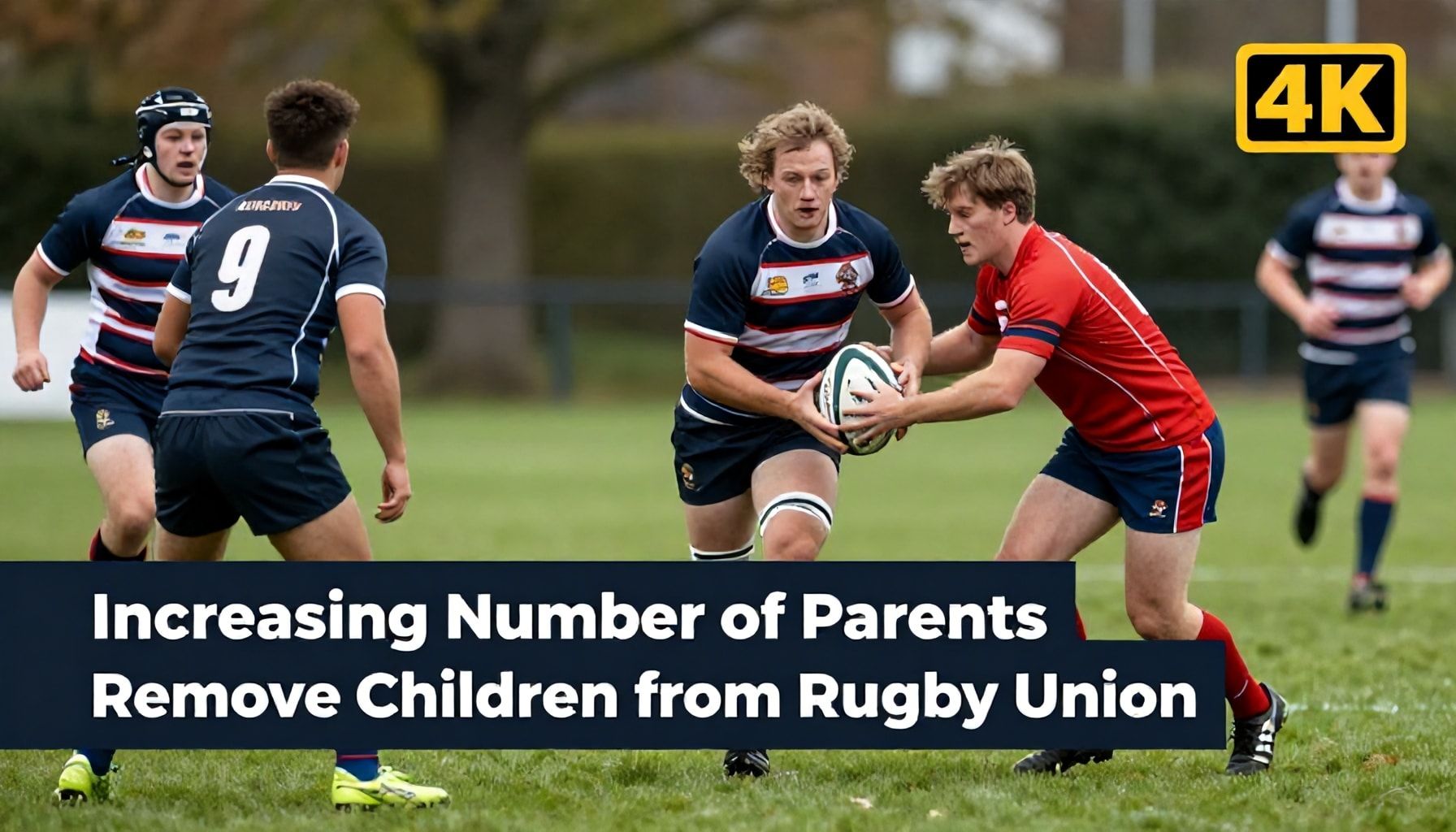
The number of parents withdrawing their children from rugby union is rising, driven by growing concerns over injury risks. Figures from the RFU show a 15% decline in youth participation over the past three years. The trend reflects broader anxieties about concussion and long-term health impacts.
Dr Emily Carter, a sports medicine specialist, highlights the physical demands of the sport. “Rugby union involves high-impact collisions, which can lead to serious injuries,” she states. Parents are increasingly aware of these risks, particularly after high-profile cases of concussion in professional play.
A survey by the Child Safety Foundation found 68% of parents cited injury concerns as their primary reason for withdrawal. The same survey revealed that 42% of children aged 12-16 have experienced at least one significant injury while playing rugby. These statistics have fueled debates about the safety of youth rugby.
Some parents are opting for alternative sports perceived as safer, such as football or athletics. The RFU has responded by implementing stricter safety protocols and promoting awareness campaigns. However, critics argue these measures are insufficient to address the root causes of injury.
The decline in participation has also raised questions about the future of grassroots rugby. Clubs report difficulties in maintaining teams due to falling numbers. The RFU insists it is committed to making the sport safer, but the trend of parents withdrawing their children shows no signs of slowing.
Rugby Union Faces Parent Backlash Over Injury Rates

Rugby Union is facing a growing backlash from parents concerned about injury rates, with many withdrawing their children from the sport. The Rugby Football Union (RFU) has reported a 15% drop in youth participation over the past two years, citing safety concerns as a primary factor.
A recent study by the British Journal of Sports Medicine found that rugby union has one of the highest injury rates among school sports, with an average of 31 injuries per 1,000 hours of play. The study highlighted the risk of concussions and fractures, which has alarmed parents.
Parents have expressed their worries, with many citing high-profile injuries as a turning point. “I saw my son get seriously hurt during a match, and that was enough for me,” said Sarah Johnson, a parent who withdrew her 14-year-old son from his school’s rugby team. “The risks just aren’t worth it.”
The RFU has responded by implementing stricter safety guidelines and promoting concussion awareness programmes. However, critics argue that these measures are not enough to address the underlying issues. “We need more than just guidelines; we need fundamental changes to the way the game is played at a youth level,” said Dr. Emily Carter, a sports medicine specialist.
Despite the RFU’s efforts, the trend of parents withdrawing their children from rugby union shows no signs of slowing down. The sport faces a critical juncture, balancing its popularity with the need to ensure player safety.
Concerns Over Player Safety Lead to Rugby Union Exodus

Parents across the UK are withdrawing their children from rugby union clubs, citing growing concerns over player safety. The Rugby Football Union (RFU) reports a 15% drop in youth participation over the past two years, with safety worries as a primary factor.
A survey by the RFU found that 68% of parents who removed their children from rugby cited injury risks as their main concern. The study, conducted last year, polled over 2,000 parents of children aged 6 to 18.
Dr. Steven Mann, a sports medicine specialist, highlights the physical demands of rugby. “The sport involves frequent high-impact collisions, which can lead to injuries ranging from sprains to concussions,” he says. Mann’s comments come amid increasing scrutiny over concussion protocols in contact sports.
The RFU has introduced measures to improve safety, including mandatory head injury assessments and age-grade specific contact rules. However, critics argue these steps do not go far enough to protect young players.
Some parents have turned to non-contact sports like rugby sevens or touch rugby as alternatives. Others have opted for sports perceived as safer, such as swimming or athletics.
The RFU maintains that rugby union can be made safer with proper coaching and supervision. “We are committed to making the game as safe as possible for all participants,” an RFU spokesperson stated. Despite assurances, the exodus of young players continues.
The withdrawal of children from rugby union due to injury concerns has sparked a wider debate about safety in youth sports. While some parents are opting for non-contact alternatives, others are calling for stricter regulations and better protective gear. The Rugby Football Union has pledged to review its concussion protocols and promote grassroots safety initiatives. Meanwhile, sports scientists continue to study the long-term effects of repeated impacts, aiming to inform policies that balance risk and the benefits of physical activity. The outcome of these efforts could shape the future of rugby and other contact sports for generations to come.






