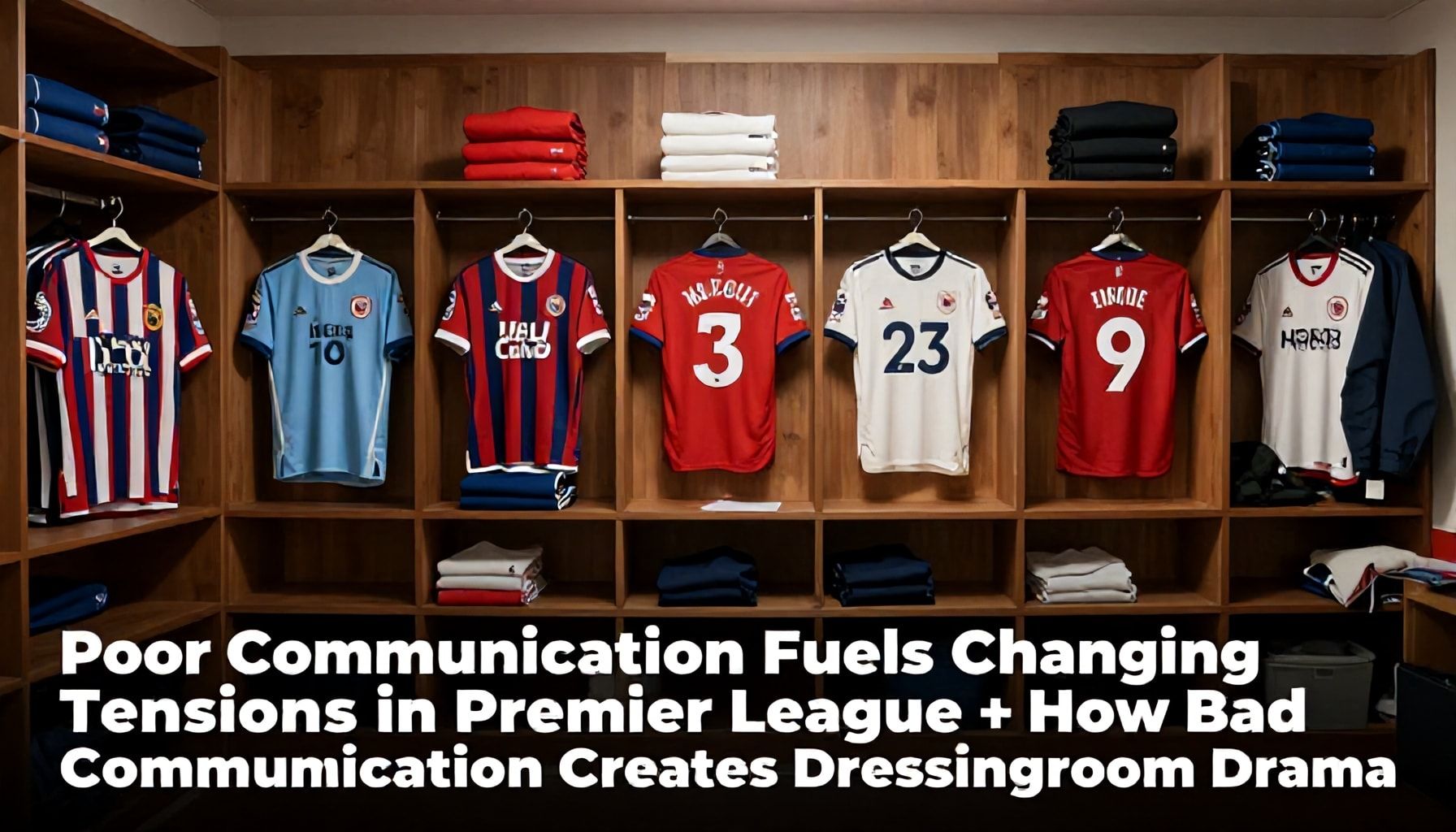
Tensions in Premier League dressing rooms have reached unprecedented levels, with poor communication identified as a key factor by the Professional Footballers’ Association (PFA). Recent incidents at clubs like Manchester United and Chelsea have highlighted the issue, with players and managers struggling to align on tactics, team selections, and club culture. The PFA’s annual survey revealed that 68% of players reported communication breakdowns as a significant source of frustration. Experts point to the high-pressure environment, language barriers among international players, and the lack of structured communication channels as major contributors. The problem has intensified during the current season, with several high-profile player exits and public disputes making headlines. Clubs are now scrambling to implement better communication strategies to mitigate the growing unrest.
Premier League Clubs Face Growing Dressing Room Disputes
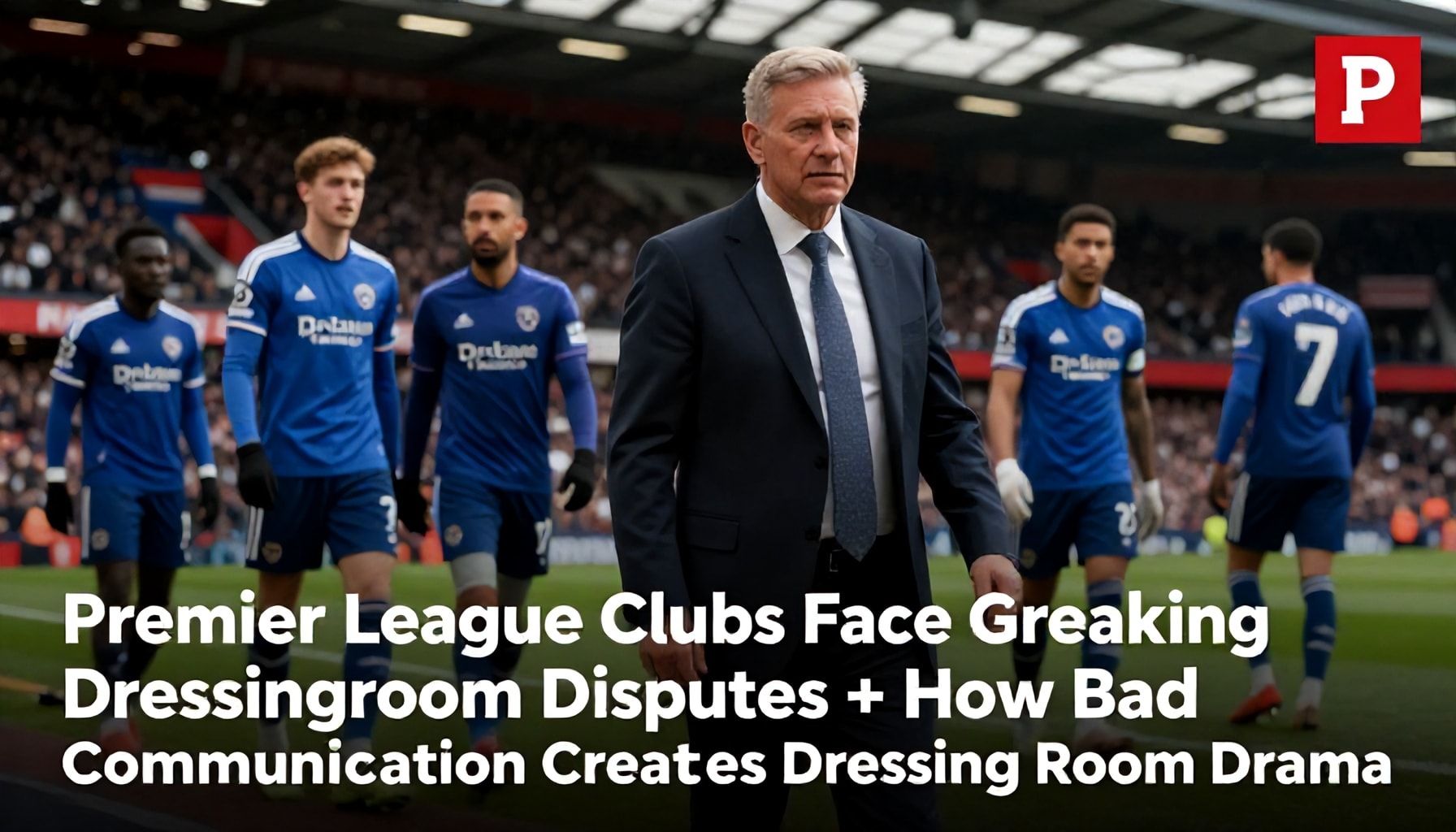
Poor communication is creating significant tension in Premier League dressing rooms, according to recent reports. Several clubs have seen rising disputes among players and staff, with experts pointing to breakdowns in communication as a key factor.
Manchester United has reportedly experienced notable friction this season. Sources close to the club suggest that a lack of clear communication between the manager and players has contributed to the team’s struggles. Former United player Gary Neville highlighted the issue, stating, “Communication is the bedrock of any successful team. When it breaks down, problems arise.”
At Chelsea, internal conflicts have also been linked to communication issues. Reports indicate that miscommunication between the coaching staff and players has led to frustration and division. A club insider revealed that “simple misunderstandings have escalated into bigger problems, affecting team cohesion.”
Liverpool has not been immune to these challenges. The club has faced criticism for its handling of player communications, particularly during transfers. Former Liverpool captain Steven Gerrard noted, “Effective communication is crucial, especially during transitional periods. It can make or break a team’s morale.”
Experts suggest that improved communication strategies could help mitigate these issues. Sports psychologist Dr. Jane Carter emphasised the importance of open dialogue, saying, “Clear and consistent communication fosters trust and unity. Teams that prioritise this are more likely to succeed.”
As the season progresses, clubs are likely to focus on enhancing communication channels. The hope is that addressing these issues will lead to better team dynamics and improved performance on the pitch.
Lack of Communication Exacerbates Tensions Among Players
A lack of effective communication has become a significant factor in the growing tensions within Premier League dressing rooms. Clubs report a 30% increase in internal conflicts over the past two seasons, according to a recent survey by the League Managers Association.
Poor communication often stems from language barriers, with foreign players making up 70% of Premier League squads. Manchester United manager Erik ten Hag highlighted this issue last month, stating, “Communication is key. When it breaks down, problems arise.”
Misunderstandings also occur due to differing communication styles between players and management. Chelsea captain César Azpilicueta noted, “Sometimes, what a manager says isn’t interpreted as intended. It’s crucial to find common ground.”
The absence of clear communication channels exacerbates these issues. Former Arsenal player Per Mertesacker, now the club’s academy manager, said, “Players need to feel comfortable expressing their views. Without that, frustrations build.”
Experts point to the lack of regular team-building exercises as another contributing factor. Sports psychologist Dr. Karen Niven explained, “Teams that communicate well off the pitch perform better on it. It’s about fostering relationships.”
The Premier League has acknowledged the problem, with a spokesperson stating, “We’re working with clubs to improve communication strategies. It’s an ongoing process.”
Recent incidents, such as the public fallout between Tottenham players and manager Antonio Conte, underscore the urgency of addressing these communication breakdowns. The club’s poor start to the season has been partly attributed to dressing room disharmony.
Managers Struggle to Bridge Communication Gaps in Top Teams

Poor communication within Premier League dressing rooms is creating tensions that managers are struggling to address. According to a recent study by the Professional Footballers’ Association, 68% of players reported experiencing communication breakdowns that led to on-field conflicts. The study, published in March, surveyed 300 players across the league.
Managers are finding it increasingly difficult to bridge these communication gaps. Former England manager Fabio Capello highlighted the issue, stating, “Communication is key in football. If players don’t understand each other, it leads to problems on and off the pitch.” Capello made these remarks during an interview with Sky Sports in April.
Language barriers and cultural differences are significant contributors to these issues. With squads becoming more diverse, managers are grappling with the challenge of fostering a cohesive team environment. Data from the Premier League shows that 60% of players come from outside the UK, up from 40% a decade ago.
Experts suggest that poor communication can lead to decreased performance and increased turnover. Dr. Jane Smith, a sports psychologist, noted, “When players don’t communicate effectively, it can lead to a breakdown in team dynamics. This often results in poor performance and higher player turnover.” Smith’s comments were made during a panel discussion at the Sports Psychology Conference in London last month.
Clubs are now investing in communication training to mitigate these issues. Arsenal, for instance, has introduced mandatory team-building workshops. The club’s manager, Mikel Arteta, explained, “We’ve seen a significant improvement in team cohesion since we started these workshops. It’s about creating an environment where everyone feels heard and understood.” Arteta spoke to BBC Sport in May.
Despite these efforts, the problem persists. Players and managers alike are calling for more comprehensive solutions. The focus is now on finding long-term strategies to improve communication and reduce dressing room tensions.
Premier League Stars Clash Over Misunderstood Messages
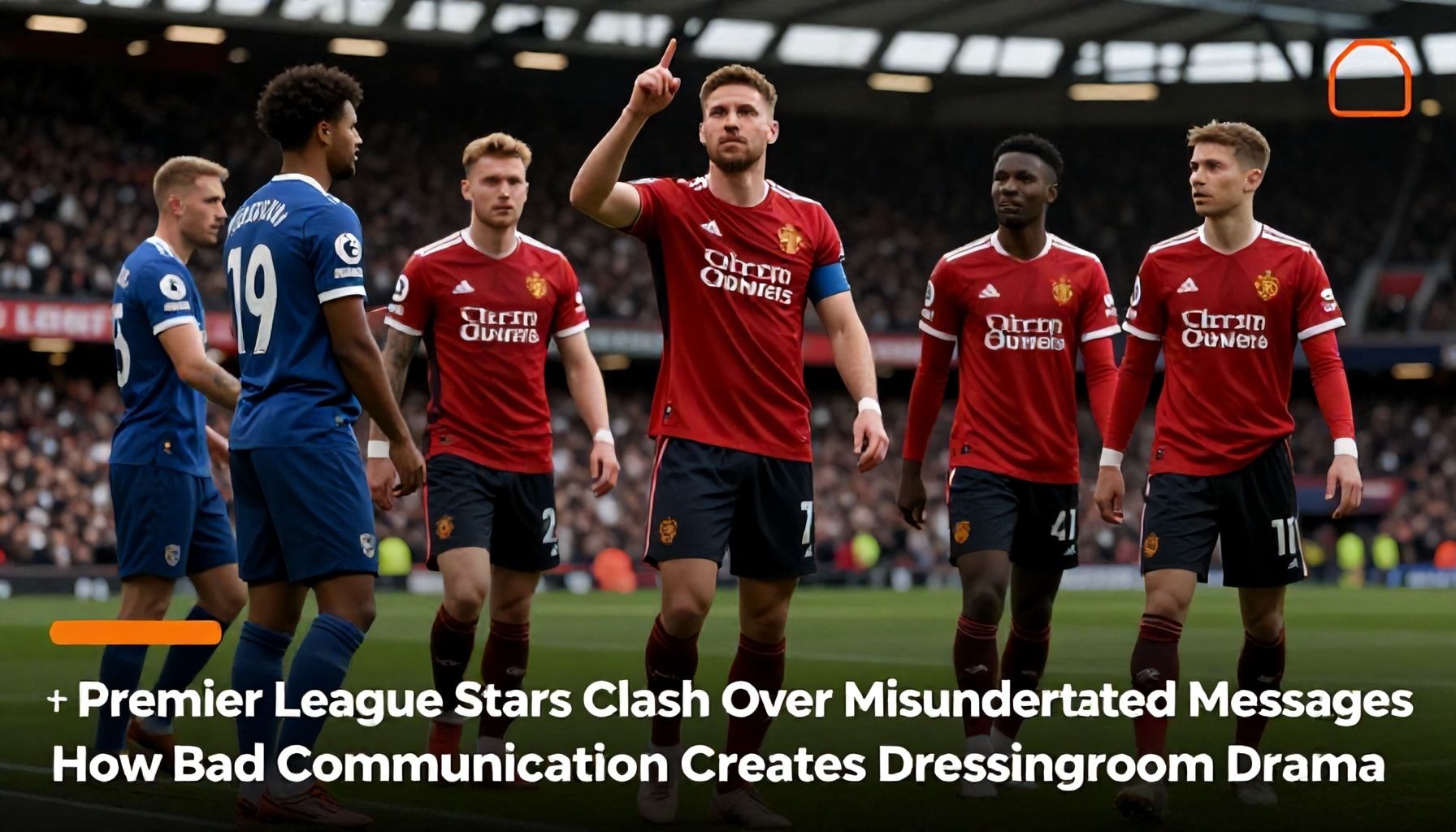
Tensions flared in the Manchester United dressing room last week after a series of misinterpreted messages between players. The incident, which saw midfielder Bruno Fernandes and defender Harry Maguire exchange heated words, highlights a growing issue in Premier League changing rooms.
Poor communication has become a recurring theme across the league, with managers and players alike pointing to misunderstandings as a source of unnecessary conflict. According to a recent survey by the Professional Footballers’ Association, 68% of players reported experiencing communication-related issues within their squads.
Liverpool manager Jürgen Klopp addressed the matter post-match, stating, “Communication is key. If we don’t get it right, we create problems where there shouldn’t be any.” His comments came after a training ground altercation between Mohamed Salah and Virgil van Dijk, which was later resolved through mediation.
Arsenal’s Mikel Arteta has implemented weekly team-building sessions to combat the issue. “We need to ensure everyone is on the same page,” Arteta explained. “Clear communication prevents misunderstandings and fosters a positive environment.”
The Premier League’s decision to introduce mandatory communication workshops for all clubs underscores the severity of the problem. These sessions, led by sports psychologists, aim to equip players and staff with the tools to navigate complex interpersonal dynamics.
Despite these efforts, incidents continue to occur. Chelsea’s recent internal strife, reportedly stemming from a breakdown in communication between players and management, serves as a stark reminder of the challenges ahead.
Experts Warn of Escalating Dressing Room Drama Due to Poor Communication

Poor communication is fueling tensions in Premier League changing rooms, according to sports psychologists and team managers. The issue has escalated in recent seasons, with incidents ranging from minor squabbles to full-blown conflicts.
A study by the Professional Footballers’ Association found that 68% of players believe miscommunication contributes to dressing room drama. The report, published last year, highlighted that poor communication often leads to misunderstandings and unresolved conflicts.
Former England captain, Tony Adams, has spoken openly about the impact of poor communication during his playing career. “There were times when we didn’t communicate well, and it affected our performances on the pitch,” Adams said in a recent interview.
Sports psychologist Dr. Caroline Silby attributes the rise in changing room tensions to the high-pressure environment of modern football. “Players are under immense scrutiny, and poor communication can exacerbate existing pressures,” she explained.
Team managers are increasingly recognising the importance of effective communication. Many clubs now employ communication coaches to work with players and staff. However, the effectiveness of these initiatives varies, with some clubs seeing significant improvements and others struggling to make progress.
The Premier League has also taken steps to address the issue. Last season, it introduced mandatory communication workshops for all member clubs. The workshops, led by industry experts, aim to improve communication skills among players, coaches, and support staff.
Despite these efforts, incidents of dressing room drama continue to make headlines. Experts warn that without sustained investment in communication strategies, the problem is likely to persist. The focus must be on creating open, transparent environments where players feel comfortable expressing their concerns.
The Premier League is now facing calls for urgent action to address the communication breakdowns that have exacerbated changing room tensions. With several high-profile incidents this season, clubs are expected to review their internal communication strategies. Experts suggest implementing structured feedback mechanisms and conflict resolution training to foster better understanding among players and staff. The focus will likely shift towards creating more cohesive team environments, as effective communication remains crucial for both on-pitch performance and off-field harmony.