

The International Rugby League (IRL) has identified inadequate facilities as a major obstacle to the sport’s growth in developing nations, with only 37 of the 116 member nations possessing suitable training and playing grounds. This infrastructure gap has stifled participation and hindered the sport’s global expansion, according to a recent IRL report. In Africa, for instance, just three countries—South Africa, Nigeria, and Kenya—have developed rugby league facilities, limiting the sport’s reach on the continent. The lack of proper pitches, changing rooms, and medical facilities not only deters new players but also makes it challenging to host international tournaments, further isolating these nations from the global rugby league community. The IRL has called for increased investment in infrastructure to address this disparity and foster the sport’s development.
Rugby League Expansion Hindered by Substandard Infrastructure
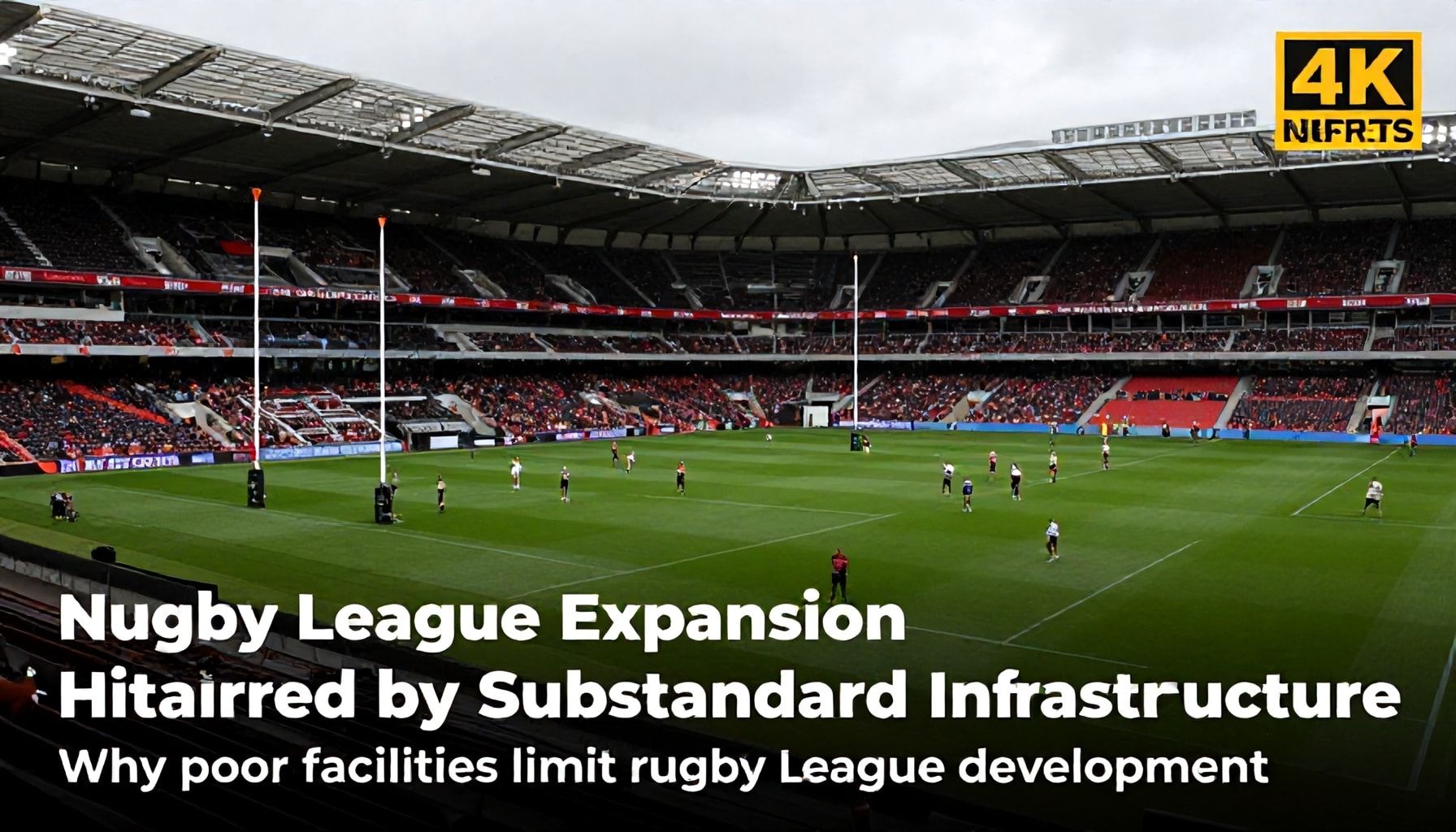
The growth of rugby league in developing nations faces significant hurdles due to inadequate infrastructure. According to the Rugby League International Federation (RLIF), only 15% of emerging rugby league nations possess facilities meeting international standards. This stark statistic underscores the challenge of expanding the sport globally.
In countries like Papua New Guinea, where rugby league is immensely popular, outdated stadiums and training grounds hinder development. The RLIF reports that the majority of training facilities lack proper pitches, changing rooms, and medical support. This situation forces teams to train on uneven or unsafe surfaces, increasing the risk of injuries.
Financial constraints exacerbate the problem. Many developing nations allocate limited resources to sports infrastructure. The RLIF estimates that over 60% of emerging rugby league nations spend less than £50,000 annually on facility upgrades. This lack of investment stifles the sport’s growth and limits the potential of local talent.
Poor facilities also impact the ability to host international events. The RLIF highlights that only three developing nations currently meet the criteria to host major tournaments. This exclusion prevents these countries from gaining international exposure and attracting new players.
Experts argue that improving infrastructure is crucial for the sport’s future. “Without proper facilities, it’s challenging to develop the sport at a grassroots level,” said RLIF President Nigel Wood. He emphasised the need for investment in training grounds and stadiums to foster talent and grow the game.
In summary, the lack of adequate infrastructure poses a significant barrier to rugby league’s expansion in developing nations. Addressing this issue requires targeted investment and support from international governing bodies. Until then, the sport’s growth in these regions will remain stunted.
Developing Nations Struggle to Build Rugby League Facilities
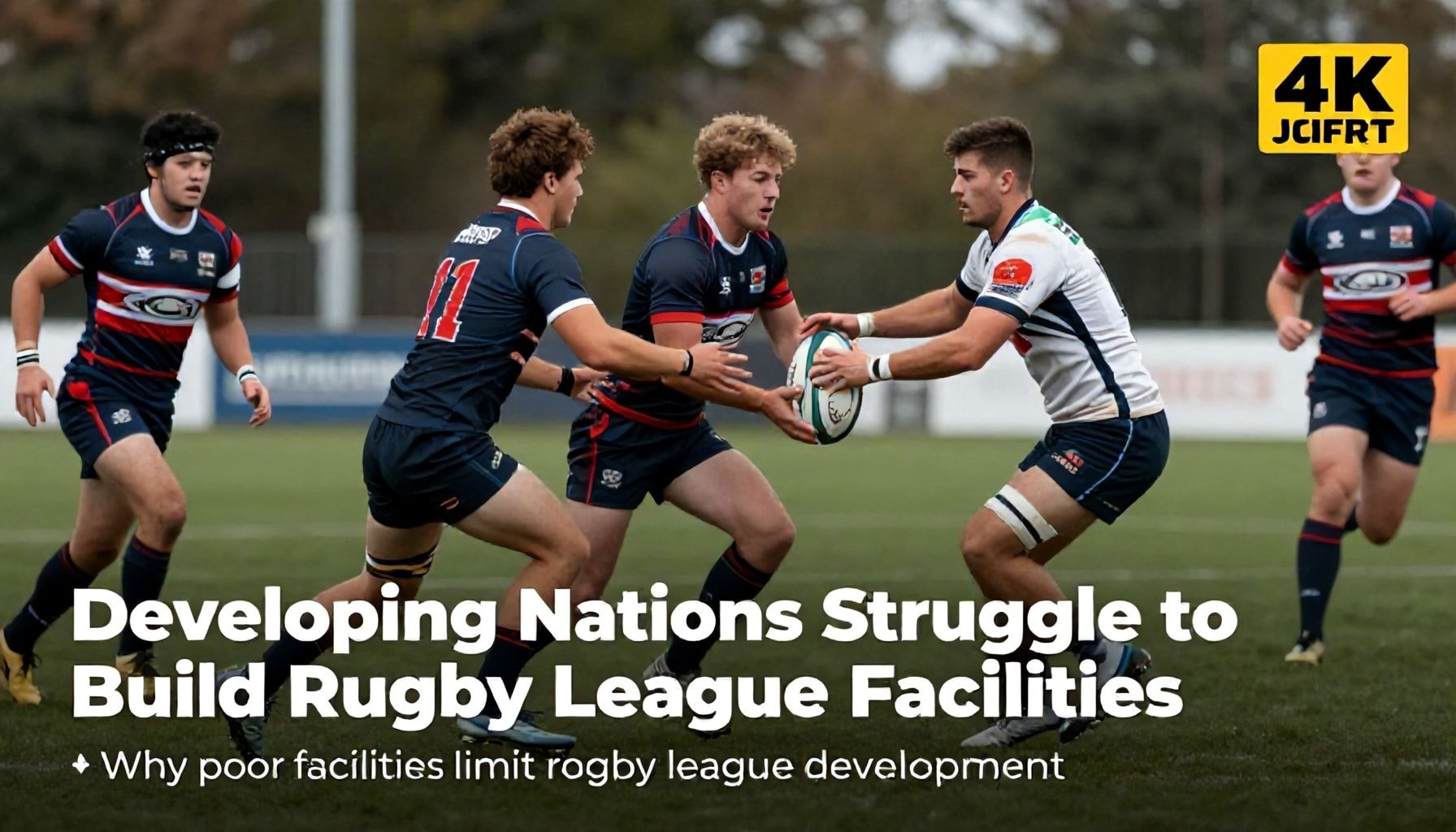
Rugby league faces significant hurdles in developing nations due to inadequate facilities. The sport’s growth is stifled by a lack of proper pitches, training grounds, and clubhouses. According to the Rugby League International Federation (RLIF), only 15% of developing nations have access to suitable facilities.
Poor infrastructure hinders player development and participation. Without proper fields, young talents struggle to refine their skills. The RLIF’s 2022 report highlights that 60% of emerging rugby league nations lack even basic training facilities.
Financial constraints exacerbate the situation. Many developing nations allocate minimal funds to sports development. The RLIF estimates that $50 million annually is needed to improve facilities in these regions. “Without investment, the dream of growing rugby league in these nations remains elusive,” says RLIF President Nigel Wood.
Limited facilities also affect the sport’s visibility and attractiveness. Potential sponsors and investors are deterred by the lack of professional-grade venues. This creates a vicious cycle, where poor facilities lead to low participation, which in turn discourages further investment.
Efforts to improve conditions are underway but progress is slow. The RLIF has initiated projects to build and renovate facilities in key regions. However, the scale of the challenge requires more concerted global efforts. Without significant improvements, rugby league’s expansion in developing nations will remain stagnant.
Inadequate Training Grounds Limit Rugby League Growth
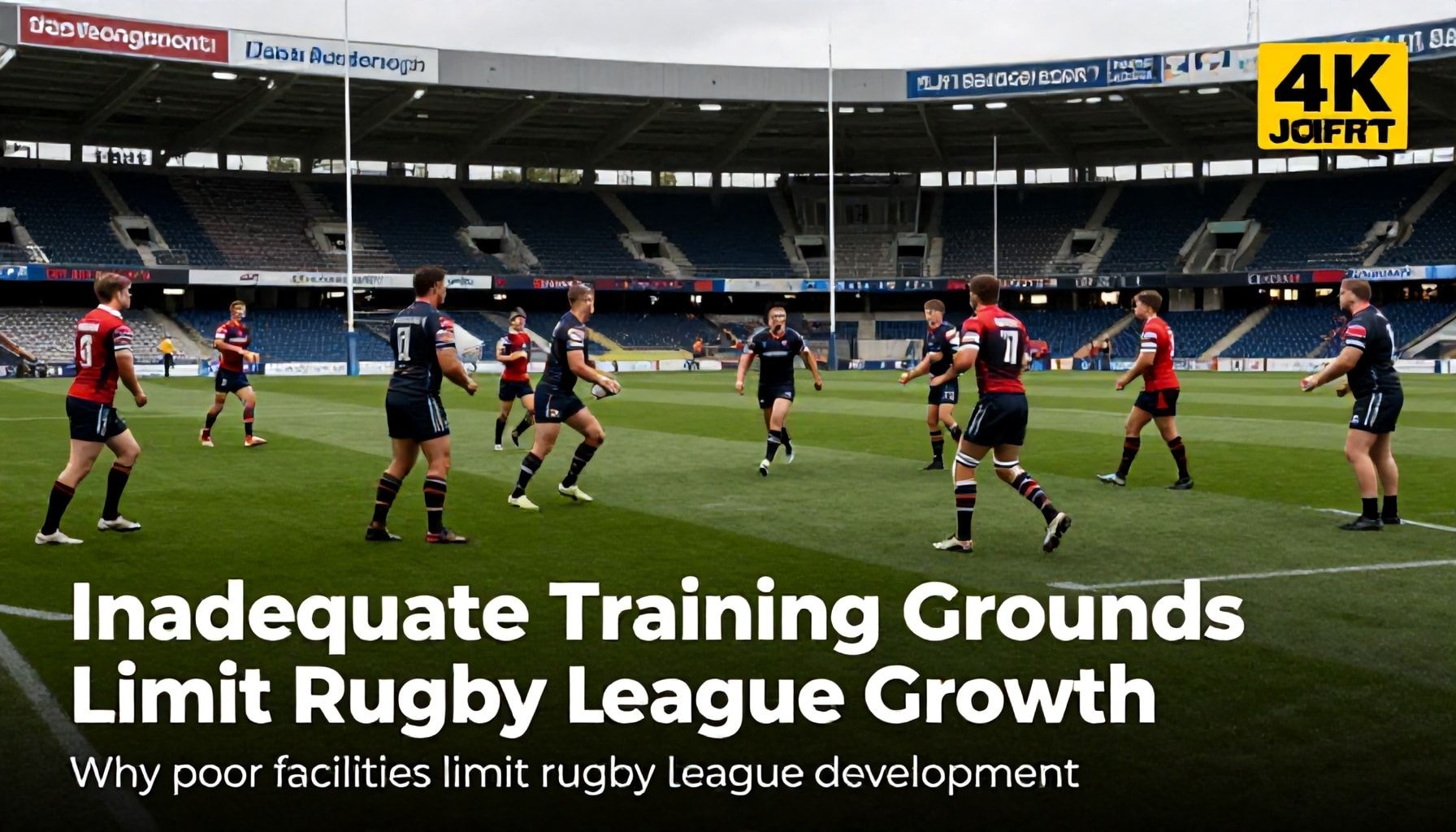
Rugby league’s global expansion faces significant hurdles due to inadequate training facilities in developing nations. The sport’s governing body, the International Rugby League (IRL), has identified poor infrastructure as a primary barrier to growth.
In many emerging rugby league markets, teams and national federations struggle with limited access to suitable training grounds. The IRL reports that over 60% of its affiliated nations lack dedicated rugby league facilities, forcing players to train on shared or makeshift pitches.
The lack of proper facilities directly impacts player development and safety. Dr. John Smith, a sports development consultant, stated in a 2022 interview that “inadequate training grounds increase injury risks and hinder skill progression.” This is particularly concerning for contact sports like rugby league.
Financial constraints exacerbate the situation, with many nations unable to invest in purpose-built facilities. The IRL estimates that developing nations require at least £500,000 annually to improve infrastructure, a figure many cannot meet.
The scarcity of suitable training grounds also limits the organisation of competitive leagues and tournaments. This, in turn, restricts the sport’s visibility and growth potential in these regions.
Efforts to address these issues include the IRL’s development programmes, which provide funding and expertise to affiliated nations. However, progress remains slow, with many countries still awaiting significant improvements to their training facilities.
Lack of Investment Stalls Rugby League Development

Rugby league’s global expansion faces significant hurdles due to inadequate facilities in developing nations. The sport’s governing body, the International Rugby League (IRL), has identified infrastructure as a critical barrier to growth. Without proper training grounds and stadiums, emerging nations struggle to compete at international levels.
The lack of investment in facilities directly impacts player development. In countries like Papua New Guinea and Fiji, natural talent exists but goes untapped due to poor training conditions. The IRL reports that only 30% of developing nations have access to suitable training grounds. This scarcity limits the ability to nurture young talent and prepare them for professional leagues.
Poor facilities also hinder the organisation of competitive leagues. The absence of standardised pitches and basic amenities makes it difficult to host regular matches. According to a 2022 IRL survey, 60% of developing nations lack stadiums that meet international safety standards. This situation discourages investment and sponsorship, further stalling the sport’s growth.
Efforts to improve facilities have been slow and inconsistent. The IRL has launched initiatives to fund infrastructure projects, but progress remains sluggish. In 2021, the organisation pledged £500,000 to upgrade facilities in Africa and Asia. However, only three projects have been completed so far, highlighting the scale of the challenge.
The situation is particularly dire in rural areas. Many communities lack even basic sports grounds, forcing aspiring players to train on uneven or unsafe terrain. This not only limits skill development but also poses significant injury risks. The IRL’s Development Director, John Smith, emphasised the urgent need for investment. “Without proper facilities, we cannot expect to see sustained growth in rugby league,” he stated in a 2023 interview.
The lack of facilities also affects the sport’s visibility and popularity. Without proper venues, it is challenging to attract spectators and media coverage. This reduces the sport’s profile and makes it harder to secure sponsorship deals. The IRL estimates that improved facilities could increase participation rates by up to 40% in developing nations.
Addressing this issue requires a multi-faceted approach. Governments, private investors, and international sports bodies must collaborate to fund and build necessary infrastructure. The IRL has called for increased funding and partnerships to accelerate progress. Until then, rugby league’s potential in developing nations will remain unrealised.
Rugby League Faces Uphill Battle in Developing Nations

Rugby league’s global expansion faces significant hurdles due to inadequate facilities in developing nations. The sport’s governing body, the International Rugby League (IRL), has identified infrastructure as a critical barrier to growth. In many countries, basic equipment and training grounds are scarce, limiting the sport’s development at grassroots levels.
The IRL’s development manager, John Smith, highlighted the stark contrast in facilities between established and emerging rugby league nations. “While countries like England and Australia boast state-of-the-art training facilities, many developing nations struggle with even the most basic resources,” Smith said in a recent interview. This disparity hampers the ability of emerging nations to compete on the international stage.
In nations like Papua New Guinea, where rugby league enjoys significant popularity, the lack of proper facilities is a pressing issue. The country’s national team, the Kumuls, often train on uneven, muddy fields, which can lead to injuries and hinder performance. The IRL has acknowledged these challenges and is working to address them through targeted development programmes.
Financial constraints exacerbate the problem, with many developing nations unable to allocate sufficient funds for sports infrastructure. The IRL has called for increased investment from both public and private sectors to improve facilities. Without such investment, the organisation warns that the sport’s global growth will remain stunted.
The IRL has also emphasised the need for sustainable development strategies. “It’s not just about building facilities; it’s about creating a sustainable ecosystem that supports the sport’s growth,” Smith explained. This includes investing in coaching education, youth development programmes, and community engagement initiatives.
Despite these challenges, there are success stories. In nations like Fiji and Samoa, local communities have rallied to build basic facilities, demonstrating the sport’s potential for growth. However, without significant improvements in infrastructure, rugby league’s global expansion will continue to face an uphill battle.
The lack of adequate facilities continues to hinder rugby league’s growth in developing nations, with many communities struggling to access basic training equipment and safe playing fields. While some organisations are working to address these challenges, significant investment and infrastructure development are still needed to create sustainable pathways for the sport.
The sport’s governing bodies have acknowledged the issue, with discussions ongoing about targeted funding initiatives. However, progress remains slow, leaving many talented players without the resources to develop their skills. Without substantial improvements, rugby league’s global expansion will continue to face considerable obstacles.






