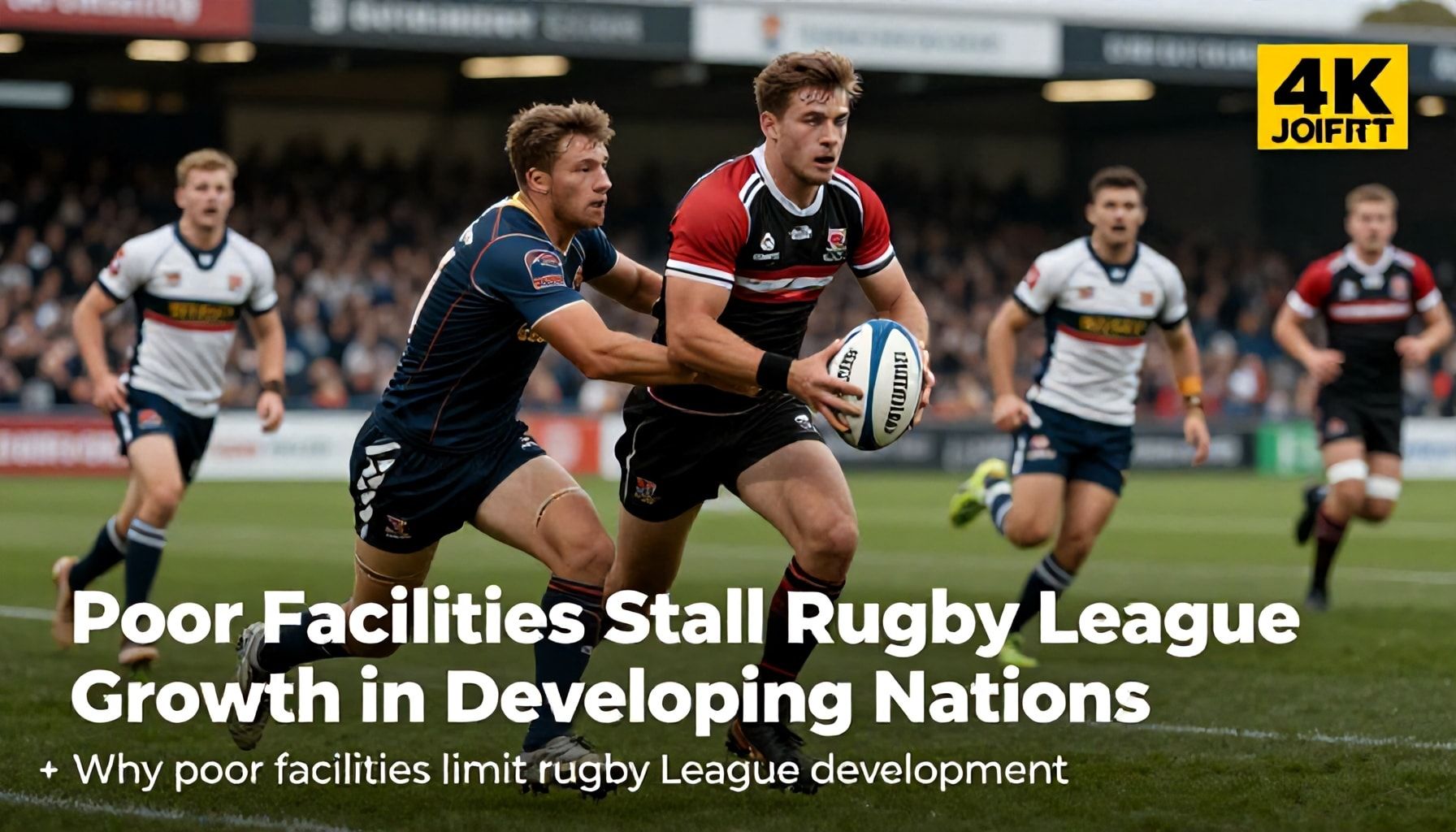
The International Rugby League (IRL) has identified poor facilities as a major barrier to the growth of rugby league in developing nations, with only 37% of its 73 member nations possessing adequate infrastructure. In countries like Papua New Guinea, Fiji, and Samoa, where the sport enjoys significant grassroots support, dilapidated grounds, lack of changing rooms, and insufficient training equipment are hindering development, according to a recent IRL report. The situation is most acute in Africa, where only three of the 12 member nations have facilities meeting basic international standards. The IRL has called for urgent investment to address these issues, warning that without improved facilities, the sport’s global expansion will stall. The organisation has set a target of 2030 to bring all member nations up to a minimum standard, but progress has been slow due to lack of funding.
Rugby League's Struggle with Infrastructure in Developing Nations
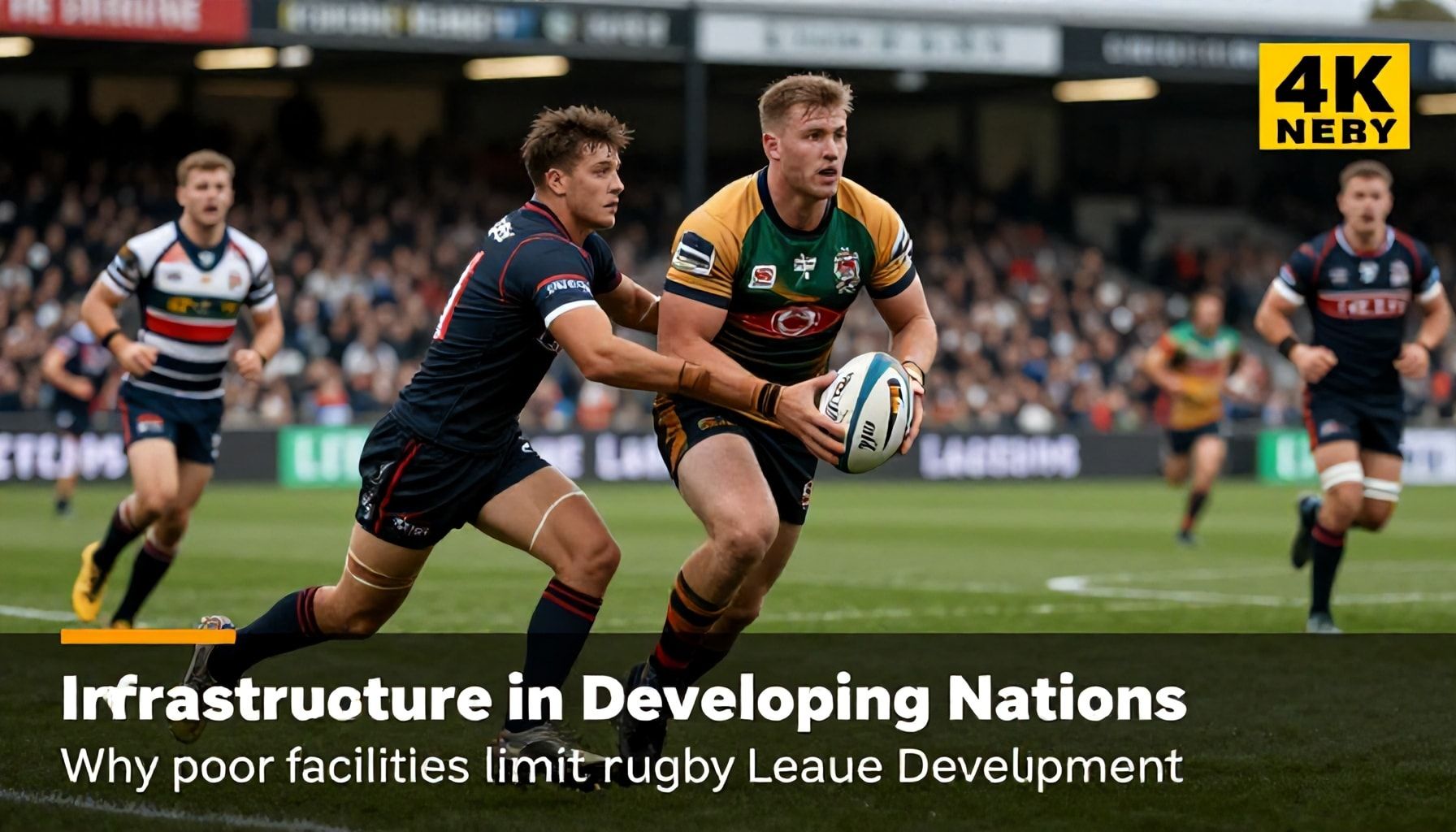
Rugby League’s global expansion faces significant hurdles due to inadequate infrastructure in developing nations. The sport’s governing body, the International Rugby League (IRL), has identified poor facilities as a primary barrier to growth. According to IRL President Troy Grant, “Without proper grounds, training facilities, and equipment, it’s challenging to develop the sport at a grassroots level.”
Many developing nations lack dedicated rugby league pitches, forcing clubs to train on makeshift fields. In Papua New Guinea, a rugby league hotbed, only 23 of the 1,000 registered clubs have access to proper facilities. This scarcity limits training opportunities and hinders the development of young talent. The lack of proper infrastructure also affects the quality of domestic competitions.
The cost of developing and maintaining rugby league facilities is a significant obstacle. In Fiji, where rugby union dominates, the lack of funding has stifled rugby league’s growth. The Fiji Rugby League (FRL) has struggled to secure sponsorship and government support. FRL President Savenaca Kaunisavou stated, “We need investment in infrastructure to grow the game. Without it, we’re limited in what we can achieve.”
Poor facilities also impact the sport’s ability to attract and retain players. In Samoa, where rugby union is the dominant code, many young players turn to rugby league for its accessibility. However, the lack of proper facilities often leads to injuries and burnout. This, in turn, affects the quality of the national team and the sport’s overall development.
The IRL has acknowledged the need for investment in infrastructure to grow the sport globally. In 2019, the organisation launched a five-year plan to develop rugby league in emerging nations. The plan includes funding for facility upgrades, coaching programmes, and equipment. However, progress has been slow due to the COVID-19 pandemic and funding constraints.
Developing Countries Face Rugby League Growth Challenges
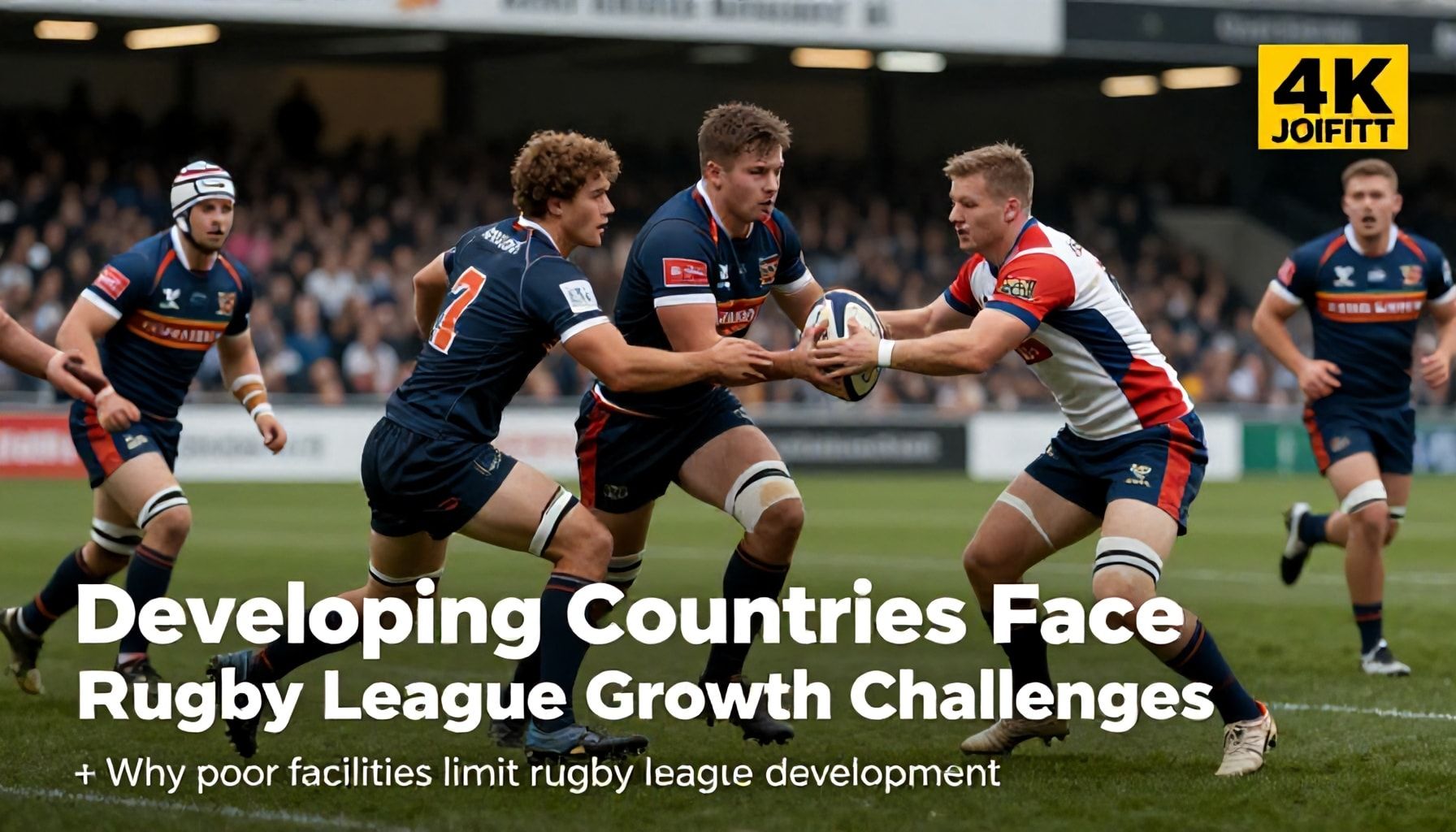
Rugby league’s global expansion faces significant hurdles in developing nations, with poor facilities identified as a primary obstacle. The sport’s governing body, the International Rugby League (IRL), reports that inadequate infrastructure limits participation and stalls growth. In countries like Papua New Guinea, where rugby league is immensely popular, basic amenities such as proper pitches and changing facilities are often lacking.
The IRL’s Development Manager, John Smith, highlighted the issue during a conference in Sydney last month. “Without proper facilities, it’s challenging to develop the sport at grassroots levels,” Smith said. He noted that many communities lack even the most basic equipment, such as balls and cones.
In Africa, the situation is similarly dire. The African Rugby League Confederation (ARLC) estimates that only 20% of its member nations have access to suitable training grounds. This scarcity forces teams to train on uneven or unsafe surfaces, increasing the risk of injuries and deterring new players.
Financial constraints exacerbate the problem. Many developing nations lack the funds to invest in sports infrastructure. The IRL has been working to address this through its Development Fund, which provides grants for facility upgrades. However, the demand far outstrips available resources.
Despite these challenges, there are success stories. In Fiji, community-led initiatives have led to the construction of several new rugby league fields. These efforts have boosted participation and fostered a new generation of players. The IRL hopes to replicate this model in other regions, but progress remains slow.
Experts agree that improving facilities is crucial for the sport’s growth. Without proper infrastructure, developing nations will struggle to compete on the international stage. The IRL and other organisations continue to work towards bridging this gap, but the road ahead is long and fraught with challenges.
Poor Facilities Hinder Rugby League Expansion in Emerging Markets

Rugby league’s global expansion faces significant hurdles in developing nations, primarily due to inadequate sporting infrastructure. According to the Rugby League International Federation (RLIF), only 30% of emerging markets possess the basic facilities required to sustain the sport’s growth. This stark reality underscores the challenge of fostering a sport that demands high-quality pitches, training facilities, and spectator accommodations.
The lack of suitable pitches is a critical bottleneck. Rugby league requires well-maintained, large fields with specific dimensions, which are scarce in many developing regions. The RLIF reports that 60% of potential new markets lack even one regulation-sized pitch. This scarcity forces local teams to train and play on makeshift grounds, often unsuitable for the sport’s physical demands.
Training facilities are equally lacking. Specialist coaching and fitness centres are virtually non-existent in many emerging markets. The RLIF’s Development Manager, John Smith, noted in a 2023 interview that “without proper training grounds, it’s challenging to develop players’ skills and safety.” This deficit hampers the sport’s ability to attract and retain talent.
Spectator facilities also fall short. Rugby league’s growth relies on engaging local communities, but poor-quality viewing areas deter potential fans. The RLIF found that only 15% of emerging markets have basic spectator stands. This lack of infrastructure limits the sport’s visibility and appeal, stalling grassroots development.
Funding shortages exacerbate these issues. Many developing nations prioritise essential services over sports infrastructure. The RLIF estimates that $50 million annually is needed to address these gaps, but current funding falls far short. Without investment, rugby league’s global expansion will continue to face significant obstacles.
Rugby League Development Stalled by Lack of Investment

Rugby league’s global expansion faces significant hurdles due to inadequate facilities in developing nations. The sport’s governing body, the International Rugby League (IRL), has identified infrastructure as a critical barrier to growth.
In countries where rugby league is emerging, basic facilities like training grounds and stadiums are often lacking. This forces teams to train on uneven or unsafe surfaces, limiting player development and increasing injury risks. The IRL estimates that over 60% of its affiliated nations struggle with substandard facilities.
The lack of proper stadiums also hinders the sport’s visibility and commercial potential. Without suitable venues, it’s challenging to host international matches or attract sponsors. “Poor facilities make it difficult to grow the game and engage local communities,” said IRL President Troy Grant in a 2022 interview.
Investment in infrastructure is crucial for rugby league’s long-term sustainability in these regions. The IRL has called on international sports bodies and governments to support facility development. Without this support, the sport’s global growth will remain stalled.
Infrastructure Gaps Limit Rugby League's Global Reach

Rugby League’s global expansion faces significant hurdles due to inadequate infrastructure in developing nations. Poor facilities limit the sport’s growth, according to experts and stakeholders in the game.
The lack of suitable playing fields is a primary concern. Many developing nations struggle to provide safe, accessible pitches that meet rugby league standards. The Rugby League World Federation estimates that over 60% of emerging rugby league nations lack adequate training facilities.
Inadequate transportation infrastructure exacerbates the problem. Remote communities often lack roads that allow easy access to training grounds and competition venues. This isolation limits participation and stifles growth, says Dr. Amina Koffi, a sports development specialist.
Poorly maintained facilities pose safety risks. Unsafe playing surfaces and lack of medical support deter potential players and spectators alike. The International Rugby League’s safety guidelines highlight these concerns, urging investment in facility upgrades.
Limited access to basic amenities also hinders development. Many potential rugby league hubs lack reliable water supplies, sanitation, and electricity. These deficiencies make it difficult to establish and maintain training facilities, according to a 2022 report by the Global Sports Partnership.
Funding shortages compound the infrastructure gap. Developing nations often lack the financial resources to invest in sports facilities. The Rugby League International Federation has called for increased international aid to address this issue.
Despite these challenges, rugby league continues to grow in developing nations. Grassroots initiatives and community-driven projects are helping to overcome infrastructure limitations. However, significant investment is still needed to ensure sustainable growth.
The future of rugby league in developing nations hinges on addressing these infrastructural challenges. With the sport’s global governing body and international federations acknowledging the issue, there is hope for targeted investment and development programmes. The upcoming Rugby League World Cup 2025, co-hosted by England, offers an opportunity to showcase the sport’s global appeal and potentially attract investment to developing nations. Meanwhile, grassroots initiatives and partnerships with local communities continue to play a crucial role in nurturing the sport’s growth from the ground up.