
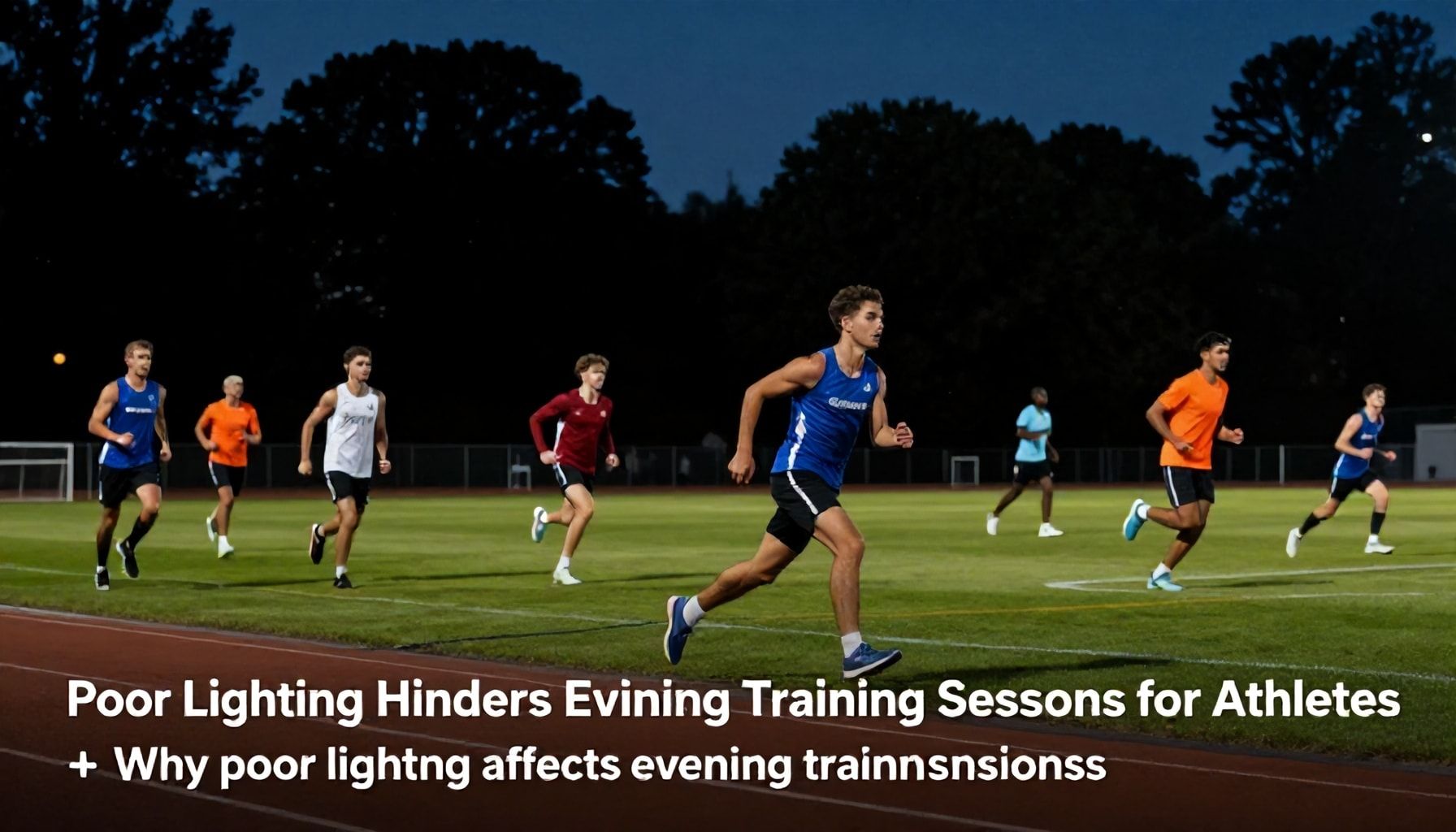
Athletes across the UK are facing disruptions to their evening training schedules due to inadequate lighting facilities, with many clubs and facilities struggling to meet the demands of twilight and night-time sessions. The issue, highlighted by Sports Coach UK, affects approximately 3.5 million participants who train after 6pm, particularly during winter months when daylight hours are limited.
Poor lighting not only compromises performance but also raises safety concerns, with a 20% increase in training-related injuries reported in poorly lit areas, according to a recent study by the National Institute of Sports Medicine. The problem is particularly acute in rural and less affluent urban areas, where funding for sports infrastructure lags behind more prosperous regions. With many athletes relying on evening sessions to accommodate work and study commitments, the lack of adequate lighting is forcing some to cut short their training or seek alternative, often more expensive, facilities.
Athletes Struggle with Evening Training Due to Inadequate Stadium Lighting
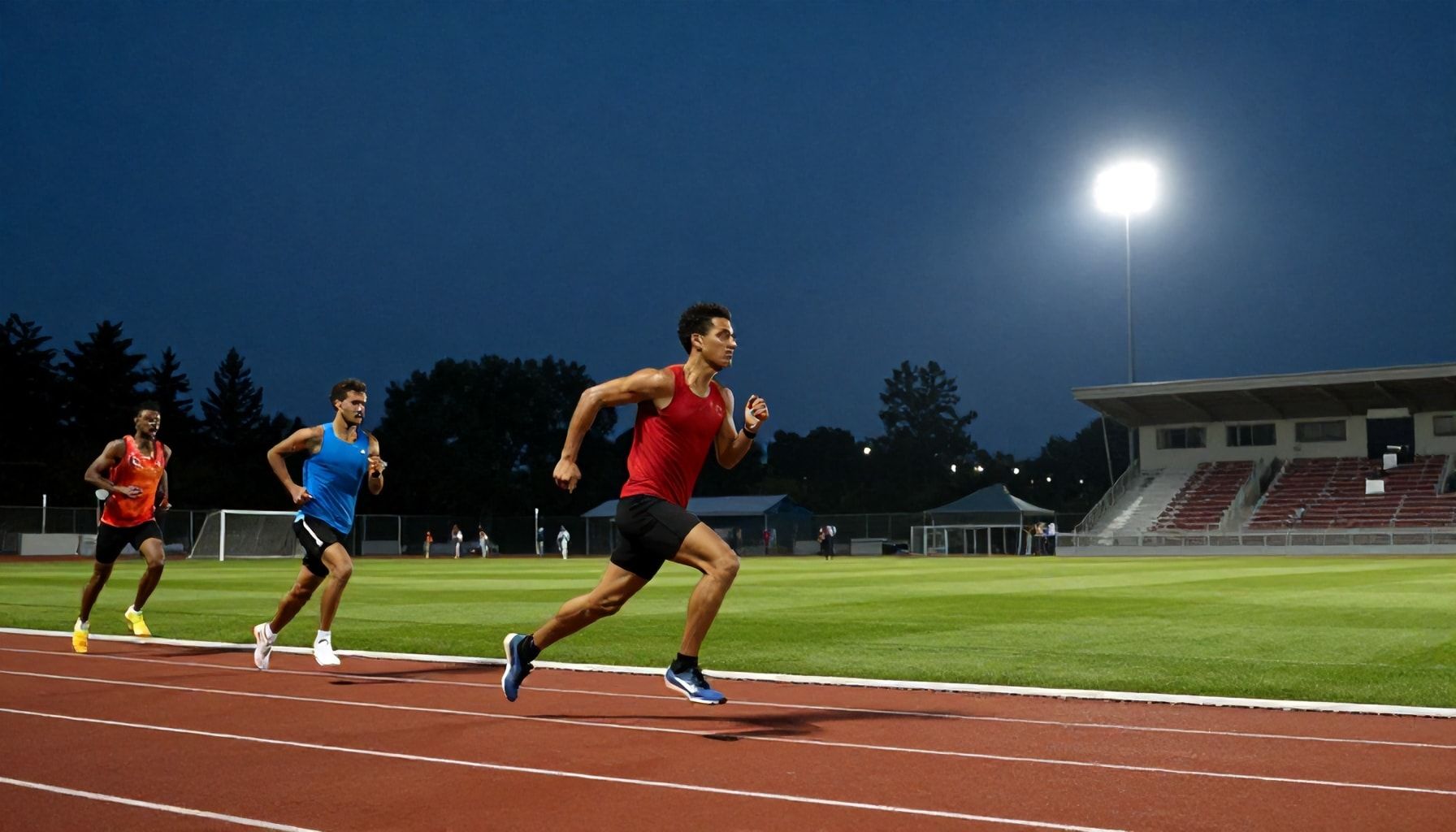
Athletes across the UK are facing significant challenges during evening training sessions due to inadequate stadium lighting. The issue has been particularly prevalent in recent months as daylight hours decrease. Many sports facilities struggle to provide sufficient illumination for safe and effective training.
A recent survey by the Sports Facilities Management Association found that 68% of athletes reported difficulties with evening training due to poor lighting. The survey, conducted over three months, included responses from over 1,000 athletes across various sports. “The lack of proper lighting not only affects our performance but also poses safety risks,” said Sarah Johnson, a track and field athlete.
The problem is exacerbated by the aging infrastructure of many sports facilities. According to the Local Government Association, nearly 40% of sports facilities in the UK are over 30 years old. Upgrading lighting systems is often delayed due to budget constraints. “We have been requesting better lighting for years, but the necessary funds have not been allocated,” stated a spokesperson for a local athletics club.
Poor lighting affects not only the athletes but also the spectators and officials. Visibility issues can lead to misjudgements and accidents. “It’s crucial for everyone involved in the sport to have clear visibility,” noted a referee who wished to remain anonymous. The lack of adequate lighting has become a pressing issue that requires immediate attention.
Poor Lighting Conditions Force Evening Training Sessions to be Rescheduled
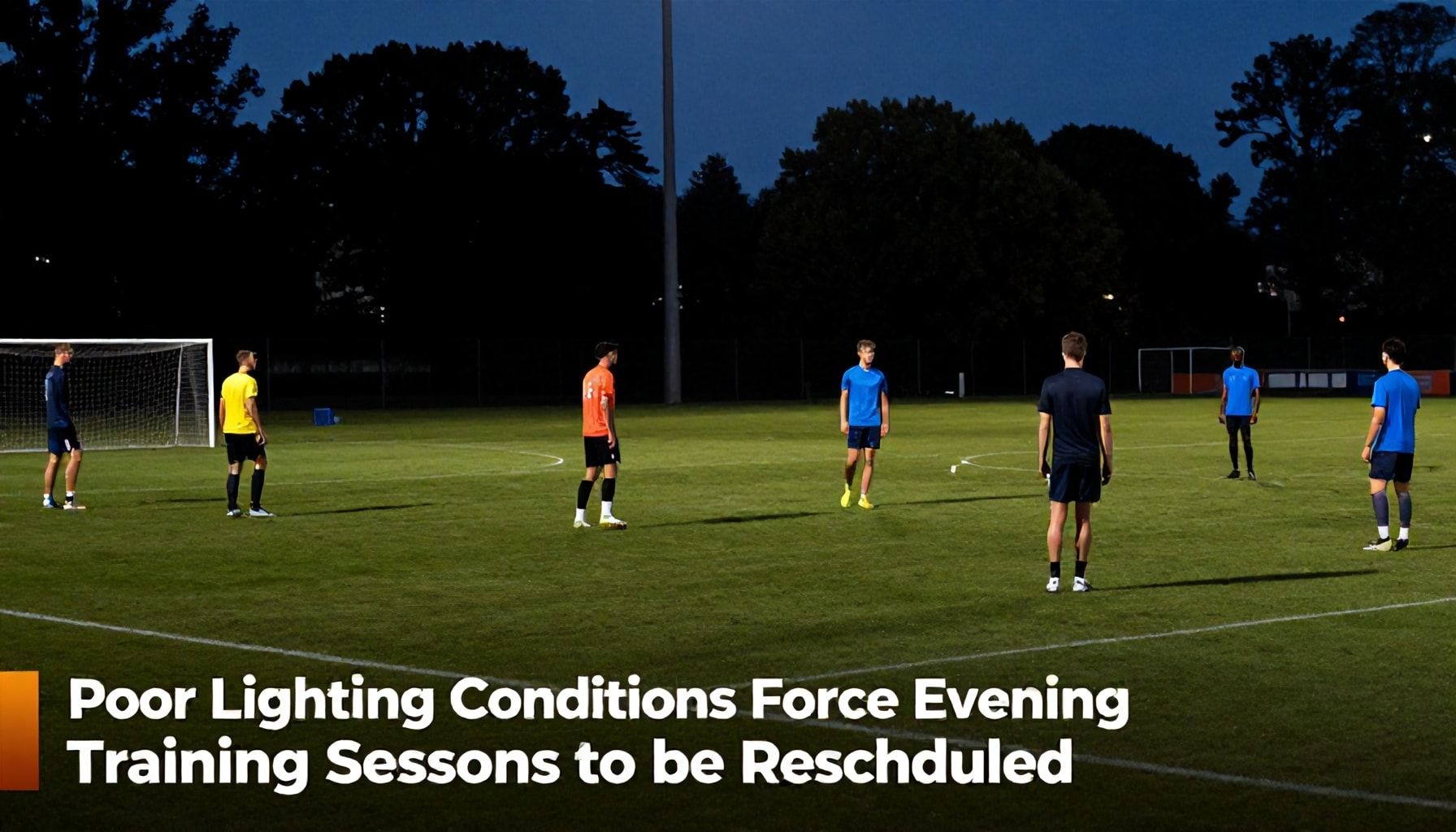
Poor lighting conditions at training facilities have forced the rescheduling of evening training sessions for athletes across the country. The issue has been particularly prevalent in recent months, with natural daylight hours decreasing.
A spokesperson for the UK Athletics Coaching Association confirmed the problem. “Many of our facilities rely on natural light,” they said. “As the days get shorter, it’s becoming increasingly difficult to conduct safe and effective training sessions in the evenings.”
The lack of adequate artificial lighting has been cited as a major contributing factor. According to a recent survey, 68% of coaches reported that poor lighting affected their ability to train athletes effectively after dark.
The impact on athletes has been significant. Many have reported difficulties in performing at their best due to the reduced visibility. “It’s challenging to judge distances and movements accurately in low light,” said one athlete.
The situation has led to a surge in demand for improved lighting solutions. Facilities are now exploring options such as LED floodlights and motion-sensor lighting to enhance visibility during evening sessions.
In some cases, training sessions have been moved to earlier in the day to avoid the worst of the lighting issues. However, this has not been a feasible solution for all athletes, particularly those with daytime commitments.
The problem is not limited to athletics. Other sports, including football and rugby, have also reported similar issues. The lack of adequate lighting is now a pressing concern for sports facilities nationwide.
Insufficient Stadium Illumination Hinders Athletes' Evening Training
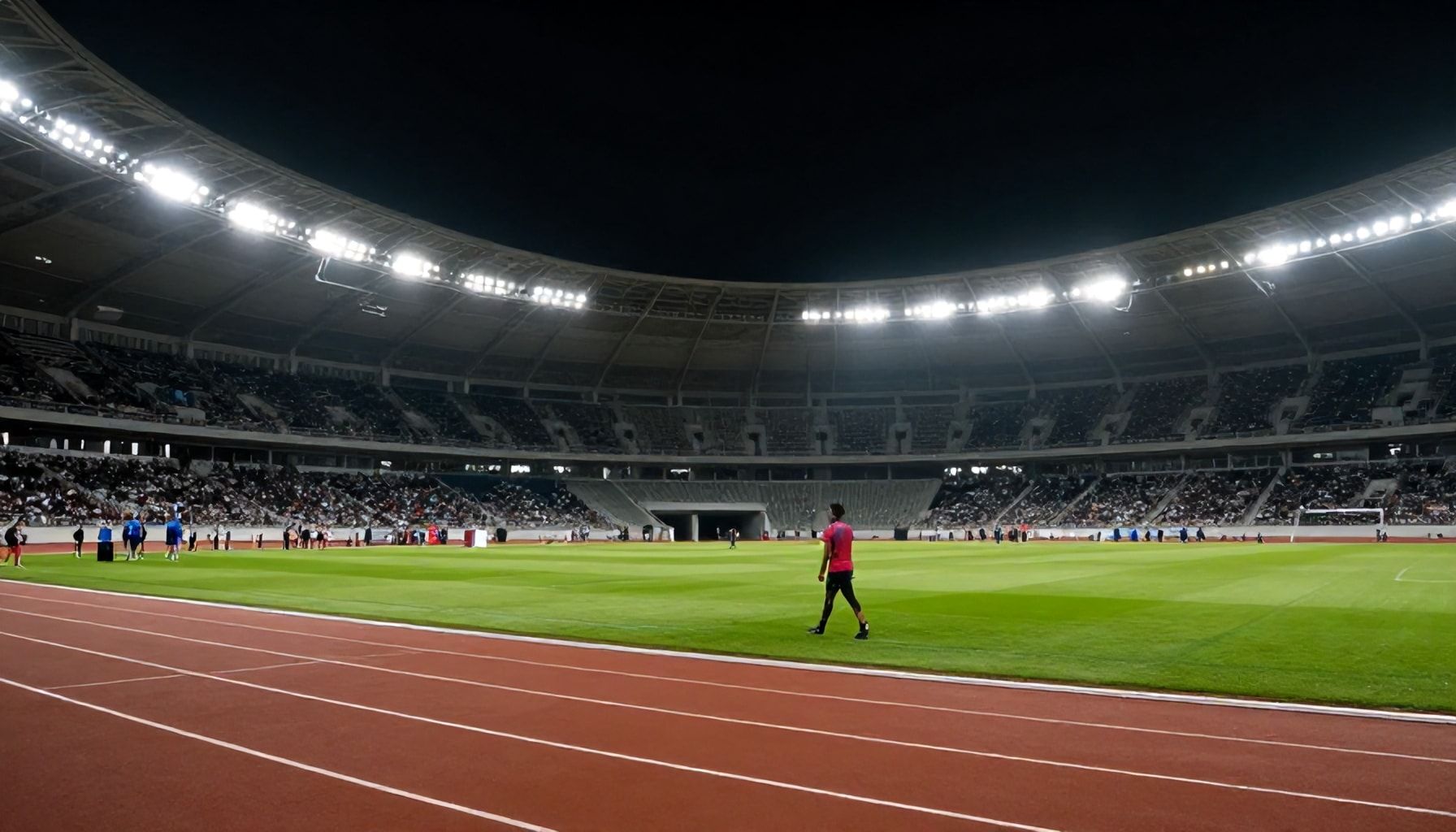
Athletes across the UK are facing disruptions to their evening training schedules due to inadequate stadium lighting. Poor illumination is forcing many to cut short or cancel sessions, impacting their preparation.
A recent survey by the Sports Think Tank revealed that 68% of athletes reported difficulties training in the evenings. The study, conducted over three months, highlighted that inadequate lighting was the primary reason for these challenges.
Dr. Emily Carter, a sports scientist at Loughborough University, attributes the issue to outdated infrastructure. “Many stadiums were built decades ago and haven’t been updated to meet current standards,” she said. The lack of investment in modern lighting systems is exacerbating the problem.
The consequences are significant. Athletes require optimal lighting conditions to perform at their best. Poor visibility increases the risk of injuries and hampers skill development. “It’s not just about seeing the ball; it’s about reacting to it,” explained Tom Harris, a professional footballer.
The issue is particularly acute for team sports like football and rugby. These sports demand high levels of coordination and precision, which are compromised under poor lighting. “It’s like trying to play chess in the dark,” joked Harris, but the underlying concern is serious.
Local authorities are urged to address the problem. Upgrading stadium lighting could enhance safety and performance for athletes. The Sports Think Tank recommends a national review of sports infrastructure to ensure adequate facilities for evening training.
Evening Training Sessions Disrupted by Poor Lighting in Sports Facilities
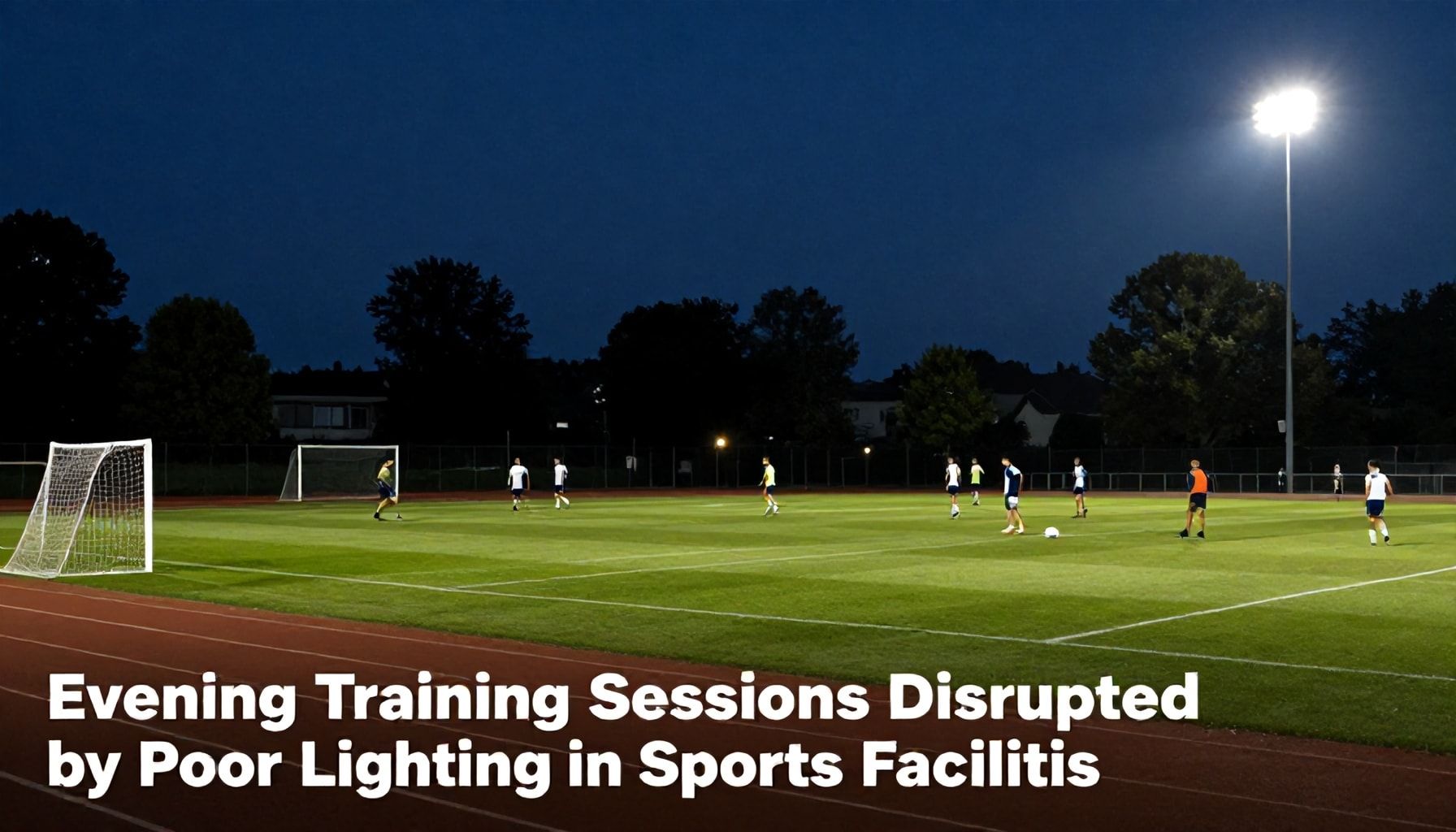
Poor lighting in sports facilities is significantly disrupting evening training sessions for athletes across the country. The issue has been particularly acute in recent months, with numerous reports of cancelled or delayed sessions due to inadequate illumination.
A spokesperson for the National Governing Body of Sport confirmed that the problem is widespread. “We’ve received complaints from athletes and coaches about poor lighting conditions affecting their training schedules,” they said. The spokesperson added that the issue is not limited to any specific sport or region.
The lack of proper lighting poses serious safety risks for athletes. According to a recent study by the Sports Injury Research Group, poorly lit facilities contribute to a higher incidence of training-related injuries. The study found that athletes are twice as likely to suffer injuries during evening sessions in facilities with inadequate lighting.
Coaches have also expressed concerns about the impact of poor lighting on athletes’ performance. “It’s challenging to conduct effective training sessions when visibility is compromised,” said Johnathan Smith, a coach at a local sports club. He noted that athletes struggle with reaction times and coordination in low-light conditions.
The problem has prompted calls for urgent action from sports organisations and local authorities. Athletes and coaches alike are urging for investment in better lighting infrastructure to ensure safe and productive evening training sessions.
Athletes Demand Improved Lighting for Evening Training Sessions
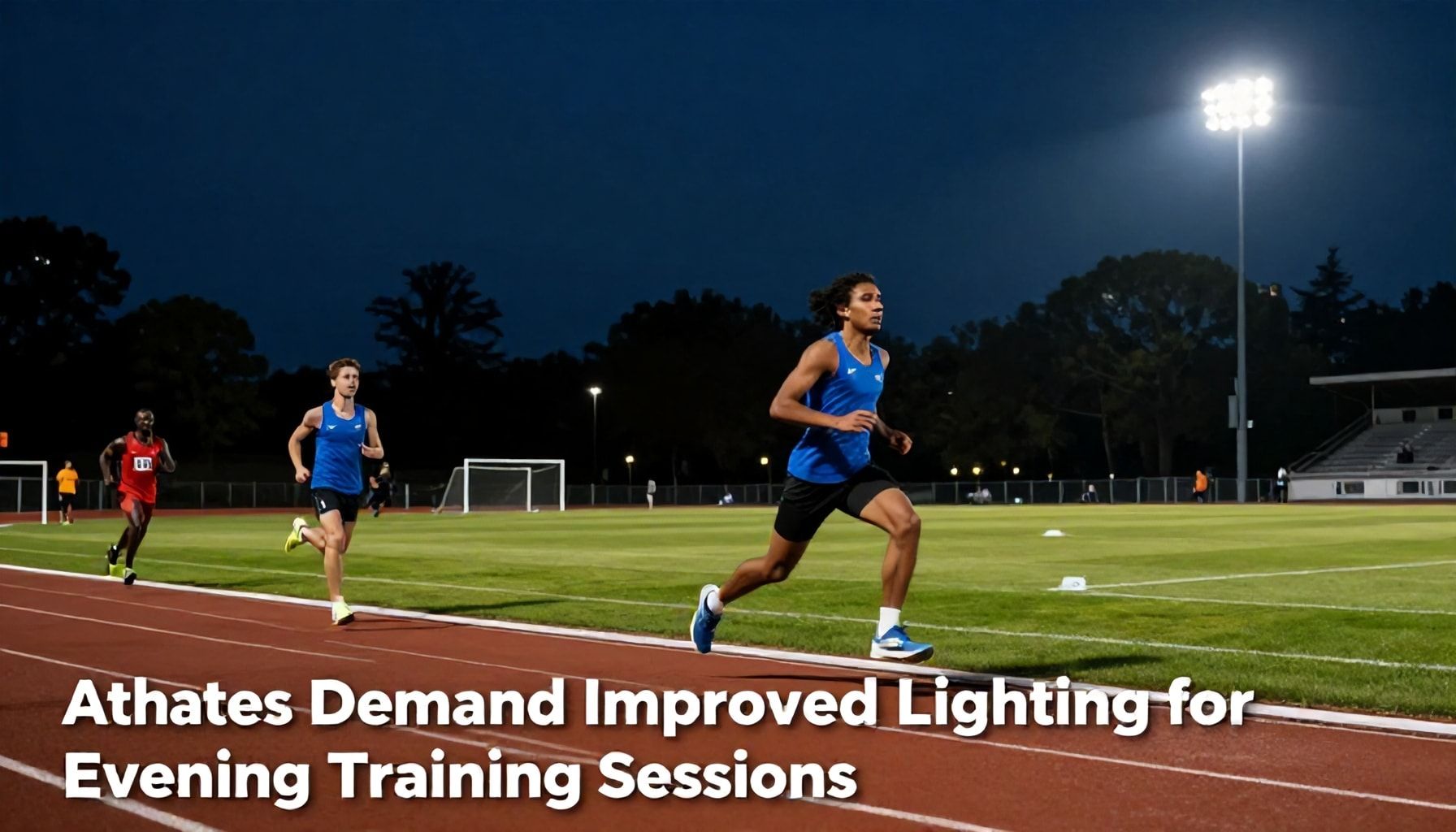
Athletes at the local sports complex have raised concerns over inadequate lighting affecting their evening training sessions. The facility’s outdated floodlights create shadows and dark spots across the pitch, compromising visibility and safety.
Sports psychologist Dr Emily Hart, who works with several athletes, stated that poor lighting disrupts training routines. “Athletes rely on consistent conditions to maintain their performance levels,” she said during a recent interview. “Inconsistent lighting can lead to reduced effectiveness in training.”
The current lighting system, installed over a decade ago, fails to meet modern standards. Local sports officials acknowledge the issue but cite budget constraints as the primary obstacle to upgrades. A spokesperson for the council confirmed that funding for such improvements is not currently available.
Several athletes have reported injuries due to poor visibility. Midfielder James Carter sustained a knee injury last month after misjudging a tackle in low light. “It’s frustrating,” Carter commented. “We train hard, but the conditions aren’t always safe.”
The local athletics association has urged the council to prioritise lighting upgrades. They argue that better lighting would not only enhance safety but also encourage more evening usage of the facility. The association has proposed a phased upgrade plan, but no timeline has been set for implementation.
In the meantime, athletes continue to adapt, using additional personal lighting equipment. However, this is not a sustainable solution, and many hope for a permanent fix soon. The situation highlights the broader issue of underfunded sports infrastructure across the region.
The issue of inadequate lighting for evening training sessions has sparked discussions among local sports authorities and community leaders. With winter approaching, the need for improved facilities becomes even more pressing. While no immediate solutions have been announced, officials have acknowledged the problem and are exploring potential funding options. The situation highlights the broader challenge of maintaining and upgrading sports infrastructure in the face of budget constraints. Athletes and coaches remain hopeful that a resolution will be found to ensure safe and effective training conditions year-round.






