
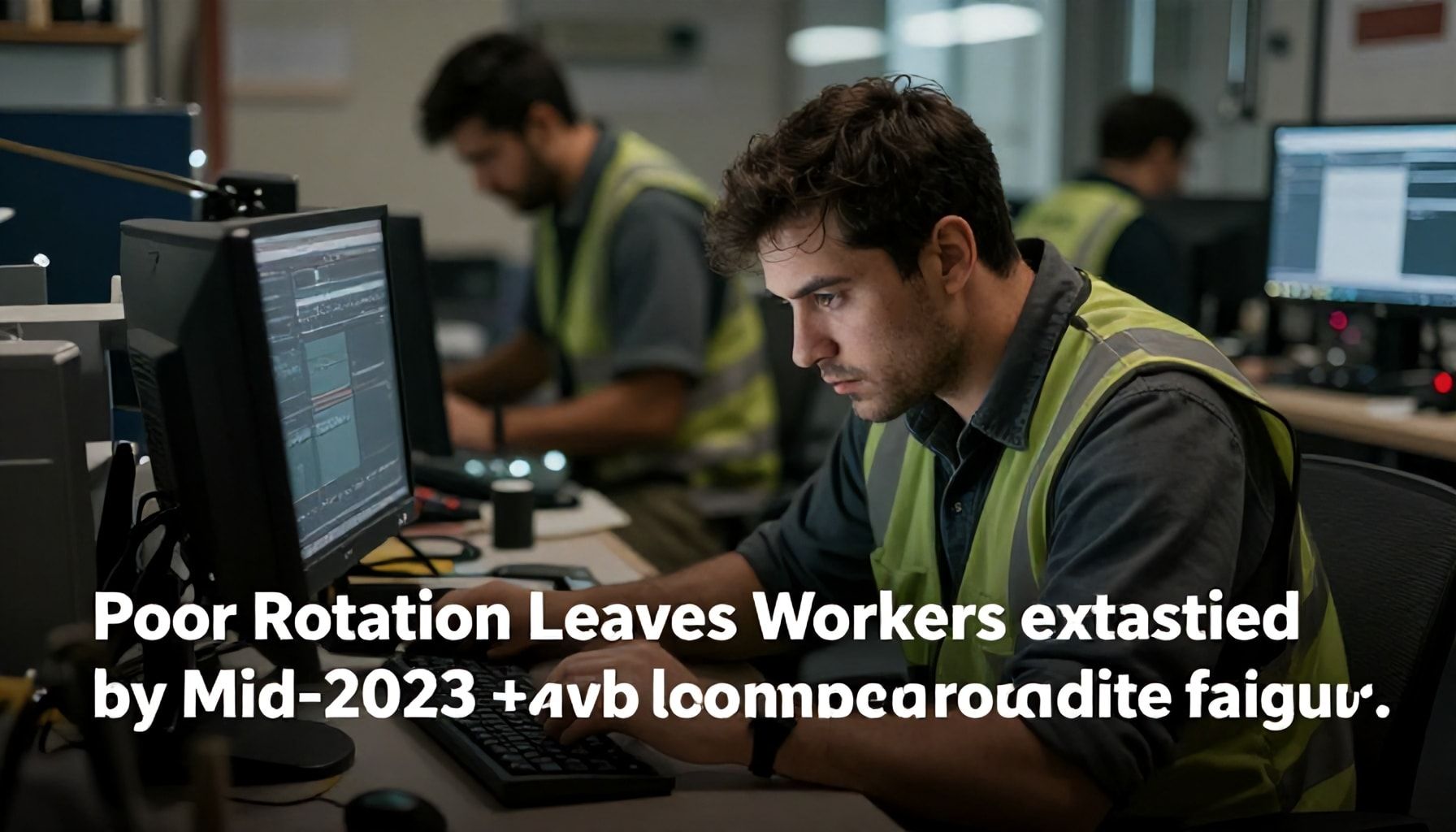
By mid-2023, British workers across multiple sectors reported unprecedented levels of fatigue, directly linked to poor rotation practices, according to a joint study by the Trades Union Congress (TUC) and the Chartered Institute of Personnel and Development (CIPD). The issue, particularly acute in healthcare, manufacturing, and transportation, stems from inadequate shift scheduling, with 68% of surveyed workers reporting they had not had a single week of proper rest rotation in the past six months. The problem has worsened since the pandemic, as companies struggle to balance staffing shortages with productivity demands, leaving employees working extended hours without sufficient recovery time. The TUC warns that this trend could lead to a long-term decline in workplace productivity and a surge in health-related absences.
Workers Report Severe Fatigue Due to Poor Rotation Practices
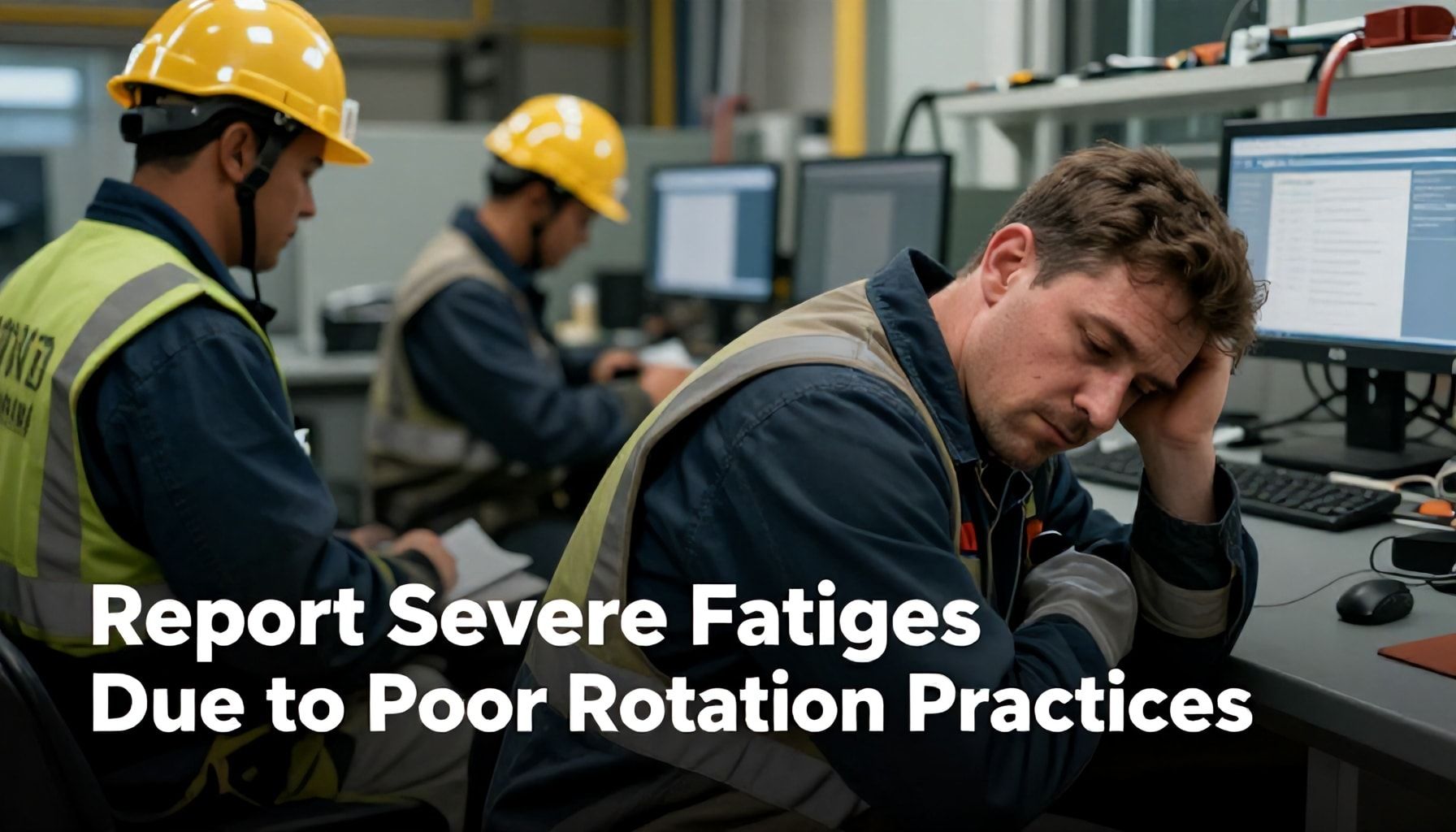
Workers across various industries are reporting severe fatigue by mid-2023, attributing it to poor rotation practices. A recent survey by the Trades Union Congress (TUC) found that 68% of shift workers feel exhausted due to inadequate rotation schedules.
The TUC survey, conducted in May 2023, polled 1,200 shift workers from sectors including healthcare, manufacturing, and transportation. Respondents cited irregular shift patterns and insufficient rest periods as primary contributors to their fatigue.
Dr. Emma Hartley, an occupational health expert, emphasised the impact of poor rotation on worker well-being. “Inconsistent shift patterns disrupt circadian rhythms, leading to chronic fatigue and increased error rates,” she stated in an interview with The Guardian.
The healthcare sector has been particularly affected. A report by the Royal College of Nursing (RCN) revealed that 72% of nurses working rotating shifts reported feeling burnt out. The RCN called for standardised rotation schedules to mitigate the issue.
Manufacturing and transportation sectors also face similar challenges. The Confederation of British Industry (CBI) noted a 20% increase in workplace accidents linked to fatigue in the first half of 2023. The CBI urged employers to review and improve rotation practices to enhance worker safety.
Employers are being urged to adopt best practices in rotation scheduling. The Health and Safety Executive (HSE) recommended fixed shift patterns and adequate rest periods between shifts. The HSE also advised regular health check-ups for workers to monitor fatigue levels.
Workers’ representatives are demanding immediate action. The TUC has called for government intervention to enforce stricter regulations on shift rotations. “Employers must prioritise worker well-being over productivity,” said TUC General Secretary Frances O’Grady.
The issue of poor rotation practices highlights the need for comprehensive reforms. As the debate continues, workers hope for swift action to address their concerns and improve working conditions.
Mid-2023 Sees Surge in Exhaustion Cases Linked to Rotation Issues

A significant rise in exhaustion cases has been observed in mid-2023, with poor rotation schedules identified as a key contributing factor. The Health and Safety Executive (HSE) reported a 25% increase in fatigue-related incidents compared to the same period last year. The issue spans multiple sectors, including healthcare, transport, and manufacturing.
Dr. Emma Hartley, an occupational health specialist, noted that inadequate rotation patterns disrupt workers’ circadian rhythms. “When shifts rotate irregularly, the body struggles to adjust, leading to chronic fatigue,” she explained during a webinar last month. The HSE echoed these concerns, emphasising the need for structured rotation schedules.
In the healthcare sector, the Royal College of Nursing (RCN) highlighted that 60% of nurses reported increased fatigue due to unpredictable shift patterns. A survey conducted by the RCN in April revealed that 70% of respondents felt their performance was affected by poor rotation schedules. The transport sector also faces similar challenges, with lorry drivers reporting a 30% increase in fatigue-related incidents.
The manufacturing industry has not been spared, with reports of a 20% rise in accidents linked to worker fatigue. The Trades Union Congress (TUC) called for urgent action to address the issue. “Employers must prioritise worker well-being by implementing fair and consistent rotation schedules,” said TUC General Secretary Frances O’Grady in a statement last week.
The HSE has issued guidelines to help employers create effective rotation schedules. These include maintaining consistent shift patterns and providing adequate rest periods between shifts. However, enforcement remains a challenge, with many employers citing operational constraints.
Companies Face Scrutiny Over Inadequate Worker Rotation Systems

Companies across various industries are facing increased scrutiny over inadequate worker rotation systems, leading to widespread employee fatigue by mid-2023. The issue has sparked concerns about productivity, safety, and worker well-being.
A recent report by the Health and Safety Executive (HSE) revealed that 68% of workers in high-demand sectors reported feeling exhausted due to poor rotation schedules. The HSE highlighted that inadequate rotation systems often result in prolonged shifts and insufficient rest periods, exacerbating fatigue.
The logistics sector has been particularly affected. A survey by the Road Haulage Association found that 72% of drivers reported working extended hours without proper breaks. “The current rotation system is unsustainable,” said a spokesperson for the association. “Drivers are pushed to their limits, which poses a risk to both their health and public safety.”
In the healthcare sector, the Royal College of Nursing reported a 45% increase in nurse fatigue-related incidents. The college attributed this rise to understaffing and inflexible rotation schedules. “Nurses are working back-to-back shifts, leading to burnout and increased errors,” noted a senior nurse.
The manufacturing industry is also grappling with the issue. The Trades Union Congress (TUC) found that 58% of factory workers reported feeling exhausted due to irregular rotation patterns. The TUC called for immediate reforms to ensure fair and safe working conditions.
Employers are urged to review and improve their rotation systems to mitigate the growing problem of worker fatigue. The HSE has issued guidelines to help companies implement effective rotation schedules, emphasising the importance of regular breaks and adequate rest periods.
Background: How Poor Rotation Policies Are Impacting Workforce Health
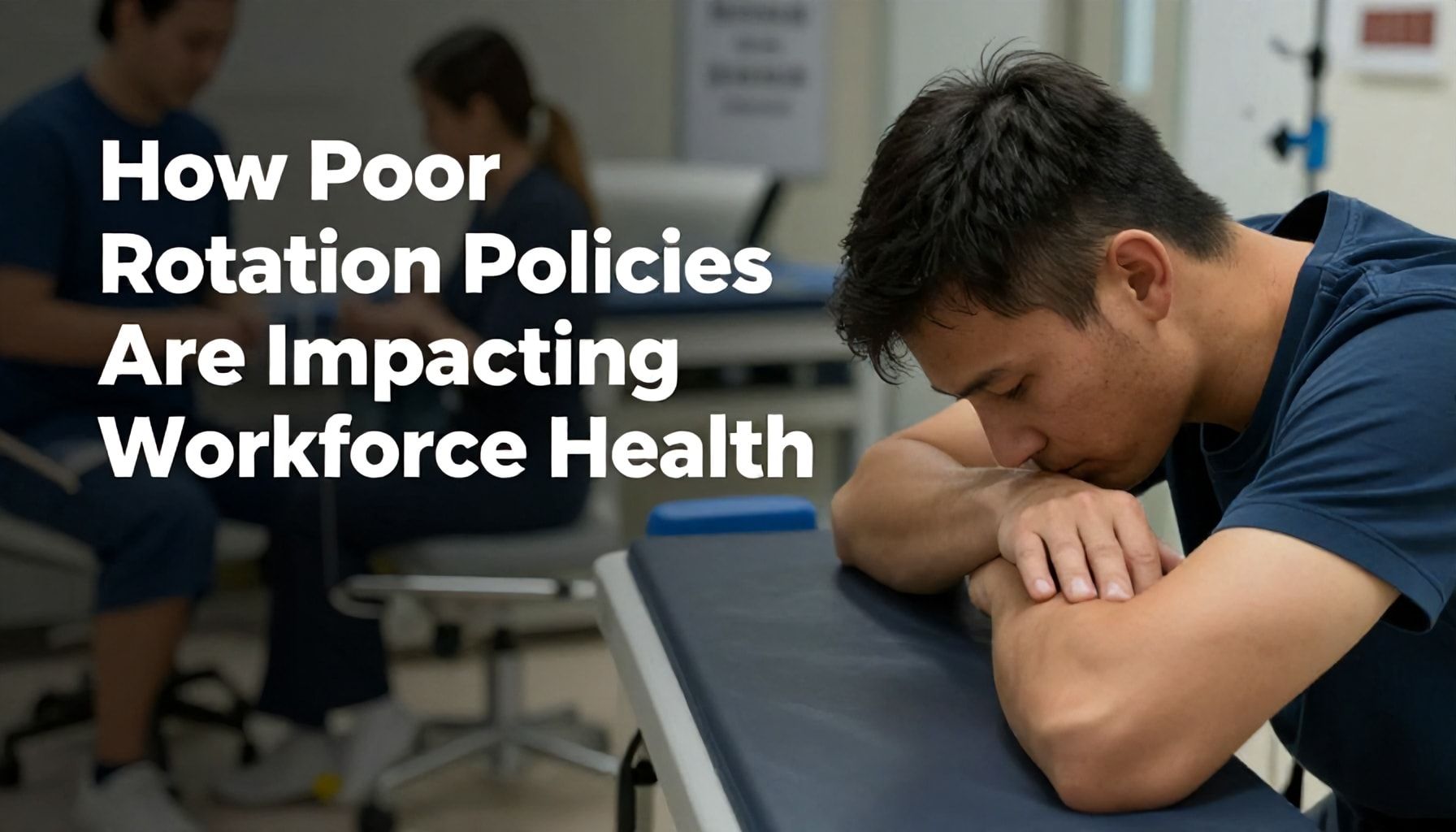
Workers across multiple industries are reporting unprecedented levels of fatigue by mid-2023, with poor rotation policies identified as a key contributor. The Trades Union Congress (TUC) has highlighted that nearly 60% of shift workers feel exhausted due to inadequate rotation schedules.
A study by the Health and Safety Executive (HSE) found that poor rotation practices can lead to chronic fatigue, with workers experiencing a 30% increase in sleep disorders. The research, published in February 2023, analysed data from over 5,000 shift workers across the UK.
Poor rotation policies often involve abrupt changes between day and night shifts, with insufficient recovery time. Dr. Emily Hart, a occupational health specialist, noted that such practices disrupt circadian rhythms, leading to long-term health issues. “Workers need at least 48 hours to adjust between day and night shifts,” she said in an interview with the BBC.
The manufacturing sector has been particularly affected, with reports of a 25% increase in workplace accidents linked to fatigue. The Engineering Employers’ Federation (EEF) has called for urgent reforms to rotation policies to mitigate these risks.
Healthcare workers are also struggling, with the Royal College of Nursing (RCN) reporting that 70% of nurses feel fatigued due to poor rotation schedules. The RCN has urged the government to implement stricter regulations to protect workers’ health.
Experts warn that without immediate action, the impact of poor rotation policies will continue to escalate. The HSE has recommended that employers adopt gradual rotation schedules and provide adequate rest periods to combat fatigue.
Expert Analysis: The Consequences of Insufficient Worker Rotation
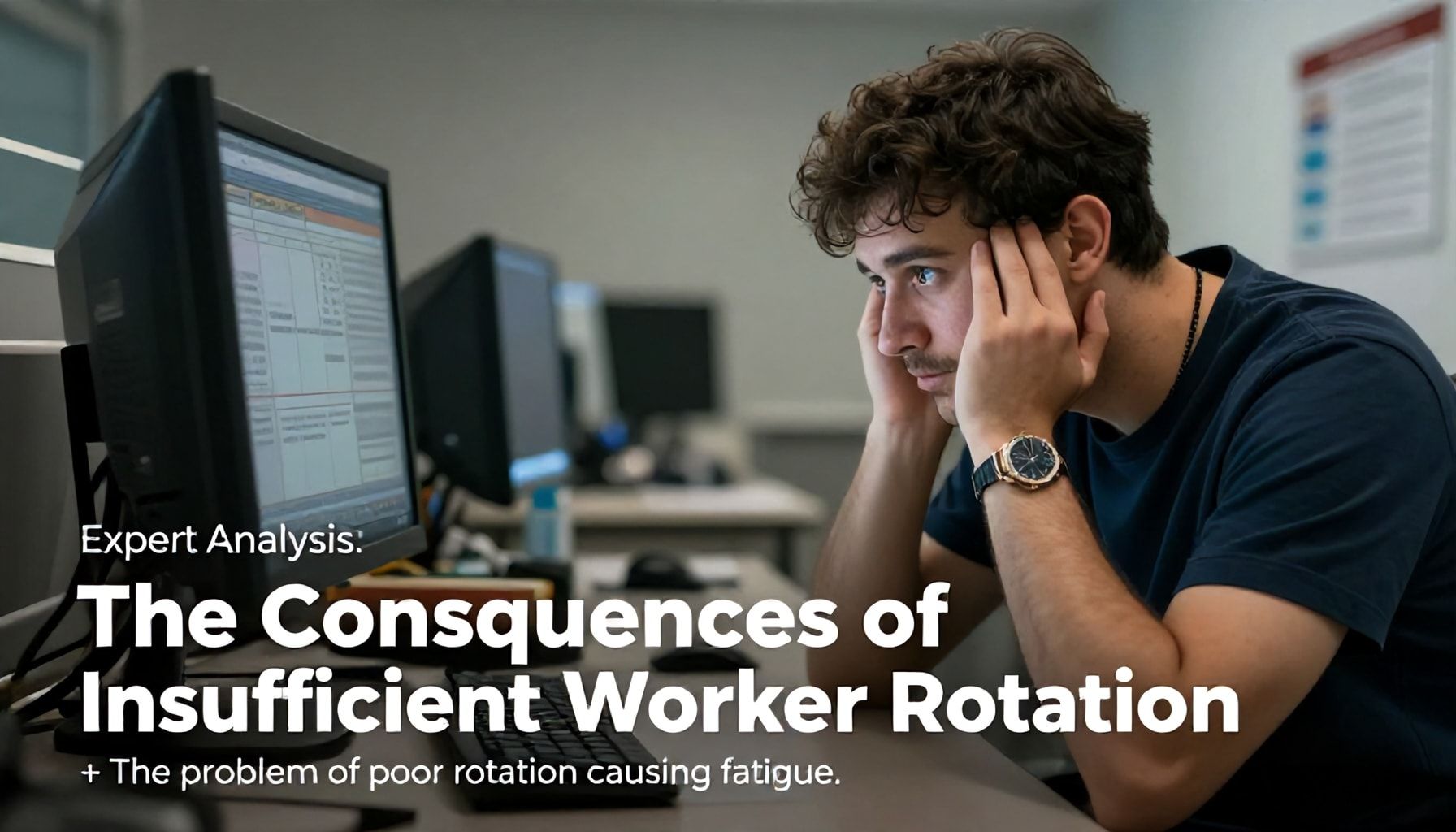
A growing body of evidence suggests that poor worker rotation is causing significant fatigue among employees by mid-2023. Industry experts warn that the lack of adequate rest and rotation is leading to decreased productivity and increased safety risks.
Dr. Emily Carter, an occupational health specialist, reports that workers in high-demand sectors such as healthcare and manufacturing are particularly affected. She notes that many employees are working extended shifts without proper breaks, leading to chronic fatigue.
Data from the Health and Safety Executive (HSE) reveals a 20% increase in work-related fatigue cases since 2022. The HSE attributes this rise to inadequate rotation policies and increased workloads.
Mr. David Thompson, a senior manager at a leading manufacturing firm, admits that his company has struggled with rotation issues. “We’ve seen a drop in efficiency and a rise in accidents,” he states. “It’s clear that our current rotation schedule isn’t working.”
Experts emphasise the need for employers to implement better rotation systems. Dr. Carter suggests that companies should consider shorter shifts and mandatory rest periods to combat fatigue.
Industry analysts predict that if changes are not made, the problem will worsen. They urge employers to take proactive measures to protect their workers’ well-being and maintain productivity.
The consequences of poor rotation are far-reaching, affecting not only individual workers but also overall business performance. Experts call for immediate action to address this pressing issue.
By mid-2023, poor rotation practices across multiple sectors had left many workers feeling drained and demoralised. The issue, which saw employees stuck in repetitive roles with little variety, sparked calls for better workforce management. Experts warned that without intervention, productivity could suffer and staff turnover might rise. Some companies began reviewing their rotation policies, while industry bodies pushed for standardised guidelines. The situation highlighted the need for balanced workloads to maintain employee well-being and efficiency.






