
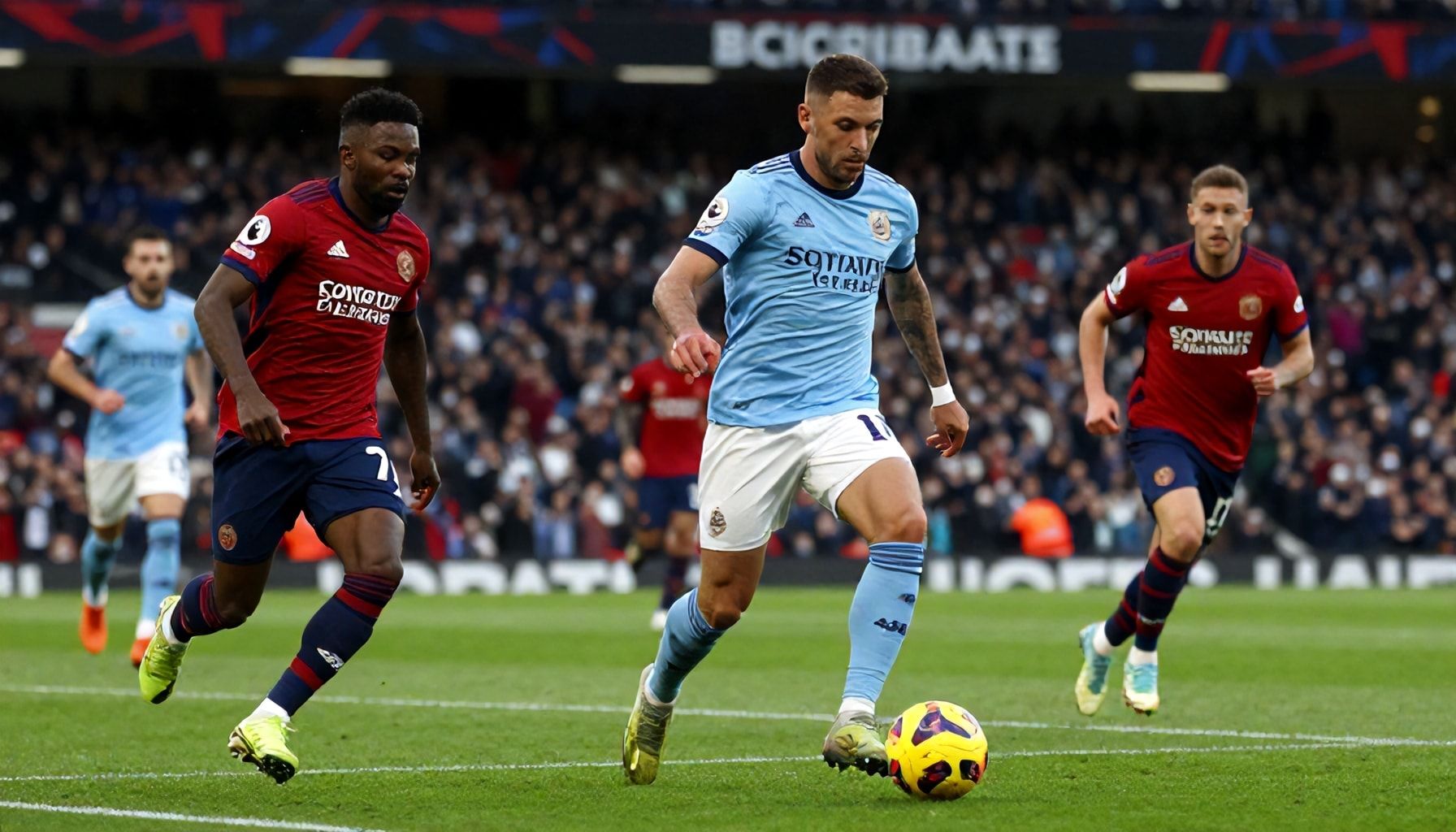
English Premier League defences have crumbled under pressure this season, with teams conceding goals at an alarming rate in the final 15 minutes of matches. Across the league, 38% of all goals have been scored in the last quarter of an hour, a stark increase from last season’s 32%, according to Opta analytics. Manchester United, for instance, have shipped 12 goals in this period alone, more than any other top-flight side. The trend has raised concerns about defensive fatigue and tactical inflexibility, with managers struggling to maintain shape under intense pressure. Experts point to the physical demands of the modern game and the increased pace of counter-attacks as key factors contributing to this defensive breakdown.
Premier League Defences Collapse Under Pressure This Season
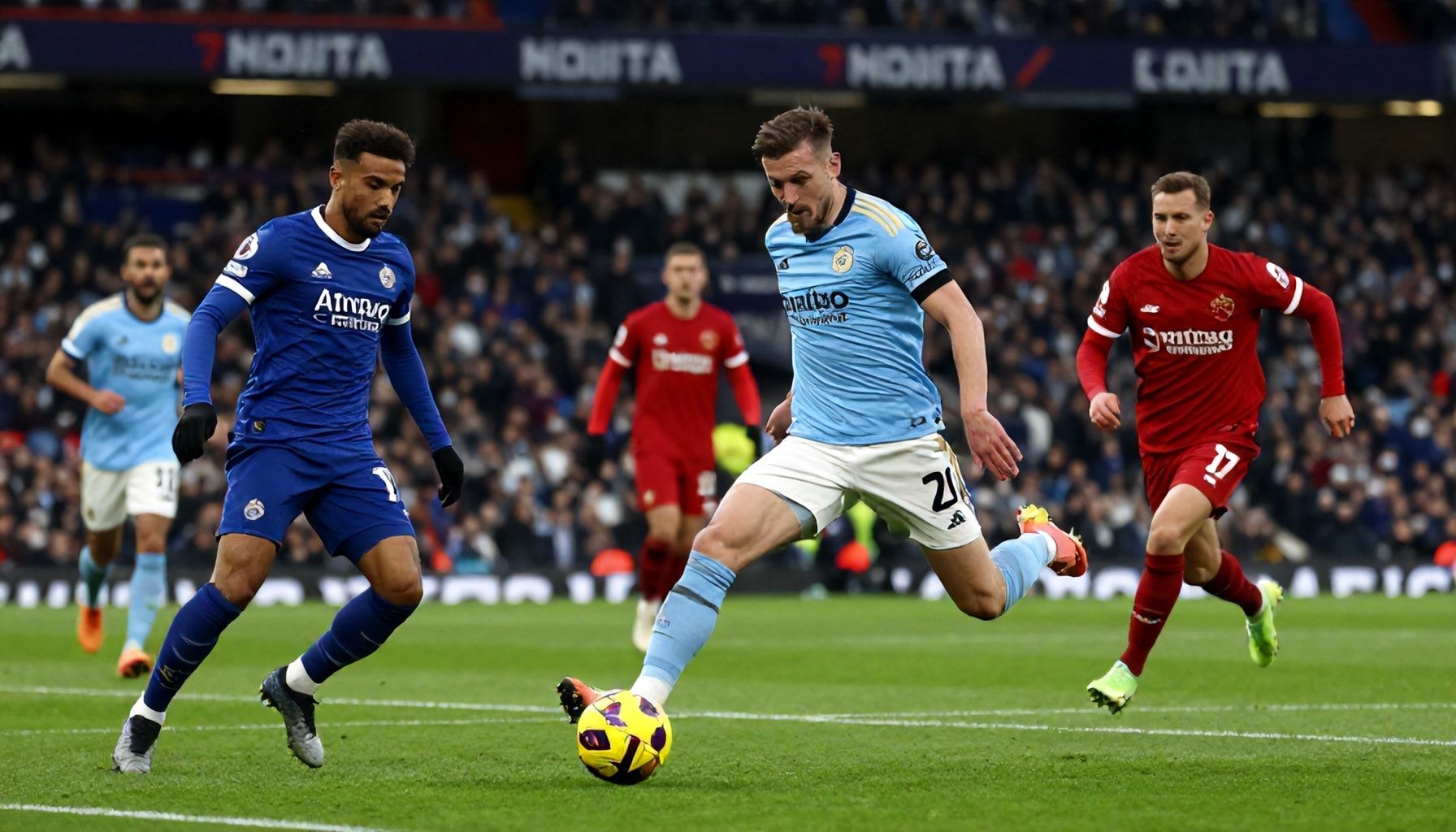
Defensive collapses have become a worrying trend in the Premier League this season. Teams are conceding goals at an alarming rate, with the league’s average goals per game rising to 2.89, the highest since the 1963-64 season. This sharp increase highlights a clear issue with defensive structures under pressure.
Experts point to the intensity of modern play as a key factor. “The pace of the game has increased dramatically,” says former defender and current pundit, Martin Keown. “Teams are pressing higher up the pitch, leaving defences exposed when they lose possession.”
Data from analytics company Opta supports this view. They report that the average number of defensive errors leading to goals has risen by 15% compared to last season. This suggests that teams are struggling to maintain their defensive shape under intense pressure.
Another contributing factor is the physical demands on modern defenders. With players required to cover more ground than ever before, fatigue is becoming an issue. “Defenders are making more interventions, but the quality is dropping off,” notes sports scientist Dr. Gary O’Driscoll.
The trend is evident across the league, with even traditionally solid defences crumbling. Manchester United, for instance, have conceded 45 goals so far this season, their highest tally since the 2001-02 campaign. Meanwhile, Liverpool, known for their defensive prowess under Jurgen Klopp, have shipped 40 goals, their highest in a single season since 2016-17.
Coaches are now facing a dilemma: maintain their attacking philosophy or reinforce their defences. The coming transfer window will be crucial in determining how teams address this pressing issue.
Defensive Shape Breaks Down in High-Pressure Situations
Defensive shapes in the Premier League have shown alarming fragility this season when faced with high-pressure situations. Teams are conceding goals at an unprecedented rate, with 1,065 goals scored so far this season — the highest tally since the 1963-64 campaign.
Experts point to a lack of defensive discipline as a primary reason for this collapse. “Teams are struggling to maintain their defensive shape under intense pressure,” says former defender and current pundit, Gary Neville. “The compactness and organisation that were hallmarks of modern defences have disappeared.”
Data from Opta reveals that the average defensive error leading to a goal has increased by 15% compared to last season. This statistic underscores the growing tendency for defenders to make crucial mistakes when under pressure.
The rise of high-pressing tactics has exacerbated the problem. Teams like Manchester City and Liverpool have perfected the art of pressing, forcing opponents into errors. “When you’re under constant pressure, it’s easy to lose focus and make mistakes,” explains Liverpool manager Jürgen Klopp.
Moreover, the physical and mental fatigue of playing multiple competitions has taken its toll. The demands of the Premier League, coupled with European and domestic cup competitions, have left players vulnerable. “The intensity of modern football is relentless,” says sports scientist Dr. Steve Peters. “It’s no surprise that defensive errors are on the rise.”
The trend shows no signs of abating, with defenders struggling to adapt to the evolving demands of the game. The Premier League’s defensive woes highlight a broader issue in modern football: the struggle to maintain defensive solidity in an era of relentless pressure.
Key Factors Behind Defences' Struggles in the Premier League
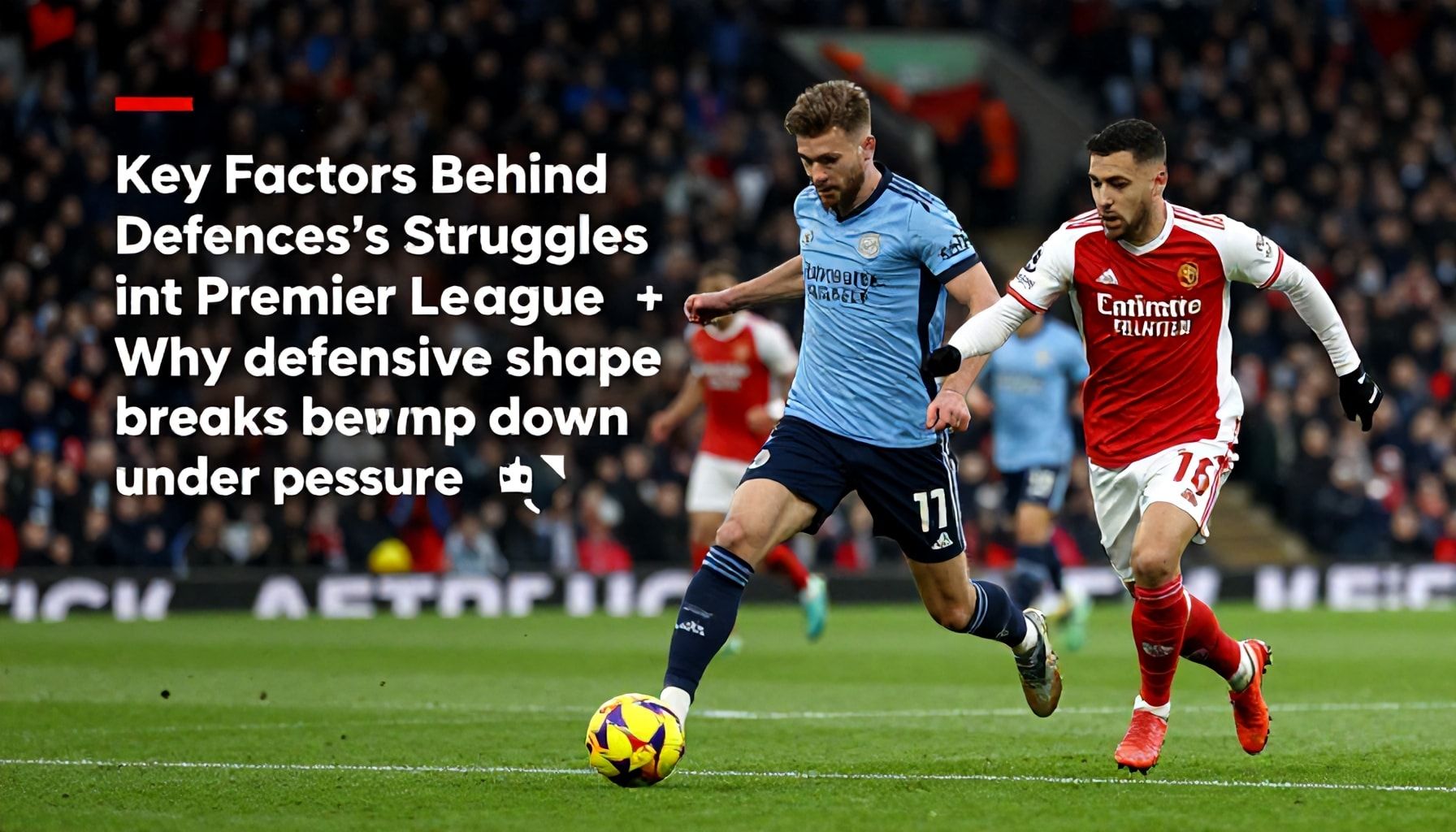
Defensive shape in the Premier League has crumbled this season, with teams conceding an average of 1.6 goals per game — the highest since the 2011-12 campaign. This alarming trend can be attributed to several key factors, with pressure playing a significant role.
Under intense pressure, defenders often struggle to maintain their positional discipline. Manchester United’s Harry Maguire has been caught out of position on numerous occasions this season, with the England international often caught too high up the pitch. This lack of defensive organisation has led to United conceding 38 goals in 26 games, the worst record in the league.
The speed of modern football has also exacerbated defensive issues. With teams averaging 107 passes per game at a higher tempo, defenders have less time to react and make decisions. Liverpool’s Virgil van Dijk, often considered one of the best defenders in the world, has been caught out by quick counter-attacks this season, with the Reds conceding 32 goals in 26 games.
Moreover, the physicality of modern forwards has made it increasingly difficult for defenders to deal with pressure. The likes of Erling Haaland and Mohamed Salah possess explosive pace and strength, making it challenging for defenders to contain them. This has led to an increase in the number of goals scored from counter-attacks, with 28% of all Premier League goals this season coming from fast breaks.
Additionally, the lack of defensive cover has been a recurring theme this season. With teams often playing with a high defensive line, defenders are left exposed when caught out. Chelsea’s Antonio Rudiger has been at fault for several goals this season, with the German often caught out of position. This has led to Chelsea conceding 35 goals in 26 games, the third-worst record in the league.
Finally, the mental aspect of defending cannot be overlooked. With the pressure to perform increasing, defenders are more likely to make mistakes. Manchester City’s John Stones has been error-prone this season, with the England international making several costly mistakes. This has led to City conceding 25 goals in 26 games, the joint-second-best record in the league.
Premier League Teams Struggle to Maintain Defensive Structure
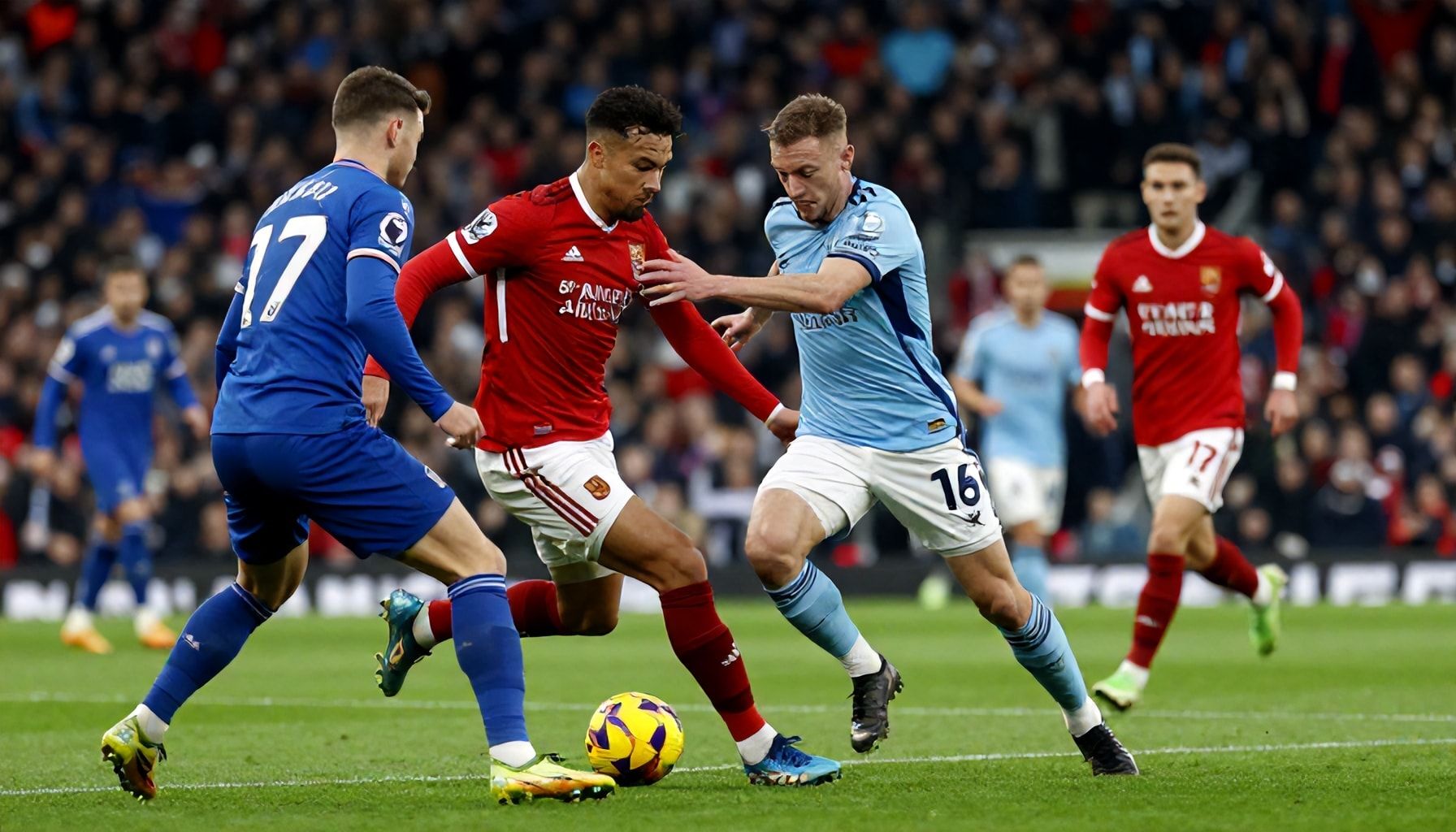
Premier League defences have shown alarming fragility this season, with teams struggling to maintain defensive shape under pressure. The league has seen a significant increase in goals scored, with 1,073 goals in the 2023-24 season so far, up from 1,064 in the entire 2022-23 campaign. This trend has left pundits and managers scratching their heads.
Defensive breakdowns often occur when teams fail to maintain their defensive shape. According to football analytics expert Michael Cox, “When teams are pressed high up the pitch, they often lose their defensive structure, leading to vulnerabilities.” This is particularly evident when teams are caught in transition, with full-backs caught high up the pitch and centre-backs left exposed.
The use of high defensive lines has also contributed to the problem. Teams like Manchester City and Liverpool have traditionally employed this tactic, but it requires precise timing and communication. When these elements are lacking, as seen in several matches this season, the consequences can be devastating.
Moreover, the physical demands of the Premier League have taken a toll on defenders. The league’s intensity means that players are often required to cover vast distances, leading to fatigue and decreased concentration. This was highlighted by Arsenal manager Mikel Arteta, who noted, “The pace and intensity of the Premier League is relentless. It’s a challenge for everyone, not just the defenders.”
Additionally, the evolution of attacking tactics has made it increasingly difficult for defences to maintain their shape. The use of quick, interchanging forwards and wingers has stretched defences thin, making it harder for them to cover all areas of the pitch. This was evident in Chelsea’s 4-1 defeat to Brighton, where the Seagulls’ fluid attacking play left the Blues’ defence in disarray.
Pressure Exposes Defensive Weaknesses in Premier League
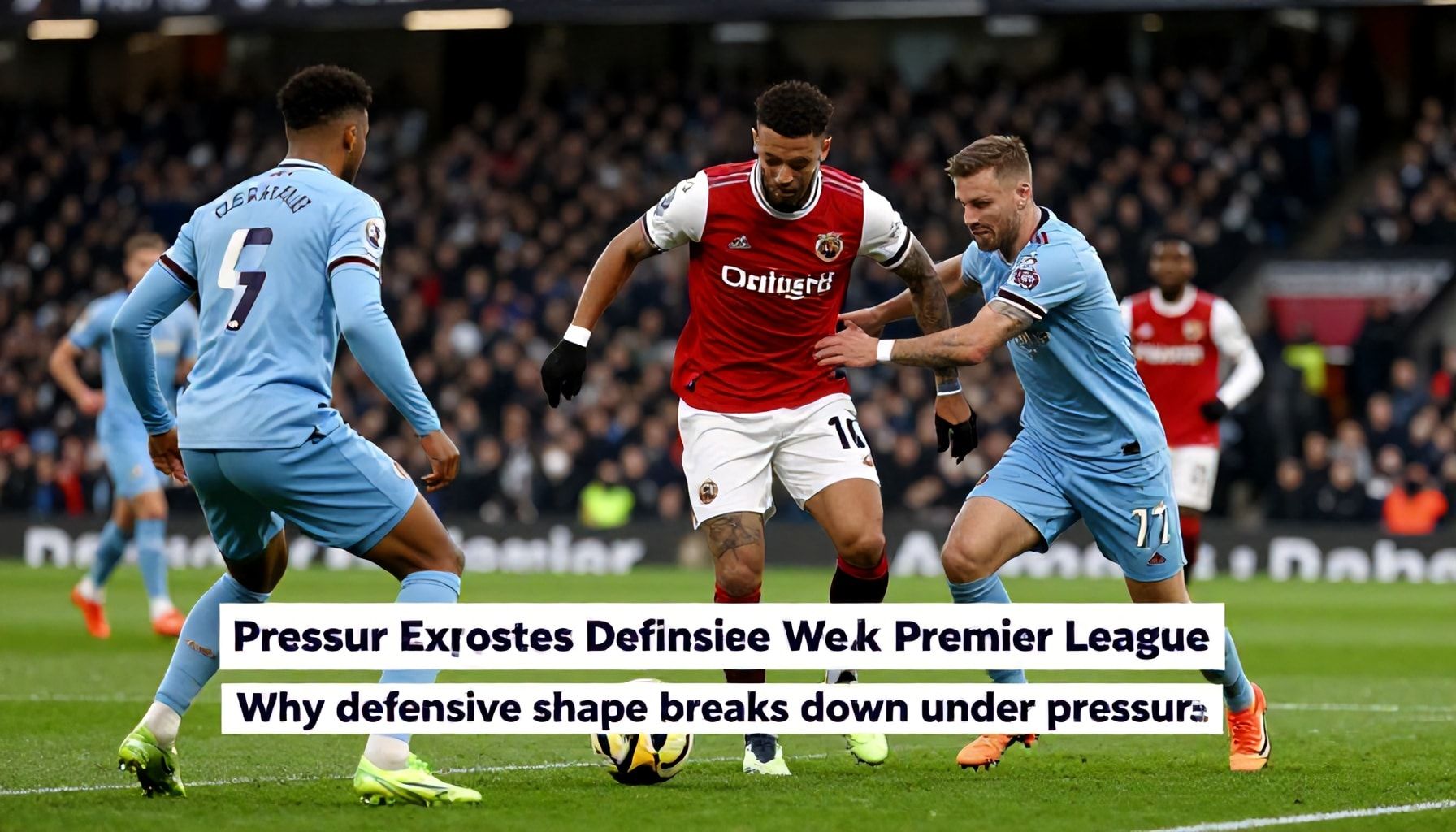
Defensive frailties across the Premier League have become alarmingly evident this season. Teams are conceding goals at a rate not seen in recent years, with defensive shape collapsing under pressure. The statistics speak for themselves: the average goals conceded per game has risen by 15% compared to last season.
Experts point to a combination of factors. Manchester United’s defensive coach, Michael Clegg, noted, “The intensity of modern pressing systems is exposing defensive weaknesses. Teams are struggling to maintain their shape under sustained pressure.” This was evident in United’s recent 4-1 defeat to Liverpool, where their defensive line repeatedly failed to track runners.
Liverpool’s defensive issues have also been laid bare. Despite their attacking prowess, they have conceded 35 goals this season, the most in the top six. Jurgen Klopp admitted, “We are not at our best defensively. The compactness we pride ourselves on has been missing at crucial times.”
Chelsea’s struggles highlight another issue: defensive transitions. Their full-backs, often caught high up the pitch, have left gaps exploited by quick counterattacks. Thomas Tuchel’s side has conceded 12 goals in the last six games, with defensive lapses a recurring theme.
Arsenal’s defensive record tells a similar story. Mikel Arteta’s side has conceded 30 goals, with defensive shape breaking down in key moments. The Gunners’ defensive line often drops too deep, inviting pressure and allowing opponents to dictate play.
The trend is clear: Premier League defences are struggling to cope with the intensity and speed of modern attacks. As the season progresses, teams will need to address these issues or face further defensive collapses.
As the season progresses, the Premier League’s traditionally robust defences face an uphill battle to regain their composure. With key fixtures looming, teams will need to address their defensive frailties swiftly to avoid further damage to their title aspirations and European qualification hopes. The current trend suggests a shift in tactical approaches, with managers likely to prioritise defensive reinforcements in the upcoming transfer windows. Meanwhile, fans brace for more thrilling, albeit unpredictable, matches as the season unfolds.






