
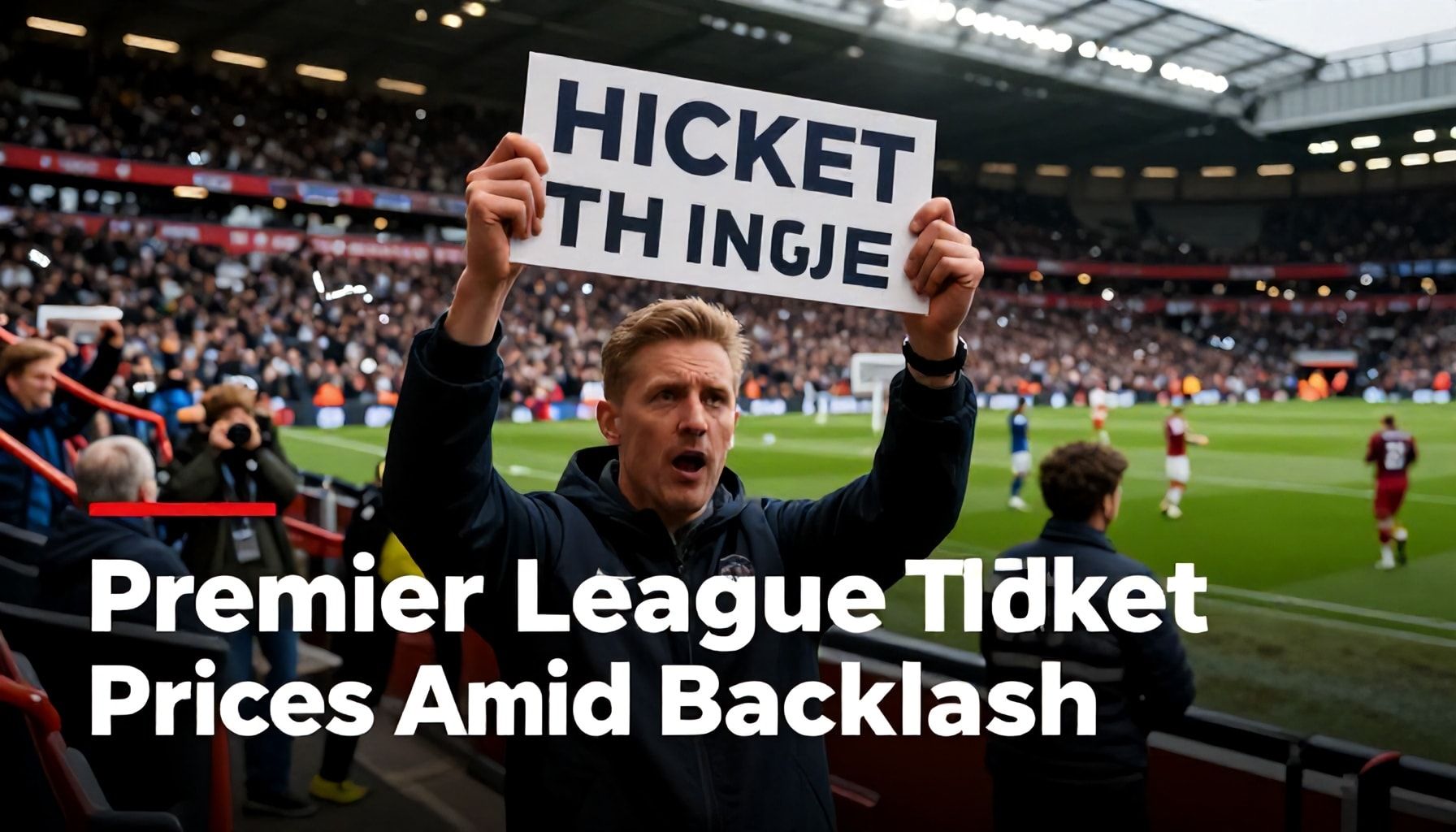
The Premier League has announced a significant increase in ticket prices for the upcoming season, sparking immediate backlash from fans and supporters’ groups. From August, the average ticket price will rise by 5.1%, with some clubs implementing hikes of up to 10% for high-demand matches. The decision, made during a meeting of the league’s shareholder clubs, comes despite widespread criticism of rising costs in football. The Premier League cited “operational costs and investment in infrastructure” as the primary reasons for the increase. However, fan groups argue that the move will price out many supporters, particularly in an era of rising living costs. The news follows a season of record-breaking revenues for the league, with clubs sharing a total of £3.1 billion from broadcast deals alone.
Premier League Defends Ticket Price Hike Amid Growing Fan Protests
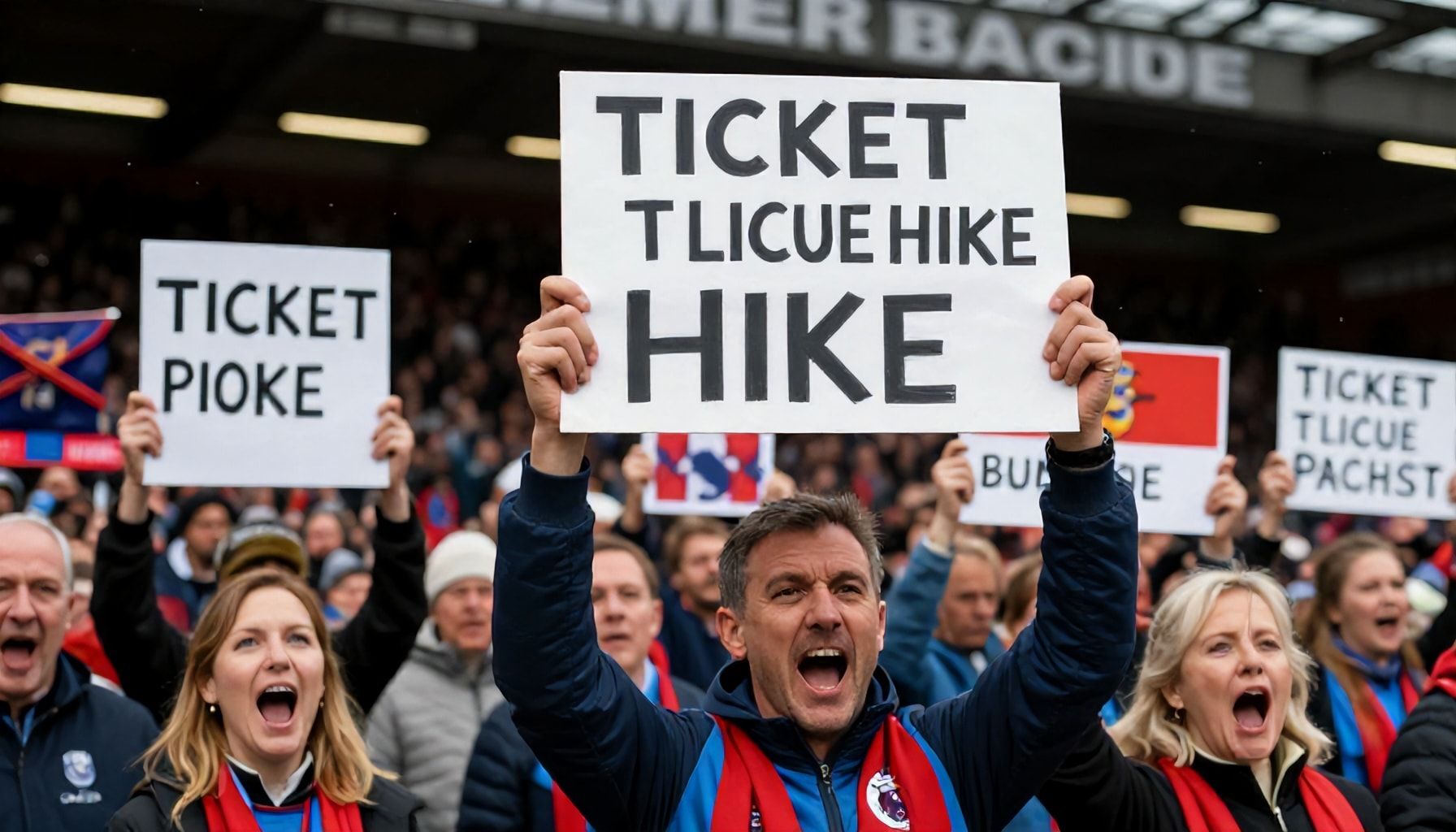
The Premier League has defended its decision to raise ticket prices for the upcoming season, despite growing protests from fans. The league announced an average increase of 5.1 per cent, with some clubs implementing even higher hikes. This comes as fan groups across the country express their dissatisfaction with the rising costs of attending matches.
A spokesperson for the Premier League stated that the price increases are necessary to cover rising operational costs and invest in stadium improvements. “We understand fans’ concerns, but these increases are essential for the long-term sustainability of the league,” the spokesperson said. The league also pointed to the introduction of new revenue streams, such as broadcasting deals, to offset the impact on fans.
However, fan groups argue that the price hikes are disproportionate to the average wage increases in the UK. The Football Supporters’ Federation (FSF) has criticised the decision, stating that it will price out many loyal supporters. “Football should be accessible to all, and these price increases are a step in the wrong direction,” said an FSF representative.
Several clubs have faced protests from fans in recent weeks, with some even threatening to boycott matches if prices are not rolled back. Manchester United fans, for example, have expressed their discontent through organised demonstrations outside Old Trafford. The club has since announced a review of its pricing strategy in response to the backlash.
The issue of ticket prices has become a contentious topic in English football, with many calling for greater transparency and fan representation in decision-making processes. The Premier League has yet to announce any concrete measures to address these concerns, but the growing protests indicate that fans are unlikely to back down without significant concessions.
Football Fans Outraged as Season Ticket Prices Soar Across Premier League
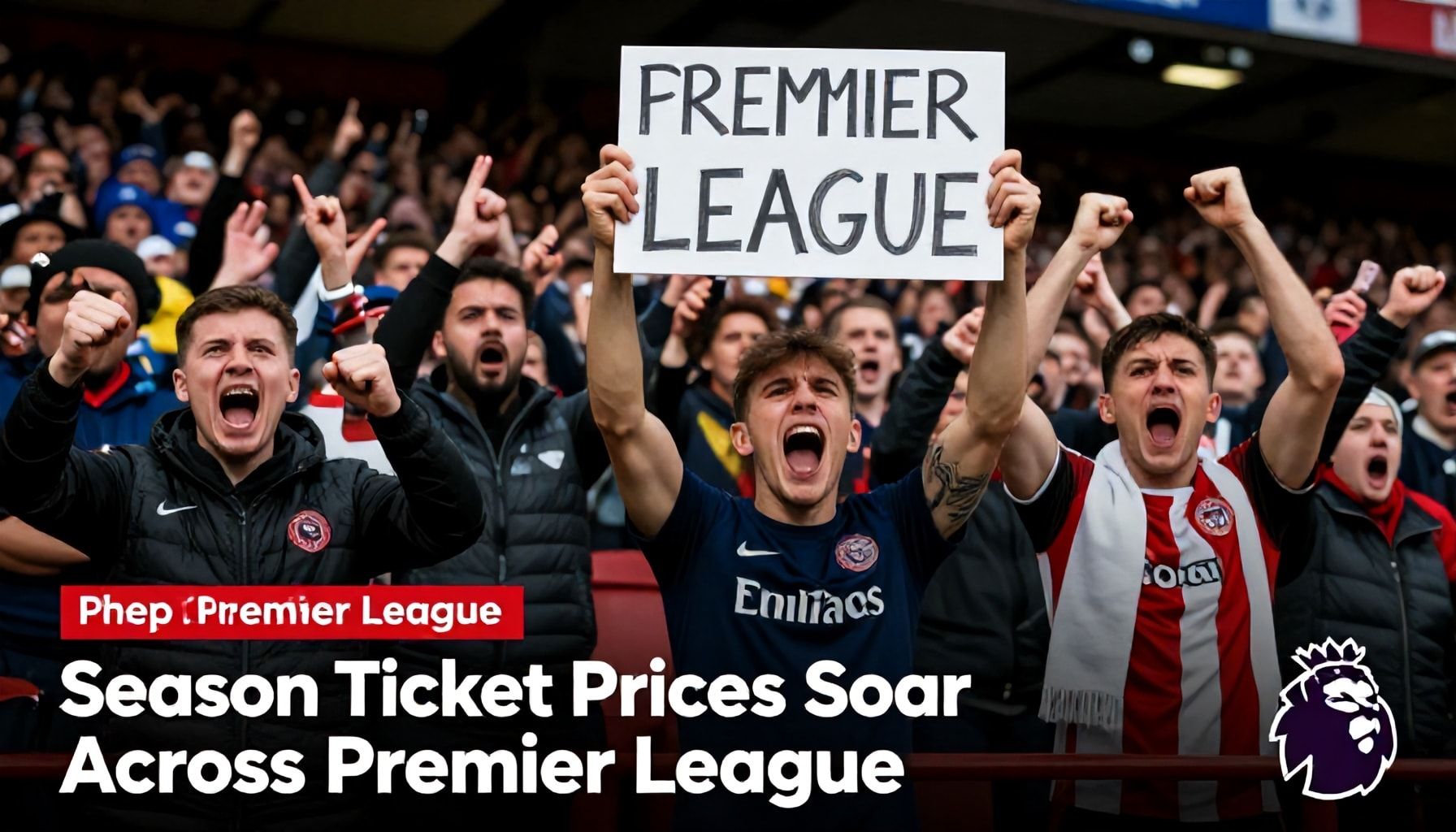
Premier League clubs have announced significant increases to season ticket prices for the upcoming 2023/24 season, sparking outrage among fans. The average price hike across the league stands at 6.3%, with some clubs implementing rises as high as 10%.
Arsenal, for instance, has increased the price of its most expensive season ticket to £2,895, a 7.5% increase from last season. Meanwhile, Manchester United has raised the price of its cheapest season ticket by 6.5% to £865. Liverpool has also hiked prices, with the most expensive season ticket now costing £2,360, a 5% increase.
Fans have taken to social media to express their dismay. One Arsenal supporter tweeted, “It’s bad enough that we’re being asked to pay more, but the service we’re getting is worse than ever.” A Manchester United fan added, “I’ve been a season ticket holder for 20 years, but this is the final straw.”
The Premier League has defended the price increases, stating that they are necessary to cover rising costs and invest in infrastructure. A spokesperson said, “Clubs are facing increasing costs, and ticket prices are one way to generate revenue to maintain and improve facilities.”
However, fan groups argue that the increases are excessive and disproportionate to the cost of living crisis. The Football Supporters’ Association has called on clubs to reconsider their pricing strategies. “Fans are struggling to make ends meet,” said a spokesperson. “Clubs should be doing more to support them, not making it harder.”
Stadium Access Becomes Pricier as Premier League Clubs Raise Ticket Costs
Premier League clubs have announced significant ticket price increases for the upcoming season, sparking outrage among fans. The average price hike stands at 5.9%, with some clubs implementing rises of up to 10%.
Manchester United has raised the cost of some season tickets by 8.8%, while Arsenal’s most expensive matchday tickets will now cost £100. Liverpool and Chelsea have also increased prices, citing rising operational costs and investment in stadium infrastructure.
The Football Supporters’ Federation (FSF) has condemned the price hikes, stating that they are “out of touch with the reality of many fans”. Kevin Miles, Chief Executive of the FSF, said, “These increases come at a time when many supporters are already struggling with the cost of living crisis.”
A survey conducted by the FSF found that 78% of supporters believe ticket prices are too high. The survey also revealed that 63% of fans have considered stopping attending matches due to the cost.
Premier League Chief Executive Richard Masters defended the price increases, stating that clubs need to invest in their stadiums and facilities. “Clubs are investing heavily in their stadiums and infrastructure, and ticket prices are a reflection of that,” he said.
However, fans have taken to social media to express their dissatisfaction, with many calling for a boycott of matches. The backlash has put pressure on clubs to reconsider their pricing strategies.
The price increases come at a time when the Premier League is facing scrutiny over its financial distribution. The league’s broadcast revenue has increased significantly in recent years, but fans argue that this wealth is not being fairly distributed.
The situation has highlighted the growing divide between clubs and their supporters. With ticket prices continuing to rise, many fans are left questioning whether they can afford to continue supporting their teams.
Fan Groups Unite to Challenge Premier League's Latest Ticket Price Increases

The Premier League has announced an average ticket price increase of 3.1% for the upcoming season, sparking immediate backlash from fan groups. The rise comes despite growing concerns over the affordability of attending live matches.
A spokesperson for the Football Supporters’ Federation (FSF) criticised the decision, stating, “At a time when the cost of living is rising, this increase will price out many families.” The FSF represents over 500,000 supporters across England and Wales.
The price hike varies across clubs, with some implementing increases well above the average. For instance, Manchester United has raised ticket prices by up to 10% for certain matches, while Liverpool has increased prices by an average of 4.9%.
Fan groups have begun organising protests and petitions in response. The Manchester United Supporters’ Trust has collected over 10,000 signatures demanding a reversal of the price hike. Similar initiatives are underway at other clubs.
The Premier League defended the increase, citing rising operational costs and investment in stadium improvements. A league spokesperson said, “Clubs carefully consider ticket pricing and strive to balance affordability with the need to reinvest in the game.”
However, critics argue that the league’s substantial broadcast revenue should mitigate the need for price increases. The Premier League’s domestic and international TV deals are worth over £11 billion for the current rights cycle.
Supporters’ groups are calling for greater transparency in how clubs allocate funds. They argue that ticket prices should reflect the financial health of clubs, many of which operate at a profit.
The debate over ticket pricing comes amid broader discussions about the commercialisation of football. Some fans express concern that the sport is becoming increasingly inaccessible to working-class communities.
Industry analysts suggest that the backlash could pressure clubs to reconsider their pricing strategies. However, no immediate changes to the announced increases have been made.
The situation highlights the ongoing tension between the financial interests of clubs and the affordability concerns of fans. As the new season approaches, the debate is likely to intensify.
Premier League's Revenue Surge Contrasts with Rising Ticket Prices for Supporters
The Premier League has reported a significant revenue surge, with the latest financial figures revealing a 8% increase to £5.8 billion for the 2022-23 season. This growth contrasts sharply with the rising costs faced by supporters, as ticket prices continue to climb across many clubs.
A recent study by the Football Supporters’ Association (FSA) found that the average price of a season ticket has risen by 15% over the past five years. The FSA’s chief executive, Kevin Miles, criticised the trend, stating, “It’s unacceptable that fans are being priced out of the game while club revenues soar.”
Several clubs have faced backlash from supporters over recent price hikes. Manchester United announced a 3.9% increase in season ticket prices for the 2023-24 season, while Liverpool fans protested against a 4.9% rise. Arsenal also faced criticism after increasing prices by 4.5% for some categories of season tickets.
The Premier League defended the price increases, citing the need to invest in infrastructure and player wages. A spokesperson said, “Clubs must balance the needs of fans with the financial realities of running a top-flight football club.”
However, fan groups argue that the league’s financial success should be shared more equitably. The FSA has called for greater transparency in how clubs allocate their revenues and for more affordable ticketing options for supporters.
The Premier League’s decision to raise ticket prices has sparked widespread criticism from fans and supporters’ groups. While clubs argue the increase is necessary to offset rising costs and maintain stadium standards, critics contend it will price out many supporters. The league maintains it will monitor the situation closely, but with fan protests already planned, the controversy shows no signs of abating. The long-term impact on attendance and the league’s relationship with its fanbase remains to be seen. Meanwhile, some clubs have indicated they may introduce dynamic pricing models, which could further fuel the debate.






