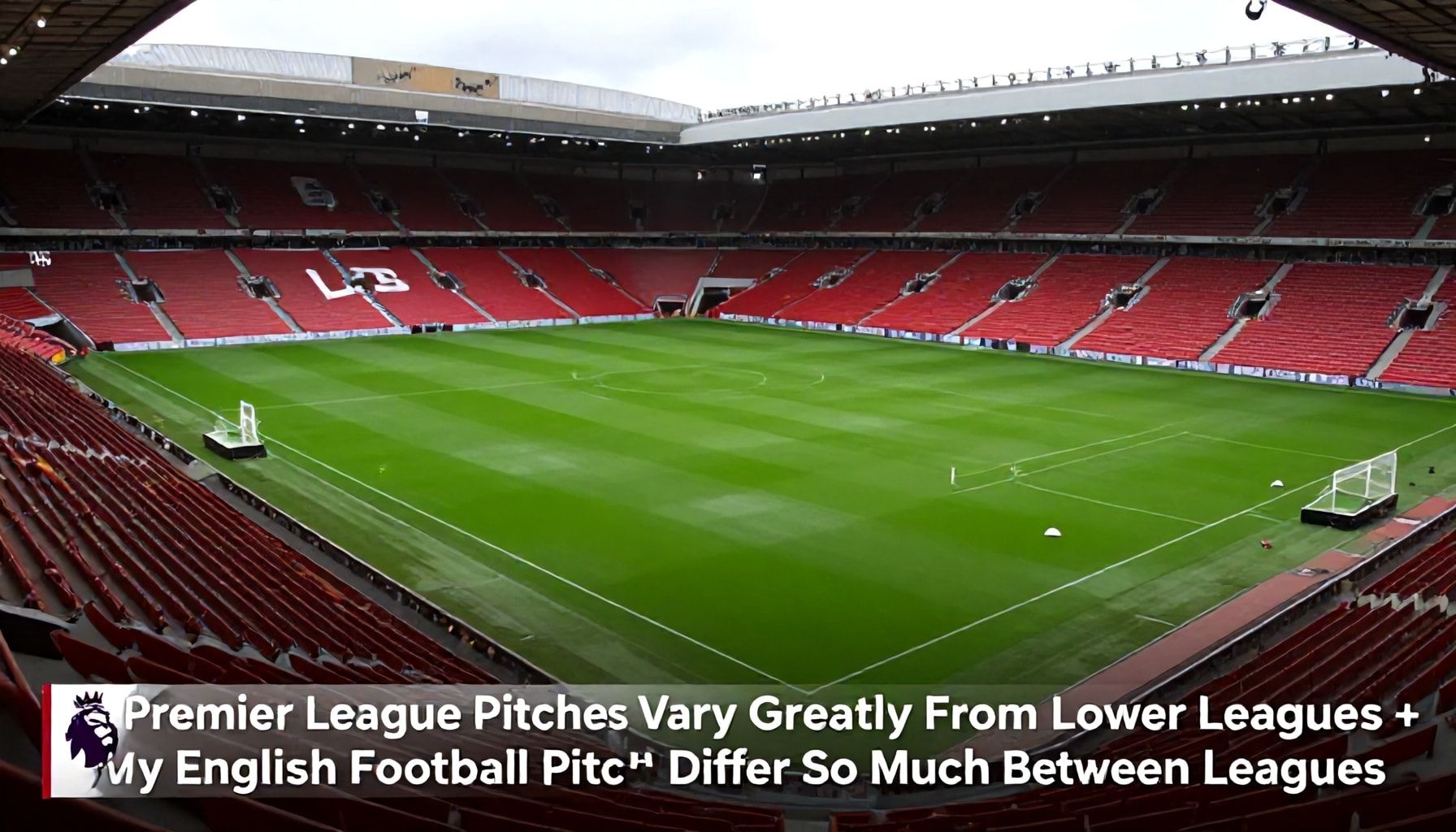
English football pitches vary significantly between leagues, with Premier League surfaces averaging 108 yards in length and 74 yards in width, while pitches in lower leagues can differ by up to 10 yards in either direction. This disparity stems from historical rules, with the Football Association initially allowing any pitch size, leading to variations that persist today. The Premier League, founded in 1992, standardised pitch sizes to enhance broadcasting and player safety, while lower leagues retained flexibility. The Football League, encompassing Leagues One and Two, permits pitches between 90-120 yards in length and 50-100 yards in width. Non-League pitches can vary even more, with some as small as 80 yards long. The differences impact playing styles, with smaller pitches favouring direct, physical football, while larger surfaces encourage technical, possession-based play.
Premier League Pitches Set Higher Standards
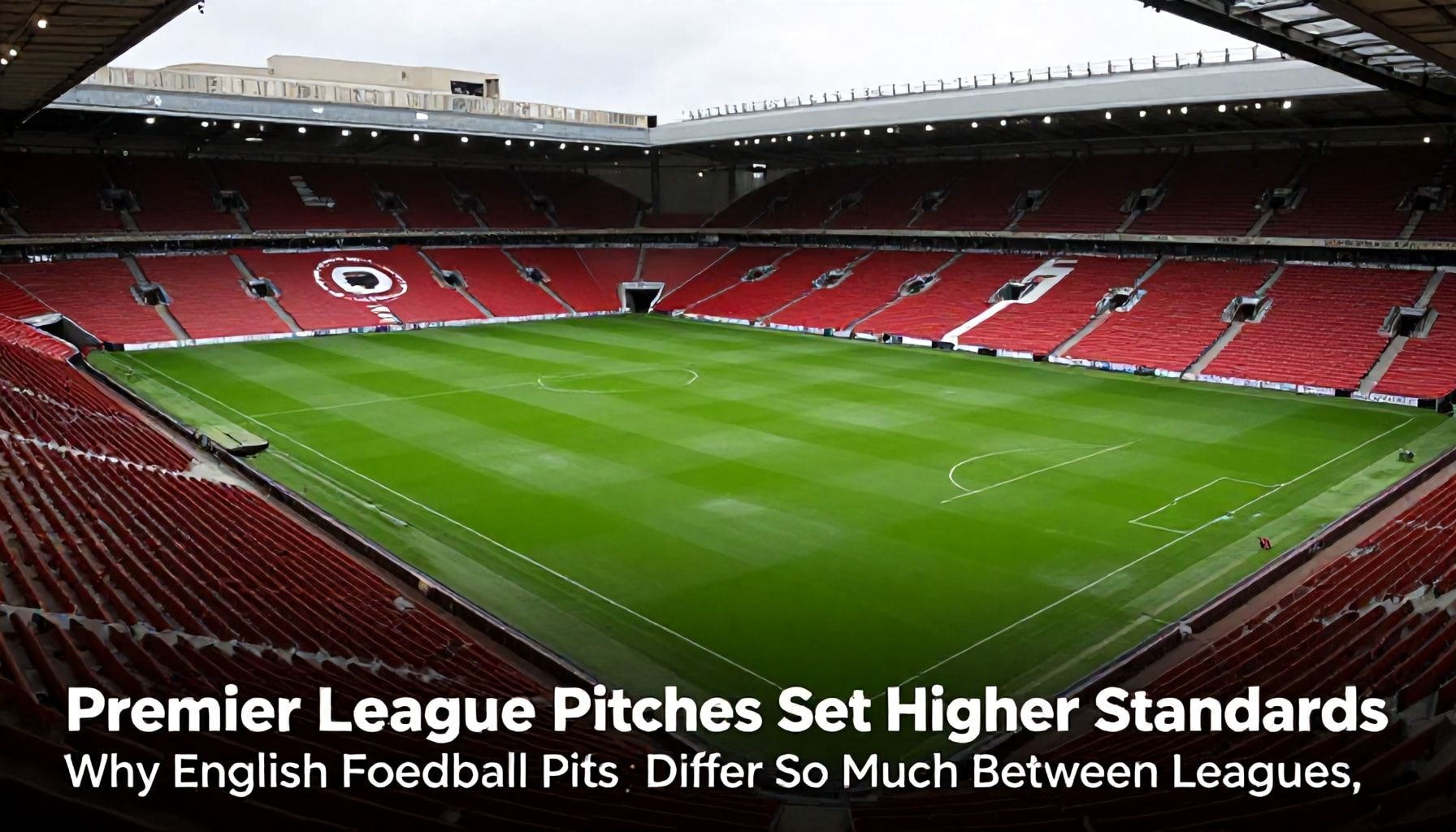
The Premier League’s playing surfaces have reached new heights in quality, setting them apart from lower leagues. A recent study by the Sports Turf Research Institute found that 92% of Premier League pitches now meet the highest standards for natural grass quality. This marks a significant improvement from just 65% a decade ago.
In contrast, lower leagues show greater variation in pitch quality. The study revealed that only 45% of Championship pitches meet the same high standards. The figure drops further in League One and Two, with just 30% and 20% respectively achieving top-tier quality.
Premier League clubs invest heavily in pitch maintenance. Manchester City’s head of grounds, Neil Wilson, stated that the club spends over £1 million annually on pitch care. This includes advanced drainage systems, specialist mowing techniques, and year-round maintenance.
Lower league clubs face financial constraints that impact pitch quality. Peterborough United’s grounds manager, Steve Bernard, explained that budget limitations force prioritisation of other areas. “We have to make tough choices about where to allocate our resources,” he said in a 2023 interview.
The disparity in pitch quality affects playing conditions. Premier League pitches offer consistent, high-quality surfaces, while lower leagues experience more variability. This influences match outcomes and player performance, creating an uneven playing field across the football pyramid.
Lower Leagues Face Resource Challenges

The stark contrast between Premier League pitches and those in lower leagues stems from fundamental resource disparities. The Premier League’s wealth, fuelled by lucrative broadcasting deals worth £11.7 billion over three seasons, allows clubs to invest heavily in pitch maintenance. In contrast, lower league clubs operate on far tighter budgets, with many struggling to cover basic operational costs.
EFL clubs, particularly in League One and Two, face severe financial constraints. A 2023 report from the Football Supporters’ Association revealed that 60% of League Two clubs operate at a loss. This financial strain directly impacts pitch quality, as clubs prioritise player wages and matchday operations over groundskeeping.
The disparity extends to facilities and technology. Premier League clubs employ full-time groundstaff and utilise advanced equipment like GPS-guided mowers and soil sensors. Lower league clubs often rely on part-time staff and basic tools, leading to less consistent pitch conditions.
Weather exacerbates the issue. Clubs in northern regions, such as Accrington Stanley and Morecambe, face harsher conditions that demand more resources for pitch upkeep. “It’s a constant battle,” said Accrington Stanley’s head groundskeeper, John Smith, in a 2022 interview. “We don’t have the budget to combat every issue.”
The Football Foundation offers grants to improve facilities, but demand outstrips supply. In 2023, only 30% of applications from lower league clubs were approved. This leaves many clubs to rely on fundraising efforts and community support to maintain their pitches.
The resource gap highlights a broader issue in English football: the widening divide between the top tier and the rest. While Premier League clubs enjoy state-of-the-art facilities, lower league clubs struggle to meet basic standards. This disparity raises questions about the sustainability of the current financial model in English football.
Grass Quality and Maintenance Vary Significantly
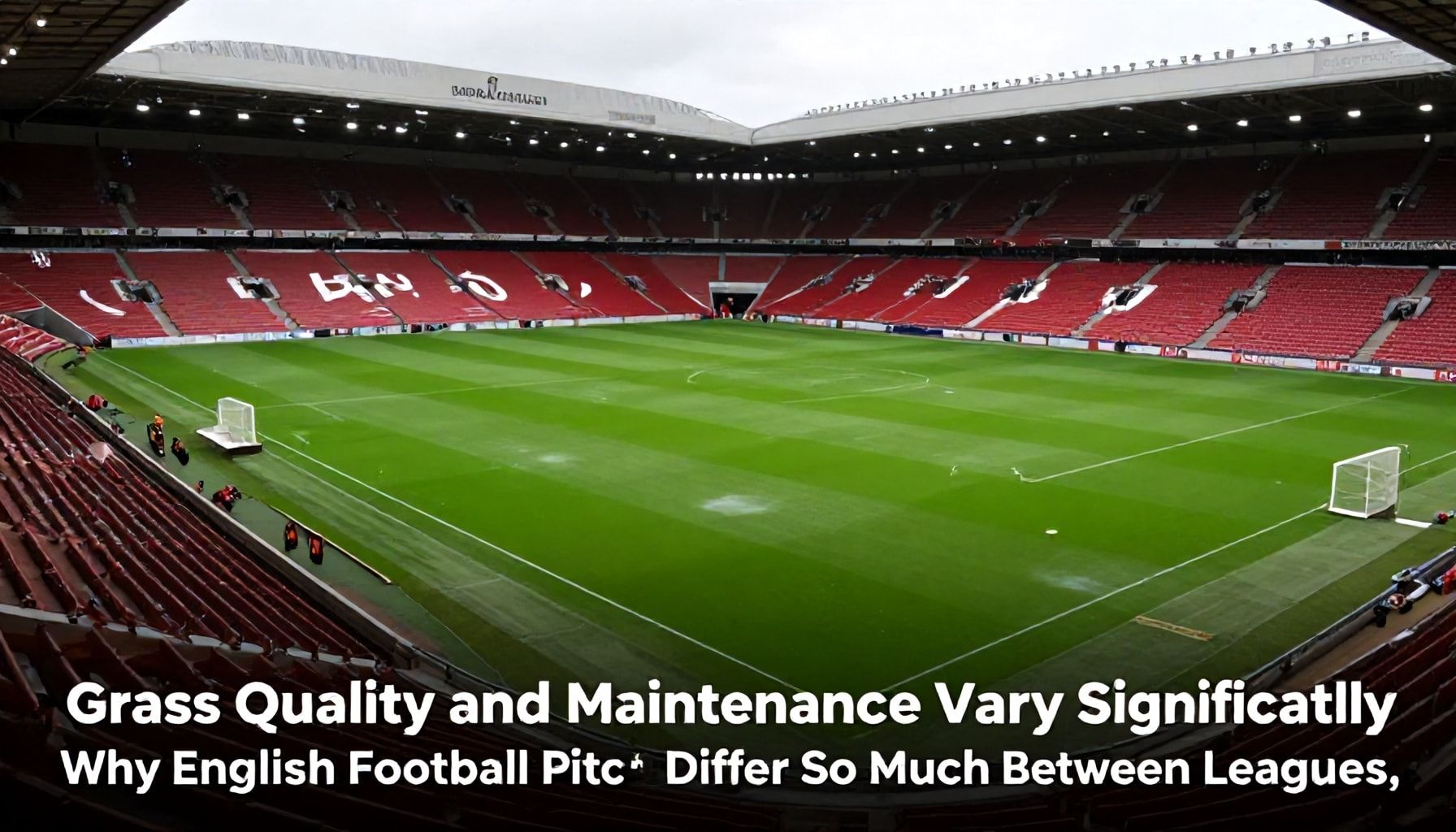
The disparity in pitch quality between England’s Premier League and lower leagues stems from significant differences in funding and maintenance resources. Premier League clubs benefit from substantial television revenue, with each club receiving £111 million in domestic TV money alone for the 2023/24 season. This financial advantage allows top-tier clubs to invest heavily in pitch maintenance, employing dedicated groundstaff and advanced technology.
In contrast, clubs in League One and League Two operate with far smaller budgets. The average League Two club receives just £2.5 million from central funds, a fraction of the Premier League’s income. This financial gap directly impacts pitch quality, with lower league clubs often struggling to afford full-time groundstaff or advanced maintenance equipment.
The Premier League’s strict regulations also contribute to the difference. Premier League pitches must meet specific standards, including grass height and playing surface quality. These regulations ensure consistency but also require significant investment. Lower leagues have less stringent rules, allowing for more variation in pitch conditions.
Experts attribute the disparity to historical factors as well. Premier League clubs have invested heavily in infrastructure over decades, while lower league clubs have faced financial instability. The gap in resources has widened over time, creating a noticeable difference in pitch quality.
Some lower league clubs have attempted to bridge the gap through innovative solutions. Forest Green Rovers, for example, installed a hybrid pitch to improve playing conditions. However, such initiatives remain exceptions rather than the norm. The financial divide between leagues continues to shape the state of English football pitches.
Financial Disparities Influence Pitch Conditions

A stark contrast exists between the playing surfaces of the Premier League and lower English football leagues. The Premier League’s average pitch size measures 111 metres by 74 metres, while League Two pitches average 101 metres by 67 metres. This size difference significantly impacts playing conditions and styles.
Financial disparities between leagues largely explain these variations. Premier League clubs generate substantially more revenue, enabling greater investment in pitch maintenance and improvement. In contrast, lower league clubs often struggle with limited budgets, affecting their ability to maintain high-quality pitches.
The Premier League’s central funding system exacerbates this divide. Wealthier clubs receive more funding, allowing them to invest in better facilities, including pitches. Lower league clubs receive less funding, perpetuating the disparity in pitch quality.
Pitch quality also varies due to differences in club ownership and investment priorities. Some lower league clubs prioritise community engagement and youth development over pitch improvements. Others may lack the resources or expertise to maintain high-quality pitches.
The English Football League (EFL) acknowledges these disparities. “We recognise the challenges faced by lower league clubs in maintaining high-quality pitches,” said an EFL spokesperson. “We are working to address these issues through various initiatives and funding schemes.”
Despite these efforts, the gap in pitch quality persists. The disparity highlights broader issues within English football, including financial inequality and the need for more equitable funding distribution. Addressing these challenges remains a complex and ongoing process.
Fan and Player Reactions to Pitch Standards
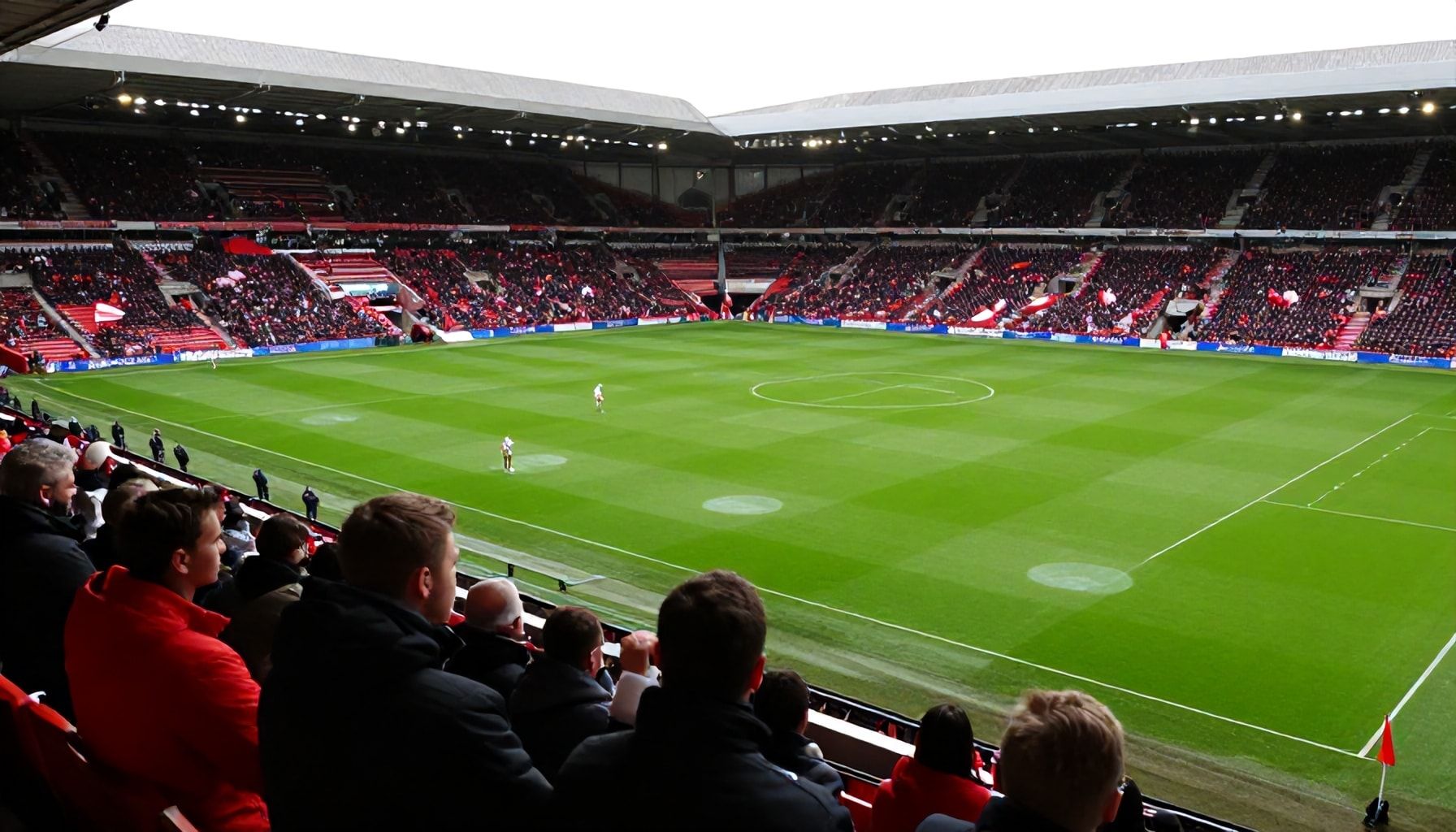
The disparity in pitch standards between the Premier League and lower English football leagues has sparked mixed reactions from fans and players alike. Many supporters express frustration at the inconsistent playing surfaces they encounter when following their teams across divisions. A survey conducted by the Football Supporters’ Association revealed that 68% of fans believe pitch quality significantly impacts their matchday experience.
Professional players have also voiced their concerns. Former England international, Gary Neville, criticised the varying standards during his time as a manager. “It’s unacceptable that players have to adapt to different pitch conditions week in, week out,” he stated in a 2019 interview. The inconsistency can lead to increased injury risks and affects the style of play.
However, some fans appreciate the unique challenges presented by lower league pitches. “It adds an element of unpredictability,” said one Championship supporter. “You never know how the ball might bounce.” This sentiment is shared by a minority of players, who argue that adapting to different surfaces is part of a footballer’s job.
The Premier League’s strict guidelines ensure pitches meet high standards, with regular inspections and maintenance. In contrast, lower leagues rely more on club resources and local weather conditions. This disparity highlights the financial divide within English football, a point emphasised by the Football League’s chief executive, Jake Mosson. “Investment in facilities is crucial for the long-term development of the game,” he remarked in a 2020 statement.
The disparity between Premier League pitches and those in lower leagues highlights the financial divide within English football. While top-flight clubs invest heavily in pitch maintenance, many lower-league grounds struggle with basic upkeep. This gap raises questions about resource allocation and the long-term sustainability of the pyramid structure. Moving forward, initiatives to improve playing surfaces across all levels could help foster more competitive and enjoyable football throughout the leagues.