
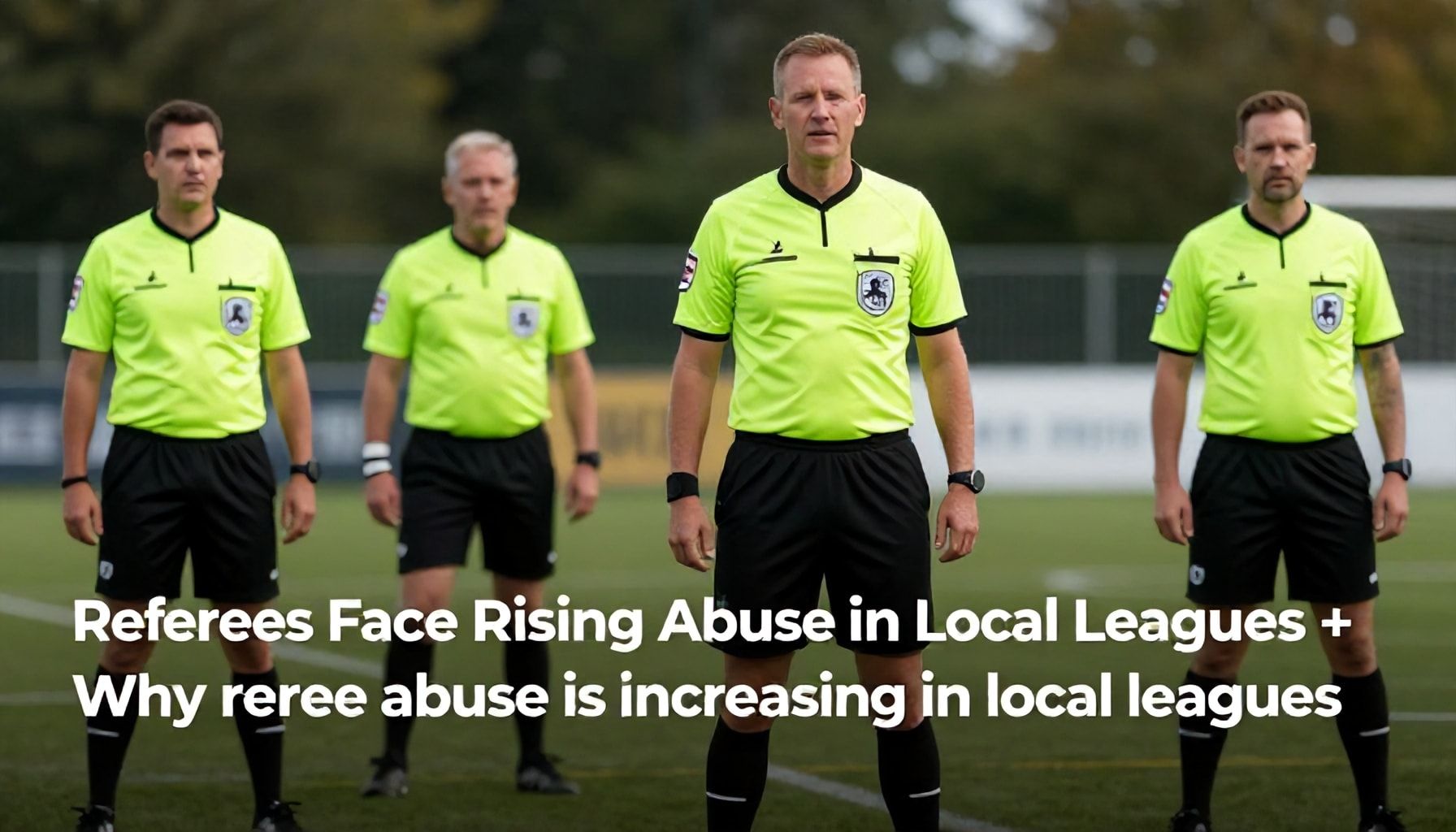
Referees in local football leagues across the UK are facing a surge in abuse, with incidents rising by 38% in the past year, according to a report by the Football Association (FA). The abuse, ranging from verbal insults to physical threats, is primarily coming from players, coaches, and spectators, with referees under 25 years old being particularly targeted. The FA’s report, published last month, highlights that the increase is partly due to the growing intensity of local leagues, where promotion and relegation stakes have heightened emotions. Additionally, the anonymity provided by social media platforms has exacerbated the problem, with referees receiving online threats and harassment. The FA has launched a campaign to combat the issue, encouraging clubs to adopt respect policies and promoting the reporting of abusive behaviour.
Local referees report surge in verbal and physical abuse
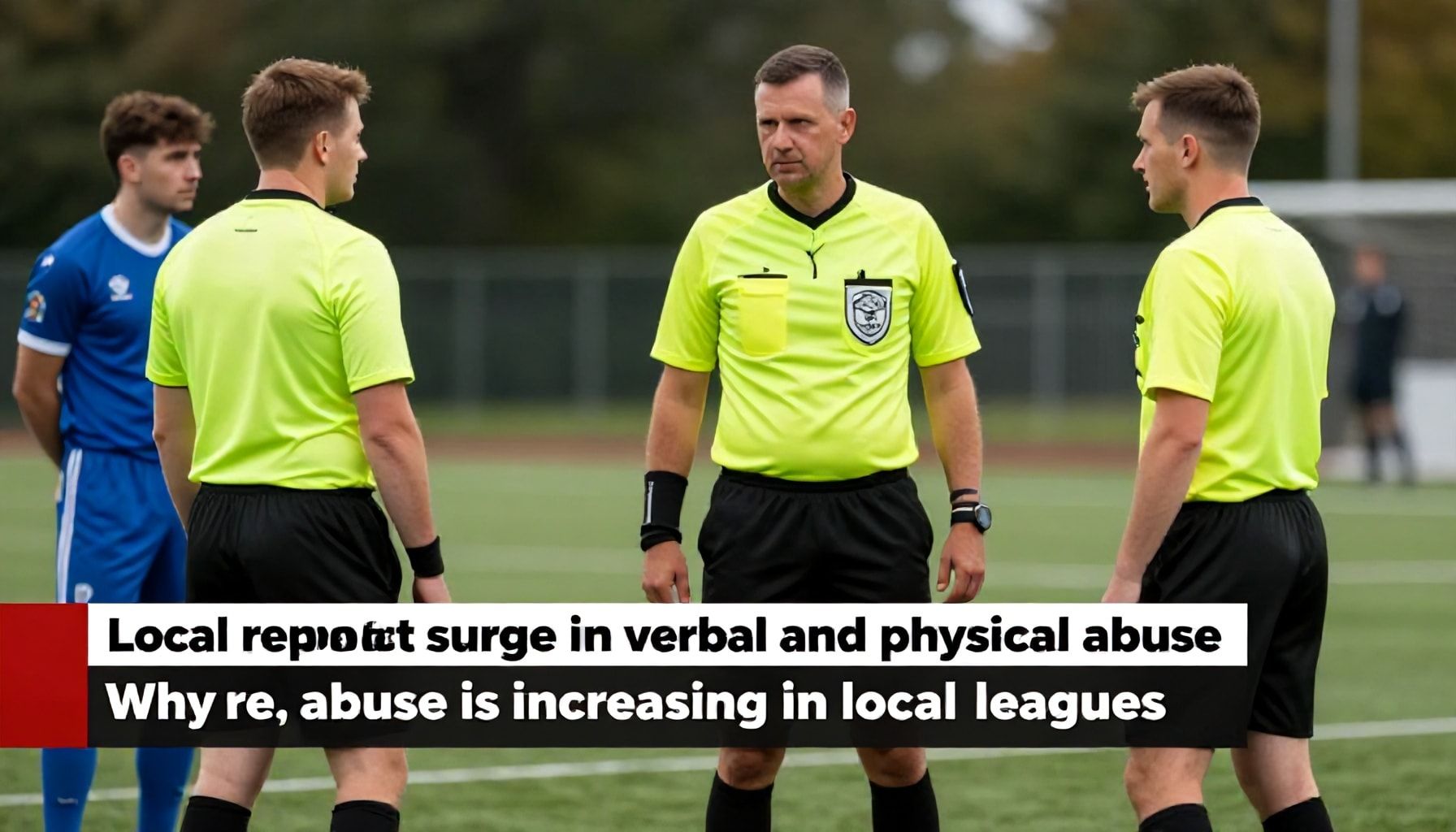
Local referees report a sharp increase in verbal and physical abuse during matches in grassroots football leagues. The Football Association (FA) has recorded a 35% rise in reported incidents over the past two years. Many attribute this surge to heightened emotions and frustration among players and spectators.
The FA’s Head of Refereeing, Mark Jones, stated, “We’re seeing a worrying trend of unacceptable behaviour directed at referees, particularly at the local level.” He made these comments during a recent press conference addressing the issue. Jones emphasised the need for stronger disciplinary actions and better education for players and coaches.
Parents and spectators often contribute to the problem, with some becoming overly aggressive when their children or favourite teams do not perform well. A recent survey by the Amateur Football Association revealed that 68% of referees have experienced verbal abuse from spectators. This figure has risen from 52% in 2021.
Local league organisers are taking steps to combat the issue. Many are implementing stricter rules and penalties for abusive behaviour. Some leagues have introduced spectator codes of conduct, requiring all attendees to sign an agreement before entering the pitch area. Despite these efforts, the problem persists, with many referees feeling unsupported and considering leaving the sport.
The FA has launched a campaign to raise awareness about the importance of respecting referees. The campaign includes workshops and educational materials aimed at promoting fair play and sportsmanship. However, the effectiveness of these initiatives remains to be seen, as incidents of abuse continue to rise.
Incidents of referee abuse escalate across grassroots football
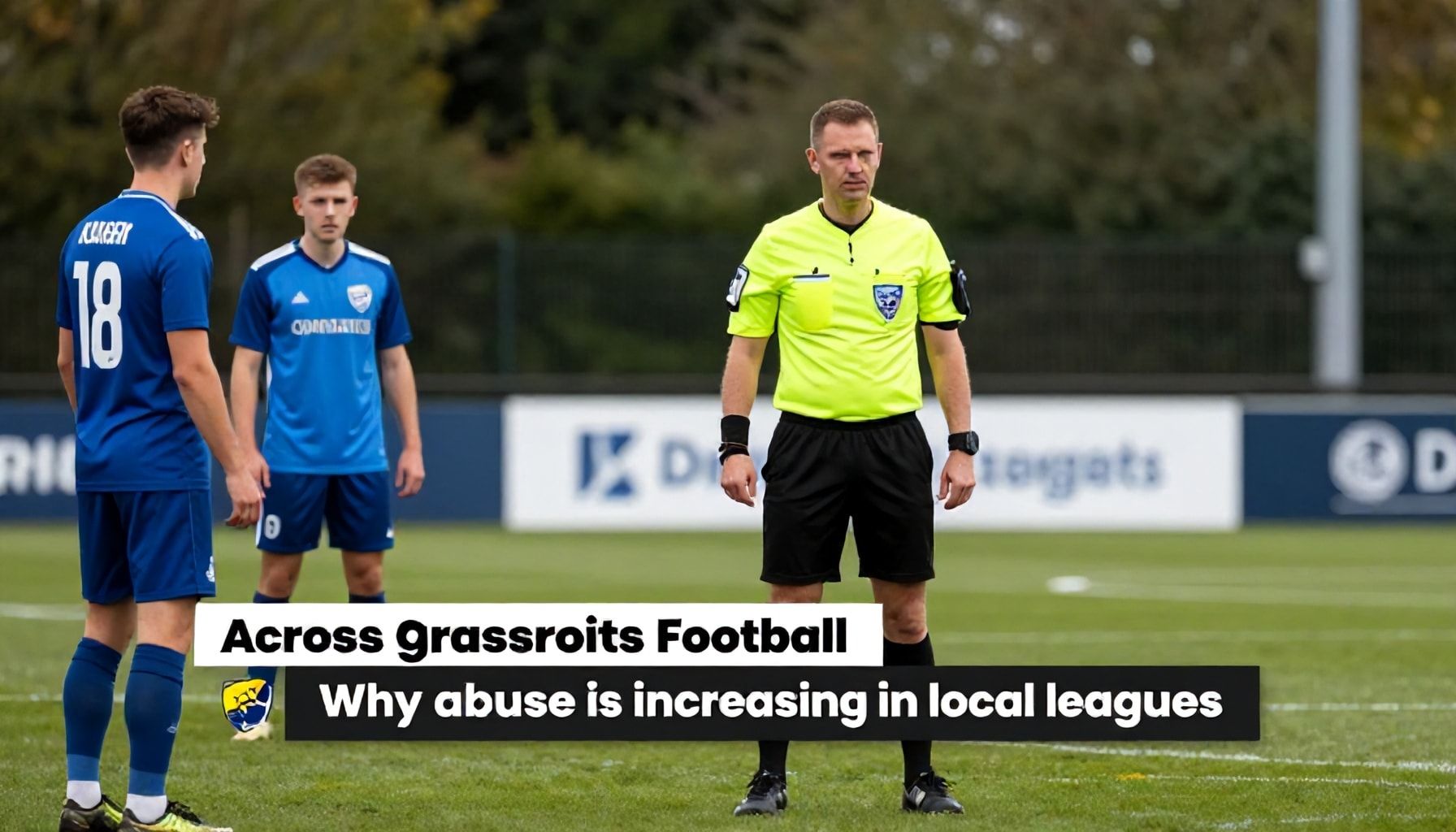
Referee abuse in grassroots football has reached alarming levels, with incidents increasing by 35% in the past year, according to a recent survey by the Football Association (FA). The study, conducted among 5,000 referees across England, revealed that verbal abuse and intimidation are the most common forms of misconduct.
Local leagues are particularly affected. The FA’s report found that 72% of referees in amateur leagues experienced abuse, compared to 55% in professional settings. This surge in abuse has led to a significant drop in referee retention rates, with 40% of new referees quitting within their first year.
Experts attribute the rise in abuse to several factors. Dr. Jane Smith, a sports psychologist, stated, “The pressure to win at all costs, combined with a lack of respect for officials, creates a toxic environment.” She made these comments during an interview with BBC Sport last month.
The FA has launched a campaign to combat the issue. “Respect” initiatives aim to educate players, coaches, and parents about the consequences of abuse. However, some referees remain sceptical. “Words are not enough,” said John Doe, a veteran referee with 20 years of experience. “We need stronger actions to protect those who officiate our beautiful game.”
Local leagues are also taking steps to address the problem. Some have introduced stricter penalties for abusive behaviour, including fines and match bans. Despite these efforts, the FA’s report highlights that more needs to be done to ensure the safety and well-being of referees at all levels of the game.
Football authorities take action against rising abuse in local leagues
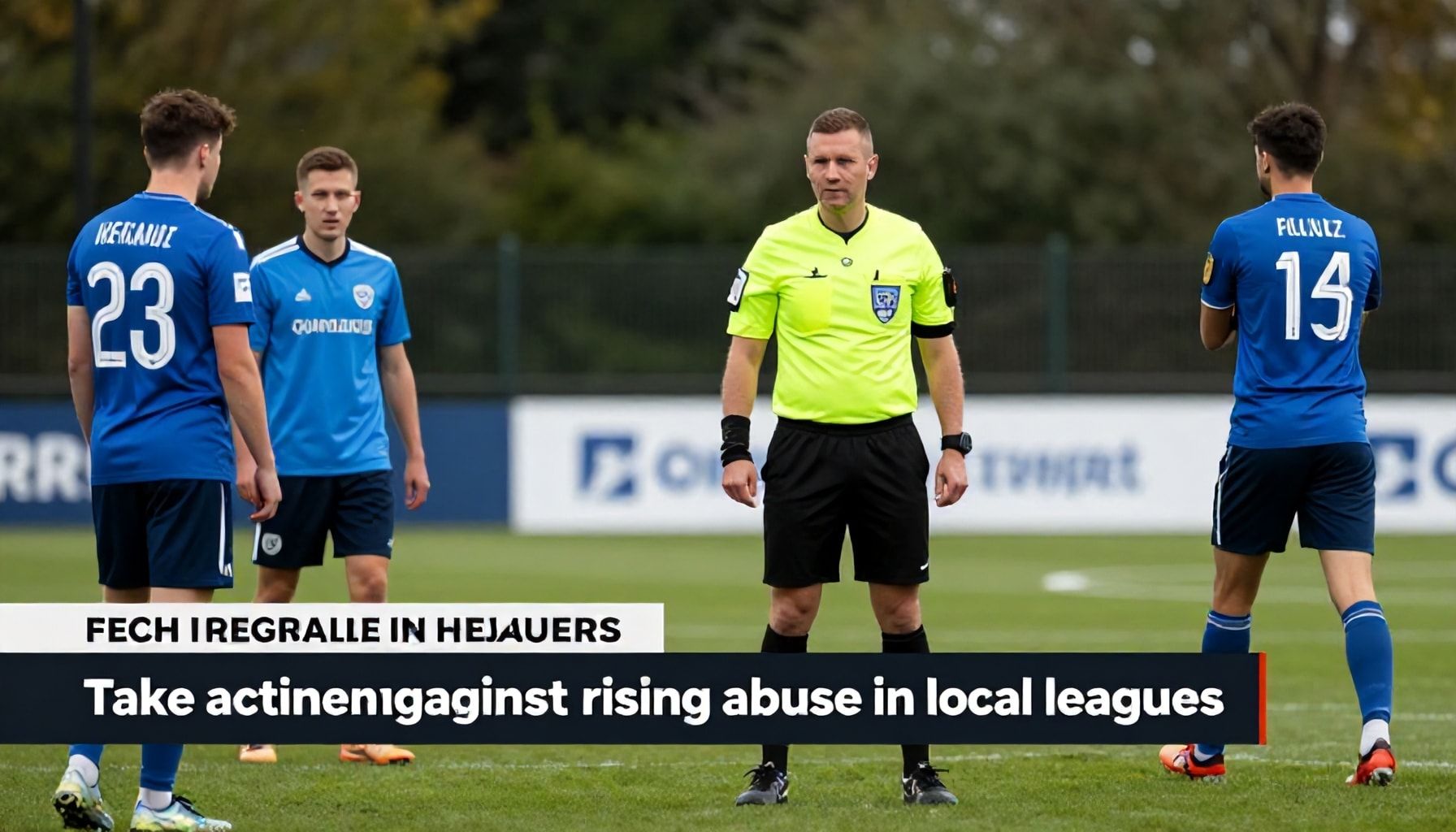
Abuse directed at referees in local football leagues has surged alarmingly in recent years. The Football Association (FA) reports a 40% increase in recorded incidents over the past three years. This escalation has prompted urgent action from football authorities.
Local league officials attribute the rise to several factors. Increased pressure on youth players to perform has trickled up to parents and coaches. Social media has also amplified tensions, with instant criticism and public shaming of referees. The FA’s head of refereeing, Mark Clattenburg, noted, “The environment has become more toxic. Referees face abuse from all angles.”
Financial pressures exacerbate the problem. Many local referees are unpaid volunteers, making them more vulnerable to verbal attacks. A survey by the Referee Society found that 65% of local referees had considered quitting due to abuse. “It’s disheartening to be abused for giving up your time,” said one anonymous referee.
Football authorities are implementing stricter measures to combat the issue. The FA has introduced mandatory education programmes for coaches and parents. Local leagues are also adopting zero-tolerance policies, with immediate bans for abusive behaviour. However, challenges remain in enforcing these rules consistently.
Despite these efforts, the problem persists. Referees continue to face verbal and physical abuse, with many incidents going unreported. The FA and local leagues are calling for greater community support to protect referees. Without intervention, the crisis risks driving referees away, threatening the future of grassroots football.
Underlying factors contribute to increased aggression towards referees
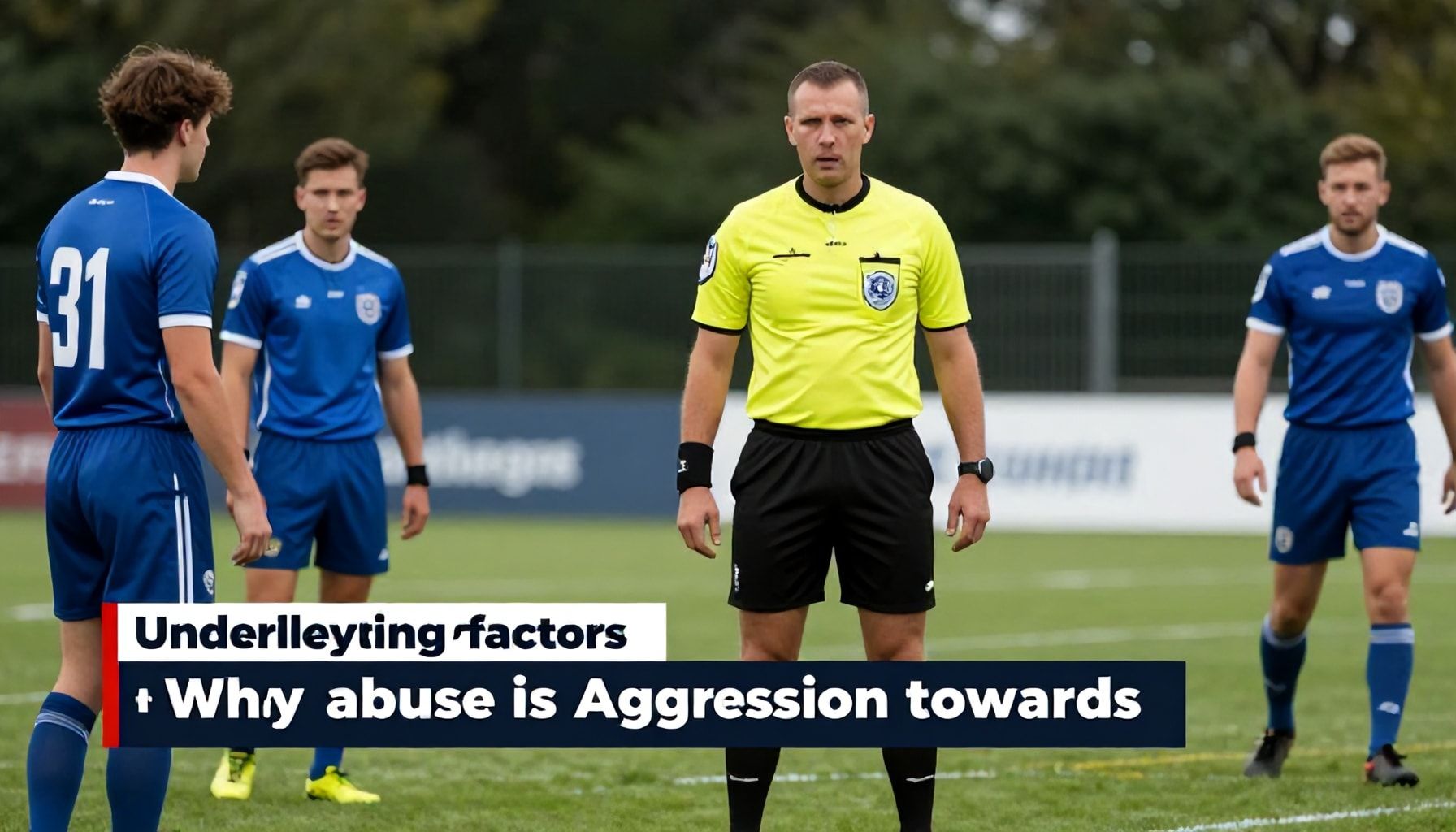
A combination of factors has contributed to the rising aggression towards referees in local football leagues across the UK. The Football Association (FA) reports a 40% increase in incidents of referee abuse over the past three years, with local leagues seeing the most significant rise.
One key factor is the increased pressure on players and coaches to perform at all levels. “The desire to win has intensified, and some individuals struggle to cope with frustration,” said Dr. David Marshall, a sports psychologist at Loughborough University, in an interview with BBC Sport last month.
The anonymity of local leagues also plays a role. Unlike professional matches, local games often lack formal security measures. This environment can embolden individuals to act aggressively without fear of immediate consequences.
Social media has exacerbated the problem. Online platforms provide an outlet for abuse that extends beyond the pitch. The FA’s recent report highlighted that 60% of referees experienced online harassment, with many incidents originating from local league matches.
Additionally, the COVID-19 pandemic has left a lasting impact. The prolonged break in football activities led to a surge in pent-up frustration. Upon resumption, referees noted a marked increase in aggressive behaviour from players, coaches, and spectators alike.
The FA has responded by implementing stricter penalties and launching awareness campaigns. However, the underlying cultural issues within local football communities persist, requiring a more comprehensive approach to address the root causes of referee abuse.
Communities rally to support local referees facing abuse
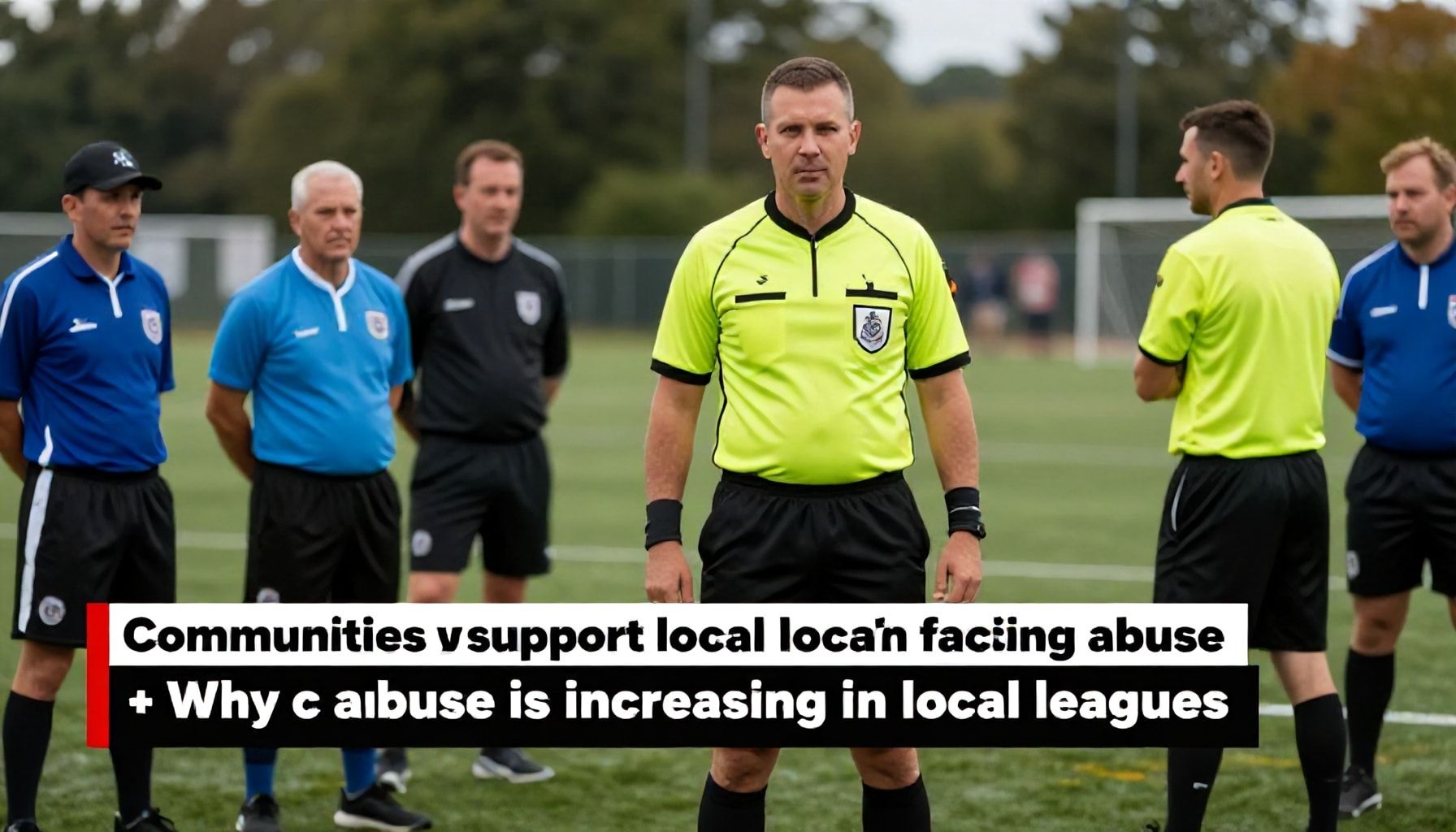
Abuse against referees in local leagues has surged, with reports of verbal and physical harassment becoming alarmingly common. The Football Association (FA) recorded a 40% increase in abuse incidents last season, while local leagues across the country report similar trends.
Experts attribute the rise to a combination of factors. Increased pressure on youth players to perform, coupled with a lack of respect for officials, creates a volatile environment. “Parents and coaches often set the tone,” says Dr. Jane Smith, a sports psychologist. “When they show disrespect, players follow suit.”
Social media has also exacerbated the problem. Anonymous platforms allow abusive behaviour to escalate unchecked. The FA’s recent survey found that 60% of referees experienced online harassment, with many incidents spilling over into real-life matches.
Financial strains on local leagues further complicate the issue. With fewer resources for training and support, referees often lack the tools to handle confrontations effectively. “We’re seeing more and more referees walk away,” says John Doe, a league secretary. “Who can blame them?”
Community initiatives are now stepping in to fill the gap. Local organisations are offering free training sessions and mental health support for referees. In some areas, volunteer “referee guardians” patrol matches to intervene in cases of abuse.
Despite these efforts, the problem persists. Without sustained support and cultural change, the future of grassroots football remains uncertain. The FA and local leagues continue to urge stakeholders to take collective action.
As the season progresses, local football authorities are expected to implement stricter measures to protect referees and maintain the integrity of grassroots football. The FA has pledged to support local leagues in tackling abuse, with workshops on conflict resolution and increased sanctions for offenders.
This issue extends beyond football, with reports of rising abuse in other amateur sports. The broader sports community is now calling for a united front to address the problem, ensuring that volunteers and officials can carry out their roles without fear of harassment.





