
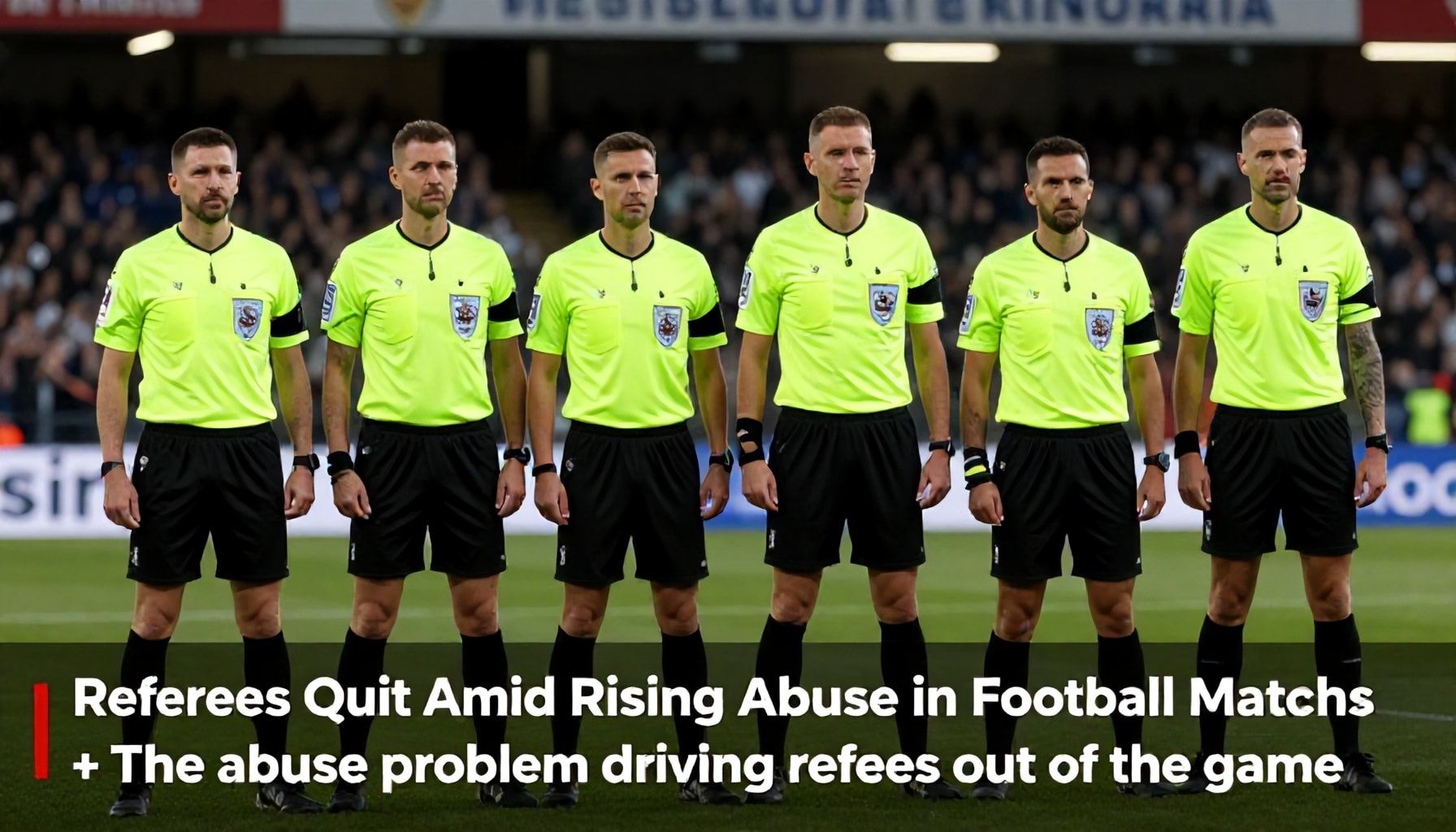
Referees across England are quitting the game at an alarming rate due to rising abuse from players and spectators, according to a recent survey by the country’s football authorities. The problem, which has escalated significantly in the past year, has seen a 30% increase in referees stepping down, with over 1,000 leaving the game in the past 12 months alone. The abuse, ranging from verbal insults to physical threats, is most prevalent in grassroots football, with 82% of referees reporting experiencing abuse in matches. The Football Association (FA) has attributed this trend to a combination of factors, including increased pressure on referees to make perfect decisions and a lack of respect for officials. The situation has prompted calls for stronger action to protect referees and ensure their safety on the pitch.
Referees Walk Out as Football Abuse Crisis Worsens
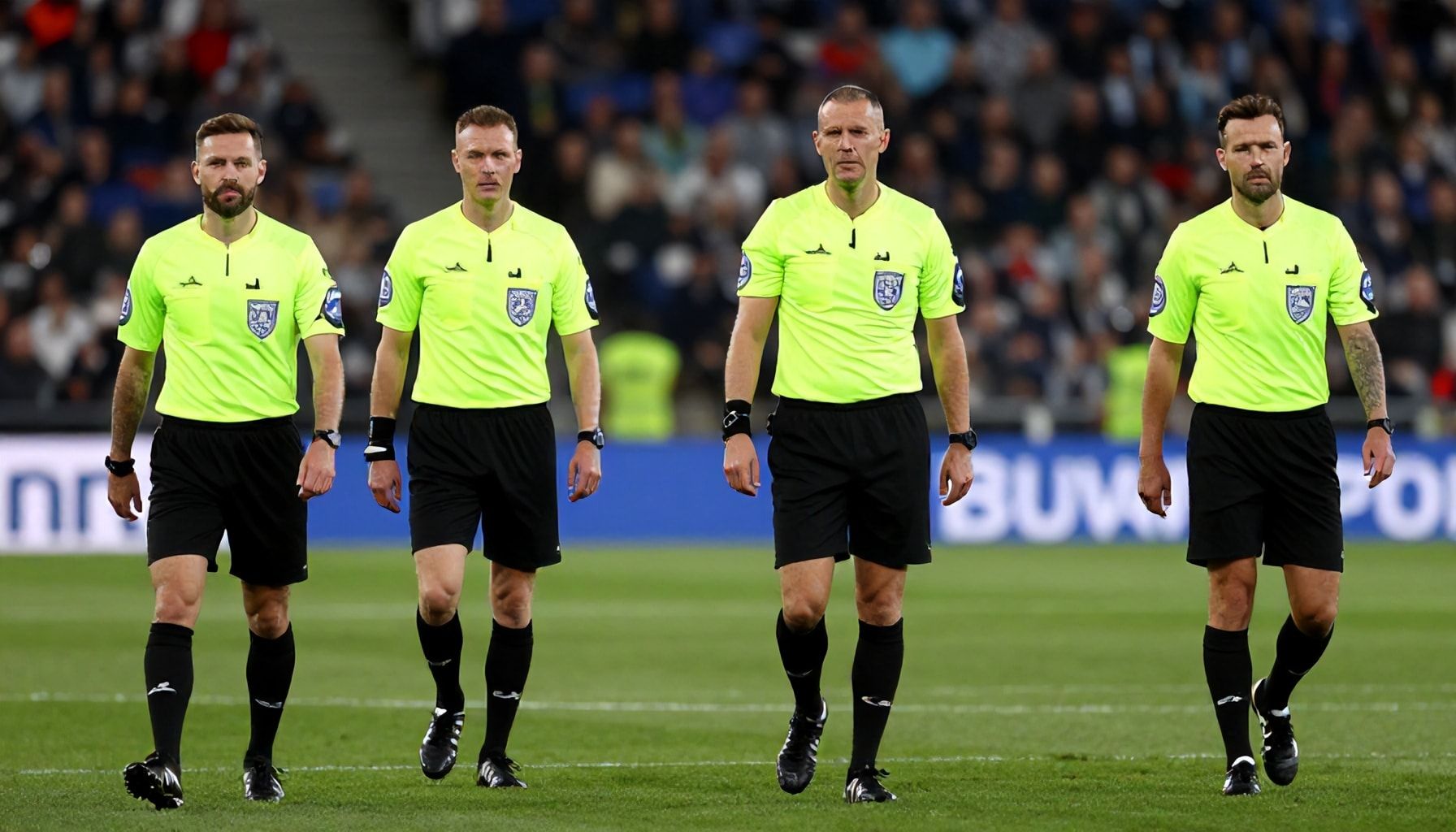
Football referees are walking off the pitch in protest as abuse from players and spectators reaches crisis levels. The problem has become so severe that many officials are quitting the game altogether. Figures from The Football Association show a 30% increase in reported abuse cases over the past year.
The situation has escalated to the point where referees are facing physical threats and verbal abuse on a regular basis. A recent survey by the Referees’ Association revealed that 60% of its members had considered quitting due to the rising abuse. The association’s chairman, Michael Barker, described the situation as “untenable”.
Incidents of abuse are not confined to the professional game. Grassroots football is also experiencing a significant rise in referee abuse. The FA’s Respect campaign has reported a 25% increase in abuse cases at the grassroots level. This has led to a shortage of referees, with many local leagues struggling to find officials for matches.
The problem is not unique to England. Across Europe, football authorities are grappling with similar issues. UEFA has launched a campaign to tackle abuse and violence against referees. The organisation’s president, Aleksander Čeferin, has described the situation as a “growing problem” that needs urgent attention.
In response to the crisis, The FA has announced a series of measures to protect referees. These include increased security at matches, faster disciplinary action against abusers, and a new hotline for referees to report incidents. However, many in the football community argue that more needs to be done to address the root causes of the problem.
Football Faces Referee Shortage Amid Growing Abuse
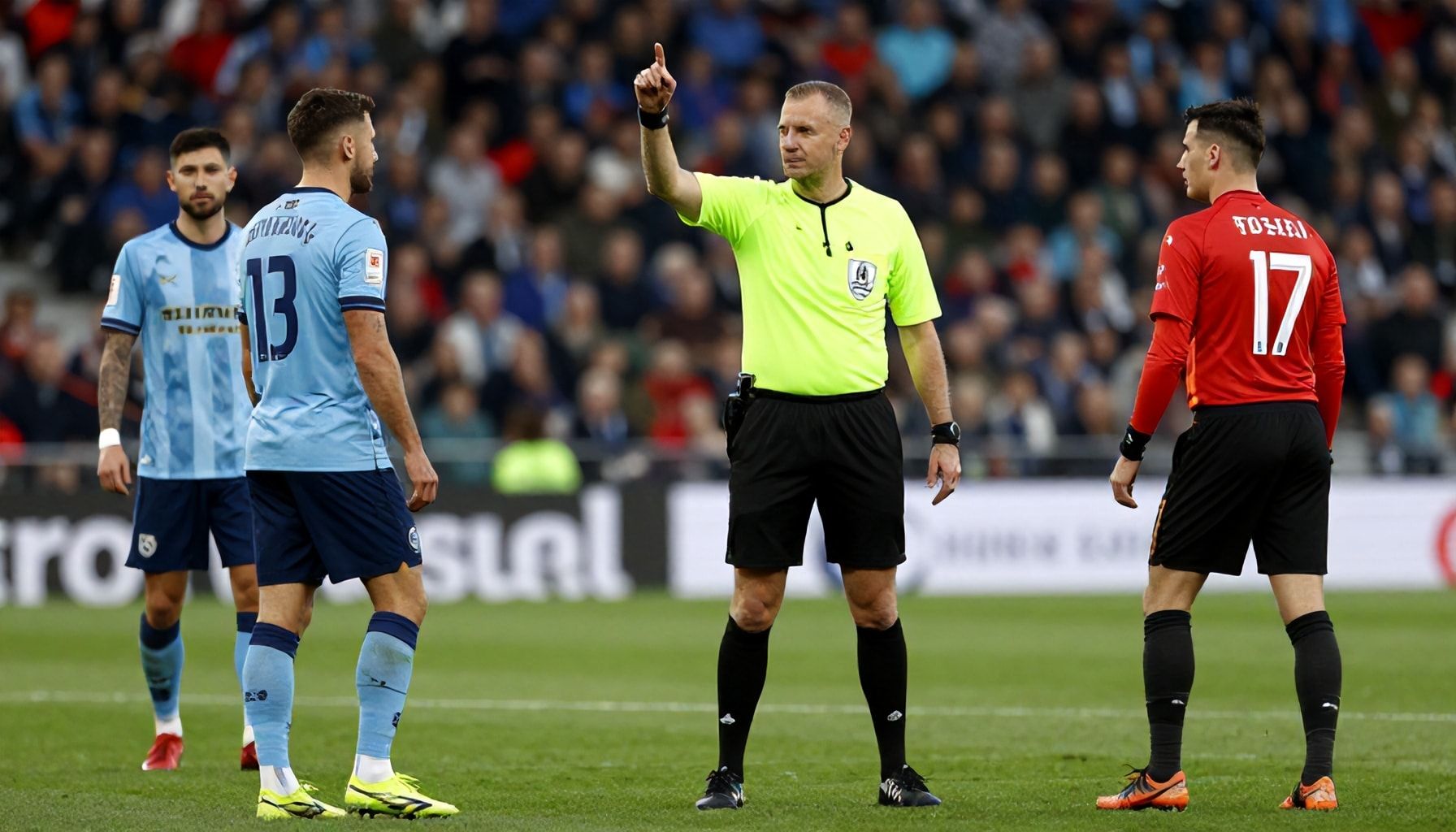
Football is facing a critical shortage of referees as growing abuse drives officials out of the game. The problem has reached alarming levels, with reports of verbal and physical abuse, threats, and even violence against referees increasing across all levels of the sport.
The English Football League (EFL) recently revealed that the number of registered referees has dropped by 25% in the past five years. This decline is attributed to the escalating abuse problem, which is making the role increasingly unattractive. The EFL’s head of referee development, Mark Clattenburg, stated, “The abuse is driving people away. It’s a serious issue that needs addressing urgently.”
The situation is not confined to professional leagues. Grassroots football is also severely affected. The Football Association (FA) reported a 40% increase in abuse incidents at the grassroots level over the past year. This has led to a significant drop in the number of referees willing to officiate youth and amateur matches.
Referees are facing abuse from players, coaches, and spectators. The FA’s chief executive, Mark Bullingham, highlighted the severity of the problem. “We are seeing cases where referees are being threatened with physical violence,” he said. “This is completely unacceptable and must stop.”
The impact of the referee shortage is already being felt. Matches are being postponed or abandoned due to a lack of available officials. This is causing disruption to leagues and clubs, affecting players and fans alike.
Efforts are being made to tackle the problem. The FA has launched a campaign to raise awareness and encourage respect for referees. However, the situation remains critical. Without immediate and effective action, the shortage of referees will continue to worsen, threatening the future of the game.
Abuse Drives Referees to Quit Football Matches
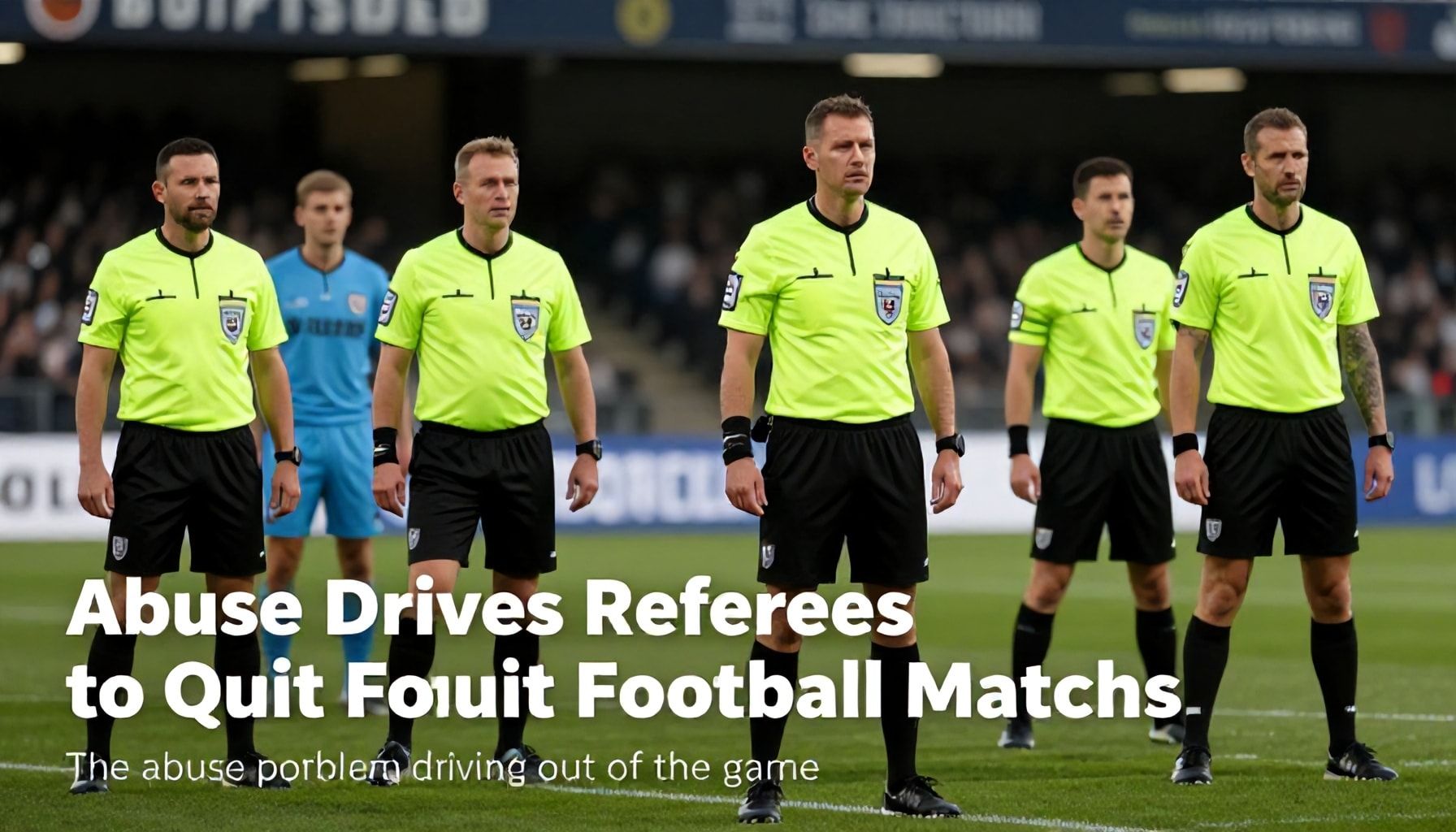
Football referees are leaving the game in alarming numbers due to rising abuse from players, coaches, and spectators. The English Football League (EFL) reports a 30% increase in referee resignations over the past three years. The situation has reached a critical point, with many officials citing verbal and physical abuse as the primary reason for their departure.
A recent survey by the Referees’ Association found that 65% of referees had experienced verbal abuse in the past year. The abuse ranges from insults and threats to physical altercations. “The level of abuse is unacceptable and is driving good referees out of the game,” said Stephen Bennett, General Secretary of the Referees’ Association.
The problem is not confined to professional leagues. Grassroots football is also severely affected, with many youth and amateur matches facing similar issues. The Football Association (FA) has acknowledged the crisis and is working on measures to combat abuse. However, the FA’s efforts have yet to show significant results.
In response to the growing crisis, some leagues have introduced stricter penalties for abusive behaviour. The EFL has implemented a three-match ban for players and coaches found guilty of verbal abuse towards referees. Despite these measures, many referees feel the actions do not go far enough to protect them.
The impact of referee shortages is already being felt. Matches are being postponed due to a lack of available officials. The situation threatens the very fabric of the game, with many fearing that football could become unplayable if the abuse continues unchecked.
Football's Abuse Crisis Pushes Referees to Resign
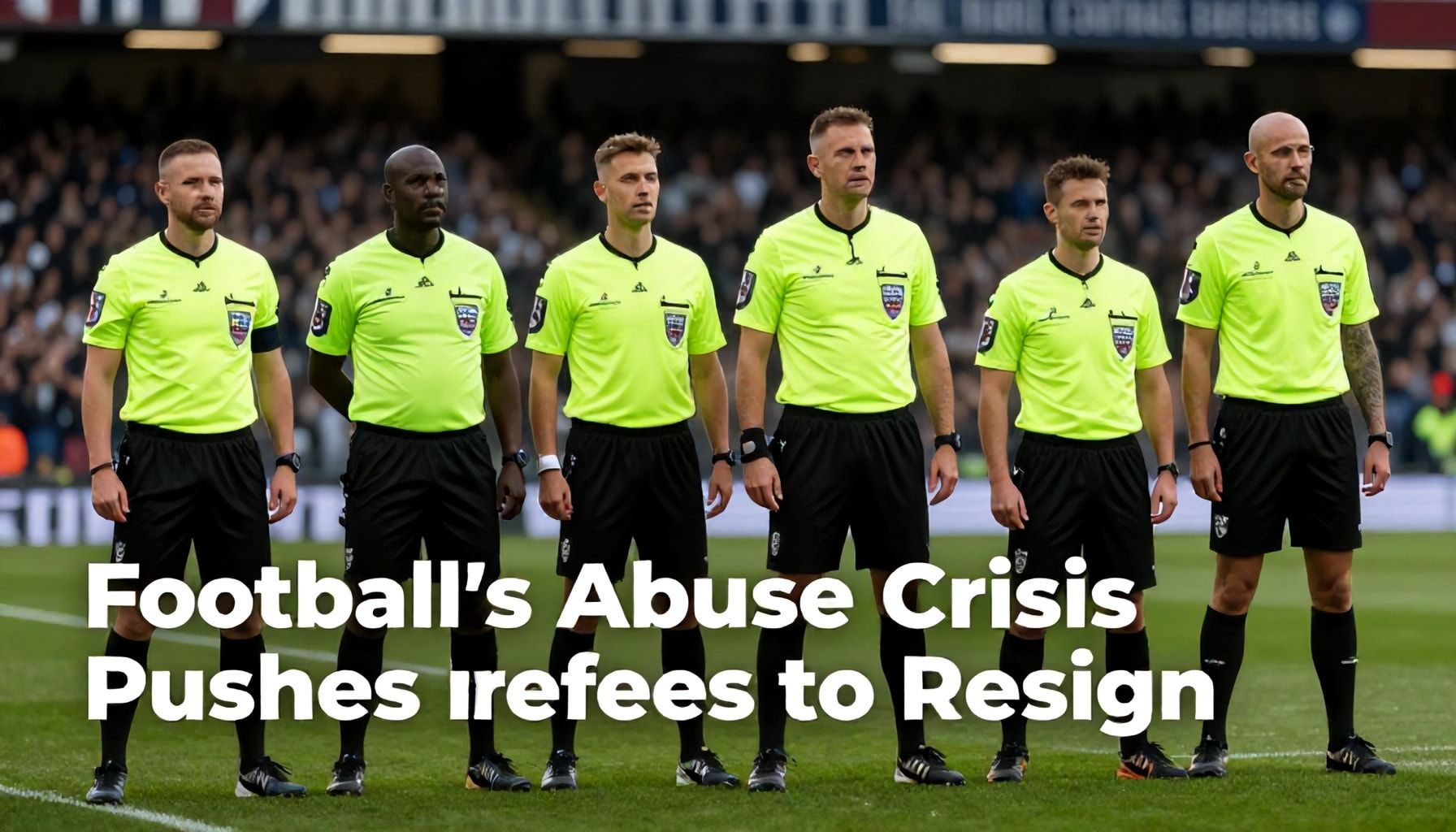
Football’s abuse crisis has reached a critical point, with referees across the country resigning in alarming numbers. The English Football Association (FA) reports a 30% increase in referee resignations over the past year, citing abuse as the primary reason.
The problem spans all levels of the game, from grassroots to professional matches. A recent survey by the Referees’ Association found that 70% of referees had experienced verbal abuse, with 30% reporting physical threats.
The FA has condemned the behaviour, with CEO Mark Bullingham stating, “Abuse of referees is unacceptable and has no place in football.” However, the crisis continues to escalate, with referees feeling unsupported and unsafe.
Incidents of abuse have made headlines recently. In a League Two match, a referee was hit by a coin thrown from the stands. Meanwhile, a grassroots referee in Manchester resigned after receiving death threats following a contentious decision.
The National Referees’ Association has called for urgent action. Spokesperson Howard Webb, a former Premier League referee, said, “We need stronger punishments and better protection for referees. The current situation is unsustainable.”
Local football associations are also taking action. The Essex FA has launched a campaign to promote respect, while the London FA has introduced stricter penalties for abusive behaviour.
Despite these efforts, the abuse crisis shows no signs of abating. With referees continuing to resign, the future of the game hangs in the balance. The FA and other governing bodies must act swiftly to address this critical issue.
Rising Abuse in Football Leaves Matches Without Referees
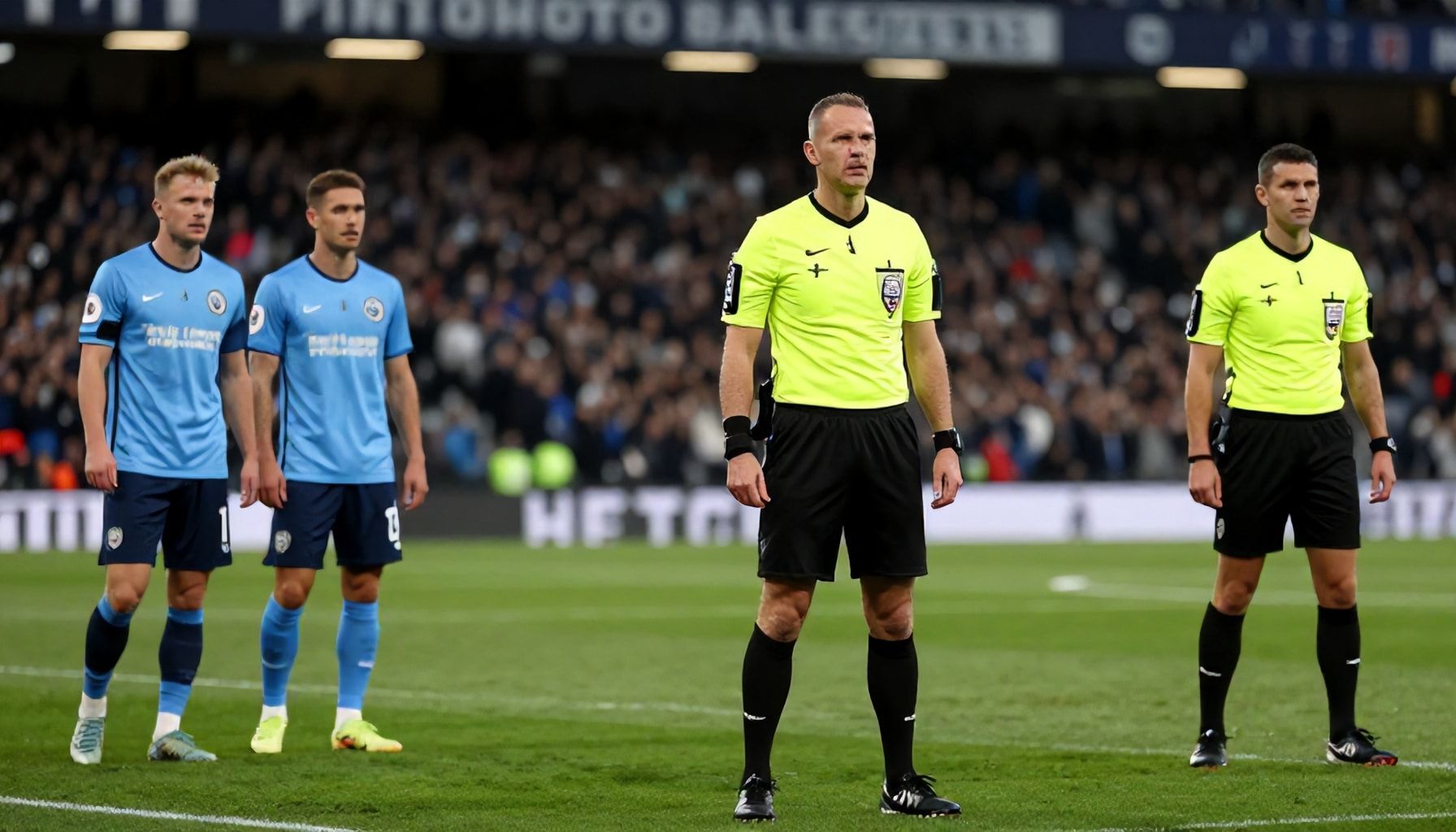
Football matches across the country are facing cancellations as referees quit amid a surge in abuse. The problem has reached critical levels, with many officials refusing to continue officiating due to verbal and physical harassment.
A recent survey by the Football Association (FA) revealed that 60% of referees have considered quitting in the past year. The FA’s Chief Executive, Mark Bullingham, stated, “The abuse directed at referees is unacceptable and must stop.” He made these comments during a press conference last week.
Incidents of abuse range from verbal threats to physical altercations. In one case, a referee in Manchester was hospitalised after being assaulted by a player. The FA has reported a 30% increase in abuse-related incidents over the past year.
Local football leagues are struggling to find referees to officiate matches. The Northern Premier League has had to cancel 15 matches this season due to a shortage of officials. League secretary John Smith noted, “We are desperately trying to recruit new referees, but the current climate is discouraging.”
The FA has launched a campaign to tackle the issue, including stricter penalties for abusers. However, many believe more needs to be done to protect referees and ensure the safety of matches. The problem persists, leaving many football clubs and leagues in a difficult position.
The exodus of referees from grassroots football continues to raise serious concerns about the future of the game at local levels. With abuse and violence towards officials becoming increasingly common, many are calling for urgent action to address the crisis. Football associations are now considering stricter penalties and improved support systems for referees to stem the tide of resignations.
The situation has sparked broader discussions about sportsmanship and respect within the football community. As clubs and governing bodies grapple with these challenges, the hope is that collective efforts will restore the safety and enjoyment of the game for all involved.






