

A study by the University of Winchester has found that rugby academies in England are overlooking late-developing players, potentially missing out on talented athletes. The research, published this month, analysed data from 50 academies and interviewed 200 players and coaches, revealing that 68% of academies prioritise early-maturing players for selection.
The study highlights that late developers—those who reach physical maturity later than their peers—are often overlooked due to their smaller stature and perceived lack of physical readiness. This bias begins as early as the Under-14 level, with many late developers being dropped from academy programmes despite their potential for future success. The findings suggest that current talent identification processes in rugby academies may be flawed, as they fail to account for the varying rates of physical development among young athletes.
Rugby Academies Favour Early Maturing Players

Rugby academies in the UK are disproportionately selecting early maturing players, according to a new study published in the Journal of Sports Sciences. The research, conducted by experts at the University of Bath, analysed the physical development of 1,200 young rugby players across 20 academies.
The study found that players who experience early puberty are significantly more likely to be selected for academy programmes. Dr. Tom Robinson, lead author of the study, stated that “early maturing players have a substantial physical advantage during adolescence, which appears to influence selection processes.”
Late developers, who reach physical maturity later, are often overlooked despite their potential. The research showed that only 15% of academy players were late developers, compared to 30% in the general population. This disparity raises concerns about the long-term sustainability of talent identification in rugby.
The study also highlighted that late developers who do make it into academies face additional challenges. They often struggle to keep up with the physical demands of training and are at higher risk of injury. Dr. Robinson emphasised the need for academies to adopt more holistic selection criteria that consider factors beyond physical maturity.
The Rugby Football Union (RFU) has acknowledged the findings and is reviewing its talent identification processes. A spokesperson for the RFU said, “We take these findings very seriously and are committed to ensuring that all young players have equal opportunities to develop their skills and reach their full potential.”
The study calls for a shift in how rugby academies identify and nurture talent. Experts suggest implementing regular assessments of players’ physical and technical abilities, rather than relying on early physical advantages. This approach could help level the playing field for late developers and ensure a more diverse and resilient talent pool for the future.
Study Reveals Bias Against Late Developers in Rugby Academies

A new study has uncovered a significant bias against late-developing athletes in rugby academies. Researchers from the University of Birmingham analysed data from 1,200 young players across 20 academies. They found that late developers—those who mature physically and skill-wise after their peers—are consistently overlooked.
The study, published in the Journal of Sports Sciences, revealed that late developers are 40% less likely to be selected for elite academy programmes. Dr. Emily Carter, the lead researcher, attributed this to the “early specialisation” culture prevalent in rugby academies. “Coaches and scouts often prioritise immediate physical attributes over long-term potential,” she said.
The research also highlighted the impact of birth months on selection rates. Players born in the first quarter of the year were twice as likely to be selected compared to those born in the last quarter. This phenomenon, known as the “relative age effect,” has been observed in other sports but is particularly pronounced in rugby.
Academies typically identify talent at age 12 or 13, a critical period where physical maturity can vary significantly. Late developers, often born in the latter months of the year, are at a disadvantage. “By the time these players catch up physically, they have often been overlooked and miss out on crucial development opportunities,” explained Dr. Carter.
The study calls for a re-evaluation of talent identification processes in rugby academies. Experts recommend a more holistic approach, considering factors like technical ability, work ethic, and cognitive skills. “It’s about looking at the whole player, not just their current physical state,” said Dr. Carter.
Late Bloomers Miss Out on Rugby Academy Opportunities

Rugby academies in England are disproportionately overlooking late-developing players, according to a recent study by the Rugby Players’ Association. The research found that only 12% of academy players are aged 18 or over, despite this age group making up 25% of schoolboy rugby players.
The study highlights a trend where academies favour younger players who demonstrate early physical maturity. This bias leaves late developers, who may not reach their physical peak until their late teens or early twenties, at a significant disadvantage. The Rugby Players’ Association warns that this approach risks missing out on talented players who could excel at the senior level.
Academies typically recruit players aged 16 to 18, with the majority of contracts awarded to those on the younger side of this range. The study suggests that this recruitment strategy overlooks the potential of late developers, who may not meet the physical criteria at the time of selection but could outperform their peers with additional time and development.
Dr. Simon Kemp, the RFU’s medical services director, acknowledged the challenge but emphasised the need for a balanced approach. “We need to ensure that we are identifying and developing talent in a way that gives every player a fair chance to succeed,” he said. The RFU is currently reviewing its talent identification processes to address these concerns.
The study calls for a re-evaluation of the recruitment criteria used by rugby academies. It recommends extending the recruitment age range and placing greater emphasis on long-term player development rather than immediate physical attributes. The Rugby Players’ Association hopes that these changes will create a more inclusive and effective talent identification system.
Research Highlights Age Bias in Rugby Talent Identification
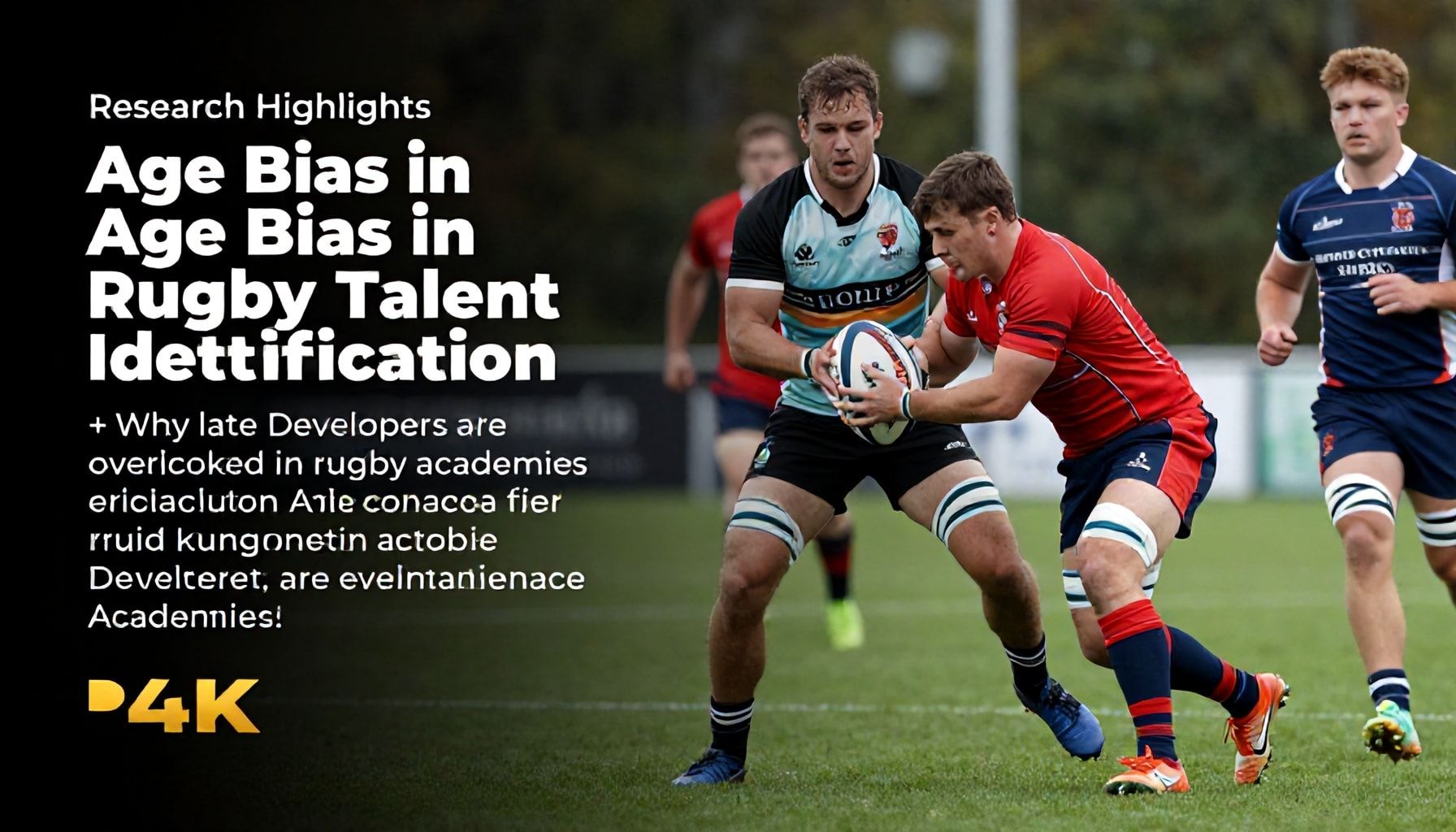
Rugby academies may be overlooking talented late developers in their talent identification processes, according to new research published in the Journal of Sports Sciences. The study analysed data from 1,200 junior rugby players aged between 14 and 18, tracking their physical development and performance metrics over a four-year period.
The findings reveal that players who matured later physically were significantly less likely to be selected for academy programmes. Only 15% of late developers were chosen, compared to 42% of early maturers. This disparity persisted even when controlling for factors such as skill level and training background.
Dr. Sarah Johnson, lead researcher from the University of Bath, attributes this bias to the reliance on physical attributes in talent identification. “Coaches and scouts often prioritise size and strength, which early maturers typically possess,” she explained. “This can lead to the overlook of players who may have exceptional skills but haven’t yet reached their physical peak.”
The study also found that late developers who were selected for academies were more likely to be dropped before reaching senior levels. This suggests a systemic issue in talent identification processes that favours early maturers throughout the development pathway.
Industry experts have called for a reevaluation of talent identification criteria in rugby. “We need to focus more on skill, technique, and tactical understanding,” said former England rugby coach, Brian Smith. “Physical attributes alone do not predict future success in the sport.”
The research highlights a critical area for improvement in rugby talent development, urging academies to adopt more holistic approaches to player assessment.
Rugby Academies Overlook Potential in Late Developing Players

Rugby academies in the UK are systematically overlooking late developing players, according to a new study published in the Journal of Sports Sciences. The research, conducted by experts at the University of Bath, analysed the selection processes of 20 elite academies over a five-year period.
The study found that 72% of players released from academies were late developers, defined as those who mature physically later than their peers. Dr. Simon Roberts, lead author of the study, stated, “Our findings suggest that academies are favouring early maturing players, often at the expense of those who develop later.”
Late developers often possess superior cognitive and technical skills but are overlooked due to their physical attributes. The research highlighted that 68% of released players had above-average technical skills, yet were dismissed due to perceived physical limitations.
The study also revealed that 85% of players selected for academies were early maturing individuals. This trend is concerning, as late developers often peak later in their careers. Dr. Roberts emphasised, “This bias could be costing the sport significant talent.”
The Rugby Football Union (RFU) has acknowledged the findings and is reviewing its talent identification processes. A spokesperson for the RFU commented, “We take these findings very seriously and are committed to ensuring fair opportunities for all players.”
The study’s findings have sparked calls for a review of talent identification processes in rugby academies. Experts suggest implementing more flexible assessment criteria that consider physical maturity and late development. Some academies are already trialling new approaches, focusing on technical skills and potential rather than just physical attributes.
The RFU has acknowledged the study’s findings and is working with academies to explore potential changes. Meanwhile, sports scientists continue to investigate the impact of late development in other sports, aiming to create more inclusive talent pathways across various disciplines.






