
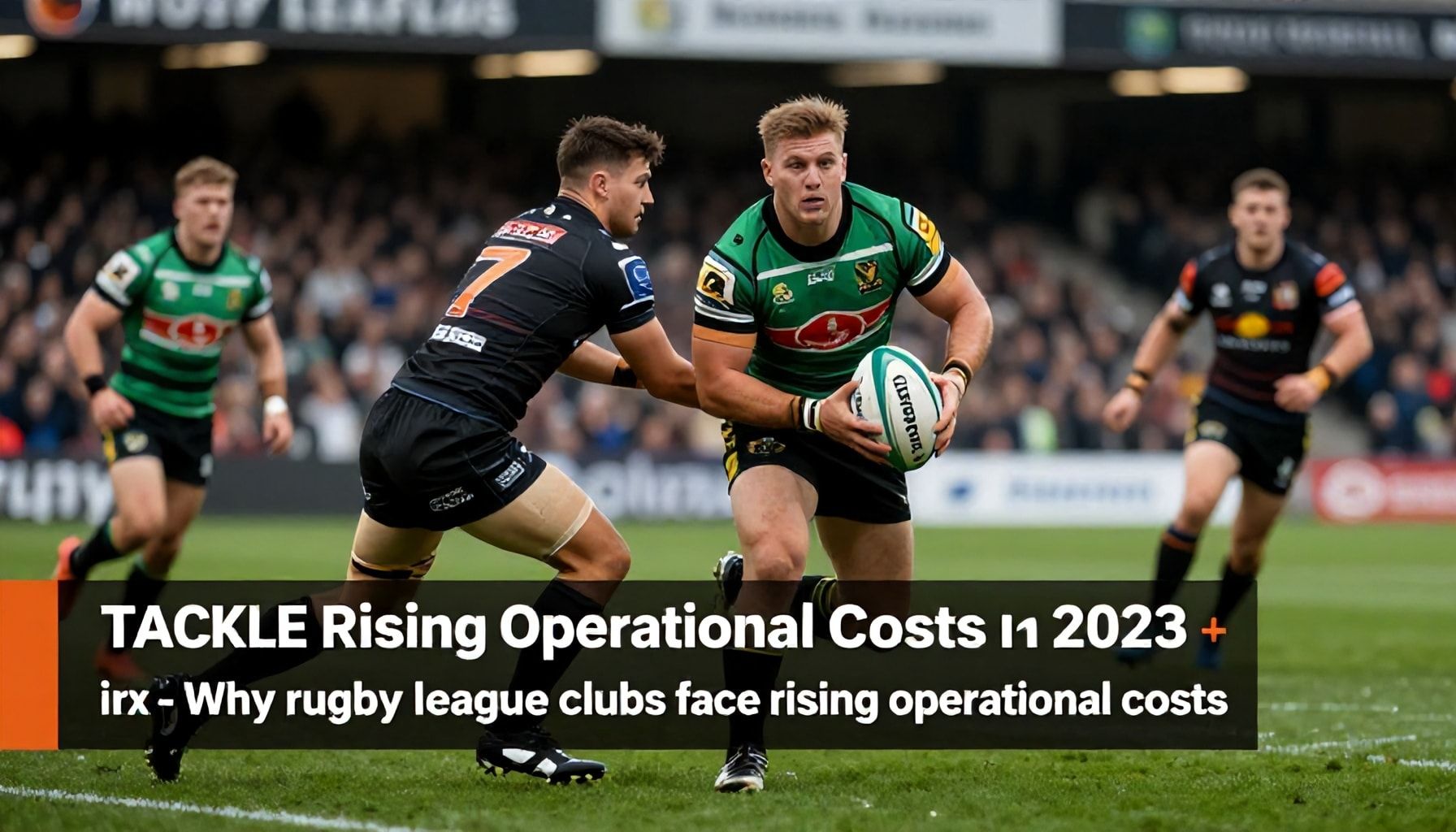
Rugby League clubs across the UK are grappling with a surge in operational costs in 2023, with inflation, energy price hikes, and increased player wages cited as key factors. The situation has left many clubs, from the Super League to lower divisions, scrambling to balance their books, with some facing the stark reality of financial instability.
The cost-of-living crisis has seen energy bills soar by up to 80% compared to 2022, according to industry reports, while player wages have risen by an average of 15% in the same period. The Rugby Football League (RFL) has acknowledged the challenge, with chief executive Andrew Minchin stating that the organisation is working closely with clubs to mitigate the impact. The crisis has sparked discussions about the long-term sustainability of the sport at both professional and grassroots levels.
Rising Operational Costs Challenge Rugby League Clubs in 2023

Rugby league clubs across the UK are grappling with significant increases in operational costs in 2023. The primary driver is a sharp rise in energy prices, which have surged by 80% compared to 2022, according to industry reports. This escalation is forcing clubs to re-evaluate their budgets and prioritise spending.
Stadium maintenance and utilities consume a substantial portion of club revenues. For instance, the cost of lighting a stadium for a single match has increased by approximately £500. Clubs like Leeds Rhinos and Wigan Warriors have publicly acknowledged the strain this places on their financial resources.
Player wages and transfer fees are also contributing to the financial pressure. The average salary for a Super League player has risen by 15% over the past year. Additionally, the cost of acquiring new talent has seen a notable uptick, with transfer fees reaching unprecedented levels.
Travel and accommodation expenses have similarly spiked, affecting both domestic and international fixtures. Clubs are now paying up to 30% more for travel arrangements compared to previous seasons. This increase is particularly impactful for clubs with a high number of away games.
The economic climate has also led to a decline in sponsorship deals and commercial revenue. Many clubs rely heavily on these income streams to balance their books. With businesses tightening their budgets, clubs are finding it increasingly difficult to secure lucrative partnerships.
In response, clubs are exploring various cost-saving measures. Some are negotiating with suppliers for better rates, while others are looking to diversify their revenue streams. The challenge, however, remains significant, and the long-term impact on the sport is yet to be fully understood.
Clubs Face Financial Strain Amidst Increasing Expenses

Rugby league clubs across the UK are grappling with mounting operational costs in 2023, with inflation and increased demand for player wages cited as primary contributors. The sport has seen a surge in popularity, driving up player salaries as clubs compete to attract and retain talent. According to a report by the Rugby Football League (RFL), the average wage for a first-team player has risen by 15% in the past year alone.
In addition to player wages, clubs are facing higher costs for matchday operations, including stadium maintenance and security. The RFL estimates that these expenses have increased by 12% year-on-year, putting further strain on club finances. “The cost of running a rugby league club has never been higher,” said RFL Chief Executive Ralph Rimmer in a statement last month.
Travel expenses have also soared, with the price of fuel and accommodation rising significantly. Clubs that rely on away fixtures to generate revenue are particularly affected, as these costs eat into their already tight budgets. A spokesperson for the Betfred Super League confirmed that travel costs have increased by 20% compared to pre-pandemic levels.
Furthermore, clubs are investing more in youth development and community programmes, which, while beneficial for the sport’s long-term growth, require substantial funding. The RFL has urged the government to provide more support for grassroots sports to help alleviate some of the financial pressure on clubs. Without intervention, many clubs may struggle to balance their books in the coming years.
Rugby League Clubs Seek Solutions to Growing Financial Pressures
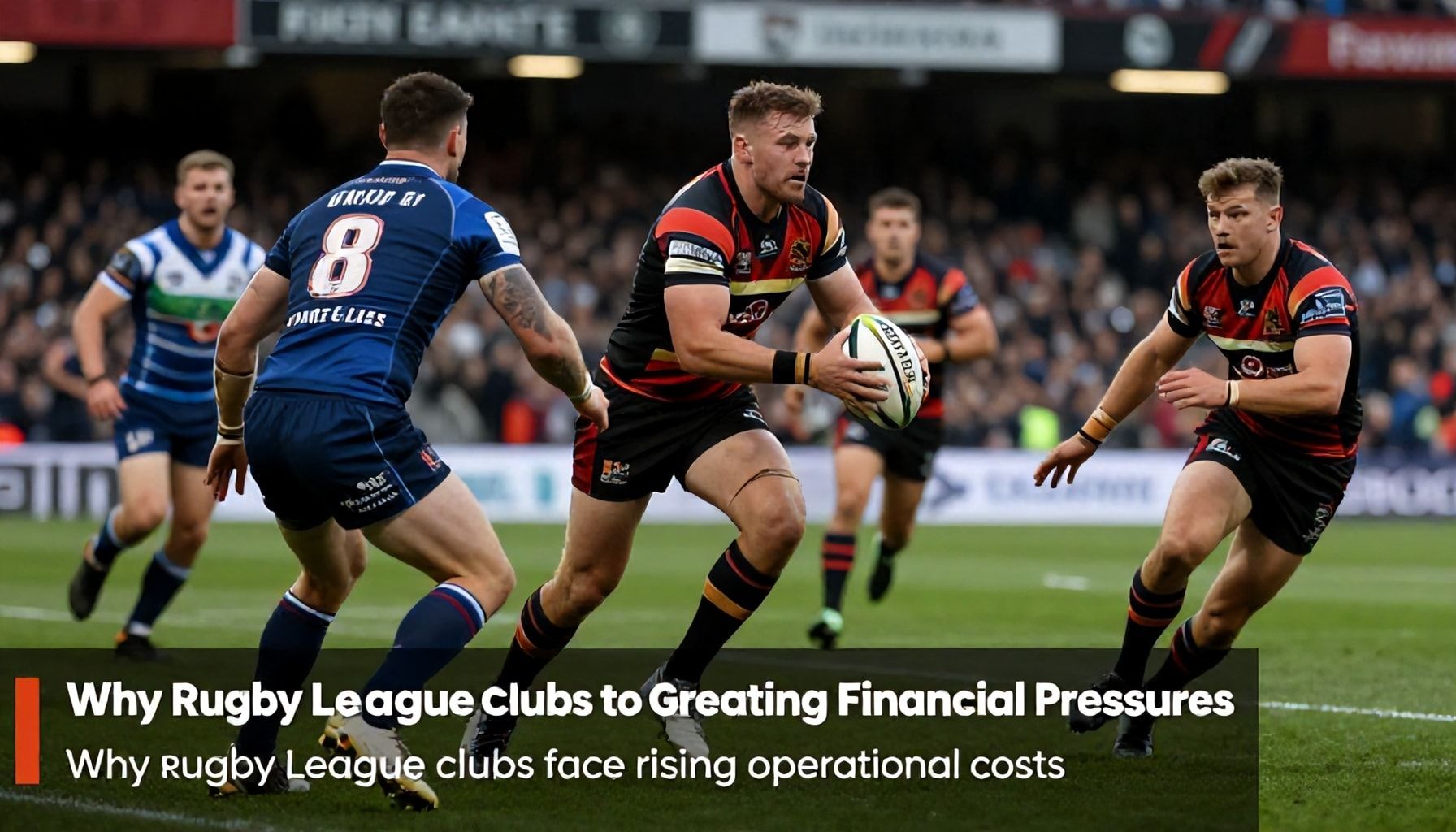
Rugby League clubs across the country are grappling with escalating operational costs, driven by a combination of factors. The primary pressure comes from rising player wages, which have increased by an average of 15% over the past two years, according to a recent report by the Rugby League Players’ Association.
Inflation has also taken its toll, with the cost of essential services such as ground maintenance and travel surging. Clubs report that energy costs alone have risen by up to 30% compared to pre-pandemic levels. This financial strain is particularly acute for smaller clubs, which operate on tighter budgets.
The devaluation of the pound has exacerbated the situation, making imports more expensive. This includes everything from specialist equipment to nutritional supplements for players. “The combination of higher wages and increased costs for goods and services has created a perfect storm,” said a spokesperson for the Rugby Football League.
Additionally, clubs are investing more in infrastructure to meet growing fan expectations and comply with new safety regulations. Many have undertaken significant stadium upgrades, with costs ranging from hundreds of thousands to millions of pounds. These investments, while necessary, have stretched already tight budgets to their limits.
The situation has led to a wave of restructuring and cost-cutting measures across the league. Clubs are exploring innovative solutions, from sponsorship deals to community initiatives, to alleviate the financial burden. The long-term sustainability of the sport hinges on finding a balance between competitive play and financial stability.
The Impact of Rising Costs on Rugby League Clubs
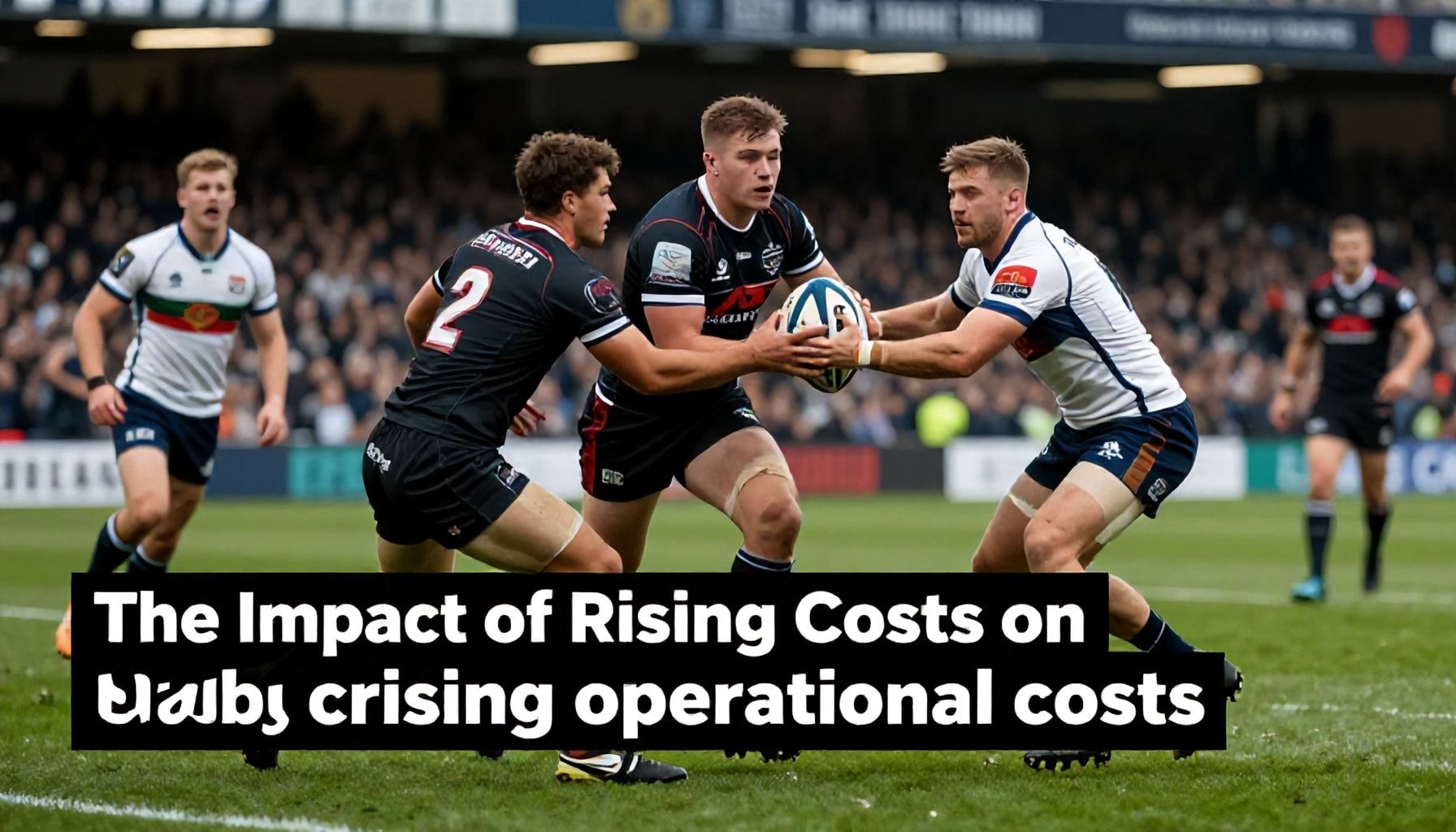
Rugby League clubs across the UK are grappling with a steep rise in operational costs, with inflation and increased player wages cited as primary culprits. The Office for National Statistics reported a 10.1% rise in the UK’s Consumer Price Index in January 2023, the highest in 40 years. This surge in living costs has directly impacted clubs, forcing them to allocate more funds to maintain their squads.
Player wages have seen a significant uptick, with the Rugby Football League (RFL) reporting a 15% increase in average salaries over the past two years. Clubs are also facing higher costs for essential services, such as ground maintenance and utilities. The RFL’s Chief Executive, Jon Dutton, acknowledged the challenge, stating, “Clubs are feeling the pinch, and it’s a delicate balance to maintain competitiveness while managing costs.”
The cost of travel and accommodation for away games has also risen, with fuel prices reaching record highs. Clubs are now exploring cost-saving measures, including shared travel arrangements and reduced away-day budgets. Some clubs have also had to increase ticket prices, risking a decline in attendance.
The situation has led to calls for increased financial support from governing bodies. The RFL has responded by offering grants and financial advice to clubs. However, the long-term solution remains uncertain, with clubs urging for a more sustainable financial model for the sport.
How Rugby League Clubs Are Adapting to Financial Challenges

Rugby League clubs across the UK are grappling with rising operational costs, driven by a combination of external and internal factors. Inflation has pushed up the price of essentials, from pitch maintenance to travel expenses. The cost of energy, in particular, has surged, with some clubs reporting bills doubling in the past year.
Player wages also contribute significantly to the financial strain. The demand for higher salaries, particularly for star players, has intensified competition among clubs. According to a report by the Rugby League Association, wages account for over 60% of operational costs for many clubs.
Injuries and player turnover add another layer of financial pressure. Clubs often find themselves scrambling to cover unexpected absences or recruit new talent. The need for medical staff and rehabilitation facilities has also increased, further stretching budgets.
The cost of facilities and infrastructure is another major concern. Many clubs are investing in upgrading their stadiums and training facilities to meet modern standards. However, these improvements come at a substantial cost, often requiring significant loans or sponsorship deals.
Additionally, the rise of digital media and the need for enhanced online presence have led to increased expenditure on technology and marketing. Clubs are investing in better websites, social media management, and digital content creation to engage with fans and attract sponsors.
Despite these challenges, clubs are exploring various strategies to mitigate the financial strain. Some are seeking new revenue streams, such as merchandise sales and community events. Others are negotiating better deals with suppliers and sponsors to reduce costs.
The financial landscape for Rugby League clubs is undoubtedly challenging. However, with strategic planning and innovative approaches, clubs are finding ways to adapt and thrive in the face of rising operational costs.
As rugby league clubs grapple with rising operational costs, the sport faces a critical juncture. The financial strain has prompted clubs to explore innovative revenue streams, from sponsorship deals to community engagement initiatives. While some clubs have successfully navigated these challenges, others continue to struggle, highlighting the need for sustainable financial models. The coming months will be pivotal as clubs implement their cost-saving measures and seek long-term stability. The sport’s future hinges on finding a balance between financial viability and competitive integrity.






